

12 Amazing Practical Leftover Couscous Ideas: Brilliant Ways to Reuse and Remix
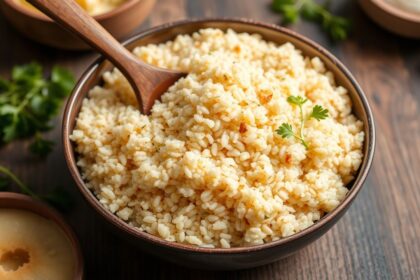
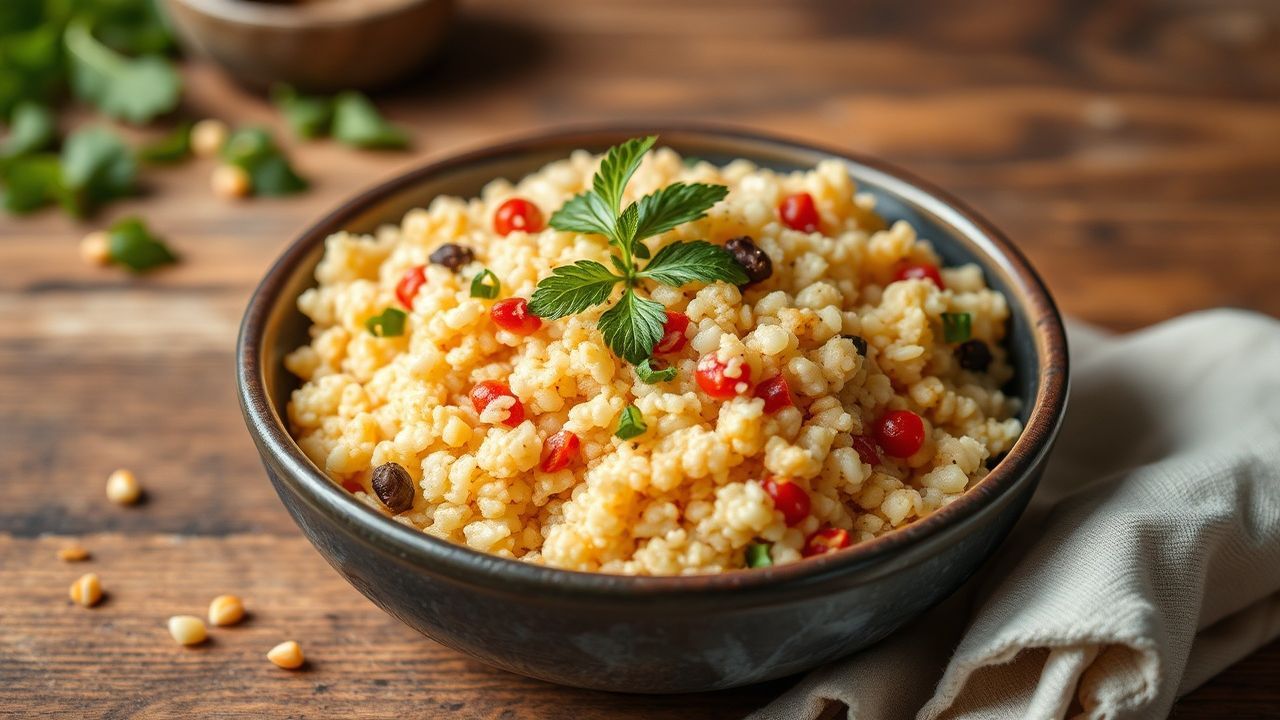
You open the fridge and see a tub of Leftover Couscous from last night’s dinner — slightly dry but full of potential. That small container can be a weeknight hero: a base for salads, stuffed peppers, crispy patties, or a warming porridge. Use the techniques below for 12 high-value uses that save money and elevate flavor.
- 12 Amazing Practical Leftover Couscous Ideas: Brilliant Ways to Reuse and Remix
- Why Leftover Couscous Deserves a Second Life
- Storage and Safety for Leftover Couscous
- 1. Leftover Couscous Power Salads
- 2. Leftover Couscous Hot Bowls
- 3. Leftover Couscous Stuffed Vegetables
- 4. Leftover Couscous Fritters and Patties (Recipe)
- 5. Leftover Couscous Breakfast Porridge
- 6. Leftover Couscous as a Soup Thickener
- 7. Leftover Couscous Breakfast Muffins and 8. Couscous-Stuffed Fish
- 9. Leftover Couscous Desserts
- 10. Leftover Couscous in Casseroles and 11. Grain Bowls for Meal Prep
- 12. Commercial Reuse: Case Study of a Small Café
- Recipe Finale: Quick Remake Checklist
- FAQ
- Repurpose smartly: Convert cooled grains into high-margin dishes or fast lunches.
- Food safety first: Cool, store, and reheat to preserve texture and prevent spoilage.
- Flavor layering: Use acids, fats, and aromatics to renew and brighten reheated couscous.
Why Leftover Couscous Deserves a Second Life
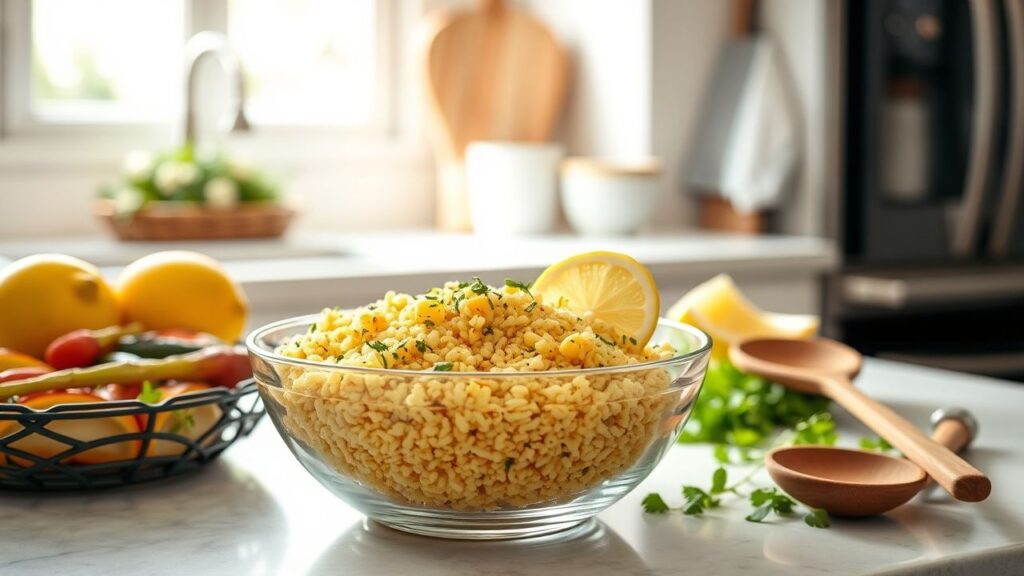
Couscous is light and porous, so it readily absorbs flavors — which makes Leftover Couscous unusually adaptable. When reworked correctly, texture and taste return quickly with minimal effort.
Chefs prize grains that accept new profiles: citrus, spice, oil, and heat. That adaptability turns leftover starch into restaurant-quality components for salads, fritters, bowls, and stuffings.
Storage and Safety for Leftover Couscous
Proper handling extends usability and reduces waste. Cool cooked couscous within two hours of cooking and refrigerate in an airtight container for up to 4 days.
Reheat thoroughly to at least 74°C (165°F) for food safety. When in doubt, check for off-odors or a slimy texture and discard if either is present.
Cooling and Freezing Best Practices
Spread couscous thin on a tray to cool quickly; rapid cooling limits bacterial growth and helps preserve a fluffy texture.
For longer storage, freeze in portioned zip-lock bags. Press out air and flatten for faster thawing; use within two months for best quality.
Reheating Techniques to Restore Texture
Steam or gentle pan heat with a splash of water or broth revives grains. If using a microwave, cover and add a tablespoon of liquid per cup to prevent drying. Avoid reheating completely dry; finish with a fat or acid to return brightness.
A trick for creamier results: stir in a knob of butter or a drizzle of extra-virgin olive oil just before serving to coat the grains and improve mouthfeel.
1. Leftover Couscous Power Salads
Transform chilled grains into vibrant salads. Citrus, fresh herbs, crunchy veg, and a tangy dressing wake up flavors. These bowls are quick, nutritious, and portable for lunches.
Start with a base of Leftover Couscous, add roasted beets, cucumber, chopped parsley, and a lemon-olive oil vinaigrette. The couscous soaks up dressing and becomes a cohesive salad.
Recipe Variant: Mediterranean Couscous Salad
Add crumbled feta, kalamata olives, diced tomatoes, and a pinch of oregano. Serve chilled or at room temperature for best texture.
Dress lightly and finish with toasted pine nuts for crunch. Flavors often deepen after a day, making this a great make-ahead dish.
2. Leftover Couscous Hot Bowls
Use reheated couscous as the base for structured hot bowls. Layer roasted vegetables, a protein, and a bold sauce for a complete meal in one bowl.
Heat couscous with a little chicken or vegetable broth to create a warm, cohesive base that binds toppings together.
Flavor Pairings for Hot Bowls
Pair with spiced chickpeas, roasted carrots, and harissa yogurt. Contrast temperatures and textures to maximize satisfaction.
Finish with fresh herbs and a squeeze of lemon to enhance aroma and cut through richness.
3. Leftover Couscous Stuffed Vegetables
Stuff bell peppers, tomatoes, or zucchini with a couscous mixture for economical, elegant mains. The grain absorbs stuffing flavors and keeps vegetables moist while roasting.
Combine Leftover Couscous with sautéed onions, garlic, herbs, and a binder like egg or tomato purée. Top with breadcrumbs or cheese and bake until golden.
Technique Note: Moisture Control
If the couscous is dry, add a beaten egg or a tablespoon of tomato purée to bind. If too wet, mix in a handful of grated cheese or breadcrumbs to stabilize the stuffing.
Par-cook peppers to reduce oven time and ensure even roasting. Cover for the first half of baking, then uncover to brown.
4. Leftover Couscous Fritters and Patties (Recipe)
This recipe converts a tub of Leftover Couscous into crispy, savory patties that are perfect for brunch, snacks, or protein pairings. It blends Mediterranean flavors with a fast pan-fry technique used in professional kitchens.
Ingredients
- 300 g / 10.5 oz Leftover Couscous (cooled)
- 1 large egg, beaten
- 50 g / 1.8 oz grated Parmesan or Pecorino
- 60 g / 2.1 oz finely diced red onion
- 1 garlic clove, minced
- 2 tbsp chopped parsley
- 1 tsp ground cumin
- Salt and pepper to taste
- 2 tbsp olive oil for frying
Preparation Method
- Combine couscous, egg, cheese, onion, garlic, herbs, and spices in a bowl. Mix until tacky and evenly combined. If too loose, add 1–2 tablespoons of breadcrumbs.
- Shape into 8 patties, pressing firmly. Chill for 15 minutes to set. Heat olive oil in a skillet over medium heat.
- Fry patties 3–4 minutes per side until golden and crisp. Drain on paper towel and serve with yogurt-dill sauce or a squeeze of lemon.
Chef’s Notes on Technique
Use a non-stick pan or a seasoned cast-iron to maintain even browning. Moderate heat prevents burning while allowing internal binding. To re-crisp after refrigeration, finish in a hot oven for 5–8 minutes.
For gluten-free versions, swap breadcrumbs for ground almonds or oat flour. Patties freeze well; reheat in a low oven to return crispness.
Nutritional Info (Per Serving — 2 patties)
- Calories: ~320 kcal
- Protein: 12 g
- Carbohydrates: 32 g
- Fat: 14 g
- Fiber: 2.8 g
5. Leftover Couscous Breakfast Porridge
Yes, you can have couscous for breakfast. Warm the grains with milk, cinnamon, and honey for a creamy porridge alternative that uses leftovers smartly.
Top with roasted fruit, chopped nuts, and a dollop of yogurt for contrasting textures and protein. It’s a high-energy start that beats instant cereal.
Sweet Variations and Toppings
Use mashed banana and a sprinkle of cocoa for a chocolate-couscous twist. Or fold in citrus zest and pistachios for a Middle Eastern vibe.
For vegan options, use almond or oat milk and a flax “egg” or a little cornstarch slurry to thicken if needed.
6. Leftover Couscous as a Soup Thickener
Stir Leftover Couscous into brothy soups to add body and substance. The grain swells and absorbs flavors without turning gummy when added at the end of cooking.
It pairs especially well with tomato-based or spiced legume soups. Add during the last 5 minutes to allow absorption without overcooking.
7. Leftover Couscous Breakfast Muffins and 8. Couscous-Stuffed Fish
Use couscous in savory muffins by combining it with cheese, herbs, and chopped vegetables. Bake until set for grab-and-go breakfasts.
For fish, fold couscous with lemon zest and herbs, stuff into fillets or whole fish cavities, and roast for an elegant main. The couscous retains moisture and soaks up pan juices.
9. Leftover Couscous Desserts
Couscous works in sweet applications—think saffron, orange, and toasted almonds. Simmer briefly in milk with sugar and spices to make a grain pudding.
Top with honey and citrus segments for a bright dessert that references North African traditions.
10. Leftover Couscous in Casseroles and 11. Grain Bowls for Meal Prep
Layer couscous into casseroles for added texture. It functions like rice or pasta in baked dishes and keeps well for reheating.
For meal prep, portion couscous bowls with separate sauces. Add fresh toppings on the day of service to maintain crunch and color.
12. Commercial Reuse: Case Study of a Small Café
A neighborhood café in Bristol reported reducing food waste by around 30% over three months by repurposing Leftover Couscous into a rotating lunchtime special. They implemented portion control and creative branding — “Couscous Cakes” — and tracked sales and waste metrics to refine pricing.
The café trained staff on cooling and storage protocols and offered a discount on weekday bowls. Customers returned for flavor and value, and the café reported a measurable margin uplift as a result of the program.
That model shows how straightforward operational tweaks and a menu innovation can turn leftovers into profit without sacrificing quality.
For background on the grain and cultural context, consult this overview: Couscous on Wikipedia, which outlines origins and regional uses.
Recipe Finale: Quick Remake Checklist
Before serving any repurposed dish, check these three moves: rehydrate or reheat, balance acid and fat, and add a crunchy element for contrast. These steps revive texture and flavor.
Keep an emergency drawer of lemon, yogurt, toasted nuts, and chili flakes. These four components rescue most tired grains.
FAQ
How long is leftover couscous safe to eat?
Store cooked couscous in an airtight container in the refrigerator for up to 4 days. Freeze for longer storage. Always reheat until steaming hot and discard if you detect off-odors or an abnormal texture.
Can I freeze leftover couscous and how will it reheat?
Yes. Freeze in flat portions for quick thawing. Thaw in the fridge or reheat from frozen on the stovetop with a little broth to restore moisture.
What are the best flavor combinations for leftover couscous?
Citrus and olive oil brighten, yogurt and herbs cool, and toasted nuts add texture. Spices like cumin, smoked paprika, and coriander pair well with grains.
Can I make couscous patties gluten-free?
Traditional couscous contains wheat, so the grain itself is not gluten-free. For binding, use almond flour or gluten-free breadcrumbs. Check labels for cross-contamination if you must avoid gluten.
How do I prevent couscous from becoming mushy when reheated?
Reheat gently with minimal liquid, and use steam rather than boiling. Add fats at the end and re-crisp in a pan if needed to return texture.
Final thought: Treat Leftover Couscous as a versatile ingredient, not waste. With targeted technique and flavor layering, you can turn a simple grain into 12 restaurant-ready dishes that save money and boost culinary creativity.
See also: Leftover Couscous