By using this site, you agree to the Privacy Policy and Terms of Use.
Accept

CookOrBit

  • Home
  • About Us
  • Ingredient Science
    • Flavor & Aroma
    • Protein Chemistry
    • Sugar & Starch
    • Fats & Emulsions
  • Cooking Techniques
    • Searing & Grilling
    • Baking & Roasting
    • Boiling & Steaming
    • Low & Slow
  • Kitchen Experiments
    • DIY Ferments
    • Flavor Tests
    • Gadget Testing
    • Molecular Gastronomy
  • Food Myths
    • Searing Myth
    • 5-Second Rule
    • MSG Myths
    • Microwave Myths
  • More
    • Extra Picks
    • Quick & Easy
      • Breakfast Ideas
      • Desserts
      • Snacks
      • Soups
    • Global Flavors
      • Asian Street Eats
      • Latin Comforts
      • Mexican Flavors
      • Modern Mediterranean

CookOrBit

  • Home
  • About Us
  • Ingredient Science
  • Cooking Techniques
  • Kitchen Experiments
  • Food Myths
  • More
Search
  • Home
  • About Us
  • Ingredient Science
    • Flavor & Aroma
    • Protein Chemistry
    • Sugar & Starch
    • Fats & Emulsions
  • Cooking Techniques
    • Searing & Grilling
    • Baking & Roasting
    • Boiling & Steaming
    • Low & Slow
  • Kitchen Experiments
    • DIY Ferments
    • Flavor Tests
    • Gadget Testing
    • Molecular Gastronomy
  • Food Myths
    • Searing Myth
    • 5-Second Rule
    • MSG Myths
    • Microwave Myths
  • More
    • Extra Picks
    • Quick & Easy
    • Global Flavors
Follow US
  • Advertising Policy
  • Contact Us
  • Cookie Policy
  • Copyright Notice
  • Disclaimer
  • Privacy Policy
  • Terms of Service
By Fimaw.com
The Science Behind Crafting the Perfect Kimchi Flavors
CookOrBit > Blog > Cooking Techniques > Low & Slow > The Science Behind Crafting the Perfect Kimchi Flavors
Low & Slow

The Science Behind Crafting the Perfect Kimchi Flavors

William J. Kroll By William J. Kroll Published October 1, 2025
Share
SHARE

In the bustling world of fermented foods, kimchi stands out as a vibrant tapestry of taste, tradition, and transformation. Behind its fiery reds and tangy zest lies a fascinating interplay of science and artistry-a meticulous dance of microbes, salt, and time that crafts the perfect balance of flavors. This article delves into the science behind crafting the ideal kimchi, exploring how fermentation chemistry, ingredient selection, and environmental factors converge to create this iconic Korean delicacy’s signature symphony of sour, spicy, and umami notes. Join us on a flavorful journey where culture meets chemistry in every bite.

Contents
The Science Behind Crafting the Perfect Kimchi FlavorsPrep and Cook TimeYieldDifficulty LevelIngredientsInstructionsTips for SuccessServing SuggestionsQ&AKey Takeaways

The Science Behind Crafting the Perfect Kimchi Flavors


The science behind crafting the perfect kimchi flavors begins with understanding how fermentation transforms simple ingredients into a symphony of tastes and aromas. This timeless Korean tradition is more than just mixing vegetables and spices; it’s an art shaped by microbial magic, ingredient freshness, and a delicate balance of acidity, spiciness, and umami. Whether you’re a seasoned fermenter or a curious home chef, mastering these elements will elevate your kimchi from everyday side dish to a complex sensory experience.

Prep and Cook Time

  • Preparation: 25 minutes
  • Fermentation: 5 to 7 days at room temperature (24°C/75°F)
  • Total Time: Approximately 1 week

Yield

About 1 quart (4 servings)

Difficulty Level

Medium – Requires attention to fermentation timing and ingredient balance

Ingredients

  • 1 medium Napa cabbage (about 2 lbs), quartered and rinsed
  • 1/4 cup sea salt, coarse
  • 4 cups water
  • 1 cup Korean radish (mu), julienned
  • 4 scallions, chopped into 1-inch pieces
  • 1/4 cup Korean red pepper powder (gochugaru) – adjust for spice preference
  • 5 cloves garlic, minced
  • 1 tablespoon fresh ginger, finely grated
  • 2 tablespoons fish sauce (or soy sauce for vegetarian option)
  • 1 teaspoon sugar – to balance fermentation
  • Optional: 1 small carrot, julienned, for sweetness and texture

Instructions

  1. Salt the cabbage: Dissolve the sea salt in the water. Submerge the cabbage quarters in the salted water, pressing down to keep fully immersed. Leave for 2 hours until leaves soften, flipping every 30 minutes for even salting.
  2. Rinse and drain: Thoroughly rinse the cabbage under cold water to remove excess salt. Drain for 20 minutes, ensuring most water is removed to prevent mushiness during fermentation.
  3. Prepare the spice paste: In a bowl, combine gochugaru, minced garlic, grated ginger, fish sauce, and sugar. Stir into a smooth, fragrant paste that will carry the flavor throughout the kimchi.
  4. Mix vegetables: Add the julienned radish, scallions, and optional carrot to the spice paste. Toss everything together until well coated, allowing the flavors to marry before layering.
  5. Combine and coat: Wearing gloves, gently spread the spice and vegetable mix evenly between each cabbage leaf, ensuring thorough coverage without tearing.
  6. Pack and ferment: Place the cabbage tightly into a clean, airtight fermentation jar or container, pressing down to minimize air pockets. Seal and leave at room temperature (around 24°C / 75°F) for 5 to 7 days – the cooler the room, the longer it will take.
  7. Taste and refrigerate: Begin tasting after day 5. Once the kimchi reaches your preferred tang and complexity, refrigerate to slow fermentation and preserve the flavors.

Tips for Success

  • Ingredient Selection: Opt for fresh, firm Napa cabbage and crisp radishes to maintain texture during fermentation.
  • Balancing Acidity & Umami: Fish sauce provides rich umami; adjust quantity according to your taste. Sugar activates fermentation but shouldn’t overpower.
  • Control Texture: Avoid over-salting to keep kimchi crunchy, and ensure proper draining to prevent mushiness.
  • Enhance Aroma: Fresh garlic and ginger intensify fragrance; add them at the mixing stage for maximum impact.
  • Experiment with Fermentation: Warmer temperatures accelerate taste development, but slower fermentation at cooler temperatures yields deeper complexity.

Serving Suggestions

Serve your kimchi as a vibrant banchan (side dish) alongside grilled meats and steamed rice. Garnish with toasted sesame seeds and thinly sliced green onions for visual appeal. For a contemporary twist, fold it into fried rice, tacos, or hearty stews to impart layers of flavor and tang. The interplay of spicy heat, crisp vegetables, and fermented tang will awaken your palate with every bite.

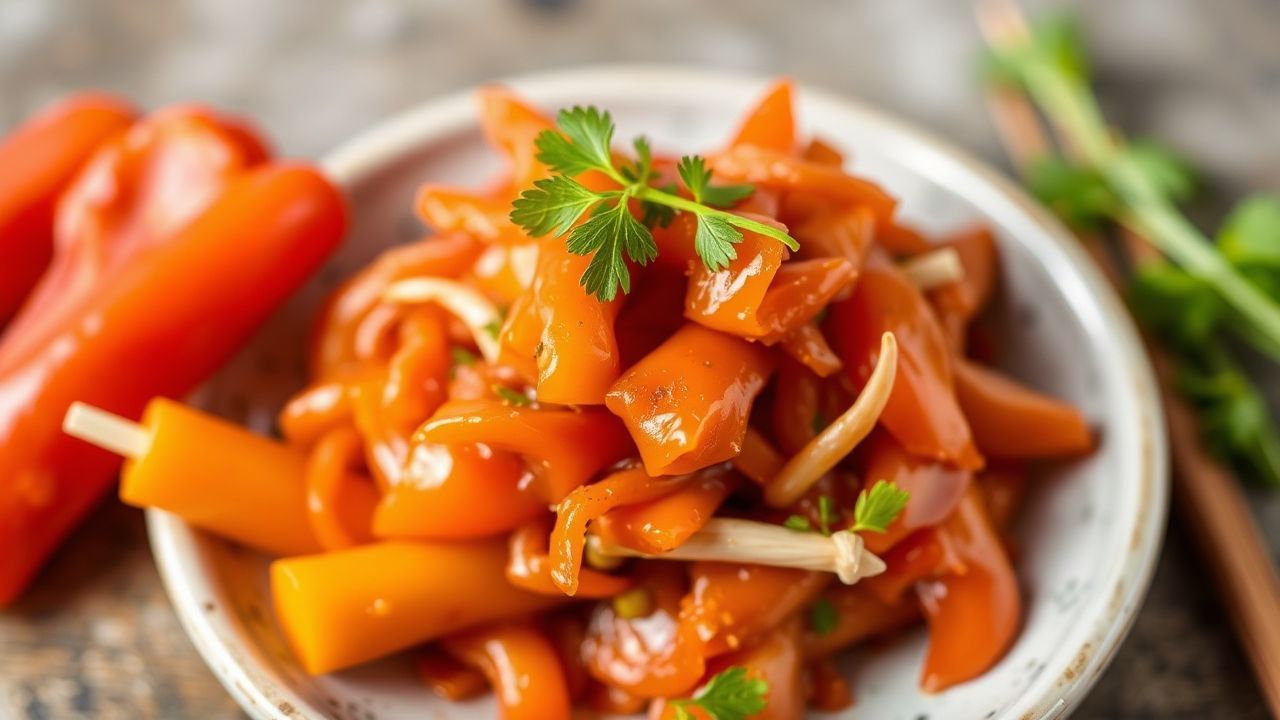
The science behind crafting the perfect kimchi flavors illustrated through fermentation stages

Nutrient Per Serving
Calories 35 kcal
Protein 1.5 g
Carbohydrates 6 g
Fat 0.5 g

For deeper insights into fermentation fundamentals, check out our Complete Fermentation Guide. To explore scientific perspectives on kimchi’s microbial fermentation, the National Institutes of Health publication offers authoritative resources.

Q&A

Q&A: The Science Behind Crafting the Perfect Kimchi Flavors

Q1: What makes kimchi’s flavor so unique compared to other fermented foods?
A1: Kimchi’s distinctive flavor arises from a harmonious blend of fermentation chemistry and traditional seasoning. The lactic acid bacteria (mainly Lactobacillus species) metabolize sugars in the cabbage, producing lactic acid, which gives kimchi its signature tang. Meanwhile, the spicy kick from chili peppers, the umami depth from fermented fish sauces, and the subtle sweetness from garlic and ginger all dance together in a complex flavor symphony unique to kimchi.

Q2: How does fermentation influence kimchi’s taste and aroma?
A2: Fermentation is essentially a microbial orchestra tuning flavors over time. As beneficial bacteria feast on sugars, they release organic acids, carbon dioxide, and other flavor compounds. This slow transformation mellows bitterness, intensifies sourness, and adds savory notes, while also generating the effervescent buzz and rich bouquet that make kimchi so captivating.

Q3: Can altering fermentation time change the final flavor profile?
A3: Absolutely! Shorter fermentation results in a fresher, crisper kimchi with a bright, tangy zing, perfect for those who prefer a lighter bite. Extended fermentation deepens the sourness and softens textures, creating a robust, mature flavor that pairs beautifully with hearty dishes. Temperature also plays a key role-cool fermenting slows the process, allowing for nuanced flavor development.

Q4: What role do different ingredients play in balancing kimchi’s flavors?
A4: Each ingredient is a flavor note in the kimchi composition. Napa cabbage provides a crunchy canvas; Korean chili flakes (gochugaru) supply heat and vibrant color; fish sauce or fermented shrimp add salty umami complexity; garlic offers pungency and depth; ginger brings a zesty warmth; and a touch of sugar or pear can lend a subtle sweetness to counterbalance acidity and spice. The art lies in tuning these elements to achieve the perfect equilibrium.

Q5: Why is salt essential in making perfect kimchi?
A5: Salt is the unsung hero. It draws moisture out of the cabbage, creating a brine that’s both a protective barrier and a perfect habitat for the lactic acid bacteria. Salt also inhibits unwanted microbes that could spoil the kimchi, ensuring a safe, controlled fermentation. Moreover, it enhances overall flavor, transforming plain cabbage into a savory delight.

Q6: How does one innovate while respecting traditional kimchi science?
A6: Innovation in kimchi hinges on understanding fermentation fundamentals. You can experiment with unusual vegetables, adjust spice levels, or introduce novel umami sources like miso or seaweed, but the key is maintaining a balanced microbial environment. By respecting the science-proper salting, monitoring temperature, and timing fermentation-you can create exciting new flavors without losing the essence of kimchi.

Q7: Is temperature control really that important?
A7: Yes! Temperature governs bacterial activity and flavor evolution. Warmer conditions speed up fermentation, risking over-acidification and mushy texture. Cooler temperatures slow down microbial metabolism, encouraging more subtle, refined flavors to develop over time. Traditional kimchi storage in underground cellars or special refrigerators reflects this deep understanding of temperature’s vital role.

Q8: What’s the secret to kimchi’s health-promoting properties linked to its flavor?
A8: The secret lies in the live probiotics produced during fermentation. These friendly bacteria not only drive flavor creation but also boost digestive health, immune function, and even mental well-being. The complex mixture of organic acids, vitamins, antioxidants, and bioactive compounds formed during fermentation make kimchi a flavorful powerhouse of wellness. So every tangy bite is a delicious dose of science-backed benefits!


This Q&A uncovers the fascinating interplay of biology, chemistry, and artistry behind crafting the perfect kimchi flavors-an edible masterpiece born from centuries of passionate experimentation and scientific harmony.

Key Takeaways

As the vibrant journey of kimchi unfolds-from the precise balance of salt and fermentation time to the harmonious dance of spices and textures-we begin to see that crafting the perfect flavor is both an art and a science. Behind every bite lies a complex symphony of microbial interactions and chemical transformations, patiently orchestrated to awaken our senses. By understanding these underlying principles, we not only deepen our appreciation for this iconic dish but also unlock endless possibilities to innovate and personalize our own kimchi creations. So, whether you’re a seasoned fermenter or a curious novice, remember that the perfect kimchi flavor is less about following a strict recipe and more about embracing the beautiful science of transformation.
The Science Behind Crafting the Perfect Kimchi Flavors

You Might Also Like

Herb-Kissed Baked Halibut: A Flavorful Seafood Delight

Bright Start: Refreshing Lemon Blueberry Overnight Oats Recipe

Hearty Turkey and Bean Soup: A Comforting Classic Recipe

Unlock Flavor: How to Make Creamy Roasted Garlic Hummus Dip

Hearty Turkey Vegetable Noodle Soup: A Nutritious Classic

TAGGED:andbehindkimchisciencethe
Share This Article
Facebook Twitter Pinterest Whatsapp Whatsapp LinkedIn Telegram Threads
What do you think?
Love0
Sad0
Happy0
Sleepy0
Angry0
Dead0
Wink0
Previous Article Unlocking Flavor: What Is a Steamer Basket and How It Works Unlocking Flavor: What Is a Steamer Basket and How It Works
Next Article Bubbling Bliss: Crafting Your Own Ginger Bug Soda Starter Bubbling Bliss: Crafting Your Own Ginger Bug Soda Starter
Savoring Turkey and Rice Stew: A Hearty Delight Unveiled
Extra Picks
Turkey Meatloaf Muffins: Protein-Packed Bites of Comfort
Extra Picks
Cozy Up with Creamy Roasted Squash and Apple Soup Bliss
Extra Picks
Hearty Beef and Potato Hash: A Savory Classic to Savor
Extra Picks

Most Viewed Posts

  • The Art and Science Behind Perfect Culinary Espumas (1,463)
  • Crisp Science: Unlocking the Chemistry of Perfect Tempura (918)
  • Unlocking Vanillin: The Chemistry Behind Vanilla’s Magic (354)
  • Master the Art of the Perfectly Boiled Potato Every Time (310)
  • Fats That Transform: Experimenting with Flavorful Fats (301)

Tags

and are art baked beef behind carrot chemistry chicken crafting creamy crispy easy exploring flavor food for garlic hearty heat how magic master mastering microwave perfect perfectly protein savor science searing secrets steak the turkey ultimate unlocking unveiling velvety what when why with your zesty
January 2026
M T W T F S S
 1234
567891011
12131415161718
19202122232425
262728293031  
« Dec    

You Might Also Like

Unlocking Flavor: Mastering Vegetable Searing for Perfect Caramelization
Extra Picks

Unlocking Flavor: Mastering Vegetable Searing for Perfect Caramelization

William J. Kroll William J. Kroll January 12, 2026
Mastering Meringue: Secrets to a Perfectly Stable Whip
Protein Chemistry

Mastering Meringue: Secrets to a Perfectly Stable Whip

William J. Kroll William J. Kroll January 12, 2026
Whisking Woes: What Happens When Sugar Hits Egg Whites Early?
Sugar & Starch

Whisking Woes: What Happens When Sugar Hits Egg Whites Early?

William J. Kroll William J. Kroll January 12, 2026
Unlocking Microwave Power: Mastering Levels for Perfect Cooking
Microwave Myths

Unlocking Microwave Power: Mastering Levels for Perfect Cooking

William J. Kroll William J. Kroll January 12, 2026
Unlocking Rosemary’s Essence: The Science Behind Its Flavors
Flavor & Aroma

Unlocking Rosemary’s Essence: The Science Behind Its Flavors

William J. Kroll William J. Kroll January 12, 2026
Picnic Chemistry: Safely Blending Fun with Food Science
5-Second Rule

Picnic Chemistry: Safely Blending Fun with Food Science

William J. Kroll William J. Kroll January 12, 2026
Follow US
By Fimaw.com © All Rights Reserved.
  • Advertising Policy
  • Contact Us
  • Cookie Policy
  • Copyright Notice
  • Disclaimer
  • Privacy Policy
  • Terms of Service
Welcome Back!

Sign in to your account

Lost your password?