
Golden browning transforms simple ingredients into complex flavors. Understanding caramelization and the Maillard reaction gives cooks direct control over aroma, color, and texture.
- Caramelization vs Maillard: Practical Overview
- How the Chemistry Works
- Prep and Cook Time
- Yield
- Difficulty Level
- Ingredients
- Instructions
- Tips for Success
- Health & Safety Considerations
- Serving Suggestions
- Q&A
- What exactly is caramelization?
- How does the Maillard reaction differ from caramelization?
- At what temperatures do these reactions occur?
- Can caramelization and Maillard reaction happen at the same time?
- Why are these reactions important for cooks?
- To Wrap It Up
- Key takeaway: Caramelization is sugar-only browning; the Maillard reaction needs amino acids plus reducing sugars.
- Temperature guide: Caramelization usually starts near 160°C; Maillard pathways activate at lower surface temperatures depending on moisture.
- Practical edge: Dry surfaces and high, consistent heat maximize browning without burning.
- Safety note: Over-browning can create bitter flavors and trace contaminants; control time and heat.
Caramelization vs Maillard: Practical Overview
Caramelization occurs when sugars break down under heat and form new aromatic compounds and brown pigments. This process generates sweet, nutty, and toffee-like notes that suit desserts and certain roasted vegetables. See the chemistry summary on caramelization for molecular detail.
The Maillard reaction forms when amino acids react with reducing sugars, producing a broad set of flavor molecules and reddish-brown pigments. It dominates savory browning in seared meats, breads, and roasted coffee. For a technical reference, consult Maillard reaction.
How the Chemistry Works
Both reactions form brown pigments and volatile aroma compounds, yet they follow distinct chemical routes. Caramelization unfolds through sugar dehydration and fragmentation, while Maillard chemistry proceeds via Schiff bases and Amadori rearrangements.
Moisture, pH, and substrate composition steer which reaction dominates in a given dish. Controlling those variables lets you favor sweet caramel notes or savory Maillard complexity. For broader context on cooking transformations, see cooking.
Temperatures, Moisture, and Timing
Caramelization typically starts around 160°C (320°F) for common sugars; Maillard pathways can begin at lower surface temperatures if water evaporates quickly. Thus, dry heat methods like roasting, grilling, and pan-searing favor both processes.
However, too-high temperatures or prolonged exposure push both reactions toward char and bitterness. Monitor color changes, not just time, and use tools such as an infrared thermometer for consistent surface control.
Flavor Molecules and Umami
The Maillard reaction produces sulfur-containing and heterocyclic compounds that contribute savory depth and complexity. Those molecules often interact with glutamates to heighten perceived umami.
To learn how these compounds influence taste, review the umami literature and pairings. Strategic pairing boosts perceived richness without adding salt.
Prep and Cook Time
Preparation: 10 minutes. Keep ingredients organized and surfaces dry before heat to ensure efficient browning. Drying reduces steam and speeds Maillard reactions on proteins and vegetables.
Cooking: 15–20 minutes active searing and glaze finishing. Adjust time to pan size and initial temperature. Use a thermometer to confirm internal doneness for proteins.
Yield
Serves 4 generously. This portion highlights the interplay of sweet caramelized aromatics with savory Maillard crusts. Leftovers store well if you separate sauce and protein to retain texture.
For alternate proteins, porc and tofu adapt well to the same technique; each substrate shifts browning chemistry slightly. Trial different proteins to explore flavor outcomes.
Difficulty Level
Medium: success relies on attention to surface dryness and heat control. The technique rewards practice and sensory awareness more than specialized equipment.
Invest in a good skillet and a reliable thermometer to reduce guesswork. For guidance on cookware choice see our best searing pans guide to improve heat distribution.
Ingredients
- 2 tablespoons unsalted butter, softened
- 1 large shallot, finely sliced
- 1 cup granulated sugar
- 1 tablespoon olive oil
- 4 boneless chicken thighs, skin on, patted dry
- 1/2 cup low-sodium soy sauce
- 2 teaspoons fresh thyme leaves, chopped
- 1/4 teaspoon sea salt
- Freshly ground black pepper, to taste
- 1 tablespoon balsamic vinegar
Instructions
Heat a heavy skillet over medium heat and add butter and olive oil until shimmering to balance fat and prevent burning. Start gentler heat for the shallots to extract sugars without instant scorching.
Add shallot slices and sauté gently until translucent, about three minutes, to develop initial Maillard aromatics. Then sprinkle granulated sugar and swirl the pan as the sugar melts, moving toward a rich amber without burning to initiate caramelization.
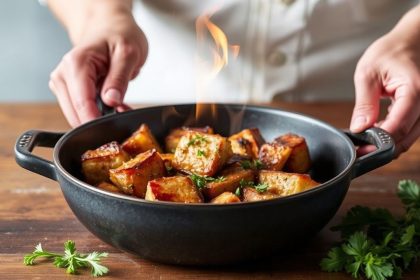
Remove the shallots and caramel from heat briefly and set aside to avoid overcooking. Return the pan to medium-high and place chicken thighs skin-side down for a solid sear.
Sear five to seven minutes without moving to build a Maillard crust, then flip and cook an additional five minutes, seasoning with salt, pepper, and thyme. Add the caramelized shallots back into the pan for balanced sweet-savory layers.
Pour in soy sauce and balsamic vinegar to deglaze and form a glossy glaze that binds caramel and Maillard notes. Lower heat, cover loosely, and simmer five more minutes until flavors meld and skin stays crisp.
Remove from heat and rest five minutes before plating so juices redistribute and crust stays tender. Verify chicken reaches 74°C (165°F) internally for safety.
Tips for Success
Use a stainless-steel or heavy-bottomed skillet to promote even heat and consistent fond formation. Even heat produces predictable browning and easier deglazing for a glossy glaze.
Pat proteins completely dry before searing; moisture inhibits both Maillard and caramelization by creating steam. Work in small batches to avoid overcrowding the pan and dropping surface temperature.
For sugar management, reduce heat if the caramel darkens too fast; burnt sugar tastes bitter. If you plan ahead, caramelize shallots earlier and reheat gently to preserve texture.
Health & Safety Considerations
Excessive browning can create trace contaminants such as acrylamide in starchy foods. Control time and temperature to enjoy desirable flavors without excess formation of undesirable compounds.
For details on potential health issues linked to excessive browning, consult technical sources like the acrylamide review. Balance flavor goals with cooking technique and portioning.
Use proper ventilation when searing and deglazing to remove volatile by-products and reduce kitchen smoke. A functioning range hood helps maintain air quality during high-heat cooking.
Serving Suggestions
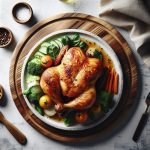
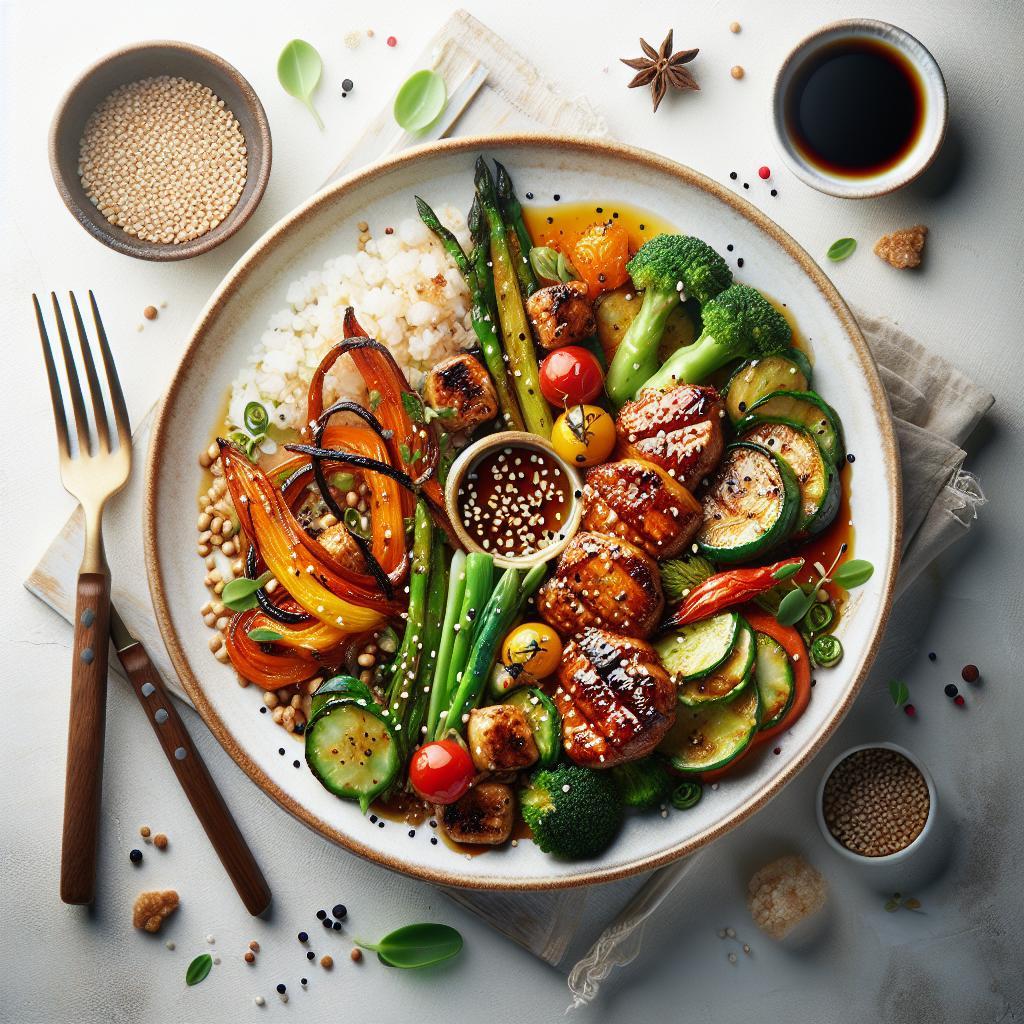
Plate the thighs on a warm platter and spoon the glossy caramel-soy glaze over the skin for shine and flavor contrast. Garnish with fresh thyme and finely sliced scallions for a color and aroma boost.
Pair with creamy mashed potatoes or rustic roasted root vegetables to complement the sweet-and-savory interplay. For more on pairing these textures and tastes see our internal piece on Umami and the Fifth Taste.

| Nutrient | Per Serving |
|---|---|
| Calories | 320 kcal |
| Protein | 26 g |
| Carbohydrates | 12 g |
| Fat | 18 g |
Q&A
Q&A: Caramelization vs Maillard Reaction – Sweet Science Unveiled
What exactly is caramelization?
Caramelization is the thermal decomposition of sugars that produces sweet, browned, and nutty flavors. It requires only sugar, heat, and careful timing to avoid bitter overcooking.
How does the Maillard reaction differ from caramelization?
The Maillard reaction needs amino acids and reducing sugars to form complex savory molecules and browned crusts. It produces many compounds absent in pure sugar browning and delivers the characteristic savory roast notes.
At what temperatures do these reactions occur?
Caramelization commonly starts around 160°C (320°F) for common sugars, while Maillard chemistry activates at somewhat lower surface temperatures once moisture drops. Practical heat control and drying accelerate both.
Can caramelization and Maillard reaction happen at the same time?
Yes. Foods with both sugars and proteins often show overlapping chemistry, producing layered flavor. Grilled meats and roasted vegetables commonly combine both reactions to create complex crusts and glazes.
Why are these reactions important for cooks?
Mastering these reactions gives direct control over flavor, texture, and color. Attention to moisture, temperature, and timing lets cooks craft targeted taste profiles, from sweet caramel notes to savory, umami-rich crusts.
To Wrap It Up
Caramelization and the Maillard reaction form the backbone of flavorful cooking. Each reaction contributes distinct molecules that shape how we perceive sweetness, savoriness, and roast character in food.
Apply deliberate heat control, dry surfaces, and proper timing to harness both processes in your cooking. With practice, you will turn routine ingredients into memorable dishes by controlling the sweet science of browning.
See also: Caramelization