

Crafting Creamy Magic: A Guide to Milk Kefir with Grains
Milk kefir offers a dense probiotic profile and a creamy texture that makes it both a health ingredient and a kitchen staple. This guide explains how to ferment milk with kefir grains, maintain grains, troubleshoot issues, and use kefir in recipes.
- Make reliable kefir: use live grains and consistent temperature.
- Control flavor: adjust fermentation time for tang and thickness.
- Store wisely: refrigerate strained kefir and feed grains regularly.
- Reuse indefinitely: grains regenerate with proper care.
Understanding Milk Kefir Grains and Their Role
Milk kefir grains are symbiotic clusters of bacteria and yeasts that ferment lactose into acids and subtle carbonation. They act as a living biofilm and enzyme factory that changes the milk’s texture and nutrient profile.
The grains evolved regionally and carry diverse microbial communities adapted to dairy fermentation. For historical context, see kefir and the Caucasus origin often cited in tradition.
Microbial composition and function
Kefir grains contain lactic acid bacteria, acetic acid bacteria, and yeasts that work in a cooperative network. These microbes metabolize lactose and produce lactic acid, small amounts of ethanol, carbon dioxide, and bioactive peptides.
That set of metabolites explains kefir’s tart flavor, mild effervescence, and potential digestive benefits. For the biochemical pathway of acid production, refer to lactic acid fermentation.
Prep and Timings (Practical Schedule)
Plan short work time and long passive fermentation: preparation takes minutes while fermentation runs 18–24 hours. Temperature drives timing; warmer rooms shorten the cycle and increase tang.
Target 68–78°F (20–25°C) for balanced texture and flavor. Additionally, note that whole milk yields the creamiest results while low-fat milks produce thinner kefir.
Yield and difficulty
A standard batch with 2 tablespoons of grains and 1 quart of milk produces roughly 1 quart of kefir. The process rates easy to medium: basic technique is simple but stable results require practice.
Repeatable batches depend on consistent feeding, clean vessels, and careful timing. Track fermentation time and temperature to build a reliable routine.
Ingredients and Equipment
Use live milk kefir grains and fresh whole milk for best texture and microbial activity. Avoid metal utensils for long contact; use glass, food-grade plastic, or wooden tools during handling.
Essential equipment includes a clean glass jar, breathable cover (cloth or coffee filter), elastic band, and a plastic or stainless steel strainer. Keep spare jars and a backup jar for grain rests between batches.
Milk selection
Whole cow, goat, or sheep milk all work; each provides different fat and protein that affect mouthfeel. Plant milks do not provide lactose, so they require adapted cultures or stabilized methods and are not the primary recommendation here.
Raw milk can accelerate fermentation and alter flavor; pasteurized milk gives more predictable results. Evaluate local safety guidance when using raw dairy.
Step-by-Step Instructions
Follow a controlled sequence: add grains, add milk, cover, ferment, strain, refrigerate. Consistency in that order prevents contamination and preserves grain vitality.
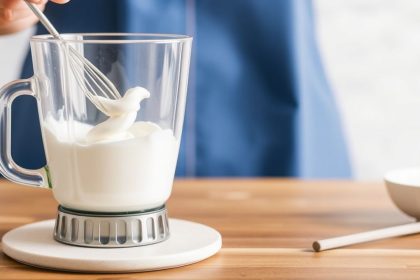
Step 1: Place 2 tablespoons of active grains in a clean glass quart jar. Step 2: Add 1 quart of milk and leave about 1 inch of headspace to allow slight expansion.
Step 3: Cover the jar with a breathable cloth and secure with an elastic band; do not seal tightly. Step 4: Ferment at 68–78°F (20–25°C) for 18–24 hours depending on desired tang and thickness.
Step 5: Once thickened and tangy, strain the kefir through a plastic sieve to recover the grains. Step 6: Transfer strained kefir to a sealed glass bottle and refrigerate; feed the recovered grains immediately with fresh milk.
For extended pauses, place grains in a small jar with fresh milk in the refrigerator for up to one week. For longer storage, follow established drying or freezing protocols used by experienced fermenters.
Timing adjustments
Shorten fermentation for milder taste and maintain more lactose; extend for thicker, tangier kefir and lower residual sugars. Warmer temperatures speed activity but can favor yeast over bacteria if too warm.
Keep records: log ambient temperature and hours for consistent flavor replication. Small changes in time produce measurable changes in acidity and texture.
Tips for Success and Troubleshooting
Handle grains gently; avoid prolonged exposure to direct sunlight or hot surfaces. Rinse grains only when necessary and always with cool, filtered water to avoid thermal shock.
Common issues include thin kefir, over-acidification, and grain decline; each issue links to its primary driver: milk quality, timing, or feeding frequency. Adjust one variable at a time to isolate effects.
If grains appear stressed after an off batch, perform a short recovery: move them into fresh milk at room temperature and monitor for renewed activity. When in doubt, consult peer-reviewed sources and laboratory-tested guides before consumption of suspect batches.
Common fixes
If kefir separates into curds and whey, it is over-fermented but still usable for cooking or blending after recombining. To reduce acidity, ferment for less time or refrigerate sooner to slow culture activity.
To thicken kefir, increase the grain-to-milk ratio slightly or ferment a bit longer at a steady, moderate temperature. For milder kefir, shorten the fermentation time and use cooler ambient conditions.
Serving Suggestions and Culinary Uses
Drink chilled kefir as a probiotic tonic or incorporate it into smoothies to add tang and a creamy mouthfeel. Use kefir as a base for dressings, dips, or baked goods where its acidity enhances texture and shelf life.
Try kefir in overnight oats, cold soups, or as a marinade where its enzymes tenderize proteins. For flavoring, blend fruit purées, a touch of honey, vanilla, or spices to complement the natural tang.
Pairings and storage
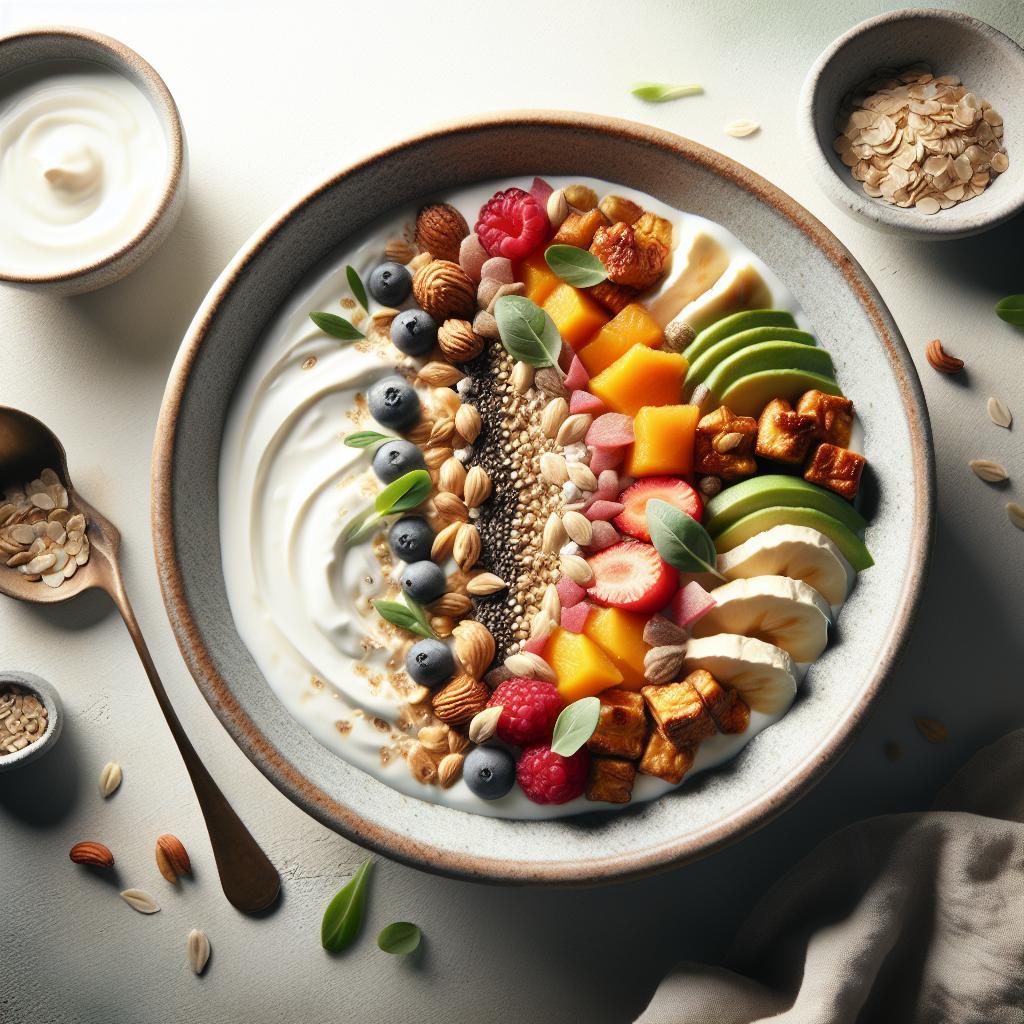
Pair kefir with whole grains, nuts, and fresh fruit for a balanced snack that blends probiotics with fiber and healthy fats. In refrigeration, properly sealed kefir keeps best quality for about one week.
Fermentation continues slowly in the fridge, so expect taste evolution over days. Use older kefir for cooking where acidity benefits doughs and batters.
Nutrition Snapshot
Kefir delivers protein, fat, carbohydrates, and a dense microbial community that may support gut function. Composition varies with milk type, fermentation time, and strain composition.
| Nutrient | Per 1 Cup (240ml) |
|---|---|
| Calories | 150 |
| Protein | 8 g |
| Carbohydrates | 12 g |
| Fat | 8 g |
For broader context on live cultures and gut health, consult summaries on probiotics and fermentation mechanisms documented under fermentation. These sources describe how microbial activity influences food transformation and potential health interactions.
FAQ
What is milk kefir and how does it differ from yogurt?
Milk kefir is a fermented dairy beverage made with kefir grains that produce a broader microbial community than many yogurt cultures. Unlike typical yogurt, kefir often contains yeasts and a wider mix of bacteria that yield a tangier, slightly effervescent product.
Can I reuse kefir grains indefinitely?
Yes, with proper care grains can be maintained and multiplied indefinitely. Regular feeding, gentle handling, and proper storage allow grains to thrive across many batches.
How do I know when kefir is ready to strain?
Ready kefir shows thickening, a tangy aroma, and subtle effervescence; texture changes from fluid to creamy. Timing depends on temperature and taste preference, so sample after 18 hours and adjust for future batches.
What milk types work best for creamy kefir?
Whole cow, goat, or sheep milk produce the creamiest results because of their higher fat and protein content. Low-fat and plant-based milks require adjustments and may not deliver the same texture without additives or specialized cultures.
How should I store grains between batches?
For short breaks up to a week, keep grains submerged in milk in the refrigerator. For longer storage, follow drying or freezing methods validated by experienced fermenters to preserve viability.
Consistent attention to feeding schedule and cleanliness yields reliable, flavorful kefir. With these steps, practitioners can create creamy, probiotic-rich kefir at home and adapt the process to personal taste and kitchen rhythms.

See also: Milk kefir