
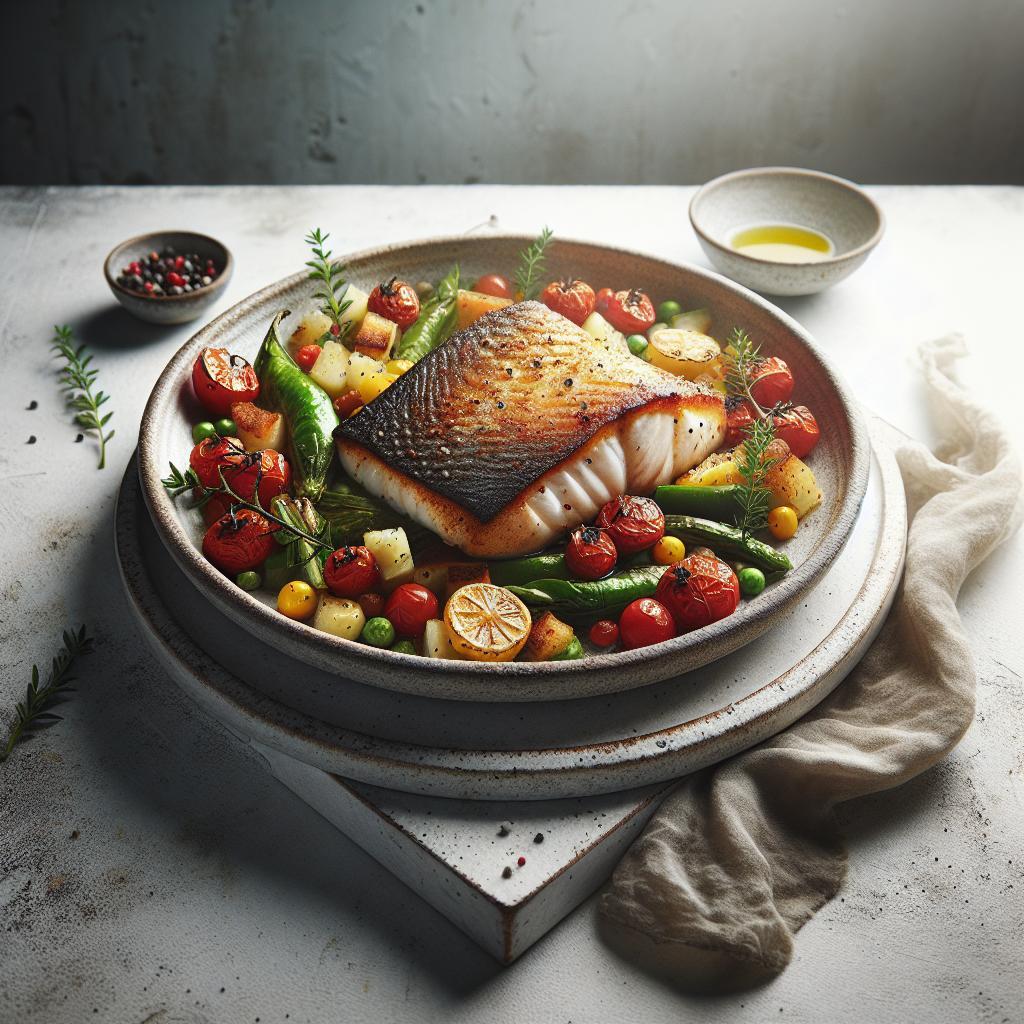

There is a satisfying simplicity to baked fish fillets: fast prep, minimal fuss, and reliably flaky results when you control seasoning, temperature, and timing. Proper technique turns a modest fillet into a restaurant-quality plate you can produce on weeknights and when guests arrive.
- Easy timing: plan ~10 minutes per inch of thickness at 375°F–400°F.
- Simple marinade: oil, acid, and seasonings lock moisture and add flavor.
- Finish fresh: herbs and lemon brighten the dish just before serving.
- Food safety: aim for 145°F (63°C) internal temperature for doneness.
Prep and Cook Time
Preparation: 15 minutes. Cooking: 20–25 minutes at 400°F (205°C) is a good starting point for medium-thick fillets.
Adjust time by thickness: as a rule, bake for about 10 minutes per inch of thickness; this gives a predictable texture. Use a probe thermometer for repeatable results and to avoid overcooking.
Yield and Difficulty
This recipe yields 4 servings using four 6-ounce fillets and fits an easy skill level. The method emphasizes control: few steps, repeatable technique, and guaranteed flaky results when you follow time and temperature guidance.
For cooks who want reliability, weigh fillets and check thickness to calculate bake time precisely. Small adjustments—tenting with foil or finishing under the broiler—solve browning or doneness issues without changing the core method.
Ingredients
Gather simple, high-impact ingredients: fresh fish fillets, olive oil, lemon, garlic, Dijon mustard, honey, smoked paprika, sea salt, black pepper, and fresh parsley. Fresh components create bright flavor quickly and require minimal alteration.
Choose firm, mild fish like cod, halibut, or tilapia for a neutral canvas that takes seasonings well. For background on the biological variety of edible species, see fish, which explains why different species behave differently when cooked.
- 4 fresh fish fillets (about 6 oz each)
- 2 tbsp olive oil (olive oil adds fat and heat conduction)
- Juice of 1 lemon (lemon brightens flavor)
- 2 cloves garlic, minced; 1 tsp smoked paprika
- 1 tsp sea salt, ½ tsp black pepper
- 2 tsp Dijon mustard, 1 tbsp honey
- 2 tbsp fresh parsley, chopped (parsley as garnish)
- Optional: thin lemon slices for garnish
Instructions
Preheat the oven to 400°F (205°C). Lightly grease a baking dish or line with parchment to make cleanup straightforward.
Pat fillets dry with paper towels; this step helps the marinade adhere and prevents steaming. Dry fillets brown and develop texture more predictably than damp ones.
- Make the marinade: Whisk olive oil, lemon juice, garlic, Dijon, honey, salt, pepper, and smoked paprika until emulsified.
- Coat the fillets: Place fillets in a single layer and brush the marinade over each piece, making sure they are evenly covered.
- Short rest: Let fillets sit for 10 minutes at room temperature to let surface flavors meld without chemically ‘cooking’ the flesh.
- Bake uncovered: Bake 20–25 minutes for medium-thick fillets; test for flake using a fork. Aim for 145°F (63°C) internal temperature for safe doneness.
- Finish and serve: Remove from oven, sprinkle with parsley, and add lemon slices if desired. Serve immediately for peak texture.
Marinade and Seasoning Details
Balance matters: oil for heat transfer, acid to brighten, and a small amount of sweetener to round edges. Dijon emulsifies and ensures even adhesion of flavors.
Adjust salt and acid to the fillet’s size and your palate; stronger acids or long marination times can firm or denature proteins. For reference on heat techniques, see baking.
Baking Time and Doneness
Thickness determines bake time; measure the thickest part and use the 10-minutes-per-inch rule as a baseline. Thinner fillets may need just 8–12 minutes; thicker ones can take 20–25 minutes.
Use a probe thermometer in the thickest section to confirm 145°F (63°C). Look for opaque flesh that flakes easily without separating into dry shreds.
Tips for Success: Elevate Your Baked Fish Fillets
Choose fresh and firm fillets for the best texture. Firm fillets keep their shape during baking and present better on the plate.
Pat dry and season well: Surface dryness helps the marinade adhere and avoids steaming. Season both sides, and brush oil or butter on top to help browning and moisture retention.
- Tent with foil for thick fillets that brown early, then remove foil to finish.
- Finish with acid (lemon or vinegar) just before serving to freshen flavors.
- Layer textures by serving fillets over grains or with roasted vegetables for contrast.
For crisp edges, finish under a high broiler for 1–2 minutes while watching closely. This creates an appealing color without drying the center when you use a short broil burst.
Safety, Storage, and Reheating
Store cooked fish in shallow, airtight containers and refrigerate within two hours of cooking. Consume leftovers within two days to maintain quality and safety.
Reheat gently: use a low oven (275°F/135°C) for 10–12 minutes or a skillet over low heat with a splash of oil to avoid drying. Avoid microwave reheating for delicate fillets as it can toughen protein rapidly.
Serving Suggestions That Impress Every Time
Plate baked fillets over a bed of cooked grains or herb-infused rice to catch any pan juices and present a satisfying bowl. Add roasted seasonal vegetables, such as asparagus or bell peppers, for color and texture contrast.
Bright sauces pair well: a lemon-caper vinaigrette or a light yogurt-based sauce adds acidity and creaminess without overwhelming the fish. A few sprigs of fresh parsley finish the plate visually and aromatically.
Nutrition and Portioning
Baked white-fleshed fish typically provides a lean protein source with modest calories and healthy fats when prepared with olive oil. A 6-ounce serving commonly contains around 200–250 kcal and 25–30 g of protein depending on the species.
Adjust portion sizes to dietary needs and pair with fiber-rich sides to create a balanced meal. For detailed nutritional breakdowns, use labels from your fish supplier or a trusted nutrition database.
| Nutrient | Per Serving (approx.) |
|---|---|
| Calories | 210 kcal |
| Protein | 28 g |
| Carbohydrates | 4 g |
| Fat | 8 g |
Q&A
Below are concise answers to common, practical questions about baking fish fillets. Each answer focuses on reproducible technique and food-safety guidance.
What makes baked fish fillets a reliable weeknight option?
They require minimal hands-on time and scale easily from single portions to family meals. With predictable temperature and timing, you get consistent, moist results with little active cooking.
Which fish types work best when baking?
Firm, mild fish such as cod, halibut, and tilapia hold together and accept seasonings well. Oily fish like salmon bake faster and deliver a richer flavor profile, so shorten baking time accordingly.
How do I avoid dry, overcooked fish?
Use the 10-minutes-per-inch guideline, measure at the thickest point, and check for 145°F (63°C) internal temperature. Include a fat source or brief marinade to help lock in moisture.
Can I bake fish with vegetables for a one-pan meal?
Yes. Arrange vegetables with similar cook times around the fish and drizzle everything with olive oil and seasonings. Start vegetables that require longer roasting earlier, or cut them smaller to match the fish’s cook time.
How should I plate baked fish to look restaurant-ready?
Serve fillets atop a grain or vegetable base, add a small sauce swipe, and finish with fresh herbs and a lemon wedge. Keep the presentation clean and colorful for the best visual impact.
Mastering baked fish fillets comes down to technique: measure thickness, control temperature, and finish with fresh acid and herbs. Follow these steps, and you will produce dependable, flavorful fillets with modest effort.
See also: baked fish