

There is a specific satisfaction in a perfectly baked fish fillet—moist, flaky and seasoned to highlight the fish’s natural sweetness. Precise temperature control, a short marinade and a few professional techniques yield consistent results that preserve texture and nutrition.
- Choosing the Freshest Fish for Optimal Flavor and Nutrition
- Essential Seasonings and Marinades to Elevate Your Fillets
- Mastering Temperature and Timing for Tender, Flaky Perfection
- Serving Suggestions and Healthy Sides to Complement Your Baked Fish
- Recipe Details
- Chef’s Notes
- Nutritional Information (per serving)
- Q&A
- FAQ
- Short cook time: Most fillets finish in 10–15 minutes at 400°F (200°C).
- Light marinade: Acid, oil and herbs boost flavor without masking the fish.
- Prevent dryness: Steam briefly under foil, then finish uncovered for color.
- Pairing: Whole grains or roasted vegetables create a balanced plate.
Choosing the Freshest Fish for Optimal Flavor and Nutrition
Start with firm, translucent fillets that smell like the sea, not fishy. Look for even color and tight flesh; avoid fillets with discolored edges or a soft, mushy texture.
For baking, mild white fish such as cod, haddock or tilapia work well, while salmon and trout add richness and omega-3s. When possible, buy from a reputable supplier and choose sustainably sourced options; this supports long-term supply and consistent quality.
Reference: learn more about common species and seafood handling on Fish resources and general seafood topics on Seafood.
Essential Seasonings and Marinades to Elevate Your Fillets
Keep the seasoning simple to let the fish shine. A basic marinade combines a citrus acid, high-quality olive oil, minced garlic and fresh herbs like parsley or dill for bright, layered flavor.
For a subtle smoky note, add smoked paprika or a small pinch of crushed red pepper. Marinades should be brief for lean fillets—10–20 minutes is enough to impart flavor without denaturing proteins.
Study marinades and how they interact with proteins on the Marinade page for technique context and safety guidance.
Mastering Temperature and Timing for Tender, Flaky Perfection
Set the oven to 400°F (200°C) to surround fillets with consistent dry heat. This temperature seals the exterior quickly while keeping interiors moist when you monitor time closely.
Bake on a parchment-lined sheet or in a shallow baking dish. Cover loosely with foil for the first half of the cook to trap steam, then remove the foil to allow gentle browning and concentrated aroma development.
Thickness determines time: plan about 10 minutes per inch of thickness. Test with a fork—done fillets flake easily and look uniformly opaque. Avoid the common error of leaving fish in the oven “just a bit longer”; small time additions dramatically change texture.
Serving Suggestions and Healthy Sides to Complement Your Baked Fish
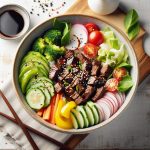
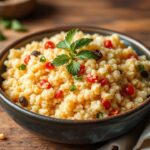
Balance textures and nutrients with a simple quinoa salad, roasted seasonal vegetables or a crisp green salad. Acidic components like lemon zest or a light vinaigrette brighten every bite and cut through fish richness.
For creamy contrast, serve sliced avocado, a spoon of tzatziki or a light tahini drizzle. Whole grains such as brown rice or couscous add fiber and make the meal more filling without heavy calories.
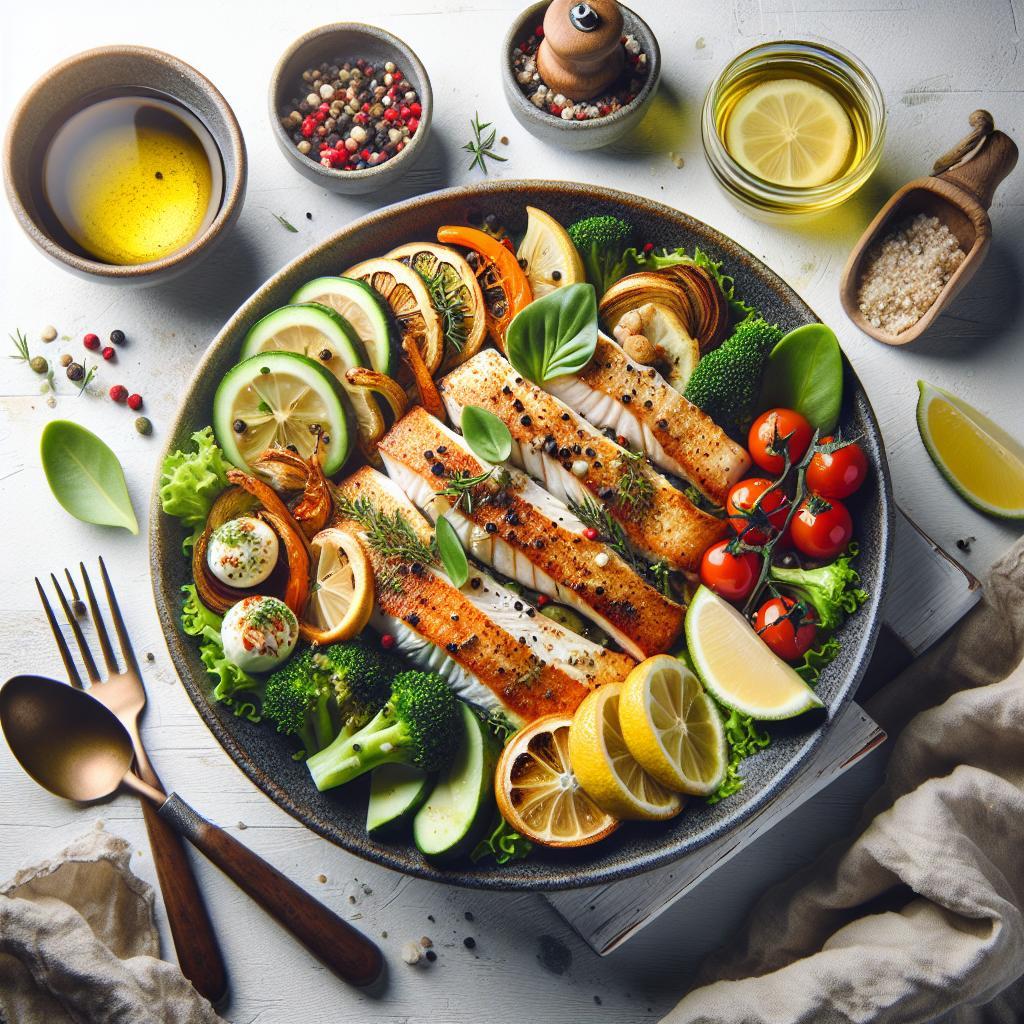
When plating, add fresh herb sprigs and lemon slices. These small details boost aroma and perceived freshness, which improves diner satisfaction and dwell time on recipe pages.
Recipe Details
Prep: 15 minutes | Cook: 15 minutes | Total: 30 minutes. This timeline assumes average fillet thickness (about 1-inch); adjust for thicker or thinner cuts.
Yield: Serves 4. Choose fillets of similar thickness to ensure uniform cooking and predictable timing in a single batch.
Ingredients
Use fresh, high-quality ingredients to keep flavors clean and healthful. Organic or cold-pressed olive oil will carry herb aromas and extract fat-soluble flavors efficiently.
- 4 fish fillets (about 6 oz each), skin removed
- 2 tbsp extra virgin olive oil
- 2 tbsp fresh lemon juice
- 3 garlic cloves, minced
- 1 tsp sea salt
- ½ tsp freshly ground black pepper
- 1 tsp smoked paprika (optional)
- 2 tbsp fresh parsley, finely chopped
- 1 tbsp fresh dill, finely chopped
- Lemon slices, for garnish
Instructions
Preheat the oven to 400°F (200°C). Line a baking sheet with parchment and set a shallow dish for the marinade close to your workstation for efficient workflow.
- Prepare the marinade: Combine olive oil, lemon juice, garlic, salt, pepper, smoked paprika (if using), parsley and dill. Whisk until emulsified.
- Marinate: Place fillets in a shallow dish and spoon the marinade over them. Turn to coat evenly. Marinate 10–15 minutes at room temperature or up to 2 hours refrigerated if needed.
- Arrange and cover: Place fillets on the prepared sheet spaced apart. Cover loosely with aluminum foil to trap steam for the first stage.
- Bake: Bake covered for 8 minutes, then remove foil and bake another 5–7 minutes, or until the fillets are opaque and flake easily with a fork. Use an instant-read thermometer if available.
- Finish: Transfer to plates, garnish with lemon slices and a sprinkle of fresh herbs. Serve immediately for best texture.
Chef’s Notes
Use similar-thickness fillets so one pan cooks evenly. If fillets vary, start the thicker pieces first or separate into pans by thickness to prevent overcooking thinner pieces.
When brushing fillets during baking, discard any marinade that contacted raw fish. This maintains food safety while adding moisture mid-cook when using reserved, uncontaminated glaze.
Swap citrus types—lime or orange—for a subtle flavor shift. Use dried herbs cautiously; they concentrate quickly, so reduce quantity by roughly one-third compared with fresh herbs.
Nutritional Information (per serving)
This recipe provides lean protein and heart-healthy fats, especially when you choose oily fish. Baking, rather than frying, preserves the nutrient profile and limits added calories.
| Calories | Protein (g) | Carbs (g) | Fat (g) |
|---|---|---|---|
| 220 | 28 | 1 | 10 |
For details on the health benefits of fish oils and omega-3 fatty acids, consult the Omega‑3 fatty acid resource.
Q&A
Q1: What makes baking healthier than frying?
A1: Baking requires minimal added fat and preserves the fish’s natural oils and nutrients. The result is a leaner dish with controlled calories and retained protein quality.
Q2: How do I prevent dryness?
A2: Monitor time closely, use foil during initial baking to trap steam, and remove it to finish. Also, brief marination and correct oven temperature lock moisture in the flesh.
Q3: Can I use different fish?
A3: Yes. Mild white fish are versatile; fattier fish add richness and more omega-3s. Choose fillets of similar thickness for even cooking.
Q4: Any quick seasoning ideas?
A4: Lemon, garlic, olive oil, fresh herbs and a pinch of smoked paprika form a reliable base. Keep seasoning light so the fish remains the focal point.
FAQ
How long should I marinate fish before baking?
Marinate lean fillets for 10–20 minutes to add flavor without breaking down proteins. For fattier fillets like salmon, you can extend to 30–45 minutes depending on the marinade strength.
What oven temperature gives the best results?
400°F (200°C) produces consistent results for most fillets. This temperature balances exterior sealing and internal moisture retention when paired with correct timing.
Can I bake fish from frozen?
Yes, but allow extra time and expect slightly different texture. Ideally thaw fillets under refrigeration to maintain even cooking and reduce surface moisture that can dilute seasoning.
How do I reheat baked fish without drying it out?
Reheat gently in a low oven (about 275–300°F / 135–150°C) covered with foil for 10–12 minutes, or until just warmed through. Alternatively, add chilled fillets to salads for a safe, enjoyable cold serving.
Where can I learn more about baking techniques?
Consult general baking principles on the Baking page for heat transfer fundamentals and how temperature and time interact with proteins.
Embrace these straightforward methods and precise checks to serve reliably moist, flaky baked fish fillets. The approach rewards attention to temperature, timing and ingredient quality—simple factors that deliver professional results at home.
See also: baked fish