
By using this site, you agree to the Privacy Policy and Terms of Use.
Accept
CookOrBitCookOrBitCookOrBit
  • Home
  • About Us
  • Ingredient Science
    • Flavor & Aroma
    • Protein Chemistry
    • Sugar & Starch
    • Fats & Emulsions
  • Cooking Techniques
    • Searing & Grilling
    • Baking & Roasting
    • Boiling & Steaming
    • Low & Slow
  • Kitchen Experiments
    • DIY Ferments
    • Flavor Tests
    • Gadget Testing
    • Molecular Gastronomy
  • Food Myths
    • Searing Myth
    • 5-Second Rule
    • MSG Myths
    • Microwave Myths
  • Tools
  • More
    • Extra Picks
    • Quick & Easy
      • Breakfast Ideas
      • Desserts
      • Snacks
      • Soups
    • Global Flavors
      • Asian Street Eats
      • Latin Comforts
      • Mexican Flavors
      • Modern Mediterranean
CookOrBitCookOrBit
  • Home
  • About Us
  • Ingredient Science
  • Cooking Techniques
  • Kitchen Experiments
  • Food Myths
  • Tools
  • More
Search
  • Home
  • About Us
  • Ingredient Science
    • Flavor & Aroma
    • Protein Chemistry
    • Sugar & Starch
    • Fats & Emulsions
  • Cooking Techniques
    • Searing & Grilling
    • Baking & Roasting
    • Boiling & Steaming
    • Low & Slow
  • Kitchen Experiments
    • DIY Ferments
    • Flavor Tests
    • Gadget Testing
    • Molecular Gastronomy
  • Food Myths
    • Searing Myth
    • 5-Second Rule
    • MSG Myths
    • Microwave Myths
  • Tools
  • More
    • Extra Picks
    • Quick & Easy
    • Global Flavors
Follow US
  • Advertising Policy: 10 Practical Rules for Safe, Compliant Ads
  • Contact Us
  • Cookie Policy: Clear Guide for Site Owners
  • Copyright Notice Guide: 7 Essential Rules for Website Owners
  • Disclaimer
  • Privacy Policy
  • Terms of Service
By Fimaw.com
Savor the Rich Flavors of Homemade Roasted Tomato Soup
CookOrBit > Blog > Extra Picks > 10 Secrets to Savor Homemade Roasted Tomato Soup
Extra Picks

10 Secrets to Savor Homemade Roasted Tomato Soup

William J. Kroll
By William J. Kroll
Published: January 20, 2026
Share
SHARE

Savor the Rich Flavors of Homemade Roasted Tomato Soup

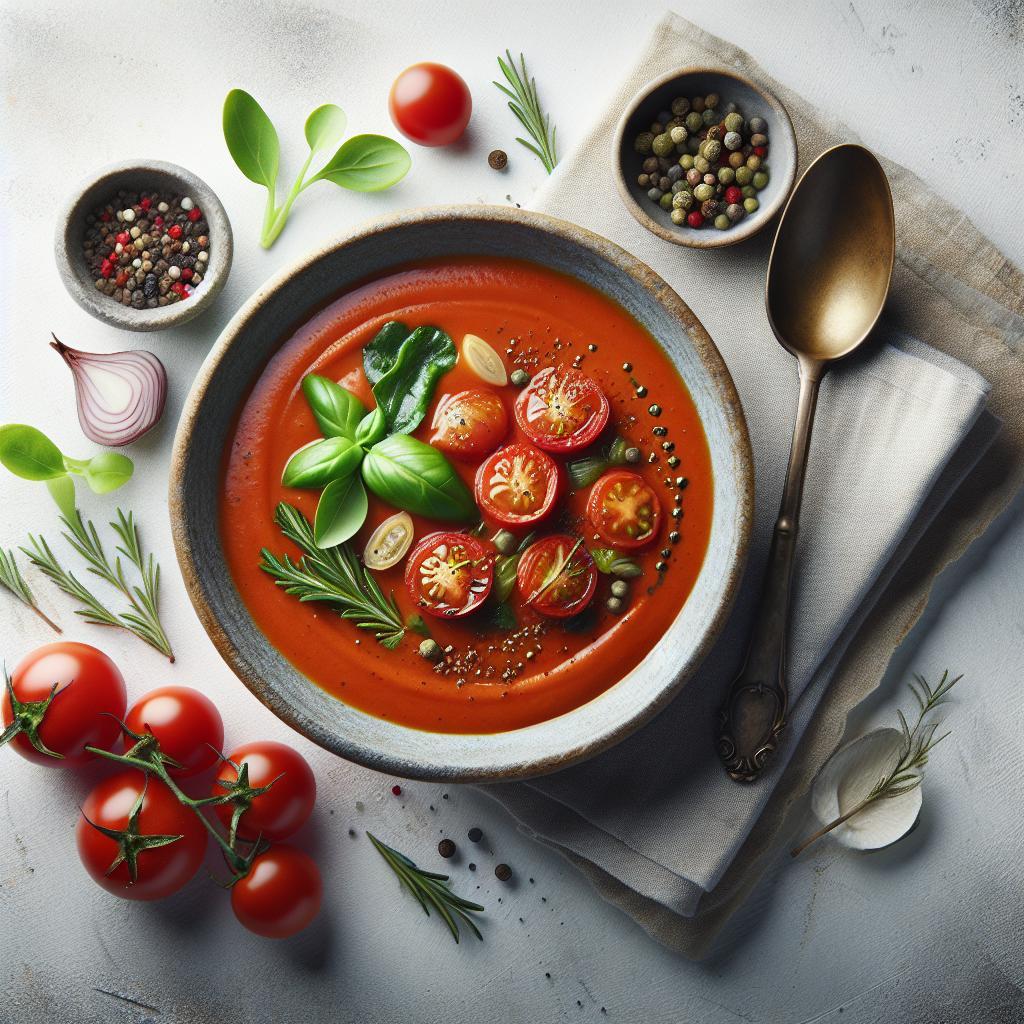
There is something magnetic about a bowl of homemade roasted tomato soup. The roasting process deepens sweetness, adds gentle smoke, and yields a velvety mouthfeel that canned versions rarely match.

Contents
  • Savor the Rich Flavors of Homemade Roasted Tomato Soup
  • Overview: What Makes Roasted Tomato Soup Special
  • Prep and Cook Time
  • Yield
  • Difficulty Level
  • Ingredients
  • Instructions
  • Tips for Success
  • Serving Suggestions
  • Nutritional Information
  • FAQ
    • What makes roasted tomato soup different from regular tomato soup?
    • Which tomatoes work best for roasting and soup-making?
    • Can I make the soup ahead of time?
    • How do I achieve a silky texture without dairy?
    • Are there simple ways to boost umami?

Focus on ripe tomatoes, controlled caramelization, and thoughtful seasoning to build layers of flavor. This recipe walks you through each step so you achieve consistent results every time.

  • Roasting concentrates flavor: heat transforms sugars for richer taste.
  • Short, precise technique: quick roast, then gentle simmer for balance.
  • Finish with acid and herbs: brighteners like lemon and basil lift heaviness.

Overview: What Makes Roasted Tomato Soup Special

Roasted tomato soup emphasizes caramelization to extract concentrated tomato sugars and a subtle smoky note. Proper roasting also reduces water content, which improves texture and depth.

- Advertisement -

Chefs value this method because it layers umami, acidity, and aromatics into a single pot. For technical context on tomato biology and flavor, see tomato.

Prep and Cook Time

Plan roughly 1 hour and 15 minutes from start to finish, including active and passive time. The schedule keeps oven time long enough to caramelize without drying the flesh completely.

  • Preparation: 15 minutes
  • Roasting: 35–40 minutes
  • Simmering and blending: 20 minutes
  • Total Time: 1 hour 15 minutes

Adjust roast time for tomato size and oven variability. A convection oven will brown faster; lower temperature slightly to avoid charring.

- Advertisement -

Yield

This recipe yields about six hearty bowls, depending on serving size. It scales well: double the tomatoes and use a larger roasting tray for groups.

Leftovers refrigerate well and will taste more integrated the next day. Freeze portions in airtight containers for up to three months.

Difficulty Level

Easy to medium: the technique demands attention during roasting and seasoning but requires no advanced skills. Timing and tasting matter more than technique here.

- Advertisement -

Beginners can follow the step-by-step instructions; cooking times are forgiving. Experienced cooks can experiment with smoke, herbs, and finishing oils.

Ingredients

Choose ripe, meaty tomatoes like Roma or vine-ripened varieties to limit excess liquid during roasting. For background on tomatoes used in cooking, consult tomato varieties.

  • 3 lb fresh ripe tomatoes, halved (Roma or vine-ripened)
  • 1 large yellow onion, thickly sliced
  • 6 cloves garlic, peeled and left whole
  • 3 tbsp extra virgin olive oil
  • 1 tsp sea salt, plus extra to taste
  • 1/2 tsp freshly ground black pepper
  • 1 tsp smoked paprika
  • 1 tbsp tomato paste
  • 4 cups low-sodium vegetable broth
  • 1 tbsp fresh thyme leaves, chopped
  • 1 tbsp fresh basil, chiffonade
  • 1/4 tsp red chili flakes (optional)
  • 1 tbsp fresh lemon juice

Use high-quality olive oil and fresh herbs for the most impact. If you prefer dairy-free richness, use coconut milk or cashew cream sparingly at the end.

Instructions

Follow these steps in sequence for the best texture and flavor. Keep an eye on caramelization; aim for golden-brown edges rather than deep char.

  1. Preheat the oven to 425°F (220°C). Arrange halved tomatoes cut-side up on a parchment-lined sheet with onion slices and whole garlic cloves placed around them.
  2. Drizzle with olive oil and season. Sprinkle sea salt, black pepper, and smoked paprika. Toss lightly; keep tomato halves cut-side up for even roasting.
  3. Roast 35–40 minutes. Roast until tomatoes caramelize and edges turn golden-brown; onions should show browning and garlic should soften.
  4. Transfer to a pot. Move roasted tomatoes, onions, and garlic into a heavy pot. Stir in tomato paste to deepen the base flavor.
  5. Add broth and simmer gently. Pour in vegetable broth and bring to a gentle simmer for 10–15 minutes to marry flavors and soften any remaining texture.
  6. Blend until smooth. Use an immersion blender in the pot until velvety. If using a countertop blender, blend in batches and return to the pot carefully.
  7. Finish with herbs and acid. Stir in thyme, basil, and lemon juice; adjust salt and pepper to taste. Heat briefly to wake the herbs without cooking them to dullness.
  8. Serve hot. Garnish with a basil leaf, a swirl of olive oil, or a dairy-free cream for richness.

Strain through a fine sieve for an ultra-silky finish, or leave as-is for rustic texture. Control thickness with the amount of broth you add.

Tips for Success

Small technique choices create a noticeably better soup. Roasting time, herb timing, and finishing acid move this from good to memorable.

  • Choose meaty tomatoes: Roma or vine-ripened work best to avoid excess water.
  • Use tomato paste: a small amount intensifies umami and body without heaviness.
  • Add fresh herbs late: this preserves bright aromatics and color.
  • Optional creaminess: stir in coconut milk or cashew cream right before serving.
💡 Expert Insight
Expert Insight: Roast tomatoes cut-side up on a single layer to promote even caramelization. Rotate the tray halfway through if your oven has hot spots.

For cooking technique context such as dry-heat methods, see roasting. Implementing controlled heat creates consistent Maillard and caramelization reactions.

⚠️ Pro-Caution
Pro-Caution: Avoid over-roasting until blackened; burnt flavors will dominate. Remove trays as soon as edges turn deep golden-brown.

Serving Suggestions

Present the soup with contrasting textures and bright elements. A crusty bread or a simple green salad balances richness and adds crunch.

Try a drizzle of herb oil or a dollop of dairy-free ricotta to add creaminess. For fresh herb pairing notes, consult basil.

Nutritional Information

Estimated per serving values help plan meals and portions. This estimate assumes low-sodium broth and no heavy cream additions.

Nutrient Amount
Calories 140 kcal
Protein 4 g
Carbohydrates 18 g
Fat 6 g
Fiber 4 g

Adjusting portion size and additions (like cream or bread) will change totals significantly. Use these figures as a baseline for menu planning.

FAQ

Below are common questions cooks ask when preparing roasted tomato soup. Clear, actionable answers will help you adapt the recipe.

If you still have specific concerns, test one variable at a time—roast time, herb amount, or broth ratio—so you learn what each change does.

What makes roasted tomato soup different from regular tomato soup?

Roasting concentrates sugars and introduces light smoky notes through caramelization. The result is deeper, sweeter, and more savory than soups made from raw tomatoes alone.

Which tomatoes work best for roasting and soup-making?

Plum varieties such as Roma are ideal: they are dense, have fewer seeds, and release less water. Ripe vine tomatoes also perform well when available.

Can I make the soup ahead of time?

Yes. Flavors often meld overnight and improve in the fridge. Reheat gently on the stove and adjust seasoning before serving.

How do I achieve a silky texture without dairy?

Blend thoroughly and strain if desired. For richness without dairy, finish with a small amount of coconut milk or cashew cream just before serving.

Are there simple ways to boost umami?

Add a modest amount of tomato paste, roasted garlic, or a splash of balsamic vinegar. These elements increase savory depth without extra salt. For background on umami, see umami.

Follow these principles and you will consistently produce a roasted tomato soup that feels both rustic and refined. Good technique and tasting as you go are the keys to repeatable success.

See also: tomato soup

7 Pro Tips for Perfect Baked Cod Fillets
Master the Perfect Cassoulet: 7 Science‑Backed Steps to Unlock Flavor
9 Cozy Secrets to Mastering Turkey Soup and Squash
Salt Secrets: 7 Mechanisms That Shape Protein Structure
Food Temperature Danger Zone: 10 Safety Rules
TAGGED:andcomfort foodEasy recipesHomemade souprichroasted tomato souproasting tomatoessavorSoup recipethetomatotomato soup recipe
Share This Article
Facebook Pinterest Whatsapp Whatsapp LinkedIn Telegram Threads
What do you think?
Love0
Sad0
Happy0
Sleepy0
Angry0
Dead0
Wink0
Previous Article Crisp & Flavorful: The Ultimate Roasted Cauliflower Salad Guide 9 Expert Steps to a Crisp & Flavorful Roasted Cauliflower Salad
Next Article Hearty Baked Fish Stew: A Savory Ocean Delight Recipe 7-Point Hearty Baked Fish Stew: Ultimate Savory Ocean Recipe
Creamy Garlic Chicken with melted Parmesan and fresh herbs on a rustic white plate
Garlic Chicken: 7 Ultimate Brilliant Recipes to Make the Best-Ever Creamy Garlic Chicken with Parmesan & Fresh Herbs
Extra Picks
Colorful bowls of Leftover Couscous transformed into salads, fritters, and stuffed peppers.
12 Amazing Practical Leftover Couscous Ideas: Brilliant Ways to Reuse and Remix
Uncategorized
Colorful jars of spice blends beside steaming couscous with herbs and lemon
7 Ultimate spice blends That Transform Your Couscous — Amazing Best Flavor Boosts
Uncategorized
Bowls of gluten-free couscous alternatives: quinoa, millet, cauliflower, and rice
10 Amazing couscous alternatives: Best Gluten-Free Swaps for Incredible Flavor
Uncategorized

Tags

and art baked baking science baking techniques Baking tips batch cooking beef behind browning techniques butternut squash caramelization cast iron skillet chemistry chicken comfort food Cooking science cooking technique Cooking techniques Cooking tips crafting creamy creamy soup crispy culinary science fish flavor flavor chemistry food food safety Food science for garlic golden Ground turkey hearty heat high-heat cooking high protein meals how instant read thermometer Lean protein magic Maillard reaction make ahead meals make ahead soup mastering meal prep Meal prep recipes meat thermometer microwave microwave cooking moisture control one pot meals Pan searing perfect perfectly Plant based protein Probe thermometer protein denaturation Quick dinners roasted roasted squash roasted tomato soup Roasted vegetables Roasting techniques savor savory science Searing technique Searing techniques secrets slow cooking squash steak steak cooking sweet temperature control the top turkey turkey soup turkey stew ultimate umami cooking umami flavor unlock unlocking unveiling vegetable velvety weeknight dinner Weeknight dinners weeknight meals what when why with your zesty
March 2026
M T W T F S S
 1
2345678
9101112131415
16171819202122
23242526272829
3031  
« Feb    

You Might Also Like

Sizzle Truth: Does Pressing Burgers Speed Up Cooking?
Extra Picks

Sizzle Truth: 7 Evidence-Based Facts About Pressing Burgers

William J. Kroll
William J. Kroll
November 16, 2025
Master the Classic Affogato: Simple, Rich & Delicious!
Extra Picks

Affogato Mastery: 7 Pro Tips to Perfect the Classic Italian Dessert

William J. Kroll
William J. Kroll
December 20, 2025
Tailgate Triumph: Science-Backed Tips for Safe Celebrations
5-Second Rule

Tailgate Triumph: 11 Science-Backed Tailgate Safety Tips

William J. Kroll
William J. Kroll
January 17, 2026
Unlocking Blackening: The Science Behind Charred Flavor
Extra Picks

Unlocking Blackening: 7 Expert Steps to a Perfect Charred Crust

William J. Kroll
William J. Kroll
February 14, 2026
سيتان مطبوخ أكثر من اللازم: قاسٍ، جاف، مطاطي، مفتت مع حواف محروقة
Protein Chemistry

7 Clear Signs and Fixes When You Overcook Seitan

William J. Kroll
William J. Kroll
August 30, 2025
- Unlocking Flavor: The Maillard Magic in Searing Meat
Searing & Grilling

Unlock Flavor: 7 Maillard Secrets for Perfectly Seared Meat

William J. Kroll
William J. Kroll
September 29, 2025
Follow US
By Fimaw.com © All Rights Reserved.
  • Advertising Policy: 10 Practical Rules for Safe, Compliant Ads
  • Contact Us
  • Cookie Policy: Clear Guide for Site Owners
  • Copyright Notice Guide: 7 Essential Rules for Website Owners
  • Disclaimer
  • Privacy Policy
  • Terms of Service
Welcome Back!

Sign in to your account

Username or Email Address
Password

Lost your password?