

Savor the Warmth: Mastering the Art of Roasted Tomato Soup
A bowl of roasted tomato soup delivers concentrated sweetness, caramelized depth, and a smooth, comforting mouthfeel. Roast tomatoes to concentrate sugars, then blend and season carefully to produce a memorable soup.
- Quick Facts: Prep, Cook Time, Yield
- Ingredients Overview
- Instructions: Roast, Simmer, Blend
- Technique and Roasting Details
- Tips for Success
- Variations and Dietary Swaps
- Serving Suggestions
- Storage and Food Safety
- Authoritative Notes and Resources
- FAQ
- What makes roasted tomato soup different from standard tomato soup?
- Which tomatoes work best for roasting?
- How do I get a silky texture without a high-speed blender?
- Can I make the recipe vegan and still keep creaminess?
- How should I store leftovers and reheat safely?
- Insights and Conclusions
- Roast to concentrate flavor: Heat caramelizes natural sugars for depth.
- Texture matters: Straining yields an ultra-smooth finish.
- Balance acidity: A touch of sugar or fat calms sharpness.
- Make ahead: Soup improves after resting in the fridge.
Quick Facts: Prep, Cook Time, Yield
Preparation: 20 minutes. Roasting: 35-40 minutes. Simmering and blending: 20-25 minutes. Total time typically runs about 1 hour 20 minutes.
Plan for about 6 generous bowls from 3 lb of ripe tomatoes. This quantity yields a thick, comforting soup suitable for family dinners or small gatherings.
Ingredients Overview
Use ripe, meaty tomatoes such as Romas for concentrated flavor and fewer seeds. Roast garlic and onion alongside tomatoes to build savory backbone and depth.
Key optional items include cream or coconut milk for richness and a pinch of sugar to balance acidity. Fresh herbs like basil finish the soup with aromatic brightness.
- 3 lb ripe Roma tomatoes, halved
- 1 large yellow onion, quartered
- 6 cloves garlic, peeled and left whole
- 3 tbsp extra virgin olive oil, divided
- 1 tsp sea salt, plus more to taste
- 1/2 tsp freshly ground black pepper
- 1 tsp granulated sugar (optional)
- 1 cup low-sodium vegetable broth
- 1/2 cup heavy cream or coconut cream (optional)
- Fresh basil for garnish
- Crusty bread for serving
Instructions: Roast, Simmer, Blend
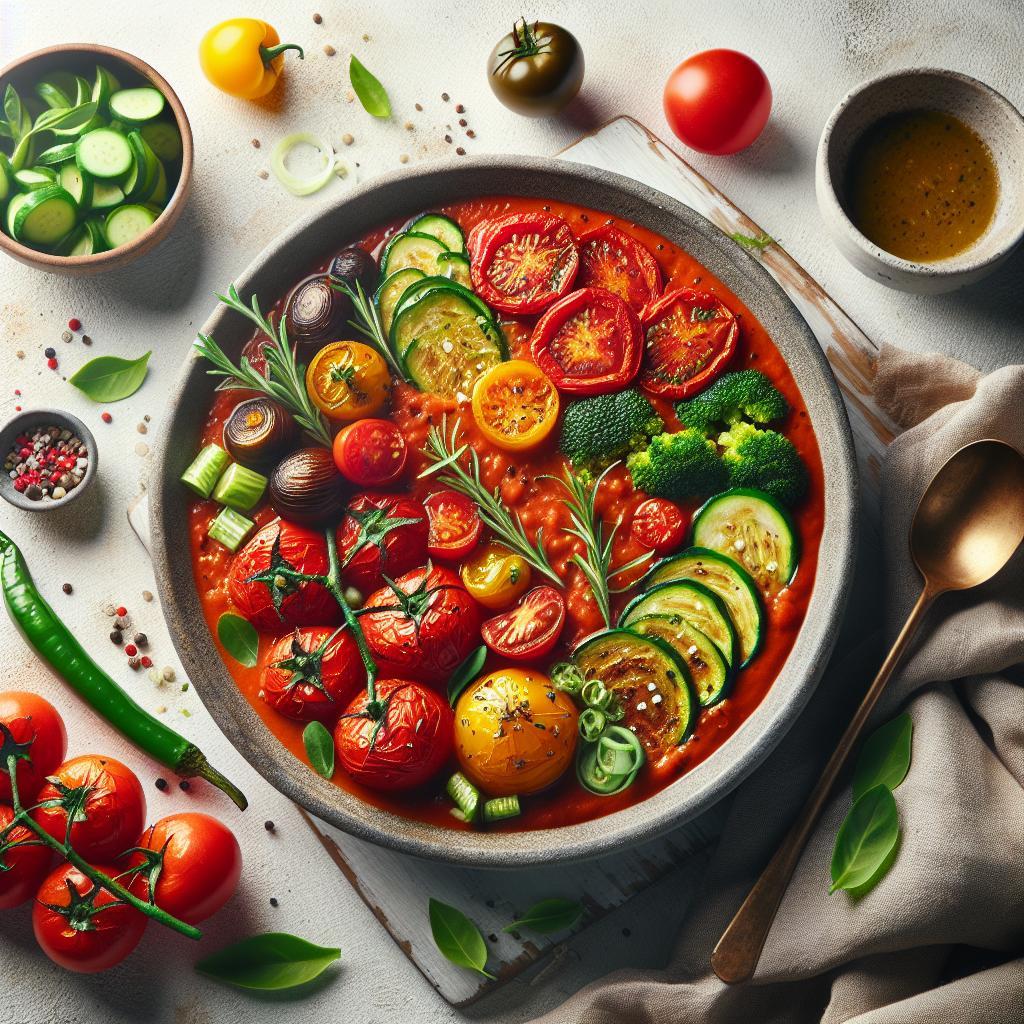
Preheat the oven to 425°F (220°C). Arrange tomatoes cut-side up with onions and garlic on a baking sheet; drizzle with most of the oil and season evenly with salt and pepper.
Roast uncovered for 35-40 minutes until edges caramelize and liquids reduce. Let the vegetables cool slightly, then squeeze roasted garlic from skins and transfer everything to a pot with the broth.
- Simmer gently over medium-low for 12-15 minutes to marry flavors.
- Blend in batches until smooth; pass through a fine-mesh sieve for silkier texture.
- Stir in cream or coconut cream off heat, warm gently, and adjust seasoning before serving.
A controlled simmer after roasting softens any remaining firmness and integrates aromatics. Avoid high heat once cream is added to prevent separation.
Technique and Roasting Details
Roasting concentrates tomato sugars and adds mild char for complexity. For best results, roast cut-side up so juices pool and caramelize at the surface.
Use a high-temperature oven and avoid overcrowding the pan to promote even browning. If you prefer a smoky dimension, briefly broil toward the end while watching closely.
Tips for Success
Taste at each stage: after roasting, after simmering, and after blending. This multi-point tasting prevents over-salting and helps you decide whether a small pinch of sugar or a squeeze of acid is needed to balance the bowl.
For a consistently smooth mouthfeel, strain the blended soup through a fine sieve and press with the back of a ladle. This removes skins and fibrous bits that can dull the texture.
Variations and Dietary Swaps
Make the soup dairy-free by using coconut cream or soaked blended cashews for body. Roasting a peeled potato with the tomatoes adds natural starch and silk without dairy.
For a smoky variation, add a pinch of smoked paprika or roast a few red bell peppers with the tomatoes. Herbs like thyme or oregano during simmering add an herbaceous layer that complements roasted tomato.
Serving Suggestions
Serve piping hot with torn basil leaves and a drizzle of good olive oil. Pair with grilled cheese or crusty bread to create a satisfying, textural contrast.
Garnish options include a swirl of coconut milk, toasted seeds for crunch, or a small spoon of pesto for aromatic lift. Presentation in warm bowls reinforces the comforting quality of the dish.
Storage and Food Safety
Refrigerate cooled soup in airtight containers for up to three days. Freeze portions for up to three months; thaw in the refrigerator before reheating gently.
Always reheat slowly and stir to avoid scorching. Allow frozen soup to thaw overnight for best texture retention and reheat until it reaches at least 165°F (74°C) for safe serving.
| Nutrient | Per Serving |
|---|---|
| Calories | 180 kcal |
| Protein | 3 g |
| Carbohydrates | 14 g |
| Fat | 12 g |

Authoritative Notes and Resources
Tomato selection affects final flavor; learn more about tomato varieties and cultivation on the Tomato page. Use that knowledge to choose firm, fragrant fruit for roasting.
For an overview of dry-heat cooking that explains how roasting concentrates sugars and browns surfaces, see Roasting. For herb pairing and culinary uses of basil, reference the Basil entry.
FAQ
What makes roasted tomato soup different from standard tomato soup?
Roasted tomato soup develops pronounced sweetness and mild char from oven caramelization. The roasting step reduces water content and amplifies savory compounds, yielding a deeper, more layered flavor profile compared with simply simmered tomatoes.
Which tomatoes work best for roasting?
Meaty varieties such as Roma or plum tomatoes keep seeds and excess liquid to a minimum, producing thicker, richer soup. Look for deep color and a fragrant aroma, which indicate mature sugars and better roasting results.
How do I get a silky texture without a high-speed blender?
Blend in small batches and then pass the soup through a fine-mesh sieve while pressing with a spatula. Alternatively, use an immersion blender and finish with a sieve; patience and straining create a smooth mouthfeel.
Can I make the recipe vegan and still keep creaminess?
Yes. Use full-fat coconut milk or blended soaked cashews for a rich, dairy-free finish. Roasting a potato with the tomatoes also increases body naturally without dairy additions.
How should I store leftovers and reheat safely?
Cool soup quickly and store in airtight containers in the refrigerator for up to three days, or freeze portions for longer storage. Reheat gradually while stirring to restore texture and heat evenly.
Insights and Conclusions
Mastering roasted tomato soup centers on controlling heat during roasting and assessing balance during seasoning. Small adjustments—straining, adding fat, or a pinch of sugar—transform good soup into great soup.
Practice simple variations and document what you prefer for acidity and texture. With consistent technique, you can produce a reliable, restaurant-quality roasted tomato soup every time.
Additional references: Grilled cheese sandwich notes provide pairing ideas, and basic principles of food preservation cover storage guidance for homemade soups.
See also: roasted tomato