- Quick crisping: use high oven heat and a wire rack for airflow.
- Flavor balance: honey, acid, and soy create glaze cling and brightness.
- Make-ahead: cook, cool, and reheat under broiler or in an air fryer to restore texture.
Overview and Professional Rationale
Baked honey wings offer high yield for effort; mild technique adjustments produce restaurant-level results. Professionals focus on moisture control, sugar behavior, and correct heat staging to avoid burning while maximizing gloss.
Honey acts as both sweetener and glaze matrix. The sugar content influences caramelization and Maillard reaction at the skin; understanding these reactions helps time broiling and reduce bitter scorch. For technical background on the Maillard reaction, see Maillard reaction on Wikipedia.
Prep and Cook Time
Preparation: 15 minutes active work gives you a streamlined mise en place. Trim wings, measure glaze components, and preheat the oven so the process runs without interruption.
Marinating and cook: a one-hour minimum marinade improves surface seasoning; bake 40–45 minutes total at staged heat. Use a calibrated probe to verify 165°F (74°C) internal temperature in the thickest portion for safety and optimal juiciness.
Yield & Difficulty
Yield: Serves 4–6 (about 18–22 wings). Scale quantities linearly while keeping spacing on trays to preserve airflow and crisping potential.
Difficulty: Easy to moderate. Basic oven technique and timing control suffice; precise finishing under a broiler takes attention to avoid rapid scorching of the honey glaze.
Ingredients
Measure ingredients for consistency. The core balance is sweet (honey), salty (soy), acidic (vinegar or citrus), and heat (chili). This balance creates cling and layered flavor on baked honey wings.
Core ingredients: 2 lb chicken wings (tips removed), 1/4 cup honey, 3 tbsp soy sauce, 1 tbsp apple cider vinegar, 2 cloves minced garlic, 1 tsp smoked paprika, 1/2 tsp chili flakes, kosher salt, black pepper, 2 tbsp olive oil, and optional 1 tsp cornstarch or 1/2 tsp baking powder for crisping. For context on soy fermentation and flavor contribution, consult Soy sauce on Wikipedia.
Instructions
Preheat oven to 400°F (200°C). Prepare a rimmed baking sheet with a wire rack; that gap encourages even hot-air circulation, which speeds moisture evaporation from the skin.
Combine honey, soy, vinegar, garlic, paprika, chili, salt, and pepper. Toss wings to coat, then refrigerate for at least one hour. Reserve 2–3 tbsp of marinade before adding raw meat to use for finishing and avoid cross-contamination.
Baking and Glazing
Optional: dust wings lightly with cornstarch or baking powder to enhance exterior crisp. Arrange single-layer on the rack, drizzle with oil, and bake 25 minutes before flipping to expose both sides to dry heat.
After flipping, bake another 15–20 minutes until skin is crisp and an internal probe reads 165°F (74°C). Brush with the reserved glaze and broil 2–3 minutes to set color; watch continuously as honey sugars caramelize rapidly.
 Pro-Caution
Tips for Success
Small technique shifts yield large texture gains. Use a wire rack, avoid crowding, and consider a small amount of baking powder when aiming for very crisp skin; it raises surface pH and speeds browning reactions.
Adjust spice by varying chili or adding fresh ginger for a different aromatic profile. If you prefer tang, add 1 tsp extra apple cider vinegar or 1 tbsp lemon juice to your marinade and taste before marinating the wings.
 Expert Insight
Serving Suggestions
Serve honey wings with crunchy celery and carrot sticks and a cooling dip such as ranch or a yogurt-herb sauce to contrast the sticky glaze. A lime wedge brightens the plate and cuts richness.
For plating, garnish with chopped parsley or toasted sesame and serve hot to preserve gloss. Reheating in an air fryer or oven restores crispness better than a microwave.
Nutritional Notes and Food Safety
Per-serving estimates vary with wing size and skin-on choices. A typical four-wing serving is roughly 280 kcal, 24 g protein, 14 g carbs, and 12 g fat; adjust portions for dietary goals.
Always verify internal temperature with a calibrated probe. For general poultry handling and storage guidance, see Chicken as food on Wikipedia. Store cooled wings in an airtight container and refrigerate up to 3 days.
Technique Notes and Culinary Science
To optimize crispness, reduce surface moisture and apply gentle alkalinity. Baking powder raises pH and alters skin proteins, which promotes browning and a crunchier texture.
Understand sugar behavior: honey caramelizes roughly between 300–350°F (150–175°C). Control broiling time to obtain caramel color without scorching. For broader baking thermal concepts, see Baking on Wikipedia.
Related Reading and References
For more on honey varieties and flavor profiles, review Honey on Wikipedia. Choose darker, robust honeys for bolder floral notes that resist heat.
These references clarify ingredient roles and thermal reactions behind the techniques in this guide. Use them to refine glaze choice and finishing temperature decisions when preparing honey wings for different service contexts.
FAQ
How do I make wings crispy without frying?
Use high initial oven heat and a wire rack to expose all sides to hot air. A light dusting of cornstarch or baking powder dries the skin and speeds browning.
Avoid overcrowding the tray. Steam from clustered wings prevents crisping and yields soggy skin; leave space for airflow.
Can I substitute honey for another sweetener?
You can use maple syrup or agave, but honey offers viscosity and floral notes that improve glaze cling and flavor depth. Swap cautiously and adjust acid and salt to rebalance taste.
For lower sugar, reduce honey and increase soy or acid to maintain mouthfeel and shine on the wings.
Is marinating necessary?
Marinating enhances surface seasoning and tenderizes. One hour gives noticeable improvement; overnight deepens flavor but is optional when time is tight.
If you need rapid infusion, score skin lightly or use a vacuum-seal step to accelerate penetration before baking honey wings.
How do I store and reheat leftovers?
Refrigerate cooled wings in an airtight container up to 3 days. Reheat in a preheated oven or air fryer at 350°F (175°C) for 6–8 minutes to restore crispness while warming through.
Brush with warmed reserved glaze and give a short broil to refresh gloss and stickiness just before serving.
What are safe temperature targets for poultry?
Cook wings to an internal temperature of 165°F (74°C). Insert a probe into the meatiest portion without touching bone for accuracy; allow 3–5 minutes rest to let carryover heat equalize.
Carryover improves juiciness and evens final temperature without overcooking the skin when you finish under the broiler.
Embrace these methods and adjustments to produce repeatable, high-quality honey wings. With controlled heat, balanced glaze, and simple technique, you can offer wings that satisfy casual eaters and discerning diners.

See also: Honey Wings
See also: honey wings
]]>
- Quick crisp fix: Remove zucchini moisture completely before frying.
- Flavor boost: Use fresh herbs and a touch of smoked paprika for depth.
- Serve smart: Reheat in a hot oven or air fryer to restore crunch.
- Swap options: Chickpea flour makes an effective gluten-free binder.
Introduction and Flavor Profile
Zucchini fritters translate summer harvest into a textured, savory snack. The contrast between a crisp exterior and a moist interior defines the ideal fritter; herbs, garlic, and a tangy dip complete the taste profile.
These fritters draw from Mediterranean technique and ingredient balance. For context on the region that popularized herb-forward small plates, see Mediterranean cuisine.
Prep and Cook Time
Preparation: 20 minutes. This includes grating and draining zucchini and mixing the batter. Efficient prep prevents soggy results.
Cooking: 15 minutes for frying in batches. Maintain medium heat to brown evenly. Total: 35 minutes from start to finish with active work time concentrated at the stove.
Yield
Serves 4, yielding roughly 12 medium fritters depending on size and moisture content. Portion control matters when cooking for a group.
Adjust batch size easily: double the recipe for larger crowds and fry in consistent-size batches to maintain uniform cook times.
Difficulty Level
Easy to Medium. The techniques used are straightforward but require attention to moisture control and oil temperature. Home cooks who follow the steps will achieve reliably crisp results.
This recipe suits confident beginners and intermediate cooks who want reliable texture and balanced flavor. Small technique adjustments yield professional results.
Ingredients
Gather fresh ingredients and measure them before you begin. Having everything staged improves timing and keeps the batter consistent.
Use firm, medium zucchinis and cold Greek-style yogurt for best results. Greek yogurt provides viscosity and tang; read more about yogurt production at Yogurt.
- 3 medium zucchinis (about 2 cups grated, squeezed dry)
- 1 teaspoon salt (to draw out moisture)
- 2 large eggs (lightly beaten)
- 1/2 cup all-purpose flour (sifted; or chickpea flour for gluten-free)
- 1/4 cup finely chopped fresh parsley
- 2 tablespoons chopped fresh dill
- 1 garlic clove (minced)
- 1 teaspoon ground cumin
- 1/2 teaspoon freshly ground black pepper
- 1/4 teaspoon smoked paprika
- Olive oil (for frying)
For the Creamy Yogurt Dip:
- 1 cup Greek yogurt
- 1 tablespoon fresh lemon juice
- 1 tablespoon chopped fresh mint
- 1/2 teaspoon garlic powder
- Salt and pepper to taste
- 1 teaspoon honey (optional)
Instructions
Organize stations: grating and draining, batter assembly, and frying. A steady workflow ensures consistent fritter shape and texture.
Keep heat steady and use a slotted spatula for clean flips. Small, consistent patties cook evenly and conserve oil.
Prepare the zucchini
Grate the zucchini on the large holes of a box grater and place it in a colander. Sprinkle with 1 teaspoon of salt and let it sit for 10 minutes to draw out moisture.
After resting, press the zucchini firmly in a clean kitchen towel or cheesecloth. Wring out as much water as possible; this step directly affects crispness and prevents batter thinning.
Mix the batter
Combine the drained zucchini with beaten eggs, flour, minced garlic, parsley, dill, cumin, black pepper, and smoked paprika in a large bowl. Stir until the mixture binds together into a thick batter.
If the mixture seems loose, add a tablespoon of flour at a time until the batter holds shape. Overmixing will break down the vegetables; fold gently to retain texture.
Heat the pan and fry
Heat a generous layer of olive oil in a large non-stick skillet over medium heat. The oil should shimmer; maintain this temperature for even browning. For background on frying fundamentals, see Frying.
Form 2 1/2-inch patties with a spoon or your hands and place them in the pan without overcrowding. Fry 3–4 minutes per side until deep golden brown, then drain on paper towels to remove excess oil.
Pro-Caution
Allow a brief rest of one to two minutes before serving to let internal steam settle. This brief rest preserves structural integrity while retaining warmth.
Make the creamy yogurt dip
Whisk Greek yogurt with lemon juice, chopped mint, garlic powder, and a pinch of salt and pepper. Add honey if you prefer a balanced sweet-tang profile.
Chill the dip for at least 10 minutes so flavors meld. Cold yogurt contrasts the warm fritters, creating a pleasing textural and temperature balance.
Tips for Success
Remove moisture thoroughly. Wringing zucchini till mostly dry ensures the batter remains firm and fries crisp. Residual water creates steam that softens crusts.
Manage oil temperature. Keep the pan at medium heat. Too hot will burn edges before the center cooks; too cool produces greasy fritters.
Expert Insight
Fresh herbs lift the fritter’s aroma and reduce the need for heavy salt. Try a small addition of grated hard cheese like Parmesan for savory umami if desired.
For gluten-free versions, chickpea flour functions as an effective binder and adds a slight nutty flavor. Adjust liquid ratios for batter consistency.
Serving Suggestions
Serve fritters warm with the chilled yogurt dip in a rustic bowl. Garnish with chopped parsley, a mint sprig, or a light dusting of smoked paprika for contrast.
Complement the fritters with a crisp salad or toasted flatbread. For more on olive oil use in Mediterranean recipes, consult olive oil guidance.
Storage and Reheating
Store cooled fritters in an airtight container for up to 2 days in the refrigerator. Avoid stacking more than two layers to minimize steam buildup.
Reheat in a preheated oven or air fryer at 375°F (190°C) for 5–7 minutes to restore crispness. Avoid microwaving, which softens the crust and reduces appeal.
Nutrition
The following is an approximate nutrition profile per serving and will vary with oil absorption and portion size. Values help plan balanced meals.
| Nutrition (per serving) | Amount |
|---|---|
| Calories | 180 kcal |
| Protein | 7 g |
| Carbohydrates | 15 g |
| Fat | 10 g (mostly monounsaturated from olive oil) |
Serving Layout and Pairings
For an appetizer spread, arrange fritters on a platter with bowls of yogurt dip and scattered herbs. Add sliced cherry tomatoes and olives for color and acidity.
Pair with a light salad of shaved fennel or arugula tossed with lemon and olive oil, or include toasted pita for a shareable presentation.

FAQ
Below are concise answers to common practical questions from home cooks and small-scale hosts.
How do I keep fritters from turning soggy?
Drain grated zucchini thoroughly and use a firm binder like flour and egg. Cook patties in a hot skillet without overcrowding to avoid steam buildup.
Allow drained fritters a brief rest on paper towels, then transfer to a warm oven if holding before service to prevent sogginess.
Can I make these gluten-free or vegan?
Yes. Substitute all-purpose flour with chickpea flour for gluten-free fritters. For vegan versions, replace eggs with a flax ‘egg’ (1 tbsp ground flax + 3 tbsp water per egg) and use plant-based yogurt for the dip.
Adjust binding and moisture carefully; gluten-free flours absorb liquid differently, so add a tablespoon at a time until the batter holds shape.
What oil is best for frying these fritters?
Use a neutral oil with a moderate smoke point or a generous shallow layer of olive oil for flavor. Keep the oil temperature stable and avoid overheating.
Olive oil contributes aroma but monitor heat; for higher-temp frying, choose a refined oil option if needed. Read more about oils at olive oil.
How do I reheat leftovers to restore crispness?
Place fritters in a preheated oven or air fryer at 375°F (190°C) for 5–7 minutes. This quickly dries the surface and returns crunch without overcooking.
A hot, dry skillet also works for two minutes per side. Avoid microwaves, which soften the crust and make them limp.
Can I add cheese to the batter?
Yes. A small amount of grated Parmesan or crumbled feta adds savory depth and helps with binding. Use no more than 1/3 cup to avoid making the batter too wet.
If adding salty cheese, reduce added salt when salting grated zucchini at the start to prevent overly salty results.
Key Takeaways
Crisp fritters require rigorous moisture removal and steady frying temperature. Fresh herbs and a bright yogurt dip complete the dish.
Make small, consistent patties and reheat in dry heat to restore crunch. With a few technique controls, these fritters perform reliably for home cooks and entertaining.
Explore the botanical and culinary background of courgette on zucchini for additional context on variety selection and seasonality.
See also: Zucchini fritters
]]>
- At a glance: Dry the surface, reintroduce controlled heat, and allow airflow to prevent steam.
- Best tools: wire rack, oven or air fryer, light dusting of starch for delicate batters.
- Quick timeline: 10–15 minutes in a 375°F (190°C) oven, 3–6 minutes in an air fryer, or a final hot skillet sear for thick pieces.
- Storage tip: Cool fully, store single layer with paper towels to limit moisture reabsorption.
Why Fried Food Loses Its Crunch
Fried foods lose crispness when trapped steam softens the crust and oil migrates into the breading. Both moisture transfer and oil re-absorption reduce the surface contrast that creates a satisfying crunch.
Low frying temperature, overcrowding, or inadequate draining speed the decline. Understanding heat transfer and moisture migration helps you pick the correct crisp rescue approach for each failure mode.
Prep and Cook Time
Preparation: Spend 5–10 minutes blotting and airing pieces before applying heat. This step makes dry heat effective by reducing the water film that would otherwise create steam.
Reheating & Crisping: Use a 375°F (190°C) oven for 10–15 minutes with a wire rack, or 3–6 minutes in an air fryer for small batches. Thick items often require a short, high-heat skillet sear to re-establish edge crispness.
Yield and Difficulty
The method restores crispiness for approximately 2–4 servings of typical leftovers like fries, nuggets, and wings. Execution remains low difficulty but needs attention to spacing and timing.
Small adjustments change outcomes: a light starch helps delicate batters, while a hotter skillet finish rescues thicker pieces. Practice gives consistent results across different fried items.
Ingredients and Tools
Keep the kit minimal: paper towels, a baking or wire cooling rack, a baking sheet, and a light starch such as cornstarch. Use a neutral cooking oil spray to reintroduce minimal fat for browning when needed.
Use tools that promote airflow: a wire rack over a sheet pan, a preheated air fryer basket, or a hot skillet with a flat surface. These tools focus dry heat where it crisps fastest.
- Leftover fried foods: fries, wings, tempura, nuggets — about 2 cups.
- Paper towels or clean kitchen towels for blotting moisture.
- Baking rack and baking sheet for elevation and airflow.
- Cornstarch or arrowroot: 1 tablespoon for delicate coatings (optional). See cornstarch for the starch properties.
- Cooking oil spray (light vegetable or canola oil).
Instructions
Work in a strict, effective sequence: drain, dry, optionally dust with a light starch, space items on a rack, mist lightly, and apply dry heat. Each step addresses a specific cause of sogginess: oil, steam, or insufficient surface heat.
Always avoid crowding. Crowding reduces airflow, which leads to steaming rather than crisping and negates earlier prep steps.
Drain and Dry
Lay fried pieces in a single layer on paper towels and blot gently to remove surface oil. Surface oil traps moisture at the crust and slows re-browning; removing it lets dry heat reach the crust faster.
After blotting, let pieces sit uncovered for 5–10 minutes to shed excess surface moisture. That short rest allows a thin dry film to form and shortens the time needed under heat.
Light Coating for Delicate Batters
For soft batters, toss pieces in a tablespoon of cornstarch or arrowroot. A thin starch film absorbs residual oil and creates material that browns crisply under dry heat.
Shake off excess powder to avoid a pasty finish. Use just enough to form a light barrier—overcoating defeats the goal by forming a dense layer that resists browning.
Arrange and Reheat
Place a wire rack on a baking sheet and arrange pieces with space between them. Elevation exposes all surfaces to hot, circulating air and prevents steam pockets under the food.
Set the oven to 375°F (190°C) and bake for 10–15 minutes, flipping once for even color. For small batches, an air fryer often restores texture in a 3–6 minute burst; see air fryer for device specifics.
Expert Insight
For thick pieces, finish with a 1–2 minute per-side skillet sear on high heat. Use a neutral oil with a high smoke point and watch carefully to avoid burning the crust while the interior reaches temperature.
Tips for Success: The Ultimate Crisp Rescue
Avoid microwaving when texture matters. Microwaving converts water to steam and re-wets the crust, which results in a soft finish rather than restored crunch.
Always use a wire rack and avoid stacking. Stacking traps steam and reverses drying efforts even in a short reheating cycle.
- Airflow: Elevate food to allow hot air to circulate 360 degrees.
- Heat control: Use consistent moderate heat; avoid searing so aggressively that the crust burns before the interior warms.
- Final sear: For thick items, finish in a hot skillet to restore edges.
- Storage tip: Cool fully and store single layer with paper towels to limit oil reabsorption.
Serving Suggestions
Serve revived items immediately for the best textural contrast between crust and interior. The revived crust loses crispness again if it sits under a cover or in a closed container.
Pair fried items with acidic or fresh condiments—lemon wedges, pickles, or a vinegar-based slaw—to cut richness. A light sprinkle of finishing salt and fresh herbs adds aroma and compensates for any marginal fat loss during blotting.
Food Science Notes
Surface browning and crunch depend on Maillard reaction pathways and moisture migration. Promoting a dry surface speeds browning and creates a crisper texture while preserving interior moisture.
When you reheat, you aim to re-establish a low surface water activity so Maillard reactions occur without excess steam. For background on surface browning, consult Maillard reaction.
Nutrition Snapshot
Revived fried foods retain most original calories and macronutrients, but removing excess surface oil lowers the immediate fat load. Blotting and light misting reduce unnecessary fat without sacrificing texture.
Balance portions with salads or pickled vegetables to increase meal nutrient density. For safe handling and storage recommendations, see food safety.
| Nutrition (per serving) | Calories | Protein | Carbs | Fat |
|---|---|---|---|---|
| Revived Fried Foods | 320 kcal | 15 g | 20 g | 22 g |
Practical Variations
Use panko or extra-dry breadcrumbs on storage to improve future reheating performance. A more textured crust sheds moisture and re-browns more predictably than fine batters.
For gluten-free options, use rice flour or cornstarch as the light dusting agent; both crisp quickly on reheating. See cornstarch for its utility in coatings.
For fries, spread in a single layer on a preheated sheet pan under the broiler for a short hit of direct radiant heat. For nuggets or wings, an air-fryer or convection oven gives more uniform results for larger batches.
When you prep food specifically for later crisping, par-fry at a slightly lower temperature and cool on a rack so the crust sets without trapping steam. That practice reduces oil migration and improves later revivals.
Common Questions
Why do fried foods sometimes turn soggy and oily instead of crispy?
Soggy texture usually stems from trapped steam and excess surface oil, both of which soften the crust. These factors reduce the textural contrast between crust and interior and accelerate perceived staleness.
Proper draining and maintaining correct frying temperature during the initial cook reduce oil migration and cut the need for later rescue steps.
Can soggy fried foods be fixed after cooking?
Yes. Controlled dry heat, good airflow, and removing excess oil are the three pillars of a successful crisp rescue. Wire racks and oven or air-fryer circulation re-dehydrate the surface and allow browning reactions to proceed.
Delicate batters may not return to perfect fresh-fried texture, but a light starch dusting and gentle reheating will markedly improve crispness and mouthfeel.
Is an air fryer better than an oven for crisp rescue?
An air fryer often provides faster, more intense hot-air circulation for small batches and can revive items in a short 3–6 minute window. For large batches, a convection oven handles volume evenly.
Either tool works when you avoid overcrowding and ensure pieces remain dry and elevated for airflow. For context on frying techniques, review deep frying.
Can I microwave fried food if I’m in a hurry?
Microwaving is the least effective method for restoring crispness because it converts water to steam and re-wets the crust. Use it only when texture is not a priority.
If you must microwave, place items on paper towels, use very short bursts, and finish with a hot skillet sear to recover some surface crunch.
How do I store fried foods to make future reheating easier?
Cool to room temperature, store in a single layer with paper towels in an airtight container, and refrigerate promptly to limit bacterial growth. Paper towels absorb residual oil and keep the crust drier for reheating.
For freezing, flash-freeze on a rack then transfer to bags—this preserves surface texture and shortens reheat time from frozen.
Final Takeaway
Restoring crispness relies on three actions: remove excess oil, keep the surface dry, and reheat with airflow. Apply these principles across ovens, air fryers, and skillet finishes for reliable results.
Practice the sequence—drain, dry, dust if needed, space on a rack, mist, and reheat—and you will make crisp rescue a dependable kitchen skill for leftover fried foods.
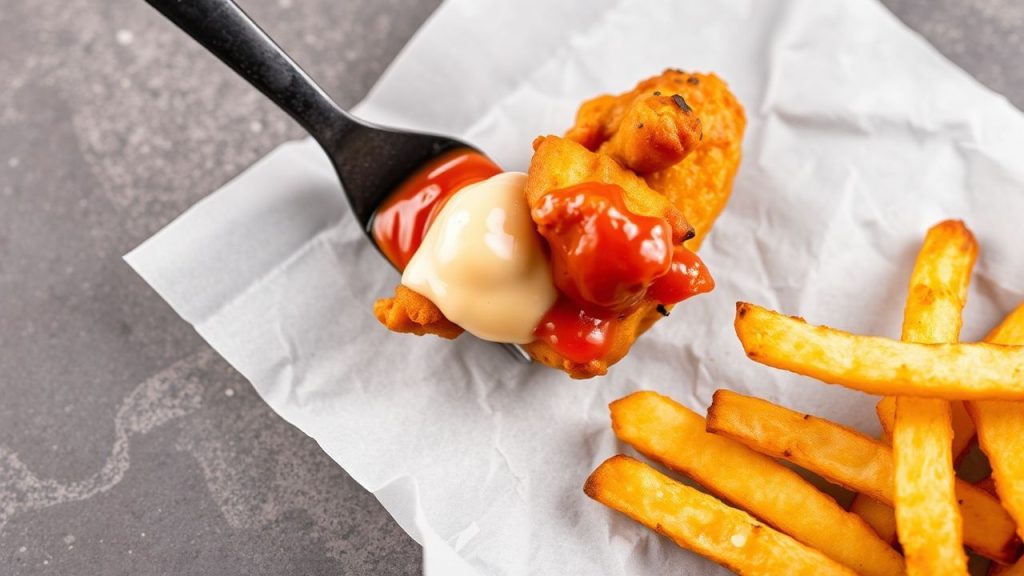
See also: Crisp Rescue and How to Reheat Fries for related techniques and batch strategies.
Pro-Caution