Bake Fresh Delight opens the door to an ancient, practical loaf: homemade pita bread that puffs into a soft pocket and carries bold fillings. I write as a professional baker with years of artisan bread training to guide you through reliable techniques that yield consistent, soft pitas with crisp, golden blistering.
- Simple ingredients, precise technique: water, flour, yeast, salt, and olive oil.
- High heat and rested dough: create the steam that forms the pocket.
- Versatile serving: use pitas for wraps, dips, mini pizzas, and more.
Origins and Bread Science
Pita has deep roots across the Eastern Mediterranean and Near East, where flatbreads evolved to suit hearth and clay-oven baking. For background on the bread style and history, see pita and flatbread on Wikipedia.
At the oven level, pita puffs when internal moisture turns to steam faster than the crust sets, trapping air and creating a pocket. That rapid steam formation relates directly to oven temperature and dough hydration; modern home ovens mimic traditional ovens when you preheat a baking stone or steel.
Prep and Cook Time
Preparation: 20 minutes active work, mostly mixing and kneading. Keep tasks short and focused for consistent dough texture.
Rising and baking: 1–1.5 hours for the first rise and about 10–12 minutes total bake time for multiple batches at high heat. Preheating the baking surface takes at least 30 minutes to reach even thermal mass.
Yield
This recipe yields eight medium pitas, approximately 4–6 inches each depending on how thin you roll them. Alter size to suit your use: larger rounds serve as wraps, smaller rounds make snack-size pizzas.
If you double the batch, divide dough into equal portions and manage proofing space; crowding reduces oven hot spots and lowers puff reliability. Refrigerating dough after the first rise gives you scheduling flexibility and deepens flavor.
Difficulty Level
Label this recipe “Easy to Medium” for home bakers. The methods require simple techniques: activation, kneading, proofing, and high-heat baking—skills you can master in a few tries.
Expect a learning curve with oven placement and rolling thickness. Track results each bake and adjust time or oven rack position to suit your equipment for reliable pockets.
Ingredients
Use fresh, single-ingredient staples for predictable fermentation and gluten development. I list my go-to proportions for an 8-piece batch below.
Quality matters: choose unbleached all-purpose or a mix with bread flour for higher protein and better chew. For how yeast works in dough, consult Baker’s yeast.
- 2 ¼ teaspoons (1 packet) active dry yeast
- 1 ¼ cups warm water (110°F/43°C)
- 3 cups all-purpose flour, sifted
- 1 tablespoon olive oil
- 1 teaspoon granulated sugar
- 1 teaspoon salt
Instructions
Follow these steps in order for consistent dough structure and reliable pocket formation. I present each step with practical cues and alternative suggestions for small ovens.
- Activate the yeast: Combine warm water, sugar, and yeast in a bowl. Let sit 5–7 minutes until frothy; a healthy foam signals active yeast.
- Mix the dough: Whisk flour and salt, then add the yeast mixture and olive oil. Mix until a shaggy mass forms; avoid over-flouring to keep hydration balanced.
- Knead thoroughly: Turn dough onto a floured surface and knead for 8–10 minutes until smooth and elastic. Use a bench scraper to manage tacky dough rather than adding too much flour.
- First rise: Oil a bowl, place the dough inside, cover, and let it double in a warm place for 1–1.5 hours. Bulk fermentation develops flavor and strength in the gluten network.
- Divide and shape: Punch down, divide into 8 equal pieces, form tight balls, and let them rest briefly. Tight ball shaping yields even crumb and consistent pocket formation.
- Roll and rest: Roll each ball into a disk about 1/4-inch thick; cover stacked disks and rest 10 minutes. This short bench rest relaxes gluten and improves oven spring.
- Preheat baking surface: Place a baking stone or inverted baking sheet on the middle rack and preheat to 475°F (245°C) for at least 30 minutes. Heat retention in the stone produces the rapid steam needed for puffing; read more about baking thermal mass on baking.
- Bake quickly: Slide 2–3 rounds onto the hot surface and bake 3–4 minutes until they puff and show light brown spots. Remove and cover with a towel to keep them soft while you finish the batch.
Tips for Success: Mastering the Dough and Perfecting Puff
Small technique tweaks yield large results. I emphasize temperature control, dough feel, and timing as the three pillars of reliable pita.
Use an oven thermometer to confirm high heat. A stone or steel with good thermal mass gives immediate surface heat; this heat turns internal moisture to steam and lifts the dough into a pocket.
- Temperature matters: Warm water activates yeast; a hot oven creates steam. Keep yeast activation between 100–115°F for best results.
- Rest and relaxation: Rest disks covered to avoid a dry skin that prevents puffing. Ten minutes is usually enough to relax gluten without overproofing.
- Ball shaping: Smooth, tight balls roll into even disks and produce consistent pockets.
- Flour variations: Blend bread flour and all-purpose for more chew; add whole wheat for flavor but expect denser pitas.
- Make-ahead: Refrigerate dough overnight after the first rise. Bring to room temperature before shaping for predictable handling.
 Expert Insight
Practice small batches to calibrate your oven. Each home oven behaves differently, so log times, rack position, and batch size to repeat successes.
 Pro-Caution
Creative Serving Suggestions to Elevate Your Homemade Pitas
Homemade pita becomes a platform for many cuisines and textures. Use it as a vehicle for vegetables, proteins, and bold sauces.
Try filling pitas with falafel, grilled vegetables, or scrambled eggs for breakfast. Pairing ideas and a complementary dip recipe are available via internal resources like Pair with Classic Hummus and our bread baking basics guide.
- Falafel and tahini: Crisp falafel, cucumbers, tomatoes, and tahini create a balanced, textural sandwich.
- Grilled veggies: Roast zucchini, peppers, and eggplant with olive oil and herbs for a hearty vegetarian option.
- Breakfast pita: Fill with scrambled eggs, spinach, and crumbled cheese for an on-the-go morning meal.
- Mini pizzas: Use pitas as quick pizza bases; broil with sauce and cheese for 2–3 minutes.
Nutrition and Portion Notes
A medium pita (about 60 g) typically contains roughly 165 kcal with 5 g protein, 33 g carbs, and 1.5 g fat. These values vary by flour type and added fats.
To boost protein and fiber, substitute part of the white flour with higher-protein or whole grain flours. Monitor hydration carefully when using whole grains; they absorb more water and may need extra rest.
Q&A
I answer common technical and practical questions I encounter from home bakers. Keep reading for troubleshooting and advanced notes.
These responses focus on reproducible technique rather than one-off hacks, so you build reliable instincts that transfer to other breads, too.
What makes homemade pita bread better than store-bought?
Homemade pita delivers fresh aroma, control over ingredients, and immediate texture—warm and soft with an authentic pocket. You avoid preservatives and can tailor crumb, hydration, and salt levels to taste.
Homemade also offers creative flexibility: flavoring the dough, seeding the tops, or altering size are simple at home and give superior results to mass-produced loaves.
How does the pocket form inside pita?
The pocket forms when internal moisture vaporizes into steam faster than the outer dough sets, inflating the layers like a balloon. Quick surface setting traps steam and creates a hollow center.
High oven temperature and correct disk thickness promote this reaction. Too-thick dough may not heat through; too-thin may not retain enough moisture to inflate.
Can I add flavors or toppings to the dough?
Yes. Herbs, garlic, or spice blends like za’atar mix well into the dough or brush on top before baking. Sesame and nigella seeds add crunch and aroma when sprinkled on the surface.
Adjust salt and hydration when adding dry ingredients to keep dough consistency stable. Record ratios to reproduce successful variations.
What common mistakes prevent pita from puffing?
Common issues include insufficient oven heat, disks that dried out before baking, and uneven rolling thickness. Each of these interferes with steam formation or trapping.
Fix these by preheating a stone or steel, covering rolled disks until baking, and rolling consistently. Use bench rests to relax gluten for better oven spring.
How does mastering pita improve other baking skills?
Baking pita hones your sense of dough feel, fermentation timing, and temperature management—skills applicable to loaves, flatbreads, and enriched doughs. The process trains you to read dough, not a recipe alone.
Regular practice improves kneading efficiency and proofing judgment, which accelerates progress on more advanced artisan breads.
Key Takeaways
Bake Fresh Delight is about dependable technique: control hydration, use high heat, and protect rolled disks before baking. Those three actions yield the reliable pockets that make pita so useful.
Practice with small batches, record what your oven does, and refine rolling thickness to suit your tastes. With careful technique, you’ll turn this simple dough into a versatile staple for everyday meals.
FAQ
How should I store leftover pita?
Cool to room temperature, then store in an airtight container or zip bag for up to 2 days at room temperature. For longer storage, freeze flat with parchment between rounds and reheat from frozen.
Can I use instant yeast instead of active dry yeast?
Yes. Reduce proofing time slightly and mix instant yeast directly with dry ingredients. Watch dough temperature and fermentation speed to avoid overproofing.
Will a cast-iron pan work instead of a baking stone?
A preheated cast-iron griddle or skillet works well for individual rounds and conducts heat rapidly. Heat the pan thoroughly and work quickly to maintain its surface temperature.
Is it possible to make pita without a pocket?
Yes. If you prefer flat, non-puffed rounds, roll thinner and bake slightly longer at a lower temperature; the dough will bake through without trapping a large pocket.
Are there gluten-free pita options?
Gluten-free pitas require specialist blends and binding agents like xanthan gum; they will differ in texture and may not form traditional pockets. Use recipes developed specifically for gluten-free flours.
See also: Pita Bread
]]>
- Rapid steam inflates pita from the inside, creating the pocket.
- Gluten elasticity lets the dough stretch without tearing.
- Very high surface temperature seals the crust before steam escapes.
- Practical technique on a hot stone or cast iron gives consistent puffs.
How High Heat Produces the Puff
When dough meets intense oven heat, the water inside vaporizes almost instantly. This rapid vapor becomes steam and forces the dough layers apart, inflating the interior like a small balloon.
The dough’s protein matrix, primarily the gluten network, must be elastic enough to stretch as it fills with steam. For a technical overview of the bread type and cultural context see pita.
Temperature also drives chemical changes. Surface temperatures above 230–260°C (450–500°F) trigger quick setting of the outer layer and accelerate browning reactions. You can read more about the browning chemistry at Maillard reaction.
Finally, yeast-fermented dough contributes trapped gas and optimal hydration. Proper fermentation balances flavor and structure; for background on yeast action see yeast.
Prep and Cook Time
Accurate timing matters because dough temperature affects how quickly steam builds in the oven. Work in predictable stages: mix, knead, rise, shape, and bake.
Plan for active hands-on time and passive proofing. A preheated baking surface and oven are essential; the heat must be ready when the dough goes in.
- Preparation: 20 minutes
- Proofing: 1 to 1.5 hours
- Baking: 4-6 minutes per batch
- Total: Approximately 1 hour 30 minutes
Yield and Difficulty
This recipe yields about eight 6–7 inch pitas when divided and rolled consistently. Expect slight variations by oven and hydration levels.
Difficulty: Medium. The method suits bakers comfortable with yeast doughs. The technical hurdle is consistent oven temperature and rolling thickness rather than complex shaping.
Ingredients
Use simple ingredients and focus on measurement and temperature control. Hydration and salt both influence gluten development and feel of the dough.
- 2 cups all-purpose flour, sifted
- 1 cup whole wheat flour (optional)
- 1 packet (2 ¼ tsp) active dry yeast
- 1 ¼ cups warm water (about 110°F/43°C)
- 1 tbsp olive oil
- 1 tsp granulated sugar
- 1 tsp salt
Instructions
Follow the sequence to create dough with the right strength and hydration. Short, purposeful steps keep fermentation predictable and the final dough elastic.
Make sure the oven and baking surface reach full temperature. The stone or heavy sheet must be scorching-hot to transfer heat quickly to the dough.
- Activate the yeast: Combine warm water, sugar, and yeast. Let sit 5–10 minutes until foamy.
- Mix the dough: Whisk flours and salt. Add the yeast mix and oil to form a shaggy dough, then bring together.
- Knead: Knead by hand or machine 8–10 minutes until smooth and slightly tacky.
- First rise: Place in a greased bowl and cover. Let rise in a warm spot until doubled, about 1–1.5 hours.
- Preheat the oven: Put a pizza stone or heavy baking sheet on the middle rack. Preheat to 500°F (260°C) for at least 30 minutes.
- Shape: Divide dough into 8 pieces. Roll balls, then flatten to roughly 1/4 inch thickness.
- Bake: Slide 2–3 rounds onto the hot surface. Bake 4–6 minutes until they puff and show golden spots.
- Finish: Quickly remove and stack under a towel to keep them soft. Repeat with remaining rounds.
Baking Technique Details
Heat transfer is the variable that most home bakers control to get reliable results. A hot stone or cast-iron surface delivers intense, even heat to the dough base and encourages full puff.
If you lack a stone, a preheated cast-iron skillet on the oven rack or stovetop produces a similar direct heat effect. Flip carefully if using direct skillet heat to avoid scorching.
Chef’s Notes and Troubleshooting
Small variations in thickness, hydration, and oven temperature change outcomes dramatically. Aim for consistent rounding and equal thickness across rounds to improve puff reliability.
When pitas fail to puff, check three things first: oven temperature, dough thickness, and fermentation timing. One wrong element will keep steam from building fast enough to inflate the pocket.
- Heat: Fully preheat and verify with an oven thermometer when possible.
- Thickness: Keep discs near 1/4 inch; too thin tears, too thick won’t heat through fast enough.
- Hydration: Slightly tacky dough holds steam and stretches rather than cracking.
- Shake method: Briefly nudging the baking surface when sliding dough on can help the steam start to expand evenly.
Expert Insight
Store dough in the refrigerator overnight for convenience. Bring it up to room temperature before baking to restore elasticity and oven responsiveness.
Pro-Caution
Serving Suggestions
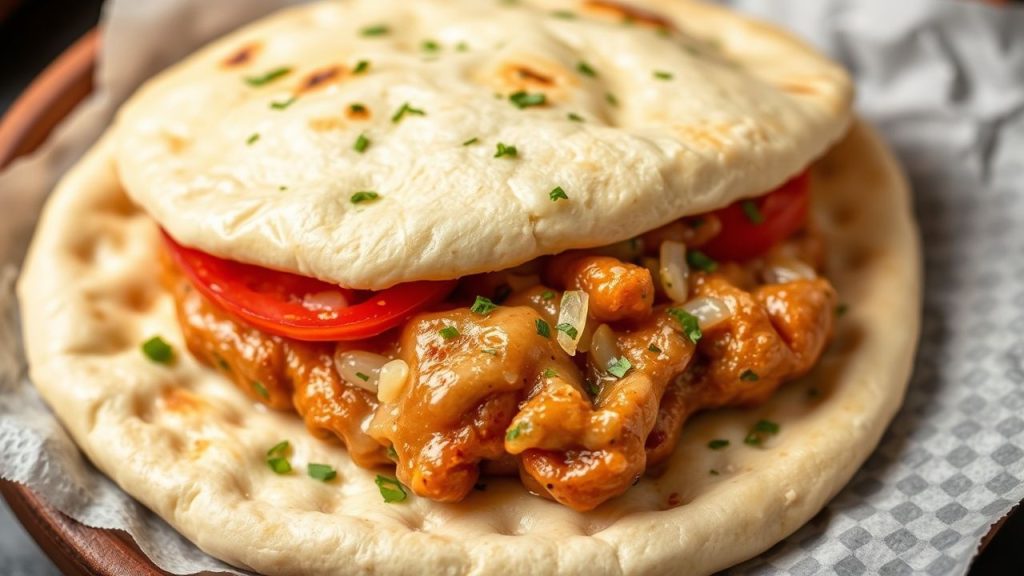
Pita is a natural, edible vessel. Fill warm pockets with grilled meats, roasted vegetables, or classic spreads to highlight texture contrast between the soft interior and blistered exterior.
For layered meal planning, warm pitas briefly and brush with olive oil and seeds. For broader bread techniques and recipes, see the internal guide on artisan bread baking and explore flatbread variations at pita variations.
Nutrition Snapshot
A typical 6-inch pita runs low on fat and moderate in carbs, making it a flexible component in meals. Nutrient content varies with flour choice and added oils.
| Nutrient | Per Serving (1 pita) |
|---|---|
| Calories | 140 kcal |
| Protein | 5 g |
| Carbohydrates | 28 g |
| Fat | 2.5 g |
Q&A
Below are focused answers to common practical questions about achieving a reliable pita puff. These address technique, equipment, and dough behavior.
Each answer emphasizes controllable variables: oven surface temperature, rolling thickness, hydration, and yeast activity. Adjusting these gives the most predictable improvements.
Q: What exactly happens inside the oven that makes pita bread puff up?
A: Moisture inside the dough vaporizes rapidly and becomes steam. The steam expands and inflates the flexible gluten and starch network while the surface sets quickly, trapping the steam as a pocket.
Q: Why does the heat need to be so high to get a perfect puff?
A: High heat produces the fast steam burst before the crust sets slowly. A slow set allows steam to escape and prevents the pocket from forming; intense heat locks the outer layer while the interior expands.
Q: Can home bakers replicate this without a professional oven?
A: Yes. A well-preheated pizza stone or cast iron works. The key is providing a very hot surface and not crowding the baking area so each round receives direct, even heat.
Q: How does dough thickness affect puffing?
A: Thickness controls heat penetration and steam pressure. Thin discs heat through quickly and develop a strong, sudden steam burst; thick discs fail to generate enough internal pressure fast enough.
Concluding Remarks
High heat does the heavy lifting in pita puff formation: it converts moisture to steam fast enough to inflate the dough and sets the crust before that steam escapes. Consistent technique and equipment let home bakers reproduce this effect reliably.
Remember: monitor oven temperature, standardize disc thickness, and relax the dough before baking. With those controls in place, the oven’s burst of heat becomes a predictable tool to create perfect pockets.
FAQ
Why does my pita sometimes burst instead of forming a pocket?
Overproofed dough or excessive gas expansion can rupture weak spots in the gluten. Under-kneading and uneven thickness also create thin points that tear rather than inflate.
Is a pizza stone absolutely necessary?
No. A preheated cast-iron skillet or heavy baking sheet will work. The critical factor is rapid heat transfer from a hot surface to the dough base.
How can I tell if the oven is hot enough?
Use an oven thermometer to validate temperature. If the baking surface cools quickly when dough is added, the oven or stone needs more preheat time.
Can I freeze pita dough or baked pitas?
Yes. Freeze dough balls for later use or freeze baked pitas in airtight bags. Thaw and bring dough to room temperature before baking for best puffing.
Does whole wheat change puffing behavior?
Whole wheat absorbs more water and weakens gluten strength slightly. Use a blend with all-purpose flour for best puff while adding the flavor and nutrition of whole wheat.
See also: pita puff
]]>
- Preheat hard and long: a scorching surface is non-negotiable for oven spring.
- Match surface to style: steel for fast, crisp crusts; stone for moisture-managed texture.
- Maintain simply: no soap for porous stones, light wiping for steels preserves performance.
- Formula matters: hydration, fermentation, and handling determine how the crust reacts to heat.
Prep and Cook Time
Preparation: 20 minutes active work, plus dough rising time depending on fermentation method. Allow extra time for long, cold fermentation if you aim for deeper flavor.
Cook time: 8–12 minutes at 500°F (260°C) on a preheated surface, shorter if you use a steel and broil finish. Preheating the stone or steel for 30–45 minutes stabilizes floor heat and improves browning.
Yield
This recipe yields four 12-inch pizzas at the specified dough weight and hydration. Adjust dough portions to suit personal size or oven capacity.
Scale ingredients linearly to make more pies; rest and bench time remain constant per ball of dough. Consistent portioning gives predictable bake times and finish.
Difficulty Level
Medium: the methods require basic dough handling and timing skills, with attention to preheating and bake monitoring. Beginners can follow steps precisely to get consistent results quickly.
Practiced home bakers will find opportunity to tune variables such as hydration and fermentation length. Keep a small log of changes and outcomes to refine your approach systematically.
Ingredients
The ingredient list is purposefully simple to let heat and technique determine the final crust quality. Use reliable, measured ingredients and weigh flour and water for control.
- 500 g all-purpose flour, sifted optional but not required
- 325 ml lukewarm water (about 38°C)
- 7 g active dry yeast
- 10 g fine sea salt
- 15 ml olive oil, plus a drizzle before serving
- 200 g fresh mozzarella, torn
- 150 g drained crushed tomatoes
- Fresh basil leaves for garnish
- Coarse cornmeal for dusting the peel
If you prefer, substitute bread flour for added gluten strength and chew. For higher hydration doughs, expect a softer handling window and adjust dusting to avoid sticking.
Instructions
Follow these steps precisely and keep your workflow organized. The oven and surface must be at temperature before the pizza enters.
- Activate the yeast: dissolve 7 g active dry yeast in 100 ml lukewarm water and rest 5–10 minutes until foamy.
- Mix the dough: combine flour and salt, add the yeast mixture, remaining 225 ml water, and olive oil. Stir to a shaggy mass.
- Knead: 8–10 minutes by hand to form a smooth, elastic dough. Rest 10 minutes if it resists; short rests relax gluten for easier shaping.
- First rise: place dough in a lightly oiled bowl, cover, and ferment at room temperature 1–1½ hours until doubled. For more flavor, cold ferment 24–48 hours in the refrigerator.
- Preheat surface: position your stone or steel on the oven floor or lowest rack and heat at maximum oven temperature for 30–45 minutes.
- Shape: on a cornmeal-dusted peel, press or stretch dough to a 12-inch disc, leaving a slightly thicker rim for the crust.
- Top lightly: spread a thin layer of drained tomatoes, scatter mozzarella, and add a drizzle of olive oil. Less topping equals better bake performance.
- Bake: slide the pie onto the preheated surface and bake 8–12 minutes, rotating halfway. For steels, a quick broil at the end crisps the top and adds color.
- Finish: remove, add basil, slice, and serve immediately to preserve crisp texture.
Use a peel dusted with semolina or cornmeal for a reliable release. If a pizza sticks, lift the edge and slide flour under with a metal spatula to free it for the next bake.
Tips for Success: Seasoning and Maintaining Your Baking Surface
Steels benefit from a baked-on oil patina; coat lightly with a high smoke point oil then heat to build a stable, non-stick layer. Avoid thick oil layers which can become gummy and degrade performance.
Stones are naturally porous and do not require seasoning; they need thorough preheat and gentle cleaning. Never use soap on a stone, and avoid thermal shock by allowing slow cool-down after use.
Expert Insight
Store steels dry and free from corrosive salts; occasional wiping with a damp cloth and thorough drying after use prevents rust. If rust appears, scrub lightly, dry, and reseason with oil heated on the stovetop or in the oven.
Care and Safety
Handle hot stones and steels with care: they retain heat for a long time and can cause severe burns on contact. Use thick oven mitts and place hot surfaces on heat-safe stands or trivets when removed from the oven.
Do not expose ceramic stones to rapid temperature changes; cracking occurs when a cold object meets an extremely hot surface. Allow natural cooling to extend the lifespan of your baking surface.
Pro-Caution
The Heat Advantage: Why Choose Steel or Stone?
Steel delivers superior thermal conductivity and faster heat transfer, which produces a crispier bottom crust and shorter bake times. This physical property aligns with the needs of high-temperature baking where rapid moisture evaporation matters most.
Stone, typically made from cordierite or ceramic, absorbs moisture and maintains even heat distribution for a more gradual bake. That moisture management contributes to a slightly different texture favored in some traditional styles.
For technical background on the materials and mechanisms of heat transfer, see thermal conductivity and how it affects cooking surfaces. For context on traditional ovens and their thermal behavior, consult the oven entry.
Mastering Dough and Bake Times for Crispier, Tastier Pizza
Hydration, fermentation, and gluten development govern how dough reacts in extreme heat. A 65–70% hydration dough gives open crumb and sufficient structure; extend fermentation to build flavor and gluten without overworking the dough.
Cold fermentation for 24–48 hours increases enzyme activity and acid development, producing complex flavor while strengthening gluten. For practical dough mechanics, reference the general properties of dough and their handling implications.
Serving Suggestions
Serve pizzas straight from the peel to the board and slice hot for best texture. Pair with light salads and acidic accompaniments to balance the richness of cheese and crust.
Consider seasonal toppings and restraint: lighter toppings let the surface heat finish the crust properly. A basic arugula salad or roasted mushrooms preserve mouthfeel and highlight crust quality.
Nutrition
Calories and macronutrients depend on topping choices and slice size; the sample Margherita listed below gives a reasonable baseline. Use measured portions and ingredient labels to calculate exact values for dietary needs.
| Nutritional Info (per slice) | Calories | Protein | Carbs | Fat |
|---|---|---|---|---|
| Classic Margherita | 280 | 12 g | 32 g | 9 g |
To reduce calories, trim cheese or swap for a lower-fat mozzarella. To increase protein, add a lean topping after baking like prosciutto or grilled chicken.
Resources and Next Steps
For hands-on techniques dedicated to dough, visit the internal guide on advanced methods at perfect pizza dough techniques. That page contains measured long-fermentation schedules and hydration adjustments.
If you want a focused comparison and setup tips for steels and stones, see the internal reference pizza steel guide that explains rack placement and broiler strategies. Both internal pages help you iterate quickly with repeatable results.
FAQ
Why do professionals use stones and steels?
They reproduce the heat profile of a hearth floor by providing a concentrated, steady heat source beneath the dough. This improves oven spring and browning while stabilizing the base temperature across bakes.
See the general concept of pizza for how traditional ovens influence crust outcomes and why a heated floor is so effective.
Which is better: steel or stone?
Steel wins for speed and sharp crispness due to high thermal conductivity, while stone moderates moisture and yields a different mouthfeel. Choose steel if you want fast results; choose stone if you prefer gradual moist-to-crisp transition.
Your oven, dough formula, and preferred crust texture determine the optimal choice. Test both if possible and record bake times and outcomes to decide objectively.
How long should I preheat my stone or steel?
Preheat at max oven temperature for 30–45 minutes for stones and 20–40 minutes for steels; steels heat faster but benefit from time to stabilize with the oven chamber. Longer preheat increases predictability across bakes.
Use an oven thermometer to confirm actual temperatures; many home ovens run below labeled settings, and surface temperature matters more than ambient air temperature.
Can I use stones or steels for other baking?
Yes. Both excel for rustic breads, flatbreads, and items that benefit from strong bottom heat. The same conductive and radiant heat properties that crisp pizza improve crust and crumb on many baked goods.
Adjust loading and moisture expectations: bread loaves may require steam management, while thin flatbreads bake extremely quickly and need close monitoring.
How do I clean and maintain each surface?
For stones, scrape and brush; avoid soap to prevent flavor absorption. For steels, wipe and dry thoroughly, and reseason if rust appears.
Always allow gradual cooling after baking. Store stones and steels in a dry, stable place to minimize mechanical stress and corrosion.
Final Notes
Mastery of surfaces focuses on predictable heat, consistent dough, and careful handling. Combine a reliable formula with the right baking platform to achieve repeatable restaurant-quality results at home.
Use the internal dough and steel guides to iterate quickly and build a workflow that suits your oven and taste. With disciplined technique and proper surface care, every bake will improve.

See also: pizza stone
]]>
- Fast heat transfer sets the base quickly and reduces soak-in.
- Hydration control limits free water available to penetrate the lower layers.
- Shielding techniques such as blind baking and absorbent layers block juices.
- Right bakeware concentrates conduction for a firm, crunchy finish.
Crisp crust: Understanding the soggy bottom
The soggy bottom forms when moisture migrates into the base faster than the dough can set and brown. Poor conduction, excess water in dough, or a wet filling all accelerate saturation and collapse the crisp crust structure.
Protein networks and starch gelatinization dictate how a pastry sets. For a technical reference on protein behavior in dough see gluten. For pastry-specific context consult the pie crust entry.
Crisp crust ingredients and dough strategy
Choose fats and flour deliberately to reduce water uptake and improve flake formation. Cold, solid fats create discrete steam pockets on baking; those pockets both lift layers and reduce continuous paths for liquid to follow.
Keep hydration tight. Aim for a slightly dry dough that holds together without sticky excess. Lower hydration reduces free water that would migrate downward and compromise the crisp crust.
Fat selection and lamination for a crisp crust
Use cold butter or a butter-neutral fat blend for flavor control and predictable melting. Cold fat delays full incorporation and gives discrete pockets that crisp quickly when placed on a hot surface.
Controlled lamination—gentle folds rather than heavy rolling—creates independent layers that interrupt liquid paths. That mechanical flake supports the crisp crust by reducing continuous channels for juices to travel.
Hydration, binders, and absorptive add-ins
Add ice water sparingly and consider a small acid splash like vinegar to shorten gluten without weakening cohesion. This preserves bite while promoting a firm base that resists saturation.
Sprinkle coarse particles sparingly to form an absorptive interface. Use cornmeal or semolina as a thin bed; it traps stray juices and contributes texture while protecting the crisp crust.
Oven, tools, and heat techniques for crisp crust
Rapid conduction to the underside sets starches and browns the base before juices can migrate. Preheat a heavy baking surface and use the lowest practical rack to shorten the distance between crust and heat source.
Know your appliance. Accurate thermostat behavior and consistent heat distribution help you replicate results. For a basic reference on appliance function, consult the oven page.
Bakeware choices and setup to protect the crisp crust
Prefer cast iron, heavy steel, or a preheated stone to thin, flimsy pans. High-mass bakeware stores heat and delivers immediate conduction that firms the bottom fast.
Preheat the stone or pan for at least 30 minutes at full temperature. In practice, this step reduces blind-bake time and increases the odds of a uniformly crisp crust across the bake.
Expert Insight
Practical steps: a crisp crust checklist
Follow a concise sequence that eliminates common failure modes: chill dough, dock or weigh when blind baking, and place the crust on a preheated surface. Each step targets a specific cause of sogginess.
Document what works in your oven. Keep a short log of pan types, temperatures, and minutes; adjust timing rather than ingredients to tune results to your appliance and altitude.
Actionable checklist
Chill dough at least 1 hour to firm fats and relax gluten; cold fats crisp more predictably. Cold dough also shrinks less and maintains structure during the initial heat surge.
Preheat the baking stone or heavy sheet at full temperature for 30–45 minutes; this creates immediate conduction to set and brown the base. Thin pans never replace stored heat.
More quick actions
Dock or weigh during blind baking to vent steam and set the structure. If the filling browns better with direct contact, remove weights early once the surface firms.
Use an absorbent barrier such as a thin dusting of cornmeal, fine breadcrumbs, or grated hard cheese when facing highly juicy fillings. That layer acts like an internal drip tray and supports a crisp crust.
Blind baking and moisture management for crisp crust
Blind baking remains the most consistent defense against a soggy bottom for wet fillings. Partial blind baking firms the base and seals surface starches before the filling is added.
When using weights, remove them early if the filling benefits from direct contact for browning; leave them longer for very wet fillings. Combine blind baking with an absorptive interface for the best protection.
Absorbent layers and pre-cooking fillings
Precook high-moisture fillings and drain thoroughly, or macerate fruit with a little sugar and discard the released juice. Removing free liquid before assembly reduces the chance that juices will reach the lower layers.
An alternative is a light bed of fine breadcrumbs, grated hard cheese, or a dusting of cornmeal on the blind-baked surface. These materials trap moisture and keep the crisp crust intact.
Serving, storage, and re-crisping crisp crust
Serve baked goods soon after brief cooling; the crisp crust shines when fresh. If you must store, cool fully on a rack and wrap loosely to avoid trapping steam.
To re-crisp leftovers, use a preheated oven at 350°F (175°C) for several minutes on a hot sheet. This approach restores crunch far better than a microwave, which collapses crispness.
Pro-Caution
Tool habits and calibration for consistent crisp crust results
Keep a small test tart or scrap crust to evaluate temperature and timing in your oven. Empirical checks trump guessing and prevent ruined batches.
Track pan performance and note how heat profiles change with different rack positions or when you bake multiple items. Small adjustments to time and placement yield large improvements in crisp crust outcomes.
FAQ
Why does my crust become soggy even when I blind bake?
If blind baking time or temperature is too low, the bottom will not set fully and will accept juices. Also, thin or low-mass bakeware reduces conduction and often requires a hotter surface or longer blind-bake time.
Can I fix a soggy bottom after baking?
Often you can recover a partial crisp by returning the product to a hot oven on a preheated sheet for a few minutes. Deep saturation from an overly wet filling will limit how much crunch you can restore.
Does adding cornmeal change flavor or texture much?
Cornmeal gives a subtle gritty crunch and serves as a moisture buffer. Use it sparingly; too much creates a coarse mouthfeel instead of a clean crisp crust.
Is docking necessary for all crusts?
Docking vents underlying steam and prevents large bubbles, but it is not required for all filled pies. Apply docking when making flat tarts or pizza-style bases where even contact matters.
What oven temperature profile works best?
Start with high heat to set the bottom quickly, then reduce if the top needs slower finishing. Monitor your oven’s actual temperatures and adjust minutes rather than guessing.
Apply these focused methods and test them in your oven to eliminate soggy bottoms and produce reliable, crunchy crusts.
See also: gluten, pie crust, and cast iron references for technical background.
See also: crisp crust
]]>