- At a glance: control heat zones, balance marinades, and choose fuel deliberately for consistent BBQ results.
- Key focus: measure temperature, rest meat, and change one variable at a time to learn faster.
- Tools that pay off: a digital instant-read thermometer and a charcoal chimney speed learning and reduce guesswork.
- Flavor primer: sear over direct heat, finish over indirect heat, and match wood intensity to protein.
BBQ Prep and Cook Time
Preparation: allow about 30 minutes of active prep and plan marinades from 20 minutes to 2 hours depending on cut and acid level. For thin cuts use short marinades; for dense cuts extend time, but avoid overexposure to acid.
Cooking: expect 20–40 minutes on the grill for steaks or thighs depending on thickness and method. Sear first on direct heat, then move to indirect heat to control interior doneness while preserving a crust.
BBQ Yield
This plan serves 4–6 people when you allocate 6–8 ounces of cooked protein per guest. Sides change appetite, so increase protein if you expect heavy eaters or fewer sides.
Account for trimming loss and bone weight when you buy raw. Buy slightly more raw weight than you need to meet guest expectations and avoid shortages.
BBQ Difficulty Level
Rated Medium: the technique matters more than exotic ingredients. Precise temperature control and timing deliver reliable results across proteins.
Intermediate grillers benefit most: you will practice searing, zone setup, wood selection, and thermometer use to refine outcomes. Each skill is teachable and repeatable with consistent feedback.
BBQ Ingredients
Keep a clean mise en place and measure oils, acids, and salt so the marinade chemistry stays consistent across cooks. Consistency of inputs leads to consistent cook results.
Use fresh herbs and quality lump charcoal or wood for predictable flavor transfer. Match wood and seasoning intensity to the protein to avoid overpowering delicate cuts.
- 2 pounds boneless beef ribeye or chicken thighs (bone-in optional)
- 1/4 cup extra virgin olive oil
- 1/4 cup soy sauce
- 3 tablespoons fresh lemon juice
- 2 tablespoons honey or maple syrup
- 4 cloves garlic, minced
- 1 tablespoon smoked paprika
- 1 teaspoon ground black pepper
- 2 teaspoons kosher salt
- Fresh herbs: 2 sprigs rosemary & 3 sprigs thyme
- Wood chunks: apple or hickory for grilling
- Charcoal: lump charcoal for clean, intense heat
BBQ Instructions
Follow a clear sequence: prepare the marinade, marinate, build two heat zones, preheat, sear, finish on indirect heat, then rest. Every step affects the next, so respect the order for reliable results.
Use an instant-read thermometer to confirm internal temperature rather than relying on time alone. Visual cues help, but temperature proves doneness and keeps food safe.
- Prepare your marinade: Whisk olive oil, soy sauce, lemon juice, honey, garlic, smoked paprika, black pepper, and kosher salt. A balanced mix of acid and oil adds surface flavor while limiting protein break-down.
- Marinate the meat: Submerge protein, cover, and refrigerate 20 minutes to 2 hours. Too long in acid can soften delicate cuts excessively; monitor exposure time.
- Set up the grill: Bank lump charcoal to create a high direct zone and leave the other side for indirect heat. Hardwood chunks add aroma as they smolder and provide controlled smoke.
- Preheat the grill: Wait until coals reach a white-gray ash for steady searing heat. That ash signals even radiant heat across the coal bed.
- Sear the meat: Place meat on direct heat for 3–4 minutes per side to form a crust driven by the Maillard reaction. Resist over-flipping to allow surface browning.
- Move to indirect heat: Finish on the cooler side until the internal target is reached: about 130°F for medium-rare beef and 165°F for chicken. Use a probe thermometer for accuracy.
- Rest the meat: Tent the cooked protein loosely with foil and rest 5–10 minutes. Resting lets juices redistribute and improves slice presentation.
- Serve: Slice against the grain for beef and garnish with chopped rosemary and thyme. Drizzle reserved resting juices for added moisture and sheen.
BBQ Tips for Success
Small habits yield big returns. Log temperatures, wood selection, and timing so you can reproduce wins and learn from misses.
Invest in two basic tools: a digital instant-read thermometer and a reliable charcoal chimney. They remove guesswork and speed workflow while improving safety and repeatability.
- Marinade chemistry: Acid breaks proteins while oil carries fat-soluble flavors; salt improves water retention. Balance avoids toughening muscle fibers.
- Heat zones mastery: Use direct heat to sear and indirect heat to finish without burning the exterior. That two-zone method minimizes flare-ups.
- Wood and charcoal selection: Fruitwoods add subtle sweetness; hickory gives stronger, bacon-like notes. Choose woods that match the protein and desired intensity.
- Thermometer use: Check temperature at the thickest point and avoid touching bone. Aim for target temperatures to ensure safety and preferred doneness.
 Expert Insight
Keep one routine element constant so you can evaluate changes objectively. Consistent fuel and thermometer technique speed learning and stabilize results.
 Pro-Caution
BBQ Smoke and Fuel Choices
Fuel and smoke determine the aromatic backbone of BBQ. Choose fuels with known burn profiles to match the protein and the desired flavor intensity.
Charcoal provides high, focused heat and a neutral base that lets wood chips supply aroma. Use lump charcoal for cleaner combustion and better temperature control; learn more about charcoal chemistry Charcoal.
How smoke changes flavor
When wood smolders, it releases aromatic compounds that bond with surface fats and proteins to create perceived smoke in each bite. Controlled smoke layers complexity instead of masking meat flavor.
Learn the limits: too much smoke yields bitter notes. Aim for a steady, thin smoke rather than a heavy white cloud to avoid off-flavors, and review smoking techniques at Smoking (cooking).
BBQ Serving Suggestions
Pair grilled proteins with simple sides that echo the grill flavors: charred peppers, grilled zucchini, or a citrus salad cut through smoke and fat. Keep sauces restrained to highlight the sear and underlying protein.
Finish with a light sprinkle of coarse sea salt and fresh herbs. A small final salt touch brightens flavors and elevates texture contrast without masking the grill notes.
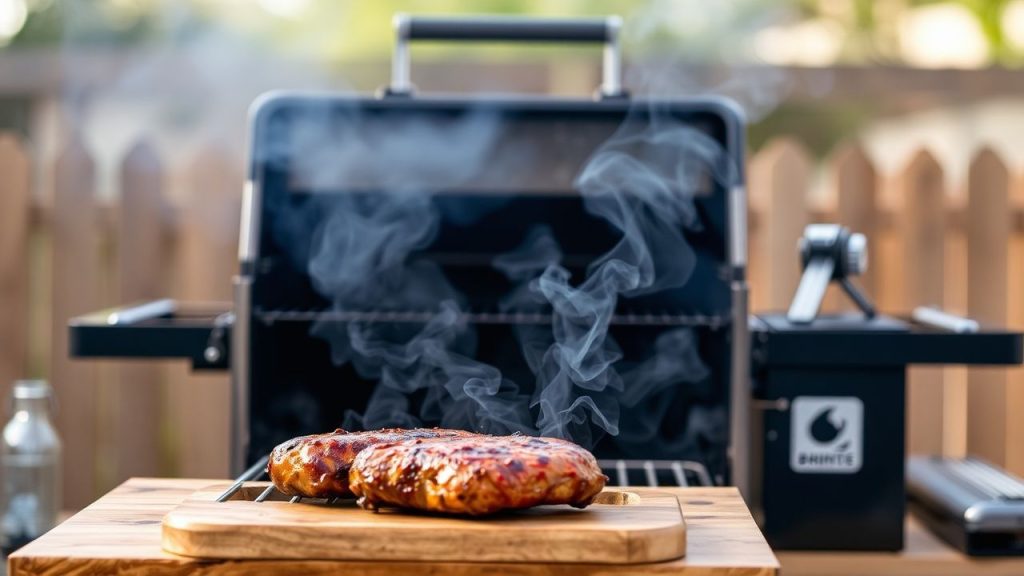
| Nutrient | Per Serving |
|---|---|
| Calories | 450 kcal |
| Protein | 38 g |
| Carbohydrates | 8 g |
| Fat | 28 g |
For technique context on high-heat surface reactions, read about the Maillard reaction. For method context on direct vs. indirect grilling, consult Grilling.
BBQ Final Thoughts
Mastering BBQ combines reproducible technique with measured experimentation. Track variables, refine methods, and prioritize consistent inputs to build a dependable backyard system.
Grilling rewards attention to heat, timing, and aroma. Measure outcomes and iterate; your backyard will become a dependable lab for flavor when you apply disciplined practice.
FAQ
What internal temperatures should I target for safety and texture?
Use an instant-read thermometer and aim for 130°F for medium-rare beef and 165°F for poultry. These targets balance safety and preferred texture when combined with proper resting.
How long should I marinate my steak or chicken?
Thin cuts need 20–60 minutes; thicker steaks or bone-in thighs can handle up to 2 hours. Avoid extended acid exposure on delicate cuts to prevent textural breakdown.
Does wood type really change flavor that much?
Yes. Fruitwoods add sweet, mild notes while hardwoods like hickory provide stronger, savory smoke. Match wood intensity to protein to complement rather than overwhelm.
Is searing necessary for flavor?
Searing creates the Maillard crust that enhances taste and texture. Use a hot direct zone to sear, then finish over indirect heat to preserve juiciness.
How should I rest grilled meat?
Rest tented loosely for 5–10 minutes depending on cut size. Resting lets juices redistribute and provides cleaner slices and better mouthfeel.
See also: Tag: Grilling
See also: BBQ
]]>
- Low and steady heat encourages proper Maillard browning without drying the meat.
- Salt and coarse pepper form the backbone of a classic bark.
- Surface moisture control—limited spritzing and proper resting—preserves crispness.
- Wood choice and smoke exposure fine-tune aroma and color.
Understanding brisket bark
The term brisket bark refers to the dark, crisp crust that forms on smoked brisket. It results from a mix of seasoning concentration, smoke deposits, and the Maillard reaction acting on surface proteins and sugars.
For background on the cut itself, review the anatomy and common uses of brisket. For the chemistry behind crust formation, see the Maillard reaction for a technical explanation of browning and flavor generation.
Prep and Cook Time
Plan the schedule carefully: brisket cooks long and benefits from deliberate pacing. Typical timing helps you manage bark development and internal tenderness without rush.
Estimated time breakdown:
- Preparation: 30 minutes (trimming, rub prep)
- Smoking: 8–12 hours at 225–250°F depending on size
- Resting: 1 hour minimum wrapped
- Total: ~10–14 hours
Ingredients
Use simple, high-impact ingredients so the bark speaks clearly. Heavy, evenly distributed seasoning and a subtle binder deliver consistent coverage.
Keep these items on hand and measured before you start:
- 1 whole packer brisket (10–14 lb), trimmed to about 1/4″ fat cap
- 1/4 cup kosher salt and 1/4 cup coarse black pepper
- 2 tbsp smoked paprika, 1 tbsp garlic powder, 1 tbsp onion powder
- 2 tsp cayenne (optional), 2 tbsp brown sugar (optional)
- Binders: yellow mustard or light vegetable oil to help rub adhesion
- Wood chunks: oak, hickory, pecan, or fruitwoods as desired
Instructions
Trim and set up
Trim the silver skin and any loose fat from the meat side. Leave a clean 1/4″ fat cap on the top to protect muscle during the long smoke.
Trim with a sharp knife and keep a shallow curve to the fat edge so you get even render. Dry the surface with paper towels to help the rub stick.
Mix and apply the rub
Combine salt, pepper, smoked paprika, garlic powder, onion powder, cayenne and brown sugar in a bowl. Mix until even; taste a small pinch to confirm balance.
Lightly coat the brisket with mustard or oil as a binder. Apply the rub generously, pressing it into the surface—cover every square inch for an even bark foundation.
Smoke technique
Preheat the smoker to 225–250°F (107–121°C). Use steady airflow and consistent fuel to avoid temperature swings that can weaken bark formation.
Place the brisket fat-side up to allow rendered fat to baste the meat. Resist frequent lid openings; each peek releases heat and smoke that your bark needs.
Monitoring, spritzing and the stall
Start checking internal temp after 6–8 hours with a probe. Target 195–205°F for finished tenderness, but rely on probe feel—brisket should yield like soft butter between the probe and your hand.
Sparingly spritz with apple juice or a light vinegar mix every 60–90 minutes if the surface feels dry. Too much liquid softens the rub and prevents proper crusting.
Wrap and finish (optional)
If the brisket stalls around 160–170°F and progress stalls for hours, wrap it tightly in butcher paper or foil to shorten the stall while protecting most of the bark. Butcher paper preserves texture better than foil.
Once the internal temp hits your target, rest the brisket wrapped for at least one hour. Resting redistributes juices and firms the bark for cleaner slicing.
Expert Insight
After resting, unwrap and, if any bark zones softened, return the brisket to the smoker at 225°F for 20–30 minutes without wrap to re-crisp sparingly softened areas.
Tips for success
Salt and coarse black pepper form a classic Texas-style bark. Salt extracts surface moisture which concentrates flavor; coarse pepper creates textural contrast when it chars lightly.
Keep smoker temps steady. A stable 225–250°F produces gradual Maillard browning without driving moisture loss or collapsing connective tissue too fast.
Pro-Caution
Choose wood to complement your profile: oak and hickory give bold smoke for a strong bark, while fruitwoods like apple and cherry add milder sweetness and color. For background on smoking methods, see smoking (cooking).
Practice trimming technique on lower-cost trays first. A consistent, thin fat cap and neat seams promote even cook and predictable bark development.
Serving suggestions
Slice brisket thin against the grain to reveal the contrast between crisp bark and tender interior. Serve simply to let the bark shine: pickles, light sauce on the side, and a neutral starch.
Pairings like charred corn, creamy slaw, or smoked baked beans complement the bark’s smoky, savory intensity. For context on barbecue styles and traditions, consult the barbecue entry.
Quick reference: smoker settings and signals
Use these practical checkpoints during the cook to protect your bark and finish the point predictably. Keep a log to refine timing for future cooks.
- 225–250°F: Smoking window for most briskets.
- 160–170°F: Common stall region; consider wrapping.
- 195–205°F: Typical target range for probe tenderness.
For basic system checks and troubleshooting, refer to our internal guides on smoking techniques and on selecting fuel in best wood for smoking. These pages include equipment setup and wood pairings that influence bark outcome.
FAQ
What is brisket bark and how does it form?
Brisket bark is the dark crust on smoked brisket formed by seasoning concentration, smoke deposits, and browning reactions on the surface. It forms when sugars and proteins undergo the Maillard reaction while smoke compounds deposit on the meat.
Why did my bark go soft after resting?
Soft bark after resting usually means the meat steamed while cooling. Rest brisket wrapped loosely, not sealed tight under hot conditions, and avoid resting in a humid chamber. A short re-crisp in the smoker will restore texture if needed.
How much pepper and salt should I use?
A robust base is roughly equal parts coarse black pepper and kosher salt by volume for a classic profile. Adjust to taste, but keep the ratio close to preserve the structural role each plays in crust formation.
When should I wrap the brisket?
Wrap when the cook stalls near 160–170°F and you need to reduce cook time without over-smoking. Use butcher paper to retain texture; use foil only when speed and moisture retention outweigh bark crispness.
Can I develop great bark on a gas smoker or oven?
You can build good bark with indirect heat if you provide smoke and surface dryness. A dedicated smoker with wood smoke gives the most consistent results, but controlled setups in other appliances can succeed with careful airflow and smoke management.
Final notes
Focus on fundamentals: consistent rub coverage, steady low heat, measured spritzing, and a smart wrap decision. These elements work together to create a brisket bark that looks, smells, and tastes like true barbecue craft.
Track each cook and refine the small details—fat trim, rub grind, and wood mix—until you compress experience into repeatable steps that produce a crisp, flavorful bark every time.
See also: brisket bark
]]>