This beef stew combines slow-braised chuck with bright broccoli for a balanced, one-pot meal that tastes of rich umami and fresh green snap. The recipe uses searing, deglazing, and a controlled simmer to convert connective tissue into silky mouthfeel while keeping vegetables vibrant.
- Sear first: develop fond and concentrated flavor.
- Add broccoli late: preserve color and crisp-tender texture.
- Use flour dredge: it thickens naturally and avoids a gummy finish.
Overview of this beef stew
This beef stew pairs traditional braising technique with savory Asian seasoning to create depth without complexity. The method uses a long, low simmer to break down collagen and maximize tenderness.
The dish benefits from predictable technique: brown the meat, deglaze to lift fond, then finish with brief vegetable cooking. For background on the cooking method, see braising and how it extracts flavor efficiently.
Prep and Cook Time for beef stew
Preparation: 20 minutes. Plan to cut the chuck, dredge lightly, and measure aromatics before heat. Good mise en place reduces hands-on stress during the simmer.
Cook time: 2 hours 30 minutes of gentle braising. Maintain low heat to allow connective tissue to convert into gelatin. Total time: approximately 2 hours 50 minutes.
Yield and portions for beef stew
Serves 6 hearty portions, assuming 6–8 ounces of cooked beef per person plus vegetables and broth. Leftovers improve after sitting refrigerated overnight as gelatin firms and flavors meld.
For freezing, portion into airtight containers and label with date. Thaw overnight in the refrigerator for best texture when reheating.
Difficulty Level and technique notes
Medium. The recipe requires solid pan-searing and consistent simmer control, but it does not demand advanced skills. Focus on temperature control and timing for repeatable results.
If you know how to develop a fond and keep a low simmer, you will succeed. Newer cooks should follow the searing section step by step to avoid crowding the pan.
Ingredients for beef stew
Measure ingredients and set them out before you heat the pot. Mise en place prevents overcooking sensitive items like broccoli and gives a clean workflow.
Use a quality beef broth or a gelatinous bone broth to enhance mouthfeel and body. For context on beef varieties and cuts, consult beef.
- 2 lbs beef chuck, cut into 1-inch cubes
- 1/4 cup all-purpose flour, for dredging
- 3 tbsp vegetable oil or avocado oil
- 1 large onion, finely chopped
- 4 cloves garlic, minced
- 1 tbsp fresh ginger, minced
- 4 cups low-sodium beef broth
- 1/4 cup soy sauce (or tamari for gluten-free)
- 2 tbsp oyster sauce (optional)
- 1 tbsp brown sugar
- 1 tsp Chinese five-spice powder
- 1/2 tsp crushed red pepper flakes (adjust to taste)
- 1 lb broccoli florets, washed and trimmed
- 2 medium carrots, sliced on the diagonal
- 3 stalks green onions, sliced for garnish
- Salt and black pepper to taste
Equipment and key techniques for beef stew
Use a heavy-bottomed pot or Dutch oven to ensure even heat and reliable fond development during searing. A tight-fitting lid prevents excessive evaporation during the braise.
Control heat when searing to develop a deep brown crust without burning. Deglaze with a small amount of liquid to lift browned bits and concentrate flavor.
Instructions
Follow the sequence: prepare and dredge the beef, sear in batches, sauté aromatics, deglaze and build the braise, then simmer until tender. Timing ensures texture and flavor balance.
Finish by adding vegetables near the end so they remain bright and slightly crisp. Adjust seasoning only after vegetables join the pot to avoid oversalting early.
1. Prepare and Sear
Lightly dredge the beef cubes in flour and shake off excess. The flour helps form a crust and later contributes to gentle thickening in the braise.
Heat oil in a Dutch oven over medium-high heat and sear beef in batches for 3–4 minutes per batch. Avoid overcrowding; too many pieces drop the pan temperature and prevent browning.
2. Sauté aromatics and deglaze
After removing the beef, reduce heat and sweat the onion, garlic, and ginger until translucent and fragrant, roughly 4–5 minutes. Keep the aromatics moving to prevent burning.
Pour a splash of soy sauce and scrape the fond to deglaze. Then add beef broth, oyster sauce, brown sugar, five-spice, and crushed red pepper, stirring to combine and create a cohesive braising liquid.
3. Simmer and finish the beef stew
Return the seared beef to the pot and bring the liquid to a gentle boil. Lower to a slow simmer, cover, and cook for about 2 hours until the meat becomes very tender and the broth concentrates.
Add broccoli florets and sliced carrots in the final 10–15 minutes. Cook until broccoli is bright green and crisp-tender; avoid overcooking to preserve texture and color.
Final seasoning and serving for beef stew
Taste and adjust with salt and pepper at the end. If the stew is too thin, uncover and reduce a few minutes to thicken; if too salty, add unsalted broth or a splash of water.
Ladle into bowls and garnish with sliced green onions. Serve the stew over steamed rice or creamy mashed potatoes to soak up the broth and complete the meal.
 Pro-Caution
For meal prep, cool the stew quickly, refrigerate within two hours, and consume within three days. Proper storage preserves texture and safety.
 Expert Insight
Tips for success with this beef stew
Choose a well-marbled cut like chuck; connective tissue melts into gelatin during long, slow cooking and gives a silky mouthfeel. Trim excessive silver skin but leave some fat for flavor.
Control simmer temperature to maintain gentle bubbling. A rapid boil squeezes moisture and can make the meat fibrous. For set-and-forget convenience, brown the meat first and transfer to a slow cooker.
Serving suggestions for beef stew
Serve the stew over steamed jasmine rice or mashed potatoes to absorb the rich broth. Both pairings turn the bowl into a satisfying comfort meal for cool evenings.
For lighter service, offer a crisp cucumber salad or roasted root vegetables on the side. Sprinkle toasted sesame seeds or drizzle chili oil for contrast and an extra flavor layer.
Nutritional snapshot
Estimated per-serving values vary with exact ingredients and portion sizes. The table below gives a practical baseline for planning meals and adjusting dietary needs.
Use leaner cuts or reduced-sodium broth to lower calories and sodium respectively. Bone broth increases perceived richness with relatively little added fat.
| Nutrient | Per Serving |
|---|---|
| Calories | 410 |
| Protein | 38g |
| Carbohydrates | 18g |
| Fat | 22g |
Q&A — common technique questions
This section clarifies storage, texture, and seasoning choices to help you troubleshoot mid-cook. Refer back to the searing and simmering steps for control points.
Keep a tasting spoon on hand. Adjust toward the end of cooking when flavors concentrate and textures stabilize.
Q1: What makes this beef stew particularly comforting?
A1: Slow cooking converts collagen into gelatin, creating a rich mouthfeel. The contrast of tender beef and crisp broccoli provides balanced texture and layered savory notes.
Q2: How does broccoli enhance the stew?
A2: Broccoli adds color, nutrients, and a slight bitterness that cuts through the rich broth. Add it late so it remains vibrant and slightly crisp.
Q3: Can I prepare this stew ahead?
A3: Yes. Refrigerate in an airtight container for up to three days. Reheat gently to preserve the tender texture achieved during braising.
Q4: Does this stew freeze well?
A4: Yes. Freeze in portioned containers for up to three months. Thaw overnight in the refrigerator before reheating to maintain texture.
The conclusion on beef stew technique
Hearty beef and broccoli stew rewards straightforward technique with deeply satisfying results. Proper searing, controlled simmer, and late vegetable addition deliver consistent texture and flavor.
Choose the right cut, watch your simmer temperature, and add broccoli near the end to keep color and crunch. Follow these steps, and you will have a reliable, scalable family meal.
FAQ
How do I choose the best cut of beef for this stew?
Pick a well-marbled cut such as chuck roast or blade roast. These cuts contain connective tissue that breaks down into rich gelatin during slow cooking, improving mouthfeel.
Avoid very lean cuts like top round for this preparation; they can become dry and stringy when braised for long periods.
Can I use frozen broccoli?
Frozen broccoli works in a pinch but will release water and soften more than fresh. Add frozen florets toward the end and drain excess liquid if needed.
For best texture, use fresh broccoli trimmed into medium florets. Quick blanching before adding is optional to control final firmness.
What thickening methods work best?
A light flour dredge on the beef gives natural body to the braise and avoids a glossy, slimy finish. Alternatively, make a beurre manié or reduce the liquid to concentrate it.
Avoid overusing cornstarch as it can create a thin, glassy texture. Use starches sparingly for a cleaner mouthfeel.
How do I adjust saltiness if the stew is too salty?
Add unsalted broth or a small amount of water and simmer to rebalance. A peeled potato cooked briefly in the stew can absorb some salt but may change texture.
Taste toward the end of cooking; soy sauce and oyster sauce contribute sodium early, so add them with restraint while building layers.
Where can I read more about related techniques and ingredients?
Consult encyclopedic resources for background on cooking methods and ingredients. For example, read about slow cookers, broccoli, and soy sauce to expand technical context and ingredient function.
Those references clarify how equipment and condiments influence texture and flavor, helping you refine the recipe for personal preference.

See also: beef stew
]]>
- Ready fast: Complete meal in about 25 minutes.
- High-impact flavor: Sear meat, steam veg, and finish with a cornstarch glaze.
- Weeknight-friendly: Minimal prep, flexible ingredients, and reliable results.
- Make-ahead options: Sauce mixes refrigerate up to 24 hours.
Overview
The Beef Broccoli skillet focuses on texture contrast and efficient technique. You get a browned crust on the beef and a snap in the broccoli florets.
Professional kitchens use searing and brief steam to protect vegetable color and bite while finishing with a glossy sauce. Those steps translate directly to home cooking for consistent results.
Prep and Cook Time
Preparation: 10 minutes. Trim and slice the beef thinly across the grain so slices cook quickly and evenly. Also, cut broccoli into uniform florets to reduce variable cooking times.
Cooking: 15 minutes. Use high heat searing followed by a quick covered steam to finish the broccoli. Total active time is about 25 minutes from pan to plate.
Yield
This Beef Broccoli skillet serves 4 generous portions. Scale protein and vegetables proportionally for larger groups or meal prep batches.
Leftovers store well for 2–3 days refrigerated. Reheat in a skillet briefly to preserve texture; microwaving softens broccoli faster, so prefer pan reheating for best results.
Difficulty Level
Rated Easy to Medium. The method requires attention to timing and heat rather than advanced knife skills. With organized mise en place, home cooks will succeed routinely.
Key execution points include patting meat dry, keeping the pan hot between batches, and avoiding overcooking the broccoli. Follow the sequence for the best sear and glaze adhesion.
Ingredients
Use fresh, quality items for the best outcome. Below are core components and straightforward swap options to preserve texture and flavor.
- 1 lb flank steak, thinly sliced across the grain
- 4 cups fresh broccoli florets
- 3 tbsp vegetable oil, divided
- 4 cloves garlic, minced
- 1 tbsp fresh ginger, grated
- 1/3 cup low-sodium soy sauce
- 2 tbsp oyster sauce
- 1 tbsp brown sugar
- 1 tbsp cornstarch
- 1/4 cup water
- 1 tsp toasted sesame oil
- 1/4 cup sliced green onions, for garnish
- 1 tbsp toasted sesame seeds, for garnish
Ingredient notes
Beef choice: Flank or skirt steak work best when sliced thinly for quick cooking and tenderness. For background on the cut and muscle fiber, consult beef information.
Produce and swaps: Use fresh broccoli or similar tender-crisp vegetables. For botanical context, see the broccoli entry. Snap peas or asparagus are viable seasonal substitutes.
Instructions
Follow the sequence to preserve sear and texture: sear beef, remove, saute aromatics, steam broccoli, add sauce, and return beef. This order optimizes browning and prevents the meat from steaming.
Use a wide skillet or wok to maintain even heat and avoid overcrowding. Work in batches if necessary to keep the pan hot for a proper Maillard reaction.
- Prepare the beef: Pat the flank steak slices dry with paper towels. Toss with 1 tablespoon vegetable oil and a pinch of salt to promote browning.
- Sear the beef: Heat a large skillet over high heat until just smoking. Add beef in a single layer and sear 1–2 minutes per side until a golden crust forms; remove and set aside.
- Sauté aromatics: Lower heat to medium-high and add 1 tablespoon oil. Add garlic and ginger; sauté about 1 minute until fragrant, stirring constantly to avoid burning.
- Cook the broccoli: Add broccoli plus 1/4 cup water to the skillet. Cover and steam 2–3 minutes until bright green and slightly tender but still crisp.
- Craft the glaze: Whisk soy sauce, oyster sauce, brown sugar, cornstarch, and remaining water until smooth. Pour over broccoli and bring to a gentle boil to activate the cornstarch.
- Finish the dish: Return the seared beef to the skillet. Toss to coat and simmer 2–3 minutes until sauce thickens and beef reheats without overcooking.
- Garnish and serve: Drizzle toasted sesame oil and scatter green onions and sesame seeds immediately before serving to preserve aroma and texture.
Timing tips
Work quickly when searing and avoid crowding the pan to ensure consistent browning. Maillard browning provides much of the savory character.
If broccoli reaches desired doneness before the sauce reduces, remove it briefly, finish the sauce, and then combine to avoid over-softening the vegetable. That order preserves texture and color.
Tips for Success
Small technique adjustments produce reliable, restaurant-quality results at home. Focus on heat management, ingredient prep, and orderly workflow to keep timing predictable.
Always slice meat thinly and consistently so each piece cooks in the same time window. Even thickness equals even doneness and better texture.
- Choosing the cut: Flank, skirt, or sirloin sliced thinly work best. Slice against the grain for tenderness.
- Pat dry: Remove surface moisture from meat to promote a fast, clean sear rather than steaming.
- Make-ahead sauce: Whisk sauce components in advance and refrigerate up to 24 hours to speed assembly.
- Vegetable timing: Add broccoli with a splash of water and cover briefly to retain color and crunch.
Expert Insight
Allow the pan to recover heat between batches of meat to maintain high searing temperature. That prevents the meat from stewing and losing its roasted flavor.
Pro-Caution
Control the steaming liquid. Excess water dilutes the glaze and prevents proper thickening, so use measured splashes and raise heat to reduce quickly.
Also, avoid over-salting before searing when using a reduced-sodium soy base. Adjust salt at the end after the sauce concentrates to taste.
Pro-Caution
Serving Suggestions
Serve the Beef Broccoli skillet over steamed jasmine rice or buttered egg noodles to capture the sauce. Both options provide a neutral starch that highlights the glaze and beef.
Complement the skillet with quick sides like a cucumber salad or a light soup for contrast in texture and acidity. Small, bright sides enhance the dish without competing with the main flavors.
For related recipes and quick skillet dinners, see our internal guides: Beef Broccoli recipes and Quick Skillet Dinners. These internal links help plan efficient weeknight menus.
Nutrition (Per Serving)
The values below are approximate and depend on specific ingredients and portion sizes. Use a nutrition calculator if you require precise numbers for dietary tracking.
Typical estimate: 320 kcal, 28 g protein, 12 g carbohydrates, 16 g fat per serving. Adjust oil and sugar to alter calorie density.
| Nutrient | Per Serving |
|---|---|
| Calories | 320 kcal |
| Protein | 28 g |
| Carbohydrates | 12 g |
| Fat | 16 g |
Q&A
Below are focused answers to common execution and customization questions for the Beef Broccoli skillet method. These practical tips remove guesswork and speed up the learning curve.
Responses reflect tested technique: sear at high heat, steam briefly, then finish with a cornstarch-thickened glaze for cohesive flavor and texture.
Q&A: Beef Broccoli Skillet – Your Quick, Flavorful Feast
Q1: What makes this skillet meal so fast and flavorful?
High-heat searing produces Maillard browning that concentrates flavor quickly. Brief steaming preserves vegetable color and texture while a cornstarch-thickened glaze binds components into a cohesive dish.
Q2: Can I customize the flavors?
Yes. Add chili flakes for heat, a dash of citrus zest for brightness, or honey for additional sweetness. Small adjustments change the profile without disrupting the core cooking sequence.
Q3: Which cuts of beef are best?
Choose cuts that handle high-heat searing and slice thinly across the grain. Flank, skirt, and sirloin are reliable choices that reheat well in a quick skillet finish.
Q4: How do I keep broccoli crisp-tender?
Steam briefly with a splash of water and cover the pan to accelerate cooking. Finish uncovered to reduce liquid and toss in the sauce briefly to avoid soggy florets.
Q5: Is this suitable for weeknight meals?
Absolutely. Minimal prep, fast cooking, and flexible ingredient lists make the Beef Broccoli skillet ideal for busy evenings. Prep components ahead to reduce active time during dinner service.
FAQ
How should I slice beef for the fastest cook time?
Slice thinly, across the grain, about 1/8 to 1/4 inch thick. Even thickness ensures quick, uniform cooking and retains tenderness.
Can I use frozen broccoli?
Yes, but thaw and drain well to avoid excess water in the pan. Add slightly longer cooking time to reach the desired crisp-tender texture.
What if my sauce doesn’t thicken?
Ensure you activated the cornstarch by bringing the sauce to a gentle boil. For more on thickening agents, consult cornstarch. If it still won’t thicken, make a quick slurry and add gradually while stirring.
How to reduce sodium without losing flavor?
Choose low-sodium soy sauce and boost umami with a small amount of mushroom powder or a reduced amount of oyster sauce. For background on the condiment, refer to soy sauce.
Can I make this gluten-free?
Yes. Use tamari or a certified gluten-free soy substitute and verify other sauces for gluten-free labeling. Cornstarch is naturally gluten-free, making it a safe thickener for many diners.
Transform pantry staples into a reliable, high-impact weeknight meal by following the sequence and timing above. Sear correctly, steam briefly, finish with a glossy glaze, and serve immediately for the best texture and flavor.

See also: Beef Broccoli • Related beef recipes
See also: Beef Broccoli
]]>This skillet recipe centers on thinly sliced beef seared at high heat and crisp broccoli tossed in a glossy umami sauce for a quick restaurant-style dinner at home. The method borrows from classic stir-frying technique and emphasizes fast cook windows to preserve color and bite.
- Ready in 35 minutes: Quick prep and rapid cook time ideal for weeknights.
- Restaurant-style finish: High-heat searing for caramelized crust and a clingy sauce.
- Simple mise en place: Blanch and sear to keep broccoli bright and beef tender.
Prep and Cook Time
Prep Time: 15 minutes. Efficient mise en place shortens active cook time and keeps the pan hot for an optimal sear on the beef.
Cook Time: 20 minutes. Once the pan is hot, the skillet sequence moves quickly—have sauce and slurry ready before you start.
Yield and Difficulty
This recipe yields four generous servings and fits well into family meal rotation or a small dinner party menu. It scales easily: double the beef and broccoli, sear in batches to avoid crowding the pan and losing heat.
Difficulty: Easy to Medium. The key technical points are thin slicing and high-heat control; both are manageable with a sharp knife and a heavy skillet. Follow the timing cues to preserve texture.
Ingredients
Use fresh, minimally processed components for best results. Prioritize lean, thinly sliced beef and firm, vibrant broccoli for a satisfying texture contrast.
Gather these items before you start to keep the workflow smooth: a sharp knife, a large heavy skillet, and a small bowl for the cornstarch slurry.
- 1 lb beef sirloin or flank, thinly sliced against the grain
- 4 cups fresh broccoli florets, washed and dried
- 2 tbsp vegetable oil, divided
- 3 cloves garlic, minced
- 1 tbsp fresh ginger, grated
- 1/4 cup low-sodium soy sauce or tamari
- 2 tbsp oyster sauce (or mushroom sauce for a veggie-forward option)
- 1 tbsp cornstarch mixed with 2 tbsp cold water (slurry)
- 1 tbsp honey or maple syrup
- 1/2 tsp crushed red pepper flakes (optional)
- 1/4 cup beef broth or water
- Sesame seeds and thinly sliced green onions for garnish
Instructions
Follow a staged approach: prep, blanch, sear, build the sauce, then finish. Each stage moves quickly, so keep tools and ingredients within reach.
These instructions break the workflow into short windows. Maintain a hot pan for proper Maillard development on the beef and a quick blanch to retain broccoli color.
Prepare the Beef
Remove the beef from the refrigerator and pat slices dry with paper towels; surface moisture prevents a good sear. Season lightly with salt and freshly ground black pepper to accentuate natural beef flavor without masking the sauce.
Slice thin and against the grain to shorten muscle fibers and yield a tender bite after quick cooking. If needed, freeze the beef for 10–15 minutes to firm it for cleaner slicing.
Blanch the Broccoli
Bring a pot of heavily salted water to a rolling boil and blanch florets for 1–2 minutes until they turn bright green and are just crisp-tender. Immediately plunge the broccoli into an ice bath to halt cooking and set the color.
Drain and dry the broccoli thoroughly before returning it to the skillet. Excess water will dilute the sauce and reduce gloss; drying preserves a shiny coating on the finished dish.
Sear the Beef
Heat 1 tablespoon of oil in a large heavy skillet or cast-iron pan until shimmering and near smoking. Add beef in a single layer and let it sear without moving for 2–3 minutes to develop color, then flip and cook 1–2 minutes more.
Work in batches to avoid overcrowding; crowded meat steams rather than sears. Remove seared beef to a warm plate and tent loosely to keep heat while you make the sauce.
Pro-Caution
Make the Sauce
Return the skillet to medium heat and add remaining oil. Sauté garlic and ginger briefly—20–30 seconds—until fragrant but not browned to avoid bitterness.
Add soy sauce, oyster-style sauce, honey, and broth, stirring to combine. Increase heat slightly and slowly whisk in the cornstarch slurry to create a glossy sauce that clings to beef and broccoli.
Reintroduce and Finish
Return the beef and drained broccoli to the skillet and toss gently to coat with sauce. Heat through for 1–2 minutes so flavors marry while the broccoli retains bite.
Remove from heat, then garnish with sesame seeds and sliced green onions for texture and aroma. Serve immediately over rice or noodles to capture every drop of sauce.
Expert Insight
Tips for Success
Small refinements yield big results: dry the meat, control pan temperature, and time the blanch precisely to maintain crunch and color. These steps build layered texture and flavor quickly.
Adjust seasoning just before serving; a light squeeze of citrus or a teaspoon of toasted sesame oil brightens the finished dish. Taste the sauce and tweak acidity or sweetness as needed.
Selecting the Beef
Choose flank, skirt, or sirloin for lean cuts that handle quick, high-heat searing. Marbled cuts like ribeye add flavor but release more fat; drain excess if using fattier cuts.
For recipe variations and additional beef techniques, see our internal collection of beef recipes and the skillet searing guide. These pages show practical adjustments for different cuts and pan types.
Serving Suggestions and Sides to Elevate Your Skillet Feast
Serve the skillet over steamed jasmine or basmati rice to soak up the sauce and balance the savory profile. The rice acts as a neutral base that highlights the beef and broccoli.
Alternatively, toss hot garlic butter noodles with scallions for a richer accompaniment or present a crisp cucumber salad dressed with sesame and rice vinegar to cut richness with acidity.
Nutritional Info
Estimated nutrition per serving varies by cut of beef and specific ingredients, but a typical portion delivers high protein, moderate fat, and controlled carbohydrates. This recipe supports balanced meal plans emphasizing protein and vegetables.
To reduce sodium, use low-sodium soy alternatives, tamari, or coconut aminos and swap oyster sauce for a mushroom-based umami sauce. These swaps reduce salt while keeping savory depth.
| Nutritional Info (Per Serving) | Calories | Protein | Carbs | Fat |
|---|---|---|---|---|
| Sizzling Beef & Broccoli Skillet | 320 kcal | 32 g | 15 g | 12 g |
Technique Notes and Science
High-heat searing relies on the Maillard reaction to build complex savory flavors and a crisp crust on the beef. Control the pan temperature so you get surface browning without burning the aromatics.
The blanch-and-shock method preserves broccoli color and texture; rapid cooling stops enzyme activity and prevents overcooking. For deeper context on the chemistry of browning, consult the Maillard reaction and its role in seared meats.
FAQ
What cut of beef works best for this skillet?
Flank and skirt steak work very well because they cook quickly and hold flavor. Sirloin offers a balance of tenderness and beef flavor; slice thin against the grain to minimize chew.
How do I get the broccoli bright green and crisp?
Blanch in heavily salted boiling water for 1–2 minutes, then plunge into an ice bath to stop cooking. Drain and pat dry thoroughly before adding to the skillet so the sauce stays concentrated and glossy.
Can I make this gluten-free?
Yes. Substitute regular soy sauce with tamari or coconut aminos and replace oyster sauce with a verified gluten-free mushroom sauce. These swaps keep the savory profile intact while removing gluten.
How should I reheat leftovers to preserve texture?
Reheat gently on the stovetop over medium-low heat with a splash of water or broth to loosen the sauce. Avoid high heat, which can dry the beef and overcook the broccoli; a brief stir-fry finish restores gloss and warmth.
Can I swap the broccoli for another vegetable?
Yes. Broccolini, green beans, or snap peas make good substitutes. Adjust blanch time for denser vegetables and add them to the skillet in the correct sequence to preserve bite and color.
For additional background on the primary ingredients, see the Wikipedia entries on beef, broccoli, and soy sauce for sourcing and composition details.

See also: internal guide to beef broccoli recipes for variations and batch-cook strategies.
See also: beef
]]>
- High heat, fast cook: Sear to brown while preserving interior texture.
- Sauce balance: Use soy, oyster, sugar, and a cornstarch slurry for gloss and cling.
- Mise en place: Slice beef thin, blanch broccoli, and stage aromatics to speed wok work.
- Serve hot: Plate quickly over rice or noodles to preserve texture.
Beef stir-fry: Overview and What You Gain
This beef stir-fry pairs thinly sliced beef with crisp broccoli in a glossy, savory sauce designed to cling. The method emphasizes searing technique, sauce chemistry, and timing to maintain color and bite.
Stir-frying demands controlled high heat and rapid movement to get ideal texture. For background on the core technique, review the stir-frying method on stir-frying.
Prep and Cook Time for Beef stir-fry
Preparation: 15 minutes. Cooking: 10 minutes. Short cooking keeps broccoli vibrant and beef juicy.
Work in mise en place: slice meat, mix the sauce, and blanch broccoli before you heat the wok. This sequencing prevents rushed mistakes during the high-heat portion.
Yield and Difficulty for Beef stir-fry
This recipe yields four portions suitable for family dinners or meal prep. Portions scale easily when you increase protein and vegetables proportionally.
Difficulty rates as medium because timing and high-heat technique require attention. With practice, these steps become intuitive and repeatable.
Ingredients
Use fresh, high-quality ingredients to get the clearest flavors. Substitute mindfully if you change key components like soy or oyster sauce.
For context on main components, consult the beef and broccoli references.
- 12 oz flank steak, thinly sliced against the grain
- 4 cups fresh broccoli florets
- 3 tbsp vegetable oil, divided
- 2 cloves garlic, finely minced
- 1 tsp fresh ginger, grated
- 1/4 cup low sodium soy sauce
- 2 tbsp oyster sauce
- 1 tbsp toasted sesame oil
- 1 tbsp brown sugar
- 1 tsp cornstarch, dissolved in 3 tbsp water (slurry)
- 1/4 tsp crushed red pepper flakes (optional)
- 2 green onions, sliced diagonally for garnish
- 1 tsp toasted sesame seeds (optional)
- Steamed jasmine rice or cooked noodles, for serving
Instructions: How to Build a Reliable Beef stir-fry
Execute the recipe in clear stages: marinate, blanch, sear, aromatics, combine, and finish. Each stage isolates a single variable so results remain consistent.
Keep ingredients at hand and operate at high heat only once the pan and oil are properly hot. Timing is the main control knob for final textures.
Step-by-step Method
Marinate the beef: Toss sliced flank with 1 tbsp soy sauce and 1 tsp cornstarch. Let rest 10 minutes to tenderize and help the meat accept the sauce later.
Prepare the sauce: Whisk the remaining soy sauce, oyster sauce, toasted sesame oil, brown sugar, and red pepper flakes. Reserve until needed.
Blanch the broccoli: Boil in salted water for 1–2 minutes until bright green. Shock in ice water to halt cooking and preserve color and crispness.
Stir-fry the beef: Heat 2 tbsp oil until shimmering. Add beef in a single layer and sear quickly until browned but still slightly pink inside, about 2–3 minutes. Work in batches to avoid steaming.
Sauté aromatics: Add remaining oil, then garlic and ginger. Stir 20–30 seconds until fragrant but not burnt.
Combine and finish: Return beef and broccoli to the wok. Pour sauce over and toss to coat evenly. Stir the cornstarch slurry and add it slowly while stirring until the sauce becomes glossy and clings to the ingredients, about one minute.
Garnish and serve: Remove from heat and sprinkle green onions and sesame seeds. Serve immediately over jasmine rice or noodles to preserve texture.
Technique Notes for Beef stir-fry
Searing completes browning through the Maillard reaction. Hold the pan hot and avoid crowding to maintain high surface temperature and caramelization.
Use a neutral oil with a high smoke point for searing, and add toasted sesame oil at the end for aroma rather than primary cooking oil. This preserves flavor and prevents burnt sesame notes.
Tips for Success with Beef stir-fry
Small adjustments improve reproducibility: uniform slices, a dry surface on the beef, and a fully pre-heated pan are essential. These steps reduce steam that prevents proper searing.
Adjust the sauce ratio to taste. If you prefer less salt, use a lower-sodium soy or reduce the soy by a tablespoon and compensate with a touch more oyster sauce or sweetener.
- Cut thin and against the grain: Short fibers give a tender bite.
- Do not overcrowd: Cook in batches to maintain surface temperature and good browning.
- Control the slurry: Add cornstarch mix gradually to avoid over-thickening.
- Blanch first: Preserves color and reduces final wok time.
Expert Insight
Rest briefly between tips and the cautionary note to keep workflow safe and practical. Keep kitchen tools dry and a towel handy for quick cleanups.
Pro-Caution
Serving Suggestions and Pairings for Beef stir-fry
Serve this stir-fry immediately to preserve texture and temperature. Hot rice or noodles soak up the sauce and complete the dish.
Pair with light sides such as a quick cucumber salad or pickled vegetables for acid contrast. A warm jasmine tea complements the savory profile.
For additional context on common seasonings used here, consult the soy sauce article.
Related recipes: try other protein variations on this technique via internal recipe pages: Beef and Broccoli recipe and the curated tag collection Beef Stir-Fry tag.
Nutrition per Serving
This recipe offers lean protein and vitamin-rich broccoli; calories vary with rice or noodles added. You can lower fat by reducing the oil and omit sugar for fewer carbs.
Adjust oil and sugar to match dietary goals. For accurate tracking, weigh ingredients and use a nutrition calculator tied to your portions.
| Nutrient | Per Serving |
|---|---|
| Calories | 320 kcal |
| Protein | 28g |
| Carbohydrates | 15g |
| Fat | 14g |
FAQ
What cut of beef should I use?
Use quick-cooking, relatively lean cuts such as flank, skirt, or sirloin. These cuts take a thin slice well and remain tender when cooked fast.
Slice against the grain to shorten muscle fibers and improve bite. Partially chilling the meat helps you slice thin and uniform pieces.
How do I keep the broccoli bright green?
Blanch florets 1–2 minutes in boiling water, then shock them in ice water immediately. This preserves color and stops carryover cooking.
Finish by tossing the blanched broccoli briefly in the wok; avoid overcooking during the final toss to maintain crispness.
Can I make this gluten-free?
Yes. Use tamari or a certified gluten-free soy sauce and ensure your oyster sauce is gluten-free or substitute with a mushroom-based umami alternative. Check labels on all condiments due to formulation differences.
For soy-free options, reduce soy, add extra oyster or mushroom umami, and taste as you go to maintain balance.
How do I get a glossy sauce that clings?
A cornstarch slurry added at the end gives a glossy, clingy finish. Stir the slurry before adding and pour it slowly while stirring to control thickness.
Cook the slurry just until it becomes translucent and glossy; overcooking breaks down the starch and thins the sauce.
Can I swap beef for another protein?
Yes. Thinly sliced chicken, pork, or firm tofu work well with the same method; adjust cook time to match the protein. For tofu, press to remove moisture and pan-fry until golden before adding sauce.
Keep the same staging and high-heat finish to preserve texture across protein swaps. The technique translates directly when you maintain sear and slurry timing.
With these seven pro techniques, you can reliably produce a savory, restaurant-style beef and broccoli stir-fry at home. Practice the timing and heat control; the method rewards repetition with consistent, flavorful results.
See also: beef stir-fry
]]>
- Fast: Ready in about 20 minutes from prepped ingredients.
- One-pan: Minimal cleanup and concentrated flavor.
- Balanced: Iron-rich beef with fiber-packed broccoli for a full plate.
- Flexible: Easy gluten-free swaps and protein variations.
Sourcing the Perfect Cuts for Beef Broccoli
Choose cuts that cook quickly and stay tender. For this beef broccoli skillet, pick lean, thin-sliced cuts such as flank steak or sirloin.
Slice the meat thin against the grain to shorten the muscle fibers. This reduces chew and delivers a tender mouthfeel when you sear at high heat.
Balancing Flavors in Beef Broccoli Sauce
A glossy, balanced sauce makes beef broccoli sing. Base the sauce on soy sauce, fresh aromatics, a touch of sugar, and a splash of stock to deepen savory notes.
Thicken the sauce with cornstarch slurry so it clings to each floret and strip. For gluten-free cooking, substitute tamari or coconut aminos in the same ratio.
Cooking Technique and Step-by-Step for Beef Broccoli
Technique matters: high heat for beef, brief sauté for broccoli, and a final glaze. That order preserves texture and layers flavor quickly.
Prepare everything first. When all components sit ready, the cooking window lasts 10 minutes and gives you consistent results every time.
Step by Step Guide to a Quick and Effortless Beef Broccoli Stir Fry
Follow a clear sequence for the skillet. First prep, then sear beef in batches, cook broccoli, and finish by marrying sauce and protein.
Work fast and keep the pan hot. Resting seared beef off-heat prevents overcooking while vegetables finish in the same skillet.
- Prep: Slice 1 lb beef thinly against the grain. Chop 4 cups broccoli florets. Whisk the sauce: 1/4 cup soy sauce (or tamari), 1/2 cup beef broth, 1 tbsp cornstarch, 1 tsp brown sugar, 2 minced garlic cloves, 1 tsp grated ginger.
- High-heat sear: Heat a large skillet or wok over medium-high. Add 1 tbsp oil and sear beef strips in batches until just browned (about 1–2 minutes). Remove beef to rest.
- Sauté broccoli: In the same pan add a splash more oil and toss broccoli 3–4 minutes until bright green and crisp-tender. Add 30–60 seconds steam with a lid if stems need extra time.
- Combine: Return beef, pour sauce, and stir as it thickens and glazes everything, about 1–2 minutes.
- Finish: Off heat, drizzle 1/2 tsp toasted sesame oil, garnish with sesame seeds and sliced green onions. Serve immediately over rice or wide noodles.
Timing is critical: sear beef quickly and avoid crowding the pan. Work in small batches to maintain pan temperature and proper browning.
Expert Insight
Also, use a neutral oil with a high smoke point for searing. This supports quick caramelization without burning the aromatics.
Pairing Suggestions to Elevate Your Beef Broccoli Meal
Balance the savory-sweet glaze with crisp, refreshing sides. A cucumber salad dressed with rice vinegar or a light cabbage slaw cuts richness and brightens the plate.
For starch, steamed jasmine rice or broad wheat noodles both work. Wide noodles absorb sauce and add chewy contrast to the crisp broccoli and tender beef.
Choose beverages that complement umami rather than compete. Chilled green tea or lightly gingered water refresh the palate between bites.
Pro-Caution
Q&A for Beef Broccoli
This section answers focused technique and storage questions for the beef broccoli skillet. Each response gives practical, testable guidance.
Read these quick points before you cook; they solve common timing and texture problems so your skillet hits the mark.
Q: What makes this beef broccoli skillet stand out?
A: The method: quick, high-heat sear for beef and a brief sauté for broccoli, finished with a cornstarch-thickened umami sauce that clings to each piece for even flavor.
Q: How can I make this a weeknight staple?
A: Prep the night before. Slice beef and chop broccoli; store separately in airtight containers. When ready, the skillet cooks in under 20 minutes for fast assembly.
Q: Can I swap proteins?
A: Yes. Use thinly sliced chicken, firm tofu, or ground beef. Adjust the sear: tofu benefits from a strong crust; ground beef cooks faster and needs no resting time.
Q: Is this dish healthy?
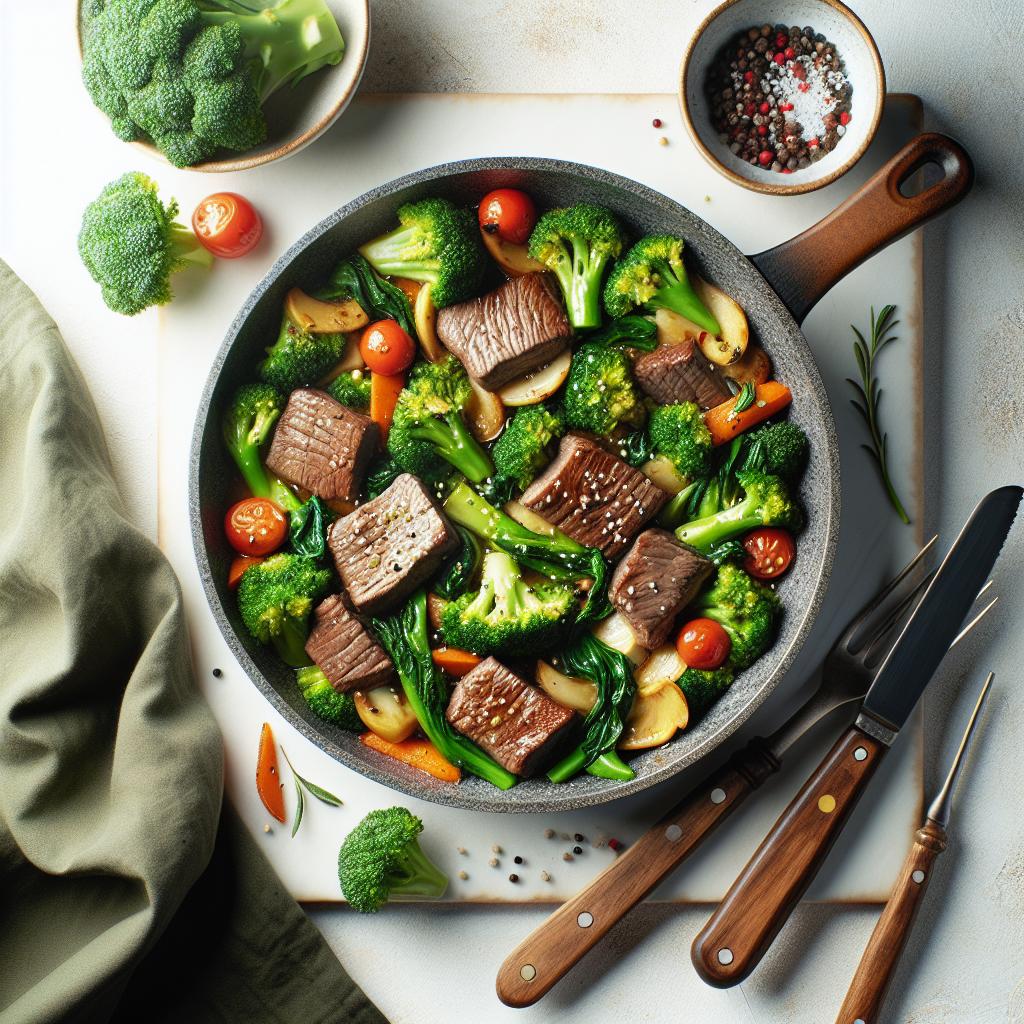
A: Yes. Lean beef supplies high-quality protein and iron while broccoli provides fiber and vitamins. Control oil and sugar to suit dietary needs.
In Retrospect: Beef Broccoli Essentials
Two controls determine success: heat management and prep. Keep the pan hot for searing, and prep ingredients uniformly for even cooking.
Practice the sequence and note timing on your range; once dialed in, the beef broccoli skillet becomes a reliable, quick dinner in your rotation.
FAQ
What cut of beef gives the best texture?
Choose flank or sirloin for lean slices that sear quickly. Slice thin against the grain to shorten fibers and maximize tenderness.
How do I keep broccoli crisp without undercooking beef?
Sear beef briefly and remove it. Cook broccoli until bright and slightly tender, then return beef with the sauce to finish together so textures align.
How can I make this gluten-free?
Substitute tamari or coconut aminos for soy sauce, and confirm beef broth is gluten-free. Cornstarch is naturally gluten-free and works as a thickener.
Can I prep this ahead for meal prep?
Yes. Slice beef and chop broccoli up to 24 hours ahead. Store separately and assemble on the day you cook for best texture and flavor.
What should I reheat leftovers with to avoid sogginess?
Reheat gently in a hot skillet with a splash of water or broth to revive the sauce. Avoid long microwave cycles that make vegetables limp.
See also: For background on the main vegetable and starch choices, consult the broccoli article and starch basics. Read about the ingredients and cuts to refine your technique: broccoli, soy sauce, and cornstarch.
See also: beef broccoli
]]>
- Tip: Sear in batches to concentrate flavor without steaming the meat.
- Tip: Add broccoli near the end to retain color and snap.
- Tip: Use chuck or brisket for connective tissue that converts to gelatin.
- Tip: The stew often improves after a day—plan make-ahead servings.
The Perfect Balance of Flavors and Textures in Beef Stew
Beef stew relies on two complementary processes: Maillard searing for flavor concentration and slow gelatin extraction for body. Sear first to develop caramelized crusts, then simmer gently so collagen becomes unctuous gelatin.
Proper timing of broccoli preserves its green color and bite, creating contrast with tender beef. For background on the Maillard reaction and why searing matters, see Maillard reaction.
Recipe Overview
This recipe produces a hearty family-style portion suitable for six people when served with rice, mashed potatoes, or crusty bread. Prep is brief; the bulk of time is low-and-slow simmering to reach fork-tender results.
Plan roughly 20 minutes active preparation time and about 2 hours 30 minutes of slow cooking. If you prefer set-and-forget, transfer to a slow cooker for longer, gentler braising.
Prep and Cook Time
Preparation: 20 minutes. Trim and cube meat, chop aromatics, and mix any thickening slurry before cooking. Do as much mise en place as you can to keep searing efficient.
Cooking: 2 hours 30 minutes slow simmer. If using a slow cooker, plan 6–8 hours on low; add broccoli near the finish to maintain texture.
Yield
Serves 6 hearty portions. Adjust sides and portion sizes based on appetite and whether you serve rice, potatoes, or a vegetable-forward accompaniment.
Leftovers refrigerate well and often taste better after resting overnight; refresh broccoli separately if reheating to avoid overcooking.
Difficulty Level
Medium. The techniques—proper searing, deglazing, and maintaining a gentle simmer—require attention but are straightforward for cooks with basic stove skills. Accurate heat control is the primary challenge.
Tools needed: heavy-bottomed pot or Dutch oven and a wooden spoon for deglazing. An instant-read thermometer helps maintain an ideal simmer range.
Ingredients for Beef Stew
Choose quality components: a well-marbled cut of beef, fresh broccoli, and a clear beef broth form the backbone of this stew. Trim excessive surface fat but keep marbling that melts into the sauce.
For information on beef cuts and why certain muscles perform better in long braises, see chuck (cut).
- 2 lbs chuck roast, cut into 1½-inch cubes
- 1 tbsp olive oil for searing
- 4 cups beef broth, preferably low sodium
- 1 large onion, finely chopped
- 4 cloves garlic, minced
- 2 tbsp soy sauce (or tamari)
- 1 tbsp oyster sauce (optional)
- 1 tsp grated fresh ginger
- 1 tsp crushed red pepper flakes, adjust to taste
- 3 cups fresh broccoli florets
- 2 medium carrots, sliced diagonally
- 1 tbsp cornstarch mixed with 3 tbsp cold water (slurry)
- Salt and black pepper, to taste
- Chopped scallions and toasted sesame seeds for garnish
Instructions
Follow the sequence to maximize flavor and texture: sear, deglaze, and simmer. Maintain medium-high for searing and low for the long simmer so collagen converts without drying the meat.
Keep steps short and methodical—searing in batches, scraping browned bits, and controlling simmer temperature yields consistent results. If you need a set-and-forget option, use a slow cooker method described below.
- Prepare the beef: Pat beef cubes dry. Heat oil in a heavy pot over medium-high heat to ensure a quick, even sear.
- Sear in batches: Avoid overcrowding. Brown all sides until rich and golden, about 5–7 minutes per batch. Transfer seared pieces to a plate.
- Sauté aromatics: Reduce heat to medium. Cook onion until translucent, about 5 minutes. Add garlic and ginger and stir until fragrant, roughly 1 minute.
- Deglaze and build sauce: Add soy sauce and a splash of beef broth. Scrape browned bits; they carry concentrated savory flavor into the stew.
- Simmer the beef: Return beef to the pot with carrots and red pepper flakes. Bring to a gentle simmer, cover, and reduce heat to low. Cook 2 hours or until fork-tender.
- Add broccoli: Stir in broccoli during the final 8–12 minutes to preserve bright color and a pleasing bite. Overcooking broccoli results in dull color and mushy texture.
- Thicken the sauce: Whisk in the cornstarch slurry gradually while stirring. Cook 3–5 minutes until the broth glazes the meat and vegetables. Adjust seasoning.
- Finish and serve: Let the stew rest off heat for a few minutes. Garnish with scallions and sesame seeds before serving.
Tips for Success
Small technique adjustments yield big improvements: dry the beef before searing, brown in small batches, and deglaze to capture all the flavor. These steps give a concentrated, stock-like base without extended reduction time.
Use a heavy pot for even heat distribution; an oven-safe Dutch oven helps if you choose oven braising. For more on slow cooking vessels, see slow cooker.
Pro-Caution
When converting to an oven braise, keep the temperature between 275–300°F for even collagen conversion. Cover the pot to limit evaporation and keep meat submerged in liquid.
For internal resources on similar recipes, see our Beef Stew collection and the slow-cooker beef methods page for hands-off adaptations.
[NOTE: The preceding internal links are site-relative and designed to improve navigation and dwell time.]
Make-Ahead and Variations
The stew often improves after resting a day; flavors meld and the broth rounds out. Refrigerate in airtight containers for up to 3 days and reheat gently to avoid overcooking broccoli.
To lighten the dish, substitute half the beef broth with low-sodium vegetable stock and boost aromatics like ginger and scallions for a brighter profile. Mushrooms or miso will increase umami without extra salt.
Expert Insight
Serving Suggestions and Nutrition
Serve in shallow bowls to showcase glossy sauce and contrasting textures. Pairings like jasmine rice, mashed potatoes, or rustic bread help balance sauce richness and create a complete plate.
Per serving this dish provides substantial protein and moderate fat. Vegetables add fiber and micronutrients, while portioning sides controls carbohydrate intake.
| Nutrient | Per Serving |
|---|---|
| Calories | 340 kcal |
| Protein | 38 g |
| Carbohydrates | 12 g |
| Fat | 14 g |
Freeze in airtight containers for up to 3 months if you prefer long-term storage. Thaw overnight in the refrigerator and reheat gently; refresh broccoli separately if needed to maintain texture.
Q&A
Short, practical answers to common execution questions keep the cooking process predictable. Use these notes while you cook to troubleshoot quickly.
These responses focus on technique and substitutions that preserve texture and flavor without adding unnecessary complexity.
Q1: What makes this beef stew a comfort food classic?
Slow-braised beef releases gelatin that gives the broth a silky mouthfeel while vegetables provide freshness and balance. That combination yields a bowl that is warming and satisfying.
Q2: How is this stew different from quick stir-fry beef and broccoli?
Stir-fries cook quickly at high heat and rely on tender cuts and thickening sauces. This stew uses prolonged simmering to break down connective tissue and develop a richer, thicker broth.
Q3: What cuts of beef should I use?
Chuck, brisket, or short ribs work best because they contain collagen that converts into gelatin during slow cooking. These cuts become tender and add body to the sauce.
Q4: Can I substitute other vegetables for broccoli?
Yes. Leafy greens such as kale or Swiss chard can be added late, while root vegetables like parsnips and turnips pair well with beef richness and can be cooked longer.
Final Thoughts
This beef stew with broccoli rewards precise technique: sear to build flavor, simmer low to extract gelatin, and add broccoli late for bright contrast. These steps create a consistently excellent, comforting meal.
Use the make-ahead suggestions and internal recipe links to plan batch cooking and variations for weeknight dinners or meal prep. Practical technique produces repeatable, restaurant-level results at home.
FAQ
How do I prevent the beef from drying out?
Maintain a low, steady simmer after searing so collagen converts to gelatin gradually. Keep the pot covered to limit evaporation and keep the beef partially submerged in liquid.
Also, avoid overcooking small cubes; once fork-tender, remove from heat and allow a short rest to redistribute juices.
Can I thicken the stew without cornstarch?
Yes. Reduce the broth uncovered until it concentrates, or whisk in a beurre manié (equal parts soft butter and flour) near the end to achieve a similar glaze. Both methods add body without altering flavor sharply.
Another option is puréeing a portion of cooked carrots and stirring them back into the pot for natural thickening and added sweetness.
What temperature is ideal for slow simmering?
A gentle simmer roughly equals 180–205°F (82–96°C). Look for small, steady bubbles rather than a rolling boil to avoid muscle fiber tightening and dry meat.
An oven at 275–300°F provides steady low heat if you transfer the pot to the oven for a consistent braise.
Is it safe to freeze the stew?
Freeze in airtight containers for up to 3 months. Thaw in the refrigerator overnight and reheat gently. Add fresh or briefly steamed broccoli after reheating to maintain the vegetable’s texture.
How can I boost umami without adding salt?
Use mushrooms, a small amount of miso, or anchovy paste to amplify savory notes. A splash of low-sodium soy or a teaspoon of mushroom powder concentrates umami without excessive sodium.
For more on the key ingredients, see beef and broccoli.
See also: beef stew
]]>
- Ready in 25 minutes: Fast prep and high-heat cooking preserve color and texture.
- Tender beef: Slice against the grain and use a short marinade to protect juiciness.
- Glossy sauce: A cornstarch slurry gives that restaurant-style sheen and cling.
- Work in batches: Avoid overcrowding to keep the pan hot and promote caramelization.
Exploring Beef Varieties for Beef Stir-Fry Tenderness
Pick a cut that sears quickly and slices thinly for the best beef stir-fry results. Flank, sirloin, and eye of round are common, affordable choices that work well when cut against the grain.
Buy well-chilled meat and remove silverskin for cleaner slices and more even cooking. For technical context on meat cuts, consult beef on Wikipedia.
Quick Facts for Beef Stir-Fry
This beef stir-fry completes in about 25 minutes: roughly 15 minutes to prep and 10 minutes to cook. The method scales easily for 2 to 6 servings without changing technique.
Keep mise en place finished before heating the pan since the sequence runs fast once the wok is hot. A screaming-hot pan gives sear and flavor instead of steam.
Prep and Cook Time
Preparation: 15 minutes. Slice beef thinly, blanch broccoli, and measure the sauce to keep the process smooth. Chilling the beef 20–30 minutes makes slicing cleaner.
Cooking: 10 minutes. Sear beef quickly, stir-fry aromatics, then finish with the sauce and slurry to glaze the dish.
Yield
Serves 4 as a main with rice or noodles. Increase protein and vegetables proportionally for larger groups to keep flavor balance.
Leftovers keep one day refrigerated. Reheat briefly over medium heat to avoid drying the beef and to preserve the sauce’s texture.
Difficulty Level
Easy–Medium: The method requires attention to timing and pan temperature but uses straightforward steps. Beginners benefit from practicing thin slicing and hot-pan control.
After a few tries, you can vary vegetables and sauces while retaining the same sear-and-toss approach for consistent beef stir-fry outcomes.
Ingredients for Beef Stir-Fry
Use the ingredients below for balanced flavor and a glossy finish. Cornstarch serves both in the marinade and as a finishing slurry to improve sauce adhesion.
Substitutions work well: tamari for gluten-free soy, low-sodium broth to control salt, and hoisin or mushroom-based sauces for depth when oyster sauce is unavailable.
- 12 ounces beef (flank steak or sirloin), thinly sliced against the grain
- 4 cups fresh broccoli florets
- 3 tablespoons vegetable oil, divided
- 3 cloves garlic, minced
- 1 tablespoon fresh ginger, finely grated
- ¼ cup low-sodium soy sauce
- 2 tablespoons oyster sauce (or hoisin for vegetarian)
- 1 tablespoon cornstarch
- ½ cup beef broth (or water)
- 1 teaspoon toasted sesame oil
- 1 teaspoon brown sugar
- 1 teaspoon cornstarch mixed with 2 tablespoons water (slurry)
- Optional garnish: toasted sesame seeds and sliced scallions
Step-by-Step Instructions for Beef Stir-Fry
Follow the sequence below to preserve texture and pace. Prep everything in small bowls to move quickly once the pan is hot for a consistent beef stir-fry every time.
Keep the slurry separate and add it at the end to achieve that glossy restaurant glaze. Work in batches if needed to avoid lowering pan temperature.
- Marinate the Beef: Toss thin beef strips with 1 tablespoon soy sauce, 1 teaspoon cornstarch, and a pinch of black pepper. Rest 10 minutes to tenderize and season the surface.
- Blanch the Broccoli: Boil water and blanch florets 1–2 minutes until bright green. Shock in ice water to halt cooking and preserve crunch, then drain well.
- Prepare the Sauce: Whisk remaining soy sauce, oyster sauce, beef broth, brown sugar, and sesame oil. Keep this nearby for quick access while cooking.
- Sizzle the Beef: Heat 2 tablespoons oil in a wok or heavy skillet until shimmering. Add beef in a single layer and sear 1 minute without stirring to build crust. Toss and finish 1–2 minutes until nearly done, then remove to rest.
- Stir-Fry Aromatics and Broccoli: Add remaining oil, then garlic and ginger; cook 20 seconds. Add broccoli and stir-fry 1–2 minutes so the florets pick up aromatics but stay crisp.
- Combine and Thicken: Return beef to the pan, pour in the sauce, then the cornstarch slurry. Stir until the sauce thickens and glazes the ingredients, about 1–2 minutes.
- Final Touch: Remove from heat and garnish with sesame seeds and scallions. Serve hot over rice or noodles to catch the sauce.
Chef’s Notes and Tips for Beef Stir-Fry
Cut Against the Grain: Slicing against the grain shortens muscle fibers and yields a tender bite. Use a very sharp knife and chill the steak briefly for cleaner slices.
High Heat Matters: A screaming-hot pan gives caramelization rather than steam. Preheat the wok or skillet for several minutes and add oil only when the pan is hot.
Expert Insight
When you cook in batches, each piece gets even heat and builds flavor. Overcrowding reduces temperature and yields steamed rather than seared beef.
Pro-Cautions for Beef Stir-Fry
Do not add wet ingredients too early; extra water drops the pan temperature and causes steaming. Always drain blanched vegetables thoroughly and add them after aromatics have sizzled.
Use a thermometer only if unsure: oil should shimmer and the pan should give an audible sizzle when ingredients hit the surface. That sound is a reliable cue for correct heat.
Pro-Caution
Serving Suggestions for Beef Stir-Fry
Serve this beef stir-fry over steamed jasmine or brown rice to soak up the sauce. For a lighter plate, use cauliflower rice or quick-cooked soba noodles.
Add a crisp side like cucumber salad or an Asian slaw to introduce acid and contrast. Garnish with sesame seeds and scallions for texture and visual appeal.
Nutrition and Variations for Beef Stir-Fry
This dish balances protein and vegetables with moderate carbohydrates from rice. Use reduced-sodium soy and broth to keep sodium in check while preserving umami.
Swap vegetables freely: snow peas, snap peas, or bell peppers work well. For gluten-free options, use tamari and check oyster sauce labels for hidden wheat.
| Nutrient | Per Serving |
|---|---|
| Calories | 320 kcal |
| Protein | 28g |
| Carbohydrates | 15g |
| Fat | 15g |
For ingredient science on thickening agents and gelatinization, see cornstarch. For equipment differences and care, consult the wok reference.
Related Techniques and Background for Beef Stir-Fry
Stir-frying depends on rapid heat transfer and uniform bite-sized pieces to cook food evenly and quickly. The method uses high heat, continuous motion, and short cook times to protect texture.
Further reading on the technique is available at the stir-frying entry, and botanical notes on the vegetable selection are in the broccoli article.
For practical recipes and related options on this site, see our internal collections: Beef Stir-Fry recipes and Stir-fry techniques. These internal pages expand on variations and step photos.
FAQ
What cut of beef is best for stir-fry?
Flank steak and sirloin give a good balance of flavor and fast cooking. Eye of round works when marinated and sliced thinly, but avoid very fatty cuts for this method.
Slicing thin and against the grain reduces chew and makes the beef stir-fry feel more tender even with leaner cuts.
How do I keep broccoli crisp and bright?
Blanch florets 1–2 minutes and shock them in ice water to stop cooking. Drain thoroughly and stir-fry briefly on high heat so florets stay crunchy and vibrant.
Draining well is essential; excess water causes steaming and dulls color while reducing surface temperature for browning.
Can I prepare components ahead of time?
Yes. Marinate and slice beef up to 2 hours ahead and keep refrigerated. Chop vegetables and mix the sauce in advance to speed the final assembly.
Store components separately so you reheat only what needs warming and avoid soggy vegetables before tossing in the hot pan.
What should I do if my pan steams the food instead of searing?
Heat the pan longer, remove excess moisture from ingredients, and avoid overcrowding. Work in batches and ensure oil shimmers before adding protein.
The correct indicator is an immediate sizzle and rapid browning; if you hear no sizzle, increase heat and wait before adding food.
How do I make the sauce gluten-free?
Replace soy sauce with tamari and use a gluten-free oyster sauce or mushroom-based alternative. Cornstarch is naturally gluten-free and still thickens effectively.
Check labels on packaged sauces for hidden wheat and choose certified gluten-free products when needed for strict diets.
See also: explore the beef stir-fry recipe index on this site for variations and step-by-step photos.
See also: beef stir-fry
]]>