- Key takeaway: Precise lamination builds the physical layers that create flake.
- Key takeaway: Butter quality and temperature govern steam production and layer separation.
- Key takeaway: Controlled fermentation develops flavor and dough extensibility.
- Key takeaway: High initial oven heat creates lift; a short finish preserves color and crumb.
The Science Behind Crafting the Perfect Croissant Crust: Unlocking Layers and Fermentation
Crafting a reliable croissant crust needs measurable technique. Each action — mixing, resting, folding, proofing, and baking — affects the final texture and color.
Start by thinking in terms of physics and chemistry: trapped steam separates layers, enzymes and yeast build flavor, and browning reactions create color. Use that framework to troubleshoot.
Prep and Cook Time
Active prep: about 1 hour for mixing and shaping. Hands-on time concentrates early; most time is passive chilling and proofing.
Total time: plan 16 hours including overnight rests and proofing to let fermentation develop balanced flavor and elasticity.
- Preparation: 3 hours (active time: 1 hour)
- Fermentation (chilling between folds): 12–14 hours (overnight ideal)
- Baking: 18–22 minutes
- Total Time: Approximately 16 hours (including fermentation)
Yield
This formula yields 12 classic-sized croissants when you cut the dough into standard triangles and roll consistently. Scaling up requires proportional adjustments to butter and yeast.
For commercial batches, give extra attention to chilling and proofing consistency to maintain uniform lift across trays.
Difficulty Level
Advanced: this technique demands patience and attention to detail during lamination and proofing. Expect learning-curve variability in rise and flake when you first practice.
However, following precise temperatures and rest intervals reduces failures and improves repeatability for home bakers.
Ingredients
Use ingredients that support structure and flavor. For example, choose a moderate-protein bread flour for good gluten formation without toughness.
Here are the standard amounts for 12 croissants. Measure by weight for accuracy; scales beat volume for consistency.
- 500g bread flour, sifted
- 300ml whole milk, cold
- 50g granulated sugar
- 10g fine sea salt
- 15g instant dry yeast
- 250g unsalted butter, cold and firm (for lamination)
- 1 large egg (for egg wash)
- Optional: 25g melted butter for brushing after baking
Instructions
Follow these steps with attention to temperature control. Use a thermometer to keep dough and butter at target ranges.
Keep folds even and rest the dough between folds in the refrigerator to prevent butter migration.
- Prepare the dough: Combine flour, sugar, salt and yeast. Add cold milk gradually and mix until a rough mass forms.
- Knead and chill: Knead 4–6 minutes until smooth. Cover and refrigerate 1 hour to relax gluten and firm the dough for lamination.
- Prepare butter block: Pound cold unsalted butter between parchment into a 1 cm square block; chill until firm but pliable.
- Lock-in stage: Roll dough to a rectangle, place butter block in center and fold edges over to seal completely.
- First fold: Roll to a long rectangle and perform a letter (single) fold. Wrap and chill 1 hour.
- Repeat folds: Perform two more letter folds, chilling 1 hour between each. This creates the alternating fat-and-dough layers.
- Final shaping: Roll to ~6mm thickness, cut triangles and shape croissants. Place on parchment-lined trays and proof in a warm, humid spot until nearly doubled.
- Egg wash and bake: Brush with beaten egg and bake at 200°C (400°F) for 18–22 minutes until deep golden, rotating trays for even color.
- Finish: Optionally brush with melted butter for sheen. Cool slightly on racks before serving.
Chef’s Notes
Butter temperature: Target butter that yields a clean fold without cracking or oozing. Aim for firm but malleable.
Resting times: Longer chilling stabilizes layers and limits butter smear into dough. Err on the side of cooler, not warmer.
 Expert Insight
- Proofing environment: Keep proofing near 24°C with humidity to allow steady yeast activity without surface drying.
- Variations: Add high-quality chocolate or almond paste if desired, but avoid overloading the roll to preserve lift.
- Make-ahead: Shape and freeze trays, then bake from frozen with a few extra minutes in the oven.
Serving Suggestions
Serve croissants warm for best texture contrast between crust and crumb. They pair well with coffee or fruit preserves.
For savory service, fill halves with ham and Gruyère or use them to build composed sandwiches that highlight the pastry layers.
Understanding the Role of Butter Layers for Flakiness
Butter acts as the steam source and mechanical separator between dough layers. As the oven heats, water in butter vaporizes and forces layers apart.
Choose butter with a lower water ratio to reduce premature steam loss. For more context on butter composition, see butter on Wikipedia.
Mastering Dough Lamination Techniques for Optimal Texture
Lamination creates hundreds of alternating sheets; each fold multiplies layer count. Even pressure during rolling keeps layers uniform and prevents weak spots.
Compare lamination to techniques used for related pastries. For broader theory on laminated dough, consult the puff pastry page.
The Chemistry of Fermentation Impact on Crust Formation
Yeast fermentation generates carbon dioxide and minor alcohols that inflate layers and add flavor. Proper timing balances flavor with dough strength.
Fermentation also affects crust coloration through sugar availability that drives browning reactions. See the yeast article for fermentation mechanics and interactions.
Baking Temperature Secrets to Create that Golden Crisp Finish
Start at a high oven temperature to maximize steam production for lift, then lower slightly toward the end to avoid over-browning. This two-phase heat approach yields both height and color.
Watch for the Maillard reaction; it browns the crust and adds savory notes. For background on non-enzymatic browning, read the Maillard reaction entry.
Maintain consistent oven humidity and avoid opening the door early. Sudden heat loss can collapse the rising layers and flatten the crust.
 Pro-Caution
Practical Troubleshooting
If croissants lack lift, check yeast freshness and proofing conditions first. Slow or cold proofing yields under-expanded layers.
If layers fuse, reduce flour on the board and shorten rolling pressure. Excessive flour and heat both encourage layer adhesion.
Q&A
Below are concise answers to common technical questions about croissant crusts.
Use these points as quick checks during your next baking session.
Q1: What makes the croissant crust so flaky and crisp?
The layered structure separates under steam pressure during baking, producing the signature flake. Consistent folds and proper butter temperature keep these layers discrete.
Good lamination and a high initial oven temperature provide the mechanical lift necessary for crisp exterior and airy interior.
Q2: How important is butter quality for the crust?
Very important. Higher fat butter reduces water content and stabilizes the lamination. It also enhances flavor and mouthfeel.
European-style butter generally performs better for laminated dough because of its fat-to-water ratio.
Q3: Why does temperature control matter so much?
Temperature affects gluten elasticity, butter firmness and yeast activity. Each influences layer formation and oven spring.
Use refrigeration between folds and a cool laminating surface to avoid butter migration and layer collapse.
Q4: Does flour type change the crust texture?
Yes. Use a flour with moderate protein to develop enough gluten for structure while keeping tenderness. Too strong a flour yields a chewier crumb.
Adjust hydration slightly when swapping flour brands to maintain the dough’s handling characteristics.
Final Notes
Perfecting croissant crust takes repeatable technique and controlled variables. Track temperatures, resting times and fold counts to build a reliable process.
Apply the principles above in small practice batches. With measured adjustments, you will consistently produce flaky, golden croissants.
FAQ
How many folds are ideal for croissants?
Most classic recipes use three single (letter) folds or two book folds to create hundreds of layers. The ideal count balances layer number with dough strength.
Too many folds can overwork the dough; aim for a reproducible routine.
Can I use regular butter instead of European-style butter?
You can, but adjust expectations: standard butter often has higher water content and can reduce lamination stability. Compensate with stricter chilling.
When possible, test both and note differences in rise and flavor.
Is overnight refrigeration necessary?
Yes. Slow cold fermentation develops flavor and improves dough extensibility, which helps with lift and texture during baking.
Shorter rests produce acceptable results, but not the same depth of flavor or consistency.
How do I store baked croissants for the next day?
Store at room temperature in a paper bag for up to 24 hours to preserve crispness. Reheat briefly in a low oven to refresh texture.
Avoid airtight containers that trap steam and soften the crust.
Where can I read more about laminated dough theory?
Start with general pastry references and encyclopedia entries on laminated pastries and pastry chemistry. The croissant article on Wikipedia gives historical and technical context.
Combine reading with hands-on practice to connect theory to results.

| Nutrient | Per Croissant (Estimate) |
|---|---|
| Calories | 280 kcal |
| Protein | 6 g |
| Carbohydrates | 28 g |
| Fat | 15 g |
Apply these core principles consistently: control temperature, choose stable butter, and allow fermentation the time it needs. That approach turns repeatable technique into reliably flaky croissant crusts.
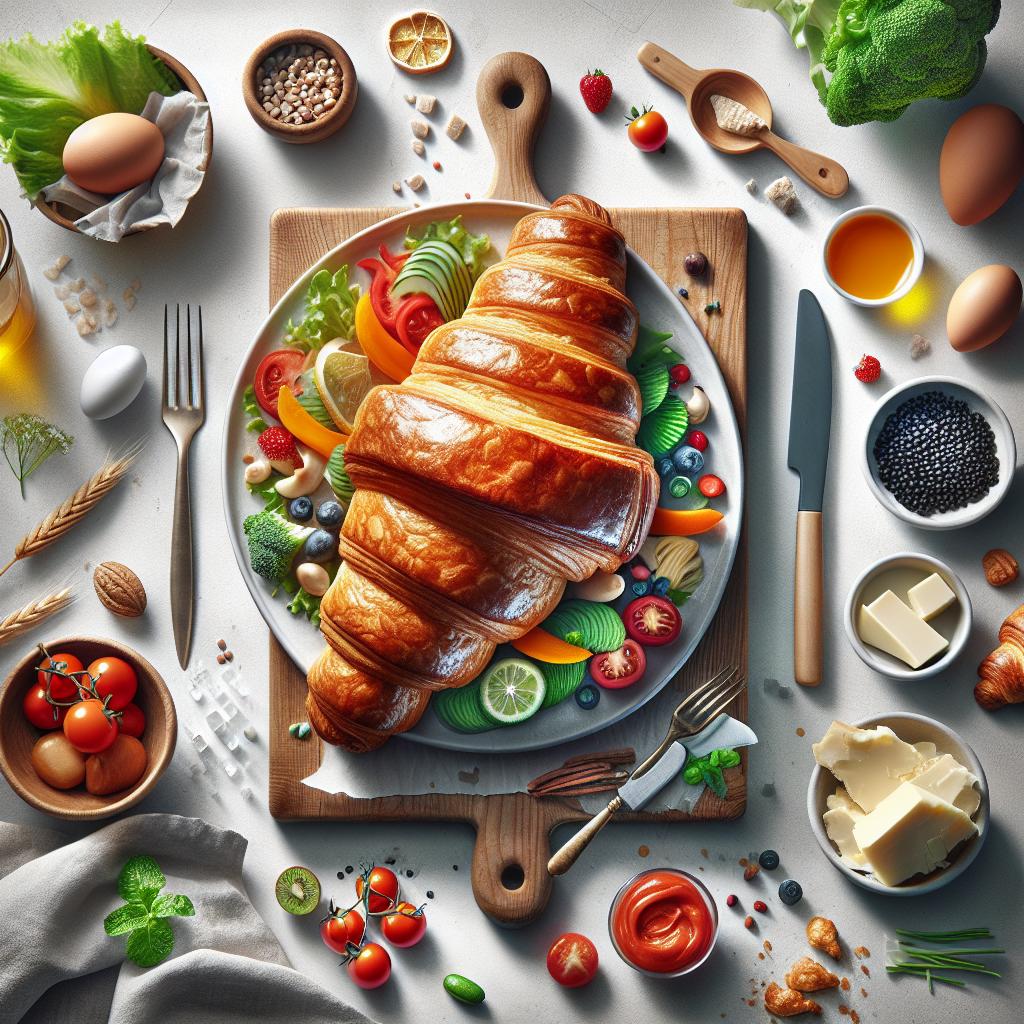
See also: croissant crust
]]>
- Key control points: cold butter, measured folds, and precise resting.
- Timing matters: short active work periods with frequent chilling produce the best lift.
- Steam-driven lift: trapped moisture creates separation and puff.
Essentials of Puff Pastry Structure
Puff pastry depends on distinct sheets of dough separated by solid butter. When the butter melts and produces steam during baking, it forces the layers apart and creates volume.
For a technical overview of laminated pastries, consult the puff pastry entry on Wikipedia for puff pastry. That resource summarizes layer geometry and historical technique succinctly.
Lamination and Layer Geometry
Lamination multiplies layers by geometric folding. Each letter fold or book fold increases the number of alternating dough-and-fat layers exponentially, which directly affects flake count and rise.
Maintain clean edges and even thickness when rolling; uneven sheets produce trapped pockets of butter and irregular puff. For visual comparison, see the croissant-vs-puff guide in our internal resources: Croissant vs Puff Pastry Guide.
Ingredient Science: Flour, Fat, and Water
Choose low-to-moderate protein flour to limit gluten extensibility while retaining enough structure to hold steam pockets. Overdeveloped gluten makes the pastry tough rather than flaky.
Understand the fat: butter contains water and milk solids; those components generate steam and flavor. Read more about butter at Wikipedia for butter to appreciate its melting profile and water content.
Role of Gluten and Dough Strength
Gluten provides tensile strength so layers can separate without tearing. However, excessive mixing or hot handling increases gluten formation and reduces tenderness.
Resting the dough relaxes gluten and prevents elastic recoil during final baking. The concept of gluten structure is summarized at Wikipedia for gluten.
Temperature Control and Handling Protocols
Temperature control drives success. Cold, firm fat keeps layers distinct; warm butter disperses and ruins lamination. Work quickly and chill often to maintain contrast between dough and fat.
A chilled environment also prevents butter smearing into surrounding dough. Use short working phases, and refrigerate between folds to re-solidify the butter and relax the gluten network.
Practical Temperature Targets
Aim for work-surface temperatures below 18°C (65°F) if possible; keep butter at fridge-cold firmness. If a butter block softens, re-chill it before proceeding to the next fold.
Preheat the oven fully and consider a preheated baking steel or tray to deliver immediate heat to the pastry base. For general principles, consult the baking overview at Wikipedia for baking.
Step-by-Step Method That Produces Reliable Layers
Follow a measured sequence: mix dough gently, encase butter, perform a series of folds, and maintain consistent chilling. This creates predictable layer counts and even rise.
Work in three or four turns of folding: a classic routine uses a single turn followed by two or three letter folds, with 20–30 minute chills between each. Longer final chilling (60–90 minutes) improves lift.
- Mixing: Combine flour and salt, then add water sparingly. Keep the dough shaggy and cool; do not knead.
- Butter Enclosure: Flatten a cold butter slab to a uniform thickness and encase it in the dough rectangle.
- Turns and Chills: Roll to length, fold (letter or book fold), wrap, and chill. Repeat the sequence for the targeted number of layers.
- Final Rest: Chill at least 1 hour after the last fold before rolling for shaping and baking.
For additional technique tutorials, see our internal reference on lamination: Lamination Techniques.
Expert Insight
Troubleshooting Common Failures
When pastry collapses or lacks lift, the usual culprits are warm butter, overworking, or insufficient oven heat. Diagnose by checking butter distribution and oven temperature stability.
If butter has smeared, you will see streaks rather than laminar separation. Re-chill and rework only if the structure still holds a central fat envelope. Avoid re-rolling repeatedly; that thins and blends layers.
Pro-Caution
Advanced Adjustments and Pro Techniques
Experienced bakers manipulate hydration and fat content to tune texture. Slightly lower hydration tightens layers; slightly higher hydration can create a more open crumb if handled correctly.
Use European-style butter for higher fat content and stronger flavor. Alternatively, blending a small percentage of high-melting-point fat can stabilize laminates in warm kitchens, but expect subtle flavor changes.
Make-Ahead and Freezing
You can freeze laminated dough after the final chill. Wrap airtight and freeze flat; thaw overnight in the refrigerator before shaping to preserve layering integrity.
For commercial timelines, batch-prep dough and bake from chilled or slightly chilled state to retain consistent oven spring across shifts.
Serving, Fillings, and Applications
Puff pastry adapts to sweet and savory uses: tarts, turnovers, palmiers, and layered appetizers. Keep fillings light so steam can separate layers rather than weigh them down.
Brush finished pieces with glazes for shine, or dust with sugar after baking for contrast. For layered laminated bread like croissants see our internal comparison: Croissant vs Puff Pastry Guide.
Nutrition Snapshot
Per serving, puff pastry is energy-dense due to butter and flour. Balance portions with fresh fruit or protein-based fillings for a more nutrient-dense plate.
| Nutrient | Per Serving |
|---|---|
| Calories | ≈220 kcal |
| Protein | ≈3 g |
| Carbohydrates | ≈15 g |
| Fat | ≈16 g |
FAQ
How many folds produce optimal layers?
Two to three letter folds (creating roughly 27–81 layers depending on technique) balance work time and reliable puff. More folds increase layers but require precise chilling to avoid smearing.
Can I use margarine instead of butter?
Substitutes affect melting profiles and water content. Margarine can work but will alter flavor and steam production. For classic lift and taste, butter remains the best option.
Why does my pastry become greasy?
Greasy pastry indicates fat meltdown into the dough pre-bake. Reduce handling heat, chill frequently, and ensure the butter stays as a discrete block until oven time.
Is laminating by hand better than machine lamination?
Hand lamination gives fine control for artisanal batches; sheeting machines offer consistency at scale. Both can produce excellent results when temperature and timing are controlled.
How hot should the oven be?
Preheat to 200–220°C (400–425°F) for rapid steam generation. A hot initial environment encourages fast lift before significant fat loss.
See also: puff pastry
]]>Pulling out a tray of shiny, flat cookies is frustrating, but the causes are specific and fixable.
- Measure precisely: small ingredient shifts change spread and sheen.
- Control fat temperature: butter state governs spread in the oven.
- Oven accuracy matters: an off thermometer changes how cookies set.
- Short fixes: chill dough, add a tablespoon of flour, or tweak sugar ratios.
Why cookies go flat and greasy
Cookies flatten and develop a greasy surface when too much fat or too little structure lets melted butter pool on the tray.
That pooling happens because butter melts quickly in heat; meanwhile sugar liquefies, thinning the dough and letting fats rise to the surface during baking. Read about the properties of butter for why fat state matters and see the chemistry of sugar for how it affects spread.
Ingredient ratios and measuring
Precise ratios make the difference between a controlled spread and a puddle of grease. All-purpose flour provides structure; if you under-measure, that structure is missing.
Use a scale where possible. Measuring by weight avoids the air-pocket variability of cup measures and helps you maintain the required protein-to-fat balance. Learn about flour types and choose the right one for cookies.
Common leavening and structure factors
Leavening agents change texture and rise. Baking soda (sodium bicarbonate) reacts during baking and affects how quickly edges set.
Always check freshness of baking soda and baking powder; stale leavening yields odd textures and excessive spread. For the chemistry involved, consult sodium bicarbonate.
Technique fixes: mixing, butter temperature, and chilling
Mixing method changes how fat incorporates. Creaming butter and sugar traps air that helps lift cookies; overbeating can break the emulsion and free fat, causing greasiness.
Control butter temperature: use softened, not melted butter for most drop cookies. If your recipe calls for melted butter, accept the thinner spread or add extra flour to compensate.
Butter temperature
Softened butter should yield when pressed but not smear. If butter is too warm, it won’t hold air or structure, so cookies spread early in the bake.
If your kitchen is hot, briefly chill shaped dough before baking. That keeps fats firm and slows melt-time in the oven, so edges set before fats run.
Mixing and sugar balance
Brown sugar holds moisture and encourages chew; white sugar encourages spreading and crispness. If you want thicker cookies, reduce granulated sugar slightly or increase brown sugar fraction.
Avoid overmixing once flour is added. Stirring until just combined preserves a tender crumb and prevents gluten overdevelopment, which can change texture unpredictably.
Expert Insight
Oven temperature and baking variables
Ovens often run hot or cold; even a 10–20°F (5–10°C) error changes how butter melts versus how edges set. Get an oven thermometer and verify target temperature before you bake.
An oven that is too cool lets dough spread before the structure sets, creating thin, greasy cookies. Conversely, too-hot ovens rapidly brown edges but can leave centers underdone depending on pan and rack placement. Review practical guidance about conventional kitchen ovens.
Pro-Caution
Quick corrective actions you can apply now
If dough is already mixed and feels greasy, chill it for at least 30 minutes; chilling solidifies fat and slows spreading. This is the fastest, least invasive fix for a wet dough.
If chilling doesn’t help, add one tablespoon of flour per cup of dough and mix gently. That small addition increases structure without drying the cookies. For step-by-step troubleshooting, see our internal guide on how to fix flat cookies, and verify oven settings with our baking oven calibration checklist.
Recipe adjustments that prevent greasiness
Swap a portion of butter for a firm fat to alter melt characteristics. Substituting 1–2 tablespoons of vegetable shortening for butter reduces surface oil while preserving texture.
Adding a tablespoon of cornstarch to the dry mix increases tenderness and reduces spread. Cornstarch binds some moisture and helps stabilize edges as cookies bake.
Practical baking checklist
Use a standard checklist each time you bake: weigh ingredients, confirm butter state, preheat and verify oven temperature, and chill dough when required. Repeatable workflow yields repeatable cookies.
Space balls of dough at least 2 inches apart and use the same scoop for uniform sizing. Uniform portions bake evenly, so edges and centers finish at the same time rather than leaving fat to pool on underbaked centers.
Serving and finishing touches
Finish cookies fresh from the oven with a light sprinkle of flaky salt to highlight sweetness and distract from any slight surface sheen. A simple garnish elevates perception of texture.
For chewier cookies, remove from the oven when edges are set but centers still look slightly underbaked; carryover heat will finish the middle without producing excess oil on the surface.
FAQ
Why do some cookies look shiny on top?
Shiny tops come from fat rising and creating a glossy layer as it melts and pools on the surface. High sugar content that liquefies during baking will amplify the effect.
To reduce shine, lower the total fat slightly, chill dough before baking, or use a small percentage of shortening to change melting behavior.
Will using more flour make cookies dry?
Adding too much flour will make cookies dense and dry, but small, measured increases (1 tablespoon at a time) can restore structure without harming texture. Measure by weight for accuracy.
Prefer gradual adjustments and test-bake one or two cookies before altering a whole batch to avoid overcorrection.
Can I fix a wet dough without changing flavor?
Yes. Chilling is the least flavor-altering option. It firms fats and tightens dough without adding new ingredients, preserving your intended taste profile.
If further correction is needed, add neutral flour or a small cornstarch addition; both affect flavor minimally while improving body.
How does sugar type influence greasiness?
Granulated sugar melts cleanly and encourages spreading, whereas brown sugar holds moisture and yields chew. A higher proportion of brown sugar can reduce excessive spreading and surface oil.
If your cookies are consistently greasy, try swapping one to two tablespoons of granulated sugar for brown sugar to test the effect on spread and shine.
What should I check first if every batch turns out flat?
Check three things in order: ingredient measurement (weigh flour), butter state (soft but not oily), and oven temperature (use a thermometer). These are the fastest diagnostics to run between batches.
Also test a small tray with chilled dough; if chilled dough behaves, the issue is likely butter temperature or ambient heat during dough handling.
Further reading: consult our internal troubleshooting page how to fix flat cookies for recipes and controlled-test approaches. Try one corrective move at a time so you can identify which change produced the improvement.
Happy baking: apply one technique at a time, document results, and you will consistently rescue flat, greasy cookies into thick, chewy successes.
See also: flat cookies
]]>