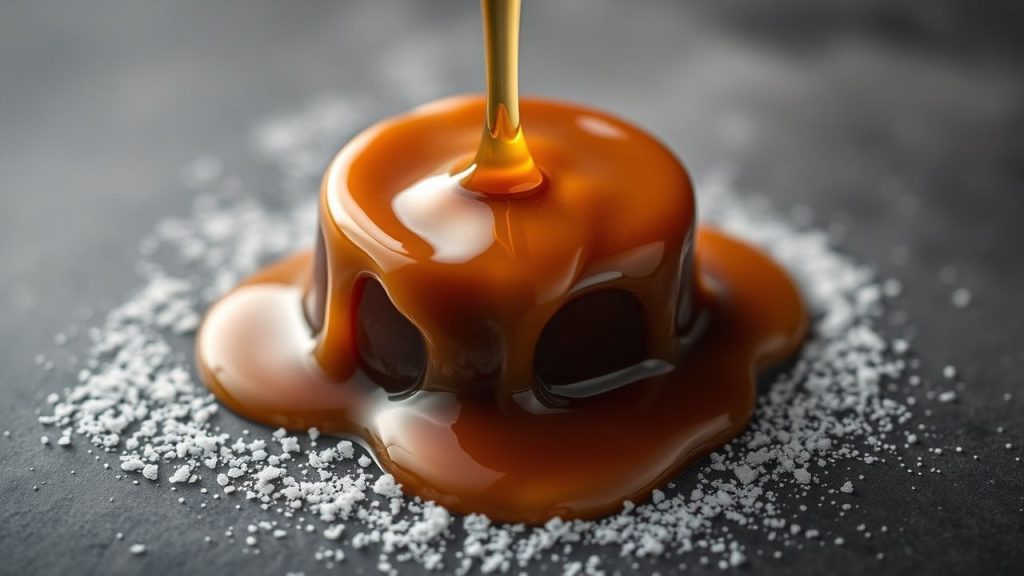
There is an enchanting alchemy in the kitchen when sugar transforms into molten gold: a glossy, amber-hued elixir known as caramel sauce. This sauce depends on precise temperatures, clear technique, and ingredient control to reach a smooth, stable finish every time.
- Know the target temperature range for clean caramelization and to avoid bitterness.
- Warm dairy first to prevent shocking the hot sugar and seizing the sauce.
- Control crystallization by minimizing early stirring and keeping the pan sides clean.
- Store properly to preserve sheen and pourability.
Understanding why each step matters gives you repeatable results. Below you will find equipment guidance, step-by-step instructions, troubleshooting strategies, and serving ideas grounded in the chemistry of sugar and dairy.
Prep and Cook Time
Prep Time: 5 minutes. Set all ingredients within arm’s reach and warm the cream first to avoid shocking the caramel. Gather a heavy-bottomed saucepan, a heat-resistant spatula, and a reliable thermometer.
Cook Time: About 12–15 minutes active cooking. The active time varies with pan size and heat source, so monitor color and temperature rather than clock alone to prevent burning.
Yield
About 1 cup of caramel sauce. This volume pours well for drizzling and fills small jars for gifting or storing.
Adjust scaling in 25–50% increments. Because sugar behavior changes with mass and surface area, larger batches require slightly more attention to heat control and stirring technique.
Difficulty Level
Medium. The technique tests temperature control and timing more than advanced skills. Precise monitoring prevents graininess and bitterness.
With practice, you will predict color and temperature. Use a thermometer to accelerate learning; visual cues alone take many batches to master.
Ingredients
1 cup granulated sugar
6 tbsp unsalted butter, cubed and at room temperature
1/2 cup heavy cream, warmed
1/4 tsp fine sea salt (optional)
1 tsp pure vanilla extract
Each component has a functional role. Granulated sucrose is the substrate that melts and caramelizes, butter supplies fat and emulsion stability, and cream adds liquid and mouthfeel.
Choose fresh dairy and a fine-grain sugar. Using salted butter or adding fleur de sel at the end changes the final flavor profile without altering technique. For recipe variations, see our Ultimate Decadent Dessert Sauces internal guide.
Instructions
- Prepare tools: Use a heavy-bottomed saucepan for uniform heat. Position ingredients nearby and warm the cream on low so it is just off the boil.
- Melt the sugar: Place sugar in the saucepan over medium heat. Gently swirl the pan rather than stirring aggressively until the sugar melts into a clear amber liquid; minimize early stirring to prevent crystallization.
- Watch color and temperature: Move from pale straw to deep amber. Aim for approximately 320–350°F (160–177°C) depending on desired flavor depth; remove from heat before it smokes.
- Add butter carefully: Whisk in butter cubes a few pieces at a time. Expect vigorous bubbling; continue to whisk until the emulsion forms and the mixture smooths out.
- Incorporate cream: Pour warmed cream slowly while whisking continuously. This cools the caramel, dilutes viscosity, and creates the signature silkiness.
- Finish and cool: Stir in vanilla and salt if using. Transfer to a heatproof jar and let the caramel cool to room temperature; it will thicken as it cools.
When you combine hot sugar and cooler fats or liquids, do so gradually. That staged incorporation prevents separation and promotes a stable emulsion. If you own a candy thermometer, use it to confirm temperatures rather than relying only on color.
For troubleshooting clumps, gently reheat the sauce over low heat and whisk in a splash of warm cream or butter. If crystallization persists, a short straining through a fine sieve removes grainy bits for a smooth final product.
Tips for Success: The Sweet Science Behind Perfectly Smooth Caramel Sauce
Control heat precisely. Use a medium-low, steady flame and do not step away. Small burners and thick pans reduce hot spots and lower the risk of localized burning.
Warm dairy first. Adding cold cream to molten sugar can cause violent bubbling and texture problems. Warming keeps the temperature differential small and helps the mixture emulsify cleanly.
- Use quality ingredients. Fresh butter and pure vanilla contribute to a clean, balanced profile.
- Brush pan sides. Dip a pastry brush in warm water and wipe the interior to dissolve stray crystals.
- Target range. For a classic sweet caramel, aim for the lower end of caramelization; for a deeper, slightly bitter note, reach the higher end.
[COMMENT missing_br during transformation]
 Expert Insight
Practice small, controlled batches to build confidence. Write down exact times and temperatures for your stovetop and pan combination; these records help you reproduce successful results.
Troubleshooting and Safety
If the caramel grainy or separates, reheat gently and whisk in warm cream or butter. Persistent graininess indicates that sugar crystals formed and multiplied; straining will improve mouthfeel but won’t fully restore flavor.
Storage: Refrigerate in an airtight jar for up to two weeks. To return to pourable consistency, warm gently in a pan over low heat or microwave in short bursts, stirring frequently.
 Pro-Caution
Have a jar of cool water and a first-aid plan for accidents. For professional kitchens, implement glove and splash-guard protocols when working with hot sugar.
Serving Suggestions
Drizzle warm caramel sauce over vanilla ice cream, baked apples, or pound cake for immediate impact. A sprinkle of flaky sea salt brightens flavors and enhances perceived complexity.
Use caramel as a component: swirl into yogurt or coffee, layer in parfaits, or fold into batters for sticky buns. For recipe variations and pairing ideas, consult our dessert sauces guide and the internal storage and reheating article for best practices.
Key Takeaways
Caramel is sugar transformed by controlled heat into a complex flavor matrix; butter and cream create a stable emulsion and soften texture. Monitor both color and temperature to reproduce consistent results.
Preventing crystallization and warming dairy are the most reliable strategies for a glossy finish. Keep written notes and calibrate your tools to build reproducible technique.

FAQ
This FAQ answers the most common technical and practical questions about making caramel sauce. Each response focuses on actionable steps you can apply in your kitchen.
Refer to the links below for deeper reading on the underlying science where applicable.
What causes caramel to turn grainy, and how do I fix it?
Graininess comes from sugar crystallization during cooking or cooling. To fix it, gently reheat the sauce, whisk in warm cream or butter, and strain if necessary; prevention is the best cure.
What temperature should I aim for when making caramel?
Aim roughly for 320–350°F (160–177°C) depending on flavor intensity. Use a thermometer and watch color cues to avoid crossing into a bitter, burnt range; practice calibrates your visual sense.
Can I use different sugars for variations?
Yes. White granulated sugar yields a clean caramel; brown sugar adds molasses notes and moisture. Adjust cooking time and expect slight differences in texture and depth.
How long does homemade caramel keep, and how should I store it?
Store airtight in the refrigerator for up to two weeks. Warm slowly before use to restore pourability; freezing is possible but may alter texture slightly on thawing.
Why should I warm cream before adding it to hot sugar?
Warming cream reduces the thermal shock to the hot sugar, preventing violent bubbling and potential seizing. It supports a smooth emulsion and faster incorporation of fats.
For a deeper look at the chemical process, read about caramelization, and for the physical behavior of sugar during cooking, see the article on sugar crystallization. For ingredient specifics, consult the butter entry.
See also: caramel sauce
]]>
- Key takeaway: Caramelization begins near 160°C (320°F) and develops distinct flavor stages.
- Key takeaway: Temperature control and a heavy-bottomed pan prevent burning and graininess.
- Key takeaway: Finishing with cream, butter, or salt alters texture and balances taste.
What Is Caramelization?
Caramelization is the thermal decomposition of sugars that produces brown pigments and new flavor compounds. It differs from protein-driven browning and creates sweet, nutty, and slightly bitter notes.
Understanding the mechanism helps cooks control color and taste. See the scientific basics on caramelization for background and common thermal ranges.
Chemistry Compared: Caramelization vs Maillard
The Maillard reaction involves amino acids and reducing sugars; it generates savory, roasted aromas. Caramelization involves only sugars breaking down under heat to yield sweeter, toasty flavors.
Both processes occur in kitchens and sometimes overlap on the same ingredient. For technical context, review the Maillard reaction entry.
Essential Ingredients and Equipment
Start with reliable, simple ingredients: granulated sugar, water, cream, and butter produce classic caramel. Quality of butter and cream changes mouthfeel and aroma.
Choose equipment that promotes even heating. A medium heavy-bottomed saucepan or copper pan and a candy thermometer deliver repeatable results. The Wikipedia page on sugar explains types and properties that affect caramel behavior.
Step-by-Step: Classic Caramel Sauce
This method creates a smooth, pourable caramel suitable for desserts. Keep a calm, methodical pace; abrupt moves invite splatter and thermal shock.
Use two internal references to expand technique and recipe use: see Sugar candy basics and a practical recipe example at Caramel sauce recipe.
Ingredients
1 cup granulated sugar, 1/4 cup water, 1/2 cup warmed heavy cream, 2 tbsp unsalted butter, 1/2 tsp salt (optional), 1 tsp vanilla extract.
Warm the cream before adding to the hot sugar to reduce violent boiling and promote a stable emulsion.
Procedure
Combine sugar and water in a heavy-bottomed saucepan over medium heat. Stir only until the sugar dissolves; then stop to reduce seeding and crystallization.
Observe color changes: clear to pale gold, then deep amber. Remove from heat around deep golden stage for balanced flavor, typically near 320–350°F (160–175°C).
Off-heat, whisk in warm cream slowly. Expect vigorous bubbling as the mixture stabilizes into caramel. Add butter and salt, whisk until smooth, then finish with vanilla off heat.
Cool slightly before use. Store in an airtight container in the refrigerator up to two weeks and rewarm gently when needed.
Chef’s Notes: Temperature Control & Flavor Tuning
Precise temperature control dictates outcome. A candy thermometer prevents overshooting and the resulting bitterness. Target ranges define texture: lower for softer sauces, higher for brittle stages.
Experiment with sugar color for flavor variation. Lighter caramel yields floral notes; darker caramel offers nutty and slightly bitter complexity.
Expert Insight
When working savory dishes, caramelization can build umami and depth. Slow-cooked onions become sweeter and more complex as sugars break down over low heat.
Pro-Caution
Salt balances sweetness and highlights aromatic compounds. Add salt sparingly and taste; flaky sea salt added at the end provides texture and a clean contrast.
Troubleshooting Common Problems
Grainy caramel indicates crystallization. Prevent it by avoiding agitation once boiling begins and by using a clean pan. If crystallization occurs, start anew with a clean pot.
Burnt caramel forms when heat is too high or sugar cooks too long. Cool the pan immediately and discard the batch; burnt sugar contains bitter compounds that cannot be rescued.
Adjusting Texture
Add more cream or butter for a looser, silkier sauce. Cook longer for thicker, deeper-flavored caramel suitable for candies and brittle.
For vegan variants, substitute coconut cream and dairy-free butter. Expect a slightly different flavor profile and mouthfeel but similar functional results.
Serving and Application Ideas
Warm caramel complements baked fruit, ice cream, panna cotta, and custards. A thin brushed layer over roasted root vegetables enhances glaze and flavor contrast.
Use caramel as a cocktail syrup with whiskey or aged rum and a touch of cinnamon for warmed spice. For texture play, pour some caramel into molds and chill to create shards.
Nutritional Snapshot
Per 2 tablespoons, expect roughly 110 calories, minimal protein, and carbohydrates near 15 g. Fat content depends on butter and cream used.
Use portion control when adding caramel to desserts; a small amount delivers intense flavor and satisfies sweetness with less added sugar.
| Nutritional Information (per 2 Tbsp) | Amount |
|---|---|
| Calories | 110 |
| Protein | 0.3 g |
| Carbohydrates | 15 g |
| Fat | 5 g |
FAQ
How does sugar type affect caramel?
Sugar type changes melting point and flavor development. Fructose caramelizes at lower temperatures and can produce darker, more intense flavors than sucrose.
Mixing sugars alters texture and final color. Use blended sugars deliberately to reach a desired balance of sweetness and depth.
What temperature range should I target?
Caramelization begins near 320°F (160°C) and intensifies up to about 350°F (175°C). For sauces, stay closer to the lower end; for brittle, cook higher.
A candy thermometer or infrared thermometer provides reliable control. Rapid color changes signal when to remove heat.
Why did my caramel crystallize and how do I fix it?
Crystallization results from sugar seeding or agitation during boiling. Do not stir once the solution reaches a boil; if crystals form, discard and restart in a clean pan.
Adding a small amount of corn syrup or an acid (lemon juice) can inhibit crystallization in future batches.
Can I use caramel in savory cooking?
Yes. Controlled caramelization adds sweetness and gloss to roasted vegetables and sauces. For savory use, limit added sugar and balance with acid and salt.
Slowly caramelized onions are a classic savory application that demonstrates how sugar breakdown enhances umami and texture.
How should I store homemade caramel?
Store caramel in an airtight container in the refrigerator for up to two weeks. Reheat gently over low heat or in a warm water bath to restore pourable consistency.
Avoid microwave reheating at high power to prevent overheating and separation. Gentle warming preserves emulsion and texture.
For additional reference on culinary technique and broader context, consult the cooking overview and the candy article for related sweet preparations.
Learn more sugar candy techniques to expand your practical skills and recipe repertoire.
See also: Caramelization
]]>