- Zest concentrates aroma: tiny oil glands on the peel hold most aromatic compounds.
- Technique matters: tool choice and stroke depth control bitterness and intensity.
- Storage preserves oils: freezing keeps fresh oils usable longer than drying does.
- Use purposefully: zest brightens, balances, and layers flavor without adding acidity.
Fundamentals of Citrus and Zest Chemistry
Zest is the outermost pigmented layer of the citrus peel where oil glands concentrate aromatic molecules. Those oils contain a high percentage of limonene and other terpenes that vaporize readily and signal citrus character to the nose and palate.
Understanding these molecules helps a cook decide when to zest and how to use it. For technical context, see Citrus and the specific chemistry in Limonene.
Prep and Cook Time
Preparation: 10 minutes. Zesting itself takes moments, while small techniques like air-drying or toasting require a few extra minutes. These short steps deliver outsized sensory impact.
Cook Time: N/A. Most zest applications do not require prolonged heat; instead, they depend on careful timing to preserve volatile aroma. Use heat sparingly to avoid driving off the most volatile compounds.
Yield
This basic recipe yields roughly two tablespoons of fresh zest from two large citrus fruits, enough to season four to six servings. Precision matters: an extra teaspoon can noticeably change the balance in delicate desserts.
Measure zest by volume for quick home use and by weight for scaled recipes. If you develop a signature compound recipe, record zest, not just fruit count.
Difficulty Level
Easy. Zesting requires simple tools and low technique complexity, but it rewards attention to detail. Even novice cooks can achieve professional results by controlling depth and tool pressure.
Professional cooks refine timing and storage to maintain peak aroma across service. Small habits—washing fruit, drying, and choosing the right grater—produce reliable flavor gains.
Ingredients
Core: 2 large organic lemons or oranges, unwaxed where possible. Organic or properly cleaned fruit reduces the risk of surface residues that mask or taint oils.
Tools: a fine Microplane-style zester or a dedicated citrus grater. A microplane produces fluffy, oil-rich shreds that integrate quickly into batters and sauces.
- Optional: 1 tablespoon sugar for simple syrup or finishing sugar (adjust to taste).
Instructions
Follow a controlled sequence: clean, zest, collect, and then apply or preserve. Each step preserves different aspects of the oils and solids in the peel.
Work confidently and deliberately to avoid the pith. A shallow, consistent stroke extracts aromatic surface tissue while leaving behind bitter white pith.
Step-by-step Technique
1. Wash and dry: remove soils and waxes with warm water and a quick scrub; dry completely to prevent clumping of shreds. Clean fruit ensures the pureest aroma transfer to food.
2. Zest with control: hold the fruit steady and move it across the grater with gentle, even pressure. Aim for the colored layer only; stop if you see white pith.
3. Collect and treat: gather zest into a small bowl. Air it for 10 minutes to let surface moisture evaporate, or toast briefly in a dry skillet for 1–2 minutes to deepen notes.
4. Make zest syrup: combine zest with equal parts sugar and hot water, stir until dissolved, steep covered 30 minutes, then strain. This preserves oil in a usable liquid that integrates seamlessly into drinks and desserts.
Chef’s Notes on Zesting Science and Flavor Extraction
Choose fresh, unwaxed fruit: oil content and brightness decline with age; buy or select fruits with tight skin and firm feel. Freshness affects both intensity and nuance.
Microplane zesters: these tools exfoliate surface tissue finely, releasing oils without tearing into the pith. They produce zest that disperses uniformly in batters and vinaigrettes.
- Store short-term: wrap tightly in plastic or use an airtight container in the refrigerator for up to three days.
- Freeze long-term: portion zest in small sealed packets; frozen zest retains volatile oils far better than dried peel.
- Salt trick: mixing a pinch of salt with zest in savory dishes reduces perceived bitterness and sharpens aroma.
- Layering: combine two citrus types, such as lemon and lime, to produce complex top notes in sauces and cocktails.
 Expert Insight
Allow a short pause between the tip and the next caution to maintain layout clarity and reader attention.
 Pro-Caution
Serving Suggestions
Zest shines in bright, short-contact applications where aroma can register immediately. Think finishes, garnishes, and quick infusions rather than long braises where volatile oils dissipate.
Use zest to lift richness, counterbalance fats, and add top-note complexity. Zest works with both sweet and savory elements when employed with intention.
- Sprinkle zest over creamy desserts like panna cotta or yogurt to add immediate citrus lift.
- Mix zest into vinaigrettes and seafood marinades to enliven texture and flavor.
- Infuse zest into cocktails or warm drinks for aromatic top notes that complement spirits.
- Top baked goods with zest before baking to trap oils in the crumb and amplify aroma.
Nutritional and Practical Table
Zest contributes minimal macronutrients but provides flavor and microconstituents, including trace vitamin C and flavonoids. Use it for sensory impact more than nutrition.
Below is a practical nutrient snapshot per tablespoon of citrus zest to inform formulation decisions.
| Nutrient | Per Tablespoon of Citrus Zest |
|---|---|
| Calories | 6 |
| Protein | 0.15g |
| Carbohydrates | 2.2g |
| Fat | 0.03g |
For additional scientific context on aromatic extraction and oil characterization, consult general resources such as essential oil literature and sensory science overviews like flavor (food).
Practical Uses in Professional Kitchens
Chefs use zest at different stages: raw for finishing, briefly heated for toasty notes, and steeped for syrups and oils. Each method selects for different volatile profiles.
Standardize your method in mise en place to ensure consistent aroma across services. Record fruit source, tool, and timing to reproduce desired effects reliably.
FAQ
What exactly is zesting, and why is it important?
Zesting removes the pigmented outer layer of the peel where aromatic oil glands live. Those oils convey strong citrus identity and deliver aroma that juice alone cannot supply.
Use zest to add immediate top notes or to extract oils for syrups and infusions that maintain citrus character without adding acidity.
Which molecules give zest its scent?
Monoterpenes such as limonene dominate citrus peel oil and produce bright, citrusy notes. Other terpenes and oxygenated compounds add floral, green, or bitter nuances.
Recognizing the dominant molecules helps you choose heat and time: limonene vaporizes at lower temperatures, so minimal heat preserves that fresh quality.
Do different citrus varieties change technique?
Yes. Thin-skinned limes and lemons yield intense oil quickly, while thicker-skinned oranges and grapefruits offer sweeter, more floral notes. Adjust pressure and stroke length accordingly.
Combine zests to layer complexity: a small amount of grapefruit zest can add subtle bitter complexity to a predominantly lemon profile.
How should I store zest for later use?
For immediate use, refrigerate in an airtight container up to 3 days. For longer preservation, freeze zest in small portions; freezing locks oils more effectively than air-drying.
Dried zest loses volatile top notes and functions best in long-bake applications where prolonged heat releases deeper flavors slowly.
Can zesting impact nutrition?
Zest adds trace nutrients like vitamin C and polyphenols but contributes negligible calories. Its value is primarily sensory rather than nutritional.
Use zest to reduce reliance on added sugars or fats by brightening and balancing flavors, which can indirectly improve a dish’s perceived lightness.
Zest remains an efficient, high-impact technique to modulate aroma and balance. Precise technique, appropriate storage, and targeted application let you harness citrus peel as a potent flavor tool.
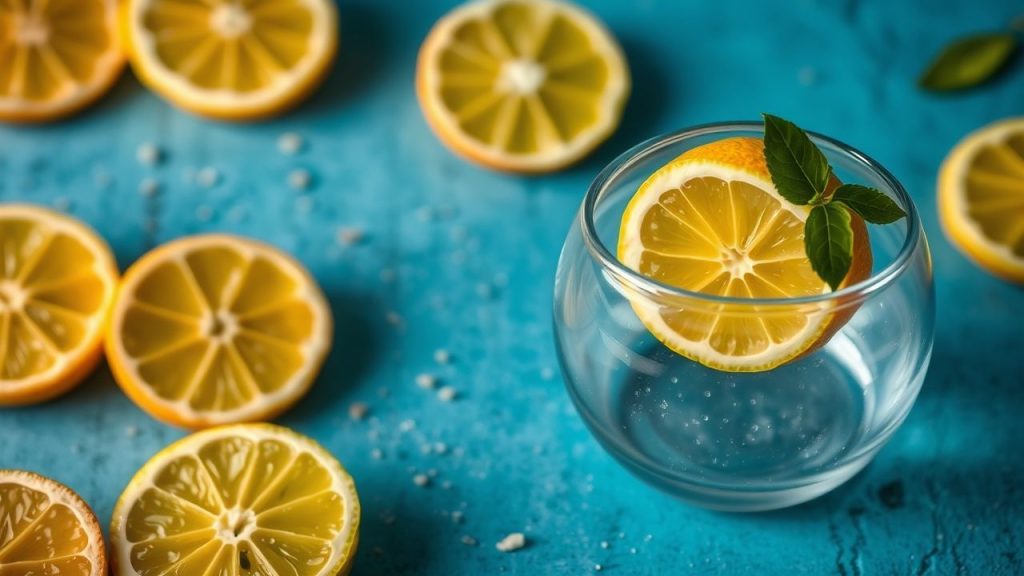
See also: citrus zest
]]>