- Cold batter and hot oil speed crust formation while limiting oil uptake.
- Balance starch and flour to control texture: crisp shell versus tender interior.
- Temperature control (350–375°F / 175–190°C) matters more than frying duration.
- Small test fry predicts the batter’s behavior and avoids soggy failures.
Prep and Cook Time
Preparation: about 15 minutes. Assemble dry mix, chill liquid, and preheat oil to stabilize temperature before frying.
Cooking: 8–12 minutes total across batches. Individual pieces typically take 2–4 minutes depending on size and moisture content.
Yield
This recipe and method yield roughly 4 servings of battered items, depending on portion size and what you fry. Expect variations when you batter vegetables versus fish or tofu.
Scaling is linear: double dry mix and cold liquid for larger batches, but maintain chilling and frequent temperature checks to keep quality consistent. Use a reliable thermometer for repeatable results.
Difficulty Level
Medium: The technique requires attention to temperature and timing, but it uses basic ingredients and straightforward steps. Home cooks achieve professional textures with a few practice batches.
Key skills: steady oil temperature, correct batter consistency, and avoiding overcrowding. Master these and frying becomes dependable rather than unpredictable.
Ingredients
Use quality pantry staples and keep liquids very cold. Below is a flexible baseline that adapts to fish, veg, or tofu.
- 1 cup all-purpose flour, sifted
- 1/2 cup cornstarch
- 1 teaspoon baking powder
- 1 teaspoon kosher salt
- 1 cup ice-cold sparkling water or very cold water
- 1 large egg, lightly beaten
- Vegetable oil for deep frying (2–3 inches depth)
- Optional: paprika, garlic powder, or white pepper for seasoning
Substitutions: swap part of the all-purpose flour for rice flour to increase crispness. For gluten-free options, use a certified blend plus potato starch for structure.
Use chilled liquids to slow gluten formation and to create a temperature gap between batter and oil. That gap drives the rapid steam formation that creates lift and crunch.
Instructions
Follow a consistent sequence: dry mix, cold liquid, quick combine, and immediate frying. Each stage affects crispness and oil uptake.
Work in small batches and test early. A single spoonful test prevents wasting oil on a poorly balanced batter.
Step-by-step Frying Method
1. Mix dry ingredients. Whisk flour, cornstarch, baking powder, and salt in a bowl until homogeneous. Homogeneity ensures even browning and predictable expansion.
2. Add cold liquid and egg. Pour ice-cold sparkling water and add the beaten egg; stir lightly until just combined. Leave some lumps—overmixing promotes gluten development and a tougher crust.
3. Heat oil to 360°F (182°C). Use a probe thermometer and adjust heat to hold 350–375°F (175–190°C) during frying. Consistent temperature maintains rapid surface sealing without burning.
4. Test a small spoonful. Drop a tablespoon of batter into oil: it should float quickly and sizzle. If it browns too fast, lower heat; if it sinks or becomes oily, raise the temperature slightly.
5. Coat and fry in batches. Dip prepared pieces, allow excess batter to drip, and place in hot oil with space between items. Fry 2–4 minutes until golden, turning once if needed.
6. Drain and rest. Remove to a wire rack to cool briefly; do not stack on paper towels where steam accumulates. Resting preserves crispness while the interior finishes cooking by residual heat.
Chef’s Notes
Cold batter is essential. Cold liquids slow gluten formation and promote rapid steam expansion on contact with hot oil. The result: a thinner, crisper shell with a tender interior.
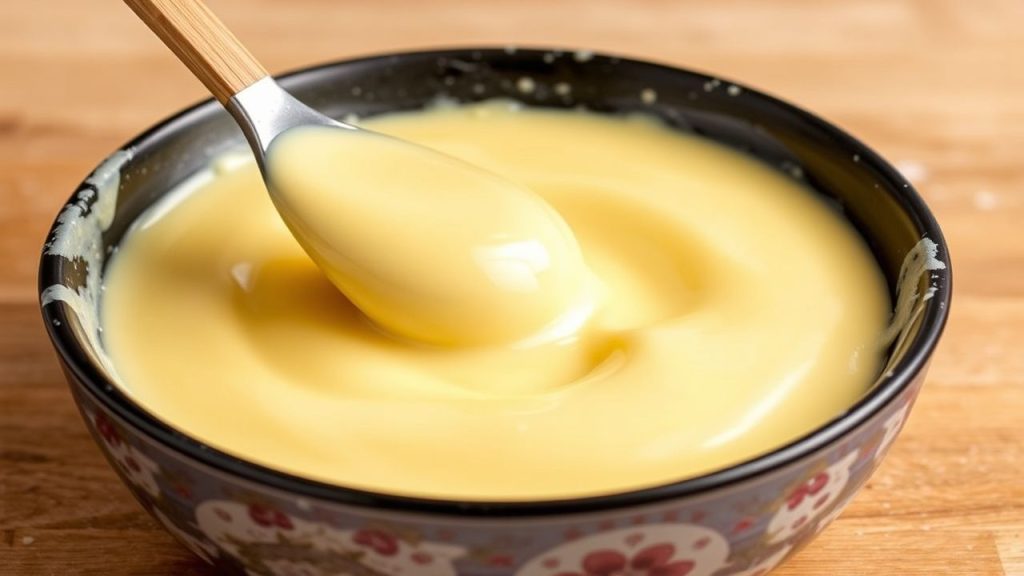
Balance viscosity carefully. Aim for a pourable batter that clings. Too thick traps excessive steam and cooks slowly; too thin soaks oil. Consistency like heavy cream is a reliable target.
Temperature control tips. Monitor oil between batches and recover heat before adding the next items. Frequent, small additions help maintain a stable oil temperature.
Flavor integration. Add dry spices to the flour mix so the seasoning disperses evenly without altering batter hydration. Acidic additions (small amounts of beer or lemon) can affect browning speed.
 Pro-Caution
Allow the oil to cool fully before disposal or filtration. Strain and store oil for reuse only if it shows no signs of breakdown—dark color or strong off-odors indicates replacement is necessary.
 Expert Insight
The Science Behind Batter Cooking: Speedy Sizzle Secrets in Action
Rapid surface sealing depends on a sharp temperature differential between cold batter and hot oil. When batter contacts oil, the water fraction flashes into steam and creates microscopic bubbles that lift and separate the batter, forming an airy crust.
This process ties directly to the Maillard reaction, which develops flavor during browning. Achieve even, flavorful browning by controlling sugar and protein exposure at the surface.
Heat transfer governs how quickly that outer layer sets, while the interior cooks by conduction. Understanding basic heat transfer principles helps predict how thick or thin your batter should be for a given item.
For frying mechanics, consult the science summarized under deep frying. That source outlines how oil circulation, temperature, and food moisture interact to determine texture and oil uptake.
Serving Suggestions
Serve battered items hot to maximize perceived crispness. Present on a wire rack to avoid steam re-softening the crust, and season immediately with flaky salt for an enhanced bite.
Pair with acidic or creamy dips to contrast fat. A squeeze of citrus or a bright vinaigrette cuts through richness and highlights the Maillard flavors generated during frying.
For presentation, garnish with fresh herbs and a light dusting of spice. Offer accompaniments that vary texture and temperature to create balance on the plate.
For technique expansion, consult internal resources such as frying techniques guide and our tempura preparation guide for specific batter styles and item-specific timing.
Nutrition
Estimated nutritional data depends on oil absorption and chosen ingredients. The table below gives a practical per-serving baseline for a typical fish-and-chip style portion.
| Nutrient | Per Serving |
|---|---|
| Calories | 320 kcal |
| Protein | 8 g |
| Carbohydrates | 35 g |
| Fat | 15 g |
Q&A
What causes the immediate sizzle when batter hits hot oil?
The sizzle comes from rapid vaporization of water in the batter as it contacts oil above the water’s boiling point. The steam escapes in bubbles and drives surface expansion and crisping.
This flash evaporation also briefly insulates the interior, allowing the exterior to set while the center cooks more gently by conduction.
How precise must I be with oil temperature?
Precision matters: a 10–20°F shift changes browning speed and oil uptake noticeably. Aim for 350–375°F (175–190°C) and adjust in small increments.
Use a probe thermometer and watch how test fritters behave; they reveal whether to raise or lower heat for consistent results.
Does flour type change cooking time?
Yes. Higher-protein flours strengthen gluten and can slow moisture escape, producing a slightly denser crust. Lighter flours and starches brown and crisp faster.
Mixing flours or adding cornstarch or rice flour can tune the texture toward flakier, crispier outcomes without extending cook time.
Can I speed up cooking without losing texture?
Speed relies on maintaining a hotter surface while avoiding surface burning. Use chilled batter, consistent oil heat, and small pieces to increase cook rate safely.
Avoid overcrowding; spacing items maintains oil temperature and ensures each piece crisps quickly and evenly.
How do I reduce oil absorption in batter-fried foods?
Prevent oil uptake by ensuring quick surface sealing: cold batter, hot oil, and correct batter viscosity are essential. Drain on a rack rather than paper to avoid re-wetting the crust.
Frequent oil maintenance—filtering and replacing degraded oil—also minimizes absorption and off-flavors.
Understanding these principles lets you adapt batter recipes and achieve predictable, fast, and flavorful results. Apply test batches, measure temperatures, and record small adjustments to create your ideal crisp every time.
See also: batter cooking
]]>