- Key takeaway: Precise lamination builds the physical layers that create flake.
- Key takeaway: Butter quality and temperature govern steam production and layer separation.
- Key takeaway: Controlled fermentation develops flavor and dough extensibility.
- Key takeaway: High initial oven heat creates lift; a short finish preserves color and crumb.
The Science Behind Crafting the Perfect Croissant Crust: Unlocking Layers and Fermentation
Crafting a reliable croissant crust needs measurable technique. Each action — mixing, resting, folding, proofing, and baking — affects the final texture and color.
Start by thinking in terms of physics and chemistry: trapped steam separates layers, enzymes and yeast build flavor, and browning reactions create color. Use that framework to troubleshoot.
Prep and Cook Time
Active prep: about 1 hour for mixing and shaping. Hands-on time concentrates early; most time is passive chilling and proofing.
Total time: plan 16 hours including overnight rests and proofing to let fermentation develop balanced flavor and elasticity.
- Preparation: 3 hours (active time: 1 hour)
- Fermentation (chilling between folds): 12–14 hours (overnight ideal)
- Baking: 18–22 minutes
- Total Time: Approximately 16 hours (including fermentation)
Yield
This formula yields 12 classic-sized croissants when you cut the dough into standard triangles and roll consistently. Scaling up requires proportional adjustments to butter and yeast.
For commercial batches, give extra attention to chilling and proofing consistency to maintain uniform lift across trays.
Difficulty Level
Advanced: this technique demands patience and attention to detail during lamination and proofing. Expect learning-curve variability in rise and flake when you first practice.
However, following precise temperatures and rest intervals reduces failures and improves repeatability for home bakers.
Ingredients
Use ingredients that support structure and flavor. For example, choose a moderate-protein bread flour for good gluten formation without toughness.
Here are the standard amounts for 12 croissants. Measure by weight for accuracy; scales beat volume for consistency.
- 500g bread flour, sifted
- 300ml whole milk, cold
- 50g granulated sugar
- 10g fine sea salt
- 15g instant dry yeast
- 250g unsalted butter, cold and firm (for lamination)
- 1 large egg (for egg wash)
- Optional: 25g melted butter for brushing after baking
Instructions
Follow these steps with attention to temperature control. Use a thermometer to keep dough and butter at target ranges.
Keep folds even and rest the dough between folds in the refrigerator to prevent butter migration.
- Prepare the dough: Combine flour, sugar, salt and yeast. Add cold milk gradually and mix until a rough mass forms.
- Knead and chill: Knead 4–6 minutes until smooth. Cover and refrigerate 1 hour to relax gluten and firm the dough for lamination.
- Prepare butter block: Pound cold unsalted butter between parchment into a 1 cm square block; chill until firm but pliable.
- Lock-in stage: Roll dough to a rectangle, place butter block in center and fold edges over to seal completely.
- First fold: Roll to a long rectangle and perform a letter (single) fold. Wrap and chill 1 hour.
- Repeat folds: Perform two more letter folds, chilling 1 hour between each. This creates the alternating fat-and-dough layers.
- Final shaping: Roll to ~6mm thickness, cut triangles and shape croissants. Place on parchment-lined trays and proof in a warm, humid spot until nearly doubled.
- Egg wash and bake: Brush with beaten egg and bake at 200°C (400°F) for 18–22 minutes until deep golden, rotating trays for even color.
- Finish: Optionally brush with melted butter for sheen. Cool slightly on racks before serving.
Chef’s Notes
Butter temperature: Target butter that yields a clean fold without cracking or oozing. Aim for firm but malleable.
Resting times: Longer chilling stabilizes layers and limits butter smear into dough. Err on the side of cooler, not warmer.
 Expert Insight
- Proofing environment: Keep proofing near 24°C with humidity to allow steady yeast activity without surface drying.
- Variations: Add high-quality chocolate or almond paste if desired, but avoid overloading the roll to preserve lift.
- Make-ahead: Shape and freeze trays, then bake from frozen with a few extra minutes in the oven.
Serving Suggestions
Serve croissants warm for best texture contrast between crust and crumb. They pair well with coffee or fruit preserves.
For savory service, fill halves with ham and Gruyère or use them to build composed sandwiches that highlight the pastry layers.
Understanding the Role of Butter Layers for Flakiness
Butter acts as the steam source and mechanical separator between dough layers. As the oven heats, water in butter vaporizes and forces layers apart.
Choose butter with a lower water ratio to reduce premature steam loss. For more context on butter composition, see butter on Wikipedia.
Mastering Dough Lamination Techniques for Optimal Texture
Lamination creates hundreds of alternating sheets; each fold multiplies layer count. Even pressure during rolling keeps layers uniform and prevents weak spots.
Compare lamination to techniques used for related pastries. For broader theory on laminated dough, consult the puff pastry page.
The Chemistry of Fermentation Impact on Crust Formation
Yeast fermentation generates carbon dioxide and minor alcohols that inflate layers and add flavor. Proper timing balances flavor with dough strength.
Fermentation also affects crust coloration through sugar availability that drives browning reactions. See the yeast article for fermentation mechanics and interactions.
Baking Temperature Secrets to Create that Golden Crisp Finish
Start at a high oven temperature to maximize steam production for lift, then lower slightly toward the end to avoid over-browning. This two-phase heat approach yields both height and color.
Watch for the Maillard reaction; it browns the crust and adds savory notes. For background on non-enzymatic browning, read the Maillard reaction entry.
Maintain consistent oven humidity and avoid opening the door early. Sudden heat loss can collapse the rising layers and flatten the crust.
 Pro-Caution
Practical Troubleshooting
If croissants lack lift, check yeast freshness and proofing conditions first. Slow or cold proofing yields under-expanded layers.
If layers fuse, reduce flour on the board and shorten rolling pressure. Excessive flour and heat both encourage layer adhesion.
Q&A
Below are concise answers to common technical questions about croissant crusts.
Use these points as quick checks during your next baking session.
Q1: What makes the croissant crust so flaky and crisp?
The layered structure separates under steam pressure during baking, producing the signature flake. Consistent folds and proper butter temperature keep these layers discrete.
Good lamination and a high initial oven temperature provide the mechanical lift necessary for crisp exterior and airy interior.
Q2: How important is butter quality for the crust?
Very important. Higher fat butter reduces water content and stabilizes the lamination. It also enhances flavor and mouthfeel.
European-style butter generally performs better for laminated dough because of its fat-to-water ratio.
Q3: Why does temperature control matter so much?
Temperature affects gluten elasticity, butter firmness and yeast activity. Each influences layer formation and oven spring.
Use refrigeration between folds and a cool laminating surface to avoid butter migration and layer collapse.
Q4: Does flour type change the crust texture?
Yes. Use a flour with moderate protein to develop enough gluten for structure while keeping tenderness. Too strong a flour yields a chewier crumb.
Adjust hydration slightly when swapping flour brands to maintain the dough’s handling characteristics.
Final Notes
Perfecting croissant crust takes repeatable technique and controlled variables. Track temperatures, resting times and fold counts to build a reliable process.
Apply the principles above in small practice batches. With measured adjustments, you will consistently produce flaky, golden croissants.
FAQ
How many folds are ideal for croissants?
Most classic recipes use three single (letter) folds or two book folds to create hundreds of layers. The ideal count balances layer number with dough strength.
Too many folds can overwork the dough; aim for a reproducible routine.
Can I use regular butter instead of European-style butter?
You can, but adjust expectations: standard butter often has higher water content and can reduce lamination stability. Compensate with stricter chilling.
When possible, test both and note differences in rise and flavor.
Is overnight refrigeration necessary?
Yes. Slow cold fermentation develops flavor and improves dough extensibility, which helps with lift and texture during baking.
Shorter rests produce acceptable results, but not the same depth of flavor or consistency.
How do I store baked croissants for the next day?
Store at room temperature in a paper bag for up to 24 hours to preserve crispness. Reheat briefly in a low oven to refresh texture.
Avoid airtight containers that trap steam and soften the crust.
Where can I read more about laminated dough theory?
Start with general pastry references and encyclopedia entries on laminated pastries and pastry chemistry. The croissant article on Wikipedia gives historical and technical context.
Combine reading with hands-on practice to connect theory to results.

| Nutrient | Per Croissant (Estimate) |
|---|---|
| Calories | 280 kcal |
| Protein | 6 g |
| Carbohydrates | 28 g |
| Fat | 15 g |
Apply these core principles consistently: control temperature, choose stable butter, and allow fermentation the time it needs. That approach turns repeatable technique into reliably flaky croissant crusts.
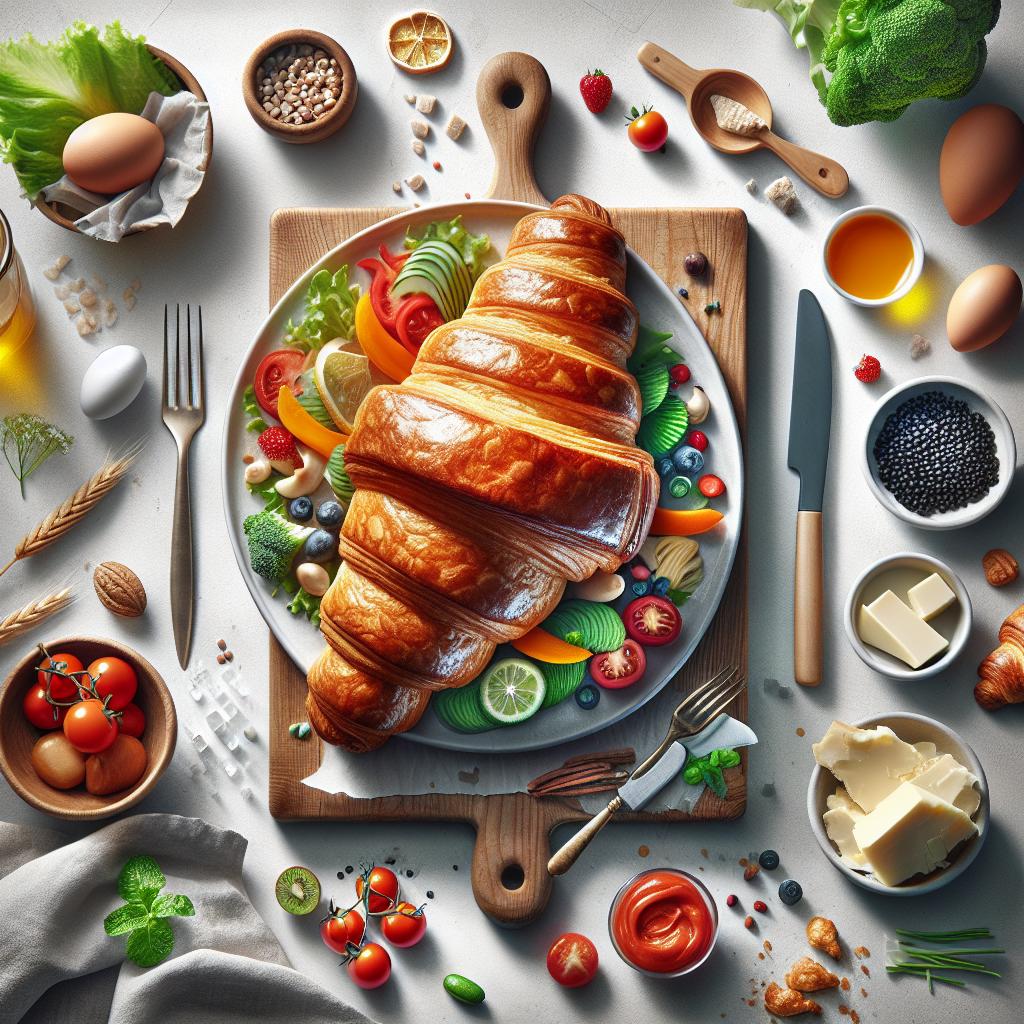
See also: croissant crust
]]>
- Preheat hard and long: a scorching surface is non-negotiable for oven spring.
- Match surface to style: steel for fast, crisp crusts; stone for moisture-managed texture.
- Maintain simply: no soap for porous stones, light wiping for steels preserves performance.
- Formula matters: hydration, fermentation, and handling determine how the crust reacts to heat.
Prep and Cook Time
Preparation: 20 minutes active work, plus dough rising time depending on fermentation method. Allow extra time for long, cold fermentation if you aim for deeper flavor.
Cook time: 8–12 minutes at 500°F (260°C) on a preheated surface, shorter if you use a steel and broil finish. Preheating the stone or steel for 30–45 minutes stabilizes floor heat and improves browning.
Yield
This recipe yields four 12-inch pizzas at the specified dough weight and hydration. Adjust dough portions to suit personal size or oven capacity.
Scale ingredients linearly to make more pies; rest and bench time remain constant per ball of dough. Consistent portioning gives predictable bake times and finish.
Difficulty Level
Medium: the methods require basic dough handling and timing skills, with attention to preheating and bake monitoring. Beginners can follow steps precisely to get consistent results quickly.
Practiced home bakers will find opportunity to tune variables such as hydration and fermentation length. Keep a small log of changes and outcomes to refine your approach systematically.
Ingredients
The ingredient list is purposefully simple to let heat and technique determine the final crust quality. Use reliable, measured ingredients and weigh flour and water for control.
- 500 g all-purpose flour, sifted optional but not required
- 325 ml lukewarm water (about 38°C)
- 7 g active dry yeast
- 10 g fine sea salt
- 15 ml olive oil, plus a drizzle before serving
- 200 g fresh mozzarella, torn
- 150 g drained crushed tomatoes
- Fresh basil leaves for garnish
- Coarse cornmeal for dusting the peel
If you prefer, substitute bread flour for added gluten strength and chew. For higher hydration doughs, expect a softer handling window and adjust dusting to avoid sticking.
Instructions
Follow these steps precisely and keep your workflow organized. The oven and surface must be at temperature before the pizza enters.
- Activate the yeast: dissolve 7 g active dry yeast in 100 ml lukewarm water and rest 5–10 minutes until foamy.
- Mix the dough: combine flour and salt, add the yeast mixture, remaining 225 ml water, and olive oil. Stir to a shaggy mass.
- Knead: 8–10 minutes by hand to form a smooth, elastic dough. Rest 10 minutes if it resists; short rests relax gluten for easier shaping.
- First rise: place dough in a lightly oiled bowl, cover, and ferment at room temperature 1–1½ hours until doubled. For more flavor, cold ferment 24–48 hours in the refrigerator.
- Preheat surface: position your stone or steel on the oven floor or lowest rack and heat at maximum oven temperature for 30–45 minutes.
- Shape: on a cornmeal-dusted peel, press or stretch dough to a 12-inch disc, leaving a slightly thicker rim for the crust.
- Top lightly: spread a thin layer of drained tomatoes, scatter mozzarella, and add a drizzle of olive oil. Less topping equals better bake performance.
- Bake: slide the pie onto the preheated surface and bake 8–12 minutes, rotating halfway. For steels, a quick broil at the end crisps the top and adds color.
- Finish: remove, add basil, slice, and serve immediately to preserve crisp texture.
Use a peel dusted with semolina or cornmeal for a reliable release. If a pizza sticks, lift the edge and slide flour under with a metal spatula to free it for the next bake.
Tips for Success: Seasoning and Maintaining Your Baking Surface
Steels benefit from a baked-on oil patina; coat lightly with a high smoke point oil then heat to build a stable, non-stick layer. Avoid thick oil layers which can become gummy and degrade performance.
Stones are naturally porous and do not require seasoning; they need thorough preheat and gentle cleaning. Never use soap on a stone, and avoid thermal shock by allowing slow cool-down after use.
Expert Insight
Store steels dry and free from corrosive salts; occasional wiping with a damp cloth and thorough drying after use prevents rust. If rust appears, scrub lightly, dry, and reseason with oil heated on the stovetop or in the oven.
Care and Safety
Handle hot stones and steels with care: they retain heat for a long time and can cause severe burns on contact. Use thick oven mitts and place hot surfaces on heat-safe stands or trivets when removed from the oven.
Do not expose ceramic stones to rapid temperature changes; cracking occurs when a cold object meets an extremely hot surface. Allow natural cooling to extend the lifespan of your baking surface.
Pro-Caution
The Heat Advantage: Why Choose Steel or Stone?
Steel delivers superior thermal conductivity and faster heat transfer, which produces a crispier bottom crust and shorter bake times. This physical property aligns with the needs of high-temperature baking where rapid moisture evaporation matters most.
Stone, typically made from cordierite or ceramic, absorbs moisture and maintains even heat distribution for a more gradual bake. That moisture management contributes to a slightly different texture favored in some traditional styles.
For technical background on the materials and mechanisms of heat transfer, see thermal conductivity and how it affects cooking surfaces. For context on traditional ovens and their thermal behavior, consult the oven entry.
Mastering Dough and Bake Times for Crispier, Tastier Pizza
Hydration, fermentation, and gluten development govern how dough reacts in extreme heat. A 65–70% hydration dough gives open crumb and sufficient structure; extend fermentation to build flavor and gluten without overworking the dough.
Cold fermentation for 24–48 hours increases enzyme activity and acid development, producing complex flavor while strengthening gluten. For practical dough mechanics, reference the general properties of dough and their handling implications.
Serving Suggestions
Serve pizzas straight from the peel to the board and slice hot for best texture. Pair with light salads and acidic accompaniments to balance the richness of cheese and crust.
Consider seasonal toppings and restraint: lighter toppings let the surface heat finish the crust properly. A basic arugula salad or roasted mushrooms preserve mouthfeel and highlight crust quality.
Nutrition
Calories and macronutrients depend on topping choices and slice size; the sample Margherita listed below gives a reasonable baseline. Use measured portions and ingredient labels to calculate exact values for dietary needs.
| Nutritional Info (per slice) | Calories | Protein | Carbs | Fat |
|---|---|---|---|---|
| Classic Margherita | 280 | 12 g | 32 g | 9 g |
To reduce calories, trim cheese or swap for a lower-fat mozzarella. To increase protein, add a lean topping after baking like prosciutto or grilled chicken.
Resources and Next Steps
For hands-on techniques dedicated to dough, visit the internal guide on advanced methods at perfect pizza dough techniques. That page contains measured long-fermentation schedules and hydration adjustments.
If you want a focused comparison and setup tips for steels and stones, see the internal reference pizza steel guide that explains rack placement and broiler strategies. Both internal pages help you iterate quickly with repeatable results.
FAQ
Why do professionals use stones and steels?
They reproduce the heat profile of a hearth floor by providing a concentrated, steady heat source beneath the dough. This improves oven spring and browning while stabilizing the base temperature across bakes.
See the general concept of pizza for how traditional ovens influence crust outcomes and why a heated floor is so effective.
Which is better: steel or stone?
Steel wins for speed and sharp crispness due to high thermal conductivity, while stone moderates moisture and yields a different mouthfeel. Choose steel if you want fast results; choose stone if you prefer gradual moist-to-crisp transition.
Your oven, dough formula, and preferred crust texture determine the optimal choice. Test both if possible and record bake times and outcomes to decide objectively.
How long should I preheat my stone or steel?
Preheat at max oven temperature for 30–45 minutes for stones and 20–40 minutes for steels; steels heat faster but benefit from time to stabilize with the oven chamber. Longer preheat increases predictability across bakes.
Use an oven thermometer to confirm actual temperatures; many home ovens run below labeled settings, and surface temperature matters more than ambient air temperature.
Can I use stones or steels for other baking?
Yes. Both excel for rustic breads, flatbreads, and items that benefit from strong bottom heat. The same conductive and radiant heat properties that crisp pizza improve crust and crumb on many baked goods.
Adjust loading and moisture expectations: bread loaves may require steam management, while thin flatbreads bake extremely quickly and need close monitoring.
How do I clean and maintain each surface?
For stones, scrape and brush; avoid soap to prevent flavor absorption. For steels, wipe and dry thoroughly, and reseason if rust appears.
Always allow gradual cooling after baking. Store stones and steels in a dry, stable place to minimize mechanical stress and corrosion.
Final Notes
Mastery of surfaces focuses on predictable heat, consistent dough, and careful handling. Combine a reliable formula with the right baking platform to achieve repeatable restaurant-quality results at home.
Use the internal dough and steel guides to iterate quickly and build a workflow that suits your oven and taste. With disciplined technique and proper surface care, every bake will improve.

See also: pizza stone
]]>