- Complete plant protein that holds up in many dishes.
- Fermentation-driven digestion benefits and reduced anti-nutrients.
- Versatile culinary uses from grilling to crumbling.
What is tempeh?
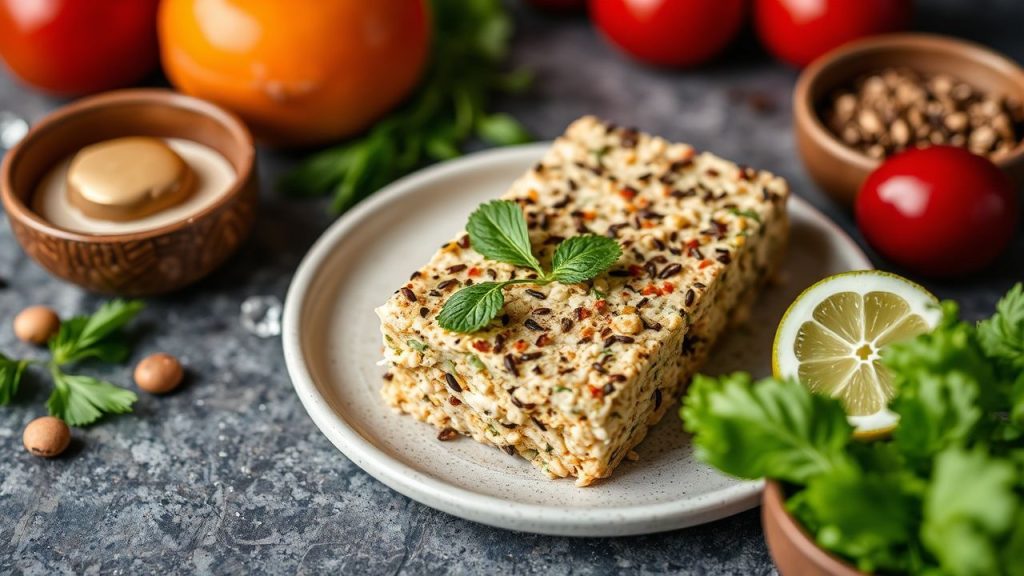
Tempeh is a traditional Indonesian soybean cake produced by fermenting cooked soybeans into a compact, sliceable block. The fermentation binds the beans and develops a savory, nutty aroma.
Manufacturers and home fermenters rely on controlled culture and time to shape texture and flavor. For background on the ingredient and regional history, see tempeh on Wikipedia.
How tempeh is made
The core method combines soaked soybeans, partial dehulling, cooking, and inoculation with a fungal culture. Then producers press and incubate the mix until a white mycelial network binds it into a firm cake.
That controlled fungal growth changes bean chemistry, reducing compounds that hinder mineral uptake. For technical context on fermentation in food, consult food fermentation research.
Fermentation process details
Producers use Rhizopus species as the dominant culture. The mold grows through the beans, generating enzymes that partially break down proteins and carbohydrates.
This enzymatic action increases free amino acids and short-chain peptides, improving flavor and digestibility. For genus-level information, see Rhizopus.
Common starter cultures
Commercial starters typically contain Rhizopus oligosporus or related strains optimized for safety and consistency. Home fermenters choose vetted starters to ensure a predictable outcome.
Temperature and humidity matter most during the 24–48 hour incubation window. Careful control prevents undesirable microbes and preserves the clean, tangy notes characteristic of quality tempeh.
Nutrition and evidence-based benefits
Tempeh supplies a concentrated dose of plant protein and fiber, often delivering roughly 15–20 grams of protein per 100 grams, depending on production. It provides essential amino acids, so it functions as a complete protein source for many diets.
Fermentation reduces phytic acid and other anti-nutrients, which improves mineral bioavailability. The process also introduces beneficial microbes and fermentation metabolites that support digestion and metabolic health.
Micronutrients: tempeh contributes B vitamins, magnesium, and calcium. In some batches, traces of vitamin B12 may appear when specific microbes are present; however, B12 content varies and should not be assumed without testing.
For foundational context on the soybean itself and its nutrient profile, see soybean.
Practical culinary uses
Tempeh accepts bold marinades and maintains texture under high heat. Slice it thin for sandwiches, cube it for stir-fries, or crumble it as a savory substitute in tacos and chili.
Techniques matter. Steam firmer blocks briefly to remove bitterness before sautéing. Then press or pan-sear to develop a caramelized exterior and deeper flavor.
 Expert Insight
Balance textures in a plate: pair tempeh with quick-cooked greens, whole grains, and a sauce that adds acidity. That contrast highlights tempeh’s savory backbone and improves meal satisfaction.
Storage, safety, and quality signals
Store unopened tempeh in the refrigerator for up to one week and freeze for longer shelf life. Once opened, keep it wrapped and use within several days to avoid off-odors.
Quality cues: a clean, mushroom-like aroma and firm white mycelium indicate healthy fermentation. Dark or colored spots, strong ammonia smell, or sliminess suggest spoilage and warrant disposal.
 Pro-Caution
When making tempeh at home, sanitize equipment and follow validated starter instructions. Monitor incubator temperature and avoid long exposure outside the recommended range.
Sustainable and dietary considerations
Tempeh offers a low-resource source of concentrated protein compared with many animal proteins. Its soybean base converts plant energy into dense nutrition efficiently.
For people reducing meat intake, tempeh supports protein goals while supplying fiber and micronutrients. However, consumers with soy allergies must avoid tempeh and select alternative legumes or mycoprotein sources.
Explore internal guides for recipe ideas and broader protein planning: tempeh recipes and plant protein guide. These internal resources provide tested techniques and meal plans to integrate tempeh into weekly cooking.
Common preparation mistakes and fixes
Many cooks under-season tempeh or skip the sear. Without proper browning, tempeh tastes flat and chewy. Always press and pan-sear after marinating for crisp edges.
Another frequent error is using very high heat too soon; that burns the exterior and leaves the center cold. Instead, moderate heat with a finishing blast produces even color and texture.
FAQ
Is tempeh suitable for non-vegetarians?
Yes. Many omnivores use tempeh as a meat alternative or complement. Its texture and umami make it adaptable in mixed-protein dishes.
Does tempeh contain probiotics?
Tempeh fermentation introduces beneficial microbes and metabolites. However, cooking will reduce live cultures, so raw or lightly cooked preparations retain more probiotic activity.
How do I substitute tempeh for meat in recipes?
Use a 1:1 volume substitution in many recipes. Crumbled tempeh works well in sauces and fillings, while sliced or cubed tempeh makes a hearty main when grilled or roasted.
Can I make tempeh at home safely?
Yes, with proper starter, clean equipment, and careful incubation you can. Follow manufacturer instructions and maintain recommended temperature ranges to prevent contamination.
Where can I buy tempeh?
Find tempeh at supermarkets, health food stores, and many Asian markets. Choose vacuum-packed or refrigerated blocks from reputable brands to ensure consistent quality.
Tempeh combines traditional technique and modern nutrition needs. When prepared and stored correctly, it delivers reliable protein, satisfying texture, and diverse culinary uses for many eating patterns.
See also: Tempeh
]]>