- Glutamate underpins umami and increases as tomatoes ripen and cheese ages.
- Cooking technique—gentle simmering and proper grating—releases more free glutamate into sauces.
- Smart pairing (acid balance, aged cheese, optional anchovy) amplifies savory perception without extra salt.
- Make-ahead resting deepens flavor through molecular interactions; reheat gently for best results.
Prep and Cook Time
Prep: 15 minutes | Cook: 25 minutes | Total: 40 minutes. These timings assume peeled, chopped tomatoes and standard stovetop equipment.
Allow extra time if you choose to refrigerate the sauce overnight; resting concentrates flavor and eases seasoning adjustments. Plan a short cool-down before storing to preserve texture and aroma.
Yield
Serves 4 hearty portions. The recipe produces enough sauce for pasta or as a topping for vegetables and proteins.
Scale quantities linearly: double tomatoes and oil for 8 portions, or halve for two. Keep seasoning proportional to taste and ingredient maturity.
Difficulty Level
Medium. This recipe suits home cooks who want to apply basic technique to extract maximal umami.
It requires attention to heat control and timing rather than advanced skills. Follow the steps and taste as you go.
Ingredients
Use high-quality components to leverage natural glutamate: ripe tomatoes and an aged hard cheese deliver the biggest impact. I list optional ingredients to boost savoriness without overwhelming the sauce.
Substitutes matter: avoid mild cheeses or underripe tomatoes if your goal is concentrated umami. See the list and notes below for specifics.
- 5 lbs ripe plum tomatoes, peeled and chopped
- 3 tbsp extra-virgin olive oil
- 1 small onion, finely diced
- 3 cloves garlic, minced
- 1 tsp sea salt
- 1/2 tsp freshly cracked black pepper
- 1 tsp dried oregano
- 1/4 cup aged Parmesan cheese, grated (Parmigiano-Reggiano preferred)
- 1 tbsp anchovy paste (optional; adds free glutamates)
- Fresh basil leaves for garnish
- 1 tsp balsamic vinegar (to enhance umami depth)
Instructions
Follow these steps for a tomato-Parmesan sauce that showcases glutamate. Read all steps before starting so you manage timing and heat correctly.
Adjust anchovy paste quantity to taste; it dissolves into the sauce and amplifies savory notes without a fishy character when cooked briefly.
- Prepare the tomatoes: Score an X on each tomato base and blanch briefly in boiling water, then plunge into ice water. Peel, core, and chop finely; set aside.
- Sauté aromatics: Heat oil in a medium saucepan over medium heat. Add diced onion and cook until translucent, about 5 minutes, stirring frequently to avoid browning.
- Add garlic and anchovy paste: Stir in minced garlic and anchovy paste. Sauté 1–2 minutes until fragrant but not browned to avoid bitter notes.
- Simmer tomatoes and seasonings: Add chopped tomatoes, sea salt, black pepper, and oregano. Reduce heat to low and simmer gently for about 20 minutes, stirring occasionally.
- Enhance umami: Stir in balsamic vinegar and half the grated Parmesan so it melts into the sauce for balanced depth. Taste and adjust salt and acidity.
- Finish and serve: Spoon sauce over freshly cooked pasta, roasted vegetables, or grilled protein. Sprinkle remaining Parmesan and garnish with basil and a lemon zest twist if desired.
Instruction Notes
Use a gentle simmer to encourage cell breakdown in tomatoes; this releases free glutamate without reducing volatile aromatics excessively. Rapid boiling drives off moisture and can flatten flavor.
Grate Parmesan finely; smaller particles disperse and deliver immediate flavor to each bite. If you plan to reheat, stir in extra cheese at the end of reheating to refresh the umami intensity.
Tips for Success
Technique and ingredient choice influence perceived umami as much as the ingredients themselves. Apply these practical tips to get consistent results.
Taste at key points: after simmering, after adding Parmesan, and before serving. Small adjustments to acid or salt dramatically change savory balance.
- Use ripe tomatoes: Fully ripened tomatoes contain higher levels of free glutamate. Choose in-season or vine-ripe fruit for best results.
- Choose aged cheese: Parmigiano-Reggiano releases free glutamate during aging; use aged, hard cheese rather than young, mild varieties.
- Try anchovy paste judiciously: It melds into sauces to provide umami depth without overt fishiness when cooked briefly.
- Slow simmer: Gentle heat helps break down tomato structure and concentrate savory compounds while preserving freshness.
 Expert Insight
A little patience improves flavor. Refrigerate the sauce and taste it cold the next day; you will notice deeper, more integrated savory notes after resting.
 Pro-Caution
Serving Suggestions
This sauce performs well with long pasta shapes that catch sauce or as a topping for roasted vegetables and grilled chicken. Finish with fresh basil and a light drizzle of olive oil to lift flavors.
For a simple composed plate, toss al dente spaghetti with sauce, reserve a bowl for extra sauce, and dust with additional grated Parmesan. Pair with a crisp white wine if desired.
Science of Glutamate and Umami
Umami results from specific receptor activation on the tongue by free glutamate and certain nucleotides. That molecular interaction produces the characteristic savory, mouth-filling sensation.
Glutamate appears in higher concentrations in ripened tomatoes and aged cheeses because of enzymatic protein breakdown. This process frees amino acids that directly stimulate taste receptors.
Key Concepts and Evidence
Glutamic acid chemistry explains why certain foods taste especially savory. For background on the taste category, see umami on Wikipedia.
For the molecule itself and its biochemical role, consult glutamic acid on Wikipedia. Both pages summarize peer-reviewed findings and receptor biology clearly.
To understand ingredient-specific contexts, read about tomato ripening on Wikipedia and Parmigiano-Reggiano on Wikipedia for aging processes that concentrate free amino acids.
Nutrition Snapshot
The sauce provides moderate calories with a mix of carbohydrates, protein, and fat. Protein derives partially from the cheese; glutamate itself serves taste rather than nutrition at culinary levels.
Per serving estimates: ~210 kcal, 8 g protein, 12 g carbohydrates, 14 g fat. Adjust based on portion size and added ingredients like pasta or oil.
Internal Resources
For related techniques and deeper guides, consult our internal pages on sauce-building and ingredient science. These links lead to additional recipes and technical notes housed on this site.
Explore these two resources for more context: The Magic of Umami-Enhancing Sauces and How Aging Cheese Concentrates Flavor. Both pages expand on practical steps and kitchen science.
FAQ
What is umami and how does it differ from other tastes?
Umami is the savory taste linked to amino acids such as glutamate and nucleotides. It differs from sweet, salty, sour, and bitter by creating a long-lasting, mouth-filling impression rather than a single, sharp sensation.
For a technical overview of taste classification, refer to the Wikipedia article on umami.
How does cooking change glutamate levels in tomatoes?
Cooking concentrates free glutamate by breaking cell walls and reducing water content, which increases perceived umami. Gentle simmering releases glutamates while preserving volatile aromas that contribute to overall flavor.
Excessive heat and long high-temperature cooking can degrade volatile compounds, so balance time and temperature to maximize savory complexity.
Is Parmesan the best cheese for umami?
Aged, hard cheeses like Parmigiano-Reggiano rank high in free glutamate because proteolysis during aging liberates amino acids. These cheeses deliver potent umami without adding excessive moisture.
Use authentic aged cheeses when you want a concentrated savory boost; younger cheeses supply texture and creaminess but fewer free glutamates.
Are there health concerns with dietary glutamate?
Naturally occurring glutamate in foods differs from isolated additives in perception but not chemistry. In typical culinary amounts, dietary glutamate poses no special health risk for the general population.
For context on public discussions around additives, read the Wikipedia page on monosodium glutamate to understand differences between MSG and food-borne glutamate.
How can I maximize umami in my home cooking?
Combine high-glutamate ingredients (ripe tomatoes, aged cheese), use gentle heat to release free amino acids, and balance with acid or sweetness. Small amounts of anchovy or mushroom can boost savoriness without overpowering the dish.
Reserve finishing touches—freshly grated aged cheese and bright herbs—until the end to preserve aromatics while delivering umami to the palate.
Final Thoughts
Understanding glutamate gives you practical leverage: ingredient choice and technique determine how savory a dish will taste. Ripe tomatoes and aged Parmesan provide a reliable foundation for umami-rich sauces.
Apply these methods and internal references to refine your approach. Taste intentionally, adjust with acid or aged cheese, and allow brief resting time for flavors to marry before serving.
See also: umami
]]>
- Balance beats complexity: pairings work when ingredients share or contrast complementary properties.
- Shared molecules aid harmony: common volatile compounds often create unexpected compatibility.
- Texture and temperature matter: they change how aromas release and how taste receptors respond.
- Testing refines intuition: small sensory trials expose weak links before service.
Principles of flavor matching
Flavor matching rests on two practical mechanisms: similarity and contrast. Similarity finds common aromatic or taste compounds and layers them. Contrast pairs opposing elements—sweet with salty, fatty with acidic—to highlight differences and create a clearer overall profile.
For chefs, the goal equals clarity. When you pair deliberately, you reduce competing signals and let a few strong notes drive the dish. These ideas reflect the core of modern food pairing research, which maps molecular overlaps between ingredients.
Chemistry behind perfect matches
The chemistry that governs pairing breaks into two visible categories: stable taste compounds (salt, sugar, acids, amino acids) and volatile aroma compounds that reach the nose. Together they create the sensation we call flavor.
Chefs exploit predictable chemical changes during cooking to generate appealing aromas and flavors. For instance, browning reactions and lipid breakdown create new molecules that can pair with plant-based aromatics or cheeses.
Maillard reaction and aroma development
The Maillard reaction produces dozens of aroma molecules as proteins and sugars react under heat. These products include pyrazines and aldehydes, which convey roasted, nutty, and savory notes.
When you understand the Maillard pathway, you can match roasted meat to ingredients that share or highlight those notes. For example, roasted nuts, browned butter, and toasted spices can reinforce Maillard-derived aromas.
Volatile compounds and their role
Volatile organic compounds (VOCs) determine the perception of aroma. VOCs release differently with heat, fat, and saliva. Managing their release changes how dominant a note feels on the plate.
For a technical view, review the role of volatile organic compounds in food aroma. That background helps you decide whether to serve an ingredient warm, cool, emulsified, or crisp to emphasize or mute specific VOCs.
Practical techniques to build reliable matches
Start small and test in isolation. Combine two elements first, then add a third. That stepwise approach reveals which component pulls the balance and which one requires adjustment.
Use acid to cut fat, salt to amplify sweetness, and aromatics to bridge textures. Simple swaps—baking instead of frying, finishing with a citrus oil—can alter volatile release and change the perceived relationship between ingredients.
Apply mise en place to flavor testing. Label small tasting spoons, record impressions, and repeat across heat levels. This methodical approach saves time and produces consistent results in the kitchen.
Also, consult curated content when you need inspiration. Our recipes and technique library contain tested pairings that illustrate these principles in practice. Use them as templates, not rules.
Expert Insight
Next, experiment with serving temperature. Warm sauces release more aromatics; chilled accompaniments mute volatile notes and sharpen contrasts. Control temperature deliberately to present the combination at its strongest point.
Sensory evaluation and human factors
Humans process taste and smell through both peripheral receptors and central interpretation. Memory, cultural exposure, and expectations modulate whether a pairing feels “right.” Therefore, include representative tasters when testing new matches.
Formal sensory panels use controlled conditions to isolate aroma from taste, or to measure hedonic response. For methods, read about sensory evaluation. Those protocols help you gather consistent feedback and avoid bias.
Also, texture transforms perception. A creamy element will make bitterness feel softer. A crunchy element will increase perceived freshness. Use contrast in mouthfeel as a practical control when a flavor pairing feels flat.
Pro-Caution
Common pairings and why they work
Certain combinations recur because of predictable chemistry. For example, chocolate with blue cheese shares specific pyrazines and fatty aroma molecules that create a perceived link between the two textures and tastes.
Similarly, citrus and roasted garlic pair because citrus acids balance savory sulfur compounds and lift the overall profile. Recognizing these repeatable links allows you to adapt pairings across cuisines.
Using contrast to highlight an ingredient
Contrast works when you need to spotlight a single component. Add acid to fatty proteins or a crystalline salt to highlight sweet-sour construction. These quick interventions increase perceived intensity without adding new flavors.
For example, a pinch of flaky salt on top of caramelized onions pulls forward sweetness and reduces cloying sensations. Apply contrast with restraint for the best effect.
Implementation checklist for cooks
Follow a compact workflow: identify the dominant note, choose a supporter that shares a molecular family or provides contrast, test at service temperature, and record the outcome. Repeat until the balance feels intentional.
Keep a small sensor kit: neutral crackers, plain water, and labeled spoons. These tools reset the palate between trials. They also let you test temperature and textural effects quickly during service.
FAQ
What does “perfect flavor matches” mean?
Perfect matches occur when ingredients enhance each other without clashing. The result feels cohesive: aromas align and no note overwhelms the rest. Chefs measure success through repeatable sensory response.
How do scientists study flavor matching?
Researchers combine chemical analysis of aroma compounds with controlled taste tests. They map shared molecules and then run human trials to confirm which overlaps translate into pleasing pairings. Labs often validate hypotheses using sensory panels.
Is there a formula for perfect pairings?
No single formula guarantees success, but two practical rules guide chefs: match shared aroma chemistry or apply deliberate contrast. These approaches reduce trial and error and increase the odds of a successful pairing.
How does culture influence pairing preferences?
Culture shapes the memory and expectation components of flavor. What tastes normal in one region might feel novel or uncomfortable in another. Yet the underlying molecular interactions remain consistent across populations.
Can understanding flavor science improve home cooking?
Yes. When home cooks learn which compounds or techniques link ingredients, they can create reliable combinations. Simple practices—temperature control, acid balancing, and stepwise testing—deliver measurable improvements.
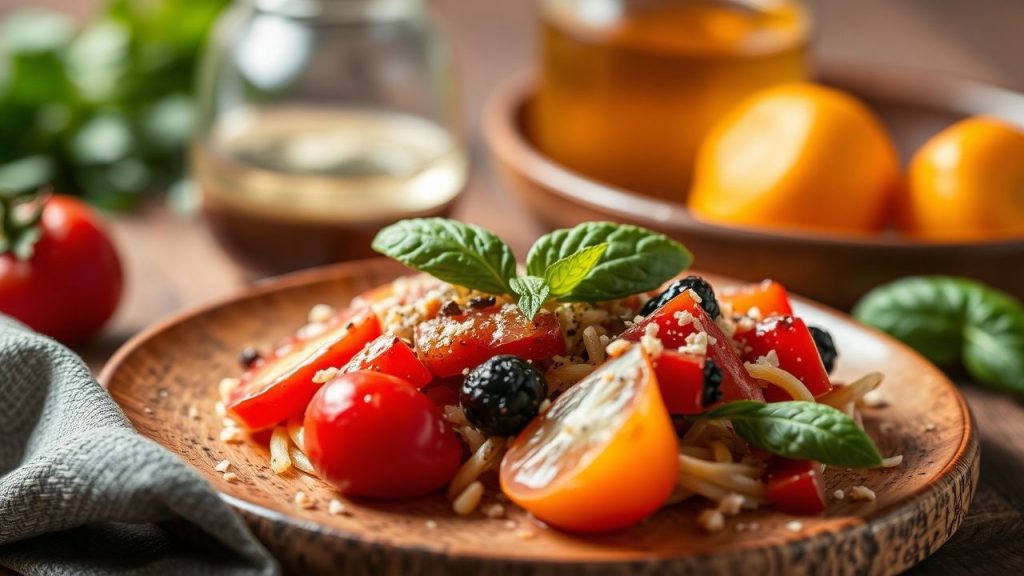
To deepen your practice, pair kitchen experiments with reference reading and controlled tasting. Use recipe templates in our recipe collection, and consult technique notes in the technique library to convert successful trials into reliable dishes.
See also: Flavor pairing
]]>