The Flavor Formula: Unveiling the Chemistry of Perfect Curry
Unlocking the magic of the perfect curry begins with truly understanding the role of spices. Each pinch, grind, and blend of these aromatic wonders brings a unique depth and complexity that transforms a simple dish into a culinary masterpiece. From the warmth of cumin to the brightness of coriander, knowing how to balance heat, sweetness, and acidity will guide your taste buds through a symphony of flavors that linger beautifully on the palate.
Prep and Cook Time
- Preparation: 20 minutes
- Cooking: 40 minutes
- Total Time: 1 hour
Yield
Serves 4 hearty portions
Difficulty Level
Medium – perfect for home cooks ready to explore flavor layering
Ingredients
- 2 tbsp ghee or vegetable oil
- 1 large onion, finely chopped
- 4 cloves garlic, minced
- 1-inch piece fresh ginger, grated
- 2 tsp cumin seeds
- 1 tbsp coriander powder
- 1 tsp turmeric powder
- 1 tsp garam masala
- ½ tsp freshly ground black pepper
- 1 tsp chili powder (adjust to heat preference)
- 1 can (14 oz) diced tomatoes, preferably no salt added
- 1 cup coconut milk or yogurt
- 500g chicken thighs, cut into bite-sized pieces
- 1 tbsp sugar or honey
- Juice of half a lemon
- Fresh cilantro, chopped for garnish
- Salt to taste
- Water or broth as needed
Instructions
- Bloom the spices: Heat the ghee in a large skillet over medium heat. Add cumin seeds and sauté until fragrant and some start to pop (about 30 seconds). This step unlocks their essential oils, intensifying the curry’s aroma.
- Build the base: Add the chopped onion and cook until golden brown, about 7-8 minutes, stirring regularly to avoid burning. Incorporate garlic and ginger, sautéing for a further 1 minute until aromatic.
- Layer your powders: Sprinkle in coriander, turmeric, garam masala, black pepper, and chili powder. Stir for 1-2 minutes to toast the spices without burning, allowing the flavors to meld deeply into the fat.
- Add the tomatoes: Pour in the diced tomatoes and simmer until they break down, thickening the sauce (8-10 minutes). This caramelization brings natural sweetness and acidity together.
- Simmer the protein: Add chicken pieces and stir to coat thoroughly with the spice-laden sauce. Pour in coconut milk and cover, simmering gently for 25 minutes, stirring occasionally. Adjust thickness by adding water or broth if needed.
- Final balancing act: Stir in sugar and lemon juice to balance heat and acidity. Taste and season with salt, gradually adjusting to preference. This harmony ensures a perfectly rounded curry flavor.
- Rest and garnish: Let the curry rest off heat for 5 minutes, allowing flavors to marry further. Garnish with fresh cilantro before serving.
Tips for Success
- Fresh spices matter: Use whole spices ground just before cooking for maximum aroma and impact.
- Layer slowly but surely: Cook each spice stage long enough to release flavors but not so long as to burn them; burnt spices taste bitter and ruin complexity.
- Adjust sweetness mindfully: Sugar and lemon juice balance the heat but avoid overpowering the natural tomato acidity.
- Make ahead: Curries often taste better the next day as flavors intensify. Store leftovers covered in the fridge for up to 3 days.
- Substitutions: Use Greek yogurt instead of coconut milk for a tangier profile, or swap chicken with chickpeas for a vegetarian option.
Serving Suggestions
Serve this curry steaming hot over a bed of fluffy basmati rice or with warm, buttery naan bread. A side of cooling cucumber raita or a fresh mango chutney enhances the spice balance beautifully. For an eye-catching finish, sprinkle additional chopped cilantro and a few toasted cumin seeds on top. A wedge of lemon alongside encourages diners to add a splash of bright acidity tailored to their taste.

| Nutrient | Per Serving |
|---|---|
| Calories | 420 kcal |
| Protein | 35 g |
| Carbohydrates | 10 g |
| Fat | 25 g |
For a deeper dive into spice science and culinary techniques, you can explore this insightful guide from Serious Eats. Also, discover more recipes that harness the same principles of balance and layering on our Spice Blends Collection.
Q&A
Q&A: The Flavor Formula – Unveiling the Chemistry of Perfect Curry
Q1: What makes curry such a universally beloved dish?
A1: Curry captivates the senses through a symphony of spices, textures, and aromas. Its universal appeal lies in its versatility and ability to balance heat, sweetness, acidity, and umami, creating a deeply satisfying flavor experience adaptable to countless cultures and ingredients.
Q2: How does chemistry play a role in crafting the perfect curry?
A2: Chemistry is the secret behind curry’s magic. The perfect curry emerges from reactions between spices, fats, heat, and moisture. Maillard reactions develop complex browned notes, while spice compounds like curcumin (from turmeric) and piperine (from black pepper) interact to enhance flavor and bioavailability, creating a harmonious and intense taste profile.
Q3: What are the key spice components that define curry’s flavor?
A3: Curry’s core is a blend often comprising turmeric, cumin, coriander, fenugreek, cloves, cinnamon, cardamom, and chili. Each spice contributes unique chemical compounds-volatile oils, phenols, and alkaloids-that bring brightness, warmth, bitterness, and pungency, interacting synergistically to form curry’s layered character.
Q4: Why is the order of adding spices important in a curry?
A4: Timing is chemistry in action. Toasting whole spices first awakens their essential oils, maximizing aroma and depth. Ground spices added later infuse the sauce without burning. This stepwise addition ensures optimal extraction of flavors and prevents bitterness, much like a carefully choreographed chemical dance.
Q5: How does fat influence curry’s flavor chemistry?
A5: Fat acts as both flavor carrier and reaction medium. It solubilizes fat-soluble spices like turmeric and chili, allowing their compounds to disperse evenly and penetrate proteins and vegetables. Additionally, fat participates in Maillard browning, deepening flavor complexity and mouthfeel, making curry lush and satisfying.
Q6: Can the acidity in a curry impact its flavor chemistry?
A6: Absolutely. Acidity from ingredients like tamarind, yogurt, or tomatoes brightens curry and balances richness. Chemically, acid can help break down tough fibers in meat or vegetables and modulate spice perception, tempering heat and enhancing overall harmony in the dish’s flavor profile.
Q7: How does simmering affect the chemistry of curry?
A7: Slow simmering encourages flavor molecules to meld and react. Heat gently breaks down starches and tough fibers, releasing natural sugars that contribute sweetness and depth. It also allows volatile compounds to infuse fully throughout the curry, creating a unified, rounded dish with complex layers of taste.
Q8: Is there a scientific way to customize curry heat levels without losing flavor?
A8: Yes! Capsaicin-the compound responsible for chili heat-is fat-soluble but less so in water. Balancing the ratio of chili with fats like ghee or coconut milk can modulate intensity while preserving flavor. Moreover, adding sweetness or acidity can mute heat perception chemically, letting you tailor spice levels with precision.
Q9: How do traditional cooking techniques enhance curry’s chemical complexity?
A9: Techniques like tempering (tadka), marinating, and slow cooking exploit chemical principles: heating in fat releases essential oils; marinating allows acid and enzymes to tenderize and flavor proteins; slow cooking evolves layered flavors through gradual chemical reactions, all culminating in curry’s signature depth.
Q10: What’s the ultimate takeaway from the chemistry behind perfect curry?
A10: Perfect curry is both art and science-a mindful balance of spice chemistry, heat control, fat interaction, and time. Understanding these molecular underpinnings empowers cooks to elevate a humble pot of spices into a transcendent feast of flavors, celebrating the alchemy of culinary chemistry.
The Conclusion
As we close the lid on the simmering pot of curry chemistry, it’s clear that perfecting this beloved dish is no mere accident of taste. The symphony of spices, the precise balance of heat and savor, and the intricate dance of molecular interactions all converge to create curry’s unparalleled allure. Understanding the science behind each ingredient not only deepens our appreciation but empowers us to craft curry that sings with flavor every time. So the next time you savor that rich, complex bite, remember-you’re tasting the beautiful fusion of art and chemistry simmered just right.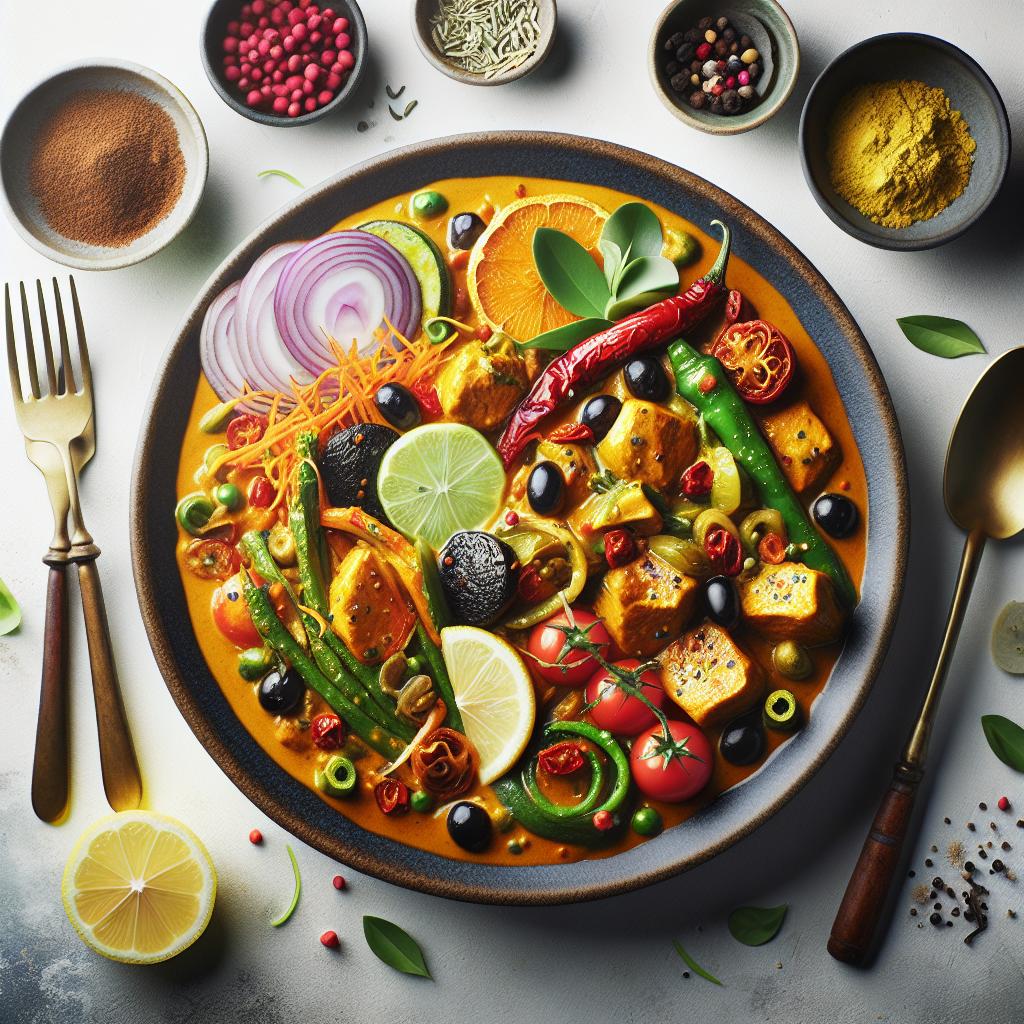
Mastering Flavor Extracts for Culinary Brilliance
Flavor Extracts Unveiled: The Essence Behind Every Taste opens the door to transforming your dishes from ordinary to extraordinary by harnessing pure, nuanced flavors. Whether you’re crafting homemade vanilla extract or carefully selecting the best commercial options, understanding extracts’ role elevates your cooking.
Prep and Cook Time
Preparation: 10 minutes (plus infusion time)
Cook Time: N/A (infusion duration varies from 4 to 8 weeks)
Yield
Makes approximately 1 cup (8 ounces) of extract, enough to flavor multiple recipes
Difficulty Level
Easy to Medium – requires patience but minimal active effort
Ingredients
- 1 cup vodka (or rum/ bourbon for richer tones, 80 proof or higher recommended)
- 3-4 whole vanilla beans, split lengthwise, seeds scraped (for vanilla extract)
- Optional flavor elements: fresh citrus peels, cinnamon sticks, mint leaves, or star anise (for customized extracts)
- Glass jar with tight lid, sterilized and dry
Instructions
- Prepare the flavor base: For vanilla, split the beans and scrape seeds. Place both seeds and pods into the glass jar. For other extracts, add your chosen aromatics.
- Combine with alcohol: Pour the vodka over the flavor components until fully submerged.
- Seal and shake: Secure the jar tightly, then shake gently to mix and saturate the solids.
- Infuse patiently: Store the jar in a cool, dark place. Shake once every 2-3 days to redistribute flavors. Infusion should last at least 4 weeks for vanilla, longer for deeper flavor complexity.
- Strain and bottle: Once the extract has reached desired potency, strain out solids through a fine mesh or cheesecloth. Transfer the clear extract to a smaller amber bottle.
- Label and store: Keep extracts refrigerated or in a dark pantry for up to a year for optimal freshness.
Tips for Success
- Use high-quality, alcohol-based spirits for clean extraction without overpowering the flavor essence.
- Experiment with multiple extract bases-vanilla paired with bourbon adds warmth, while rum infuses tropical depth.
- Patience pays off: the longer the infusion, the more concentrated and complex your extract will become.
- For artificial extract alternatives, note they often contain synthetic chemicals that may lack the rich mouthfeel of natural extracts-choose accordingly based on your recipe goals.
- Make extra batches to give as artisanal gifts, personalized with spices and notes.
Serving Suggestions
Incorporate your homemade extracts into custards, cakes, cookies, and even cocktails to impart authentic, layered flavor notes. A few drops of natural vanilla extract can elevate a simple bowl of fresh fruit or drizzle over homemade ice cream. Garnish desserts with complementary elements-such as a cinnamon stick or fresh mint leaf-to visually echo your flavor profile.

| Nutrient | Per Tablespoon |
|---|---|
| Calories | 30 |
| Protein | 0g |
| Carbohydrates | 1g |
| Fat | 0g |
For more inspiration on pairing natural flavor extracts with desserts, check out our Natural Flavors in Desserts guide. Dive deeper into the science of extraction from sources like ScienceDaily’s exploration of botanical extraction to understand the chemical magic.
Q&A
Q&A: Flavor Extracts Unveiled: The Essence Behind Every Taste
Q1: What exactly are flavor extracts, and why are they so important in cooking and baking?
A1: Flavor extracts are concentrated essences derived from natural sources such as fruits, herbs, spices, and nuts. They capture the quintessential character of an ingredient in liquid form, allowing chefs and bakers to infuse their creations with vivid, authentic flavors without the bulk or perishability of fresh items. Think of them as tiny bottles of magic that transform ordinary recipes into extraordinary taste experiences.
Q2: How are flavor extracts traditionally made?
A2: The classic method involves soaking a source ingredient-like vanilla beans, almonds, or peppermint leaves-in alcohol. This process, called maceration, draws out the subtle oils and compounds that create the ingredient’s signature aroma and taste. The alcohol acts as a solvent, preserving and intensifying these flavors, resulting in a concentrated liquid that’s both potent and shelf-stable.
Q3: Are all flavor extracts alcohol-based? Can they be used by people avoiding alcohol?
A3: While traditional extracts rely on alcohol, there are alcohol-free alternatives available, often made with glycerin or vinegar as the extracting agents. These work well for those sensitive to alcohol or for applications where alcohol’s taste might interfere. However, alcohol-based extracts generally provide a purer, more vibrant flavor profile due to alcohol’s superior extraction qualities.
Q4: What’s the difference between an extract, an essence, and a flavoring?
A4: Great question! An extract is typically a natural flavor obtained by soaking the source in alcohol. An essence can be a similar concept but sometimes implies a synthetic or concentrated oil representation of flavor. Flavoring is the broadest term and can refer to any substance-natural or artificial-used to impart flavor. In everyday cooking, though, these terms often overlap.
Q5: Why do recipes usually call for just a teaspoon or less of extracts?
A5: Because extracts are incredibly concentrated, a little goes a long way. Using too much can overpower the dish or introduce unwanted bitterness. A small amount is enough to impart that enchanting hint of vanilla, almond, or mint, making your food sing with flavor without overwhelming the palate.
Q6: Beyond baking, what are some creative uses for flavor extracts?
A6: Flavor extracts are surprisingly versatile! Chefs use them in savory dishes-imagine a touch of almond extract in a spicy Moroccan tagine or vanilla in a smooth butternut squash soup. Bartenders love adding extracts to cocktails for depth and complexity. They’re also great in homemade ice creams, sauces, salad dressings, and even personal care products like lotions and lip balms, where a hint of fragrance enhances the experience.
Q7: How should flavor extracts be stored to maintain their potency?
A7: To preserve their essence, extracts should be kept in a cool, dark place, tightly sealed to prevent evaporation or contamination. Unlike fresh produce, they don’t spoil easily but can lose intensity over years if exposed to heat or light. A pantry shelf away from the stove or sunlight is ideal.
Q8: Can flavor extracts elevate the quality of home-cooked meals?
A8: Absolutely! Even the simplest dish can benefit from a touch of expertly chosen extract. Think of it as a secret weapon-a tiny drop that amplifies flavors, adding layers of aroma and taste that transform humble recipes into gourmet delights. When used thoughtfully, extracts are the unsung heroes behind unforgettable meals.
Unlocking the mysterious allure of flavor extracts reveals how a small bottle holds the essence of a thousand tastes-inviting you to experiment, create, and savor the rich tapestry of flavor in every bite.
To Conclude
As we conclude our flavorful journey into the world of extracts, it’s clear that these tiny vials hold far more than just scent-they encapsulate history, science, and artistry in every drop. From vanilla’s warm embrace to the zesty burst of citrus and the exotic hints of spices, flavor extracts are the invisible architects behind the tastes we cherish. Next time you savor a baked good or a refreshing beverage, remember the secret essence that elevates each bite, turning simple ingredients into unforgettable experiences. Flavor extracts aren’t just additives; they are the essence behind every taste, quietly crafting the stories our palates tell.
Cracking the Code: How Our Brains Decode Flavor Signals
Cracking the Code: How Our Brains Decode Flavor Signals is not only a fascinating adventure into science but also a culinary journey that encourages us to deepen our sensory appreciation and creativity in the kitchen. Imagine enhancing your flavor detection skills with a recipe that stimulates your palate and brain, blending neuroscience with gastronomy. This dish, inspired by the intricate neural pathways behind taste perception, showcases how memory and emotion elevate flavor recognition, inviting you to savor every bite with heightened awareness.
Prep and Cook Time
Prep Time: 20 minutes | Cook Time: 15 minutes | Total Time: 35 minutes
Yield
Serves 4
Difficulty Level
Medium
Ingredients
- 2 cups cooked jasmine rice, cooled
- 1 tbsp coconut oil
- 1 small shallot, finely minced
- 2 cloves garlic, minced
- 1 tsp grated fresh ginger
- 1/2 cup diced pineapple, fresh or canned
- 1/2 cup chopped cashews, toasted
- 1 small red chili, thinly sliced (optional, for heat)
- 2 tbsp tamari or soy sauce
- 1 tbsp lime juice, freshly squeezed
- 1 tsp honey or agave nectar
- Fresh cilantro, chopped, for garnish
- Toasted sesame seeds, for garnish
Instructions
- Heat coconut oil in a large skillet over medium heat. Add the minced shallot, garlic, and ginger. Sauté until fragrant and golden, about 2-3 minutes, stirring frequently to prevent burning.
- Stir in diced pineapple and cook for another 3 minutes, allowing the natural sugars to caramelize lightly, enhancing the sweet notes to stimulate your flavor perception.
- Add the cooked jasmine rice to the skillet, breaking up any clumps. Sauté for 5 minutes, stirring regularly so each grain is coated and heated evenly. This step invites your brain to engage with the texture and aroma.
- Toss in chopped toasted cashews and sliced red chili if using. These introduce a crunchy contrast and a touch of heat that boosts sensory excitement.
- Mix tamari or soy sauce, lime juice, and honey in a small bowl. Pour over the rice mixture, stirring thoroughly to balance the salty, sour, and sweet taste dimensions. Simmer for 2 minutes to allow flavors to meld.
- Remove from heat and garnish with fresh cilantro and toasted sesame seeds before serving. The fresh herbs and nutty seed crunch add layers of complexity that your taste memory will latch onto with joy.
Tips for Success
- For a deeper umami flavor, replace coconut oil with toasted sesame oil but use it sparingly due to its strong aroma.
- If you prefer a vegan option, substitute honey with agave nectar or maple syrup to maintain natural sweetness.
- Use freshly cooked and cooled rice for the best texture; day-old rice works perfectly as it prevents mushiness and helps highlight the individual grains.
- Feel free to adapt the heat by adjusting or removing the chili, tuning the recipe to your personal spice sensitivity for optimal flavor detection.
- Make this a weeknight quick meal by preparing the aromatics and dressing ahead and keeping rice ready in the fridge.
Serving Suggestions
This vibrant dish pairs beautifully with a light cucumber salad to refresh the palate or a side of steamed greens seasoned with lemon zest. Serve in shallow bowls to maximize aroma diffusion as you indulge. For added indulgence, a drizzle of coconut cream or a sprinkle of crushed dried chili flakes invigorates the senses further. Enjoy it while deliberately savoring each mouthful, engaging your neural pathways to fully appreciate the nuanced harmony of flavors.
| Nutrient | Per Serving |
|---|---|
| Calories | 320 kcal |
| Protein | 7 g |
| Carbohydrates | 45 g |
| Fat | 9 g |

For a deeper dive into how the brain shapes taste, check out our related article The Neuroscience of Flavor and Food Enjoyment. To learn more about the fascinating science of taste perception, visit National Institute on Deafness and Other Communication Disorders.
Q&A
Q&A: Cracking the Code – How Our Brains Decode Flavor Signals
Q1: What does it mean when we say our brains “decode” flavor signals?
A1: Imagine your brain as a master codebreaker. When you eat, your taste buds send encrypted messages-flavor signals-up to your brain. Decoding these signals means your brain translates this complex sensory data into recognizable tastes like sweet, sour, salty, bitter, and umami, creating the vivid experience of flavor.
Q2: How do these flavor signals begin their journey?
A2: It all starts at the tongue’s surface, where specialized taste receptor cells detect molecules from food. Each receptor is like a lock that fits certain flavor “keys.” Once activated, these cells send electrical impulses as language to the brain’s taste centers, kicking off the delicious decoding process.
Q3: Is taste alone responsible for the flavor we perceive?
A3: Not at all! Flavor is a symphony of senses. While taste receptors handle the basic notes, smell, texture, temperature, and even sight contribute layers of nuance. Our brain skillfully blends these inputs, crafting a multi-dimensional flavor portrait far richer than taste alone.
Q4: What role does the brain play beyond simply receiving signals?
A4: The brain is both translator and storyteller. It doesn’t just receive signals-it contextualizes them based on past experiences, expectations, and emotions. This is why your favorite childhood dish tastes better or why nervousness might dull your flavor perception. The brain weaves flavor with memory and mood.
Q5: Are there differences in how individuals decode flavor?
A5: Absolutely. Genetic variations alter taste receptor sensitivity-some people are “supertasters,” experiencing flavors intensely, while others may find the same flavors muted. Cultural exposure and neural plasticity further shape how our brains interpret flavor signals over time.
Q6: How is this understanding of flavor decoding useful beyond curiosity?
A6: Unlocking the brain’s flavor code opens doors in health and technology. It aids in developing appetizing, nutritious foods or creating better flavor enhancers. It also supports therapies for taste disorders or appetite loss, improving quality of life through the power of flavor.
Q7: What’s the future of research in flavor decoding?
A7: The frontier is thrilling. Scientists are exploring how to map flavor perception at the neural level in real time, harnessing AI to predict flavor preferences, and even crafting virtual flavor experiences. Decoding flavor’s secrets not only feeds the mind but promises to transform how we taste the world.
Cracking the code of flavor is a journey into the brain’s remarkable capacity to transform molecules into memories, emotions, and joy-all within a single bite. Understanding this vibrant dance enlightens our appreciation for food and the incredible organ that flavors our lives.
In Retrospect
As we peel back the layers of how our brains decode flavor signals, we uncover a symphony of neural conversations that transform mere molecules into vivid sensory experiences. This intricate dance between taste buds and brain circuits not only shapes what delights our palate but also influences memory, emotion, and even decision-making. Understanding this complex code opens doors to innovations in food science, nutrition, and health, reminding us that flavor is far more than a simple sensation-it’s a fascinating dialogue written in biology and chemistry. So, next time you savor a bite, take a moment to appreciate the astonishing brainwork behind every flavor note, the true mastermind of our gustatory world.
Understanding Flavor Profiles to Create Perfect Pairings
Unlocking flavor magic: What is the food pairing theory? invites us to dive deep into the fascinating science behind why some ingredients merge so magically on our palate. Rooted in the molecular composition of foods, this theory highlights how complementary compounds can turn ordinary dishes into extraordinary taste experiences.
Prep and Cook Time
- Prep Time: 15 minutes
- Cook Time: 10 minutes
Yield
Serves 4 adventurous palates
Difficulty Level
Medium – perfect for curious home cooks ready to experiment!
Ingredients
- 200g fresh strawberries, hulled and halved
- 50g aged manchego cheese, thinly sliced
- 1 tsp black peppercorns, cracked (for seasoning)
- 2 tbsp balsamic reduction (store-bought or homemade)
- Fresh basil leaves, for garnish
Instructions
- Prepare the strawberries: Gently rinse under cold water and pat dry. Halve each berry to release their juicy aroma.
- Slice the manchego: Thin slices allow the cheese’s nuttiness to meld with the sweet tartness of the strawberries.
- Arrange on a serving plate: Alternate slices of strawberry and manchego in a visually appealing pattern, creating vibrant red and creamy white layers.
- Season with cracked black pepper: Sprinkle evenly to add subtle heat and deepen flavor complexity.
- Drizzle with balsamic reduction: This adds a glossy finish and balanced acidity that elevates the pairing.
- Garnish with fresh basil leaves: The aromatic herb brightens the dish and offers an herbal lift that contrasts beautifully with the creaminess and sweetness.
Tips for Success
- Substitutions: If manchego is unavailable, try pecorino or a mild goat cheese to maintain the creamy texture.
- Seasoning edge: Don’t skip the cracked black pepper; it’s the secret spice note that transforms this simple dish into a gourmet bite.
- Balsamic reduction shortcut: Simmer balsamic vinegar until thick and syrupy. This can be prepared ahead and stored refrigerated for up to two weeks.
- Experiment: Try adding a drizzle of good-quality olive oil or a sprinkle of toasted almonds for crunch and richness.
Serving Suggestions
This pairing shines as a sophisticated appetizer or a refreshing palate cleanser between courses. Serve on a rustic wooden board for a visually stunning display at dinner parties. Complement with a chilled glass of crisp white wine such as a Sauvignon Blanc to heighten the pairing sensation.

| Nutrient | Per Serving |
|---|---|
| Calories | 150 kcal |
| Protein | 6g |
| Carbohydrates | 12g |
| Fat | 8g |
To deepen your understanding of pairing fundamentals, check out our article on ingredients and flavor matching. For further insights from food science experts, visit ScienceDaily’s coverage on flavor pairing.
Q&A
Q&A: Unlocking Flavor Magic – What Is the Food Pairing Theory?
Q1: What exactly is the Food Pairing Theory?
A1: At its core, the Food Pairing Theory is a culinary concept that explores why certain foods taste incredible together. It suggests that ingredients sharing similar flavor compounds create delicious, harmonious combinations. Think of it as nature’s own secret recipe for flavor alchemy!
Q2: How does the Food Pairing Theory work?
A2: Using chemistry and sensory science, the theory maps out the molecular makeup of foods. When two ingredients have overlapping flavor molecules, their tastes blend seamlessly, amplifying and complementing each other. It’s like a molecular matchmaking of tastes that sparks magic on your palate.
Q3: Can you give an example of classic food pairings explained by this theory?
A3: Absolutely! Take chocolate and coffee – both contain shared aromatic compounds such as pyrazines and phenols, which create that rich, deep flavor experience. Or consider strawberries and basil, linked by their shared esters and aldehydes that offer a fresh, fruity-herbaceous burst.
Q4: Does the Food Pairing Theory challenge traditional cooking wisdom?
A4: Sometimes it does! It can validate old favorites or inspire unexpected combinations like white chocolate and caviar or blue cheese and dark chocolate. Chefs and food scientists use the theory to push boundaries, proving that adventurous palates can discover unusual, yet delightful, taste partnerships.
Q5: How can home cooks apply the Food Pairing Theory in their kitchens?
A5: Home cooks can experiment by pairing ingredients with overlapping flavor profiles. Apps and databases based on food pairing science can guide you – for example, mixing apple with rosemary or tomato with chocolate. It encourages creative freedom to build new dishes from shared flavor molecules!
Q6: Is Food Pairing Theory only about taste?
A6: Not quite! While flavor is the spotlight, the theory also touches on aroma-since smell and taste are deeply connected. By unlocking the chemistry behind what we taste and smell, food pairing theory enriches our sensory dining experience and turns cooking into a tasty science.
Q7: Where does this theory come from?
A7: The modern Food Pairing Theory was popularized in the early 2000s by Dutch chefs and food scientists who used gas chromatography and mass spectrometry to analyze food aromas. Their groundbreaking work helped revolutionize both culinary arts and food science, blending creativity with chemistry.
Q8: What’s the future of Food Pairing Theory?
A8: The future looks flavorful! Advances in technology are opening doors for personalized food pairing based on genetics and preferences, sustainable ingredient combinations, and even discovering new natural flavor sources. The theory continues to inspire chefs and food lovers to unlock infinite flavor possibilities.
With the Food Pairing Theory, cooking transforms into a fascinating journey through the molecular world of flavor – proving that behind every great dish lies a sprinkle of science and a dash of magic!
Closing Remarks
As we peel back the layers of the food pairing theory, what emerges is nothing short of culinary magic-a symphony where science and creativity dance on our taste buds. Understanding the secrets of shared flavor compounds invites us to explore beyond tradition, encouraging bold combinations that surprise and delight. Whether you’re a home cook or a professional chef, embracing this theory opens a new dimension in the quest for unforgettable meals. So next time you reach for that unexpected ingredient, remember: you’re not just mixing flavors, you’re unlocking a world of delicious possibilities.
Flavor Unveiled: How Cooking Transforms Carrot Taste reveals the magical chemistry that elevates simple carrots into a symphony of natural sweetness and depth. As the heat caresses their cellular walls and time dances in the pan, carrots undergo a remarkable metamorphosis, unlocking sugars and complex flavor compounds that make every bite a celebration of earth’s bounty.
Prep and Cook Time
- Preparation: 10 minutes
- Cooking: 30 minutes
- Total Time: 40 minutes
Yield
Serves 4 as a side dish
Difficulty Level
Easy to Medium
Ingredients
- 1 lb (450g) fresh carrots, peeled and sliced diagonally into 1/4-inch pieces
- 2 tbsp unsalted butter
- 1 tbsp olive oil
- 1 tbsp brown sugar
- 1/2 tsp ground cinnamon
- 1/4 tsp freshly ground black pepper
- 1/2 tsp sea salt, or to taste
- 2 tbsp fresh orange juice
- 1 tsp finely grated orange zest
- 2 tbsp chopped fresh parsley, for garnish
Instructions
- Prepare the carrots: Rinse and peel the carrots. Slice them diagonally into uniform 1/4-inch pieces to ensure even cooking and maximum surface exposure to heat.
- Heat the fat: In a large non-stick skillet, combine 2 tbsp unsalted butter and 1 tbsp olive oil over medium heat. The blend of butter and oil prevents burning while adding rich flavor.
- Sauté the carrots: Add the carrots to the pan once the butter mixture is hot but not smoking. Stir to coat evenly, then let cook undisturbed for 3 minutes. This initial sear encourages caramelization, the key step in unlocking sweetness.
- Season and sweeten: Sprinkle 1 tbsp brown sugar and 1/2 tsp sea salt over the carrots. Toss gently. The brown sugar amplifies natural sugars through Maillard reactions and gentle caramelization.
- Add spices and flavors: Stir in 1/2 tsp cinnamon and 1/4 tsp black pepper to layer warm, aromatic notes that complement carrot’s earthiness without overpowering it.
- Introduce orange: Pour 2 tbsp fresh orange juice and add 1 tsp orange zest. The citrus brightens the dish while the acidity balances the sweet and savory components.
- Cover and simmer: Reduce heat to low and cover the skillet. Let the carrots gently steam for 15-20 minutes, stirring occasionally to prevent sticking. This slow cooking softens the fibers and allows sugars to further develop deep, luscious flavors.
- Finish and garnish: Remove the lid, increase heat to medium, and cook uncovered for an additional 5 minutes to evaporate excess moisture, concentrating flavor and giving a slight glaze.
- Plate and serve: Transfer carrots to a serving dish and garnish with fresh parsley for a burst of color and freshness.
Tips for Success
- Even slicing matters: Uniform pieces ensure consistent cooking and caramelization, which unlocks that perfect natural sweetness.
- Patience is key: Avoid rushing the simmering phase. Low, slow heat lets the sugars develop fully without burning, creating a rich, buttery glaze.
- Substitute flavors: For a different twist, try swapping cinnamon for smoked paprika or adding minced garlic in the early sauté stage.
- Advance prep: Cooked carrots can be refrigerated for up to 3 days and gently reheated with a splash of orange juice to refresh flavors.
- Texture balance: For added crunch, sprinkle toasted pecans or walnuts just before serving.
Serving Suggestions
This caramelized carrot dish shines as an elegant side to roasted poultry or grilled fish. For a comforting vegetarian plate, pair it with creamy mashed potatoes or a warm quinoa salad. Garnish with chopped fresh parsley or a few sprigs of thyme to add fresh aromatic intrigue. A drizzle of honey or a light brush of browned butter can further amplify the natural sweetness and glossy finish.

| Nutrition (per serving) | Amount |
|---|---|
| Calories | 120 kcal |
| Protein | 1.5 g |
| Carbohydrates | 15 g |
| Fat | 7 g |
To deepen your culinary knowledge, check out our Ultimate Guide to Vegetable Roasting here on our site. For scientific insight on carrot sugar chemistry, the NCBI study on sugar transformation during cooking is an excellent resource.
Q&A
Q&A: Flavor Unveiled: How Cooking Transforms Carrot Taste
Q1: Why do carrots taste sweeter after cooking?
A1: Cooking carrots breaks down their tough cell walls and converts starches into simple sugars, making their natural sweetness more pronounced. The heat gently caramelizes the sugars, creating a mellower and richer flavor profile than raw carrots.
Q2: Does the cooking method influence the flavor transformation?
A2: Absolutely! Roasting, steaming, boiling, and sautéing each yield unique flavor nuances. Roasting tends to amplify sweetness and add a smoky note via caramelization, while steaming preserves a fresh, slightly earthy taste with a tender texture. Boiling can mellow the flavor but sometimes lessens vibrancy, and sautéing adds a delightful nutty undertone.
Q3: How does cooking affect the texture of carrots alongside their taste?
A3: Cooking softens carrots by breaking down cellulose and pectin in the cell walls, transforming their crisp crunch into a pleasantly tender bite. The texture change complements the enhanced sweetness and nuanced flavors, providing a more satisfying mouthfeel.
Q4: Are there nutritional changes linked to the flavor transformation?
A4: Yes! Cooking can increase the bioavailability of some nutrients, like beta-carotene, which contributes to carrots’ vibrant color and health benefits. However, water-based methods like boiling may cause some water-soluble vitamins to leach out. The flavor shift also signals complex chemical changes that impact both taste and nutrition.
Q5: Can cooking carrots bring out hidden flavor notes not found in raw carrots?
A5: Indeed, cooking unlocks subtle earthy, nutty, and even caramel-like notes hidden beneath the fresh, grassy taste of raw carrots. These complex flavors result from Maillard reactions and caramelization, processes that happen only under heat and add depth and warmth to the carrot’s personality.
Q6: How can understanding this flavor transformation improve cooking at home?
A6: Knowing how heat alters carrot taste empowers cooks to choose the right cooking method for the desired flavor and texture. Want a sweet, caramelized side? Roast those carrots. Craving a delicate, mild dish? Steam or blanch them gently. This science of transformation invites creativity and precision in the kitchen.
Q7: Does adding spices or herbs change how cooking alters carrot flavor?
A7: Yes, spices and herbs interact beautifully with the flavors released during cooking. Warm spices like cinnamon or cumin enhance the carrot’s natural sweetness, while fresh herbs like thyme or parsley add brightness and balance. Cooking merges these elements into a harmonious taste symphony.
Q8: What’s the takeaway about carrots and cooking for food lovers?
A8: Cooking is an unveiling process, revealing the carrot’s rich, sweet, and complex personality beyond its humble raw state. By understanding how heat transforms this vibrant root, food lovers unlock new culinary dimensions, turning a simple veggie into a star flavor ambassador on any plate.
Future Outlook
As the final sizzle fades and the aromatic steam settles, we uncover the true magic hidden within the humble carrot. Cooking is not merely a method-it’s a transformative journey that teases out sweetness, softens earthiness, and reveals layers of flavor that raw carrots quietly conceal. Whether roasted to caramelized perfection, gently steamed to vibrant tenderness, or sautéed with a hint of spice, the humble carrot emerges as a testament to how heat and time can unveil culinary wonders. So next time you reach for this unassuming root, remember: cooking doesn’t just change the carrot; it invites you to savor its fullest, richest self.
Flavor Test: Garlic’s Journey from Raw to Roasted Bliss
Flavor Test: Garlic’s Journey from Raw to Roasted Bliss reveals the fascinating transformation of garlic’s pungent, sharp character into a mellow, sweet, and savory delight. This culinary journey captures how heat not only softens garlic’s texture but also unlocks layers of complex flavor that elevate any dish. Whether you’re new to roasting or a seasoned cook, understanding this process will inspire you to master garlic roasting and add irresistible depth to your everyday meals.
Prep and Cook Time
- Preparation: 5 minutes
- Cooking: 40 minutes
- Total Time: 45 minutes
Yield
- Yield: Roasted garlic from 1 whole bulb (about 8-10 servings)
Difficulty Level
- Difficulty: Easy
Ingredients
- 1 whole bulb of garlic, top trimmed to expose cloves
- 2 tablespoons extra virgin olive oil
- Salt (a pinch)
- Optional: Fresh herbs (thyme or rosemary sprigs) for aroma
Instructions: Mastering Roasted Garlic
- Preheat your oven to 400°F (200°C). Line a small baking dish with foil for easy cleanup.
- Prepare the garlic bulb: Remove loose outer layers of the garlic bulb skin, leaving the bulb intact. Using a sharp knife, trim about 1/4 inch from the top of the bulb to expose the tops of individual cloves.
- Place the garlic bulb in the foil-lined dish, cut side up. Drizzle evenly with 2 tablespoons of olive oil, ensuring the exposed cloves are coated. Sprinkle lightly with salt and tuck in optional fresh herbs if desired.
- Wrap the garlic bulb loosely with foil to trap steam, then bake for 35-40 minutes. Check doneness by gently squeezing a clove through the skin; it should be soft, golden, and spreadable.
- Allow the garlic to cool slightly before handling. Squeeze or scoop cloves out with a small spoon-now sweet, buttery, and mellow, perfect for spreading or adding to dishes.
Tips for Success When Roasting Garlic
- Choose firm, plump garlic bulbs for the best flavor and texture after roasting.
- Don’t over-bake; the ideal roasted garlic should be tender but not mushy or burnt.
- For a quicker roast, halve the bulb crosswise but watch closely to avoid drying out.
- Store leftover roasted garlic in an airtight container in the fridge, submerged in olive oil, for up to 1 week.
- Use roasted garlic as a natural flavor enhancer in sauces, mashed potatoes, dressings, or simply spread on toasted bread.
Serving Suggestions to Elevate Your Dishes
Roasted garlic’s caramelized sweetness pairs marvelously with a variety of dishes. Spread it on warm crusty bread with a drizzle of olive oil and fresh herbs for a quick appetizer. Mash it into creamy mashed potatoes for a comforting side, or blend into soups for an added depth of flavor. Garnish pasta and grain bowls with a dollop of roasted garlic purée and sprinkle bright, chopped parsley or chives on top for contrast and freshness.

The Science Behind the Garlic Transformation
Roasting catalyzes the Maillard reaction and caramelization within garlic cloves. As heat breaks down harsh sulfur compounds, the flavor profile shifts from sharp and pungent to sweet and nutty. This chemical change also softens the fiber inside the cloves, making roasted garlic not only rich in flavor but velvety in texture.
| Nutrient | Amount (per bulb) |
|---|---|
| Calories | 150 kcal |
| Protein | 6 g |
| Carbohydrates | 33 g |
| Fat | 15 g (mainly from olive oil) |
Discover more about the chemistry of garlic in cooking for deeper insights.
Looking to pair your roasted garlic with other bold flavors? Check out our roasted vegetable recipes for scrumptious ideas to build a meal bursting with complementary tastes and textures.
Q&A
Q&A: Flavor Test – Garlic’s Journey from Raw to Roasted Bliss
Q1: Why does raw garlic taste so sharp and intense?
A: Raw garlic packs a pungent punch because of a sulfur compound called allicin. When you crush or chop garlic, enzymes transform alliin into allicin, delivering that fiery, zesty bite that wakes up your taste buds instantly.
Q2: How does roasting transform garlic’s flavor?
A: Roasting garlic gently mellows its aggressive sharpness and brings out a rich, caramel-like sweetness. The heat breaks down sulfur compounds, turning them into sugars and creating a lush, buttery texture and deep, nutty aroma. It’s garlic’s glow-up moment.
Q3: Is there a difference in texture between raw and roasted garlic?
A: Absolutely. Raw garlic is crisp and crunchy with a spicy zing, while roasted garlic becomes soft, spreadable, and almost creamy. This textural shift allows it to be used in totally different ways-from a bold addition in salads to a luscious spread on bread.
Q4: Can garlic’s flavor change depending on how it’s roasted?
A: Yes! Low and slow roasting produces a gentle, sweet garlic that’s almost jammy, whereas higher temperatures can yield a smoky, deeper flavor. Time and temperature let you tune garlic’s character from subtle background notes to star performer status.
Q5: How can experimenting with garlic’s flavor enhance everyday cooking?
A: Understanding garlic’s flavor journey empowers you to match it to your dish’s mood. Want a zesty crunch? Raw garlic is your ally. Craving warmth and comfort? Roasted garlic adds luxurious depth. This versatility helps elevate simple recipes into memorable meals.
Q6: Any tips for roasting garlic to perfection?
A: Slice the top off a whole bulb, drizzle it with olive oil, wrap in foil, and roast at 350°F (175°C) for about 40 minutes-until cloves are golden and tender. Let it cool before squeezing the silky cloves out. Experiment with seasonings like thyme or rosemary for added flair.
Q7: What’s your favorite way to enjoy roasted garlic?
A: Spread it straight onto warm, crusty bread for an irresistible snack or blend it into mashed potatoes for creamy, savory magic. Roasted garlic also works wonders stirred into soups, sauces, or even a simple pasta dish to impart depth beyond ordinary seasoning.
Insights and Conclusions
As we close the chapter on garlic’s transformative journey from its sharp, fiery raw state to the mellow, caramelized depths of roasted bliss, one truth becomes clear: garlic is more than just a kitchen staple-it’s a flavor chameleon. The alchemy of heat softens its bite and unlocks hidden layers of sweetness and complexity, inviting cooks and food lovers alike to experiment boldly. So next time you reach for those pungent cloves, consider the magic roasting can weave, turning simple garlic into an unforgettable culinary experience. Whether raw or roasted, garlic continues to be a timeless protagonist in the story of flavor.
Q&A
Q&A: Unlocking Taste – The Magic Behind Flavor Extracts Explained
Q1: What exactly are flavor extracts, and why do they hold such culinary magic?
A1: Flavor extracts are concentrated liquid essences distilled from natural ingredients like vanilla beans, almonds, or citrus peels. Think of them as tiny flavor wizards – a few drops can transform plain batter or bland sauces into taste explosions, adding depth, aroma, and character without the bulk.
Q2: How are flavor extracts made? Is there a secret recipe?
A2: The magic often begins with alcohol, which acts like a flavor sponge, drawing out essential oils, aromas, and compounds from plants and spices. The process can be as simple as soaking vanilla beans in vodka for weeks, allowing the alcohol to pull out that rich, creamy essence. Sometimes, steam distillation or cold pressing join the party, resulting in the bottled potions we adore.
Q3: Why is vanilla extract considered the queen of flavor extracts?
A3: Vanilla carries an almost mystical charm – its warm, sweet aroma instantly evokes comfort and indulgence. Beyond taste, vanilla’s complexity enhances other flavors, smoothing rough edges and marrying ingredients like a culinary diplomat. Its versatility makes it a staple in cakes, ice creams, coffee, and even cocktails.
Q4: Can flavor extracts be used beyond baking?
A4: Absolutely! Flavor extracts are culinary chameleons. Chefs sprinkle them into marinades, dressings, and even savory dishes to add unexpected layers. A hint of lemon extract can brighten seafood, while almond extract might jazz up a green salad dressing. They also shine in homemade beverages, from flavored sodas to craft cocktails.
Q5: Are natural flavor extracts better than artificial ones?
A5: Natural extracts offer complex, nuanced profiles because they capture a symphony of compounds from the original plant. Artificial extracts mimic just one or two dominant flavor molecules, which can be less rich or authentic. However, both have their place – artificial extracts are affordable and consistent, while natural extracts bring depth and artisanal charm.
Q6: How should flavor extracts be stored to keep their magic alive?
A6: Treat them like little treasures! Keep flavor extracts in cool, dark places, tightly sealed to prevent evaporation or oxidation. Avoid direct sunlight and excessive heat, which can degrade their potency and aroma. A sealed cabinet or pantry away from the stove usually does the trick.
Q7: Can you create your own custom flavor extracts at home?
A7: Yes! Crafting homemade extracts is like botany meets alchemy. Choose your favorite herbs, spices, or fruits, submerge them in vodka or another high-proof spirit, and let time do its work. Patiently wait for weeks or months, then strain and bottle your unique concentrate – perfect for personalized culinary adventures.
Q8: How do flavor extracts impact the final taste of dishes compared to fresh ingredients?
A8: While fresh ingredients bring brightness and texture, extracts deliver concentrated intensity and aromatic finesse. They’re especially handy when fresh options are out of season or inconvenient. Extracts can amplify and stabilize flavors, ensuring that each bite bursts with consistent deliciousness.
Q9: Are there any flavor extracts beyond the usual vanilla, almond, and lemon?
A9: Oh, the flavor universe is vast! From rose and lavender to coconut, mint, and even smoky chipotle, flavor extracts encompass a rainbow of tastes. Exotic extracts like yuzu or cardamom open doors to global cuisines, inviting adventurous cooks to experiment and innovate.
Q10: What’s the secret to using flavor extracts effectively?
A10: Less is often more. A few drops can go a long way, so start small and build gradually. Understanding your recipe and the flavor profile you want to achieve is key. When balanced properly, extracts are like a magician’s wand – subtle yet transformative, turning ordinary dishes into memorable masterpieces.
In Summary
As we peel back the layers of flavor extracts, it’s clear that these little bottles hold a world of sensory wonder-transforming simple ingredients into unforgettable experiences. Whether in a baker’s kitchen or a mixologist’s bar, the magic behind flavor extracts lies in their ability to capture essence and evoke emotion, one drop at a time. So next time you savor a hint of vanilla or a burst of citrus, remember: you’re not just tasting-you’re unlocking a carefully crafted story of science, nature, and artistry combined. The next time you reach for that extract, you’re stepping into a flavorful journey waiting to be discovered.
Here are some example ways I can help:
– Provide detailed explanations or summaries on any specific topic(s) from your list
– Compare and contrast related concepts (e.g., Maillard reaction vs caramelization)
– Suggest experiments or demonstrations for sensory learning
– Offer cooking tips based on the science of flavor
– Explain common culinary myths and clarify facts
– Provide troubleshooting advice for flavor or aroma issues in cooking
– Help build a structured guide or curriculum based on these topics
Please specify the particular topics, questions, or tasks you’d like to explore, and I can tailor my response accordingly!
Q&A
Q&A: Unlocking Taste – The Science Behind Perfect Flavor Matches
Q1: What does the phrase “perfect flavor matches” really mean?
A: Perfect flavor matches occur when two or more ingredients come together in harmony, enhancing each other’s taste in a way that feels satisfying and balanced. Think of it as a culinary symphony, where every note-sweet, salty, bitter, sour, and umami-plays its part without overpowering the others.
Q2: How do scientists study flavor matching?
A: Scientists use a mix of sensory analysis, chemistry, and even neuroscience. They analyze the molecular compounds in foods to find shared flavor components, then pair these with human taste tests and brain imaging to understand how flavors interact and why certain combinations excite our palate.
Q3: Is there a scientific formula for perfect flavor pairings?
A: While there isn’t a one-size-fits-all formula, researchers have developed principles like “flavor pairing theory,” which suggests that foods sharing key aromatic compounds often complement each other. For example, chocolate and blue cheese both contain molecules called pyrazines, creating an unexpectedly harmonious match.
Q4: What role does culture play in flavor matching?
A: Culture shapes our taste preferences and the flavor pairings we deem “perfect.” What delights a palate in Japan-such as pairing green tea with sweet mochi-might feel unfamiliar elsewhere. Yet, the underlying science of how flavors interact remains universal, bridging diverse cuisines.
Q5: Can understanding flavor science improve home cooking?
A: Absolutely! Knowing which flavor compounds coexist can inspire inventive and delicious combinations. For instance, if you learn that citrus and certain herbs share volatile oils, you might experiment by adding fresh basil to a lemon-based sauce, unlocking new dimensions of taste.
Q6: Does the texture of food affect flavor perception?
A: Yes! Texture influences how we experience flavor by affecting how flavor molecules are released and how our senses are engaged. A crispy cracker paired with smooth cheese offers contrasting textures that elevate the overall tasting experience beyond just flavor alone.
Q7: How does temperature influence flavor matching?
A: Temperature changes the volatility of aroma compounds and the sensitivity of our taste receptors. Warm foods release more aromas, intensifying flavors, while cold foods can mute taste sensations. Understanding this helps chefs serve dishes at the optimal temperature to unlock perfect matches.
Q8: What’s the future of flavor matching science?
A: The future is exciting-think AI-driven flavor predictions, personalized taste profiles based on genetics, and sustainable ingredient pairings designed for both flavor and environmental impact. Unlocking the chemistry behind taste will continue to revolutionize how we create and enjoy food.
Whether you’re a curious foodie or an aspiring chef, delving into the science behind flavor matching reveals a rich, flavorful world where art and chemistry blend to delight the senses.
Key Takeaways
As we unravel the intricate dance of molecules and memories that shape our perception of taste, it becomes clear that flavor is much more than a simple sensation-it’s a symphony orchestrated by science. Unlocking the secrets behind perfect flavor matches not only deepens our appreciation for the foods we love but also opens new frontiers for innovation in culinary arts. Whether you’re a curious foodie or a seasoned chef, embracing the science behind flavor pairing invites you to create experiences that delight the palate and nourish the soul. So next time you savor a dish, remember: behind every perfect bite lies a fascinating world of chemistry waiting to be explored.
Please let me know which specific topic or question you’d like to explore first, or if you’d like an overview or organization of these topics by categories such as:
– Basic flavor science (taste buds, umami, kokumi, retronasal olfaction)
– Chemistry of flavor compounds (maillard reaction, caramelization, glutamic acid)
– Aroma and smell (aromatic compounds, volatile organic compounds, terpenes)
– Flavor enhancement (salt, MSG, acids, herbs and spices)
– Food processing and flavor changes (fermentation, roasting, aging)
– Sensory perception and psychology of flavor (supertasters, genetics, memory, trigeminal nerve)
– Practical culinary science and cooking techniques (blooming spices, marinating, brining, pairing)
– Common flavor-related myths
– Experimental kitchen techniques for flavor exploration
Just specify your preferred approach or the specific topic(s) you want to dive into!
Q&A
Q&A: Unlocking Vanillin – The Chemistry Behind Vanilla’s Magic
Q1: What is vanillin, and why is it called the “soul” of vanilla?
A1: Vanillin is the primary chemical compound responsible for the distinct, sweet, and creamy aroma of vanilla. Think of it as vanilla’s very own signature scent, the molecule that transforms simple beans into an enchanting flavor experience. While vanilla contains hundreds of compounds, vanillin stands out as the charismatic lead, giving vanilla its soul-stirring magic.
Q2: Where does vanillin naturally come from?
A2: Nature meticulously crafts vanillin inside the seed pods of the vanilla orchid, primarily Vanilla planifolia. As the beans cure and age, complex biochemical reactions break down larger molecules, releasing vanillin like a fragrant revelation. It’s nature’s alchemy, turning humble orchid pods into aromatic gold.
Q3: How does vanillin’s molecular structure influence its scent?
A3: Vanillin’s molecular arrangement is a perfect blend of a benzene ring with aldehyde and methoxy groups attached, which enables it to interact exquisitely with our olfactory receptors. This precise structure triggers neural signals interpreted as warm, sweet, and comforting aromas – the very essence of vanilla’s charm.
Q4: Is all vanilla flavor just vanillin?
A4: Not quite! While vanillin is the superstar, vanilla’s flavor symphony features dozens of supporting players-other phenolic compounds, acids, and esters-that enrich its character. Pure vanillin, especially synthetic, can mimic the scent but lacks the depth and complexity of real vanilla, leaving the flavor a little one-dimensional.
Q5: How is synthetic vanillin made, and why is it important?
A5: Synthetic vanillin often originates from lignin (a wood byproduct) or guaiacol through chemical processes that replicate its natural molecular structure. This innovation became vital during World Wars and vanilla shortages, making vanilla flavor more accessible and affordable globally. It’s a chemical encore that stands in when nature can’t deliver.
Q6: Can understanding vanillin’s chemistry improve food science or perfumery?
A6: Absolutely! Unlocking vanillin’s chemical secrets helps food scientists enhance flavor blends, stabilize aromas in products, and create new vanilla-inspired notes. Perfumers harness its warm, inviting facets to craft scents that evoke comfort and nostalgia. The chemistry of vanillin bridges art and science, enriching our sensory world.
Q7: What future explorations might deepen our understanding of vanilla’s magic?
A7: Cutting-edge research into plant genetics and enzymatic pathways may unlock ways to boost natural vanillin content or engineer novel vanilla flavors. Exploring the interplay between vanillin and other minor compounds could reveal hidden dimensions of flavor. Vanilla’s magic is an evolving story-a chemical masterpiece still unfolding.
Vanillin is much more than a simple flavor molecule; it’s the enchanting thread woven into vanilla’s aromatic tapestry. By decoding its chemistry, we step closer to understanding the magic that has captivated senses for centuries.
In Conclusion
As we close the chapter on the enchanting story of vanillin, it becomes clear that this humble molecule is much more than a simple flavor compound. It is the chemical key that unlocks the sensory magic of vanilla, bridging nature’s subtle artistry with human innovation. From the complex dance of enzymes in vanilla beans to the precise laboratory synthesis that meets global demand, vanillin embodies the beautiful intersection of chemistry and culture. Next time you savor that warm, comforting vanilla aroma, remember the remarkable science swirling behind each fragrant note-a true testament to how chemistry can transform the ordinary into the extraordinary.
For example, I can:
– Explain how taste buds and smell combine to create flavor perception
– Dive into the chemistry behind umami, Maillard reaction, caramelization, or capsaicin
– Discuss best practices to enhance certain flavors or balance tastes in dishes
– Help design an at-home taste experiment from your list
– Debunk common myths about food and flavor
– Provide a summary or beginner guide on flavor chemistry
Please let me know what specific topic(s) or question(s) you’d like me to focus on!
Q&A
Q&A: The Flavor Secret – How Dehydration Intensifies Tastebuds
Q1: Why does our sense of taste seem stronger when we’re a bit dehydrated?
When we’re slightly dehydrated, the concentration of salts and minerals in our saliva increases. This change can make flavors pop more vividly on the tongue because our taste receptors react more intensely to these heightened chemical signals. It’s like turning up the volume on your flavor dial!
Q2: Is dehydration actually good for tasting food better?
While mild dehydration might amplify certain tastes, it’s definitely not a recommended strategy for savoring your meals. Prolonged dehydration impairs many bodily functions and can dull your senses overall. The key is a delicate balance-enough hydration to keep taste cells healthy but just a hint of dryness to sharpen flavor perception.
Q3: How does dehydration physically affect our tastebuds?
Tastebuds rely on saliva to dissolve food particles so they can be detected. When dehydrated, less saliva is produced, making the food more concentrated against your taste receptors. This triggers a stronger neural response, making sweetness sweeter and bitterness more bitter, giving your brain a more intense flavor experience.
Q4: Are certain flavors more impacted by dehydration than others?
Yes! Salty and umami flavors tend to become more pronounced because they react directly to the ionic changes in saliva caused by dehydration. Sweet and sour can also seem sharper, but bitter flavors might become overwhelming, which explains why overly dry or salty snacks sometimes taste extra punchy when you’re thirsty.
Q5: Can this phenomenon be used intentionally in culinary arts?
Chefs and food scientists have begun exploring how controlled dehydration-both of ingredients and even slight manipulation of diners’ sensory environments-can enhance flavor perception. For example, slightly drying fruits concentrates their sugars, and understanding hydration in dining experiences can lead to more memorable meals.
Q6: What’s the takeaway for food lovers intrigued by this flavor secret?
Hydration status subtly tunes your tastebuds. Next time your favorite snack tastes extra intense, it might just be your body’s mild thirst playing flavor maestro. However, always keep hydration in check-it’s the foundation for a lively palate and a healthy appetite!
In Summary
As we’ve uncovered, dehydration doesn’t just quench your body’s thirst-it also awakens your taste buds, sharpening and intensifying the flavors that dance across your palate. By subtly altering saliva and sensory perception, this natural process turns everyday tastes into vivid, unforgettable experiences. Next time you reach for a snack or a sip, remember: sometimes, a little dryness is the secret ingredient to savoring flavor in its boldest form. So, embrace the power of dehydration-it’s nature’s way of turning up the volume on taste.