Hosting a memorable dinner party starts with a menu that balances flavor, texture, and timing. This guide focuses on practical strategies and a tested main-course recipe you can rely on.
- Plan for balance: alternate light and rich courses to keep appetite and interest.
- Use seasonal produce: peak ingredients reduce cost and increase flavor.
- Time smartly: finish high-labor items before guests arrive to stay present.
Follow short, repeatable systems and you will reduce stress while delivering a standout meal. The sections that follow provide menu strategy, a detailed main recipe, pairing advice, and a focused FAQ.
Unleashing Harmony in Taste and Texture
Successful menus combine contrasting textures and complementary flavors to engage the palate. Think crisp, soft, acidic, and fatty elements across courses to keep each bite interesting.
Start with a textured appetizer, move to a balanced main, and finish with a lighter dessert. Using seasonal produce improves both taste and cost-efficiency; see the seasonality concept for why.
Recipe: Balsamic Chicken with Heirloom Tomatoes
This main course is designed to scale for dinner parties, combine roast textures with a bright sauce, and work well with sides. It highlights seasonal tomatoes and a restrained balsamic finish.
Use this dish to anchor a 3-course menu or to share family-style with mixed sides. For technique on pairing food and flavors, consult the food pairing research overview.
Prep and Cook Time
- Preparation: 20 minutes
- Cooking: 35 minutes
- Total Time: 55 minutes
Yield
Serves 6 guests when paired with a starch and a vegetable side. Adjust portioning upward by adding a second skillet or roasting pan.
Difficulty Level
Medium. The method emphasizes hot pan searing and a short oven roast for consistent results. This technique rewards a cast-iron or oven-safe skillet for even heat retention.
Ingredients
- 6 boneless, skin-on chicken thighs, trimmed and patted dry
- 2 cups heirloom cherry tomatoes, halved
- 1 cup fresh basil leaves, loosely packed
- 3 tablespoons aged balsamic vinegar
- 4 cloves garlic, minced
- 2 tablespoons extra virgin olive oil
- Salt and freshly ground black pepper, to taste
- 1 teaspoon smoked paprika
- 1 tablespoon honey
- 1 medium red onion, thinly sliced
- Fresh lemon zest, for garnish
Instructions
- Preheat oven to 400°F (200°C). Season chicken with salt, pepper, and smoked paprika.
- Heat olive oil in a large oven-safe skillet over medium-high heat. Sear chicken skin-side down until golden and crisp, about 6-7 minutes, then flip and sear 3 minutes more.
- Arrange sliced red onion, cherry tomatoes, and garlic around the chicken without crowding the pan.
- Drizzle balsamic and honey across the skillet, then gently nudge ingredients so juices distribute but the skin stays intact.
- Roast uncovered for 20 minutes or until chicken reaches 165°F (74°C) internal temperature and tomatoes soften.
- Finish with fresh basil and lemon zest. Rest 5 minutes before serving to lock in juices.
Chef’s Notes
Substitute grilled portobello or roasted eggplant for a vegetarian option; ensure similar size for even cooking. Reduce balsamic with a sprig of rosemary for a deeper glaze if desired.
Marinate the thighs up to 24 hours to intensify flavor without adding complexity on service day. Use a digital thermometer to hit the target temperature reliably.
 Pro-Caution
Serving Suggestions
Plate the chicken over mashed potatoes or herbed couscous to collect the balsamic juices. Bright garnishes like basil and lemon zest keep the plate visually lively.
Offer a simple green salad or a roasted vegetable tray to round the menu. For standard serving guidance, review typical serving size recommendations when scaling for different guest counts.
| Nutrition | Per Serving |
|---|---|
| Calories | 420 kcal |
| Protein | 36 g |
| Carbohydrates | 10 g |
| Fat | 25 g |
For further inspiration on local produce, visit our Seasonal Ingredient Guide. For efficient workflow and shopping lists, see our Menu Planning Tips.

Menu Planning and Timing
Successful timing prevents last-minute chaos and keeps you present with guests. Work backward from your serving time and map prep windows for each dish.
Group tasks: mise en place, make-ahead components, and on-the-day finishing steps. Use the oven and stove intentionally so you don’t bottleneck heat sources.
 Expert Insight
Prepare sauces and dressings the day before to let flavors settle and to shorten service day work. Chill or refrigerate components by batch, then reheat gently to maintain texture.
Assign one person as a helper for clearing plates and refilling drinks; delegation improves your ability to circulate and engage with guests. For heating logistics and wine timing, consult our Wine Pairing Guide.
Pairing Drinks with Your Menu
Match beverage weight and acidity to the main elements of your meal for the best harmony. Acidic dishes pair well with wines that have lively acidity to refresh the palate.
Light, aromatic whites suit salads and seafood, while medium-bodied reds complement roasted chicken and root vegetables. For a primer, read the overview on wine styles.
Offer non-alcoholic options that echo the meal’s flavors, such as citrus-sparkling water or a herb-infused iced tea. A single signature cocktail can set tone and reduce decision fatigue at the drinks station.
FAQ
What is the key to crafting a memorable dinner party menu?
Balance flavors and textures across courses and keep portion sizes moderate. Consider dietary needs early, and use seasonal produce for the best value and taste.
How can I accommodate dietary restrictions without overcomplicating service?
Choose adaptable dishes that allow simple swaps, such as roasting vegetables instead of animal protein or offering a grain bowl station. Label items clearly so guests make safe, informed choices.
Are there practical tips for pairing drinks with multiple dishes?
Select a versatile wine or two—one white and one red—or offer a neutral sparkling option to carry through several courses. Match intensity rather than ingredients strictly for smoother transitions.
How far in advance should I plan the menu?
Plan at least one week ahead for shopping and testing any unfamiliar recipe. Finalize ingredient lists, prep timing, and any special equipment two days before the event.
What are appetizer and dessert ideas that save time?
Choose items that can be prepped ahead and served at room temperature, like marinated vegetable platters, bruschetta, or make-ahead tarts. Desserts such as fruit tarts or chilled mousse require minimal last-minute work.
To Conclude
Great dinner party menus rely on deliberate choices: seasonal ingredients, straightforward techniques, and smart timing. These elements let you cook confidently while enjoying the evening with your guests.
Sharpen your mise en place, practice the recipe once, and use the provided checklists to streamline service. With measured planning and these expert techniques, your next dinner party will be efficient, flavorful, and memorable.

See also: dinner party
]]>
- Key idea: shared flavor compounds often signal good matches.
- Practical: simple rules help you test combinations fast.
- Starter recipe: strawberry and manchego shows sweet–savory balance.
- Science: tools like gas chromatography reveal aroma molecules.
Understanding Flavor Profiles to Create Perfect Pairings
Food pairing relies on measurable chemistry and human perception. Researchers compare volatile compounds in foods to identify overlaps that often translate to pleasant matches.
For example, chefs use knowledge from Food pairing and flavor science to design dishes that feel coherent. These links help explain why strawberry and basil work, or why chocolate and coffee pair well.
Historically, teams applied analytical chemistry to gastronomy. They used methods like gas chromatography–mass spectrometry to map aroma compounds and build pairing databases.
That research fed into culinary practice and into related disciplines such as molecular gastronomy. Chefs now combine intuition with data to propose surprising, yet grounded, combinations.
How the Theory Works — Practical Concepts
The core principle is straightforward: when two items share key volatile compounds, they often taste compatible. You can test this by comparing ingredient aroma profiles or using curated pairing lists.
Additionally, contrast plays a role. Balanced acids, fats, sugars, and textures can create a pleasing interplay even when molecules differ. Thus pairing uses both similarity and contrast to achieve balance.
Start with small experiments. Match one dominant note and one supporting note. Then adjust seasoning, temperature, and texture to refine the match.
For a structured approach, consult internal guides like ingredients and flavor matching and detailed technique pages such as food-pairing basics. These resources help you apply the theory in real kitchens.
Recipe: Strawberry and Manchego Bites
This simple plate demonstrates sweet–savory contrast and shared ester notes between fruit and herb. It requires minimal technique and shows how a molecular idea becomes a practical bite.
Serve it as an appetizer or tasting-course interlude. The recipe below highlights pairing mechanics and provides a quick test you can repeat with other cheeses or fruits.
Prep and Cook Time
- Prep Time: 15 minutes
- Cook Time: 10 minutes
Yield
Serves 4 adventurous palates.
Difficulty Level
Medium — ideal for home cooks who like to experiment with flavor.
Ingredients
- 200g fresh strawberries, hulled and halved
- 50g aged manchego cheese, thinly sliced
- 1 tsp black peppercorns, cracked
- 2 tbsp balsamic reduction
- Fresh basil leaves, for garnish
Instructions
- Prepare the strawberries: Rinse under cold water and pat dry. Halve each berry to expose its interior aroma and juice.
- Slice the manchego: Thin slices let the cheese release its nutty notes without overpowering the fruit. Arrange alternately on a plate for visual balance.
- Season and finish: Sprinkle cracked black pepper and drizzle the balsamic reduction. Garnish with basil leaves for freshness.
- Serve: Present on a wooden board or small plates. Pair with a crisp white wine if desired.
Tips for Success
Substitutions: If manchego is unavailable, try pecorino or a mild goat cheese to keep the creamy texture. Texture matters as much as aroma.
Seasoning edge: Add pepper or a touch of salt to amplify sweetness and reveal hidden aromatics. Small changes can shift a pairing from good to exceptional.
Expert Insight
Balsamic reduction shortcut: Simmer balsamic vinegar until thick and syrupy. Store refrigerated for up to two weeks to save prep time for later service.
Experiment: Try a drizzle of quality olive oil or a sprinkle of toasted almonds for crunch. Each addition should support either sweetness, fat, or acidity.
Pro-Caution
Serving Suggestions and Pairing Logic
This dish works as an appetizer or a palate cleanser between courses. The sweet fruit and salty, nutty cheese provide both contrast and shared aromatic notes.
For beverage pairings, choose acidic or floral wines to lift the fruit. Alternatively, use a light sparkling wine to cleanse the palate and reset the senses between bites.
When plating, think about temperature and texture. Serve slightly chilled for freshness, not ice-cold, to keep aromatics active. Add a crunchy element to contrast creaminess.
Use the same logic for other matches: identify dominant notes, choose a complementary contrasting element, then test. The method scales from simple plates to composed entrees.
Practical Steps to Build Your Own Pairings
Collect simple data: note dominant aromas, main taste (sweet, salty, bitter, sour, umami), and texture. Then search for ingredients with overlapping descriptors.
Use controlled taste tests. Try one variable at a time, such as swapping one cheese or herb. Record outcomes and refine your instincts into reliable rules.
Maintain a small pairing log. Over time, you build a personal database that reflects local ingredients and your diners’ preferences. This practice turns theoretical knowledge into usable skill.
Also, revisit classic pairings to understand why they work. Dissecting a reliable dish teaches principles you can reuse in creative ways.
FAQ
What exactly is Food Pairing Theory?
Food Pairing Theory analyzes shared volatile compounds and sensory interactions to predict compatible ingredient matches. It combines analytical data with sensory testing to identify likely harmonies.
How can I apply the theory at home?
Start small with two-ingredient tests. Smell, then taste, and adjust texture or seasoning. Use internal guides like ingredients and flavor matching for structured experiments.
Does similarity always mean a good match?
No. Similarity often yields harmony, but contrast can produce balance. Use both strategies: match key aroma notes or pair contrasting textures and tastes for interest.
What tools do professionals use?
Chefs and researchers use analytical tools such as GC–MS to identify volatile compounds. In kitchens, they rely on tasting, iteration, and culinary technique.
Where can I learn more?
Study resources on Food pairing and molecular gastronomy. Practice with simple recipes and keep a pairing journal to develop reliable instincts.
Applying food pairing theory sharpens both creative and technical skills. Use measured tests, keep notes, and let sensory evidence guide your experiments.
See also: Food Pairing
]]>
- Balance beats complexity: pairings work when ingredients share or contrast complementary properties.
- Shared molecules aid harmony: common volatile compounds often create unexpected compatibility.
- Texture and temperature matter: they change how aromas release and how taste receptors respond.
- Testing refines intuition: small sensory trials expose weak links before service.
Principles of flavor matching
Flavor matching rests on two practical mechanisms: similarity and contrast. Similarity finds common aromatic or taste compounds and layers them. Contrast pairs opposing elements—sweet with salty, fatty with acidic—to highlight differences and create a clearer overall profile.
For chefs, the goal equals clarity. When you pair deliberately, you reduce competing signals and let a few strong notes drive the dish. These ideas reflect the core of modern food pairing research, which maps molecular overlaps between ingredients.
Chemistry behind perfect matches
The chemistry that governs pairing breaks into two visible categories: stable taste compounds (salt, sugar, acids, amino acids) and volatile aroma compounds that reach the nose. Together they create the sensation we call flavor.
Chefs exploit predictable chemical changes during cooking to generate appealing aromas and flavors. For instance, browning reactions and lipid breakdown create new molecules that can pair with plant-based aromatics or cheeses.
Maillard reaction and aroma development
The Maillard reaction produces dozens of aroma molecules as proteins and sugars react under heat. These products include pyrazines and aldehydes, which convey roasted, nutty, and savory notes.
When you understand the Maillard pathway, you can match roasted meat to ingredients that share or highlight those notes. For example, roasted nuts, browned butter, and toasted spices can reinforce Maillard-derived aromas.
Volatile compounds and their role
Volatile organic compounds (VOCs) determine the perception of aroma. VOCs release differently with heat, fat, and saliva. Managing their release changes how dominant a note feels on the plate.
For a technical view, review the role of volatile organic compounds in food aroma. That background helps you decide whether to serve an ingredient warm, cool, emulsified, or crisp to emphasize or mute specific VOCs.
Practical techniques to build reliable matches
Start small and test in isolation. Combine two elements first, then add a third. That stepwise approach reveals which component pulls the balance and which one requires adjustment.
Use acid to cut fat, salt to amplify sweetness, and aromatics to bridge textures. Simple swaps—baking instead of frying, finishing with a citrus oil—can alter volatile release and change the perceived relationship between ingredients.
Apply mise en place to flavor testing. Label small tasting spoons, record impressions, and repeat across heat levels. This methodical approach saves time and produces consistent results in the kitchen.
Also, consult curated content when you need inspiration. Our recipes and technique library contain tested pairings that illustrate these principles in practice. Use them as templates, not rules.
Expert Insight
Next, experiment with serving temperature. Warm sauces release more aromatics; chilled accompaniments mute volatile notes and sharpen contrasts. Control temperature deliberately to present the combination at its strongest point.
Sensory evaluation and human factors
Humans process taste and smell through both peripheral receptors and central interpretation. Memory, cultural exposure, and expectations modulate whether a pairing feels “right.” Therefore, include representative tasters when testing new matches.
Formal sensory panels use controlled conditions to isolate aroma from taste, or to measure hedonic response. For methods, read about sensory evaluation. Those protocols help you gather consistent feedback and avoid bias.
Also, texture transforms perception. A creamy element will make bitterness feel softer. A crunchy element will increase perceived freshness. Use contrast in mouthfeel as a practical control when a flavor pairing feels flat.
Pro-Caution
Common pairings and why they work
Certain combinations recur because of predictable chemistry. For example, chocolate with blue cheese shares specific pyrazines and fatty aroma molecules that create a perceived link between the two textures and tastes.
Similarly, citrus and roasted garlic pair because citrus acids balance savory sulfur compounds and lift the overall profile. Recognizing these repeatable links allows you to adapt pairings across cuisines.
Using contrast to highlight an ingredient
Contrast works when you need to spotlight a single component. Add acid to fatty proteins or a crystalline salt to highlight sweet-sour construction. These quick interventions increase perceived intensity without adding new flavors.
For example, a pinch of flaky salt on top of caramelized onions pulls forward sweetness and reduces cloying sensations. Apply contrast with restraint for the best effect.
Implementation checklist for cooks
Follow a compact workflow: identify the dominant note, choose a supporter that shares a molecular family or provides contrast, test at service temperature, and record the outcome. Repeat until the balance feels intentional.
Keep a small sensor kit: neutral crackers, plain water, and labeled spoons. These tools reset the palate between trials. They also let you test temperature and textural effects quickly during service.
FAQ
What does “perfect flavor matches” mean?
Perfect matches occur when ingredients enhance each other without clashing. The result feels cohesive: aromas align and no note overwhelms the rest. Chefs measure success through repeatable sensory response.
How do scientists study flavor matching?
Researchers combine chemical analysis of aroma compounds with controlled taste tests. They map shared molecules and then run human trials to confirm which overlaps translate into pleasing pairings. Labs often validate hypotheses using sensory panels.
Is there a formula for perfect pairings?
No single formula guarantees success, but two practical rules guide chefs: match shared aroma chemistry or apply deliberate contrast. These approaches reduce trial and error and increase the odds of a successful pairing.
How does culture influence pairing preferences?
Culture shapes the memory and expectation components of flavor. What tastes normal in one region might feel novel or uncomfortable in another. Yet the underlying molecular interactions remain consistent across populations.
Can understanding flavor science improve home cooking?
Yes. When home cooks learn which compounds or techniques link ingredients, they can create reliable combinations. Simple practices—temperature control, acid balancing, and stepwise testing—deliver measurable improvements.
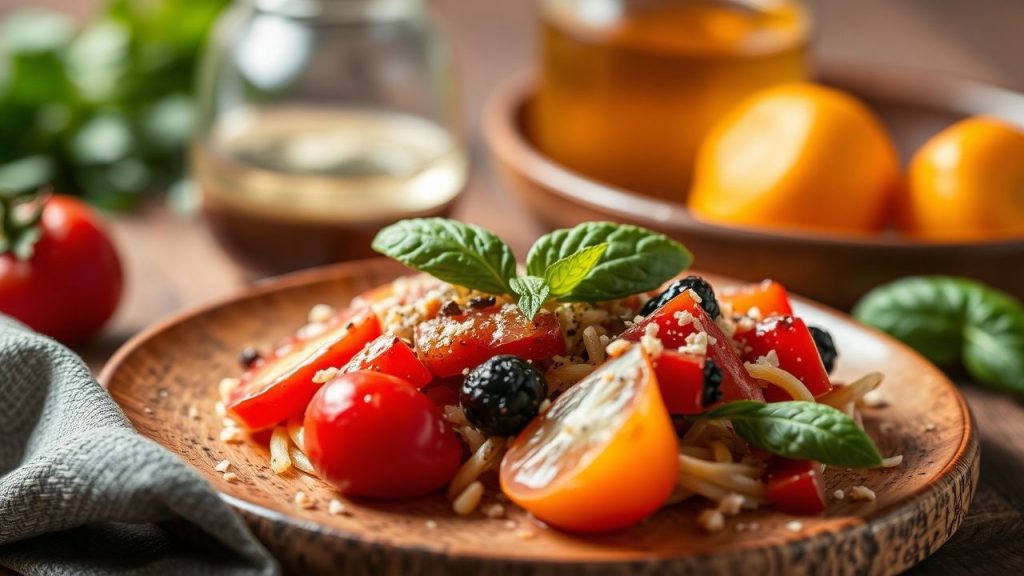
To deepen your practice, pair kitchen experiments with reference reading and controlled tasting. Use recipe templates in our recipe collection, and consult technique notes in the technique library to convert successful trials into reliable dishes.
See also: Flavor pairing
]]>