- Steaming preserves more water-soluble nutrients and texture.
- Boiling transfers heat quickly but can leach vitamins into cooking water.
- Use parboiling plus steaming to control tenderness without losing structure.
- Energy and water use differ; steaming often needs less water and can be more efficient.
Understanding the physics: boiling versus steaming
Boiling cooks by submerging food in vigorously circulating liquid at its boiling point. The process relies on convective heat transfer where hot water contacts the surface directly, moving heat quickly into the food.
Steaming cooks with phase-change energy: hot vapor condenses on the cooler food surface, releasing latent heat. This method wraps items in humid heat and reduces liquid contact, which slows solute loss and protects delicate structure.
For an authoritative primer on the underlying phenomena, consider the physics of boiling and heat transfer described in basic thermodynamics resources such as Boiling. For culinary steaming techniques and history, see Steaming (cooking).
Prep and Cook Time
Preparation time usually ranges from five to ten minutes for vegetables once they are cleaned and cut. Equipment choice—large pot, steamer basket, or bamboo steamer—affects setup time but not much else.
Cooking time varies by ingredient: thin vegetable slices steam or boil in three to six minutes; denser roots may need 10–20 minutes. Volume matters: a crowded steamer slows steam flow, while a large pot of water maintains boil temperature better.
Yield
A standard recipe with 1 lb of mixed vegetables yields four side servings when plated alongside protein or grains. Steaming and boiling deliver similar mass yield, but steaming often preserves a firmer mouthfeel.
Portion control depends on how you finish the vegetables. Tossing with a pat of butter or a bright vinaigrette changes caloric density and satiety per serving.
Difficulty Level
Both methods rate from easy to moderate for cooks learning timing and doneness cues. Boiling requires attention to prevent over-softening; steaming needs a tight cover and correct water height to maintain steady steam.
Once you master timing charts and fork-tender checks, both become routine. For structured technique drills, consult internal guides like guide to healthy steaming techniques and vegetable prep guide.
Ingredients
This example list focuses on a mixed vegetable side that highlights method differences. Use fresh, uniformly sized pieces for even heat penetration and consistent results.
- 1 lb fresh broccoli florets, washed and trimmed
- 1 large carrot, peeled and sliced thin
- 1 cup baby green peas, fresh or frozen
- 1 lemon, zested and juiced
- 2 tbsp unsalted butter (optional)
- Salt and freshly ground black pepper, to taste
- 2 cups water (for boiling or to create steam)
- Fresh herbs (tarragon, parsley, or dill) for garnish
Instructions
Follow method-specific steps to achieve ideal texture. Read both approaches before you start so you can prepare the correct equipment and water volumes.
Boiling method
Bring about two cups of water to a rapid boil in a deep pot, add a pinch of salt, and drop in carrots first for three minutes. Add broccoli and peas, then boil for another three to five minutes until vegetables are tender yet still vibrant.
Immediately drain into a colander and plunge the vegetables into an ice bath to stop carryover cooking and lock color. Drain well before finishing with butter, lemon, and herbs.
Steaming method
Fill a saucepan with two inches of water and bring to a gentle simmer. Place vegetables in a single layer in a basket or tray above the water and cover tightly to trap steam.
Steam for six to eight minutes, checking for tenderness with a fork. Remove the basket, pat vegetables dry if needed, then toss with butter, lemon juice, and seasonings immediately while warm.
Note on steam equipment: a bamboo steamer concentrates steam and is excellent for delicate items; a metal basket sits higher above water and speeds up condensation. For nutrient-sparing cookwork, steaming often performs best—see discussion of water-soluble vitamins at Water-soluble vitamins.
 Pro-Caution
Tips for Success
Timing is precise: small changes in minutes alter texture dramatically, so use a timer and test frequently. An ice bath after boiling preserves color and halts further cooking.
 Expert Insight
Choose steaming for fragile foods such as leafy greens and many seafood items because it reduces mechanical agitation and minimizes nutrient leaching. When you need to infuse flavor, boil with aromatics to create a flavored cooking medium that also doubles as stock.
For repeated practice, maintain a small chart of times for common vegetables. That institutional memory increases consistency and shortens prep time across recipes.
Serving Suggestions
Serve steamed or boiled vegetables alongside roasted proteins, poached fish, or grain bowls. A quick drizzle of herbed yogurt or vinaigrette elevates a simple vegetable side into a composed plate.
Garnish with fresh herbs and lemon wedges to add aromatic lift and acidity. For plating tips and pairing ideas, see the general Vegetable overview for common culinary uses.
Nutrition
Cooking changes the bioavailability of some nutrients and reduces others. Water-soluble vitamins (like vitamin C and some B vitamins) are most vulnerable to dissolution in cooking liquid.
Steaming limits water contact and therefore typically preserves more of these nutrients. Boiling can retain nutrients if you reuse the cooking liquid as a broth or sauce.
| Nutrition | Per Serving |
|---|---|
| Calories | 70 |
| Protein | 4g |
| Carbohydrates | 12g |
| Fat | 2g |
Energy use and sustainability
Steaming frequently requires less water and maintains heat inside a covered vessel, which can reduce energy consumption for short cooks. Boiling larger volumes of water to a rolling boil takes more energy.
For efficient practice, use a fitted lid, minimize headspace, and match pot size to ingredient volume. When possible, reuse boiling liquid as a broth to capture leached nutrients and reduce waste.
Combining methods for optimal results
Hybrid approaches often yield the best texture: parboil dense vegetables briefly, then steam to finish. This strategy accelerates internal cooking while protecting outer tissues from over-softening.
Use boiling where hydration or flavor infusion matters—pasta and pulses benefit from full immersion. Reserve steaming for items where crispness and nutrient retention take priority.
FAQ
Is steaming always healthier than boiling?
Steaming generally preserves more water-soluble nutrients because it minimizes direct water contact. However, if you consume the cooking liquid as a broth, boiling can retain those nutrients in the meal.
Choose the method that matches your goals: texture preservation and nutrient retention favor steaming; infusion and stock-making favor boiling.
Can I steam frozen vegetables without thawing?
Yes. Place frozen vegetables in a single layer if possible and extend steaming time by a few minutes. Avoid crowding to ensure uniform steam flow and consistent doneness.
Do not rinse thawed vegetables before steaming; excess surface water increases steaming time and can dilute seasonings.
Does steaming destroy bacteria as effectively as boiling?
Proper steaming reaches temperatures that inactivate most foodborne pathogens, provided the internal temperature gets sufficiently high. A tight lid and adequate time ensure even heat penetration.
For high-risk foods, verify internal temperatures or favor boiling/poaching until you reach recommended safe temperatures for that ingredient.
Will steaming take longer than boiling?
Steaming can be equal to or faster than boiling for small pieces because steam envelops and transfers heat efficiently. For large batches or dense roots, boiling sometimes appears faster due to direct convective contact.
Monitor doneness rather than relying solely on time charts; fork tests and color cues deliver better results than clock-watching alone.
How do I prevent overcooking when boiling?
Follow the shock-cooling method: drain quickly and plunge vegetables into ice water to stop residual heat from continuing to cook the cells. This preserves texture and color effectively.
Maintain high heat only when necessary and reduce to a simmer to finish if you need gentler heat for delicate items.
Final notes
Boiling and steaming both serve clear culinary purposes. Choose boiling when you need rapid heat transfer, infusion, or hydration; choose steaming when you prioritize texture and nutrient retention.
Experiment with hybrid workflows and record times for your pantry staples. Over a few sessions you will refine times, equipment choices, and finishing techniques that produce reliably excellent results.
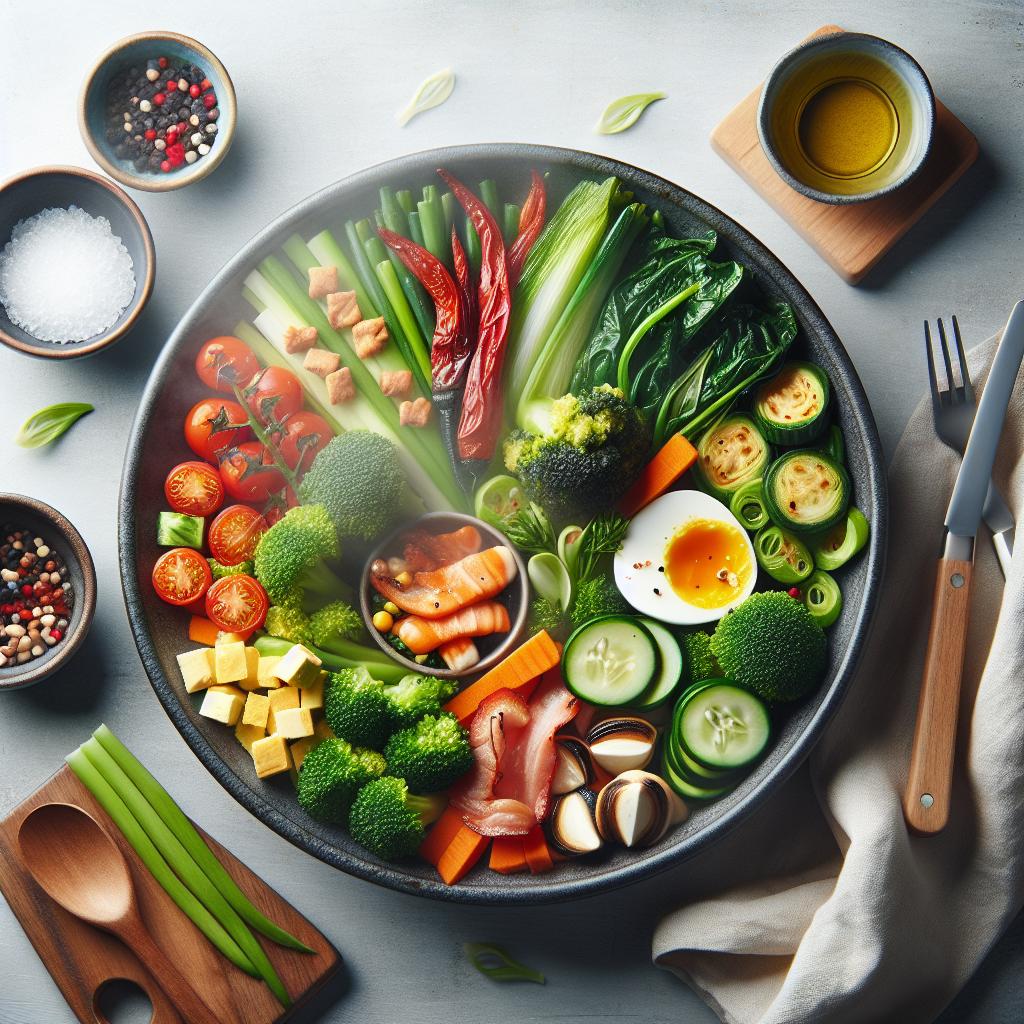
Explore internal references such as guide to healthy steaming techniques and vegetable prep guide for step-by-step schedules and timing charts that boost consistency in the kitchen.
See also: Steaming
]]>Flavor science explains how chemistry and precise technique produce aroma, taste, and texture. When you apply flavor science to heat, time, and ingredient choices, you move from guesswork to predictable, repeatable results.
- Control browning to increase savory aroma and depth.
- Balance acid and fat for perceived brightness and richness.
- Respect time: resting and slow extraction change texture and release tastants.
- Test methodically and record outcomes to improve consistency.
Why Flavor Science matters
Applying flavor science turns culinary practice into a set of controlled experiments. You focus on variables—temperature, surface dryness, acidity—that consistently change outcomes.
That repeatability reduces waste, improves yield, and raises the quality of dishes in both home and professional kitchens. Use simple measurements and sensory checks to track improvements.
Foundational Flavor Science: key reactions and concepts
The Maillard reaction and caramelization create many volatile and nonvolatile compounds that we recognize as roasted, toasty, and sweet-browned notes. Control surface temperature and dryness to maximize positive compounds without burning.
Umami compounds concentrate through gelatin extraction and aging. Read about Umami to understand how glutamates and nucleotides layer into savory depth. Combine these concepts to design flavors rather than merely chase them.
Prep and Cook Time driven by Flavor Science
Preparation: 15 minutes | Cooking: 45 minutes | Total Time: 1 hour. These targets balance surface flavor development with internal doneness for bone-in chicken thighs.
Plan a short rest after cooking so juices redistribute and flavors equilibrate. Resting is a low-effort step with a high return in texture and perceived juiciness.
Yield and scaling with Flavor Science
Serves 4 as a main course. When scaling, maintain searing surface area and liquid ratios to preserve concentration of extracted compounds.
Measure critical ingredients by weight where precision matters. Weight-based measurement reduces variance that undermines reproducible flavor outcomes.
Difficulty Level: practical flavor science application
Medium — this recipe prioritizes heat control, browning management, and timed simmering. It rewards technique rather than specialized equipment.
Home cooks will succeed by following temperature cues and observing visual indicators such as a deep golden crust and reduced pan sauce viscosity.
Ingredients
These components combine protein, aromatics, and acid to build layered flavor. Choose bone-in cuts for gelatin, aromatics for volatile lift, and acid for brightness.
- 2 lbs bone-in chicken thighs, skin on
- 1 tbsp olive oil
- 1 tsp kosher salt
- ½ tsp freshly ground black pepper
- 1 medium yellow onion, finely chopped
- 3 cloves garlic, minced
- 1 tsp smoked paprika
- ½ tsp ground cumin
- 1 cup low-sodium chicken broth
- 1 tbsp tomato paste
- 1 tsp lemon zest
- 2 tbsp fresh parsley, chopped (for garnish)
- Juice of 1 lemon
Use fresh ingredients and measure by weight when practical. Precision supports consistent results when you apply flavor science principles.
Instructions — sequence guided by Flavor Science
Follow the sequence to maximize surface browning, bloom spices, and extract gelatin and collagen from bones and pan fond. Each step targets a defined chemical or physical change.
Work efficiently: prep mise en place, set heat levels before adding ingredients, and use visual cues like color, aroma, and pan fond to judge progress.
Searing and developing aroma
1. Prep the chicken: Pat thighs dry to remove surface moisture. Season both sides evenly with salt and pepper so the skin can reach the dryness needed for crust formation.
2. Sear: Heat oil in a heavy skillet until shimmering. Place chicken skin-side down and press to maintain contact. Sear until deep golden brown, about 6–8 minutes, then flip and sear 2–3 minutes more.
Sautéing aromatics and blooming spices
Remove chicken and set aside. Reduce heat, add onions, and cook until translucent and fragrant, about 4–6 minutes. Then stir in garlic, paprika, and cumin and cook 30–60 seconds to bloom spices and release their volatile oils.
Short, controlled cooking prevents bitter burnt notes while unlocking aroma. Blooming spices at moderate heat increases their solubility into the sauce.
Building and finishing the sauce
Stir in tomato paste and cook 1–2 minutes to deepen flavor. Add broth and scrape the pan fond; those browned bits concentrate Maillard compounds that enrich the sauce.
Return chicken skin-side up, add lemon zest, cover, and simmer gently for 30 minutes. Finish with lemon juice and a brief reduction to balance richness and concentrate savory notes.
Chef’s Notes: applied Flavor Science
Dry the skin: Surface moisture prevents reliable browning. Blot thoroughly before seasoning and searing to maximize Maillard-driven aroma.
Control heat: High heat builds aroma compounds quickly but can scorch spices. Lower heat after searing while you sauté aromatics to maintain clean flavors.
Expert Insight
Use bones for depth: Bone-in cuts release gelatin and mineral cues under heat, which boost mouthfeel and perceived umami. That concentrated mouthfeel often reads to diners as deeper flavor.
Make ahead: This dish often improves after a few hours or overnight as flavors equilibrate. Reheat gently to preserve texture and avoid drying the meat.
Serving Suggestions guided by Flavor Science
Pair with basmati rice or creamy polenta to absorb sauce and balance textures. Both starches act as neutral carriers that highlight the chicken’s savory profile.
A crisp green salad with a citrus vinaigrette adds acidity and freshness to cut richness. Finish with chopped parsley and a lemon wedge for visual contrast and immediate brightness.
Pro-Caution
Nutrition per serving
Approximate nutrition helps plan portions and dietary balance. Values assume typical ingredients and standard serving sizes.
Per serving: ~370 kcal, 32 g protein, 6 g carbohydrates, 24 g fat. Adjust ingredients to fit specific dietary needs.
Science links and resources for Flavor Science study
To extend technique into reliable practice, consult accessible scientific summaries. These sources provide frameworks for hypothesis-driven recipe tests and systematic adjustments.
Start with summaries in food chemistry and the mechanisms of taste perception. Use these concepts to design controlled tests at the stove.
FAQ
What is flavor science?
Flavor science studies how molecules, heat, and time interact to produce aroma, taste, and mouthfeel. It translates chemical reactions into culinary technique.
Practically, it means selecting methods that reliably produce the compounds you want—like Maillard-derived aroma—rather than hoping for them by chance.
How does the Maillard reaction improve flavor?
The Maillard reaction forms hundreds of compounds when amino acids react with reducing sugars under heat. These compounds produce roasted, savory, and toasty notes we associate with well-browned foods.
Control surface temperature and dryness to favor desirable Maillard products while avoiding bitter burnt byproducts. Visual and olfactory cues guide timing in real kitchens.
Can I use sous-vide techniques with this recipe?
Yes. Sous-vide gives precise temperature control to reach uniform doneness. Finish by searing to develop surface aroma through Maillard chemistry.
Dry the skin thoroughly before finishing with high heat to recreate the crust and volatile aroma compounds typical of pan-seared poultry.
What simple habits deliver the biggest flavor gains?
Start with three habits: salt ahead of time, control searing heat, and finish with acid. Those steps respectively improve seasoning penetration, build aroma, and balance richness.
Run small, controlled tests—change one variable at a time—and record sensory outcomes to identify the highest-impact adjustments.
How does texture influence perceived flavor?
Texture controls how flavors release and how saliva carries soluble tastants to receptors. Gelatin-rich sauces coat the palate and prolong taste, while crisp textures create contrast and perceived brightness.
Design textures deliberately by understanding starch gelatinization and protein coagulation to amplify the overall eating experience.
Key Takeaways
Flavor science gives you a toolbox: control browning, manage acidity, and respect time. These interventions target known chemical pathways that determine aroma, taste, and texture.
Apply small, testable changes and log results. This iterative, measurable approach delivers consistent, repeatable flavor improvements across recipes.

For hands-on practice, run a simple experiment: cook two thighs with different salting times or sear temperatures and note aroma, crust, and juiciness. Systematic comparison trains your senses to detect technique-driven differences quickly.
See also: Flavor Science and CookOrbit home
Recommended Reading:
]]>
- At a Glance: Low temperature and long time convert collagen to gelatin for silkier mouthfeel.
- Key chemistry: The Maillard reaction and smoke phenols build aroma and brown crust.
- Salt control: Salt modifies protein structure and water retention for juicy results.
- Replicable method: Modern ovens and smokers can mimic an imu environment when you control humidity and airflow.
Prep and Cook Time
Preparation: 20 minutes of active prep sets up the brine and scoring for deep penetration of seasoning. The hands-on part is brief; most time is passive.
Marinating & Cooking: Plan for an overnight rest and 8–10 hours of low roast at 225°F (107°C) for complete collagen breakdown. Resting for 20 minutes after cooking equalizes juices and improves shreddability.
Yield
This recipe yields 8–10 servings depending on portion size and bone-in weight. Expect about 60–70% edible yield from a bone-in picnic shoulder after trimming and shredding.
Leftovers reheat well and often taste better after flavors meld overnight in the refrigerator. Store in a shallow container to cool quickly and keep texture intact.
Difficulty Level
Medium. The technique requires time and temperature management rather than technical skill. Any competent home cook or pitmaster can execute this reliably with a probe thermometer.
Primary variables to monitor are internal temperature, humidity inside the wrap, and salt balance. Control these and the chemistry takes care of tenderization and flavor development.
Ingredients
5 lbs pork shoulder (picnic roast), bone-in is ideal because the connective tissue yields gelatin during low-temperature roasting. The bone also conducts heat and adds depth of flavor.
2 tbsp Hawaiian sea salt (or kosher salt) helps modify protein solubility and water-holding capacity, improving juiciness. Add 1 tbsp liquid smoke sparingly for consistent smoke phenols when banana or ti leaves are unavailable.
3 cloves garlic, minced and 1 tbsp brown sugar balance savory and sweet, and the sugar assists surface browning via caramelization and Maillard pathways. Optional banana or ti leaves add aroma and a semi-permeable steam barrier.
Keep wood chips or a smoker box handy if you plan to add real smoke. Real smoke produces phenolic compounds like guaiacol that simple liquid smoke cannot fully replicate; these compounds enhance aroma and perceived savoriness.
Instructions
1. Prepare the seasoning. Dissolve salt and brown sugar with liquid smoke and garlic. Make a uniform paste to ensure consistent salt distribution across the surface and inside score marks.
2. Score and season the shoulder. Make shallow, 1-inch incisions to expose interior tissue for faster diffusion of the seasoning. Rub the paste into the scores and all over the surface, then refrigerate overnight to allow ionic diffusion into muscle fibers.
Temperature and wrapping
3. Control roast temperature. Preheat your oven or smoker to 225°F (107°C). Low, stable heat lets enzymes and collagen convert gradually without drying the muscle proteins.
4. Wrap to retain humidity. If you have banana or ti leaves, wrap the shoulder to mimic the traditional environment; otherwise, double-wrap tightly in foil. The wrap traps steam, maintaining a moist, anaerobic pocket that favors gelatin formation.
Finishing
5. Slow roast until tender. Roast for 8–10 hours until internal temperature reaches about 195–205°F (90–96°C); this range indicates collagen conversion to gelatin. Begin checking at 8 hours and monitor tenderness with forks.
6. Rest and shred. Rest for 15–30 minutes after removing from heat, then shred with forks. Optional: sear the shredded pork briefly to intensify Maillard browning on exposed edges and boost aroma.
Pro-Caution
After a short rest, the meat will hold juices and the gelatin will give a silky mouthfeel rather than a syrupy or dry texture. Use a probe thermometer and a modest salt profile to control final quality.
Why the Chemistry Works
Slow heat denatures structural proteins and permits proteolytic enzymes to act before they themselves denature. That staged action breaks long protein chains into shorter peptides and amino acids that contribute umami and tenderness.
The Maillard reaction occurs on exposed surfaces where sugars and amino acids interact under heat to form complex aroma molecules. These pathways explain the deep, roasted notes on the crust and crisped edges.
Collagen, a structural protein, hydrolyzes to gelatin during extended heating. This process increases juiciness and creates a lubricating mouthfeel when properly executed. See the chemistry of collagen for molecular context.
Smoke introduces phenolic compounds that bind to surface lipids and proteins, changing perceived flavor and aroma. For a primer on smoking and culinary smoke compounds, consult the smoking (cooking) overview.
Tips for Success
Control moisture. Maintain a moist microenvironment inside the wrap to prevent surface drying while allowing interior collagen to convert. Use a drip pan with water if needed to stabilize humidity in the smoker or oven.
Salt strategically. Use measured salt and prefer coarse Hawaiian sea salt for authentic mineral notes; too much salt will over-denature and firm the proteins undesirably. Taste and texture improve if you test a small portion before committing to the full cure time.
Expert Insight
When replicating an imu, focus on anaerobic conditions and gentle radiant heat rather than aggressive smoke. Banana or ti leaves replicate both flavor and steam retention; they act as a mild, aromatic steam barrier and slow convective losses.
Serving Suggestions
Serve shredded Kalua pig with sticky rice and poi for a traditional profile. Add finely sliced green onions and a light scatter of toasted sesame for crunchy contrast and aromatic lift.
For modern presentations, use Kalua pork in tacos with mango salsa or in sliders with a tangy slaw. The rendered fat carries flavor compounds, so combine pork with acidic elements to balance richness.
Nutrition and Practical Notes
Expect roughly 300–400 kcal per serving depending on trimming; protein content remains high while carbs stay minimal. Fat content varies with trimming and serving portion; trimmed pork shoulder will yield leaner plates.
Keep cooked Kalua pig refrigerated within two hours and use within 3–4 days for best safety and texture. Reheat gently to preserve gelatinous mouthfeel and avoid drying the meat.
Internal Resources
Explore related guides on our site for technique refinements. Check our Hawaiian recipes collection for complementary side dishes: Island Flavors — Hawaiian Recipes.
Read the companion guide on controlled smoke and temperature management for home setups here: Smoking Techniques and Temperature Control. These two internal resources deepen practical skill and help maintain consistent outcomes.
FAQ
What makes Kalua pig uniquely tender from a chemical standpoint?
Extended low heat converts collagen to gelatin and denatures muscle proteins gradually, improving water retention. The result is a tender, silky texture rather than a tight, chewy bite.
How does wrapping in banana leaves affect chemistry?
Banana leaves create a semi-permeable barrier that traps steam and volatile aroma compounds, limiting direct air contact. This keeps the meat hydrated and allows smoke phenols to infuse without aggressive oxidation.
Can I reproduce imu results in an oven or smoker?
Yes. Mimic the imu by controlling low, steady heat and preserving humidity around the roast. Achieve an anaerobic, steam-rich pocket with tight wrapping and modest smoke to emulate traditional conditions.
What are the key smoke compounds that influence flavor?
Phenols such as guaiacol and syringol form during wood combustion and adhere to surface lipids, adding warm, smoky, and slightly sweet notes. These compounds significantly shape perceived savoriness and aroma.
How important is fat for mouthfeel?
Fat renders during slow cooking and acts as a solvent for volatile flavor molecules, enhancing delivery across taste receptors. The rendered fat also lubricates the meat, creating that satisfying mouth-coating richness.
Final Notes
Understanding the interplay of heat, salt, and smoke gives you repeatable control over Kalua pig quality. Precise temperature management and measured seasoning let traditional chemistry unfold predictably.
Follow measured steps and monitor internal temperatures to replicate the classic Kalua profile at home. Apply the science, and the dish will reward you with consistent tenderness and deep, smoky flavor.

| Nutrient | Amount per Serving |
|---|---|
| Calories | 350 kcal |
| Protein | 35 g |
| Carbohydrates | 2 g |
| Fat | 23 g |
See also: Kalua pig
]]>
- Plan for safety: cool perishable foods and control heat during toasting.
- Use simple chemistry: pH indicators and fizz reactions teach principles that everyone tastes.
- Keep experiments edible: choose food-safe reagents and supervise children.
Picnic Chemistry: Safely Blending Fun with Food Science in Your Outdoor Kitchen
Picnic chemistry shapes how textures, aromas, and flavors develop outdoors. Understanding basic principles such as heat transfer and moisture control helps you design reliable recipes that perform well outside a conventional kitchen.
Apply fundamentals from food science to select ingredients, arrange storage, and choose cooking methods that reduce risk and enhance taste. This approach keeps both the learning and the eating pleasurable.
Prep and Cook Time
Preparation: 15 minutes | Cooking: 10 minutes | Total: 25 minutes. These estimates assume basic outdoor gear: a portable skillet or grill and a cooler for perishables.
Factor in extra time for safety checks: coolers, sanitizing wipes, and hand-washing stations prevent spoilage and contamination. A few extra minutes planning reduces most common picnic problems.
Yield
Serves 4 picnic enthusiasts. Portions scale predictably when you apply the same heat and assembly principles to larger batches.
For groups, prepare multiple coolers and stagger cooking to maintain safe temperatures for perishable fillings. Label containers to avoid cross-contamination in busy settings.
Difficulty Level
Easy — suitable for beginners who want a practical introduction to outdoor food chemistry. The recipe relies on straightforward techniques: controlled heat, moisture management, and safe ingredient handling.
These techniques mirror lab practices in a low-risk, edible format, so you teach scientific thinking while you snack. Expect repeatable results once you master heat control and resting times.
Ingredients
Ingredient quality matters: select fresh bread, properly chilled cheese, and dry leafy greens to control moisture and microbial risk. Freshness improves both safety and the sensory outcome.
Choose ingredients that tolerate short outdoor transport. For example, hearty whole-grain bread resists sogginess and stands up to pressing on a griddle.
- 8 slices whole grain bread, sturdy and fresh
- 4 tbsp unsalted butter, softened for even spreading
- 8 slices sharp cheddar cheese or another melting cheese
- 2 medium tomatoes, thinly sliced and seeded
- 1 cup fresh spinach leaves, washed and patted dry
- 2 tbsp Dijon mustard, for flavor balance
- Salt and freshly ground black pepper, to taste
- Optional: 4 slices cooked bacon for crunch
Instructions
Prepare your workspace and ingredients before you light the stove. Clean cutting boards and utensils reduce cross-contamination risks and simplify assembly.
Keep perishable items in a cooler until you need them and bring paper towels or sanitizing wipes for hands and surfaces. Controlled organization ensures a smooth, safe cooking flow.
- Butter the bread: Spread butter evenly on one side of each slice to promote even browning and to act as a moisture barrier.
- Layer fillings: On the unbuttered side, spread mustard, then cheese, tomato, and spinach. Season lightly and add bacon if desired.
- Assemble: Top fillings with butter-side-up bread to create the sandwich for grilling.
- Heat control: Preheat a skillet or griddle over medium heat. Moderate heat transfers energy evenly and prevents surface burning while the cheese melts.
- Grill: Place sandwiches on the hot surface, press lightly, and cook 4–5 minutes per side. Flip carefully to maintain structure.
- Rest: Let sandwiches rest 2 minutes so the melted cheese stabilizes before slicing.
Food Safety & Science
Temperature management prevents growth of spoilage organisms. Keep perishable items at or below 40°F (4°C) in a cooler and reheat cooked items to recommended serving temperatures.
Consider core scientific concepts: heat transfer into the sandwich melts cheese by conduction, while water activity influences microbial activity and texture. For background on heat transfer principles, review heat transfer.
pH and reactions: Simple experiments such as using red cabbage as a pH indicator teach acid–base chemistry with edible materials. Red cabbage pigments shift color depending on acidity, which makes a vivid, safe demonstration.
For hands-on learning, use food-safe reagents only. Sodium bicarbonate produces predictable fizz with vinegar; the reaction demonstrates gas evolution and acid–base neutralization. See the chemistry behind common reagents at sodium bicarbonate.
Pro-Caution
Chef’s Notes
Ingredient safety: Keep cheese and greens chilled until assembly to limit bacterial growth. A well-packed cooler with ice packs maintains safe temperatures for hours.
Variations and substitutions: Swap cheddar for mozzarella for a stretchier melt or choose plant-based alternatives for vegan diets. Gluten-free bread works while maintaining the same assembly steps.
Expert Insight
Make-ahead assembly speeds service: wrap sandwiches in parchment and keep them chilled. Toast them on-site for optimal texture and to re-establish crispness while ensuring safety.
For more formal guidelines on outdoor food handling, link internal references like Food Safety Tips for Picnics and Outdoor Cooking Safety to your event planning materials to keep teams aligned.
Serving Suggestions
Pair grilled sandwiches with crisp salad greens and a beverage that complements the chemistry lesson, such as a citrus drink for an acid–base color experiment. Presentation enhances engagement and sensory learning.
Wrap individual servings in reusable wraps to keep them warm and reduce waste. Offer small labeled cards describing the science behind each bite to reinforce educational value.
Nutrition
The sample sandwich provides balanced macronutrients: moderate protein from cheese and optional bacon, carbohydrates from bread, and fats from butter. That balance supports satiety during active outdoor learning.
Use whole-grain bread and add fresh greens to increase fiber and micronutrients. Adjust portions to match activity levels and dietary needs of participants.
| Nutrient | Per Serving |
|---|---|
| Calories | 350 kcal |
| Protein | 18 g |
| Carbohydrates | 30 g |
| Fat | 15 g |

Q&A
What is Picnic Chemistry?
Picnic Chemistry applies practical food-science concepts to outdoor meals to create edible experiments and safer recipes. It turns routine preparation into teachable moments using ingredients you already have.
Is it safe to perform kid-friendly experiments outdoors?
Yes, when you choose food-safe materials and supervise activities. Keep a clean workspace, use non-toxic reagents, and maintain safe food temperatures to minimize risk.
What simple experiments work well on a picnic?
Try a pH color test using red cabbage juice or a vinegar and sodium bicarbonate fizz to illustrate gas production. Both use edible, safe materials and reinforce scientific concepts through sensory feedback.
How do I keep perishable picnic foods safe?
Pack cold items in a well-insulated cooler with ice packs and serve them within safe time windows. Reheat cooked items to proper serving temperatures on a portable grill or skillet.
Where can I find more resources on food science basics?
Authoritative overviews are available on public resources such as food science and general chemistry concepts like pH for acid–base demonstrations. These entries provide reliable background for educational planning.
For hands-on checklists, consult your internal guides at Food Safety Tips for Picnics and Outdoor Cooking Safety to align logistics and learning goals.
Picnic Chemistry encourages curiosity and safe practice. With deliberate planning and simple scientific explanations, your next outdoor meal can teach as it delights while you savor both food and discovery.
See also: Picnic Chemistry
]]>
- Balance moisture to avoid sogginess and ensure a structured bite.
- Sear and caramelize key ingredients to layer umami and sweetness.
- Choose the right binder to control texture and sliceability.
- Match vessel and temperature for even cooking and ideal browning.
The Science of Heat, Moisture, and Texture
Heat governs the physical and chemical changes inside a casserole. Proteins set, starches gelatinize, and surface browning occurs when temperatures favor the Maillard reaction for savory complexity.
Moisture distribution matters as much as temperature. Too much liquid yields a stew-like result, while too little dries the filling; a measured béchamel or thick sauce controls water activity and mouthfeel.
Key Ingredients and Their Roles
Each ingredient serves a technical purpose beyond flavor. Proteins supply structure, starches swell to bind, fats carry aroma, and acids brighten the overall profile.
Understanding these roles helps you swap ingredients without guessing. For more background on the casserole concept, see casserole.
Proteins, Starches, and Binders
Proteins coagulate with heat and provide firmness; think shredded chicken, eggs, or cheese. Proteins also interact with starches to trap water and produce a cohesive sliceable texture.
Starches gelatinize when heated with liquid and set as they cool, giving body to the filling. Common binders include a roux-based sauce or a béchamel; both modulate viscosity and final mouthfeel.
Technique: Sautéing, Roux, and Sauce
Sautéing concentrates flavor by driving off surface moisture and initiating caramelization. This step unlocks sugars and concentrates savory compounds that enhance the dish when baked.
Building a proper roux and finishing with milk or stock yields a stable white sauce. Study the chemistry of a roux and béchamel for precise control: roux and béchamel sauce.
Practical Recipe: Chicken, Broccoli, and Cheddar Casserole
Below is a tested formula that applies the science above. Follow the timings and techniques for consistent texture and flavor.
Preparation is straightforward when you prepare ingredients to the same doneness and size; uniformity means even heat exposure and predictable results.
Prep and Cook Time
- Preparation: 25 minutes
- Cooking: 45 minutes
- Total Time: 1 hour 10 minutes
Yield & Difficulty
Serves 6 hearty portions with medium difficulty. The technique emphasizes timing and texture control rather than advanced skills.
Use a consistent cutting board and measuring spoons to keep ingredient ratios accurate and repeatable.
Ingredients
- 2 cups cooked shredded chicken (roasted for depth)
- 1 cup diced yellow onion, finely chopped
- 2 cloves garlic, minced
- 1 cup sliced mushrooms, cremini or white button
- 1 cup broccoli florets, blanched until just tender
- 1 cup shredded sharp cheddar cheese
- 1 cup whole milk
- 2 tablespoons unsalted butter
- 2 tablespoons all-purpose flour, sifted
- 1 teaspoon dried thyme
- Salt and freshly ground black pepper to taste
- 1 cup cooked pasta (rotini or penne)
- ½ cup panko breadcrumbs for topping
- 2 tablespoons olive oil for sautéing and drizzling
Instructions
Preheat the oven to 375°F (190°C) so the oven reaches steady heat before baking. A stable oven temperature ensures predictable browning and internal set.
- Sauté the aromatics: Melt butter with 1 tablespoon olive oil in a skillet. Cook onions until translucent, then add garlic for one minute.
- Add mushrooms and thyme: Sauté mushrooms until they brown and release juices. Browning increases savory complexity via Maillard chemistry.
- Make the roux and sauce: Sprinkle flour and stir to coat; cook for two minutes. Whisk in milk and simmer until thickened to a velvety sauce.
- Combine components: In a large bowl, fold shredded chicken, blanched broccoli, cooked pasta, and most of the cheese into the sauce. Stir gently to avoid breaking pasta.
- Transfer and top: Spoon into a greased 9×13-inch dish. Sprinkle breadcrumbs and remaining cheese on top, then drizzle with olive oil.
- Bake: Bake uncovered for 35–40 minutes until bubbling and golden. Rest five minutes before serving to allow cooling and moisture redistribution.
These steps emphasize heat control, moisture management, and texture contrast. Following them reduces common faults such as separation or sogginess.
Pro-Caution
Allow the casserole to rest; the cooling period helps starches set and proteins relax. Resting time improves sliceability and mouthfeel.
Expert Insight
Serving, Storage, and Reheating
Serve with a bright salad or acid-based condiment to cut richness and refresh the palate. Acid contrasts improve perceived flavor and lighten the meal.
Store leftovers covered in the refrigerator for up to three days. Reheat at low oven temperature covered to reintroduce steam and avoid drying the protein.
How Vessel and Temperature Alter Results
Metal pans heat faster and promote a crisp edge, while ceramic and glass retain heat longer and produce more uniform internal cooking. Choose based on desired crust and timing.
Bake at 375°F for balance between internal heating and surface browning. If you prefer slower moisture retention, reduce temperature slightly and extend bake time for tenderness.
Applied Flavor Chemistry and Browning
Browning reactions create savory and nutty notes that anchor the casserole’s flavor profile. Control surface dryness and salt to optimize these reactions without burning.
Layering flavor matters: sear early, season at key stages, and finish with fresh herbs to add volatile aromatics that baking alone cannot produce.
More Resources
For practical texture strategies, see our Ultimate Guide to Texture in Cooking. For basic heat and baking principles, consult Baking Basics.
For scientific context on browning and sauce foundations, review the Maillard reaction and roux concepts at these references: Maillard reaction and roux.
FAQ
What makes a casserole hold together when sliced?
Binders such as eggs, cheese, and starch-thickened sauces set during baking and cooling. These agents create a matrix that traps moisture and holds pieces in a cohesive slice.
How do I avoid a soggy bottom?
Blanch vegetables and drain thoroughly before assembly to remove excess water. Also, ensure your sauce is thick enough to coat ingredients without flooding them.
Can I freeze this casserole?
Yes. Cool completely, cover tightly, and freeze for up to three months. Thaw in the refrigerator overnight and bake covered until warmed through, then uncover to brown the top.
Is there a substitute for dairy in the sauce?
Use full-flavor plant milks and a starch slurry or nut-based cream to mimic viscosity. Adjust salt and acid to compensate for reduced dairy richness.
How can I increase protein without changing texture?
Add extra cooked, shredded lean meat or a small portion of high-protein cheese. Keep moisture balance by reducing liquid slightly when you add more solids.
See also: Casserole
]]>
- Key takeaway: Denaturation alters a protein’s 3D shape and often its activity.
- Food impact: Heat and acid change texture; controlled denaturation improves tenderness.
- Biomedical impact: Misfolded proteins affect disease and drug formulation.
- Practical: Temperature, pH, and timing control outcomes in the kitchen and lab.
What is protein denaturation?
Protein denaturation is the disruption of the weak interactions that maintain a protein’s native three-dimensional shape. These interactions include hydrogen bonds, ionic interactions, hydrophobic packing, and sometimes disulfide bridges.
When those interactions break, the polypeptide chain rearranges and the protein often loses its biological activity. For a concise formal description, see protein denaturation on Wikipedia.
Core mechanisms that cause unfolding
Multiple physical and chemical stresses can denature proteins. The most common are thermal stress, extreme pH, chemical agents, and mechanical forces.
Each mechanism targets different stabilizing forces in the protein, so the visible outcome and reversibility vary by mechanism and by protein type.
Heat-induced denaturation
Heat raises kinetic energy and disrupts weak bonds and hydrophobic interactions that stabilize the folded state. Many structural proteins and enzymes denature above a characteristic melting temperature.
In food, heat-driven denaturation causes visible changes—egg whites coagulate and meat firms as myofibrillar proteins lose their native conformation.
pH and chemical disruption
Changes in pH alter the ionization state of side chains and disrupt ionic bonds and hydrogen bonds. Strong acids or bases can therefore unfold proteins rapidly.
Chemicals such as alcohols, urea, or detergents solvate hydrophobic residues or compete for hydrogen bonds, destabilizing the native fold.
Mechanical and oxidative stress
Shear forces, vigorous shaking, or oxidation can partially unfold proteins and promote aggregation. This is important in biomanufacturing and food processing.
Cells and industrial processes must control these stresses to maintain protein quality and function.
Protein structure and folding context
Understanding denaturation requires a quick look at folding. Primary sequence folds into defined secondary and tertiary structures driven by chemistry and thermodynamics.
For background on how sequence begets structure, consult protein folding. That context explains why some proteins refold while others do not.
Denaturation in food and cooking
Chefs exploit denaturation to create desired textures and flavors. Controlled denaturation transforms tough cuts into tender bites or firms proteins for safe consumption.
However, excessive denaturation yields dry, rubbery, or grainy textures. Good technique balances time, temperature, and chemical environment.
Ingredients and culinary rationale
Use fresh, appropriately cut proteins and choose acid, fat, and heat to obtain the target texture. Acidic marinades gently alter surface proteins for tenderness, while heat denatures throughout the piece.
Salt promotes protein solubilization and water retention in many preparations. Controlling these variables yields consistent outcomes and prevents over-denaturation.
Practical cooking instructions
Simple, repeatable steps produce reliable denaturation outcomes: season, control marination time, monitor temperature, and rest the protein after heat exposure. These actions limit excessive unfolding and moisture loss.
For specific technique guidelines that extend these principles, see our internal guide on Cooking Techniques to Preserve Protein Integrity and a related note on How Protein Structure Affects Flavor.
Practical lab and medical implications
In biotechnology and medicine, denaturation matters for drug stability, vaccine formulation, and diagnostic tests. Pharmaceutical proteins require careful formulation to avoid irreversible denaturation and aggregation.
Understanding molecular chaperones helps here: cells use specialized proteins to maintain folding under stress. See molecular chaperones for the cellular perspective.
Tips for controlling denaturation
Short, controlled exposure to stress preserves structure where needed. Use lower temperatures for longer times or short high-heat sears followed by rest to limit over-denaturation.
Monitor pH in brines and marinades, and add salts thoughtfully to improve water-binding. In manufacturing, add stabilizers like sugars or polyols when appropriate.
Expert Insight
Apply gentle agitation and avoid vigorous shearing when you need proteins to remain soluble. When irreversible denaturation is acceptable or desired, favor robust conditions for safety and textural goals.
Safety, storage, and pro-cautions
Denaturation sometimes indicates microbial kill (e.g., pasteurization), but structural change does not always equal sterilization. Always follow validated temperature/time guidelines for safety-critical food or biotech processes.
Store proteins at recommended temperatures and avoid freeze–thaw cycles that promote aggregation and activity loss. Proper handling extends shelf life and preserves function.
Pro-Caution
Serving suggestions and nutrition
Denatured proteins often become more digestible and may release amino acids differently, affecting mouthfeel and satiety. Plan accompaniments to complement the altered texture.
Combine gently denatured proteins with acidic or fatty components to balance flavor and moisture. For nutritional balance, pair with vegetables and whole grains.
| Nutrition per Serving | Calories | Protein | Carbs | Fat |
|---|---|---|---|---|
| Chicken (marinated & cooked) | 250 kcal | 45g | 1g | 5g |
FAQ
What exactly is protein denaturation?
Denaturation is the loss of a protein’s native tertiary or secondary structure without cleavage of the peptide bonds. The polypeptide chain remains intact, but its functional shape changes.
Can denatured proteins refold?
Refolding depends on the protein and conditions. Some small proteins refold spontaneously when conditions normalize; others aggregate and cannot regain native structure.
How do I recognize denaturation in food?
Look for irreversible visual and textural changes: clarity loss in liquids, opacity in egg whites, or firmness in cooked meat. Texture and moisture shifts often indicate structural change.
Why do scientists study denaturation?
Studying denaturation reveals how structure determines function, informs disease mechanisms involving misfolding, and guides formulation strategies for biologics.
How can I limit denaturation when I want to preserve texture?
Use lower, controlled heat; add stabilizing ingredients like salt or sugars; and rest cooked proteins to let residual heat distribute and folding equilibrate where possible.
In Summary
Protein denaturation sits at the intersection of chemistry, cooking, and medicine. It explains why heat firms an egg, why storage conditions matter for biologics, and how simple controls produce consistent results.
By mastering temperature, pH, and exposure time, you control unfolding to achieve desired safety, texture, and function. For a technical primer on amino building blocks, see amino acids.
See also: Protein denaturation
]]>Microwave oatmeal delivers a fast, nourishing breakfast when you understand the underlying science. Small adjustments to water ratio, power, and stirring produce a reliably creamy bowl.
- Short bursts + stirring prevent uneven cooking and gumminess.
- Use 1.5–2x liquid for rolled oats to balance creaminess and body.
- Rest 60 seconds to finish starch gelatinization and improve texture.
The goal of this guide is practical, science-based steps you can repeat in any kitchen. Expect clear ratios, power adjustments, and topping strategies that preserve texture and nutrition.
Prep and Cook Time
Preparation: 2 minutes. Gather a microwave-safe, wide bowl and your chosen liquid for accurate measuring.
Cooking: 3–5 minutes total in short bursts depending on wattage. Resting adds another minute for carryover cooking.
Yield and Difficulty
Serves 1 hearty portion. This method suits beginners and experienced cooks who want consistent results quickly.
Difficulty: Easy. The technique relies on timing and attention rather than complex ingredients or tools.
Ingredients
Use measured, simple ingredients for repeatable texture: rolled oats, water or milk, salt, and optional flavorings. Keep toppings separate until after cooking.
Typical base: ½ cup rolled oats and ¾–1 cup water or milk. Adjust by oat type; steel-cut oats need more time and liquid.
Instructions
Combine oats, liquid, and a pinch of salt in a large, microwave-safe bowl. A wider bowl reduces the chance of boil-over as the mixture expands under heat.
Microwave at medium-high (about 70–80% power) for 90–120 seconds. Pause, stir thoroughly, then microwave for another 30–90 seconds until most liquid is absorbed.
Stir vigorously after cooking for 20–30 seconds to promote a cohesive, creamy texture. Let the bowl rest uncovered for 60 seconds—residual heat completes starch gelatinization.
Finish with sweeteners and toppings. Add yogurt, nuts, or fruit after cooking to preserve texture and nutritional integrity.
Scientific Principles Behind Texture
Oatmeal texture depends on starch gelatinization and water absorption. As starch granules heat, they swell and leach amylose and amylopectin, thickening the matrix of the cooked oats.
These mechanisms are well studied in food science; for background on how starch behaves with heat and water, see starch gelatinization. Understanding this helps you control creaminess.
Microwave energy heats water molecules unevenly, which is why stirring and staged heating matter. For technical context on how microwaves interact with food, consult the microwave oven entry.
The base grain also influences outcomes. Learn more about oats and their variations at the oatmeal page and the Avena sativa entry for the botanical perspective.
Practical Tips for Success
Control power and time: Lower power with longer intervals prevents hotspots and boil-over. High-power bursts can overcook outer areas while leaving centers underdone.
Stir and rest: Stir midway and after cooking. Resting for one minute equalizes temperature and completes gelatinization.
Adjusting for Microwave Power
Know your oven’s wattage. A 1,000W microwave needs less time than a 700W unit. If your oven is high-wattage, cut times by 20–30% and use medium-high power settings to avoid spillage.
Test with small increments. Start with 90 seconds at medium-high, stir, then add 30-second bursts. Record successful timings for future reference.
Liquid Ratios and Ingredient Effects
Use 1.5–2.0 times the volume of liquid for rolled oats to reach a creamy consistency. Milk yields a richer mouthfeel than water; yogurt added after cooking increases perceived creaminess without overcooking.
Ingredients that absorb liquid—chia seeds, protein powders, or nut flours—require extra liquid or shorter cook times to avoid drying the bowl out.
Expert Insight
Flavor additions like cinnamon, vanilla, or a pinch of salt enhance perceived sweetness, allowing you to use less sugar overall. Add delicate toppings after cooking to maintain texture.
Pro-Caution
Serving Suggestions
Serve oatmeal hot in a wide bowl to show off texture and make stirring easy. Layer toppings—fresh fruit, toasted nuts, or a spoonful of yogurt—after cooking to preserve contrast.
For visual and textural interest, add crunchy elements last. A drizzle of nut butter or seeded granola provides fat and satiety while keeping the cooked oats silky.
Nutrition and Portion Notes
A standard serving (½ cup dry rolled oats) provides complex carbohydrates, fiber, and plant-based protein. A typical prepared bowl with milk and toppings ranges from 250–350 kcal depending on additions.
To increase protein, fold in Greek yogurt or a scoop of protein powder after cooking. For heart-healthy fats, top with walnuts or ground flaxseed just before serving.
Further Reading and Internal Guides
For deeper technique and ratios, consult our internal guide on water ratios: Perfect Microwave Oatmeal Ratio Guide. That page offers tested charts for common microwave wattages.
Explore recipe variations and make-ahead options in our collection: Oatmeal Recipes and Mixes. These combine texture strategies with flavor templates for weekday breakfasts.
FAQ
Why does my oatmeal become gummy?
Gumminess results from rapid gelatinization where outer starches overcook and inner granules remain underdone. This creates uneven viscosity and chew.
Prevent it by lowering power, stirring midway, and using staged cooking bursts with a final rest to finish gelatinization evenly.
Should I use water or milk?
Use water for a lighter bowl, milk for richness. Milk increases fat and protein, which changes heat transfer slightly and yields a silkier mouthfeel.
Adjust liquid volume slightly downward with full-fat milk because it adds bulk and viscosity compared with water.
Can I cook steel-cut oats in the microwave?
Steel-cut oats require longer time and more liquid due to their intact kernel structure. Microwaving steel-cut oats works but needs extended low-power cooking and careful stirring.
For convenience, favor rolled oats or quick oats for microwave preparation. Reserve steel-cut oats for stovetop or slow-cooker methods if you prefer them.
How long should I let oatmeal sit after microwaving?
A 60-second rest lets residual heat finish gelatinization and improves texture without significant cooling. This simple pause often turns a so-so bowl into a creamy one.
If you add cold toppings like yogurt, you may rest slightly less to keep the bowl warm while still allowing internal equilibration.
Where can I learn more about the science behind oats?
Reliable, general overviews are available on reputable resources like Wikipedia. Start with the oatmeal article and the starch gelatinization page for technical background.
For microwave-specific details, the microwave oven entry outlines energy-transfer principles that explain common cooking phenomena.
The techniques above let you convert food science into predictable, repeatable microwave results. With measured ratios, staged heating, and a brief rest, you can make creamy, non-gummy oatmeal every time.
See also: Microwave oatmeal
]]>
- MSG sharpens umami: it makes caramelized onions taste richer and more savory.
- Small amounts work best: a measured pinch boosts flavor without altering texture.
- Technique matters: slow caramelization plus resting time lets MSG harmonize the dip.
Why MSG Works in French Onion Dip Mix
MSG supplies free glutamate, which the human tongue recognizes as umami. That recognition intensifies perceived savory notes and improves flavor balance.
When combined with caramelized onions and a dairy base, MSG elevates subtle sweetness and savory depth. This reaction depends on concentration and the surrounding ingredients.
Scientific Basis and Practical Effects
Glutamate occurs naturally in many foods, including ripe tomatoes and aged cheeses. Monosodium glutamate isolates this molecule and delivers it in a predictable, food-grade form; see Monosodium glutamate for background.
In practice, MSG does not add its own flavor. Instead, it increases the intensity of existing savory compounds. That makes dips taste fuller without adding more salt or fat.
Prep and Recipe Overview
Prep Time: 15 minutes. Cook Time: 25 minutes for onion caramelization. Resting time improves flavor meld.
Yield: Serves 8–10. Difficulty: Easy to moderate; patience while caramelizing matters most.
Ingredients
Gather typical pantry staples and one deliberate seasoning: MSG (1 tsp). Use food-grade MSG and measure precisely for balance.
If you prefer to avoid added MSG, substitute concentrated umami sources like dried mushroom powder, but expect a different flavor profile.
- 4 large yellow onions, thinly sliced
- 3 tbsp unsalted butter
- 1 tsp sugar (helps caramelization)
- 1 tsp sea salt, divided
- 1/2 tsp freshly ground black pepper
- 1 tsp MSG (monosodium glutamate)
- 1 cup sour cream (full-fat for best creaminess)
- 1/2 cup mayonnaise
- 1 tbsp Worcestershire sauce
- 1 tsp garlic powder
- 1 tsp onion powder
- Fresh chives or parsley, chopped (for garnish)
Instructions
Follow a two-stage approach: first build deep onion flavor, then balance the creamy base. Proper cooling and resting make the final dip cohesive.
Keep steps tidy and brief. Each action focuses on preserving texture and distributing umami evenly.
- Caramelize the onions: Melt butter in a large skillet over medium-low heat. Add sliced onions, sugar, and half the salt.
- Cook slowly for 20–25 minutes, stirring often, until deep golden brown. Low heat encourages the chemical changes of caramelization.
- Cool the onions: Transfer onions to a bowl and let them cool completely. Cooling prevents the dairy from separating.
- Mix the base: Combine sour cream, mayonnaise, Worcestershire, garlic powder, onion powder, pepper, and MSG. Stir until uniform.
- Fold in cooled onions gently so the mixture stays soft and well distributed. Taste and adjust salt if needed.
- Chill: Refrigerate at least 1 hour, preferably overnight. Resting allows flavors and MSG to harmonize.
- Serve: Garnish with fresh chives. Serve with chips, vegetable sticks, or warm bread.
Tips for Success
Use yellow onions for their natural sweetness and high sugar content. They caramelize predictably and provide a stable base for MSG to enhance.
Measure MSG like a spice: a small, even amount is enough. Excess can make the profile taste one-note, so balance carefully.
- Slow heat: Avoid high heat; it scorches and produces bitter notes.
- Resting time: Refrigerate the dip for several hours to let the flavor settle.
- Fat content: Full-fat sour cream yields a silkier mouthfeel than low-fat options.
Expert Insight
Apply that tip when you want to tailor the dip for people who prefer no isolated additives. Natural glutamate sources alter texture and density differently than powdered MSG.
Pro-Caution
Serving Suggestions
Present the dip at room temperature for maximum aroma. Cold dairy suppresses smell and mutes flavor perception.
Pair the dip with sturdy dippers: kettle chips, toasted baguette slices, or crisp vegetable sticks. Offer small tasting samples for guests to compare versions.
For party prep, provide a labeled alternative without added MSG. That way, you accommodate preferences while showcasing the enhanced version.
Nutrition and Portioning
Estimate about 110 kcal per serving on average, depending on portion size and specific ingredients. Fat content will vary with mayonnaise and sour cream choices.
Adjust serving size for the event. For heavy dippers, plan smaller portions per guest and a larger overall batch.
| Nutrient | Per Serving |
|---|---|
| Calories | 110 kcal |
| Protein | 1.2 g |
| Carbohydrates | 6 g |
| Fat | 9 g |
Further Reading and Practical Resources
To broaden your technique library, consult our internal guide on umami and related recipes. See the Guide to Umami Flavors for technique notes and pairing ideas.
For additional recipe variations and serving boards, check our internal recipe collection at French Onion Dip recipes. These pages highlight substitutions and party-ready presentations.
FAQ
What is MSG and why does it work here?
MSG is the sodium salt of glutamic acid and supplies free glutamate to the dish. That molecule directly activates umami receptors and amplifies savory perception.
Because it enhances existing flavors without adding a distinct taste of its own, MSG suits blends like French onion dip where onion sweetness and dairy fat need rounding.
Is MSG safe to consume?
Regulatory bodies have reviewed MSG and generally classify it as safe when used at culinary levels. Peer-reviewed assessments support its safety for most people.
If you want the primary source summary, consult the regulatory and scientific references summarized on the MSG Wikipedia page.
Can I omit MSG and still get a good dip?
Yes. You can build umami with natural ingredients like dried mushrooms, aged cheese, or reduced soy-based products. Expect a shift in character, not necessarily a loss of quality.
For a close match, layer flavors: concentrate onions, add a touch of aged cheese, and use a savory sauce reduction if you avoid pure MSG.
Does MSG affect texture or aroma?
MSG is a crystalline powder that dissolves in the dip; it does not alter texture. It also lacks aroma, but by intensifying savory notes it increases perceived aroma and satisfaction.
Thus, it changes how the dip reads on the palate, making each bite seem fuller and more aromatic without changing mouthfeel.
How should I store this dip?
Store refrigerated in an airtight container for up to 4 days. Flavors continue to meld while chilled, improving balance overnight.
Before serving, let the dip rest at room temperature for 20–30 minutes to release aroma and soften the chilled texture.
The Way Forward
MSG functions as a targeted tool: it strengthens savory impressions and helps the full recipe read as balanced and complete. Used sparingly, it adds depth without dominating other elements.
Experiment with small batches and tasting rounds. Track salt and acid adjustments after MSG so you preserve harmony across sweetness, creaminess, and umami.
Related topics: onion chemistry, umami science, and caramelization technique.
See also: MSG
]]>Recipe experiments turn a repeatable roast into a dependable weeknight win. Treat every run as a controlled test: change one variable, record results, and refine methodically.
- Establish a control: Run a base roast and take notes before changing anything.
- Change one variable: Adjust a single element per trial to isolate effects.
- Measure precisely: Use a scale and probe thermometer to collect repeatable data.
- Record sensory notes: Capture texture, aroma, and perceived seasoning after each test.
Why recipe experiments matter
Well-run recipe experiments convert intuition into predictable technique. Reproducible tests reveal how heat, moisture, and seasoning interact on a molecular and sensory level.
For example, browning results come from the Maillard reaction, which depends on surface temperature and moisture. Testing different surface-drying methods or roast-start temperatures shows measurable effects on crust and flavor.
Prep and Cook Time for recipe experiments
Set clear time windows for preparation, high-heat searing, and lower-temperature finish. A consistent schedule helps you compare trials without confounding timing variables.
This technique aligns with fundamentals of roasting, where initial high heat promotes browning and later moderation cooks evenly. Note exact durations and oven behavior for each experiment.
Yield considerations in recipe experiments
This roast yields about six servings when using a 4 lb bird; scaling is linear for major components but not always for aromatics. Keep salt-to-protein ratios consistent to preserve flavor balance when scaling.
When you increase volume, test seasoning on smaller portions first. That keeps a control against over-salting or under-seasoning during scale-up runs.
Difficulty Level and planning recipe experiments
Classify this workflow as medium difficulty: it requires basic trussing, thermometer use, and timing discipline. Those skills let you focus on experimental variables instead of troubleshooting technique problems.
Begin with a single control roast. After a reliable baseline, run short micro-experiments—adjust resting time, swap a spice, or change sear duration—and record the sensory and numeric outcomes.
Ingredients (use for recipe experiments)
Choose dependable basics: quality oil, fresh aromatics, and a sound primary protein. Consistent input materials reduce noise in your test data and clarify the impact of methodic changes.
Use a kitchen scale, measure salts by weight, and keep optional substitutions documented. Accurate ingredient control supports meaningful comparisons between recipe experiments.
- 1 whole chicken (about 4 lbs), patted dry
- 2 tbsp olive oil (preferably extra virgin)
- 1 lemon, zested and quartered
- 4 garlic cloves, minced
- 2 tsp smoked paprika
- 1 tsp ground cumin
- 1 tbsp fresh thyme leaves, chopped
- Salt – 1½ tbsp coarse sea salt, divided
- Freshly ground black pepper – 1 tsp
- 1 small onion, quartered
- 1 cup low-sodium chicken broth
- Optional garnish: chopped fresh parsley and lemon wedges
- Ingredient substitution options:
- For olive oil: avocado or walnut oil for nutty notes
- For smoked paprika: chipotle or sweet paprika for different smoke/sweet profiles
Instructions for controlled recipe experiments
Run the core method first to create a control result. Record weight, oven thermometer reading, and exact timing for every step before changing anything.
Rely on a probe thermometer for internal temperature readings; doneness metrics beat visual cues. Keep a test log with objective numbers and tasting notes for each experiment.
Roast schedule
- Preheat oven to 425°F (220°C). Position rack in the middle for even circulation.
- Loosen the skin to allow seasoning beneath; this increases localized flavor without over-salting the exterior.
- Combine oil, lemon zest, garlic, smoked paprika, cumin, thyme, 1 tbsp salt, and pepper and rub under skin and over the outside to build flavor layers.
- Place lemon and onion in the cavity for aromatics and moisture during roasting.
- Truss the legs to promote even cooking and tidy presentation.
- Transfer chicken to a roasting pan or oven-safe skillet and pour broth in the pan to maintain humidity and collect pan juices for sauce.
- Roast 15 minutes at high heat to crisp skin, then reduce to 350°F (175°C) and roast 45–55 minutes, basting occasionally.
- Check doneness with a thermometer inserted into the thigh; target 165°F (74°C) internal temperature.
- Remove and rest 15 minutes before carving; resting lets fibers relax and juices redistribute.
- Carve and serve with parsley and lemon wedges; spoon pan juices over slices for gloss and moisture.
Resting and carving notes
Do not skip resting; it materially affects juice redistribution and slice quality. Measure resting duration across trials to see how mouthfeel changes with 5–20 minute adjustments.
Carve against the grain for the tenderest pieces and reserve pan juices for a light pan sauce. Use the same carving technique each trial to reduce variance in mouthfeel assessments.
Tips for Success with recipe experiments
Control one variable per experiment: swap a spice, adjust temperature, or change resting time. That discipline turns observations into actionable conclusions.
Record every trial in a bound notebook or digital log. Include oven behavior notes, exact weights, thermometer placement, and tasting impressions for reliable pattern detection.
Expert Insight
Keep skin dry before the high-heat phase to improve crisping. Pat with paper towels and avoid early wet brines unless you intend to test moisture retention as a variable.
Pro-Caution
Keep your thermometer probe clean and avoid bone contact during readings; touching bone gives falsely high results. Place the probe near the bone but not on it to capture accurate muscle temperature.
Serving suggestions and flavor pairing from recipe experiments
Pair the roast with bright, acidic sides to balance richness. A lemony quinoa salad or cooling cucumber-yogurt works well to reset the palate between smoky bites.
Apply pan juices as a finishing sauce for gloss and added flavor. Consider pairing notes using basic flavor principles: contrast saltiness with acidity and provide textural variety.
| Nutritional Information (per serving) | Calories | Protein (g) | Carbs (g) | Fat (g) |
|---|---|---|---|---|
| Roasted Herbed Chicken | 380 | 45 | 2 | 18 |
Recording and analyzing recipe experiments
Standardize your log fields: date, ingredient weights, oven thermometer reading, internal temp, resting time, tasting notes, and a final score. Consistent fields speed comparative analysis.
After three to five runs, aggregate your notes and look for patterns: does a longer rest correlate with juicier legs? Does higher sear temp consistently improve crust without drying the breast? Use small sample statistics to guide decisions.
Key Takeaways
Each controlled test advances your technique and clarifies cause-effect relationships. Methodical recipe experiments reduce guesswork and improve consistency across cooks.
Prioritize precise measurement, single-variable changes, and clear sensory notes. Over time, these habits turn ad-hoc cooking into reproducible results you can teach others.
FAQ
How do I start with recipe experiments if I’m a beginner?
Begin with one control roast and document every step. Make a single, small change per subsequent trial and compare results against your control to learn the effect.
How many trials should I run to trust a result?
Run at least three consistent trials for a pattern to emerge, then expand to five for greater confidence. Repeatability is the primary metric of a reliable recipe experiment.
What tools are essential for useful recipe experiments?
A digital kitchen scale and a calibrated probe thermometer are the two most impactful tools. They convert subjective impressions into measurable data you can reproduce.
Can I test multiple variables at once to save time?
No. Changing multiple variables creates confounding results. Save time by prioritizing the most likely impactful change and test that one factor per run.
Where can I read more about cooking science to support my experiments?
Reference solid technical overviews such as the general cooking concepts and the chemistry behind browning and flavor. These resources help you form hypotheses to test in the kitchen.
See also: recipe experiments
]]>
- Balance matters: Salt, umami, and a touch of sweetness steer the flavor profile.
- Texture wins attention: Controlled moisture and structure create lasting crunch.
- Science guides craft: Maillard reactions and water activity management shape aroma and crispness.
The Role of Texture and Flavor Balance in Snack Appeal
The Science Behind Crafting the Perfect Savory Snack begins with two interdependent variables: texture and flavor balance. A snack that delivers contrast—crisp exterior with a tender crumb or an initial crunch followed by a coating of seasoning—creates a layered sensory experience.
Texture signals quality and freshness to the eater, and it directly affects flavor perception. Food scientists quantify texture through measures such as fracture force and acoustic response, and chefs translate those metrics into process controls like bake time and particle size.
Why contrast matters
Contrast in mouthfeel amplifies flavor perception because the brain registers changes more distinctly than monotony. Engineers and sensory scientists use that principle to design snacks that feel dynamic bite after bite.
To build contrast, combine components with different water content, fat levels, or structural matrices. A deliberate contrast reduces sensory fatigue and increases dwell time—people keep eating when each bite reveals something new.
Chemistry of Browning and Aroma
Controlled browning drives complex aromas through the Maillard reaction. This reaction between amino acids and reducing sugars produces hundreds of volatile compounds that we perceive as roasted, nutty, or caramelized notes.
Temperature, pH, and available reactants determine which aroma families dominate. Low-and-slow baking yields different volatiles than high-heat roasting; small formula tweaks change the dominant aroma compounds in measurable ways.
Managing burners and ovens
Use even heat distribution and monitor surface temperature rather than relying on oven dial settings alone. Thermal imaging or an infrared thermometer helps ensure repeatable browning across batches.
When scaling a recipe, track surface temperature, not just time. Surface chemistry follows thermodynamics, so a uniform surface temperature produces consistent Maillard products and predictable aroma profiles.
Seasoning Adhesion and Flavor Layering
Seasoning must stick to the snack long enough to survive handling and release when chewed. Adhesion depends on surface oil, particle size of the seasoning, and the snack’s surface energy.
Binders such as a light oil, egg white, or a sugar syrup increase adhesion by creating a tacky surface during baking. Use minimal binder to avoid sogginess—microfilm coatings suffice to hold powders in place.
Umami elevates savory snacks by increasing perceived savoriness and satiety. Incorporate controlled umami sources rather than excess salt: yeast extracts, aged cheese powders, or dehydrated mushroom concentrates add depth without pushing sodium to unhealthy levels. For background on umami science see umami.
Expert Insight
Sprinkling finishing salt after thermal processing preserves crystallinity and delivers a sharper salt burst. That microburst increases perceived saltiness while allowing overall sodium reduction.
Moisture Control and Crunch
Crunch equals controlled water removal. The metric food scientists use to predict crispness is water activity (aw). Lower aw often correlates with longer-lasting crispness and slower staling.
Drying kinetics depend on particle thickness, porosity, and heat transfer. Thin, porous structures dry faster and reach the target aw without overcooking the interior matrix.
Practical moisture strategies
Use pre-bake docking or perforation to speed moisture escape in flat snacks. For fried items, control oil uptake by optimizing batter viscosity and frying temperature to minimize water retention.
Post-bake conditioning (cooling on a single layer at ambient humidity) stabilizes the structure. Store fully cooled snacks in airtight containers with desiccants or barrier packaging to lock in crispness.
Practical Recipe and Process (Time, Yield, Difficulty)
This section preserves the original recipe framework while clarifying process control points. Follow the times and temperatures but monitor texture and surface temperature for consistent results.
Prep: 15 minutes. Cook: 20 minutes. Total: 35 minutes. Yield: ~4 servings. Difficulty: Medium—requires attention to texture and seasoning timing.
Ingredients
- 1 ½ cups rolled oats, finely ground
- ½ cup almond flour, or swap for chickpea flour
- 1 teaspoon smoked paprika
- ½ teaspoon garlic powder
- ½ teaspoon onion powder
- 1 teaspoon sea salt
- ½ teaspoon freshly cracked black pepper
- 2 tablespoons olive oil
- 1 tablespoon honey or maple syrup
- 1 egg white
Instructions
- Preheat oven to 350°F (175°C). Line a baking sheet with parchment for even heat contact.
- Combine ground oats and almond flour in a bowl. Adjust grind size to control final snap.
- Whisk olive oil, honey, and egg white until smooth; this thin binder promotes surface adhesion and glossy browning.
- Mix spices into dry ingredients and fold in the wet mixture until cohesive but not soggy.
- Spread thinly on the sheet and press to a uniform thickness to ensure even drying.
- Bake 15–20 minutes, rotating midway. Remove when edges brown and aroma develops.
- Cool completely on the sheet; cooling completes crisping as residual moisture equilibrates.
Chef’s Notes & Tips for Success
Ingredient swaps change texture and flavor chemistry. Chickpea or sunflower-seed flour increases protein and alters water-binding; expect a firmer matrix.
For extra crunch, sprinkle intact seeds like sesame or pumpkin before baking. They act as micro-structural anchors that fracture audibly on bite.
- Flavor variations: Add cayenne for heat or rosemary for aromatics.
- Storage: Keep fully cooled snacks in airtight containers up to one week.
- Seasoning balance: Blend a small sample with oil and taste on a neutral cracker before scaling.
Pro-Caution
When reformulating for lower sodium, increase aromatic herbs and umami components to preserve perceived intensity. Adjust the binder or bake time if you alter fat content.
Serving Suggestions
Pair these savory snacks with acidic or creamy dips to create contrast. Acid brightens flavors while fat in dips increases mouthfeel and satiation.
For entertaining, arrange with cheeses and olives on a board. A variety of salt crystals and textures encourages guests to sample more and extend dwell time.
Q&A
Below are concise, evidence-aligned answers to common technical and practical questions about savory-snack design.
These responses draw on sensory science and food-technology fundamentals to give actionable guidance.
What makes a savory snack irresistibly tasty?
Irresistibility arises from calibrated balance among salt, fat, umami, and texture. A crisp bite with layered seasonings stimulates multiple sensory channels and extends eating pleasure.
How does salt do more than season?
Salt suppresses bitterness and boosts perceived sweetness and umami. It also influences protein denaturation and water movement, which affects texture during baking or frying.
Why is texture critical?
Texture governs the timing and release of aroma compounds and flavors. Acoustic and mechanical feedback from a crunchy bite increases perceived freshness and flavor intensity.
What is the ‘bliss point’ in snacks?
The bliss point results from a tuned combination of salt, fat, and sugar that maximizes palatability. Manufacturers use sensory testing to approximate that optimal region for repeat consumption.
FAQ
Quick, practical answers to common formulation and process questions for home cooks and product developers.
How can I reduce sodium without losing flavor?
Cut total salt and add umami-rich ingredients like mushroom powder or yeast extract. Increase aromatic herbs and texture contrast to preserve perceived saltiness.
Can I make these snacks gluten-free?
Yes. Use certified gluten-free rolled oats and swap wheat-based binders for egg white or xanthan gum to maintain structure.
What’s the best way to test crispness?
Measure by sensory bite tests and by observing fracture patterns. For technical labs, use texture analyzers that record fracture force and acoustic emissions.
How do I scale this recipe for larger batches?
Scale ingredients linearly but validate heat transfer and surface-to-volume ratios. Consider convection ovens or conveyor systems to keep surface temperature consistent.
Where can I read more about the science discussed here?
Background science resources: Maillard reaction, umami, and water activity. For ingredient specifics, see rolled oats.
For practical seasoning techniques and additional texture-focused recipes, explore internal resources like mastering savory spices and snack texture guide for deeper step-by-step guidance.
As you experiment, document small changes and sensory outcomes. That disciplined approach turns intuition into repeatable, high-quality snack production.
See also: savory snack
]]>