- Ready starter: Expect an active bug in 3–7 days with daily feedings.
- Simple ingredients: Ginger, sugar, and chlorine-free water are enough.
- Safety first: Watch for off-odors or mold and discard if detected.
- Flavor range: Use the bug to carbonate teas, juices, and herb infusions.
Prep Overview
Keep your workspace and tools clean, and choose a non-reactive vessel such as a glass jar to avoid metallic flavors. Use filtered or dechlorinated water because chlorine inhibits microbial activity.
Gather fresh, firm ginger; organic is preferred since the skin carries wild microbes that seed fermentation. For background reading on ginger and its properties, see ginger.
Ingredients
For roughly 1 quart of starter, measure 3 tablespoons grated fresh ginger, 3 tablespoons cane or turbinado sugar, and 4 cups filtered water. Keep extra sugar and ginger available for daily feedings so you do not skip a day.
Use unchlorinated water and clean glass; avoid metal spoons during fermentation to prevent off-flavors. If you want context on the biological agents at work, consult fermentation.
Step-by-Step Instructions
Place grated ginger and sugar into the jar, add water, and stir until the sugar dissolves. Cover the jar loosely with a breathable cloth or paper filter secured by a rubber band to allow gas exchange while excluding dust.
Stir the mixture vigorously once per day, then add 1 tablespoon grated ginger and 1 tablespoon sugar every 24 hours for 3–7 days. As the microbial population grows it consumes sugar and produces carbon dioxide and acids, creating natural fizz.
Daily Feeding Schedule
Feed at the same time each day to maintain a predictable fermentation rhythm and to prevent sugar depletion. Keep the jar at a steady room temperature between 21–24°C (70–75°F) for best activity.
If activity slows, increase feedings to twice daily for 24–48 hours or refresh half the liquid with new water and ginger to boost microbial numbers. For more on the microbes involved, read about wild yeast and lactic acid bacteria.
When It’s Ready
Your ginger bug is ready when it shows steady micro-bubbles on the surface and smells mildly yeasty and tangy, not rotten. At that point, you can use it as a starter for soda or store it in the refrigerator with weekly feedings to maintain activity.
To use, add a measured portion of the active starter to a sweetened base (tea, juice, or diluted syrup) and bottle for secondary fermentation to develop carbonation. Always leave headspace in bottles to reduce burst risk.
Tips for Success
Maintain consistent temperature and feeding to keep your starter vigorous; fluctuations slow growth and reduce fizz. Use organic ginger or scrub non-organic root well; the microflora on the skin often speeds initial activity.
Use filtered water, avoid chlorinated tap water, and do not use metal lids for prolonged contact. If you want structured guidance on fermentation basics, visit our Fermentation Basics Guide.
 Expert Insight
When substituting sugar types, expect changes in flavor and speed: cane sugar produces neutral results, while molasses or fruit sugars introduce deeper flavors and faster acidification. Experiment in small batches before scaling up.
Creative Flavor Infusions
Once you have an active starter, you can craft herbal, citrus, or fruit sodas by combining a sweetened base with a measured portion of the ginger bug. Secondary fermentation at room temperature for 2–3 days builds carbonation and depth of flavor.
Popular combinations include lemon and mint, hibiscus with berry, or pineapple with vanilla for tropical notes. For ready recipes, try our internal guide to a simple ginger ale recipe and adapt the sugar-to-juice ratios to control fermentation speed.
Troubleshooting & Safety
Monitor the starter for off-odors, visible mold, or unusual colors; these signs indicate contamination and warrant discarding the batch. Normal signs of activity include small bubbles, a clouding of the liquid, and a pleasant tangy aroma.
Use clean utensils and glassware, and always rely on smell and sight; when in doubt, discard and restart. For a concise safety primer, follow conservative rules: avoid metal containers and keep fermentation vessels out of direct sunlight.
 Pro-Caution
If fermentation stalls, try increasing feeding frequency, slightly raising ambient temperature, or switching sugar type to jump-start microbes. Always label jars with start dates to track performance and adjustments.
Serving Suggestions
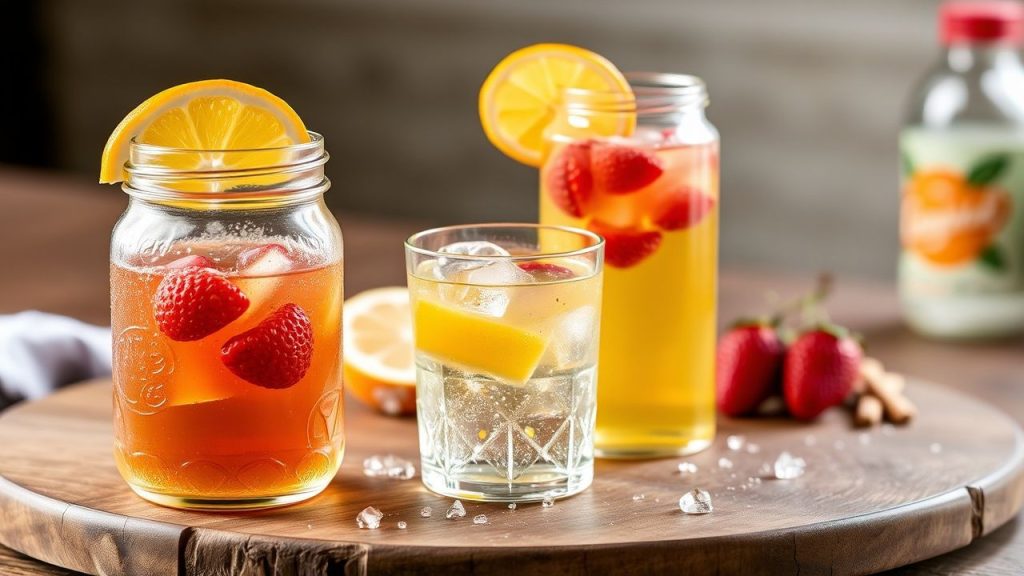
Chill finished bottles after secondary fermentation and open them carefully over a sink to relieve pressure slowly. Serve over ice with a garnish such as candied ginger, fresh herbs, or a citrus wheel for visual appeal.
Balance sweetness at bottling time to taste, but leave enough fermentable sugar for carbonation; typically 8–12% sugar by weight in the ferment will produce pleasant fizz. For preservation, refrigerate bottles once desired carbonation is reached to slow further fermentation.
FAQ
How long does it take to make an active ginger bug?
Expect visible activity between 3 and 7 days with daily feedings. Temperature and the native microflora on your ginger determine the exact timeline.
Can I use peeled ginger?
Yes; peeled ginger works when organic is unavailable, but peeled root may have fewer wild microbes. If you use non-organic ginger, scrub it thoroughly to remove residues before grating.
How should I store a dormant ginger bug?
Store the bug in the refrigerator and feed it once per week to maintain viability. Before using, bring it back to room temperature and resume daily feedings until it shows renewed activity.
What causes bottle explosions and how do I avoid them?
Excessive pressure from uncontrolled secondary fermentation causes bottle rupture. To reduce risk, use sturdy bottles, leave headspace, chill bottles when preferred carbonation is reached, and vent them if pressure builds.
Can children participate in ginger bug projects?
Yes, under supervision. Measuring, stirring, and observing fermentation are safe educational activities; handle hot liquids and bottling steps carefully with an adult present.
For further reference on controlled fermentation methods and microbial roles, consult established resources and scientific overviews before attempting complex flavored batches. This practice improves results and reduces risk.
| Nutrient | Amount per 100ml |
|---|---|
| Calories | 20 kcal |
| Carbohydrates | 5 g |
| Protein | 0.1 g |
| Fat | 0 g |
Ready to experiment? Start small, record each variation, and refine your technique through practice. Consistent feeding, temperature control, and clean technique yield the most repeatable, flavorful results.
Discover more practical fermentation resources in our Fermentation Basics Guide and adapt recipes from our ginger ale recipe to suit your taste and carbonation goals.
See also: ginger bug
]]>