- Balance acid and oil to tenderize without drying.
- Timing matters: short for delicate proteins, longer for hearty cuts.
- Layer flavors: aromatics, spices, and finishing herbs create depth.
- Food safety: do not reuse raw marinade without boiling.
Why Marinades Matter
Marinades do two practical jobs: they modify texture and add flavor. The acid component alters surface proteins to help tenderness while fats lock moisture and carry fat-soluble aromas deep into the meat.
For context, a traditional kebab relies on marinade chemistry to deliver consistent juiciness and char. A good marinade preserves the meat’s structure while amplifying natural taste.
Prep and Cook Time
Preparation: 15 minutes active time to mix and assemble components. Allow additional marination time depending on protein.
Cooking: 10–15 minutes on a hot grill or pan, depending on cube size and heat source. Rest kebabs 5 minutes after grilling to redistribute juices.
Yield and Difficulty
This recipe yields enough for 4–6 servings, an efficient portion for gatherings or family dinners. Adjust quantities linearly for larger groups.
The technique rates as medium difficulty. Home cooks should be comfortable with knife work, skewer handling, and basic grill temperature control to hit ideal char without overcooking.
Ingredients
Use quality fundamentals. A simple, well-balanced list gives the best return: protein, acid, oil, aromatics, and seasoning.
Essential items include:
- 1 lb boneless chicken thighs or lamb shoulder, cut into 1-inch cubes
- 1/3 cup extra virgin olive oil (olive oil)
- 1/4 cup freshly squeezed lemon juice (lemon)
- 3 cloves garlic, minced
- 1 tsp smoked paprika
- 1 tsp ground cumin
- 1 tsp ground coriander
- 1/2 tsp chili flakes (optional)
- 1/2 tsp sea salt, plus freshly ground black pepper to taste
- 2 tbsp chopped fresh parsley or cilantro
- Metal or soaked wooden skewers for grilling
Substitutions work: swap olive oil for another neutral oil, or use yogurt as a milder acid for delicate proteins (see tips below).
Instructions
Combine the Marinade
In a medium bowl, whisk together lemon juice, olive oil, minced garlic, smoked paprika, cumin, coriander, chili flakes, salt, and pepper until the mixture emulsifies. The acid gently modifies protein fibers; the oil suspends fat-soluble aromas and improves mouthfeel.
Measure ingredients rather than approximating when you first practice this technique. Consistency in acid and oil ratios produces predictable tenderness and flavor penetration.
Marinate the Meat
Add the cubed meat to the bowl and toss until each piece is evenly coated. Transfer to a covered container and chill for the recommended time window for that protein.
Timing guidance: 30 minutes to 2 hours for chicken, 2–24 hours for lamb or beef. Avoid exceeding 24 hours with strong citrus-based marinades to prevent mushy texture.
Preheat, Skewer, and Grill
Preheat a grill or heavy grill pan to medium-high. If using wooden skewers, soak them for 30 minutes to prevent charring and splintering.
Thread meat and optional vegetables, leaving small gaps for even heat exposure. Grill kebabs 4–6 minutes per side until charred outside and still juicy inside, then rest 5 minutes before serving.
Expert Tips to Elevate Your Kebabs with Bold and Balanced Flavors
Control the acid-to-oil ratio to balance tenderizing action with moisture retention. A practical rule is roughly 1 part acid to 3 parts oil for robust proteins; reduce acid for delicate cuts.
Layer aromatic ingredients. Use minced garlic, grated ginger, or whole spices toasted and ground fresh to strengthen the marinade’s aromatic profile without adding harshness.
 Expert Insight
For smoky depth, add smoked paprika or a touch of ground sumac. Alternatively, finish over live coals briefly to deposit flavorful polycyclic aromas via controlled charring.
 Pro-Caution
When experimenting, change only one variable at a time: acid source, marination time, or a single spice. This controlled approach helps isolate which adjustments improve texture and flavor.
Chef’s Notes
Substitutions: Use beef sirloin cubes for heartier texture or firm tofu for a vegetarian alternative. Adjust marination time to match density and porosity.
Make-ahead: Prepare the dry spice blend in advance and store airtight. You can also mix the marinade up to 24 hours ahead and refrigerate for convenience.
- Common pitfall: excessive acid or over-marinating causes a mealy or mushy surface.
- Enhance smokiness: add a small amount of liquid smoke or finish briefly over an open flame.
- Resting: give kebabs 5 minutes under loose foil to let juices redistribute before plating.
Serving Suggestions
Serve kebabs with warm flatbread, a cooling yogurt-cucumber sauce, and a crisp salad to contrast texture and temperature. A simple citrus finish brightens the plate and cuts through fat.
Classic accompaniments include pita or flatbread; for context see the pita entry for regional variations. Fresh herbs and a sprinkle of sumac add visual appeal and acidity balance.

Nutritional Information (approx.)
Per serving estimates depend on protein choice and oil quantity. Use these numbers as a planning guide rather than exact values.
| Nutrient | Per Serving (approx.) |
|---|---|
| Calories | 260 kcal |
| Protein | 28 g |
| Carbohydrates | 2 g |
| Fat | 15 g |
Q&A
Below are concise answers to common questions experienced cooks ask when refining marinades and grilling technique.
These responses draw on basic protein science and practical grilling experience to offer reproducible results.
Why are marinades essential for making perfect kebabs?
Marinades infuse flavor and assist tenderness by altering surface proteins. They ensure each bite delivers a consistent combination of moisture and aroma.
Without a proper marinade, kebabs risk drying out or tasting one-dimensional, especially on lean cuts.
What are the key ingredients that make a marinade effective?
An effective marinade balances acid, fat, and flavor. Acids like citrus or yogurt tenderize, fats like olive oil lock moisture, and herbs and spices create an aromatic matrix.
Salt is essential: it seasons and helps brine the surface to retain juiciness during cooking.
How long should kebabs marinate for optimal flavor and texture?
Short marination (30 minutes to 2 hours) works for chicken and fish; tougher cuts benefit from longer times up to 24 hours. Monitor acid strength to avoid over-tenderizing.
Use refrigeration and covered containers to ensure both food safety and even flavor absorption.
Can I create great marinades with pantry staples?
Yes. Simple combinations of lemon, olive oil, garlic, salt, and a single dried herb often outperform complex blends. Quality and balance trump exotic ingredients.
Focus on proportions and fresh aromatics to elevate pantry basics into memorable marinades.
FAQ
Practical, quick-reference answers for cooks refining their approach to marinades and kebabs.
Is yogurt better than lemon for marinating?
Yogurt provides a gentler, enzyme-based tenderizing action and adds creaminess. It suits delicate proteins and longer marination without the harsh surface breakdown citrus can cause.
Lemon delivers brighter acidity and a punchier flavor. Choose based on desired texture and flavor profile.
Can I marinate vegetables on the same schedule as meat?
Vegetables absorb marinades quickly and can become too soft if left overnight. Marinate most vegetables 15–60 minutes depending on density and desired texture.
Harder vegetables like peppers and onions tolerate longer contact times than delicate mushrooms or tomatoes.
Should I baste with marinade while grilling?
Basting with raw marinade is unsafe unless you reserve a separate, unused batch. Boil any used marinade thoroughly before reusing for basting or sauce.
A reserved baste made from the same ingredients preserves flavor without introducing pathogens.
How do I adjust the marinade for beef versus chicken?
Increase marination time and slightly reduce acid concentration for beef to allow deeper flavor penetration without surface breakdown. For chicken, err on the shorter side to maintain texture.
Use oil-heavy marinades with bold spices for beef; keep chicken lighter with bright citrus and fresh herbs.
What is the simplest way to improve a bland kebab?
Add a finish: a squeeze of fresh lemon, a sprinkle of chopped herbs, or a pinch of coarse salt immediately before serving will lift flavor. A quick char over high heat also adds desirable complexity.
For next time, increase marination time within safe windows and layer aromatics into the marinade for deeper flavor infusion.
Marinating is a repeatable culinary method. Apply these measured adjustments, and your kebabs will deliver predictable, restaurant-quality results every time.
Further reading on marinade chemistry and regional kebab styles can clarify advanced techniques; for foundational context see marinade, kebab, and yogurt.
See also: Marinades
]]>
- Plan storage: Keep perishables cold and separate from ready-to-eat foods.
- Verify temps: Use an instant-read thermometer and maintain food at safe temperatures.
- Manage fluids: Hydration and alcohol pacing reduce accidents and heat-related issues.
- Organize space: A simple layout prevents crowding and cross-contamination.
Core Principles of Tailgate Safety
Tailgate safety rests on three pillars: food control, hydration management, and crowd logistics. Focusing on these areas reduces common risks at outdoor events.
Adopt a checklist mindset: assign tasks, set temperature checks, and confirm contingency plans before guests arrive. Use a simple layout to minimize cross-traffic and keep cooking zones separate.
Prep and Cook Time (Event Planning)
Plan realistic prep and cook windows to avoid rushed handling that causes errors. For example, allow 20 minutes for prep and roughly 15 minutes for active grilling to match typical burger workflows.
Time buffers also help with food-safety steps like chilling, resting, and verifying internal temperatures. Building those minutes into your plan keeps food safe and service steady.
Ingredients and Cold-Chain Management
Keep perishable items at or below 40°F (4°C) until you cook them, and move cooked items to a separate clean platter immediately. Maintaining the cold chain prevents bacterial growth on protein-rich foods.
Use an insulated cooler and rotate ice packs rather than loose ice when possible. If you expect delays, pre-chill containers and monitor temps with a dedicated thermometer to ensure safety.
Grilling Instructions: Practical, Safe Execution
Heat your grill to medium-high and target surface heat near 375°F (190°C) for even searing. Form patties evenly, oil lightly, and season just before they hit the grate to control flare-ups and carryover cooking.
Cook ground beef to an internal temperature of 160°F (71°C) measured with an instant-read thermometer. Toast buns briefly on the grill and assemble burgers on a clean surface using separate utensils for raw and cooked items.
Safety Strategies
Divide the safety strategies into actionable habits: temperature control, cross-contamination prevention, and guest-flow management. Each habit reduces a specific failure mode at tailgate events.
Assign one person to temperature checks and one to sanitation so responsibilities stay clear. Clear roles ensure tasks like checking coolers, monitoring cooked food, and refilling water remain consistent throughout the event.
Food Handling and Cross-Contamination
Use separate cutting boards, tongs, and plates for raw and cooked foods to prevent transfer of pathogens. Cross-contamination explains many foodborne outbreaks; strict separation limits this risk.
Sanitize surfaces with a bleach solution or food-safe disinfectant between uses. For background reading, consult the food safety entry on Wikipedia for definitions and principles.
Hydration, Heat, and Alcohol Management
Encourage water intake and offer electrolyte options when temperatures rise or physical activity increases. Dehydration impairs judgment and increases heat-strain risk during long outdoor events.
Set a clear alcohol policy for drivers and establish a ride-share plan or designated drivers early. For science on dehydration, reference dehydration (physiology).
Expert Insight
Keep a visible schedule of when to rotate ice packs and when to check internal food temps. This small, visible cue dramatically raises compliance with safe handling routines.
Pro-Caution
Make thermometer checks routine: every batch, every grill rotation, every 30–60 minutes for foods kept warm. This habit cuts uncertainty and improves guest safety.
Tools and Gear Checklist
Pack essentials: an instant-read thermometer, separate platters for raw/cooked foods, a first-aid kit, a trash plan, and a backup light source. Proper gear reduces improvisation and error during the event.
Bring spill-control supplies and heavy-duty trash bags to keep the space safe and slip-free. A minimal toolkit prevents small incidents from escalating into injuries or food contamination issues.
Serving Suggestions and Waste Management
Serve hot foods immediately and refrigerate leftovers within two hours to limit bacterial growth. Use covered containers and ice when refrigeration is unavailable for extended periods.
Label allergen-containing items and set up a clear waste-disposal flow to reduce tripping hazards and contamination. Composting or separated recycling also keeps the area tidy and reduces safety risks.
Logistics: Crowd Flow and Site Layout
Position grills downwind and away from tents, seating, and footpaths. A compact, numbered layout helps guests move predictably and avoids accidental contact with hot equipment.
Designate an entrance and exit for the food zone and use signage or cones to guide traffic. This approach reduces congestion and gives cooks uninterrupted space to work safely.
Nutrition and Portioning
Plan portions based on guest counts and typical consumption to avoid excessive leftovers that risk sitting at unsafe temperatures. A serving size estimate keeps you efficient and responsible.
Offer smaller plates to reduce waste and encourage variety without overserving. Balanced sides like salads and grilled vegetables reduce reliance on high-risk items and broaden safe choices.
Q&A
How should I store raw meat at a tailgate?
Keep raw meat on the bottom layer of a cooler in sealed packaging and monitor the cooler temperature to remain at or below 40°F (4°C). Use ice packs and replace them regularly to maintain the cold chain.
What internal temperatures should I use for common proteins?
Grind-to burgers should reach 160°F (71°C); whole cuts like steaks can be cooked to lower temps depending on preference, but follow safety guidance for vulnerable guests. Use an instant-read thermometer for verification.
How can I reduce alcohol-related incidents at a tailgate?
Set clear drinking windows, provide water stations, and arrange alternative rides for anyone who plans to drink. A visible alcohol plan and designated driver system reduce risk and liability.
When should I discard perishable leftovers?
Discard perishable foods left out longer than two hours, or one hour if ambient temperatures exceed 90°F (32°C). Rapid cooling, labeled containers, and prompt refrigeration extend safety for kept items.
Where can I find official guidance on handling outdoor-food events?
Consult authoritative summaries and science articles; for an overview of food-safety concepts, see Wikipedia’s cross-contamination and related entries. These pages provide definitions and references to primary sources.
Insights and Next Steps
Tailgate safety depends on routine, clearly assigned roles, and reliable tools. When teams adopt repeatable checks for temperature and sanitation, events become predictable and low-risk.
Practice the setup before game day and refine your checklist with each event. For additional practical guidance, visit internal resources like safe grilling tips and the tailgate checklist to standardize your approach.
| Nutrition | Per Serving |
|---|---|
| Calories | 420 kcal |
| Protein | 28 g |
| Carbohydrates | 32 g |
| Fat | 22 g |
Celebrate smart and keep these routines simple: cooler checks, thermometer reads, and a visible plan for hydration and transport. These steps make the next tailgate both memorable and safe.

See also: Tailgate safety
]]>
- Better control: prevents food from falling through grates while improving even browning.
- Faster cleanup: nonstick surfaces and contained cooking reduce scrubbing time.
- Versatile use: works with vegetables, seafood, small meat pieces, and fruit.
Choosing the Right Grill Basket for Your Setup
Select a basket that fits your grill and cooking goals. Measure your grate area and consider a model that sits flat to maximize contact with heat.
Material and mesh size matter. For reference on grilling techniques and heat behavior, see grilling.
Key features to prioritize
Look for a solid hinge, locking mechanism, and ergonomic handle that stays cool. A long handle adds safety when working over open flame.
Fine mesh suits cherry tomatoes and sliced zucchini. Larger grids work for thicker vegetables and small cuts of meat. For guidance on metals used in cookware, consult stainless steel properties.
Materials and Basket Types
Baskets commonly come in stainless steel, non-stick coated steel, and cast iron. Each material affects heat transfer, stick resistance, and maintenance.
Stainless steel resists corrosion and scales well; non-stick coatings reduce oil needs but require gentler cleaning. Cast iron holds heat best and gives superior sear marks; learn more about cast iron characteristics at Cast iron.
Hinged vs. mesh trays
Hinged baskets allow you to clamp food and flip larger batches in one motion. Solid trays with perforations excel when you want stable contact for caramelization.
Choose collapsible or nesting styles if you need compact storage for camping or tailgating. Portability matters when you pack a full tool kit.
Mastering Marinades and Seasonings
Marinades change texture and deliver flavor deep into vegetables and seafood. Apply a balanced mix of acid, oil, herbs, and salt to break down fibers and boost caramelization.
For delicate seafood or quick-roast veg, short marination (30–60 minutes) improves taste without collapsing structure. For sturdier vegetables, longer rests help the oil and acid penetrate.
[h3]Practical rubs and mixes[/h3]
Use smoked paprika, ground cumin, or a light chili blend to add depth. Keep sugar moderate to prevent premature burning on high heat.
Finish with a bright element after grilling — citrus, a light vinegar, or fresh herb chiffonade improves perceived freshness and balance.
Expert Insight
When using liquids, toss vegetables briefly and let them rest on a tray to drain excess. This step reduces flare-ups and yields better grill marks.
Cleaning and Maintenance for Longevity
Proper care extends basket life and preserves food safety. Clean soon after cooling to prevent baked-on residue from hardening.
Soak in warm, soapy water and scrub with a soft-bristle brush. Avoid harsh abrasives on coated baskets to keep the finish intact. See our internal guides: Essential Grill Tools Guide and Grill Cleaning Guide for full maintenance workflows.
For stainless steel, occasional seasoning with a thin film of oil supports nonstick behaviour and reduces discoloration. For cast iron baskets, re-season after deep cleaning to maintain the protective patina.
Pro-Caution
Store baskets dry and elevated from damp surfaces to limit oxidation. Inspect locking points and handle attachments before every use.
Stubborn residue tips
Make a paste of baking soda and water, apply to hot spots, let sit 10–15 minutes, and then scrub gently. Heat can also loosen residues; a quick grill burn-off works for uncoated metal baskets.
Many baskets are top-rack dishwasher safe, but hand washing still preserves finishes longer and avoids dishwasher wear on handles and locks.
Prep, Timing, and Recipe Overview
Efficient prep and timing keep vegetables crisp with a pleasant char. Follow portioning and cut sizes to ensure consistent cook times across pieces.
Use a two-zone fire when possible: direct heat for searing and indirect heat to finish tenderizing. This approach reduces burn risk while allowing color development.
Prep and Cook Time (Estimate)
- Preparation: 15 minutes
- Marinade Time: 30–60 minutes
- Grilling: 10–15 minutes
Yield and Difficulty
Yield: Serves 4 as a side.
Difficulty: Easy — suitable for beginners and experienced cooks who want speed and control.
Ingredients (Core)
- 2 cups mixed bell peppers, sliced into 1-inch strips
- 1 cup zucchini, thin rounds
- 1 cup yellow squash, thin rounds
- 1 cup cherry tomatoes
- 1 cup mushrooms, halved
- 3 tbsp extra virgin olive oil
- 2 tbsp lemon juice
- 2 cloves garlic, minced
- 1 tsp fresh rosemary, chopped
- Salt and black pepper to taste
- 1/2 tsp smoked paprika (optional)
- Flaky sea salt for finishing
Step-by-step Instructions
- Prepare the marinade: Whisk olive oil, lemon, garlic, rosemary, smoked paprika, salt, and pepper.
- Combine vegetables: Put all veg in a wide bowl and pour the marinade over them.
- Marinate: Toss gently to coat and refrigerate 30–60 minutes uncovered on a tray to drain excess.
- Preheat grill: Aim for medium-high, roughly 375°F (190°C) if you use a thermometer.
- Load basket: Arrange vegetables in a single layer for even cooking.
- Grill: Place basket over direct heat and move to indirect if edges char too fast. Shake or flip every 4–5 minutes.
- Check doneness: Vegetables should be tender with light char but still have a bite.
- Finish: Transfer to a platter and finish with flaky sea salt and a splash of vinegar or lemon.
Serving Suggestions and Pairings
Serve grilled vegetables alongside grilled proteins or toss into warm grains for a vegetarian main. Texture contrasts sharpen the final dish.
Garnish with chopped parsley, crumbled cheese like feta, or toasted nuts for crunch. Pair with a chilled white or rosé for outdoor meals.
FAQ
This FAQ addresses common practical concerns and quick decisions around using a grill basket.
If you need follow-up reading, check the internal maintenance and tool pages linked above for deeper protocols.
What is a grill basket and why use one?
A grill basket is a perforated container made to hold small or delicate foods on a grill. It prevents small pieces from falling through grates and makes flipping simple.
It also concentrates heat contact for better browning while keeping food contained, which speeds cleanup and reduces waste.
Which basket material should I choose?
Choose stainless steel for durability and ease of cleaning. Pick cast iron to maximize searing and heat retention when you want strong char marks.
Non-stick coated baskets work well for low-fat cooking but require gentle care to preserve the coating and avoid scratching.
Can I use a grill basket on any grill?
Yes. Gas, charcoal, and electric grills all accept baskets. Match the basket size to your grate surface so it sits flat and stable.
For mobile setups like camping stoves, prefer lightweight, collapsible baskets designed for transport.
How do I prevent flare-ups and sticking?
Pat ingredients dry, use moderate oil, and avoid high-sugar marinades directly over intense flame. Move the basket away from direct flames when sugar begins to darken.
For sticky foods, brush the basket with oil before placing food, or use a non-stick model and gentle cleaning to preserve the finish.
How often should I replace a grill basket?
Replace baskets if welds or handles loosen, if non-stick coatings flake, or if rust penetrates joints. Regular inspection ensures safe use.
With proper care, stainless steel baskets can last many seasons; cast iron needs periodic re-seasoning but can last decades if maintained correctly.
Further reading: For metallurgy and cooking technique context, see barbecue and seafood entries on Wikipedia.
Embrace the grill basket as a practical upgrade to your outdoor toolkit. Choose the right material, follow simple marinading rules, and maintain your basket to enjoy reliable results season after season.
See also: grill basket
]]>
- At a glance: control heat zones, balance marinades, and choose fuel deliberately for consistent BBQ results.
- Key focus: measure temperature, rest meat, and change one variable at a time to learn faster.
- Tools that pay off: a digital instant-read thermometer and a charcoal chimney speed learning and reduce guesswork.
- Flavor primer: sear over direct heat, finish over indirect heat, and match wood intensity to protein.
BBQ Prep and Cook Time
Preparation: allow about 30 minutes of active prep and plan marinades from 20 minutes to 2 hours depending on cut and acid level. For thin cuts use short marinades; for dense cuts extend time, but avoid overexposure to acid.
Cooking: expect 20–40 minutes on the grill for steaks or thighs depending on thickness and method. Sear first on direct heat, then move to indirect heat to control interior doneness while preserving a crust.
BBQ Yield
This plan serves 4–6 people when you allocate 6–8 ounces of cooked protein per guest. Sides change appetite, so increase protein if you expect heavy eaters or fewer sides.
Account for trimming loss and bone weight when you buy raw. Buy slightly more raw weight than you need to meet guest expectations and avoid shortages.
BBQ Difficulty Level
Rated Medium: the technique matters more than exotic ingredients. Precise temperature control and timing deliver reliable results across proteins.
Intermediate grillers benefit most: you will practice searing, zone setup, wood selection, and thermometer use to refine outcomes. Each skill is teachable and repeatable with consistent feedback.
BBQ Ingredients
Keep a clean mise en place and measure oils, acids, and salt so the marinade chemistry stays consistent across cooks. Consistency of inputs leads to consistent cook results.
Use fresh herbs and quality lump charcoal or wood for predictable flavor transfer. Match wood and seasoning intensity to the protein to avoid overpowering delicate cuts.
- 2 pounds boneless beef ribeye or chicken thighs (bone-in optional)
- 1/4 cup extra virgin olive oil
- 1/4 cup soy sauce
- 3 tablespoons fresh lemon juice
- 2 tablespoons honey or maple syrup
- 4 cloves garlic, minced
- 1 tablespoon smoked paprika
- 1 teaspoon ground black pepper
- 2 teaspoons kosher salt
- Fresh herbs: 2 sprigs rosemary & 3 sprigs thyme
- Wood chunks: apple or hickory for grilling
- Charcoal: lump charcoal for clean, intense heat
BBQ Instructions
Follow a clear sequence: prepare the marinade, marinate, build two heat zones, preheat, sear, finish on indirect heat, then rest. Every step affects the next, so respect the order for reliable results.
Use an instant-read thermometer to confirm internal temperature rather than relying on time alone. Visual cues help, but temperature proves doneness and keeps food safe.
- Prepare your marinade: Whisk olive oil, soy sauce, lemon juice, honey, garlic, smoked paprika, black pepper, and kosher salt. A balanced mix of acid and oil adds surface flavor while limiting protein break-down.
- Marinate the meat: Submerge protein, cover, and refrigerate 20 minutes to 2 hours. Too long in acid can soften delicate cuts excessively; monitor exposure time.
- Set up the grill: Bank lump charcoal to create a high direct zone and leave the other side for indirect heat. Hardwood chunks add aroma as they smolder and provide controlled smoke.
- Preheat the grill: Wait until coals reach a white-gray ash for steady searing heat. That ash signals even radiant heat across the coal bed.
- Sear the meat: Place meat on direct heat for 3–4 minutes per side to form a crust driven by the Maillard reaction. Resist over-flipping to allow surface browning.
- Move to indirect heat: Finish on the cooler side until the internal target is reached: about 130°F for medium-rare beef and 165°F for chicken. Use a probe thermometer for accuracy.
- Rest the meat: Tent the cooked protein loosely with foil and rest 5–10 minutes. Resting lets juices redistribute and improves slice presentation.
- Serve: Slice against the grain for beef and garnish with chopped rosemary and thyme. Drizzle reserved resting juices for added moisture and sheen.
BBQ Tips for Success
Small habits yield big returns. Log temperatures, wood selection, and timing so you can reproduce wins and learn from misses.
Invest in two basic tools: a digital instant-read thermometer and a reliable charcoal chimney. They remove guesswork and speed workflow while improving safety and repeatability.
- Marinade chemistry: Acid breaks proteins while oil carries fat-soluble flavors; salt improves water retention. Balance avoids toughening muscle fibers.
- Heat zones mastery: Use direct heat to sear and indirect heat to finish without burning the exterior. That two-zone method minimizes flare-ups.
- Wood and charcoal selection: Fruitwoods add subtle sweetness; hickory gives stronger, bacon-like notes. Choose woods that match the protein and desired intensity.
- Thermometer use: Check temperature at the thickest point and avoid touching bone. Aim for target temperatures to ensure safety and preferred doneness.
Expert Insight
Keep one routine element constant so you can evaluate changes objectively. Consistent fuel and thermometer technique speed learning and stabilize results.
Pro-Caution
BBQ Smoke and Fuel Choices
Fuel and smoke determine the aromatic backbone of BBQ. Choose fuels with known burn profiles to match the protein and the desired flavor intensity.
Charcoal provides high, focused heat and a neutral base that lets wood chips supply aroma. Use lump charcoal for cleaner combustion and better temperature control; learn more about charcoal chemistry Charcoal.
How smoke changes flavor
When wood smolders, it releases aromatic compounds that bond with surface fats and proteins to create perceived smoke in each bite. Controlled smoke layers complexity instead of masking meat flavor.
Learn the limits: too much smoke yields bitter notes. Aim for a steady, thin smoke rather than a heavy white cloud to avoid off-flavors, and review smoking techniques at Smoking (cooking).
BBQ Serving Suggestions
Pair grilled proteins with simple sides that echo the grill flavors: charred peppers, grilled zucchini, or a citrus salad cut through smoke and fat. Keep sauces restrained to highlight the sear and underlying protein.
Finish with a light sprinkle of coarse sea salt and fresh herbs. A small final salt touch brightens flavors and elevates texture contrast without masking the grill notes.
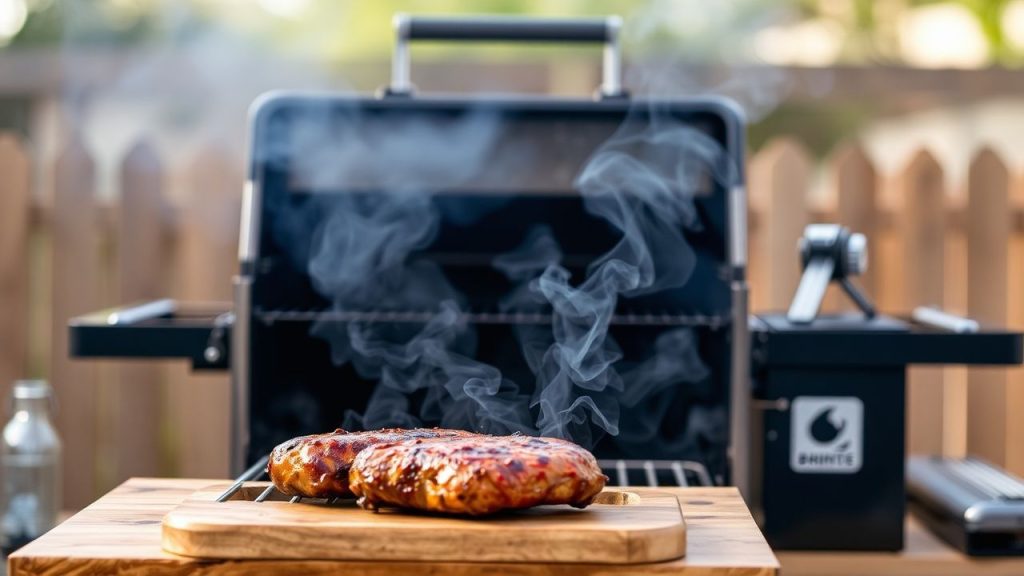
| Nutrient | Per Serving |
|---|---|
| Calories | 450 kcal |
| Protein | 38 g |
| Carbohydrates | 8 g |
| Fat | 28 g |
For technique context on high-heat surface reactions, read about the Maillard reaction. For method context on direct vs. indirect grilling, consult Grilling.
BBQ Final Thoughts
Mastering BBQ combines reproducible technique with measured experimentation. Track variables, refine methods, and prioritize consistent inputs to build a dependable backyard system.
Grilling rewards attention to heat, timing, and aroma. Measure outcomes and iterate; your backyard will become a dependable lab for flavor when you apply disciplined practice.
FAQ
What internal temperatures should I target for safety and texture?
Use an instant-read thermometer and aim for 130°F for medium-rare beef and 165°F for poultry. These targets balance safety and preferred texture when combined with proper resting.
How long should I marinate my steak or chicken?
Thin cuts need 20–60 minutes; thicker steaks or bone-in thighs can handle up to 2 hours. Avoid extended acid exposure on delicate cuts to prevent textural breakdown.
Does wood type really change flavor that much?
Yes. Fruitwoods add sweet, mild notes while hardwoods like hickory provide stronger, savory smoke. Match wood intensity to protein to complement rather than overwhelm.
Is searing necessary for flavor?
Searing creates the Maillard crust that enhances taste and texture. Use a hot direct zone to sear, then finish over indirect heat to preserve juiciness.
How should I rest grilled meat?
Rest tented loosely for 5–10 minutes depending on cut size. Resting lets juices redistribute and provides cleaner slices and better mouthfeel.
See also: Tag: Grilling
See also: BBQ
]]>
- Basting preserves moisture and delays surface drying for tender results.
- Warm, fat-based bastes improve browning and carry aromatic ingredients.
- Timing matters: baste after initial crust formation and at steady intervals.
- Tools and motion determine coverage and speed without losing oven heat.
The Science Behind Basting: Why Moisture is a breakthrough
Basting affects heat flow and surface chemistry. By reintroducing liquid and fat to the outer layers, you slow surface dehydration while promoting reactions that generate flavor and color.
Specifically, controlled moisture supports the Maillard reaction and limits hard surface formation that blocks even cooking. Both outcomes yield a tender interior and well-browned exterior.
Choosing the Perfect Basting Liquid
Choose a base of fat plus a flavorful carrier. Melted unsalted butter or neutral oil provides lubricity and heat transfer, while stocks or citrus add taste and acidity to balance richness.
When you add sugar or syrups, monitor color closely because sugars accelerate caramelization. Use less sweet ingredients for long profiles and add small amounts near the end for glaze-like gloss.
Tips for Flavorful and Juicy Results
Balance is the goal. Combine fat, acid, and aromatics so each baste layers flavor without overpowering the protein.
- Warm your baste: Keep it at serving temperature to avoid dropping oven heat.
- Add aromatics late: Fresh herbs and citrus zest in the final baste preserve volatile flavors.
- Control sweetness: Use honey or maple sparingly to prevent excessive browning.
Timing and Technique: How to Baste Like a Pro Without Losing Heat
Start basting after the surface has set and a light crust forms. For many roasts that takes 10–20 minutes at moderate oven temperature; for quick sears reduce frequency.
Baste at consistent intervals to maintain surface moisture but avoid continuous wetting that prevents browning. Frequent, brief basting keeps temperatures steady and encourages even color development.
Tools and Motion
Use a long-handled spoon, ladle, or bulb baster to reach into deep pans without tilting the oven or grill excessively. A steady, rhythmic pour covers the surface evenly.
Tilt the pan to gather juices and spoon over the highest points. This motion increases contact between liquid and meat, improving heat transfer and glazing the surface.
Expert Insight
Common Mistakes to Avoid When Basting for Maximum Moisture Retention
Avoid common errors that undo the benefit of basting. The most frequent mistakes are temperature shock, over-basting, and using baste mixtures that interfere with browning.
Cold liquids lower the pan temperature and stall reactions. Opening the oven repeatedly creates heat loss. Excessively watery bastes dilute surface flavors and slow Maillard chemistry.
Pro-Caution
Practical fixes for each mistake
If you see soggy surfaces, reduce basting frequency and raise pan temperature slightly to encourage drying between applications.
For flare-ups on the grill, apply baste quickly and keep a spray bottle of water nearby. Use oil-based bastes sparingly when grilling over direct flame.
Prep and Cook Time
Estimate times based on cut, size, and method. Basting adds minimal time if you plan intervals and keep liquids warm.
Typical guideline: Prep: 10–20 minutes. Cook: 30–90 minutes depending on protein and desired doneness.
- Prep time: 15 minutes
- Cook time: 45 minutes (dependent on dish and size)
Yield
Serves 4–6 as written. Adjust the basting volume proportionally for larger pieces.
For small roasts or poultry, plan 1–1.5 tablespoons of baste per baste cycle; larger cuts may need more to maintain surface coverage.
Difficulty Level
Medium. The technique requires attention to timing, temperature control, and choice of baste. Those skills are transferable to many cooking methods.
Use a probe thermometer to avoid overcooking and to decide when to rest—this preserves moisture and ensures consistent doneness.
Ingredients
The following amounts make a versatile basting liquid for a mid-sized roast or poultry. Scale as needed and keep the mix warm during cooking.
- 4 tbsp unsalted butter, melted
- 1/4 cup chicken broth
- 2 tbsp fresh lemon juice
- 2 cloves garlic, minced
- 2 tbsp fresh rosemary, chopped
- Salt and freshly ground black pepper, to taste
- Optional: 1 tbsp honey or maple syrup for sweetness
Instructions
Follow these steps for consistent results. Each step focuses on preserving moisture while building flavor through controlled heat and repeated glazing.
- Prepare the basting liquid: Gently warm butter, broth, lemon, garlic, rosemary, salt, and pepper in a small saucepan. Hold warm, do not boil.
- Preheat: Set oven or grill to 375°F (190°C) for even caramelization without too-rapid drying.
- Initiate cooking: Place protein or vegetables on a roasting pan and cook uncovered for 10–20 minutes to develop a crust.
- Baste carefully: Use a long-handled spoon or baster to apply warm liquid every 5–15 minutes depending on the item and method.
- Rotate and monitor: Turn the dish midway for even color. Limit door openings to reduce temperature fluctuations.
- Rest before serving: Let the cooked food rest 5–10 minutes to redistribute juices for maximum tenderness.
Chef’s Notes & Tips for Success
Small technique changes produce large improvements. Use these notes to refine your routine and adapt for specific proteins or vegetables.
- Swap chicken broth for a rich vegetable stock for vegetarian options.
- Infuse oil with chili or garlic for a different flavor profile on the grill.
- For delicate fish, baste once or twice near the end to avoid breaking the flesh.
- Prepare the basting liquid a day ahead and rewarm gently to save time on service day.
Serving Suggestions
Finish basted meats with a final spoonful of warm baste and a sprinkle of fresh herbs to brighten the plate. Presentation matters: glossy surfaces signal succulence.
Pair basted proteins with roasted root vegetables or a crisp salad dressed with lemon vinaigrette for contrast. For texture, add toasted nuts or fresh citrus zest as a final touch.
| Nutrient | Per Serving |
|---|---|
| Calories | 220 |
| Protein | 25g |
| Carbohydrates | 3g |
| Fat | 12g |
For additional technique practice, review our internal guides on how to master basting techniques and check the step-by-step notes in our roasting tips collection.
References and Further Reading
For foundational chemistry and cooking science, consult the following resources that explain the reactions and methods discussed above.
- Maillard reaction — the chemical pathway that creates browning and complex flavor.
- Caramelization — sugar-driven browning relevant when using honey or syrups.
- Grilling — method notes for basting over open flame and managing flare-ups.
- Roasting — high-heat, dry-heat technique where basting most often applies.
- Butter — why this fat carries flavor and browns surfaces effectively.
FAQ
How often should I baste different proteins?
Frequency depends on size and method. For large roasts, baste every 10–15 minutes after the crust forms. For quick-roasted poultry, basting every 5–10 minutes during the middle phase works well. Fish benefits from only one or two applications near the end.
Can I use pan drippings as a baste?
Yes. Pan drippings concentrate flavor and natural juices. Strain fat and adjust seasoning. Warm the collected juices before applying to avoid temperature loss.
Will basting make meats too salty?
Basting itself does not increase saltiness unless your baste contains high-sodium stock. Taste your baste and the meat, then adjust salt sparingly to maintain balance.
Is basting necessary for every roast?
No. Slow-roasted, tightly wrapped, or braised dishes retain moisture through other means and may not benefit from frequent basting. Use the technique when you want a glossy finish, layered aromas, and improved browning.
What tools work best for even coverage?
Long-handled spoons, basters, and small ladles provide speed and control. Use a baster for focused application and a spoon for broader coverage. Keep a small heatproof pot near your station to hold warm baste.
Basting is a high-return technique: a modest investment in attention yields visibly better texture and flavor. Apply warm, balanced bastes and consistent motion to preserve juices, enhance browning, and deliver more reliable results across proteins and vegetables.
See also: Basting
]]>