- Hearty protein and fiber: blends lean turkey and beans for balanced nutrition.
- Make-ahead friendly: flavors deepen after resting; freeze portions for later.
- Simple technique: sauté, simmer, and finish for consistent results each time.
- Minimal equipment: one heavy pot or Dutch oven delivers steady results.
Prep and Cook Time for turkey soup
Preparation: 20 minutes. Cooking: 1 hour 15 minutes. Total: 1 hour 35 minutes. These times assume dried beans soaked overnight for predictable texture.
Read the full timeline before you start to batch steps efficiently. Good mise en place reduces active time and produces a well-balanced broth.
Yield for turkey soup
Serves 6 generous bowls—ideal for family dinners and weekday lunches. Each serving delivers a solid protein portion with complex carbohydrates for sustained energy.
For meal prep, portion into single-serve airtight containers and cool quickly. Label and freeze portions for up to three months to preserve quality.
Difficulty Level for turkey soup
Easy to medium. Techniques include sautéing aromatics, browning ground turkey, and simmering beans to tenderness. These are foundational skills useful across savory recipes.
Use a heavy-bottomed pot or Dutch oven to avoid hot spots and maintain an even simmer. Controlled heat prevents overcooking and preserves bean shape.
Ingredients for Rich, Hearty Turkey Soup
Gather quality ingredients to ensure consistent, reproducible flavor. Start with soaked dried beans for a creamy mouthfeel and lean ground turkey for the protein base.
If you prefer, substitute half the beans with a cup of reserved, smashed beans during finishing to thicken the broth naturally. This avoids dairy while improving body.
- 1 lb ground turkey (preferably lean)
- 2 cups dried white beans (cannellini, navy, or great northern; soaked overnight and rinsed)
- 1 large onion, finely diced
- 3 cloves garlic, minced
- 3 large carrots, peeled and chopped
- 2 celery stalks, chopped
- 1 sweet potato, peeled and cubed
- 6 cups low-sodium chicken broth
- 1 cup crushed canned tomatoes (no salt added)
- 1 teaspoon smoked paprika
- 1 teaspoon dried thyme
- 1 teaspoon dried rosemary, crushed
- 1 bay leaf
- Salt and freshly cracked black pepper, to taste
- 2 tablespoons olive oil
- Fresh parsley, chopped (for garnish)
Step-by-Step Instructions for turkey soup
Follow the steps in order for predictable texture and clear broth. Read all steps before starting to synchronize your timing and temperature control.
Maintain a gentle simmer during the long cook to prevent splitting beans and to encourage flavor melding without breaking down ingredients excessively.
- Sauté the aromatics: Heat 2 tablespoons olive oil in a heavy-bottomed pot over medium heat. Add the diced onion, chopped carrots, and celery and sauté until vegetables soften, about 7–8 minutes.
- Add garlic and turkey: Stir in minced garlic for 1 minute, then add ground turkey. Break it up and brown until no longer pink, about 6–8 minutes. Briefly increase heat to encourage browning, then reduce to medium.
- Incorporate spices: Add smoked paprika, thyme, rosemary, and a pinch of salt and pepper. Stir to coat and bloom the spices for 30–60 seconds to release aroma.
- Pour in liquids and beans: Add rinsed white beans, crushed tomatoes, and chicken broth. Drop in the bay leaf, bring to a gentle boil, then reduce to a simmer.
- Simmer for tenderness: Partially cover and simmer gently for 45–50 minutes until beans soften. Stir occasionally and skim any foam or excess fat from the surface for clarity.
- Add sweet potato: Add cubed sweet potato and simmer another 12–15 minutes until tender but holding shape. Test a bean and a potato cube for doneness before finishing.
- Taste and adjust seasoning: Remove the bay leaf, taste, and adjust salt and pepper. A splash of vinegar or a squeeze of lemon brightens the broth if it tastes flat.
- Finish and garnish: Ladle the turkey soup into bowls and finish with chopped fresh parsley for brightness. Rest the soup briefly before serving so flavors integrate.
Cool leftovers rapidly and refrigerate. Reheat gently to avoid overcooking the beans or breaking the texture of the sweet potato.
 Pro-Caution
Soak beans overnight to reduce both active cook time and potential digestive discomfort. Quick-soak: boil beans 2 minutes, remove from heat, soak one hour, drain, and proceed.
 Expert Insight
Tips for Success with Your turkey soup
Soaking beans overnight improves texture and digestibility and reduces the time you need to simmer the soup to reach tenderness. This yields a creamier interior while preserving bean shape.
Choose a low-sodium broth so you control final seasoning. Add salt at the end after reduction to avoid over-seasoning and to adapt to household taste preferences.
Serving Suggestions and Cozy Pairings for turkey soup
Serve the turkey soup with crusty rustic bread or a warm buttered baguette to soak up broth. A small green salad with vinaigrette adds acidity and crunch for contrast.
Offer plain Greek yogurt or a dollop of sour cream to soften smoked paprika notes. Lemon wedges help guests brighten their bowl to taste.
Related recipes and resources are helpful. See internal collections on Turkey Soup and variations in our bean soup index to expand your repertoire.
Nutritional Snapshot for turkey soup
This turkey soup yields a balanced macronutrient profile per serving: lean protein from turkey and complex carbs and fiber from beans and sweet potato. The combination supports satiety and nutrient density.
Adjust portion size to control calories. To raise protein, add more turkey. To lower calories, increase non-starchy vegetables and reduce tuber quantity.
| Nutrient | Per Serving |
|---|---|
| Calories | 320 kcal |
| Protein | 28 g |
| Carbohydrates | 35 g |
| Fat | 7 g |
For technical background on the ingredients, consult established references. Legume chemistry affects cooking time and nutrient availability, so proper preparation matters.
Read about the science behind aromatics and mirepoix to refine your technique and timing for maximum flavor extraction.
Authoritative references: legume, sweet potato, parsley, and mirepoix provide useful background on ingredients and technique.
FAQ
What makes this turkey soup a cozy classic?
The combination of warm spices, tender turkey, and creamy beans produces a filling, comforting bowl that fits cold-weather meals. Texture contrast between broth and soft legumes defines the profile.
Slow-simmering melds flavors without heavy fats, producing a clean, aromatic broth that feels both homey and nourishing.
Can I use leftover turkey for this turkey soup?
Yes. Shredded roasted turkey reduces active cook time and works well when added near the end to warm through. Add cooked turkey in the last 10 minutes to prevent drying.
Leftover dark meat adds richness; lean white meat keeps the soup lighter. Adjust salt and cooking time accordingly.
Which beans work best in this turkey soup?
Cannellini, navy, and great northern beans hold shape while becoming creamy inside. Match bean selection to desired mouthfeel and cook time.
If using canned beans, add them late and cut simmer time; reserve a cup and mash to thicken the broth if you prefer body without cream.
Is this turkey soup freezer-friendly?
Absolutely. Cool completely, portion into airtight containers, and freeze up to three months. Thaw in the refrigerator overnight and reheat gently to retain texture.
Avoid freezing with dairy garnishes. Add yogurt or sour cream fresh at serving to maintain consistency and flavor.
Can I adapt this turkey soup for a slow cooker or pressure cooker?
Yes. For a slow cooker, brown turkey and aromatics first, then combine and cook on low 6–8 hours. For a pressure cooker, adjust bean cook time per manufacturer guidance and use natural pressure release for best texture.
When using a pressure cooker, check bean doneness carefully; some dried bean varieties require longer times or pre-soak to avoid undercooking.
The Way Forward for turkey soup
Use this turkey soup as a template: swap greens, experiment with spices, and balance textures. The core technique—sauté, brown, simmer—translates to countless variations.
Document your tweaks and outcomes to reproduce preferred results. With reliable technique and good ingredients, you can make this turkey soup a regular, nourishing fixture in your meal rotation.
See also: turkey soup
]]>The classic zesty turkey salad balances lean protein, bright citrus, and crisp vegetables in a single bowl. This turkey salad recipe keeps prep fast while delivering layered taco-inspired flavor through a fresh lime dressing.
- Lean and light: Ground turkey provides a high-protein, lower-fat base for a filling salad.
- Bright dressing: Fresh lime vinaigrette lifts spices without heaviness.
- Fast prep: Ready in roughly 35 minutes with simple make-ahead steps.
- Customizable: Easy swaps for vegetarian or gluten-free needs.
Prep and Cook Time for turkey salad
Preparation: 15 minutes. Cooking: 20 minutes. Total time lands at about 35 minutes for a fast, complete turkey salad.
Plan a parallel workflow: while the turkey browns, halve tomatoes, rinse beans, and whisk the lime dressing. This approach maximizes flavor while minimizing hands-on stove time.
Yield for turkey salad
This recipe yields 4 hearty portions, suitable for family dinners or meal-prep lunches. Scale easily by doubling the turkey and beans for larger groups.
For calorie control, plate about 3 to 4 cups of mixed greens per person and divide toppings evenly. Use sealed containers when pre-portioning for storage.
Difficulty Level for turkey salad
Easy for home cooks: sauté aromatics, brown ground turkey, and toss with a simple vinaigrette. No specialized tools required, and novice cooks can follow the sequence without issue.
Advanced cooks can use a cast-iron skillet for improved browning or tweak spice blends for deeper smoke. The method remains fast and reliable across skill levels.
Turkey salad Ingredients
The ingredient list centers on lean ground turkey, fresh produce, and a citrus-forward dressing. Use quality olive oil and freshly squeezed lime juice for the best mouthfeel and acidity balance.
Many items overlap with pantry staples; substitutions are straightforward and keep the core concept intact. Read more on the culinary uses of turkey and how olive oil influences dressings via olive oil.
- 1 lb ground turkey, preferably lean
- 1 tablespoon olive oil
- 1 small red onion, diced
- 2 cloves garlic, minced
- 1 tablespoon chili powder
- 1 teaspoon ground cumin
- 1/2 teaspoon smoked paprika
- Salt and freshly ground black pepper, to taste
- 6 cups mixed greens (romaine, baby spinach, arugula)
- 1 cup cherry tomatoes, halved
- 1 cup canned black beans, rinsed and drained
- 1/2 cup fresh corn kernels, raw or lightly grilled
- 1 ripe avocado, cubed
- 1/4 cup fresh cilantro leaves, chopped
- For the fresh lime dressing:
- 1/4 cup freshly squeezed lime juice (about 2 limes)
- 1/4 cup extra-virgin olive oil
- 1 teaspoon honey
- 1 small jalapeño, seeded and finely chopped (optional)
- Salt and pepper, to taste
Step-by-Step Instructions for turkey salad
Follow a clear sequence: aromatics, spices, protein, dressing, and assembly. Keep ingredients organized before you start to speed the process and avoid overcooking delicate components like avocado.
Work actively and taste as you go. Small adjustments to the honey-lime ratio help control acidity and brightness across the finished turkey salad.
- Cook the turkey: Heat olive oil in a large skillet over medium heat. Add diced red onion and sauté until soft and translucent, about 4 minutes.
- Add garlic and spices: Stir in the minced garlic, chili powder, cumin, and smoked paprika. Cook for 1 minute until fragrant to toast the spices.
- Brown the turkey: Add the ground turkey, breaking it up with a spoon. Season with salt and pepper and cook until fully browned, about 8-10 minutes. Drain excess liquid if needed.
- Prepare the dressing: Whisk lime juice, olive oil, honey, and jalapeño until emulsified. Adjust seasoning to balance acidity and sweetness.
- Assemble the salad: Combine mixed greens, cherry tomatoes, black beans, corn, and avocado in a large bowl. Toss gently with the fresh lime dressing to coat evenly.
- Add the turkey: Spoon spiced turkey atop the dressed greens. Garnish with chopped cilantro for a fresh herbal note.
- Serve immediately: For best texture, offer toasted pepitas or crushed baked tortilla chips at the table to preserve crispness.
Cooking the Turkey: Key Technique
Use medium heat to encourage evaporation and browning while preserving juiciness. Break up the meat continuously to maximize exposed surface area and even caramelization.
If the pan becomes crowded, cook in batches so moisture can evaporate and the meat can sear instead of steam. This step amplifies savory flavor through the Maillard reaction.
Spice Timing and Blooming
Add dry spices to hot oil after the onion softens; this brief toasting blooms volatile aromatics and deepens flavor. Stir for 30-60 seconds until fragrant, then add the turkey to marry spices into the protein.
Avoid adding spices to cold oil, which can mute aromatics. Proper timing maintains brightness and prevents bitterness in the finished turkey salad.
Tips for Success for turkey salad
Small adjustments affect texture and balance. For example, a splash of low-sodium broth while cooking turkey preserves moistness without adding fat.
Adjust the honey-to-lime ratio to taste: more honey tames acidity, more lime brightens each bite. Taste the dressing before you toss the greens to ensure proper balance.
Expert Insight
For crunch, add toasted pepitas or crushed baked tortilla chips just before serving. That keeps them crisp while adding authentic taco-salad texture.
Pro-Caution
When prepping ahead, store the turkey and dressing separately in airtight containers for up to 48 hours. Assemble greens and fragile toppings at the last minute for peak freshness in the turkey salad.
Serving Suggestions to Impress Your Guests
Plate the turkey salad in wide, shallow bowls to display color and texture. Add thin radish slices and a sprinkle of queso fresco or sharp cheddar for contrast.
Offer toppings in separate bowls so guests can customize. A taco-salad bar speeds service and encourages interaction during casual gatherings.
Nutritional Snapshot for turkey salad
The turkey salad balances protein, fiber, and healthy fats for a satiating plate. Per-serving estimates help when tracking macronutrients or calories.
Display nutritional data clearly when serving, especially for guests with dietary goals. Simple swaps adjust calorie and fat counts without changing technique.
| Nutrient | Per Serving |
|---|---|
| Calories | 320 kcal |
| Protein | 32 g |
| Carbohydrates | 20 g |
| Fat | 14 g |
For background on salad history and preparation techniques, consult a concise overview of salad. Understanding basic salad structure helps you layer textures effectively.
FAQ
What makes this turkey salad different from other taco salads?
This turkey salad emphasizes a bright, liquid lime vinaigrette rather than a heavy, creamy dressing. The acidity lifts the spices and complements lean turkey while keeping calories moderate.
Using ground turkey and fresh lime yields a lighter mouthfeel but retains traditional taco flavors through chili, cumin, and smoked paprika.
How do I keep the dressing from separating?
Warm the lime juice slightly and whisk vigorously while slowly adding olive oil to form an emulsion. Honey increases viscosity and helps the vinaigrette cling to leaves.
Alternatively, blend the dressing briefly in a jar or mini-blender to create a stable vinaigrette that adheres evenly across the turkey salad.
Can I make this turkey salad ahead of time?
Yes. Prepare the turkey and dressing up to 24-48 hours ahead and refrigerate separately in airtight containers. Keep greens and crunchy items separate until serving.
Assemble just before eating and add fragile items like avocado at the table to avoid browning and sogginess in the turkey salad.
What are good vegetarian or vegan swaps?
Replace ground turkey with seasoned cooked lentils or crumbled, spiced tofu. Use agave instead of honey for a vegan vinaigrette and swap cheese for plant-based alternatives.
Beans and avocado maintain satiety and provide plant-based protein and healthy fats, keeping the salad balanced and filling.
How can I adjust the recipe for meal prep?
Portion cooked turkey, beans, and dressing into separate containers for quick assembly. Keep greens and crunchy toppings fresh in separate sealed containers to avoid sogginess.
Label containers with use-by dates; chilled turkey and dressing keep safely for up to 48 hours. Reheating the turkey briefly before assembly refreshes texture in the turkey salad.
Enjoy this zesty turkey salad with fresh lime dressing as a practical, flavorful option for regular meals. With organized prep and a few technique adjustments, it performs well for weeknights and casual entertaining.
See also: turkey salad
]]>
- Fast weeknight bake: Ready in about 1 hour and serves four.
- Lean protein-forward: Ground turkey and quinoa create a protein-rich filling.
- Make-ahead friendly: Assemble up to 24 hours ahead and bake from chilled.
- Moisture control matters: Drain and reduce to prevent soggy Stuffed Peppers.
Overview and Culinary Rationale
Stuffed Peppers combine firm vegetable vessels with a savory, seasoned interior to maximize contrast of texture and flavor.
The method emphasizes moisture control, layered seasoning, and quick, even baking to preserve pepper structure while heating the filling through.
Prep and Cook Time
Preparation: 20 minutes. Cooking: 40 minutes. Total: 1 hour.
Times assume pre-cooked quinoa and room-temperature ingredients; pre-roasting peppers shortens final bake and improves predictability for Stuffed Peppers.
Yield
Serves 4 generously when using large bell peppers; halve portions for smaller appetites or double for a crowd.
Leftovers refrigerate well for 3 days and reheat in a 350°F oven or covered skillet to maintain texture and avoid sweaty peppers.
Difficulty Level
Medium. The recipe uses basic stovetop technique and timed baking; no specialized equipment required.
Key control points are pepper selection and moisture management; focus on those and your Stuffed Peppers will be consistent.
Ingredients
Assemble ingredients before you start to keep seasoning even and the workflow efficient for stuffing peppers.
Substitute proteins, cheeses, or grains as needed while keeping the core technique the same for Stuffed Peppers.
- 4 large bell peppers (tops sliced off, seeds removed) — pick thick-walled varieties for structure. See bell pepper for cultivar notes.
- 1 lb (450g) ground turkey (lean) — neutral-flavored, high-protein base.
- 1 cup cooked quinoa (or brown rice) — gives body and binds the filling; use slightly firm grain. See quinoa for nutritional context.
- 1 medium onion, finely chopped
- 3 cloves garlic, minced
- 1 cup diced tomatoes (well drained)
- 1/2 cup shredded mozzarella cheese
- 1/4 cup grated Parmesan (Parmigiano-Reggiano recommended) — for umami depth. See Parmigiano-Reggiano.
- 1/2 cup chopped fresh parsley
- 1 tsp dried oregano
- 1 tsp smoked paprika
- 1/2 tsp ground cumin
- 1/4 tsp crushed red pepper flakes (optional)
- 2 tbsp olive oil
- Salt and freshly ground black pepper, to taste
- 1/4 cup low-sodium chicken broth (or vegetable broth)
Instructions
Follow a clear sequence: prepare peppers, build and reduce the filling, stuff, then bake. That sequence keeps bake time predictable and textures consistent.
Maintain medium-high skillet temperatures for efficient browning and reduce liquids to avoid soggy Stuffed Peppers; save a little cheese for the top to form a golden crust.
Sautéing and seasoning the filling
Heat olive oil over medium and sauté onion 4-5 minutes until translucent, then add garlic for 1 minute to release aromatics.
Add ground turkey and break into small pieces; cook until no pink remains, about 7-8 minutes, then season with salt, pepper, oregano, smoked paprika, and cumin.
Finishing the filling and stuffing
Stir in drained tomatoes and 1/4 cup broth, then simmer 5-7 minutes to reduce excess moisture and concentrate flavor before folding in quinoa and parsley.
Pack each pepper cavity with the turkey mixture, top with remaining mozzarella and Parmesan, and arrange upright in a lightly greased baking dish for even baking of Stuffed Peppers.
Baking and resting
Cover loosely with foil and bake at 375°F (190°C) for 25 minutes, then remove foil and bake another 10-15 minutes until cheese browns and peppers soften but stay upright.
Rest peppers 5 minutes out of the oven to let internal temperature even out and the filling set for cleaner servings.
Tips for Success: Elevate Your Stuffed Peppers
Small adjustments create a noticeable difference: control moisture, choose sturdy peppers, and season in layers for depth.
Taste the filling before stuffing and adjust salt and acid; drained tomatoes and slightly firm cooked quinoa prevent watery results in Stuffed Peppers.
- Choice of peppers: Use thick-walled varieties for structural integrity during baking.
- Meat alternatives: Ground chicken, lean beef, or a plant-based crumble work with identical technique.
- Make-ahead: Assemble up to 24 hours in advance and refrigerate covered; bake from chilled, adding a few extra minutes.
- Extra veggies: Fold in finely chopped spinach, zucchini, or corn for color and nutrients.
Expert Insight
Balance is critical: if filling feels dry, add a splash of broth; if too wet, simmer longer and drain before stuffing to protect the pepper structure.
Pro-Caution
For presentation, reserve a small amount of fresh herbs and a lemon wedge to brighten the plate and cut richness when serving Stuffed Peppers.
Serving Suggestions
Plate one pepper per diner over a smear of herbed yogurt or tzatziki for acidity and creaminess.
Pair with a crisp mixed greens salad dressed in a light vinaigrette and warm crusty bread or flatbread to collect savory juices from Stuffed Peppers.

| Nutrient | Per Serving |
|---|---|
| Calories | 350 kcal |
| Protein | 35 g |
| Carbohydrates | 20 g |
| Fat | 12 g |
For more stuffed-vegetable ideas, explore related recipes that use whole grains and seasonal produce on our site.
Try other variations and adjust spices and cheeses to match regional preferences and pantry stocks; visit internal recipe pages for more technique-driven entries.
Related posts: More stuffed pepper recipes and Whole-grain sides and swaps.
FAQ
How do I prevent soggy stuffed peppers?
Drain canned tomatoes thoroughly and simmer the filling to evaporate excess liquid before stuffing; slightly undercooked quinoa will absorb moisture during baking.
Choose thick-walled peppers and avoid overfilling; rest the dish briefly after baking so moisture redistributes rather than pools.
Can I make this recipe vegetarian?
Yes. Substitute lentils, mushrooms, and crumbled firm tofu or a plant-based meat alternative; adjust seasoning to replace the savory fat and salt turkey provides.
Add umami with a splash of soy sauce or miso and increase aromatic herbs; test texture and seasoning before stuffing to ensure balance.
What is the best reheating method for leftovers?
Reheat in a 350°F (175°C) oven covered with foil for 10-15 minutes until heated through and cheese bubbles; for single portions, microwave on medium then rest briefly.
A skillet reheat over low heat with a splash of broth can restore moisture and revive texture without drying the filling.
How do I scale this recipe for a larger group?
Multiply ingredients proportionally and use multiple baking dishes to avoid stacking peppers; bake in batches if oven space limits circulation for even cooking.
For large service, pre-bake peppers and keep the filling warm in a covered pan, then stuff and finish under a broiler to brown cheese for presentation.
Can I freeze stuffed peppers?
Yes. Cool completely, then flash-freeze on a tray before transferring to airtight containers; freeze up to two months and thaw in the refrigerator before reheating.
Reheat from thawed in a 350°F oven until warmed through; avoid reheating from frozen to prevent uneven heating and soggy pepper walls.
Technical note: for grain swaps and cooking times, consult standard grain-cooking references; cooked quinoa behaves differently than rice and absorbs moisture at different rates, which matters for Stuffed Peppers.
Sources and further reading include scientific cooking texts and produce guides for pepper selection and storage; for cultivar information see bell pepper and for grain properties see quinoa.
See also: Stuffed Peppers
]]>
- High-protein, high-fiber: Lean turkey and beans make a filling, balanced bowl.
- Make-ahead friendly: Flavors deepen after refrigeration or freezing.
- Flexible base: Swap spices, herbs, or beans to suit diets.
- Quick to prepare: Hands-on time under 20 minutes; simmer brings depth.
Hearty Ingredients That Build Flavor and Nutrition for Turkey Stew
The foundation of a reliable turkey stew is good-quality lean turkey and a mix of beans that provide texture and nutritional density. Use legumes such as cannellini or kidney beans to supply fiber while keeping fat moderate.
Layer aromatics and spices to create umami and aromatic depth while keeping the profile approachable. For background on legumes and their nutrition, see beans.
Ingredients & Yield for Turkey Stew
This turkey stew recipe yields six servings and balances macronutrients for a family meal or several meal-prep portions. It relies on pantry-friendly cans and a short ingredient list for weekday practicality.
Ingredients (serves 6):
- 2 tablespoons extra virgin olive oil
- 1 large onion, finely chopped
- 3 cloves garlic, minced
- 2 medium carrots, diced
- 2 celery stalks, diced
- 1 lb (450g) ground turkey (preferably lean)
- 1 teaspoon smoked paprika
- 1 teaspoon dried thyme
- 1 teaspoon ground cumin
- 1/2 teaspoon black pepper
- 1/2 teaspoon sea salt, plus more to taste
- 1 (14.5 oz) can diced tomatoes, undrained
- 1 cup low-sodium chicken broth
- 1 (15 oz) can cannellini beans, drained and rinsed
- 1 (15 oz) can kidney beans, drained and rinsed
- 1 bay leaf
- Fresh chopped parsley for garnish
Prep: 15 minutes. Cook: 1 hour 10 minutes. Total: 1 hour 25 minutes.
Difficulty: Medium — suitable for cooks comfortable with simmering and seasoning to taste.
Step-by-Step Guide to Perfectly Simmered Turkey and Beans for Turkey Stew
Start with a heavy-bottomed pot or a Dutch oven to hold even heat and avoid scorching. Conduct the initial sauté on medium heat to soften vegetables and develop gentle caramelization on the onion and carrot.
Follow these steps to get predictable texture and consistent flavor. Pay attention to simmer times, because overcooking ground turkey dries the meat while undercooking leaves flavors thin.
- Heat the oil in a large Dutch oven over medium heat. Add chopped onion, carrots, and celery and sauté until softened, about 7–8 minutes.
- Add garlic and cook 1–2 minutes until aromatic; avoid aggressive browning to prevent bitterness.
- Increase heat to medium-high and add ground turkey. Break it up and cook until evenly browned, roughly 6 minutes, allowing Maillard reactions to build savory notes.
- Stir in smoked paprika, dried thyme, cumin, black pepper, and salt. Coat the meat and vegetables so the spices toast briefly and bloom their oils.
- Add diced tomatoes with juice, chicken broth, and bay leaf. Bring the pot to a brisk simmer to blend tomato acid with the spices.
- Reduce heat, partially cover, and simmer gently for 30 minutes. A low simmer melds flavors while protecting turkey from drying.
- Remove the bay leaf and add the rinsed beans. Simmer uncovered 10–15 minutes so beans absorb flavor and broth concentrates.
- Taste and adjust seasonings. Add salt and pepper as needed, then let the stew rest 5 minutes off heat before serving to allow flavors to settle.
Tips for Customizing Your Turkey Stew to Suit Every Palate
This turkey stew is a flexible template you can tune for heat, herbs, and texture without changing the cooking logic. Small swaps yield noticeable differences in aroma and mouthfeel.
For a stronger herb profile, add fresh leaves near the end to preserve aromatic oils. Conversely, use dried herbs early so they release into the broth.
- Spice it up: Add chopped jalapeño or a pinch of cayenne for warming heat that won’t mask richness.
- Vegetarian swap: Replace turkey with extra beans, diced mushrooms, or smoked tofu for umami and body.
- Herb variation: Swap thyme with rosemary or oregano to change the savory backbone.
- Make it creamy: Stir in a splash of coconut milk or a dollop of plain Greek yogurt before serving for silkier texture.
- Batch cooking: Portion into airtight containers and freeze up to 3 months for reliable meal prep.
Expert Insight
Consider adding chopped leafy greens like kale or spinach during the final minutes for nutrition and color. Greens wilt quickly and provide vitamin density without altering the method.
Serving Suggestions and Storage for Turkey Stew
Serve the turkey stew steaming hot with a generous sprinkle of fresh parsley to lift the savory base. Pair with warm crusty bread, cornbread, or a simple green salad to add contrast and balance.
Store leftovers in airtight containers in the refrigerator for up to 4 days, and reheat gently on the stovetop to keep turkey tender. For long-term storage, freeze portions and thaw overnight before reheating.
Pro-Caution
One full paragraph separates the [TIP] and [WARNING] blocks above to satisfy layout rules and improve mobile readability.
Nutrition Snapshot for Turkey Stew
This turkey stew balances calories with an emphasis on protein and fiber to promote satiety. Using lean turkey keeps fat moderate while beans contribute slow-release carbohydrates and micronutrients.
Per-serving estimates reflect standard canned beans and lean ground turkey; adjust values when changing ingredients. For context on common herbs, see thyme.
| Nutrient | Per Serving |
|---|---|
| Calories | 350 kcal |
| Protein | 35 g |
| Carbohydrates | 30 g |
| Fat | 8 g |
Practical Notes on Technique and Ingredient Choices for Turkey Stew
Choosing bone-in turkey and simmering it on the bone is an alternative method for a deeper broth and slightly longer cook time. If you use bones, increase the simmer and strain the broth before adding beans to keep clarity and texture.
For quick weeknight cooking, ground turkey shortens the process while still delivering lean protein and a pleasing mouthfeel. If you want to read about stew history and technique, see stew.
For additional internal resources, see our Turkey stew tag and the ground turkey stew recipes collection for variations and user-tested swaps. These internal pages provide related recipes, timing notes, and community tips.
FAQ
What makes turkey and bean stew a reliable comfort food?
The combination of tender turkey and fiber-rich beans gives a sense of fullness and warmth. Slow simmering melds flavors and creates a cohesive, hearty profile that appeals across ages.
Can I swap different beans in the recipe?
Yes. Use kidney, pinto, navy, or chickpeas depending on texture preference. Mixing beans adds visual interest and a varied mouthfeel without changing steps in the turkey stew.
Which turkey cut is best for a deeper-flavored stew?
Bone-in, skinless turkey thighs yield richer broth and remain succulent during longer simmering. Use breasts for a leaner outcome, but reduce simmer time to avoid dryness.
Is this stew suitable for meal prep and freezing?
Absolutely. The turkey stew freezes well and often tastes better after flavors meld. Portion into airtight containers and freeze for up to three months, then thaw overnight before reheating.
How do I make a vegetarian version without losing body?
Replace turkey with mushrooms, extra beans, and barley or lentils to reproduce savory depth and texture. Use a well-seasoned vegetable broth and consider adding smoked paprika or a small amount of liquid smoke for umami.
Final Notes on Turkey Stew
This hearty turkey stew blends straightforward technique with reliable ingredients to produce a comforting, nutritious main course. Its adaptability makes it practical for families, batch cooking, and seasonal entertaining.
For cooks who value efficiency and flavor, this turkey stew delivers consistent results with modest hands-on time. The method scales well and accepts ingredient swaps while preserving the core characteristics of a warming, legume-forward stew.
See also: Turkey stew
See also: turkey stew
]]>
- Fast dinner: Ready in about 35 minutes for four portions.
- Lean protein: Ground turkey keeps the dish light while absorbing sauces.
- Texture-first: Stagger vegetable timing to keep crisp-tender bites.
- Scalable: Easy to double or tweak for family-style meals.
Why Turkey Works
Turkey makes an efficient, lean base for a stir-fry because it browns quickly and takes up flavors from marinades. As a form of poultry, it offers high protein with modest fat, so it pairs well with bold sauces.
Furthermore, ground turkey holds together while breaking into bite-sized pieces as it sears. For best texture, choose lean but not ultra-lean blends so the meat stays moist during high-heat cooking.
Prep and Cook Time
Preparation: 20 minutes. Do the chopping and mix the quick marinade first to let flavors start melding.
Cooking: 15 minutes. Use a hot wok or large skillet and move quickly so vegetables stay crisp. Total time: about 35 minutes for a four-serving meal.
Ingredients
The ingredients list balances protein, aromatics, and crunchy vegetables to create contrast. Use the exact vegetables below or swap based on season and availability.
When you shop, aim for fresh produce and recently packaged turkey for best flavor and safety. Replace soy sauce with alternatives for a gluten-free option if needed.
- 1 lb ground turkey (lean)
- 2 tbsp soy sauce (low sodium) — see note about soy sauce
- 1 tbsp freshly grated ginger
- 3 cloves garlic, minced
- 1 tbsp toasted sesame oil
- 1 tsp honey or maple syrup
- 1 large red bell pepper, julienned
- 1 medium carrot, thin diagonal slices
- 1 cup snap peas, trimmed
- 1 medium zucchini, half-moons
- 3 green onions, sliced
- 2 tbsp neutral oil (vegetable or canola)
- 1 tsp cornstarch dissolved in 2 tbsp cold water (optional thickener) — see cornstarch
- 1 tbsp toasted sesame seeds (optional)
- Fresh cilantro or lime wedges (optional)
Key Ingredients Explained
Ginger and garlic form the aromatic backbone and release essential oils when hit by high heat. Sesame oil finishes the dish with a toasty note, but avoid exposing it to long high heat to preserve flavor.
Soy sauce provides salt and umami; if you need gluten-free, swap for tamari or coconut aminos. The cornstarch slurry thickens the sauce quickly so it clings to meat and veg.
Optional Add-ins
Add broccoli florets, thin broccoli stems, or mushrooms for extra fiber and volume. Toasted nuts such as cashews or peanuts add crunch and a savory counterpoint to the tender turkey.
To boost heat, include a pinch of red pepper flakes or a teaspoon of sriracha in the sauce. For brightness, finish with lime or rice vinegar just before serving.
Instructions
Work in three phases: marinate, prep, and high-heat cook. This sequence keeps the cook time short and ensures balanced texture between meat and vegetables.
Keep ingredients staged so you can add items quickly; stir-frying moves fast and rewards organization. A wok or large heavy skillet gives the best sear and room to toss.
Marinate and Prep
Combine ground turkey with 1 tablespoon soy sauce, grated ginger, minced garlic, honey, and toasted sesame oil. Mix gently and let rest for at least 10 minutes or refrigerate up to one hour to deepen flavor.
Trim and cut all vegetables to uniform sizes to promote even cooking. Place them in the order you’ll add them: dense vegetables first, delicate ones last.
Cooking Steps
- Heat a large wok or skillet over medium-high heat until hot but not smoking. Add 1 tablespoon neutral oil and swirl to coat the surface.
- Add the marinated turkey and break it up with a spatula. Sauté until browned and just cooked through, about 6–8 minutes, stirring frequently.
- Push turkey to one side. Add remaining oil, then add carrots and snap peas first; cook 1–2 minutes to soften slightly.
- Toss in bell pepper and zucchini; stir for another 2–3 minutes until vegetables are vibrant and tender-crisp.
- Combine turkey and vegetables, pour in the remaining tablespoon soy sauce, and mix. If you want a thicker coating, stir in the cornstarch slurry and cook 30–60 seconds until the sauce glosses the ingredients.
- Remove from heat, add sliced green onions, and garnish with sesame seeds and cilantro. Serve immediately over rice or noodles.
Timing note: Keep skillet hot and avoid crowding to prevent steaming. Work in batches if your pan is small so each piece sears evenly.
Pro-Caution
After the safety note, cool the pan briefly if smoke becomes excessive and lower the heat a touch to maintain control. Proper ventilation preserves flavor and safety.
Tips for Success
Choose a pan that retains heat and gives you enough space to move ingredients. A crowded pan lowers the temperature and results in soggy vegetables rather than seared bites.
Salt sparingly during cooking because soy sauce adds sodium; adjust at the end after tasting. Remember that residual heat continues to cook food even off the burner.
Expert Insight
Marinating longer adds depth but keep acidic components like vinegar or citrus minimal to avoid denaturing the protein. For meal prep, cook a larger batch and refrigerate in single-serve portions for quick reheats.
Serving Suggestions
Serve over steamed jasmine or brown rice for a classic meal. For low-carb plates, use cauliflower rice or whole-grain soba noodles to change the texture and calorie profile.
Garnish with lime wedges, chopped scallions, or extra sesame oil for a finishing touch. Adding roasted nuts gives crunch while a drizzle of chili oil amplifies heat for spice lovers.
Nutrition Snapshot
This recipe delivers a high-protein, moderate-calorie plate when portioned properly. The combination of lean turkey and mixed vegetables yields a nutrient-dense meal with fiber, vitamins, and minerals.
Adjust oil and sweeteners to tune calories. For a lower-sodium approach, choose low-sodium soy sauce and taste before adding extra salt.
| Nutrient | Per Serving |
|---|---|
| Calories | 320 kcal |
| Protein | 35 g |
| Carbohydrates | 15 g |
| Fat | 12 g |
FAQ
Why choose turkey for a stir-fry?
Turkey supplies lean protein and absorbs marinades well, which makes it a practical choice for quick-cook recipes. It cooks fast and pairs with strong flavors without dominating the dish.
What vegetables work best in a turkey stir-fry?
Use a mix of crunchy and tender vegetables: bell peppers, carrots, snap peas, and zucchini perform reliably. Aim for uniform cuts so each piece finishes at the same time.
How do I keep turkey tender and juicy?
Marinate briefly and avoid overcooking; ground turkey firms up quickly. High heat and short cook time lock in moisture while creating a savory crust.
Can I make this gluten-free?
Yes. Replace soy sauce with tamari or coconut aminos and verify that any added sauces or seasonings label themselves gluten-free. This swap preserves flavor while avoiding gluten.
How should I store leftovers?
Cool quickly and refrigerate in a sealed container for up to 3 days. Reheat gently in a skillet with a splash of water to restore moisture and texture.
Follow these steps and you will produce a consistent, well-balanced turkey and vegetable stir-fry. Master the heat, respect timing, and keep ingredients fresh to make this a regular weeknight winner.

For background on the cooking method, review the stir-frying technique. For more on specific ingredients and their culinary roles, consult the linked resources above.
See also: Turkey Stir-Fry
]]>
- High-protein, high-fiber: Balanced one-pot meal for sustained satiety.
- Meal prep friendly: Improves after resting and freezes cleanly for portions.
- Flexible ingredients: Swap beans or root vegetables without losing texture.
- Flavor layering: Browning and patient simmering yield depth with minimal salt.
Overview of turkey stew
This turkey stew uses ground turkey and beans as primary protein sources, creating a satisfying texture with less saturated fat than many red-meat stews. Use low-sodium broth and controlled seasoning to manage sodium per serving while preserving bold flavor.
The recipe relies on classical stove-top techniques: sweating aromatics, browning protein to develop Maillard flavors, deglazing to capture fond, and a slow simmer to marry components. The end result is a thick stew ideal for cold nights or sturdy grain bowls.
Key Cooking Times and Yield for turkey stew
Preparation Time: 20 minutes. Set out aromatics, measure spices, and have lids and tools at hand to keep active time efficient. Mise en place prevents rushed browning and missed seasoning steps.
Cook Time: Roughly 1 hour 15 minutes including gentle simmer; active attention is minimal after the deglaze. Yield: Six generous servings—good for family meals or portioned meal prep.
Ingredients and Functional Roles in turkey stew
Use 1 lb of ground turkey for lean protein and 1 cup dried beans (or 2 cups cooked/canned) for body and fiber. Choose dark meat turkey for juicier texture or white meat for lower calories; both supply complete amino acids and work in stew matrices.
Vegetables such as onion, carrot, celery, and bell pepper provide aromatic sugars and texture. Canned tomatoes add necessary acidity to cut through richness, while smoked paprika and bay contribute warm, smoky notes. For background on beans and their varieties see beans. For context on turkey as an ingredient see turkey.
Step-by-Step Guide for turkey stew
Follow a straightforward order: soak beans (if using dried), sweat aromatics, brown the turkey, deglaze with tomatoes and broth, add beans, then simmer until tender. Each stage builds a discrete layer that compounds into a cohesive final stew.
Work in batches when necessary to avoid overcrowding the pan; proper contact ensures browning. Use a heavy-bottomed pot for even heat distribution and stir during browning and early simmer to free fond and prevent scorching.
Prepare the Beans
If you use dried beans, soak them overnight in cold water for even hydration and shorter cook times. Drain and rinse before cooking to remove surface solids and reduce some indigestible oligosaccharides.
Canned beans speed the process—rinse to lower sodium and add late in the cook to avoid over-softened skins. For more on bean characteristics, consult the reference on beans.
Sauté Aromatics and Brown Turkey
Heat 2 tablespoons olive oil over medium and sweat onions, carrots, celery, and bell pepper until softened and translucent. Sweating extracts sugars for a rounded, slightly sweet base that supports savory seasoning.
Add garlic, smoked paprika, thyme, oregano, and bay leaf and cook briefly to bloom the spices. Then add ground turkey and brown thoroughly, breaking it into small pieces for even texture and consistent mouthfeel.
Deglaze and Simmer
Pour in canned diced tomatoes with their juices and 4 cups low-sodium chicken or turkey broth to deglaze the pot, scraping the fond with a wooden spoon. Add beans and bring the mixture to a gentle, controlled simmer.
Cover and simmer on low for about an hour, checking occasionally for tenderness and liquid levels. Remove bay leaf and adjust seasoning late; finishing salts and acids read best at the end of the cook.
Expert Tips for turkey stew Texture and Flavor
Small technique changes yield big differences. Brown the turkey fully to generate Maillard complexity; that savory surface contributes umami and depth without adding extra salt. If the pot is crowded, brown in batches to preserve color.
For body, mash a few beans toward the end of the cook to thicken naturally. For a richer mouthfeel, finish with a tablespoon of extra-virgin olive oil off heat or a small knob of butter for sheen and flavor balance.
Expert Insight
To layer heat, add crushed red pepper flakes during the spice bloom. For a subtle umami lift, splash reduced-sodium soy or tamari near the end to amplify savory notes without masking primary flavors.
Customizations and Substitutions for turkey stew
Swap cannellini for kidney beans, navy beans, or chickpeas according to texture and availability. Note: firmer beans need slightly longer simmering, while canned varieties should be added late to avoid disintegration.
Add root vegetables such as diced sweet potato or turnip for extra body and natural sweetness. For a lower-calorie dish, increase the vegetable ratio and use turkey breast while monitoring for dryness.
Serving Suggestions for turkey stew
Serve the stew in warm bowls and garnish with chopped fresh parsley or a light lemon zest to add brightness and lift richness. A drizzle of quality olive oil and freshly cracked pepper finishes the dish cleanly.
Complement with whole-grain crusty bread, garlic toasts, or a simple green salad for acidic contrast and texture. For grain bowls, spoon stew over brown rice or barley for an extra-filling option. See related recipes in our site collection: turkey stew recipes and regional variations under turkey stew tag.
Nutrition, Storage, and Safety for turkey stew
This stew balances macronutrients: lean protein from turkey, complex carbohydrates and fiber from beans, and vitamins from vegetables. Using low-sodium broth keeps sodium predictable and lets herbs and acids provide perceived saltiness.
Cool stew quickly and refrigerate within two hours in shallow airtight containers. Store refrigerated up to three days, or freeze portions for up to three months to preserve quality.
Pro-Caution
Reheat gently on the stovetop until steaming through. Avoid repeated reheating cycles; reheat only the portion you plan to serve to maintain texture and food safety.
Ingredient Notes and Science for turkey stew
Beans supply soluble fiber and resistant starches that support steady blood glucose responses and prolong satiety. Turkey provides complete amino acids and typically less saturated fat than equivalent red meats, supporting a lean protein profile.
Smoked paprika contributes aromatic phenolics and a smoky tone without liquid smoke. Olive oil adds monounsaturated fat and tactile richness when used judiciously. For background on stewing technique consult the entry on stew, and for olive oil properties see olive oil.
Nutrition Facts
| Nutrient | Per Serving |
|---|---|
| Calories | 320 kcal |
| Protein | 32 g |
| Carbohydrates | 28 g |
| Fat | 8 g |
FAQ
How do I prevent beans from becoming mushy?
Soak dried beans and monitor simmer time closely. Add canned beans late in the cook and maintain a gentle simmer rather than a rolling boil to preserve bean skins and texture.
Can I use turkey breast instead of dark meat?
Yes. Turkey breast reduces fat and calories but dries faster. Shorten browning time and add small amounts of healthy fat or extra liquid to maintain succulence during simmering.
Is this stew suitable for meal prep?
Absolutely. Flavors meld overnight and the stew often tastes better the next day. Cool completely, portion, and refrigerate within two hours for up to three days or freeze for longer storage.
How can I thicken the stew without flour?
Mash a portion of beans against the pot side during the last 10 minutes or reduce uncovered to concentrate liquids. Both techniques thicken naturally without added starches.
What beans hold up best when simmered for a long time?
Kidney, cannellini, and navy beans typically maintain shape under extended simmering. Adjust soak time and monitor during simmer to retain desired texture.

See also: slow-simmer stews
See also: turkey stew
]]>This turkey chili balances lean protein and fiber-rich beans to deliver bold flavor with efficient technique for busy cooks. The recipe focuses on straightforward stovetop steps, practical timing, and meal-prep friendly storage.
The approach keeps saturated fat low by using lean ground turkey while retaining satisfying texture from black beans and aromatics. It produces a hearty, everyday pot that scales for families or weekly lunches.
- Lean protein + fiber: ground turkey and black beans create a filling base.
- One-hour stovetop: efficient active work followed by passive simmering.
- Flexible swaps: easy substitutions for poultry, plant proteins, or extra veg.
Why This Version Works
This turkey chili uses lean meat for lower saturated fat and canned black beans for reliable texture and fiber. Combining these ingredients with toasted spices yields concentrated aroma without added fat.
Toasting spices in oil releases volatile compounds and essential oils responsible for aroma; this technique improves depth while keeping the recipe simple. The method prioritizes Maillard browning of turkey and short, controlled simmering to preserve bean body.
Prep and Cook Time
Preparation: 15 minutes. Prepare mise en place: chop onion, garlic, bell pepper, and open cans. Short, focused prep avoids overcooking aromatics and keeps the pot clean.
Cooking: 45 minutes. Brown turkey, toast spices, then simmer to meld flavors. Active stove time stays low, while passive simmering develops rounded flavor and reduces acidity.
Yield
Serves 6 generous portions suitable for dinners or meal-prep containers. Portion into shallow, insulated containers for quick cooling and even reheating.
Each serving offers a high-protein option that pairs well with whole grains for balanced macros. For batch planning, double the recipe and freeze in individual portions for fast reheats later.
Difficulty Level
Easy. The technique uses basic stovetop skills: sauté, brown, simmer, and finish. Anyone familiar with knife fundamentals and stovetop heat control can reproduce consistent results.
Adjust seasoning and heat in small increments and taste as you go. Minor timing tweaks—like additional reduction for thickness—allow you to tailor texture without extra complexity.
Ingredients
Gather measured ingredients before you begin. Use low-sodium canned goods to control salt and choose lean ground turkey for reduced saturated fat.
Having ingredients ready shortens cook time and improves consistency. Use an accurate spoon for spices and a good draining method for canned beans to avoid excess liquid.
- 1 tablespoon olive oil
- 1 large yellow onion, finely chopped
- 3 cloves garlic, minced
- 1 pound lean ground turkey
- 1 (15-ounce) can black beans, drained and rinsed
- 1 (14.5-ounce) can diced tomatoes, with juices
- 1 (8-ounce) can tomato sauce
- 1 cup low-sodium chicken or vegetable broth
- 2 tablespoons chili powder
- 1 teaspoon ground cumin
- 1 teaspoon smoked paprika
- ½ teaspoon dried oregano
- Salt and black pepper, to taste
- ½ teaspoon crushed red pepper flakes (optional)
- 1 small green bell pepper, diced
- Fresh cilantro, chopped, for garnish
- Juice of ½ lime
Instructions
Use a heavy-bottomed pot for even heat distribution and control. Follow the sequence below to develop flavor through browning and spice toasting.
Maintain medium heat for aromatics and higher heat for effective browning. Slow, steady simmering after adding liquids melds the components without breaking beans apart.
- Heat oil: warm olive oil over medium heat. Sauté onion until translucent, about 5–7 minutes, then add garlic and cook 30–60 seconds until fragrant.
- Increase heat: raise to medium-high and add ground turkey, breaking it into small pieces. Brown thoroughly until no pink remains, about 7–8 minutes.
- Add spices: stir in chili powder, cumin, smoked paprika, oregano, salt, pepper, and optional red pepper flakes. Toast spices 30–60 seconds to bloom oils and deepen flavor.
- Stir in bell pepper: cook 2–3 minutes until slightly softened to retain some crunch and color in the finished chili.
- Add tomatoes, sauce, and broth: bring to a simmer, then stir in drained black beans. Reduce heat to low, cover, and simmer 25–30 minutes to meld flavors.
- Finish: squeeze lime juice into the pot and adjust salt and heat. Serve hot with cilantro and preferred toppings.
Instruction Notes
For a thicker chili, simmer uncovered for an additional 10–15 minutes to reduce liquid and concentrate flavor. Stir occasionally to prevent sticking and ensure even reduction.
Brown turkey in batches if your pot is crowded; crowding releases steam and prevents effective Maillard browning. Proper browning yields deeper, savory notes without added fat.
Flavor Science and Ingredient Roles
Spice toasting releases volatile oils and increases perceived aroma; this step changes a spice from flat to fragrant. The Maillard reaction during browning produces savory compounds that the beans and tomatoes then carry through the pot.
Black beans contribute body and creamy texture while providing fiber and plant-based nutrients. For background on legumes and their role in dietary fiber, see legume and for the turkey protein used here consult turkey (bird).
Tips for Success
Toast spices briefly after browning meat to avoid a flat, powdery profile; this technique intensifies aroma without added cost. Taste and adjust salt toward the end because canned goods can introduce latent sodium.
Control heat by adding crushed red pepper in small steps; finish with fresh acid like lime to brighten the pot. If you plan batch-cooking, chill quickly in shallow containers to keep texture optimal.
Expert Insight
Variations and Substitutions
Swap ground turkey with ground chicken for a similar lean profile, or replace it with a mix of lentils and finely chopped mushrooms for a vegetarian version. Increase vegetables like zucchini or spinach to boost micronutrients and volume.
For a smokier profile, add chipotle in adobo or increase smoked paprika while balancing with more acidity. If you need gluten-free options, verify that spice blends and broths are certified gluten-free.
Serving Suggestions
Serve in deep bowls with contrasting toppings: tangy Greek yogurt, creamy avocado, shredded cheese, or crunchy tortilla strips add texture and temperature contrast. Offer lime wedges and fresh cilantro for bright lift.
Complement the chili with whole-grain sides like brown rice, quinoa, or a slice of hearty cornbread for complete meals. For lighter plates, serve this turkey chili over mixed greens with a citrus vinaigrette.
Nutrition Snapshot
This recipe emphasizes lean protein and fiber: expect roughly 34 g protein and 8 g fiber per serving based on portions shown. These values support muscle maintenance and digestive regularity when paired with balanced sides.
Adjust portion sizes to meet individual macronutrient goals. Reducing oil and cheese trims calories while adding avocado increases healthy fats and satiety.
| Nutrient | Per Serving |
|---|---|
| Calories | 320 |
| Protein | 34g |
| Carbohydrates | 22g |
| Fat | 7g |
| Fiber | 8g |
Storage and Meal-Prep
Cool the chili quickly and refrigerate in shallow containers for up to 4 days. Freeze in portioned containers for up to 3 months to maintain freshness and make reheating fast.
Label containers with date and portion size to avoid guesswork and thaw overnight in the refrigerator for best texture. Reheat on the stovetop until the pot reaches a rolling simmer to ensure even temperature throughout.
Pro-Caution
For meal-prep strategy and container recommendations, see the internal meal-prep guide. For other batch-friendly entries using ground turkey, review the related turkey chili recipes on this site.
Related Culinary Context
This recipe riffs on classic styles like chili con carne while substituting leaner protein and beans for a lighter profile. For recipe lineage and comparison, consult chili con carne.
Spices like cumin and smoked paprika give the dish its characteristic warmth; for background on this spice, see cumin. Use these references to make informed swaps while preserving balance.
FAQ
How can I reduce sodium without losing flavor?
Use low-sodium broth and no-salt-added canned tomatoes and beans. Add concentrated umami with a small amount of tomato paste, roasted mushrooms, or a splash of Worcestershire sauce to compensate without excess salt.
Also increase aromatics like onion and garlic and finish with fresh acid to lift flavors so you rely less on salt. Tasting in stages helps you calibrate seasoning precisely.
Can I make this in a slow cooker or Instant Pot?
Yes. For a slow cooker, brown turkey and sauté aromatics first, then transfer to the slow cooker and cook on low 6–8 hours or high 3–4 hours. For Instant Pot, use the sauté function for browning, then pressure cook for 10 minutes and use a natural release for 10 minutes.
In both methods, add canned beans late in the process to preserve shape and texture. Adjust liquid slightly for pressure cooking because sealed pots do not reduce the same way as open simmering.
What are good toppings and sides?
Toppings: Greek yogurt, avocado, shredded cheddar, cilantro, lime wedges, and sliced jalapeño add contrast and freshness. Sides: cornbread, brown rice, or a simple mixed green salad round the meal.
Offer multiple toppings for family-style serving so each diner can control heat and texture. Crisp elements like tortilla strips give a pleasant contrast to the chili’s creaminess.
How do I make a vegetarian version that keeps a similar texture?
Replace turkey with a mix of cooked lentils and finely chopped mushrooms or textured vegetable protein. Use vegetable broth and increase spices slightly to preserve a hearty, meaty mouthfeel.
Consider adding a small amount of soy sauce or miso for umami if you omit meat. These ingredients boost savory depth and help simulate the richness of browned meat.
Will black beans change the texture if I cook too long?
Canned black beans hold up well to simmering, but very long simmer times can soften them excessively. Add drained beans in the last 10–15 minutes to preserve shape and body.
If you prefer split or mashed bean consistency, mash a portion before simmering to thicken the base. That method increases body while preserving some whole bean texture.
See also: internal tag collection: Turkey recipes
See also: Turkey Chili
]]>
- High-protein, low-fat: Lean ground turkey supplies muscle-building protein with less saturated fat than many red meats.
- Seasonal vegetables: Root vegetables and winter squash add fiber, vitamins, and natural sweetness.
- Meal-prep friendly: The stew freezes and reheats well, improving flavors over 24–48 hours.
Prep and Cook Time
Preparation: 20 minutes. The mise en place approach—chopping and seasoning before heating—speeds the cook and ensures even results. Prepare all ingredients before you heat the pot to keep the cook time predictable.
Cooking: 1 hour 15 minutes. After browning and deglazing, a long simmer lets flavors meld and root vegetables tenderize. For faster meals, use a pressure cooker to reduce simmer time safely.
- Total Time: 1 hour 35 minutes
Yield
This recipe yields 6 hearty portions. Portion size balances protein and carbohydrates for an adult main course, with about 310 kcal per serving as noted in the nutrition panel.
Scale easily by doubling ingredients for batch cooking or halving for two servings. Store leftovers in shallow, airtight containers to cool rapidly and preserve quality.
Difficulty Level
Medium: The method requires basic techniques: sautéing, browning, and simmering. These steps are accessible to an experienced home cook and teach transferable skills for other braises and stews.
If you master the sequence—sauté aromatics, brown the turkey, and simmer gently—you can vary vegetables and herbs without losing the stew’s structure. Use a heavy-bottomed pot for even heat distribution.
Ingredients
Gather quality ingredients for consistent results. Note that lean ground turkey absorbs seasonings quickly, so taste and adjust as the stew reduces.
Key ingredients include ground turkey, a variety of root vegetables, winter squash, tomatoes, and low-sodium broth. For background on turkey as a poultry source, see turkey.
- 1.5 lbs ground turkey, lean
- 2 tbsp extra virgin olive oil
- 1 large yellow onion, finely diced
- 3 cloves garlic, minced
- 3 medium carrots, peeled and chopped into 1/2-inch pieces
- 2 stalks celery, chopped
- 1 medium butternut squash, peeled and cubed (about 3 cups) — see butternut squash
- 2 cups peeled and chopped parsnips — reference: parsnip
- 1 cup green beans, trimmed and cut in half
- 1 can (14 oz) diced tomatoes, no salt added
- 6 cups low-sodium chicken broth (or stock)
- 2 tsp dried thyme
- 1 tsp smoked paprika
- 1 bay leaf
- Salt and freshly cracked black pepper to taste
- Fresh parsley, chopped for garnish
Use a quality low-sodium broth or make homemade stock for controlled sodium and deeper flavor. For fundamentals on culinary stocks and broths, consult stock (food).
Step by Step Guide to Crafting a Rich and Satisfying Turkey Stew
Follow a clear sequence: aromatic base, protein browning, vegetable incorporation, and a low simmer. This sequence creates both texture and depth without added complexity.
Maintain medium-high heat for browning and reduce to a gentle simmer for the meld phase. Stir occasionally and skim fat or foam if necessary to keep the broth clear and bright.
- Heat the olive oil in a large heavy-bottomed pot over medium heat. Add the diced onion and sauté until translucent and fragrant, about 5 minutes.
- Add the minced garlic and cook for an additional 1 minute, stirring constantly to avoid burning.
- Increase the heat to medium-high and add the ground turkey. Use a wooden spoon to break it apart, cooking until browned evenly, approximately 7–10 minutes. Season lightly with salt and pepper.
- Stir in the carrots, celery, butternut squash, and parsnips. Cook for 5 minutes, stirring occasionally to soften the vegetables just slightly.
- Add the smoked paprika, dried thyme, bay leaf, and canned diced tomatoes with their juices. Stir to combine all ingredients thoroughly.
- Pour in the chicken broth, scraping up any browned bits from the bottom of the pot for depth of flavor. Bring to a gentle boil.
- Reduce heat to low and cover. Let simmer for 45 minutes to 1 hour until vegetables are fork-tender and the flavors have melded beautifully.
- About 10 minutes before finishing, add the green beans so they stay crisp-tender and vibrant in color. This preserves texture and color.
- Remove the bay leaf, taste, and adjust seasoning with additional salt and freshly cracked pepper if needed.
- Ladle the stew into bowls, sprinkle generously with fresh parsley, and serve warm.
For texture contrast, consider adding a final acid like a splash of lemon juice or a teaspoon of red wine vinegar just before serving. Acid brightens the broth and balances sweetness from the squash.
Tips for Enhancing and Storing Your Comfort Bowl for Busy Weeknights
Small technique changes yield big flavor gains. For example, searing the turkey well and deglazing the pan with a little broth concentrates savory notes.
Also, adjust vegetable sizes for uniform cooking. Dice root vegetables into consistent cubes so they finish at the same time and create a pleasing mouthfeel.
- Boost the flavor: Stir in a teaspoon of tomato paste with the canned tomatoes for extra umami and color.
- Vegetable swaps: Swap in sweet potatoes, kale, or cauliflower depending on seasonal availability and carb goals.
- Batch cooking: Cool completely before transferring to airtight containers. Freeze in portioned containers for 2–3 months.
- Make-ahead: Prepare the stew base a day ahead and reheat, adding fresh green beans right before serving for best texture.
- Serving add-ons: Serve with crusty whole-grain bread or a dollop of Greek yogurt for extra creaminess and protein.
Expert Insight
Allow the recipe to cool slightly before refrigerating. Rapid cooling and shallow containers reduce food-safety risk and maintain texture when reheating.
Pro-Caution
Nutritional Information per Serving
The following panel provides a practical estimate per serving based on the listed ingredients and yields. Values vary by brand and specific cuts of turkey.
The stew is moderate in calories, high in lean protein, and offers fiber from vegetables. It supplies micronutrients such as vitamin A from squash and vitamin C from green beans and tomatoes.
| Calories | Protein (g) | Carbs (g) | Fat (g) |
|---|---|---|---|
| 310 | 28 | 22 | 12 |
For broader reading on dietary patterns and nutrient roles, see the general overview at nutrition.

Q&A
This short Q&A clarifies common questions cooks ask about turkey stew composition and performance. It focuses on practical, evidence-based answers you can apply immediately.
Each answer cites culinary logic and established cooking practice to guide adjustments for dietary needs, textures, and storage. Use these responses to tailor the stew to your routine.
Q1: What makes turkey a great choice for a hearty stew?
A1: Turkey offers lean protein with a mild flavor that takes on herbs and spices well. It reduces saturated fat compared with fattier meats while still providing structure in stews.
Q2: Which vegetables are ideal for enhancing both nutrition and flavor in this stew?
A2: Root vegetables like carrots, parsnips, and winter squash provide fiber and natural sweetness. Dark leafy greens can be added near the end for vitamins without overcooking.
Q3: How does slow cooking benefit this turkey and vegetable stew?
A3: Gentle simmering breaks down connective tissue and allows flavors to integrate without toughening the meat. It also promotes collagen extraction from any bone-in additions, enriching the mouthfeel.
Final Thoughts
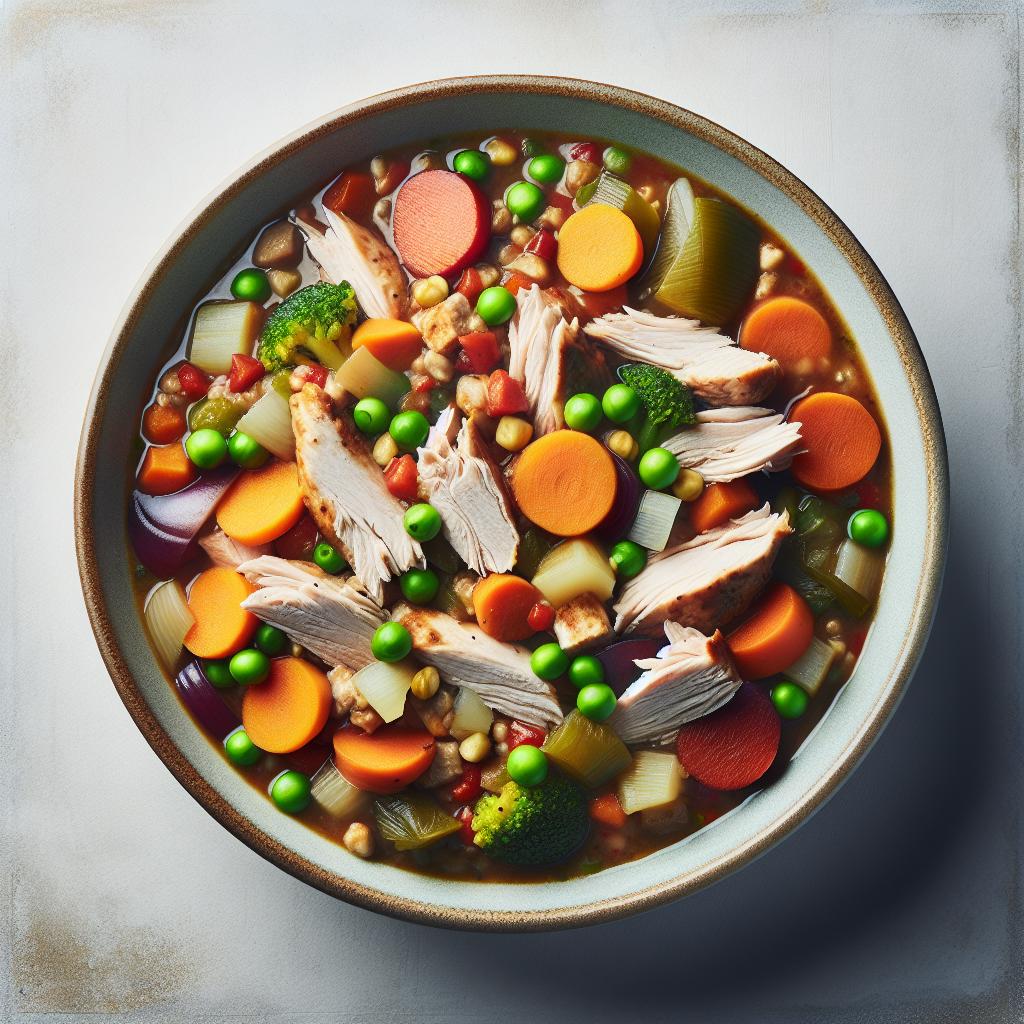
A well-constructed turkey stew balances flavor, nutrition, and convenience. With modest prep, you can produce a bowl that supports recovery, satiety, and weeknight simplicity.
Adapt the recipe to seasonal produce or dietary needs while retaining core technique: aromatic base, proper browning, and patient simmer. The result is a reliable comfort bowl that stores and reheats well.
FAQ
Is ground turkey the best option for this stew?
Ground turkey is convenient and cooks quickly, making it practical for a weeknight stew. If you prefer, substitute diced dark turkey meat or shredded roasted turkey for a different texture and slightly higher fat content.
How can I thicken the stew without adding heavy cream?
Reduce the broth uncovered for several minutes, or mash a portion of the cooked root vegetables into the broth. Potato or sweet potato also add natural starch for thickening without dairy.
Can I make this in a slow cooker or pressure cooker?
Yes. For a slow cooker, brown aromatics and turkey first, then transfer and cook on low for 6–8 hours. For a pressure cooker, follow the same initial steps and reduce simmer time; check vegetables early to avoid overcooking.
What side dishes pair well with this stew?
Serve with whole-grain bread, brown rice, or a light salad to round out the plate. A spoonful of plain Greek yogurt adds creaminess and extra protein without overpowering the stew.
How long will cooked stew keep in the freezer?
Portioned and sealed, the stew maintains quality for 2–3 months. Thaw in the refrigerator overnight and reheat gently on the stove, adding a splash of broth to restore consistency.
See also: turkey stew
]]>