- Lean, balanced meal: high protein from turkey with fiber-rich beans for sustained fullness.
- Simple prep: quick sear, short simmer, and predictable results for weeknight cooking.
- Meal prep friendly: refrigerates and freezes well for fast reheats and portion control.
Prep and Cook Time for Turkey Chili
Preparation: 15 minutes. Measure spices, chop aromatics, and open cans to keep stove time focused and efficient.
Cooking: 45 minutes. Browning to develop Maillard flavor and a gentle simmer to marry ingredients deliver depth without extended braising.
- Total Time: 1 hour
- Serves: 6
Yield and Scaling the Turkey Chili
This recipe yields six hearty portions, ideal for family dinners or meal prep containers. Each portion balances protein and complex carbohydrates for a satiating meal.
Scale ingredients linearly to serve a crowd and consider cooking in batches if your pot capacity is limited. Flavors often improve after a night in the refrigerator.
Difficulty Level and Technique Notes
Difficulty: Easy to medium. The key techniques are even browning of ground turkey and short spice toasting to release essential oils.
Work methodically: sweat onions until translucent, brown meat without overcrowding, then toast spices briefly before adding liquids. These steps yield consistent texture and aroma.
Ingredients
Use fresh produce and quality canned goods. Precise seasoning and ingredient timing matter more than exotic components.
Below are the main components; substitute sparingly to preserve texture and total cook time.
- 1 lb lean ground turkey
- 2 cups cooked kidney beans (or 1 can, rinsed and drained)
- 1 cup black beans (cooked or canned, rinsed)
- 1 large onion, finely chopped
- 3 garlic cloves, minced
- 1 red bell pepper, diced
- 1 green bell pepper, diced
- 2 tablespoons olive oil
- 1 (14 oz) can crushed tomatoes
- 1 cup low-sodium chicken broth
- 2 tablespoons tomato paste
- 1 tablespoon chili powder
- 1 teaspoon ground cumin
- ½ teaspoon smoked paprika
- ½ teaspoon dried oregano
- ½ teaspoon ground coriander
- ¼ teaspoon cayenne pepper (adjust to taste)
- Salt and freshly ground black pepper, to taste
- Fresh cilantro, chopped for garnish
- Optional toppings: shredded cheddar, sour cream, sliced avocado, lime wedges
Instructions: Building the Best Turkey Chili
Follow the steps in order to layer flavors. Mise en place—prepped spices and chopped vegetables—keeps each step efficient and repeatable.
Maintain medium to medium-high heat for the sear steps, then lower to a gentle simmer so the chili develops depth without over-reducing.
- Heat oil in a large heavy-bottomed pot over medium heat and sauté onions until translucent, about 5 minutes.
- Add garlic and bell peppers and cook 3–4 minutes until softened yet vibrant.
- Increase heat slightly and add ground turkey. Break it apart and brown thoroughly until no pink remains, roughly 8 minutes.
- Stir in tomato paste and spices—chili powder, cumin, smoked paprika, oregano, coriander, and cayenne. Toast 1–2 minutes to release oils and deepen aroma.
- Add crushed tomatoes, beans, and broth, stir to combine, and bring to a gentle simmer.
- Simmer gently with the lid slightly ajar for 30 minutes, stirring occasionally to prevent sticking and to allow flavors to marry.
- Taste and adjust with salt and pepper. For thicker chili, simmer uncovered 10 extra minutes; for thinner, add reserved broth in small increments.
- Rest briefly off heat for 5 minutes before serving to let flavors integrate and hot spots settle.
Mastering the Perfect Spice Blend for Turkey Chili
Fresh spices matter. Ground spices lose potency over time; buy small quantities and store them in a cool, dark place to keep volatile oils intact.
Toast spices in the pot for 60–90 seconds before adding liquids to unlock aroma. Finish with a small pinch of ground spice or a squeeze of lime to brighten the bowl.
Reference resources: Learn more about the ingredients and their culinary roles on Wikipedia pages for common pantry staples. See chili powder and cumin for spice background.
 Expert Insight
Tips for Achieving Ideal Texture and Consistency in Turkey Chili
Use cooked beans or well-drained canned beans to avoid excess liquid. Drain and rinse canned beans to reduce sodium and packing liquid for cleaner texture.
Brown the turkey well to build Maillard complexity; this improves mouthfeel and creates a savory base that beans and tomatoes amplify.
If your chili is grainy or loose, simmer longer uncovered to reduce and concentrate. If it’s too thick, add a splash of low-sodium broth until you reach the desired body.
 Pro-Caution
Creative Serving Suggestions for Turkey Chili
Serve the chili with contrasting textures: cool creamy toppings like avocado or sour cream, and crunchy garnishes such as crisp tortilla strips or toasted pepitas.
Offer warm corn tortillas, whole-grain bread, or plate chili over baked sweet potatoes or brown rice to build a complete, balanced meal for different preferences.
Leftovers repurpose well: use chili as a topping for baked potatoes, nachos, or a hearty bowl. Reheat gently on the stovetop to preserve texture and avoid overcooking the beans.
Chef’s Notes and Variations for Turkey Chili
Swap up to half the turkey for ground chicken or a textured plant-based substitute if desired. Mixing bean varieties adds fiber and texture contrast.
Adjust heat by scaling cayenne and boosting smoked paprika for warmth without overpowering spice. Add acidic finishes such as lime or a splash of vinegar to lift flavors.
Make this a meal-prep staple: refrigerate for 3–4 days or freeze in single portions up to three months. Label portions with date and reheat gently to maintain mouthfeel.
Nutrition for Turkey Chili
Estimated per-serving nutrition follows the listed portions. Values vary by brand and specific ingredient choices.
This chili provides a high-protein option with moderate fat and carbohydrates, useful for portion-controlled meal planning and active lifestyles.
| Nutrient | Amount per Serving |
|---|---|
| Calories | 350 kcal |
| Protein | 32 g |
| Carbs | 30 g |
| Fat | 9 g |
Additional Resources and Internal Links
For slow-cooker variations and timing adjustments, consult a dedicated slow-cooker recipe resource on the site. Try our slow-cooker adaptation for hands-off cooking: Slow-Cooker Turkey Chili.
For meal-prep containers, portioning tips, and storage guidance, see our meal-prep hub: Meal Prep Tips and Containers. These internal links help you plan efficient weeknight dinners.
FAQ
What makes turkey a good choice for chili?
Turkey delivers lean protein with a neutral flavor that readily absorbs spice and tomato notes. Its lower fat content cuts calories and makes the chili lighter without sacrificing bulk.
Proper browning enhances savory notes and prevents a bland texture. That Maillard reaction makes turkey-based chili feel richer than the raw ingredient alone suggests.
Which beans work best in turkey chili?
Kidney beans and black beans hold their shape and provide pleasing texture contrast. Pinto beans also work if you want a creamier bean interior when slightly mashed during cooking.
Combine bean types to increase fiber variety and mouthfeel. Drain and rinse canned beans to reduce packing liquid and excess sodium.
How long can I store leftovers safely?
Refrigerate turkey chili in airtight containers for 3–4 days. For longer storage, freeze portions for up to three months and thaw in the refrigerator before reheating.
Reheat gently on the stovetop over low-medium heat to avoid breaking down beans and to preserve texture. Stir occasionally and add a splash of broth if the chili tightens too much.
Can I make this chili vegetarian?
Yes. Replace ground turkey with extra beans, cooked lentils, or diced mushrooms to mimic meaty texture. Adjust the spice timing and simmer to account for different moisture release from vegetables.
Consider adding umami boosters like a small splash of soy sauce, miso, or a teaspoon of smoked paprika to mimic depth commonly provided by meat.
How do I control heat without losing flavor?
Start conservatively with cayenne and lean on smoked paprika or mild chili powders for depth. Add heat in stages and taste toward the end to find the right balance for your guests.
Finishing with acidic elements—lime juice or a splash of vinegar—brightens flavors and makes perceived heat feel more integrated rather than one-dimensional.
Final note: This turkey chili rewards disciplined technique: even browning, measured spice toasting, and a gentle simmer yield a dependable, flavorful bowl. Serve hot with bright garnishes and enjoy a practical weeknight staple.
See also: Learn more about primary ingredients on Wikipedia, such as turkey, kidney bean, and coriander.
See also: turkey chili
]]>
- At a glance: Lean turkey provides high-quality protein with lower saturated fat than many red meats.
- Meal-prep friendly: Assemble ahead and bake when needed for efficient weeknight dinners.
- Versatile: Swap grains or use plant-based mince to fit diverse diets without losing flavor.
Mastering the Perfect Filling: Balancing Flavor and Nutrition
Start with lean ground turkey for a protein-dense base that keeps calories and saturated fat low. Ground turkey aligns with standard guidance for lean poultry and supports muscle maintenance when paired with whole grains or vegetables.
Use cooked grains such as rice to bind the filling and add fiber and texture. Fresh herbs and aromatics provide flavor without excess sodium; smoked paprika and a dash of cumin add depth while keeping the profile clean and modern.
Prep and Cook Time
Preparation: 30 minutes. Effective mise en place—chopping, grating, and pre-cooking rice—reduces active time in the kitchen. Organize ingredients in bowls to streamline rolling and assembly.
Cooking: 1 hour 15 minutes. Low-and-slow baking at moderate temperature yields tender cabbage and evenly cooked turkey. Resting the rolls after baking allows juices to redistribute for better texture.
Yield and Difficulty
Yield: Serves 6 generous portions. Adjust quantities proportionally to scale the recipe for meal prep or a crowd.
Difficulty: Medium. The technique centers on blanching and neat rolling; basic knife and sauté skills suffice to achieve professional results.
Ingredients
- 12 large green cabbage leaves, blanched and cooled
- 1 lb ground turkey, lean
- 1 cup cooked brown rice
- 1 small onion, finely chopped
- 2 cloves garlic, minced
- 1 medium carrot, grated
- 1/4 cup fresh parsley, chopped
- 1 tsp dried thyme
- 1 tsp smoked paprika
- 1/2 tsp ground cumin
- 1/2 tsp black pepper
- 1 tsp sea salt
- 1 cup low-sodium tomato sauce
- 1 cup low-sodium chicken broth
- 2 tbsp olive oil
- Juice of 1/2 lemon (optional, for brightness)
Step by Step Guide to Rolling and Cooking for Tender Results
Proper blanching makes cabbage leaves pliable without turning them mushy; aim for 2–3 minutes in boiling water. Immediately cool leaves on a towel to remove excess water and keep the rolling surface dry.
Assemble a consistent portion of filling—about 2–3 tablespoons per leaf—so rolls cook evenly. Tight, uniform rolls prevent gaps where sauce can pool or leaks can form during baking.
Rolling Technique
- Prepare the cabbage leaves: Gently blanch the cabbage leaves in boiling water for 2–3 minutes until pliable. Drain and cool on a clean towel to move on to rolling.
- Sauté aromatics: Heat 1 tbsp olive oil in a skillet over medium heat. Add onion and garlic, sauté until translucent, about 5 minutes. Add grated carrot and cook 2 more minutes, stirring often to prevent sticking.
- Mix the filling: In a large bowl, combine the ground turkey, cooked rice, sautéed vegetables, parsley, thyme, smoked paprika, cumin, salt, and pepper. Toss gently but thoroughly for an even distribution of flavors.
- Roll ’em up: Lay a cabbage leaf flat, place about 3 tbsp of filling in the center. Fold the sides over the filling, then roll tightly from the base to the top, creating a neat parcel.
- Arrange in pot: In a wide, deep baking dish or pot, drizzle remaining olive oil on the base. Place rolls seam-side down, packing gently but avoiding overcrowding.
- Combine sauce: Whisk tomato sauce, chicken broth, and lemon juice together. Pour evenly over the cabbage rolls to cover them halfway.
- Cook low and slow: Cover the dish with a lid or foil. Bake at 350°F (175°C) for 1 hour until the cabbage is tender and turkey is fully cooked (internal temperature 165°F/75°C).
- Rest and serve: Let rest for 10 minutes before serving to allow juices to redistribute and the rolls to firm up slightly.
Enhancing Your Dish with Complementary Herbs and Sauces
Fresh herbs elevate aroma and freshness without adding calories; use chopped dill, basil, or mint at service for contrast. A squeeze of lemon brightens the tomato base and lifts the palate between hearty bites.
For a silky finish, stir a spoonful of plain yogurt into a ladle of warm sauce before spooning over the rolls. This technique rounds acidity and enhances mouthfeel while keeping the dish light and protein-forward.
Expert Insight
Consider finishing sauces with a splash of high-quality extra-virgin olive oil or a few drops of sherry vinegar to add complexity. These small touches increase perceived richness while preserving the lean profile of the dish.
Tips for Success
Use a food thermometer to ensure the turkey reaches 165°F (75°C) at the center; this confirms safety while preventing overcooking. Do not skip the resting period: it improves texture and makes slicing neater when plating for guests.
For vegetarian substitutions, replace turkey with a blend of cooked lentils and finely chopped mushrooms; bind with the same grain and herbs to maintain structure and flavor balance. This approach retains nutritional density while offering a plant-forward option.
Pro-Caution
Make-ahead assembly works well: store unbaked rolls in an airtight container for up to 24 hours, or freeze fully cooked portions for up to three months. Reheat gently to preserve moisture and texture.
Serving Suggestions
Pair cabbage rolls with simple, nutrient-dense sides like steamed green beans, roasted root vegetables, or a crisp beet salad for color and contrast. These pairings complement the protein and increase fiber per plate.
For meal planning, serve with a slice of whole-grain bread and a light green salad to form a balanced meal. Find more complementary ideas in our Healthy Lean Protein Recipes collection and our practical Meal Prep Tips guide.
Nutritional Snapshot
This recipe balances macros: moderate carbohydrates, lean protein, and controlled fat from olive oil. The cabbage contributes vitamin C, vitamin K, and fiber while the turkey supplies high-quality protein.
Per serving estimates below assume the recipe yields six rolls; adjust based on portioning and specific ingredient brands for precise tracking.
| Nutrient | Per Serving |
|---|---|
| Calories | 280 |
| Protein | 28 g |
| Carbohydrates | 20 g |
| Fat | 10 g |

Discover more wholesome, lean-protein recipes in our Healthy Lean Protein Recipes collection for additional inspiration. For evidence-based context on poultry nutrition, consult the general overview of poultry and guidelines on selecting lean cuts.
FAQ
What makes turkey stuffed cabbage rolls a nutritious choice?
Turkey offers lean protein with lower saturated fat than many red meats, while cabbage provides vitamins C and K plus fiber. Together they form a balanced meal that supports muscle maintenance and digestive health.
How do cabbage leaves enhance the dish’s health benefits?
Cabbage supplies micronutrients, antioxidants, and soluble fiber that aid digestion and satiety. Its low calorie density allows generous portioning without excessive energy intake.
Can this dish fit into various dietary plans?
Yes. By choosing brown rice or quinoa and low-sodium broth, the recipe adapts to low-fat, Mediterranean, and gluten-free plans. Swap the turkey for plant-based mince to create a vegetarian alternative.
Are these rolls suitable for batch cooking or meal prep?
Absolutely. Assemble in advance and refrigerate for 24 hours or freeze cooked portions. Reheat in a covered dish at low temperature to preserve moisture.
What is the best way to serve these cabbage rolls?
Serve hot with a light herb garnish and a side of steamed vegetables or a simple salad. A small portion of whole grains or crusty whole-grain bread completes a nutrient-balanced plate.
Closing Remarks
Savory turkey stuffed cabbage rolls deliver a harmonious combination of lean protein, fiber-rich vegetables, and flexible flavor profiles suitable for weeknight cooking or entertaining. The technique rewards a modest time investment with consistent, comforting results.
Follow the rolling tips, manage blanching time, and use fresh herbs to lift the finished dish. These steps ensure reliably tender rolls that suit diverse dietary preferences and support an efficient, nutritious eating plan.
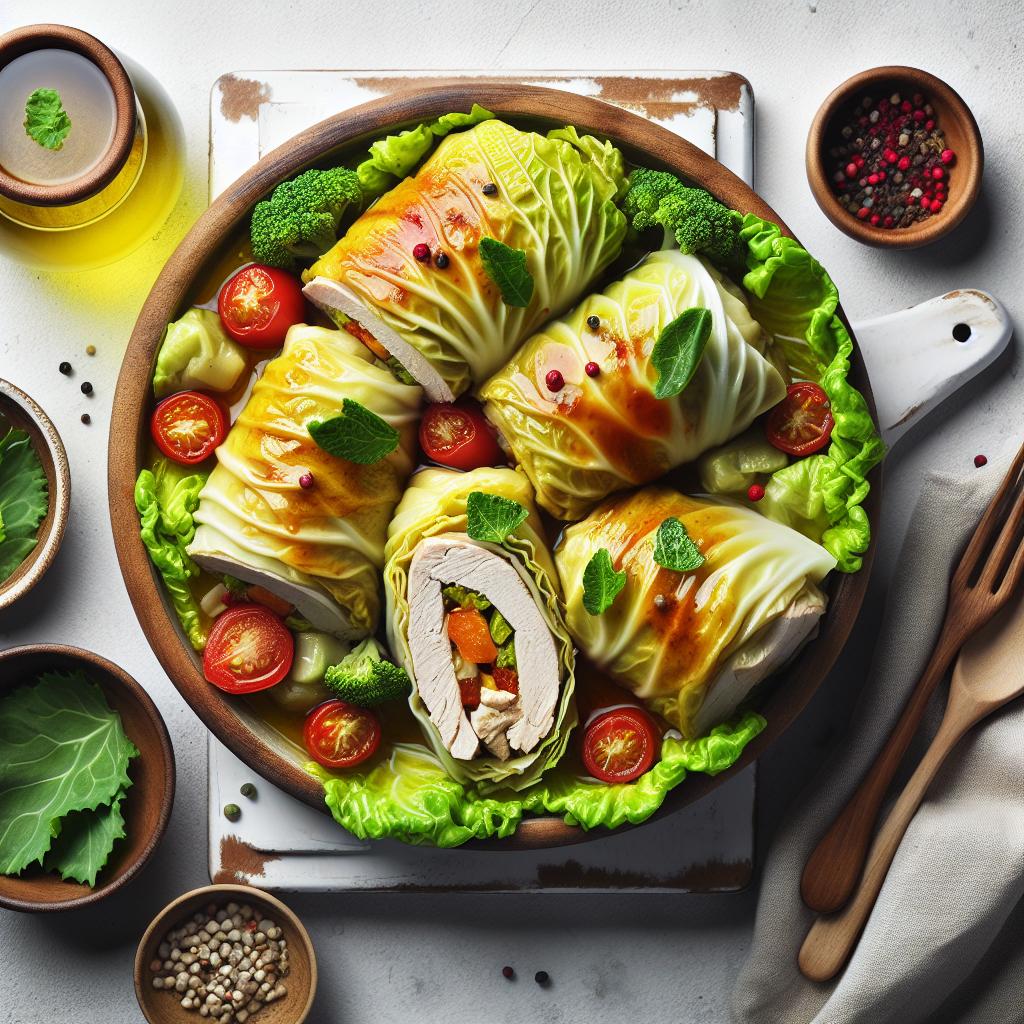
See also: cabbage rolls
]]>
- Fiber-first plates: Prioritize legumes and non-starchy vegetables to slow carbohydrate absorption.
- Balanced macros: Pair lean protein with healthy fats to reduce post-meal glucose spikes.
- Flavor without sugar: Use herbs, spices, and acid to boost taste without added carbs.
Balancing Taste and Health: Crafting diabetes dinners with Low Glycemic Impact
Designing practical diabetes dinners requires attention to carbohydrate quality and timing. Choose whole foods that deliver slow-release energy and sustained satiety.
Focus on legumes, leafy greens, and measured portions of whole grains to moderate glucose responses. For clinical context on the condition, see diabetes mellitus.
Recipe Overview: Mediterranean Chickpea Stew for diabetes dinners
This Mediterranean chickpea stew models a reliable diabetes dinner: high fiber, plant protein, and anti-inflammatory spices. It demonstrates how legumes and vegetables create volume and fullness with modest glycemic load.
The approach reflects core principles of the Mediterranean diet, emphasizing olive oil, vegetables, and citrus. Use the internal recipe link for meal prep tips: Mediterranean chickpea stew recipe.
Prep and Cook Time
Prep Time: 15 minutes. Cook Time: 35 minutes. Total Time: 50 minutes.
Active hands-on work is short; most time is a gentle simmer that blends flavors. This makes the stew a strong weeknight option for consistent diabetes dinners.
Yield
Serves 4. Each serving supplies fiber and plant protein to blunt postprandial glucose rises.
Adjust portions to match individualized calorie and carbohydrate targets used in clinical care.
Difficulty Level
Easy. The technique uses basic sautéing and simmering, suitable for most home cooks.
Minimal knife work and common pantry spices keep the dish accessible and adaptable.
Ingredients
Gather whole-food ingredients that provide slow-release energy and micronutrients. Opt for low-sodium broth and canned tomatoes without salt when possible.
- 2 tbsp extra virgin olive oil
- 1 medium yellow onion, finely chopped
- 3 cloves garlic, minced
- 1 large carrot, diced
- 1 red bell pepper, seeded and chopped
- 1 tsp ground cumin
- 1 tsp smoked paprika
- ½ tsp ground turmeric
- 1 can (15 oz) diced tomatoes, no salt added
- 2 cans (15 oz) chickpeas, drained and rinsed
- 3 cups low-sodium vegetable broth
- 1 cup chopped kale, stems removed
- Juice of 1 lemon
- Salt and pepper, to taste
- Fresh parsley, chopped, for garnish
Instructions
Heat olive oil in a large pot over medium heat and sauté the onion until translucent, about 5 minutes. Add garlic, carrot, and red pepper and cook 4–5 minutes until softened.
- Stir in cumin, smoked paprika, and turmeric; cook 1 minute until fragrant.
- Add diced tomatoes, chickpeas, and vegetable broth; bring to a gentle boil.
- Reduce heat and simmer uncovered 25 minutes to concentrate flavors.
- Stir in kale and cook 5 minutes until tender.
- Remove from heat, stir in lemon juice, season with salt and pepper, and garnish with parsley.
Tips for Success and Variations for diabetes dinners
Small technique changes improve texture and flavor while keeping the meal diabetes-friendly. Toasting whole spices briefly before grinding can heighten aroma without adding salt or sugar.
For more protein variety, stir in cooked diced chicken breast or a spoon of plain Greek yogurt if dairy fits your plan. Swap kale for spinach or Swiss chard for a different green texture.
Expert Insight
Freeze single portions in airtight containers for quick diabetes dinners later. Label with date and reheating instructions to maintain food safety and consistent portioning.
Serving Suggestions and Nutritional Notes for diabetes dinners
Serve the stew alongside a modest portion of quinoa or a thin slice of sprouted whole-grain bread to maintain low glycemic impact. Add a lemon wedge to brighten flavors without sugar.
Complement with a simple arugula salad dressed with apple cider vinegar and extra virgin olive oil to add non-starchy volume and healthy fats. These choices increase fiber and slow carbohydrate absorption.
Pro-Caution
Approximate per-serving nutrition: 320 kcal, 15 g protein, 38 g carbohydrates, 8 g fat, 12 g fiber. Values vary by brand and portion; track servings to align with personalized meal plans.
Q&A about diabetes dinners
This Q&A addresses frequent concerns patients and cooks raise when designing diabetes dinners. Answers focus on actionable, evidence-aligned tactics.
For carbohydrate ranking and food selection methods, consult the glycemic index framework: glycemic index. Use that alongside portion control for predictable responses.
Can meals be both delicious and diabetes-friendly?
Yes. Emphasize herbs, spices, citrus, and vinegars to add complexity without carbohydrates. Swap sugary sauces for reductions of tomatoes and aromatics to keep meals interesting.
Combine protein and fiber with carbohydrates to slow absorption and flatten post-meal glucose curves. This chickpea stew pairs legumes and greens to achieve that effect.
What are the key components of a diabetes-friendly dinner?
Prioritize lean protein, non-starchy vegetables, healthy fats, and measured portions of complex carbohydrates. These elements promote stable glucose and satiety.
Consistent meal timing and portion size help align intake with medication regimens. Use a food log or app recommended by clinicians to monitor individual responses.
How can I make flavor a priority without spiking my blood sugar?
Use aromatics like garlic and onion, spices such as cumin and smoked paprika, and acidic finishes like lemon juice or vinegar. These add depth without adding sugar or carbs.
Increase fiber via legumes and vegetables; fiber delays carbohydrate absorption and blunts postprandial glucose rises.
Are there quick diabetes dinners for busy weeknights?
Yes. Stir-fries with lean protein and colorful vegetables or a lentil soup can be ready in under 30 minutes. Batch-cook components and reheat single portions for reliable results.
Keep canned tomatoes and rinsed legumes on hand and maintain a well-stocked spice box to create variety with minimal effort.
How important is portion control for diabetes dinners?
Very important. Even nutrient-dense foods affect blood sugar when portions exceed individual needs. Treat starchy items as a measured side, not the plate centerpiece.
Use smaller plates, measure servings, and fill half your plate with non-starchy vegetables. Collaborate with a registered dietitian to set personalized portion targets.
The Conclusion: Practical steps to better diabetes dinners
Savory, satisfying diabetes dinners rely on smart ingredient choices and simple techniques. Swap refined carbs for legumes and vegetables and use spices and acid to make every bite flavorful.
Plan a rotating roster of meals like the Mediterranean chickpea stew to support adherence and predictable glycemic responses. For additional meal ideas, explore internal resources: diabetes dinner ideas.

FAQ: diabetes dinners
This FAQ addresses concise, high-value questions about planning and preparing diabetes dinners. Each answer gives practical steps you can apply immediately.
Use these guidelines together with clinical advice when managing medications and individualized targets.
How often should I include legumes in diabetes dinners?
Include legumes like chickpeas or lentils 2–4 times weekly as part of balanced meals. They provide soluble fiber and plant protein that help blunt glucose rises.
Rotate legumes with lean animal proteins and vegetables to maintain dietary variety and nutrient adequacy.
Are whole grains acceptable in diabetes dinners?
Yes, in controlled portions. Choose intact whole grains like barley or quinoa and keep serving sizes modest to manage glycemic load.
Pair grains with protein and fiber to further reduce post-meal glucose excursions.
Can I freeze these diabetes dinners safely?
Yes. Freeze single portions in airtight containers for 2–3 months for best quality. Thaw in the refrigerator and reheat to a safe internal temperature.
Label containers with date and reheating instructions to ensure food safety and consistent portion control.
Should I change medications when altering meal composition?
No. Do not change medication without clinician input. Monitor glucose closely when trying new meal patterns and report significant changes to your care team.
Work with a provider to adjust medication timing or dose if needed to match new meal compositions and carbohydrate amounts.
Where can I learn more about carbohydrate impact on blood sugar?
Read authoritative overviews such as the glycemic index to understand carbohydrate ranking and absorption rates. See glycemic index for a foundational reference.
Combine that knowledge with portion control and clinical guidance for individualized carbohydrate targets in diabetes dinners.
See also: Mediterranean chickpea stew recipe
Relevant references within topic context: chickpea, Mediterranean diet, and diabetes mellitus.
See also: diabetes dinners
]]>