- Steaming preserves more water-soluble nutrients and texture.
- Boiling transfers heat quickly but can leach vitamins into cooking water.
- Use parboiling plus steaming to control tenderness without losing structure.
- Energy and water use differ; steaming often needs less water and can be more efficient.
Understanding the physics: boiling versus steaming
Boiling cooks by submerging food in vigorously circulating liquid at its boiling point. The process relies on convective heat transfer where hot water contacts the surface directly, moving heat quickly into the food.
Steaming cooks with phase-change energy: hot vapor condenses on the cooler food surface, releasing latent heat. This method wraps items in humid heat and reduces liquid contact, which slows solute loss and protects delicate structure.
For an authoritative primer on the underlying phenomena, consider the physics of boiling and heat transfer described in basic thermodynamics resources such as Boiling. For culinary steaming techniques and history, see Steaming (cooking).
Prep and Cook Time
Preparation time usually ranges from five to ten minutes for vegetables once they are cleaned and cut. Equipment choice—large pot, steamer basket, or bamboo steamer—affects setup time but not much else.
Cooking time varies by ingredient: thin vegetable slices steam or boil in three to six minutes; denser roots may need 10–20 minutes. Volume matters: a crowded steamer slows steam flow, while a large pot of water maintains boil temperature better.
Yield
A standard recipe with 1 lb of mixed vegetables yields four side servings when plated alongside protein or grains. Steaming and boiling deliver similar mass yield, but steaming often preserves a firmer mouthfeel.
Portion control depends on how you finish the vegetables. Tossing with a pat of butter or a bright vinaigrette changes caloric density and satiety per serving.
Difficulty Level
Both methods rate from easy to moderate for cooks learning timing and doneness cues. Boiling requires attention to prevent over-softening; steaming needs a tight cover and correct water height to maintain steady steam.
Once you master timing charts and fork-tender checks, both become routine. For structured technique drills, consult internal guides like guide to healthy steaming techniques and vegetable prep guide.
Ingredients
This example list focuses on a mixed vegetable side that highlights method differences. Use fresh, uniformly sized pieces for even heat penetration and consistent results.
- 1 lb fresh broccoli florets, washed and trimmed
- 1 large carrot, peeled and sliced thin
- 1 cup baby green peas, fresh or frozen
- 1 lemon, zested and juiced
- 2 tbsp unsalted butter (optional)
- Salt and freshly ground black pepper, to taste
- 2 cups water (for boiling or to create steam)
- Fresh herbs (tarragon, parsley, or dill) for garnish
Instructions
Follow method-specific steps to achieve ideal texture. Read both approaches before you start so you can prepare the correct equipment and water volumes.
Boiling method
Bring about two cups of water to a rapid boil in a deep pot, add a pinch of salt, and drop in carrots first for three minutes. Add broccoli and peas, then boil for another three to five minutes until vegetables are tender yet still vibrant.
Immediately drain into a colander and plunge the vegetables into an ice bath to stop carryover cooking and lock color. Drain well before finishing with butter, lemon, and herbs.
Steaming method
Fill a saucepan with two inches of water and bring to a gentle simmer. Place vegetables in a single layer in a basket or tray above the water and cover tightly to trap steam.
Steam for six to eight minutes, checking for tenderness with a fork. Remove the basket, pat vegetables dry if needed, then toss with butter, lemon juice, and seasonings immediately while warm.
Note on steam equipment: a bamboo steamer concentrates steam and is excellent for delicate items; a metal basket sits higher above water and speeds up condensation. For nutrient-sparing cookwork, steaming often performs best—see discussion of water-soluble vitamins at Water-soluble vitamins.
 Pro-Caution
Tips for Success
Timing is precise: small changes in minutes alter texture dramatically, so use a timer and test frequently. An ice bath after boiling preserves color and halts further cooking.
 Expert Insight
Choose steaming for fragile foods such as leafy greens and many seafood items because it reduces mechanical agitation and minimizes nutrient leaching. When you need to infuse flavor, boil with aromatics to create a flavored cooking medium that also doubles as stock.
For repeated practice, maintain a small chart of times for common vegetables. That institutional memory increases consistency and shortens prep time across recipes.
Serving Suggestions
Serve steamed or boiled vegetables alongside roasted proteins, poached fish, or grain bowls. A quick drizzle of herbed yogurt or vinaigrette elevates a simple vegetable side into a composed plate.
Garnish with fresh herbs and lemon wedges to add aromatic lift and acidity. For plating tips and pairing ideas, see the general Vegetable overview for common culinary uses.
Nutrition
Cooking changes the bioavailability of some nutrients and reduces others. Water-soluble vitamins (like vitamin C and some B vitamins) are most vulnerable to dissolution in cooking liquid.
Steaming limits water contact and therefore typically preserves more of these nutrients. Boiling can retain nutrients if you reuse the cooking liquid as a broth or sauce.
| Nutrition | Per Serving |
|---|---|
| Calories | 70 |
| Protein | 4g |
| Carbohydrates | 12g |
| Fat | 2g |
Energy use and sustainability
Steaming frequently requires less water and maintains heat inside a covered vessel, which can reduce energy consumption for short cooks. Boiling larger volumes of water to a rolling boil takes more energy.
For efficient practice, use a fitted lid, minimize headspace, and match pot size to ingredient volume. When possible, reuse boiling liquid as a broth to capture leached nutrients and reduce waste.
Combining methods for optimal results
Hybrid approaches often yield the best texture: parboil dense vegetables briefly, then steam to finish. This strategy accelerates internal cooking while protecting outer tissues from over-softening.
Use boiling where hydration or flavor infusion matters—pasta and pulses benefit from full immersion. Reserve steaming for items where crispness and nutrient retention take priority.
FAQ
Is steaming always healthier than boiling?
Steaming generally preserves more water-soluble nutrients because it minimizes direct water contact. However, if you consume the cooking liquid as a broth, boiling can retain those nutrients in the meal.
Choose the method that matches your goals: texture preservation and nutrient retention favor steaming; infusion and stock-making favor boiling.
Can I steam frozen vegetables without thawing?
Yes. Place frozen vegetables in a single layer if possible and extend steaming time by a few minutes. Avoid crowding to ensure uniform steam flow and consistent doneness.
Do not rinse thawed vegetables before steaming; excess surface water increases steaming time and can dilute seasonings.
Does steaming destroy bacteria as effectively as boiling?
Proper steaming reaches temperatures that inactivate most foodborne pathogens, provided the internal temperature gets sufficiently high. A tight lid and adequate time ensure even heat penetration.
For high-risk foods, verify internal temperatures or favor boiling/poaching until you reach recommended safe temperatures for that ingredient.
Will steaming take longer than boiling?
Steaming can be equal to or faster than boiling for small pieces because steam envelops and transfers heat efficiently. For large batches or dense roots, boiling sometimes appears faster due to direct convective contact.
Monitor doneness rather than relying solely on time charts; fork tests and color cues deliver better results than clock-watching alone.
How do I prevent overcooking when boiling?
Follow the shock-cooling method: drain quickly and plunge vegetables into ice water to stop residual heat from continuing to cook the cells. This preserves texture and color effectively.
Maintain high heat only when necessary and reduce to a simmer to finish if you need gentler heat for delicate items.
Final notes
Boiling and steaming both serve clear culinary purposes. Choose boiling when you need rapid heat transfer, infusion, or hydration; choose steaming when you prioritize texture and nutrient retention.
Experiment with hybrid workflows and record times for your pantry staples. Over a few sessions you will refine times, equipment choices, and finishing techniques that produce reliably excellent results.
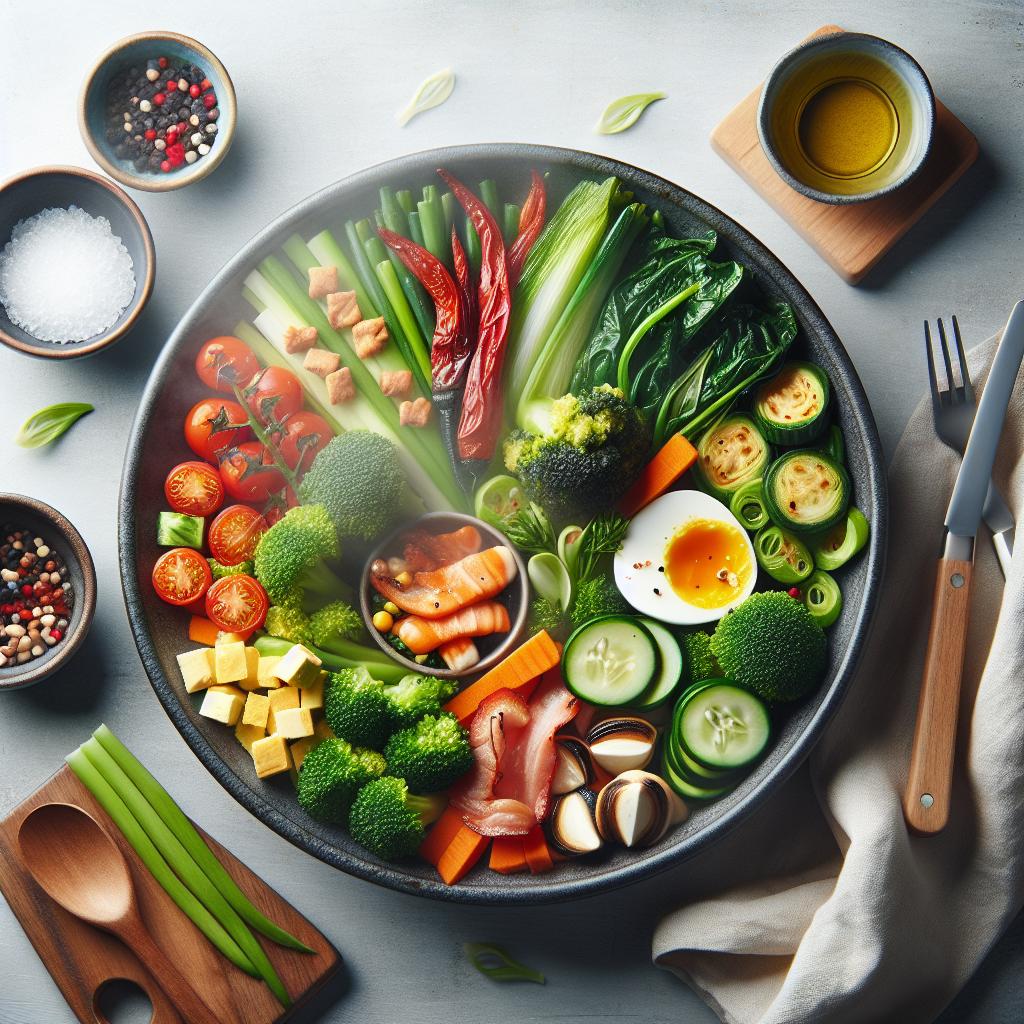
Explore internal references such as guide to healthy steaming techniques and vegetable prep guide for step-by-step schedules and timing charts that boost consistency in the kitchen.
See also: Steaming
]]>
- Plan for safety: cool perishable foods and control heat during toasting.
- Use simple chemistry: pH indicators and fizz reactions teach principles that everyone tastes.
- Keep experiments edible: choose food-safe reagents and supervise children.
Picnic Chemistry: Safely Blending Fun with Food Science in Your Outdoor Kitchen
Picnic chemistry shapes how textures, aromas, and flavors develop outdoors. Understanding basic principles such as heat transfer and moisture control helps you design reliable recipes that perform well outside a conventional kitchen.
Apply fundamentals from food science to select ingredients, arrange storage, and choose cooking methods that reduce risk and enhance taste. This approach keeps both the learning and the eating pleasurable.
Prep and Cook Time
Preparation: 15 minutes | Cooking: 10 minutes | Total: 25 minutes. These estimates assume basic outdoor gear: a portable skillet or grill and a cooler for perishables.
Factor in extra time for safety checks: coolers, sanitizing wipes, and hand-washing stations prevent spoilage and contamination. A few extra minutes planning reduces most common picnic problems.
Yield
Serves 4 picnic enthusiasts. Portions scale predictably when you apply the same heat and assembly principles to larger batches.
For groups, prepare multiple coolers and stagger cooking to maintain safe temperatures for perishable fillings. Label containers to avoid cross-contamination in busy settings.
Difficulty Level
Easy — suitable for beginners who want a practical introduction to outdoor food chemistry. The recipe relies on straightforward techniques: controlled heat, moisture management, and safe ingredient handling.
These techniques mirror lab practices in a low-risk, edible format, so you teach scientific thinking while you snack. Expect repeatable results once you master heat control and resting times.
Ingredients
Ingredient quality matters: select fresh bread, properly chilled cheese, and dry leafy greens to control moisture and microbial risk. Freshness improves both safety and the sensory outcome.
Choose ingredients that tolerate short outdoor transport. For example, hearty whole-grain bread resists sogginess and stands up to pressing on a griddle.
- 8 slices whole grain bread, sturdy and fresh
- 4 tbsp unsalted butter, softened for even spreading
- 8 slices sharp cheddar cheese or another melting cheese
- 2 medium tomatoes, thinly sliced and seeded
- 1 cup fresh spinach leaves, washed and patted dry
- 2 tbsp Dijon mustard, for flavor balance
- Salt and freshly ground black pepper, to taste
- Optional: 4 slices cooked bacon for crunch
Instructions
Prepare your workspace and ingredients before you light the stove. Clean cutting boards and utensils reduce cross-contamination risks and simplify assembly.
Keep perishable items in a cooler until you need them and bring paper towels or sanitizing wipes for hands and surfaces. Controlled organization ensures a smooth, safe cooking flow.
- Butter the bread: Spread butter evenly on one side of each slice to promote even browning and to act as a moisture barrier.
- Layer fillings: On the unbuttered side, spread mustard, then cheese, tomato, and spinach. Season lightly and add bacon if desired.
- Assemble: Top fillings with butter-side-up bread to create the sandwich for grilling.
- Heat control: Preheat a skillet or griddle over medium heat. Moderate heat transfers energy evenly and prevents surface burning while the cheese melts.
- Grill: Place sandwiches on the hot surface, press lightly, and cook 4–5 minutes per side. Flip carefully to maintain structure.
- Rest: Let sandwiches rest 2 minutes so the melted cheese stabilizes before slicing.
Food Safety & Science
Temperature management prevents growth of spoilage organisms. Keep perishable items at or below 40°F (4°C) in a cooler and reheat cooked items to recommended serving temperatures.
Consider core scientific concepts: heat transfer into the sandwich melts cheese by conduction, while water activity influences microbial activity and texture. For background on heat transfer principles, review heat transfer.
pH and reactions: Simple experiments such as using red cabbage as a pH indicator teach acid–base chemistry with edible materials. Red cabbage pigments shift color depending on acidity, which makes a vivid, safe demonstration.
For hands-on learning, use food-safe reagents only. Sodium bicarbonate produces predictable fizz with vinegar; the reaction demonstrates gas evolution and acid–base neutralization. See the chemistry behind common reagents at sodium bicarbonate.
Pro-Caution
Chef’s Notes
Ingredient safety: Keep cheese and greens chilled until assembly to limit bacterial growth. A well-packed cooler with ice packs maintains safe temperatures for hours.
Variations and substitutions: Swap cheddar for mozzarella for a stretchier melt or choose plant-based alternatives for vegan diets. Gluten-free bread works while maintaining the same assembly steps.
Expert Insight
Make-ahead assembly speeds service: wrap sandwiches in parchment and keep them chilled. Toast them on-site for optimal texture and to re-establish crispness while ensuring safety.
For more formal guidelines on outdoor food handling, link internal references like Food Safety Tips for Picnics and Outdoor Cooking Safety to your event planning materials to keep teams aligned.
Serving Suggestions
Pair grilled sandwiches with crisp salad greens and a beverage that complements the chemistry lesson, such as a citrus drink for an acid–base color experiment. Presentation enhances engagement and sensory learning.
Wrap individual servings in reusable wraps to keep them warm and reduce waste. Offer small labeled cards describing the science behind each bite to reinforce educational value.
Nutrition
The sample sandwich provides balanced macronutrients: moderate protein from cheese and optional bacon, carbohydrates from bread, and fats from butter. That balance supports satiety during active outdoor learning.
Use whole-grain bread and add fresh greens to increase fiber and micronutrients. Adjust portions to match activity levels and dietary needs of participants.
| Nutrient | Per Serving |
|---|---|
| Calories | 350 kcal |
| Protein | 18 g |
| Carbohydrates | 30 g |
| Fat | 15 g |

Q&A
What is Picnic Chemistry?
Picnic Chemistry applies practical food-science concepts to outdoor meals to create edible experiments and safer recipes. It turns routine preparation into teachable moments using ingredients you already have.
Is it safe to perform kid-friendly experiments outdoors?
Yes, when you choose food-safe materials and supervise activities. Keep a clean workspace, use non-toxic reagents, and maintain safe food temperatures to minimize risk.
What simple experiments work well on a picnic?
Try a pH color test using red cabbage juice or a vinegar and sodium bicarbonate fizz to illustrate gas production. Both use edible, safe materials and reinforce scientific concepts through sensory feedback.
How do I keep perishable picnic foods safe?
Pack cold items in a well-insulated cooler with ice packs and serve them within safe time windows. Reheat cooked items to proper serving temperatures on a portable grill or skillet.
Where can I find more resources on food science basics?
Authoritative overviews are available on public resources such as food science and general chemistry concepts like pH for acid–base demonstrations. These entries provide reliable background for educational planning.
For hands-on checklists, consult your internal guides at Food Safety Tips for Picnics and Outdoor Cooking Safety to align logistics and learning goals.
Picnic Chemistry encourages curiosity and safe practice. With deliberate planning and simple scientific explanations, your next outdoor meal can teach as it delights while you savor both food and discovery.
See also: Picnic Chemistry
]]>
- Pressing often sacrifices juiciness for marginal contact gains.
- Surface contact helps sear, but heat transfer depends on material and temperature.
- Light, brief presses can help thin patties—but avoid sustained pressure.
- Resting and fat ratio matter more for flavor retention than repeated pressing.
Prep and Cook Time
Preparation: 10 minutes. Cook time: 8–12 minutes. These windows assume 3/4″ to 1″ patties and a preheated cast-iron or grill surface.
Start with a hot surface to maximize searing speed and efficient heat transfer. For technical background on how heat moves through food, see heat transfer.
Yield
This recipe yields four burgers when you divide 1 lb (450 g) of 80/20 ground beef into four even portions. Even weight and thickness give consistent cook times and doneness across patties.
Small adjustments to patty thickness change cook time significantly. Therefore, keep thickness between 3/4″ and 1″ when aiming for an 8–12 minute cook window.
Difficulty Level
Level: Medium. The skill elements are patty shaping, heat control, and knowing when to press (or not). Each factor influences final texture and moisture.
Basic tools include a spatula, instant-read thermometer, and a sturdy pan or grill. Use a thermometer to confirm internal temperature rather than guessing.
Ingredients
Use 1 lb (450 g) ground beef, 80/20 for reliable juiciness. Salt and pepper remain essential to flavor and crust development.
Other items: 1 tsp kosher salt, 1/2 tsp black pepper, 1 tsp smoked paprika (optional), 4 buns, cheese slices, and preferred condiments. For more on ground beef varieties, see ground beef.
Instructions
Form four equal patties about 3/4″ thick and press a shallow dimple in the center to reduce doming. Handle the meat lightly—looser packing helps retain juices and yields a lighter texture.
Preheat a heavy pan or grill to medium-high. A properly preheated surface produces a rapid sear, which promotes the Maillard browning that creates flavor; reference: Maillard reaction.
- Season: Salt and pepper both sides immediately before cooking.
- Sear undisturbed: Place patties on the hot surface and let them cook for about 3 minutes to develop a crust.
- Decide on pressing: For thin patties (under 1/2″), a single, light 10–15 second press can improve contact. For typical 3/4″ patties, avoid pressing beyond a brief contact test.
- Flip once: Flip after 3–4 minutes, then cook another 3–5 minutes to reach about 160°F (71°C) for a safe, juicy finish.
- Cheese and rest: Add cheese after flipping if desired, then rest patties briefly off heat for 2 minutes before serving.
How pressing affects heat and juice
Pressing increases the immediate surface contact area, which slightly improves conduction at the moment of contact. However, meat is a porous, moisture-rich matrix; when pressure displaces liquid, the patties lose internal moisture and heat-carrying fat.
Removing juice lowers the patty’s ability to transfer heat inward via convection of melted fat and liquid. Consequently, sustained pressing can paradoxically slow internal temperature rise and produce dryer texture.
Expert Insight
Also, the seared crust forms rapidly through molecular reactions on the surface; that crust acts as a partial barrier, so further pressure after searing simply forces flavorful juices out. Good searing comes from heat and timing rather than repeated force.
Pro-Caution
Chef’s Notes: Tips for Success
Fat ratio matters: An 80/20 blend tolerates brief pressing better than lean blends. The extra fat preserves mouthfeel even if some rendering occurs.
Use an instant-read thermometer: Target 160°F (71°C) for well-done ground beef safety. Measure the center to avoid undercooked zones.
- Patty shaping: Avoid overworking; gentle forming improves texture.
- Resting: Allow patties to rest 1–2 minutes to redistribute juices.
- Surface choice: Cast iron or a hot grill plate gives the best, consistent crust.
Serving Suggestions
Serve on toasted buns for textural contrast and add moisture with condiments rather than relying on rendered meat juices. Vegetables and acid (tomato, pickles) cut richness and brighten flavor.
For a complete grilling workflow, pair this technique with side timing and bun toasting from other guides on the site. See our full method in Ultimate Burger Grilling Techniques and check resting and serving notes at Burger Resting Tips.
Nutrition Snapshot
Per burger estimate: ~430 kcal, 28 g protein, 25 g carbs, 28 g fat. These values vary with bun choice and added toppings. Use the nutrient snapshot to plan portions and sides.
If you reduce fat or use a low-calorie bun, expect a lower calorie count but also a firmer mouthfeel. Adjust seasoning and resting times to maintain an appealing texture.
FAQ
Q: What exactly is burger pressing?
Burger pressing is applying downward force on a patty with a spatula or press while it cooks. Cooks use it to increase surface contact and attempt faster searing.
However, pressing also squeezes out juices and fat, changing both flavor concentration and moisture levels.
Q: Does pressing make burgers cook faster?
Only slightly in limited cases, such as very thin or uneven patties. Initial increased contact gives a momentary conduction boost, but the tradeoff is moisture loss.
Over a full cook cycle, sustained pressing can slow internal heating by removing insulating fat and moisture, which reduces thermal conductivity into the core.
Q: Will pressing improve browning?
A brief press can help thin sections sear more evenly. Browning primarily depends on surface temperature, moisture removal at the surface, and correct timing.
Deep, repeated pressing tends to force out the fats that aid caramelization, producing a less flavorful result despite a flatter appearance.
Q: Are there times pressing helps?
Yes. For thinner patties or those that are irregular in shape, one short press early helps ensure even contact. Use gentle pressure for 10–15 seconds only.
For standard 3/4″ patties and higher-fat blends, avoid pressing entirely and rely on a hot surface and correct timing for the best texture.
Q: How do I keep burgers juicy without pressing?
Control fat ratio (80/20 recommended), avoid overworking the meat, sear on high heat, flip once, and rest briefly after cooking. These steps preserve juices and maximize flavor retention.
Also consider bun-to-meat balance and sauce placement to keep each bite moist without relying on internal juices alone.
Wrapping Up
Pressing burgers is a tactical choice with clear tradeoffs: short-term contact gains versus long-term moisture and flavor loss. Use a light, deliberate press only when patties are thin or uneven, and never as a routine during the entire cook.
Prioritize proper patty shaping, fat ratio, and surface temperature to achieve reliable sears and juicy interiors. For expanded grilling techniques, visit Ultimate Burger Grilling Techniques to refine your workflow and timing.
See also: Pressing burgers
]]>
- Convection grilling improves evenness: Moving air reduces hot spots so pieces finish uniformly.
- Control airflow: Vents and spacing shape the convection loop and final texture.
- Faster, cleaner cooks: Convection grilling often shortens time and cuts the need for extra fat.
- Repeatable results: Measure chamber temps and map zones to reproduce outcomes.
What is convection in convection grilling?
Convection grilling uses air motion to transfer heat across the cooking chamber. That moving air sweeps heat over the food surface and into the interior, producing steadier temperatures than radiation alone.
The physics behind that motion mirrors basic heat transfer principles. For a concise technical reference, see the Wikipedia entry on convection.
How convection grilling works on different grill types
Grill designs create distinct convection patterns. Pellet and many gas grills use fans or engineered venting; charcoal grills rely on vent placement, convective paths, and thermal mass to move air.
Each system changes airflow speed, temperature consistency, and the balance between direct radiative heat and moving air. Compare the broader cooking modes using the Wikipedia page on grilling for context.
Prep and Cook Time for convection grilling
Preparation: 15 minutes. Cook Time: 25–40 minutes depending on thickness and protein mass. Those ranges assume a convection-capable grill set near 375°F (190°C).
Convection grilling often lets you set slightly lower chamber temps because moving air accelerates heat transfer. Use a probe thermometer to hit the internal target without overbrowning the exterior.
Yield for convection grilling
Serves 4 generous portions with standard boneless chicken breasts or comparable cuts. Convection grilling favors uniform portion control because pieces finish at nearly the same rate.
If you alter protein size or density, adjust time rather than temperature to preserve texture. Small mass shifts can change cook time by 5–10 minutes under active convection conditions.
Difficulty Level for convection grilling
Medium. Convection grilling rewards attention to airflow and temperature but uses basic grill management tools most cooks already own. The main learning curve lies in configuring vents and zones properly.
Once you establish stable zones, the system maintains steady temperatures and promotes even browning. That reliability makes convection grilling a repeatable technique for busy cooks.
Ingredients
4 boneless chicken breasts, trimmed and patted dry. 2 tablespoons olive oil. 1 tablespoon smoked paprika. 1 teaspoon garlic powder. Salt and black pepper to taste.
Also have fresh rosemary sprigs for garnish and the juice of 1 lemon. Optional: 1 teaspoon cayenne for heat. These ingredients respond well to convection grilling because steady heat locks moisture and concentrates surface flavors.
Instructions
These steps assume an indirect heat setup or a convection mode that circulates air at roughly 375°F (190°C). Keep paragraphs short and monitor with a thermometer for precise results.
- Preheat: Set the grill to indirect/convection mode at 375°F (190°C). Close the lid and let the chamber stabilize for 5–10 minutes.
- Make the marinade: Whisk olive oil, smoked paprika, garlic powder, salt, pepper, and lemon juice until combined.
- Coat the chicken: Rub the mixture over each breast and let rest 10 minutes at room temperature to improve flavor penetration.
- Position the meat: Place breasts over the indirect zone or where the airflow sweeps best, often centered above vents. Close the lid immediately.
- Cook: Grill 20–30 minutes, flipping once halfway. Look for a golden crust while avoiding heavy charring.
- Check: Use an instant-read probe; pull at 165°F (74°C) internal for safety. Remove a few degrees early if you prefer carryover to finish the cook.
- Rest: Rest 5 minutes to redistribute juices before serving. Slice against the grain for optimal tenderness.
Convection grilling shortens the margin for error: rely on temperature rather than time alone. Small adjustments to airflow or spacing create predictable shifts in finish and texture.
Tips for convection grilling Success
Control airflow and spacing to create a stable convection loop. Overcrowding interrupts circulation and leads to uneven cooking.
Use a water pan under the grate for longer cooks to stabilize chamber temps and add humidity. That simple step prevents surface dryness while convection transfers heat efficiently.
Airflow management
Adjust vents gradually to shape the circulation path. Opening vents too wide increases oxygen and can promote direct flames; too-closed vents stifle convection and slow cooking.
Map your grill by testing with an infrared thermometer or by placing slices of bread to see where browning occurs fastest. This inexpensive test reveals your convection pattern without guesswork.
Expert Insight
Temperature and zone control
Create a hot side for searing and a cooler side for finishing to maximize convection grilling benefits. Direct heat gives quick color; indirect convection finishes interior doneness without burning the outside.
Place a grill thermometer near the food to track the actual cooking environment, not only the controller readout. Thermometer placement affects how you interpret and correct temperature drift.
Keep a short checklist: preheat, stabilize vents, space items, then load the grill. Repeating the routine produces consistent results and reduces fuel use.
Pro-Caution
Serving Suggestions for convection grilling
Serve convection-grilled chicken with oven-finished or grilled vegetables to match moisture and texture. Crisp-browned vegetables pair well because they respond to the same circulating heat patterns.
A bright quinoa salad or mashed potatoes complements the savory, slightly smoky profile. Finish plates with lemon zest and a sprig of rosemary for aroma that ties to the grilled flavors.
Nutritional Information
The table below approximates nutrition per serving for the specified ingredients and standard preparation. Use it as a reference for portion planning and dietary adjustments.
| Nutrient | Amount per Serving |
|---|---|
| Calories | 320 kcal |
| Protein | 45 g |
| Carbohydrates | 2 g |
| Fat | 12 g |
Convection grilling typically reduces the need for added fats because heat penetration occurs faster and more evenly. Adjust oil quantities if you prefer lower-fat cooking while maintaining surface browning.
Further reading and background on convection grilling
For practical comparison of heat modes, consult the Wikipedia article on heat transfer. It clarifies the roles of conduction, convection, and radiation in cooking.
For engineering-oriented readers, the Wikipedia page on thermodynamics connects energy conservation and heat transfer to practical kitchen outcomes. Apply those principles to predict how changes will affect your cook.
For community-tested recipes and grill technique posts, explore internal resources like convection-grilling tag and a technique hub at Grill Techniques. Those internal guides complement the technical references above.
FAQ
What is the main advantage of convection on a grill?
Convection grilling supplies uniform heat to the surface and interior, reducing hot and cold spots. That consistency yields even doneness across larger or denser cuts without excessive exterior burn.
Will convection make everything cook faster?
Generally yes. Circulating air transfers heat more efficiently than still air alone, often shortening cook times or permitting lower target temperatures. Thickness and water content remain primary determinants of speed.
Can I get convection benefits on a charcoal grill?
Yes. Arrange coals to one side, use a lid, and tune vents to guide airflow through the chamber. Proper venting shapes circulation and lets you approximate forced convection behavior.
How do I avoid drying out lean cuts?
Use slightly lower temperatures and reduce overall time; rely on internal temperature rather than time. Adding a water pan or basting periodically helps maintain surface moisture during longer convection cooks.
Do I need special equipment to measure convection effectiveness?
Basic tools suffice: an accurate probe thermometer and an infrared gun or multiple thermometers help map the grill. These instruments validate airflow settings and confirm stable cooking conditions.
Mastering convection grilling turns a home grill into a precision tool. Control airflow, measure temperatures, and adjust zones to achieve repeatable, flavorful results.
See also: Convection grilling
Recommended Reading:
]]>
- Key insight: Increasing exposed area raises interaction rates for heat, mass, and charge.
- Design tip: Micro-structuring often yields the best area-to-strength ratio.
- Metric focus: Track surface-to-volume ratio, heat-transfer coefficient, and active sites per unit area.
How surface area amplifies energy transfer
Surface area controls the rate at which a system exchanges energy with its environment. For conduction, convection, and reaction kinetics, a larger area increases the number of simultaneous interactions and therefore the net transfer rate.
Consider convective heat transfer: the heat flux scales with surface area multiplied by the heat-transfer coefficient and temperature difference. See the engineering overview on heat transfer for fundamental relations and boundary conditions.
Practical applications across technologies
Surface area matters in batteries, catalysts, heat sinks, and solar collectors because each system depends on contact area for performance. Designers optimize area differently depending on whether the dominant transport mode is thermal, mass, or electrochemical.
Biology offers direct analogues: lungs and leaves maximize area inside compact volumes to support high exchange rates. For deeper context on natural design strategies, consult surface area adaptations in living systems.
Batteries and electrodes
Electrochemical devices use porous or nanostructured electrodes to raise the number of active sites per unit volume. More active sites permit faster charge and discharge rates and reduce local current densities that otherwise accelerate degradation.
Designers balance area with ionic transport; too much micro-porosity can impede electrolyte flow and raise internal resistance. For implementation practices, reference internal design guidance such as battery design best practices.
Thermal systems and heat dissipation
Heat sinks, fin arrays, and porous ceramics increase external area to shed heat faster into a fluid stream. Optimized fin spacing, thickness, and orientation yield improved convective coefficients without excessive pressure drop.
When designing thermal components, check convective correlations and iterate with CFD or scaled testing to capture real-world performance. For basic training on heat mechanisms, see our internal primer on heat transfer fundamentals.
Design strategies to maximize usable area
Start by selecting materials that tolerate the chosen surface modification, such as finned aluminum, porous metals, or coated ceramics. Then choose a fabrication technique that produces repeatable micro- or macro-features without compromising structural integrity.
Common methods include laser etching, additive manufacturing, perforation, and controlled foaming to produce open-cell structures. Each method trades off precision, cost, and scalable throughput.
Expert Insight
Metrics, testing, and engineering trade-offs
Measure surface improvements with surface-to-volume ratio, specific surface area (BET or equivalent), and performance metrics like watts per square meter or coulombs per square centimeter. Combine steady-state testing with transient response tests to capture both capacity and rate behavior.
Track durability metrics because increasing area can raise mechanical fragility or chemical reactivity. Run accelerated aging and stress tests to identify failure modes tied to area modifications.
Pro-Caution
Implementation checklist
Create a prioritized list: define target metric, select material class, choose geometry family, prototype, then test at scale. Maintain traceable records of modifications and measured outcomes for reproducibility and vendor communication.
Use combined diagnostics: thermal cameras, flow meters, impedance spectroscopy, and microscopy to link performance changes to specific surface features. Correlate microscopy-derived surface descriptors with macroscopic test results to form predictive design rules.
Common trade-offs and how to manage them
Large surface areas increase exposure, which can accelerate corrosion, fouling, or mechanical wear. Engineers mitigate these risks with protective coatings, sacrificial layers, or by optimizing feature size for cleanability.
Another trade-off is pressure drop in fluid systems; adding fins or pores raises drag. Balance the area gain against pumping power to ensure overall system efficiency improves rather than degrades.
FAQ
What exactly counts as “large surface area”?
We define large surface area relative to the system volume: a high surface-to-volume ratio indicates a large area for a given mass or footprint. Measurements often use BET methods for porous solids or geometric calculations for structured parts.
When does more surface area hurt performance?
More area can harm performance if it increases resistance to transport (e.g., ionic or fluid flow), reduces structural strength, or raises susceptibility to degradation. Always test the integrated system, not just isolated surface metrics.
Which industries benefit most from surface-area optimization?
Energy storage, thermal management, catalysis, and filtration see large returns. Renewable energy collectors and compact heat exchangers also rely heavily on tailored area strategies to meet efficiency targets.
How should I validate a new surface design?
Validate with a series of scaled tests: material characterization, small-scale performance tests, and full-system trials under representative conditions. Use statistical test plans to separate manufacturing variance from real performance changes.
Where can I learn the underlying science quickly?
Start with foundational resources on heat transfer and electrochemistry. Then apply practical case studies in your domain to translate theory into measurable design objectives.
Final note: Treat surface area as a controllable system variable. When paired with appropriate flow paths, materials, and testing, surface design reliably increases usable power and efficiency.
See also: Surface Area
]]>Fish cooking moves from raw to ready in a fraction of the time required for beef or pork because the tissue architecture, protein chemistry, and water content demand less energy to change state. Chefs and food scientists measure these differences objectively: lower collagen, shorter muscle fibers, and lower denaturation temperatures all speed the process.
- Fish cooking is faster because muscle sheets and less collagen reduce the heat needed to reach tenderness.
- High water content in fish accelerates internal heat transfer and evens temperatures quickly.
- Denaturation thresholds for key proteins are lower, so texture and opacity change at modest internal temps.
Anatomy and composition: the core reasons for fish cooking
Fish muscle consists of short, layered fibers (myomeres) separated by thin connective tissue (myosepta), a layout that fragments into flakes when the proteins denature. This sheet-like architecture shortens the distance heat must travel, so the center of a fillet reaches target temperature quickly.
Fish evolved for buoyancy, not weight-bearing, so their tissues contain much less structural collagen than mammals. Less collagen means less time spent converting tough connective tissue to gelatin, which removes the need for long, slow cooking typical of cuts from land animals.
Muscle structure and collagen
Short fibers and thin myosepta give fish a flaky texture; heat separates those sheets rather than tearing through dense bundles. That mechanical difference is why a fillet flakes at lower temperatures than a steak.
Collagen content in fish is low compared with beef. Consult the authoritative overview on collagen for comparative values and the biochemical role of connective tissue in meat texture.
Protein denaturation temperature
Key muscle proteins in fish begin to denature around 50–60°C (120–140°F), so a fillet turns opaque and firms at modest internal temperatures. This lower thermal threshold explains why brief high-heat searing or short roasting suffices to cook fish through.
Denaturation changes how fibers scatter light and hold water; for technical background see protein denaturation. That explanation links molecular change to the visible cues cooks use every day.
Thermal dynamics and water content for rapid fish cooking
Fish flesh typically contains about 70–80% water, which acts as an efficient heat conductor compared with fat and dense protein. Water conducts heat rapidly by conduction and also buffers the rate of temperature rise through latent heat effects.
As water heats inside the tissue it redistributes energy, helping the interior climb to target temperature with less surface-to-center gradient. For more on the thermal properties of water, see water (molecule).
Fat content and species variation in fish cooking
Not all species cook at identical speeds. Lean white fish such as cod and haddock heat through faster than thick, oil-rich species like salmon or tuna because the former have lower fat volume per unit of tissue.
Fat slows the speed at which internal temperature rises, but it also protects against moisture loss. As a result, fatty fish tolerate slightly longer cooks before becoming dry, even though overall times remain short compared with red meat.
Practical cooking techniques that respect the science of fish cooking
Match method to thickness and fat content. Use high initial heat to form a crust on thin fillets, then reduce or use carryover heat to finish at the target internal temperature without overshooting.
Direct-contact methods such as pan-searing or grilling suit thin pieces and emphasize rapid surface browning. Thicker steaks and whole fish respond well to short roasting, steaming, or a combination of sear-and-oven to ensure even doneness.
Timing and temperature: a practical table for fish cooking
Use a probe thermometer for consistent results; most chefs target 55–60°C (130–140°F) as the sweet spot for texture and juiciness. Adjust times for thickness, starting temperature, and method.
Below is a concise guideline. These are starting points — test with a thermometer and your preferred texture.
| Cut | Method | Time (per side) | Target |
|---|---|---|---|
| Thin fillet (0.5 cm) | Pan-sear | 30–60 sec | 55–60°C |
| Medium fillet (1–2 cm) | Grill / Broil | 2–4 min | 55–60°C |
| Thick steak (2–3 cm) | Roast / Pan & Oven | 4–8 min | 55–60°C |
Texture, flavor, and sensory outcomes in fish cooking
Quick cooking preserves delicate volatile compounds and prevents oil oxidation, which keeps flavor clean and bright. Rapid heating also maintains a tender interior and reduces the risk of the chalky texture that follows overcooking.
Overcooking drives moisture out and collapses protein matrices, producing a dry, firm result. Precision and monitoring are therefore essential when you apply rapid, high-heat methods.
Expert Insight
Resting fish briefly evens the internal temperature and improves juiciness. For thin fillets a short rest of 30–60 seconds is adequate; thicker pieces can rest 2–3 minutes.
How knowing the science improves home fish cooking
Understanding the mechanics behind heat transfer and protein behavior lets you plan cook times and methods that preserve texture and flavor. Choose the technique that matches thickness and fat level to avoid guesswork.
Small, practical steps—patting fillets dry, preheating pans, and using temperature probes—deliver consistent results. These are low-effort changes that yield reliably better fish.
At a molecular glance: why fish cooking completes quickly
At the molecular level, lower denaturation temperatures for sarcoplasmic proteins and less collagen account for a faster structural transition. Heat unfolds proteins more rapidly in fish tissue, changing opacity and firmness earlier in the cook.
These molecular facts explain common observations: thin fillets turning opaque quickly, easy flaking along myomeres, and a delicate mouthfeel when properly timed.
Resources and references
For an anatomy overview that clarifies the sheet-like muscle arrangement in fish, consult fish anatomy. That page helps link structural features to culinary outcomes.
For further reading on the physical chemistry behind cooking and water’s role in heat transfer, the references on water (molecule) and protein behavior provide accessible, authoritative context.
Pro-Caution
FAQ
Does thickness always determine cooking time?
Yes. Thickness is the primary determinant because heat must travel to the center. Thinner pieces cook quickly; thicker cuts need more time or gentler methods to reach even doneness.
Always use a thermometer on thick pieces and adjust methods—sear-and-oven or steam—so the exterior does not overcook before the center reaches target temperature.
Is there a universal internal temperature for fish cooking?
Most chefs and food scientists recommend 55–60°C (130–140°F) as an optimal range for texture and moisture retention. This range works for most fillets and steaks, but some species and safety guidelines differ.
When safety is a concern (for certain species or susceptible populations), follow authoritative food-safety recommendations for higher target temperatures or validated treatments.
Why does fish become opaque when cooked?
Opacity results from protein denaturation and the rearrangement of muscle fibers that changes how light scatters. This visual cue reliably indicates structural change when combined with temperature verification.
Use both visual and temperature checks so you avoid undercooking or overcooking based solely on appearance.
Can I use slow cooking methods for fish cooking?
Yes—gentle poaching and low-temperature sous-vide produce silky textures for delicate species. However, fish does not benefit from long braises meant for high-collagen cuts; those methods are unnecessary and may degrade delicate flavors.
Choose slow methods only when the goal is a particular texture produced at low temperatures, and monitor internal temperature closely.
How do I prevent fish from sticking to the pan?
Pat the surface dry, preheat the pan until it is hot, and use a small amount of oil. Let a crust form before flipping; that crust detaches the flesh and reduces tearing.
Also choose the right tool: a thin, wide spatula helps lift delicate fillets without breaking them.
See also: fish cooking
]]>