- Roast before simmering: caramelization adds depth and umami.
- High heat, even pieces: uniform size and 425°F roasting encourage browning.
- Layer flavors: build aroma with sautéed aromatics, toasted spices, and acid at finish.
- Flexible base: beans or grains turn this into a full, protein-forward meal.
Exploring the Richness of Roasted Vegetables in Your Stew
Roasting transforms simple produce into concentrated flavor by drawing out sugars and creating savory browning. The surface browning improves mouthfeel and gives the broth a deeper, more complex profile.
Understanding the chemistry helps. The Maillard reaction explains how dry-heat caramelization produces roasted notes that a plain simmer cannot. Use this knowledge to roast confidently and achieve consistent results.
Selecting the Perfect Seasonings to Elevate Every Bite
Seasoning a roasted vegetable stew requires balance: salty, savory, herbaceous, and bright elements all play a role. Start with garlic and onion for a savory backbone, then layer warm spices like smoked paprika and cumin to support the roasted vegetables.
Finish with acid and fresh herbs to lift the dish. A squeeze of lemon or a splash of vinegar at service sharpens flavors and keeps the stew from tasting heavy.
Tips for Achieving Ideal Texture and Depth of Flavor
Texture control starts at the cutting board: consistent piece sizes ensure even roasting and uniform simmering. Cut root vegetables into similar cubes and keep tender items slightly larger to avoid disintegration.
Roast at a high temperature to get caramelized edges without prolonged breakdown. Use a single layer on the pan and turn once midway for even exposure to heat.
- Even Sizing: uniform cuts cook at the same rate.
- High Heat Roasting: 425°F (220°C) encourages browning quickly.
- Layer Flavors: sauté aromatics, deglaze, then add roasted veg and stock.
- Simmer Gently: low simmer preserves texture and concentrates taste.
- Finish Bright: add acid and fresh herbs just before serving.
 Expert Insight
Creative Serving Suggestions to Warm Every Soul
Serve the stew in wide, shallow bowls so garnishes sit on top and contrast with the broth. Add a crunchy element such as toasted seeds or nuts for textural contrast.
Pair the stew with bread or grains to make it a full meal. Try it over creamy polenta, quinoa, or alongside crusty artisan bread for soaking up the broth, and explore more ideas on our vegetable roasting guide for complementary sides.
Prep and Cook Time
Account for active prep and passive roasting time when planning. This stove-to-oven technique requires modest hands-on time but rewards with a complex finished dish.
- Preparation: 20 minutes
- Roasting: 25–30 minutes
- Simmering: 20–25 minutes
- Total: ~75 minutes
Yield
This recipe serves six generously and scales well for meal prep or batch cooking. Portion into individual containers for quick lunches or family dinners.
Leftovers develop flavor over a day and freeze well for longer storage; thawed stew should be reheated gently to preserve texture.
Difficulty Level
Medium. The technique demands attention to roasting and layering, but the steps remain straightforward. Home cooks who practice knife consistency and timing will achieve the best results.
For cooks seeking easier options, swap tougher vegetables for quicker-roasting varieties and shorten simmer time to retain bite.
Ingredients
Gather produce and pantry items in advance to streamline roasting and assembly. Choose fresh vegetables at peak season to maximize natural sugars and texture.
- 2 cups diced sweet potatoes, peeled
- 1½ cups chopped carrots
- 1 cup diced bell peppers
- 1 cup chopped zucchini
- 1 large red onion, cut into wedges
- 4 cloves garlic, minced
- 3 tbsp olive oil
- 1 tsp smoked paprika
- 1 tsp ground cumin
- 1 tsp dried rosemary
- 4 cups vegetable broth
- 1 tbsp soy sauce or tamari (optional)
- Salt and cracked black pepper, to taste
- Juice of ½ lemon
- Fresh parsley, for garnish
Substitutions are simple: butternut squash works for sweet potatoes; cooked beans boost protein. See our related vegetarian recipes for pairing options and variations.
Instructions
Follow a clear sequence: roast, sauté, combine, simmer, and finish. Each stage concentrates flavor or refines texture to build a cohesive stew.
- Preheat oven to 425°F (220°C). Toss diced sweet potatoes, carrots, bell peppers, zucchini, and onion with olive oil, smoked paprika, cumin, rosemary, salt, and pepper until evenly coated.
- Spread vegetables on a baking sheet in a single layer. Roast 25–30 minutes, turning once, until pieces show deep color and tender centers.
- Meanwhile in a heavy pot, sauté minced garlic in a tablespoon of olive oil over medium heat until fragrant, 1–2 minutes without browning.
- Add roasted vegetables, pour in vegetable broth and soy sauce, bring to a gentle simmer, and cook uncovered for 20–25 minutes to allow flavors to meld and the broth to reduce slightly.
- Adjust seasoning with salt, pepper, and lemon juice. Stir in chopped parsley before serving.
- Serve hot with garnishes such as toasted seeds, a dollop of yogurt, or grated cheese if desired.
Use a slotted spoon to test texture; the vegetables should be tender but intact. If you prefer a thicker broth, mash a portion of the stew against the pot and stir to thicken naturally.
Chef’s Notes
Small technique choices make a big difference: use heavy baking sheets for even roasting, and avoid overcrowding to ensure evaporation and browning. Deglazing the sauté pan with a little broth before adding roasted veg lifts fond into the stew.
 Pro-Caution
For extra protein, add cooked chickpeas or lentils during simmering. For richer mouthfeel, finish with a splash of cream or a swirl of nut-based cream for dairy-free richness.
Make-Ahead and Storage
Roast vegetables and store them separately from the broth to preserve texture. Combine and simmer briefly before serving for near-fresh results.
Refrigerate up to four days in airtight containers. Freeze in portions up to three months and thaw overnight in the fridge before reheating gently on the stove.
Serving Suggestions
Top bowls with crunchy elements like toasted pumpkin seeds or crushed walnuts for contrast. A spoonful of plant-based yogurt or cashew cream balances warmth with cooling creaminess.
Garnish with parsley or cilantro for a fresh lift. Offer crusty bread, polenta, or steamed grains on the side to make the stew a complete, satisfying meal.

| Nutrient | Per Serving |
|---|---|
| Calories | 280 kcal |
| Protein | 7 g |
| Carbohydrates | 45 g |
| Fat | 8 g |
For technique notes on dry-heat methods and browning, consult the roasting topic. For context on vegetable categories and nutrition, the vegetables entry provides reliable background.
FAQ
What makes this stew especially “hearty”?
The roast step concentrates sugars and adds savory browning that turns simple broth into a full-bodied base. Adding legumes or grains boosts protein and makes the dish more filling.
Textural contrast from roasted edges and tender centers also gives the impression of a substantial, thoughtfully composed meal.
Can I adapt this stew for different diets?
Yes. The recipe is naturally vegan and can be gluten-free when using certified gluten-free broth and seasonings. Add beans for protein, or grate cheese on top for a lacto-ovo variation.
Swap vegetables according to season and tolerance; root vegetables and winter squash provide sweetness, while zucchini and bell peppers add lighter notes.
Why roast before simmering instead of adding raw vegetables?
Roasting initiates Maillard browning, producing flavor compounds that a simple simmer cannot generate. Those compounds enrich the broth and give the stew a savory, roasted character.
Roasted vegetables also retain better shape and resist turning to mush when simmered gently, resulting in a stew with varied textures.
How do I prevent the stew from becoming watery or thin?
Simmer uncovered to reduce the broth and concentrate flavor. If the stew remains thin, mash a portion against the pot wall and stir to thicken naturally without added thickeners.
Alternatively, use slightly less stock at the start or add legumes that absorb liquid during simmering.
Can I make this in advance for a dinner party?
Yes. Roast vegetables a day ahead and store them separately from the broth. Combine and simmer briefly before serving to refresh flavors and maintain texture.
Keep garnishes and delicate herbs aside until service to preserve their color and crunch.
Wrapping Up
Roasting then stewing gives vegetable-based soups a depth often missing from simple simmered recipes. Precise heat control, consistent cuts, and thoughtful seasoning elevate humble produce into a memorable dish.
Use these techniques to adapt flavors seasonally and to suit dietary needs. This stew is reliable, flexible, and rewarding—an essential recipe for cooks who appreciate both technique and comfort.
See also: Roasted vegetables
]]>Roasted Pasta starts with confident technique: high heat, even cuts, and precise seasoning. When vegetables roast correctly, they develop concentrated sweetness and savory browning that transform a simple pasta into a standout meal.
- Roast at high heat for caramelization without steaming.
- Choose sturdy vegetables that keep shape under dry heat.
- Toss with reserved pasta water to marry sauce and pasta.
This guide uses practical chef methods and tested timings to produce consistent results. I present clear steps, ingredient notes, and variations so you can recreate the dish reliably.
Unlocking the Essence of Roasted Vegetables for Pasta
Roasting concentrates sugars and creates Maillard browning that adds savory depth. Chefs use this dry-heat method to build layers of flavor before finishing a dish with bright acid and fresh herbs.
To understand why roasting works, consult the technique overview on roasting (cooking). It explains the science behind browning and moisture loss that deliver the texture and taste we seek.
Vegetable Selection and Texture
Choose vegetables that tolerate high oven temperatures and keep structure. Bell peppers, zucchini, carrots, eggplant, onions, and mushrooms perform well when cut to uniform sizes.
Root vegetables take slightly longer than tender summer squash; monitor and mix varieties accordingly. Uniform cuts ensure even caramelization and avoid undercooked pieces.
Fat, Salt, and Seasoning
Use a neutral or fruity extra-virgin olive oil to promote browning and carry herbs. Olive oil chemistry supports even heat transfer and flavor release; see olive oil for its culinary properties.
Season early but sparingly. Salt draws moisture and helps surface browning; herbs add aromatic layers. Reserve some finishing salt to adjust at the end.
Prep and Timing
Efficient mise en place makes the roasting and pasta steps flow. Prep all vegetables, measure oil and seasonings, and set a pot of water to boil before you open the oven.
Timing keeps components hot and vibrant. The oven and stove should work together so roasted vegetables finish just as pasta drains and you assemble the final toss.
Prep and Cook Time
Preparation: 15 minutes. Cut vegetables to similar sizes and mince garlic. This reduces variability in roasting time.
Roasting: 20–25 minutes at 425°F / 220°C. Stir once midway to expose edges to direct heat and ensure even browning.
Total Time and Yield
Pasta & assembly: 10 minutes. Reserve 1/2 cup pasta water to adjust sauce viscosity. Toss gently over low heat to marry flavors.
Total: ~50 minutes. Yield: serves 4 generous portions. Scale ingredients proportionally for more servings.
Ingredients
Below are tested ingredient amounts and recommended swaps. Use listed quantities for four servings and adjust salt or cheese to taste.
For a deep-dive on pasta varieties and shapes that pair best with chunky sauces, reference pasta.
- 2 cups cherry tomatoes, halved
- 1 medium red bell pepper, 1-inch pieces
- 1 medium zucchini, sliced
- 1 cup baby carrots, halved lengthwise
- 1 medium red onion, wedges
- 3 tbsp extra-virgin olive oil
- 1 tsp smoked paprika
- 1 tsp dried thyme (or fresh sprigs)
- Salt & black pepper, to taste
- 12 oz dried pasta (penne or fusilli recommended)
- 2 cloves garlic, minced
- 1/4 cup freshly grated Parmesan or Parmigiano-Reggiano (optional)
- Fresh basil, for garnish
Step-by-Step Instructions
Follow these steps to ensure the vegetables roast properly and the pasta finishes with a glossy, cohesive coating.
Work confidently and check textures rather than exact times; ovens vary. Below is a sequence that synchronizes oven and stove work.
Roasting the Vegetables
Preheat the oven to 425°F (220°C) and line a baking sheet with parchment. Toss cut vegetables with oil, smoked paprika, thyme, salt, and pepper.
Spread in a single layer with space between pieces. Roast 20–25 minutes, stirring once halfway, until edges brown and interiors are tender.
Cooking the Pasta
Bring a large pot of salted water to a rolling boil and cook pasta to al dente. Follow package timing as a baseline and taste for the desired bite.
Reserve 1/2 cup of pasta water before draining. This starchy liquid will help bind the vegetables and pasta into a cohesive sauce.
Finishing and Assembly
Return the drained pasta to the pot. Add minced garlic, roasted vegetables, and a splash of reserved pasta water. Toss gently over low heat until glossy and combined.
Adjust seasoning and stir in grated Parmesan if using. Serve immediately with basil and a light drizzle of olive oil for shine.
Pro-Caution
After the warning, take a moment to taste and season. Small adjustments of acid or salt at the end make a big difference.
Expert Insight
Tips for Success
Small technique choices determine the final plate quality. Use these targeted tips to refine texture and flavor.
They focus on roast control, herb timing, and smart use of starch for a balanced finish.
Even Roasting
Do not crowd the pan and cut to uniform sizes. This approach prevents steaming and promotes dry-heat browning on all surfaces.
Use a rimmed baking sheet and single layer; tilt the sheet to drain any pooled oil for crisper edges.
Herb and Acid Timing
Add hardy herbs like rosemary before roasting; finish with delicate herbs like basil after tossing. Bright acid—lemon juice or a small splash of balsamic—lifts the flavors just before serving.
Keep finishing acid minimal to avoid flattening roasted flavor. A teaspoon or two is often sufficient for four servings.
Serving, Variations, and Storage
Presentation and side choices affect perceived quality. Serve on shallow bowls so the vegetables sit atop the pasta and look vibrant.
Pair with a crisp green salad and toasted bread for texture contrast. Small additions such as toasted pine nuts add crunch and fat balance.
Protein and Diet Swaps
For added protein, fold in grilled chicken, beans, or crispy tofu. For vegan plates, omit cheese and add nutritional yeast or toasted nuts for umami and texture.
Adjust roasting times for dense vegetables like butternut squash by cutting smaller or starting them first on the sheet.
Storing Leftovers
Store in an airtight container in the refrigerator for up to 3 days. Reheat gently in a skillet with a splash of water or olive oil to revive texture.
Add fresh herbs or a squeeze of lemon after reheating to refresh the dish. Avoid prolonged reheating that breaks down roasted textures.
Nutrition Snapshot
The following values reflect a typical portion using the recipe quantities listed above. Values vary by ingredient brands and portion sizes.
This meal provides a balance of carbohydrates, moderate protein, and healthy fats from olive oil and optional cheese.
| Nutrient | Per Serving |
|---|---|
| Calories | 380 kcal |
| Protein | 12 g |
| Carbohydrates | 55 g |
| Fat | 10 g |
FAQ
What vegetables roast best for this pasta?
Choose vegetables that tolerate high heat and keep structure, such as bell peppers, zucchini, carrots, onions, and mushrooms. Cut to uniform sizes so they cook evenly.
How do I prevent soggy vegetables?
Use a hot oven (425°F/220°C), a single layer on a rimmed sheet, and do not overcrowd. High heat promotes evaporation and crisp edges rather than steaming.
Can I make this ahead for a dinner party?
Yes. Roast the vegetables up to 24 hours in advance and chill. Reheat gently and toss with freshly cooked pasta just before serving to preserve texture.
What pasta shape works best?
Chunky, short shapes like penne, rigatoni, or fusilli trap roasted pieces and sauce. Long strands like spaghetti also work if you prefer a lighter presentation.
How do I adapt this for dietary needs?
For vegan plates, omit cheese and add nutritional yeast or toasted nuts for umami. Use gluten-free pasta if required; cooking time will vary.
For more on vegetable nutrition and plant-based cooking principles, consult the general overview on vegetables. To explore classic cheese-making that informs Parmesan flavor, see Parmigiano-Reggiano.
See also: Roasted Pasta
]]>
- Even cuts produce uniform cooking and consistent browning.
- High heat (425°F/220°C) encourages caramelization while preserving moisture.
- Single-layer roasting prevents steaming and yields crispy edges.
- Finish bright with acid or fresh herbs to lift roasted richness.
Roasted Vegetables: Fundamentals and science
Roasting concentrates vegetable flavor by driving off surface moisture and enabling browning reactions. Proper heat and surface contact encourage both sugar-driven caramelization and amino-acid reactions that change aroma and taste.
Understanding the physical chemistry helps predict outcomes. For quick reference on the cooking method, see roasting for an overview you can trust.
Key techniques that change results
Start with dry produce; excess moisture inhibits browning and encourages steaming. Pat vegetables dry after washing and use a light coating of oil so each surface reaches searing temperature rapidly.
Use a rimmed metal baking sheet for direct conduction and steam escape. Avoid covered dishes, which trap moisture and slow crust formation.
Prep and Cook Time
Preparation: 15 minutes of focused work achieves uniform sizes and balanced seasoning for consistent results. Consistent piece size equals consistent doneness for your roasted vegetables.
Cooking: 30–40 minutes at 425°F (220°C) typically works for a mixed medley. Dense roots may need a 10–15 minute head start; monitor from 25 minutes to prevent burning.
- Total: 45–55 minutes
- Serves: 4–6 as a side
- Difficulty: Easy — repeatable across skill levels
Ingredients and smart swaps
Choose firm, seasonal produce for the best texture and flavor. A typical base includes broccoli florets, rainbow carrots, bell peppers, golden beets, and red onion for variety and color.
Begin with 3 tbsp extra virgin olive oil as a baseline, then add a balanced spice mix: smoked paprika, garlic powder, cumin, sea salt, and freshly ground black pepper. Read about oil types and stability at olive oil.
- 2 cups broccoli florets
- 2 cups rainbow carrots, peeled and cut
- 1 cup red bell pepper, 1-inch chunks
- 1 cup golden beets, peeled and cubed
- 1 medium red onion, thick wedges
- 3 tbsp extra virgin olive oil
- 1 tsp smoked paprika
- 1/2 tsp garlic powder
- 1/2 tsp ground cumin
- 1 tsp sea salt, adjust to taste
- Black pepper, freshly ground
- 2 tbsp chopped fresh parsley, optional
Instructions
Follow a clear sequence: preheat, size cuts uniformly, toss with oil and seasonings, spread in a single layer, then roast until edges caramelize. This workflow minimizes guesswork and maximizes browning for roasted vegetables.
Work on a rimmed sheet pan with parchment or a light oil coating for even heat. If vegetables crowd, use a second pan or roast in batches to preserve airflow and crisping.
Preheat and oven rationale
Set the oven to 425°F (220°C) to promote surface browning while keeping interiors tender. High, steady heat accelerates crust formation without long drying times.
For faster searing, place an empty sheet pan in the oven while it heats; add the oiled vegetables to the pre-heated pan to increase conduction on contact. See more on conduction and surface heat in standard cooking references.
Cutting, sizing, and staging
Chop vegetables into uniform pieces; similar mass equals similar cook time. For dense roots, make pieces slightly smaller or give them a head start so the mix finishes at the same moment.
Group vegetables by density when tossing. If using sweet potatoes or beets, consider a 10-minute head start before adding softer items like peppers and zucchini to the pan.
Tossing, spacing, and roasting
Mix oil and dry seasonings in a large bowl, then toss vegetables so every surface receives a light coat. Too much oil inhibits browning; too little leaves pieces dry and uneven.
Spread the vegetables into a single layer with space between pieces. Roast for 30–40 minutes, stirring once halfway through to ensure even color and texture for the roasted vegetables medley.
Resting and finishing
Remove the pan when pieces show golden, crispy edges and a tender center. Let the tray rest for 3–5 minutes to let flavors settle and juices redistribute.
Finish with a bright element: a squeeze of lemon or a splash of aged balsamic lifts roasted depth. Fresh herbs added after roasting retain vibrancy and avoid wilting.
Tips for success
Choose produce that is firm, dry, and colorful; ripeness impacts sugar content and browning. Overripe vegetables release extra moisture and can steam instead of roast.
Cut pieces into consistent shapes to achieve uniform doneness. Mixing crisp and soft textures creates contrast on the plate and improves appeal for diners.
Expert Insight
Spice variations: Try a Mediterranean mix with oregano and lemon zest, or a North African profile with cumin and coriander. Small changes shift the dish profile dramatically.
Toast crushed nuts or seeds and sprinkle them just before serving for crunch. For creaminess, add a dollop of labneh, yogurt, or hummus on the side to balance textures.
Expert Insight
Make-ahead strategy: roast, cool on a rack, refrigerate, then reheat in a hot oven for 8–10 minutes to restore crisp edges. This approach saves time while preserving texture.
Pro-Caution
Pro-Caution
Serving suggestions
Serve the medley over warm grains like quinoa or farro for a complete vegetarian main. The texture of roasted vegetables pairs well with chewy grains and a bright finishing acid.
For a composed plate, add toasted almonds, pumpkin seeds, or crumbled feta. A finishing drizzle of high-quality olive oil or a light acid brightens the entire dish.
Explore internal resources for recipe variations and pairing ideas: see our Roasted Vegetables recipes collection and the roasting techniques guide for step-by-step visuals.
Nutritional snapshot
Roasted vegetables deliver fiber, vitamins, and phytonutrients while remaining moderate in calories when prepared with controlled oil. The roasting method preserves many heat-stable nutrients while increasing palatability.
Per serving values vary by mix, but a typical side provides roughly 140 kcal, 4 g protein, and beneficial micronutrients. Include diverse colors to maximize nutrient variety; see general produce information at vegetable.
| Nutritional Info (per serving) | Amount |
|---|---|
| Calories | 140 |
| Protein | 4g |
| Carbohydrates | 18g |
| Fat | 7g |
Technique focus: caramelization and flavor chemistry
Caramelization of natural sugars yields sweet, toasty notes and color development on vegetable surfaces. The rate depends on sugar concentration and surface temperature for each vegetable type.
Combine sugar-driven caramelization with the Maillard reaction to produce complex savory flavors. For mechanism specifics, consult caramelization for temperature guidance.
Finishing touches and presentation
Serve the medley on a warm platter and scatter fresh herbs to inject aromatic freshness. Contrast of color and a final acid lift make dishes look composed and balanced to the eye and palate.
Use a shallow bowl or rustic board for family-style presentation. Garnish strategically to highlight texture and avoid overloading the plate with sauce that masks crisp edges.
FAQ
How do I prevent soggy roasted vegetables?
Use a single layer on a hot sheet pan and avoid overcrowding the pan. Lightly coat pieces with oil and ensure they are dry before roasting to promote browning rather than steaming.
Which vegetables should I roast together?
Group by density: roast root vegetables together and add tender vegetables later. Alternately, cut dense items smaller or give them a 10–15 minute head start in the oven for even finishing.
Can I roast frozen vegetables?
Frozen vegetables release extra moisture when thawed; pat them dry and increase oven temperature slightly. Roast on a hot, well-oiled pan and expect a shorter final cook time and slightly different texture.
What oils and seasonings work best?
Choose oils with a smoke point above your roasting temperature for stability. Olive oil is standard; experiment with spices like smoked paprika or herbs like rosemary to match your meal profile.
Are roasted vegetables healthy?
Yes. Roasting preserves many nutrients while enhancing flavor, which can increase vegetable intake. Use moderate oil amounts and pair with whole grains or legumes for balanced macronutrients.
Final notes
Roasting is a reliable technique to transform simple vegetables into a memorable dish. Small adjustments in cut size, heat, and seasoning deliver predictable, repeatable outcomes for roasted vegetables.
Practice with seasonal produce, experiment with spice blends, and apply the timing principles above. With these fundamentals, any cook can elevate roasted vegetables from a side to the meal’s highlight.

See also: Roasted Veggies
See also: roasted vegetables
]]>
- High heat matters: 425°F for caramelized edges without steam-soggy florets.
- Dry florets: Pat dry to prevent steaming and promote the Maillard reaction.
- Finish fresh: Add herbs and crunchy toppings at the end to preserve texture.
Why roasted cauliflower works
Roasting transforms cauliflower through caramelization and Maillard browning, releasing sweet, nutty flavors while keeping its interior tender. These chemical changes occur at high heat and give roasted cauliflower its characteristic savory depth.
Understanding cauliflower’s structure helps you control texture. The vegetable’s tight florets hold oil and heat differently than leafy greens; that makes spacing and oven temperature essential for crispness. See more on cauliflower at Cauliflower on Wikipedia.
Ingredients & why they matter
Choose a firm head of cauliflower and cut uniform florets for even roasting. Use extra-virgin olive oil sparingly to coat without saturating; the oil conducts heat and helps achieve a blistered surface.
Spices create the crust, while herbs and acid brighten the plate. Tahini or Greek yogurt anchors the dressing with creaminess, and lemon adds the necessary acidity to balance roasted sweetness. Learn about tahini at Tahini on Wikipedia.
Key spices and swaps
Smoked paprika gives a warm, smoky note; cumin adds earthiness. Garlic powder delivers a quick, even savory layer without burning the way fresh garlic sometimes does at high roast temperatures.
Swap toasted nuts to change the texture profile: pine nuts give a delicate crunch, while walnuts or pumpkin seeds offer more heft. Keep portions modest to let the cauliflower remain the star.
Step-by-step roasting and assembly
Preheat the oven to 425°F (220°C). Spread florets in a single layer on a rimmed sheet so hot air circulates; overcrowding traps steam and prevents browning.
Toss florets with 2–3 tablespoons of oil and the spice blend so each floret has an even coat. Roast 30–35 minutes, flipping once to expose multiple sides to direct heat and create consistent caramelization.
Dressing preparation
Whisk lemon juice, tahini (or Greek yogurt), minced shallot, and a touch of honey or maple syrup until smooth. The tahini adds body and a mellow sesame note that complements roasted flavors.
Adjust salt and acidity at the end; roasted vegetables mask flavors differently than raw produce. A final squeeze of lemon right before serving sharpens the profile without watering down the dressing.
Tips for success and meal prep
Pat florets dry after washing and before oiling to reduce surface moisture. Moisture inhibits browning and promotes steaming instead of roasting, so this step yields noticeably crisper edges.
Use a hot oven and avoid nonstick pans that can block browning; a heavy stainless steel or aluminum sheet performs best. Place the baking sheet on the middle rack for even heat distribution in most home ovens.
Expert Insight
For meal prep, roast cauliflower up to 24 hours ahead and store in an airtight container. Reheat briefly in a 400°F (200°C) oven for 5–7 minutes to revive crisp edges before tossing with dressing.
Keep dressing and greens separate until serving. Combine warm cauliflower with chilled greens only moments before plating to preserve both temperature contrast and crunch.
Pro-Cautions for texture and safety
Pro-Caution
Handle hot trays carefully and let roasted cauliflower rest briefly before dressing to avoid wilting the salad base. Too-hot vegetables will steam the greens and soften toasted nuts or seeds.
Serving suggestions and pairings
Serve the roasted cauliflower salad over baby arugula, quinoa, or mixed grains to make it a main course. Add crumbled feta or toasted chickpeas for protein while keeping the salad balanced.
Finish with a light drizzle of quality olive oil and a scatter of fresh herbs and seeds for texture contrast. For background on olive oil properties, consult Olive oil on Wikipedia.
Flavor contrasts that work
Include a bright, acidic element like pomegranate seeds or preserved lemon to counteract roasted sweetness. A hint of honey or maple syrup in the dressing ties the flavors without making the salad overtly sweet.
Textural contrasts—crunchy nuts, crisp radish, creamy yogurt or tahini—make every bite interesting and keep diners engaged. Small contrasts amplify the roasted cauliflower’s appeal.
Nutrition snapshot
Roasted cauliflower delivers vitamins C and K, fiber, and low-calorie volume. Adding nuts and tahini increases healthy fats and modest protein to make the salad more satiating.
Per serving estimates depend on portioning and dressing amounts; a typical side portion with tahini dressing ranges ~200–250 kcal with balanced macros from vegetables, fats, and small protein from nuts or yogurt.
| Nutrient | Per Serving (est.) |
|---|---|
| Calories | 210 kcal |
| Protein | 6 g |
| Carbohydrates | 14 g |
| Fat | 16 g |
Practical equipment and shortcuts
Use a rimmed baking sheet, parchment for easy cleanup, and an oven thermometer for accuracy. A chef’s knife and a sturdy spatula speed prep and turning during roasting.
Shortcuts: pre-cut frozen florets work if you thaw and dry them thoroughly. Use store-bought toasted nuts when time is tight, but toast raw nuts at 350°F for 6–8 minutes to deepen their flavor when possible.
FAQ
How do I get cauliflower crisp without burning?
Roast at 425°F and keep florets spaced. Pat dry, use enough oil to coat (not soak), and turn once halfway through roasting so all sides contact direct heat for even browning.
Can I make this salad vegan?
Yes. Use tahini in the dressing and choose maple syrup instead of honey. Skip cheese or substitute with toasted sesame seeds or nutritional yeast for savory depth.
How long can I store leftovers?
Store roasted cauliflower and dressing separately in the refrigerator up to 2–3 days. Combine just before serving and reheat the florets briefly in a 400°F oven to restore crispness.
What are good protein additions?
Add grilled chicken, roasted chickpeas, or cooked quinoa for a heartier bowl. Each option integrates well with lemon-tahini or yogurt-based dressings without overpowering roasted flavors.
Are there oven-free alternatives?
Yes. Pan-roast florets in a large skillet over medium-high heat with oil, turning frequently for even browning. Use a wide pan and avoid crowding to replicate oven results.
Embrace these techniques and ingredient choices to make roasted cauliflower the star of your salads with reliable, reproducible results. For additional culinary context on the roasting technique, consult Roasting (cooking) on Wikipedia.

See also: Roasted Cauliflower
]]>
- High heat plus dry skin yields a crisp crust without frying.
- Balance acid and sugar in the marinade to tenderize and caramelize.
- Elevate on a rack to allow air circulation around each piece.
- Rest briefly to lock juices before serving.
Why this method works for baked drumsticks
Baking at high temperature speeds surface moisture loss so the skin can crisp and brown quickly. That browning comes from the Maillard reaction, which creates flavor and color when surface proteins and sugars react under heat.
Marination adds flavor and, when controlled, tenderizes via acids and enzymatic action described in the marination overview. Proper drying and elevated placement prevent the skin from steaming, which preserves the crisp exterior.
Prep and Cook Time for baked drumsticks
Prep Time: 15 minutes active; organize ingredients and tools first to streamline the process. A concise mise en place speeds finishing and reduces handling time before roasting.
Marinating Time: 2–4 hours recommended, or overnight for deeper flavor if you will dry the skin before roasting. Cook Time: 35–40 minutes at 425°F (220°C); confirm doneness with a probe thermometer to ensure food safety.
Yield and Difficulty for baked drumsticks
This recipe yields approximately four servings (two drumsticks each) and scales linearly for larger trays when you keep pieces similar in size. Adjust rack placement rather than overloading the pan to maintain crisping performance for every piece.
Skill level is easy: basic knife work, measuring, and an oven set to the right temperature are sufficient. For guidance on poultry anatomy and common cuts, refer to the chicken overview.
Ingredients for baked drumsticks
Use skin-on, bone-in drumsticks for best texture; the skin crisps and bones help concentrate flavor during roasting. Choose pieces close in size so they cook uniformly and finish together.
- 8 chicken drumsticks, skin-on and bone-in
- 1/4 cup olive oil
- 3 cloves garlic, minced
- 2 tablespoons soy sauce (or tamari)
- 1 tablespoon apple cider vinegar
- 1 tablespoon honey
- 1 teaspoon smoked paprika
- 1 teaspoon kosher salt
- 1/2 teaspoon freshly ground black pepper
- 1/2 teaspoon onion powder
- 1/4 teaspoon cayenne pepper (optional)
- Fresh thyme or rosemary for garnish (optional)
Instructions for baked drumsticks
Follow a tight sequence: prepare the marinade, marinate, pat dry, and roast on an elevated rack for even airflow. Consistency at each step produces predictable crisp skin and juicy meat.
Set timers and use a probe thermometer to avoid overcooking while ensuring safety. Apply any glazes late in the bake to avoid burning sugars and to achieve glossy caramelization.
1. Prepare the Marinade
Combine olive oil, minced garlic, soy sauce, apple cider vinegar, honey, smoked paprika, salt, pepper, onion powder, and cayenne in a bowl. Whisk until emulsified so the oil carries fat-soluble flavors and the acid disperses evenly.
Keep the balance of acid and sugar moderate to prevent excessive darkening during roasting. A well-balanced marinade boosts flavor without compromising crisping performance for baked drumsticks.
2. Marinate the Drumsticks
Place drumsticks and marinade in a resealable bag or covered container and refrigerate for 2–4 hours, or overnight if desired. Turn once mid-marination for even exposure to the seasoning.
If marinating overnight, remove excess marinade and pat skin dry before baking to preserve crispness. Drying is a critical step to allow surface moisture to evaporate rapidly in the oven.
3. Oven Prep and Baking
Preheat the oven to 425°F (220°C) and position a rack in the center for balanced heat. Use a rimmed baking sheet lined with foil and set an oven-safe wire rack on top to lift the drumsticks.
Arrange the drumsticks with space between each piece so hot air circulates freely. For faster crisping use convection mode if available, but standard baking works by extending cook time slightly.
[h2]Placement Note[/h2]
Elevating drumsticks on a rack prevents soggy undersides and encourages uniform browning along the entire skin surface. If you must crowd the pan, flip once at the halfway point to mitigate contact-related steaming.
Remove pieces that finish early to a warm resting area to avoid overcooking the remaining batch. Resting for five minutes allows juices to redistribute while the exterior stays crisp.
Expert Insight
Tips for Success with baked drumsticks
Pat drumsticks dry before roasting to remove surface moisture and prevent steaming. Use paper towels and handle gently to preserve skin integrity while removing excess liquid.
Elevate on a wire rack to permit hot air under the pieces so the underside crisps as well as the top. Space each drumstick to allow airflow; crowding is the most common reason for limp skin.
Pro-Caution
Apply sticky glazes in the final 8–10 minutes to avoid burning sugars and to achieve a glossy finish. For extra browning, use a short broil at the end but watch closely to prevent charring.
Serving Suggestions for baked drumsticks
Serve with bright sides like a lemony salad or roasted vegetables to cut through the rich, caramelized flavors. Fresh herbs such as thyme or rosemary refresh the palate and add visual contrast.
Offer a tangy chimichurri or a light yogurt-based dip for variety and to add acidity to each bite. For leftover handling, re-crisp in a hot oven or air fryer rather than using a microwave to preserve skin texture.
Equipment and Technique Notes for baked drumsticks
A reliable oven and an oven-safe wire rack provide the biggest performance improvements for crisping. Convection mode circulates air and shortens time to crispness, but increase time slightly in conventional ovens for equal results.
Use a probe thermometer for repeatable, safe results and to avoid overcooking. For general oven behavior and heat transfer background, see oven.
Nutrition for baked drumsticks
Per serving (2 drumsticks): values will vary by exact portion and ingredients, but a close estimate helps plan meals. Typical nutrition reflects a protein-forward dish with moderate fat when skin is left on.
| Nutrient | Per Serving (2 drumsticks) |
|---|---|
| Calories | 320 kcal |
| Protein | 28 g |
| Carbohydrates | 6 g |
| Fat | 18 g |
Further Reading and References for baked drumsticks
For safety guidelines on handling and cooking poultry, consult reputable food-safety resources and official guidance. Additional context on poultry cuts and handling can be found in the chicken article.
For broader technical context on browning and dry-heat cookery, review resources on the Maillard reaction and on baking (cooking). These topics explain the chemistry that creates flavor and color during roasting.
See also: Chicken drumsticks and glaze ideas for baked drumsticks.
FAQ
How do I get the crispiest skin without frying?
Pat the drumsticks dry and use a light coating of oil before roasting at high heat (425°F/220°C). Elevate them on a wire rack so air circulates under and around each piece for uniform crisping.
How long should I marinate the drumsticks?
Two to four hours gives clear flavor and some tenderizing while preserving skin texture with a short drying step. Overnight marination deepens flavor but requires careful drying before roasting to maintain crispness.
Do I need to flip the drumsticks while baking?
Flipping is optional when using a wire rack and sufficient spacing between pieces because circulation promotes even browning. If your pan is crowded, flip once halfway through to encourage balanced color and doneness.
Can I use an air fryer for this recipe?
Yes; air fryers accelerate moisture evaporation and crisp the skin efficiently for baked drumsticks. Reduce time and temperature slightly from oven settings and monitor closely to avoid over-browning.
What is the safest way to check doneness?
Use an instant-read or probe thermometer inserted into the thickest part of the meat without touching bone. The recommended safe internal temperature for poultry is 165°F (74°C), which ensures both safety and juiciness.
Applying these seven professional tips will make baked drumsticks a reliable, family-ready option from weeknights to larger gatherings. Practice the drying, rack placement, and timing to repeat crisp results.
See also: baked drumsticks
]]>
- Drying first lets heat brown skin instead of steaming it.
- Salt and air-dry speed moisture removal and improve texture.
- Use high dry heat to render fat and trigger browning reactions.
- Thermometer-led cooking guarantees safe, juicy meat without overcooking.
Understanding the Science Behind Wet Chicken Skin and Cooking Outcomes
Wet skin forces the surface to spend time evaporating water before it can reach the temperatures needed for browning. During that phase, steam forms and softens the skin, which produces a limp texture rather than a crisp one.
Fat under the skin must render and reach 300–320°F localized surface temps to crisp properly, but water must leave first. The Maillard reaction is the key chemistry that creates brown color and savory flavor; it requires a dry, hot surface to activate reliably. See Maillard reaction for the background on browning.
The Impact of Moisture on Crispiness and Texture
When surface moisture is present, the cooking mode shifts from dry-heat browning to wet steaming. Steam keeps the skin temperature near 212°F until most water evaporates, which delays fat rendering and Maillard browning.
Excess moisture also traps heat under skin folds and between pieces. That increases overall cooking time and can lead to uneven doneness if you push heat to compensate. For controlled drying, chilling on a rack in the refrigerator works well; learn more about refrigeration basics at Refrigerator.
Techniques to Achieve Perfectly Crispy Skin When Starting with Wet Chicken
Start by removing surface water. Pat each piece with absorbent paper, then allow air-drying on a wire rack when time permits. Drying reduces the steaming window and gets skin ready to render fat.
Use salt strategically: a short dry brine pulls moisture from the outer layer and seasons the skin. For details on the method, review the general concept at Brining. When you’re short on time, patting and a quick rest in the fridge still helps.
Expert Insight
Best cooking methods
Choose dry-heat techniques like high-heat roasting, pan-searing, or grilling to maximize crisping. These methods expose skin to direct heat that both renders fat and triggers Maillard browning.
When searing, maintain medium-high heat so the skin releases from the pan once browned. Overcrowding causes steam to collect between pieces, so give each piece breathing room for air circulation. For an overview of roasting techniques, see Roasting (cooking).
Practical Tips to Avoid Common Pitfalls and Enhance Flavor
Start with room-temperature chicken when possible. Cold meat increases the time the skin spends exposed to heat before the interior reaches safe temperature, which can make achieving a crisp exterior harder.
Brush skin lightly with oil or melted fat to promote even browning. Infuse that fat with garlic or herbs for extra aroma without adding surface moisture.
Salt timing and marinating
Dry brining (salt and rest uncovered) enhances both texture and flavor by extracting and reabsorbing juices while drying the surface. Wet marinades add moisture, so always pat skin dry after marinating to restore crisp potential.
If you brine overnight, place the chicken uncovered on a rack in the fridge for several hours to let the skin dry. That step significantly improves final texture.
Recipe: Crispy Skin Chicken Thighs (from Wet Start)
Yield: Serves 4. This recipe steps through turning damp skin into a crisp finish using common kitchen techniques.
Difficulty: Medium. You need basic but precise timing and a thermometer to finish correctly.
Ingredients
4 bone-in, skin-on chicken thighs; 1 tsp fine sea salt; 1/2 tsp black pepper; 2 tbsp olive oil or rendered chicken fat; 2 cloves garlic, minced; 1 tsp chopped rosemary; optional lemon zest.
Keep ingredients at hand and preheat the oven to ensure the pan is hot when you begin searing.
Instructions
Pat the thighs thoroughly dry with paper towels. For improved results, place them on a wire rack uncovered in the refrigerator for 2 hours or overnight to evaporate surface moisture.
- Preheat oven to 425°F (220°C).
- Mix oil, garlic, and rosemary; brush over the skin. Season with salt and pepper.
- Heat an oven-safe skillet over medium-high heat until shimmering. Add 1 tbsp oil or fat.
- Place thighs skin-side down, spaced apart. Sear without moving until golden and crisp, about 6–8 minutes.
- Flip thighs and transfer skillet to the oven. Roast uncovered 20–25 minutes until internal temp reads 165°F (74°C).
- Optional: Broil 1–2 minutes to finish crisping, watching closely to prevent burning.
- Rest on a wire rack for 5 minutes before serving; finish with lemon zest.
Use a probe thermometer for accuracy and avoid overcooking. For an expanded method, visit our Perfect Roast Chicken guide for related techniques and variations.
Chef’s Notes and Variations
For extra crunch, finish on a hot grill for 2–3 minutes over indirect heat. Swap rosemary for thyme or smoked paprika to alter the aroma profile.
If time is limited, thorough patting and immediate searing still produce strong results. Leftovers work well cold or reheated gently to preserve skin texture.
Pro-Caution
After resting, serve the thighs on a warm platter with roasted vegetables or a crisp green salad. Garnish with fresh herbs and lemon wedges for brightness.
Nutritional Snapshot
Per serving approximate values: 370 kcal, 30 g protein, 0 g carbs, 27 g fat. Values vary with skin and fat retained.
Keeping the skin on increases fat and calories but preserves moisture and flavor. Use portion control and pair with vegetables for balance.
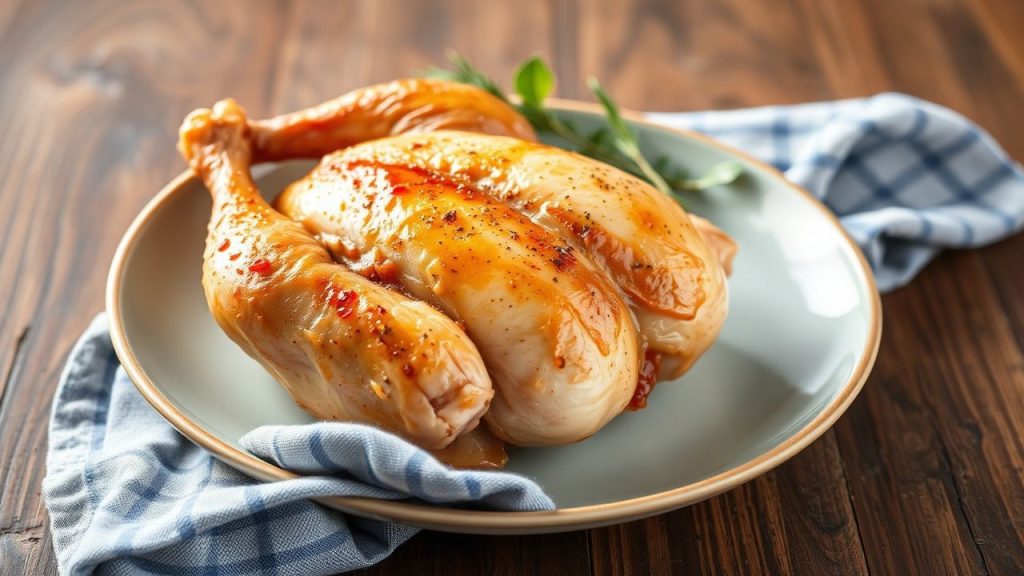
FAQ
Why does wet skin prevent crisping?
Wet skin creates a steam layer that holds the surface temperature near the boiling point of water. That steam delays fat rendering and stops the Maillard reaction until the moisture evaporates.
Drying the surface first removes the steam and lets direct heat brown the proteins and sugars on the skin.
Can I still get crisp skin if I marinated the chicken?
Yes. Pat the skin dry thoroughly after marinating, then air-dry on a rack if time allows. A brief dry-brine with salt after marinating also helps remove extra surface moisture.
Remember that heavy wet marinades add liquid back to the skin, so plan a drying step before cooking.
How long should I air-dry chicken in the fridge?
Two hours is a practical minimum for noticeable improvement. Overnight drying produces better results when you have the time.
Place the chicken on a wire rack set over a tray to collect drips. For background on refrigeration and food handling, see Food safety.
Does wet skin affect food safety?
Surface moisture itself does not make the chicken unsafe. The risk appears when uneven cooking due to longer cooking times leaves parts below safe temperature. Use a meat thermometer to confirm 165°F (74°C).
Follow standard hygiene and storage practices. For more on safe handling, consult our internal chicken safety resource.
Are there quick hacks if I’m short on time?
Pat dry vigorously and rest uncovered in the fridge for 20–30 minutes if possible. Otherwise, sear on high heat and finish in a hot oven, but monitor closely to prevent burning.
A final one- to two-minute broil can crisp stubborn spots, but keep the bird a safe distance from the element to avoid flare-ups.
Closing Notes
Moisture on chicken skin dictates whether heat browns or steams the surface. Control that moisture with drying, salt, and dry-heat cooking to get predictable, crispy results.
Practice the small steps—patting, resting, and using a thermometer—and you will reliably transform wet-start chicken into a crisp, flavorful dish.
See also: chicken skin
]]>