Fermentation turns simple ingredients into layered flavors and nourishing foods. For families, the challenge lies not in making ferments but in creating lasting desire for them.
- Start mild: introduce fermented foods with gentle flavors and familiar dishes.
- Make it social: rituals and shared prep build ownership and curiosity.
- Prioritize safety: clear aromas and correct brining keep ferments appetizing and safe.
- Convert favorites: fold ferments into tacos, sandwiches, and snacks to win taste buds.
Choosing the Right Ferments for Every Palate
Successful introduction begins with selection. Choose ferments that match your family’s current preferences and texture tolerances.
Start with probiotic-rich, mild options like yogurt or naturally fermented sauerkraut and move toward bolder items such as kimchi and tempeh. This gradual path helps palates adapt while preserving mealtime harmony.
Match Ferment Type to Eating Habits
For lovers of creamy textures, offer kefir or yogurt blends. For crunch-lovers, present crisp pickles or krauts that add contrast to familiar meals.
Use lactic acid ferments for vegetables and milk-based ferments for spreads and drinks. Understanding basic processes like fermentation helps you choose with intention.
Flavor Progression Strategy
Sequence exposure: mild → tangy → funky. Each stage should span days or weeks depending on family feedback.
Record reactions and adjust speed. This simple tracking makes the process deliberate and measurable for you and your family.
Creative Recipes to Introduce Ferments with Flair
Transform fermented ingredients into dishes that feel familiar. Pair tangy components with creamy or sweet elements to balance new flavors.
One repeatable success is tacos that combine creamy avocado with bright fermented cabbage for contrast and appeal.
Fermented Red Cabbage Tacos with Avocado Cream
Prep & Cook Time: 15 minutes prep, 10 minutes cook. Yield: 4 servings.
Ingredients: 8 small corn tortillas, 1 cup fermented red cabbage (drained), 1 ripe avocado, 1/2 cup Greek yogurt, 1 garlic clove minced, 1 tbsp lime juice, 1 tsp smoked paprika, 1/2 tsp ground cumin, cilantro, salt & pepper.
- Make the avocado cream: Blend avocado, Greek yogurt, garlic, lime, paprika, and cumin until smooth. Taste and adjust salt.
- Warm tortillas: Heat a griddle over medium heat; warm each tortilla 20–30 seconds per side until pliable.
- Assemble: Spread avocado cream on each tortilla, add 2 tablespoons fermented cabbage, and garnish with cilantro and pepper.
- Serve: Pair with a crisp cucumber salad or roasted sweet potato wedges for balance.
Variations and Kid-Friendly Swaps
For a vegan option, swap Greek yogurt for unsweetened cashew or coconut yogurt. For heat-averse family members, reduce spices and offer hot sauce at the table.
Leftovers work well on grain bowls and sandwiches, extending the value of each batch across multiple meals.
 Expert Insight
Practical Tips for Successful Ferments
Quality of your ferment begins with ingredients and equipment. Use fresh vegetables, non-chlorinated water when making brine, and clean fermentation vessels.
Keep vegetables submerged beneath brine to prevent surface molds. Check jars daily in the early stages to monitor gas and aroma development.
Signs of a Healthy Ferment
Clear, bright aromas and gentle bubbling indicate active lactic fermentation. Textures should remain crisp for vegetable ferments unless the recipe calls for softening.
If smells become putrid or textures turn slimy, discard the batch and analyze steps such as salt concentration and cleanliness to prevent repeat issues.
 Pro-Caution
Building a Fermentation Ritual Everyone Can Enjoy
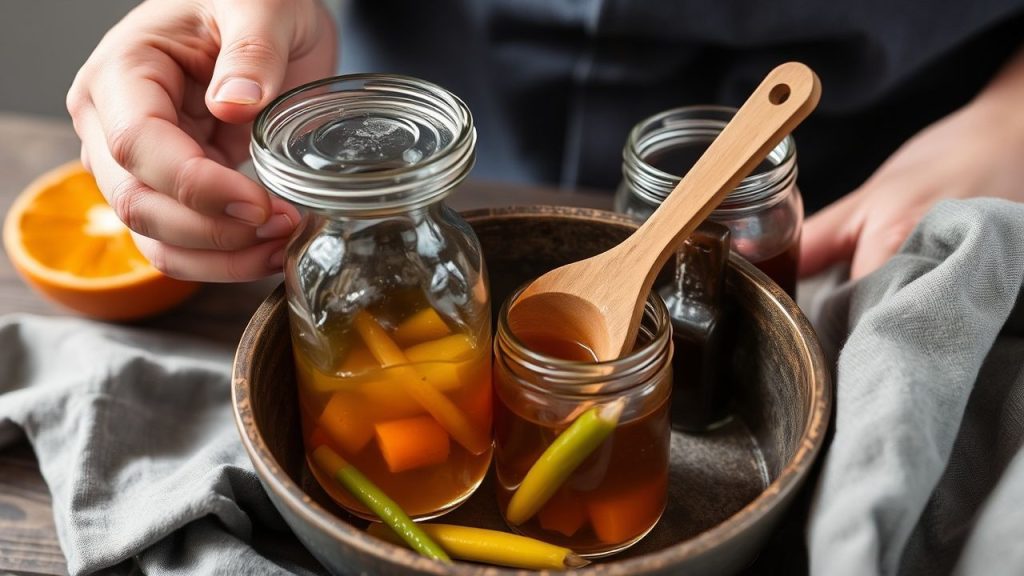
Rituals create anticipation. Set a visible fermentation station where active jars invite curiosity rather than hiding them away.
Designate a regular “tasting day” and rotate responsibilities. Children can rinse vegetables, press jars closed, or help record flavor notes.
Make It Educational and Fun
Explain basic microbial roles in simple terms: beneficial bacteria convert sugars into acids and preserve foods. This framing reduces fear and increases interest.
Link the activity to cultural stories about preserved foods or family history to deepen meaning and make ferments part of your culinary identity.
Ritual Tools and Setup
Reserve a shelf away from direct heat and sunlight. Keep weights, spare lids, and pH strips nearby to streamline routine checks.
Create a small logbook to track start dates, salt ratios, and tasting notes. Over time this record becomes your most valuable resource.
Nutritional and Microbial Benefits
Fermented foods supply live cultures that can support gut ecology when consumed regularly and in appropriate portions. Pair them with diverse whole foods for systemic benefit.
Scientific discussion around probiotics and the microbiome emphasizes variety; different fermented foods deliver different strains and metabolites.
How to Portion Ferments in Family Meals
Small servings (1–3 tablespoons for adults, smaller for children) integrated into meals provide benefit without overwhelming taste buds. Monitor tolerance and adjust as needed.
When introducing ferments to children, watch for digestive changes and reduce serving size until they adapt. Always consult a pediatrician for infants or immune-compromised family members.
Resources and Internal Guides
For practical step-by-step instructions, see our internal guide on Fermented Foods: Benefits and Easy Recipes. It offers recipes, safety tips, and menu ideas for families.
To begin hands-on fermenting at home, follow our starter series at How to Start Fermenting. These pages include beginner salt ratios and vessel recommendations.
Q&A
Q&A: Cultivating Cravings—How to Make Your Family Love Ferments
What makes fermented foods worth introducing to a family?
Fermented foods offer layered taste and potential gut-supporting microbes. They also expand food variety and can reduce food waste through preservation.
When balanced with whole foods, they enrich meals and support digestion without replacing nutrient-dense staples.
How do I introduce funky flavors without alienating picky eaters?
Start by using ferments as accompaniments or condiments. Mix them into beloved dishes so the new flavor complements, rather than dominates, familiar tastes.
Progress slowly and let each family member set their comfort pace. Positive experiences build lasting acceptance faster than persuasion.
What are kid-friendly ferments to try first?
Pickled carrots, mild sauerkraut, yogurt-based dressings, and lightly sweetened apple chutneys work well. Offer them alongside familiar textures and shapes to encourage tasting.
Use playful presentation—skewers, colorful bowls, or interactive build-your-own plates—to keep things fun.
How do I troubleshoot a failed batch?
Assess: was the produce fresh, was salt concentration correct, and did you keep vegetables submerged? If the batch smells off or shows visible mold, discard it and adjust technique.
Document lessons learned. Small corrections usually prevent repeat failures and teach the family practical food science.
Can making ferments together create long-term habits?
Yes. Shared preparation builds ownership and curiosity. When children participate in making and tasting, they often develop genuine interest and pride in the results.
Turn tastings into mini-rituals, reward experimentation, and celebrate small wins to cement habit formation.
Key Takeaways
Ferments become loved through strategic introduction, social rituals, and consistent, safe practice. Small portions, creative recipes, and family involvement accelerate acceptance.
Document your process, learn from missteps, and use the resources on our site for recipes and starter guidance. With patience, your family can convert curiosity into appetite—and into a durable culinary tradition.

See also: Ferments
]]>
- Start small: introduce mild ferments first to build acceptance.
- Make it hands-on: involve children in safe, simple tasks to boost interest.
- Pair wisely: balance bold ferments with familiar favorites to please picky eaters.
Simple Sauerkraut: A Crunchy Introduction
Sauerkraut offers a predictable texture and gentle acidity that many children accept. This makes it a reliable first ferment when teaching basic food science at home.
The process relies on natural lactic acid fermentation, which preserves cabbage and creates probiotics. Read more about the overall process at fermentation.
Prep and Cook Time
Prep usually takes under 20 minutes, so it fits into busy schedules. Fermentation time varies; cooler kitchens slow the process while warmer rooms speed it up.
Expect 7–10 days for a classic tang; taste along the way and refrigerate when it reaches your preferred acidity.
Yield and Difficulty
This recipe yields roughly 4 cups, enough as a side for a family dinner. The method ranks as easy and requires only basic tools: a bowl, a jar, and a weight.
Use non-iodized salt and clean jars for consistent results. If you want a reference recipe, see our internal guide on fermentation basics.
Ingredients
Keep ingredients minimal: cabbage, salt, and optional caraway seeds. Minimalism keeps textures and flavors approachable for young palates.
Use about 1 tablespoon of fine sea or kosher salt per medium cabbage to draw out brine and support beneficial bacteria.
Instructions
Shred the cabbage, sprinkle salt, and massage until it releases liquid. Pack tightly into a clean jar so brine covers the cabbage completely.
Place a weight to keep vegetables submerged and cover with a breathable lid or cloth. Check every 2–3 days, press down to maintain submersion, and move to the refrigerator when it tastes right.
Tips for Success
Keep work surfaces and jars clean to avoid contaminants. Always use non-iodized salt, since iodine can slow fermentation activity.
Adjust fermentation time for kitchen temperature and start with a small batch to test family reactions. For ideas on serving, try the sauerkraut as a topping for sandwiches.
[h2 image placeholder]
Creative Fermented Yogurt Dip with Veggie Sticks
Homemade yogurt allows you to control texture and tang, making it ideal for kid-friendly dips. Yogurt fermentation is predictable and fast compared with many vegetable ferments.
Use a quality starter culture or plain live yogurt to inoculate fresh milk and maintain warm, steady temperatures for 12–24 hours. Refer to the science at yogurt.
Prep and Fermentation Time
Warm milk to about 110°F, whisk in starter, and keep the vessel warm for several hours. The resulting set yogurt will thicken and develop a mild tang.
After chilling, stir in herbs, lemon juice, and seasonings to make a dip that appeals to children when served with colorful vegetable sticks.
Ingredients and Yield
Four cups of whole milk plus two tablespoons of live yogurt starter yields about two cups of dip. Use fresh herbs like chives to keep flavors bright and familiar.
Store the dip in the refrigerator for up to five days and portion into snack cups for lunches or movie-night trays.
Instructions
Heat milk gently, add starter, incubate until set, then chill. Stir in garlic powder, dill, and lemon for a tangy, creamy dip.
Present the dip with carrot, cucumber, bell pepper, and celery sticks. Turn the platter into a tasting game to encourage sampling.
Pairing Fermented Foods with Family Favorites for Balanced Meals
Pair fermented items with well-loved mains so new flavors feel familiar. For example, add sauerkraut to grilled cheese or stir mild kimchi into fried rice for color and umami.
Kimchi is a bold choice; introduce it in small amounts. Learn more about traditional kimchi on its reference page at kimchi.
Pairing Strategies
Match textures: crunchy ferments pair with soft breads; creamy ferments complement roasted vegetables. Match intensity: balance strong ferments with neutral or sweet components.
Simple swaps—like a spoonful of miso in soup or yogurt as a dressing base—add probiotics and umami without overwhelming picky eaters. Check our quick kimchi recipe via Easy Kimchi Stir Fry for practical application ideas.
Expert Insight
Serve ferments alongside protein and starchy elements to create balanced plates. For younger children, dilute bold ferments in familiar dishes to slowly build acceptance.
Pro-Caution
Q&A
The following answers address common parent concerns. Each response gives practical steps you can apply at home immediately.
These questions cover safety, serving ideas, and easy starter projects to build confidence with fermentation techniques.
What makes fermented foods a useful addition to family meals?
Fermented foods introduce live cultures that support gut microbial diversity and can enhance flavor profiles. They also extend the shelf life of seasonal produce, offering economical meal options.
Including small servings regularly helps children experience varied tastes and textures, which supports broader dietary acceptance over time.
How do I introduce fermented foods to picky eaters?
Start with mild ferments such as plain yogurt or lightly salted cucumber pickles. Pair these with sweet or familiar components like applesauce or mashed potatoes to soften unfamiliar flavors.
Make tasting a game: offer tiny samples, let kids rate flavors, and let them choose toppings or mix-ins to increase engagement.
Which ferments are easiest for beginners?
Sauerkraut, refrigerator pickles, and homemade yogurt are low-risk, require few tools, and deliver predictable results. These ferments provide quick wins and build confidence.
Begin with small batches and clear notes on timing and temperature so you can repeat successful outcomes reliably.
Are fermented foods safe for children?
Yes, when prepared and stored properly. Use clean equipment, follow tested recipes, and refrigerate finished ferments to slow bacterial activity and preserve quality.
Avoid giving unpasteurized or very salty ferments to infants under one year. For older children, introduce ferments gradually and monitor tolerance.
How can families keep fermentation stress-free?
Set realistic goals: start with a single project and a designated workspace. Use simple schedules and labels so everyone knows when a jar was started and when it should be refrigerated.
Document your steps and tasting notes; this turns trial and error into a repeatable routine and reduces anxiety about safety or outcomes.
For broader context on probiotic benefits, consult the general topic at probiotics. For vegetable-specific ferments, see the sauerkraut page at sauerkraut.
Use internal resources like Fermentation Basics and Easy Kimchi Stir Fry to expand your home library of family-friendly recipes and step-by-step methods.
With small, consistent steps you can make fermented foods an enjoyable, nutritious part of regular family meals. Keep portions modest, focus on clean technique, and let curiosity guide tasting sessions.
See also: Fermented Foods
]]>