- Key uses: silky tomato sauces, applesauce, mashed potatoes for gnocchi, and seed-free fruit preserves.
- Speed and control: you control texture by disc size and crank speed.
- Low waste: it separates undesirable bits while keeping flavor and natural pectin.
Prep and Cook Time
Preparation and cooking guide: plan short cooking that softens produce enough to pass through the mill without force. Most recipes require 10 minutes prep and 20–30 minutes cooking for vegetables like tomatoes.
Adjust times for dense roots and winter squash; these need longer simmering to reach a tender, millable stage. Maintain a simmer rather than a hard boil to avoid tough skins separating unevenly.
- Preparation: 10 minutes
- Cooking: 25 minutes
- Total: 35 minutes
Yield and Difficulty
This recipe yields about four servings of fresh tomato puree and sits at an easy-to-medium skill level. A single food mill handles most home-batch volumes; larger mills suit preserving or batch cooking.
Practical note: choose a medium disc for everyday sauces. A medium disc balances smoothness with enough body to carry flavor in pasta and braises.
Ingredients
The ingredient list below keeps the sauce simple and focused on ripe produce and aromatics. Simple salt, olive oil, garlic, and basil let the mill-produced texture become the centerpiece of the dish.
Use ripe tomatoes for the best natural sweetness and acidity balance. For other projects like applesauce, substitute the tomatoes with peeled, cored apples and adjust spices accordingly.
- 3 cups ripe tomatoes, quartered
- 2 cloves garlic, minced
- 1 small onion, finely chopped
- 2 tbsp extra virgin olive oil
- 1 tsp sea salt
- 1 tsp fresh basil leaves, chopped
- 1/4 tsp freshly ground black pepper
- Optional: pinch of red chili flakes
Instructions
Prepare aromatics and cook the produce until soft enough to pass through the mill with steady pressure. Keep the pan contents moist; thick, dry mixtures will clog the disc and slow milling.
Assemble the mill with the chosen disc and position it over a bowl or pot that will receive the puree. Work in batches for large volumes to keep the mill operating smoothly.
Step-by-step
- Sauté Aromatics: heat the olive oil in a medium skillet over medium heat. Add garlic and onion and sauté until translucent, about 5 minutes, stirring regularly.
- Cook Tomatoes: add the quartered tomatoes to the skillet and simmer 15 minutes until soft and broken down. Stir occasionally to avoid sticking.
- Prepare the Food Mill: set up with the medium disc. Ensure the mill sits level so the crank turns smoothly and the blade contacts the disc fully.
- Mill the Mixture: transfer tomatoes in batches. Turn the crank with steady, even pressure; the mill separates skins and seeds, producing a silky puree beneath.
- Season and Finish: return puree to skillet, stir in salt, basil, pepper, and chili flakes if using. Simmer 3–5 minutes to marry flavors and adjust seasoning.
- Serve Warm: spoon over pasta, use as base for braises, or cool and jar for later use.
Tips for Success
Choose a food mill with multiple disc sizes to broaden the range of textures you can produce. Interchangeable discs let you move from fine baby-food purées to coarser soup bases with one tool.
Always cook produce until tender. Undercooked fibrous items strain poorly and increase crank resistance; properly softened food mills clean faster and yield smoother results.
- Selecting your mill: stainless-steel models resist staining and retain performance through heavy use.
- Texture control: use the fine disc for baby food and the medium disc for pasta sauce.
- Batching: work in manageable portions to avoid overloading the mill.
 Expert Insight
Cleaning and Care
Clean the mill promptly after use to prevent dried food from lodging in the perforations. Disassemble the parts and soak in warm, soapy water to loosen residue.
Most quality mills are dishwasher-safe on the top rack, but handwashing prolongs seals and wooden handles. Inspect moving parts periodically for wear and tighten any loose fasteners.
 Pro-Caution
Serving Suggestions
Fresh-milled tomato puree elevates simple pasta by delivering a refined texture that clings to noodles. Garnish with grated parmesan and torn basil for a classic presentation.
Beyond sauce, the mill produces fine mashed potatoes perfect for light, airy gnocchi dough. It also refines fruit for preserves and jars of applesauce with a smooth mouthfeel.
Explore related technique pages for deeper background on tools and recipes: see tomato sauce and applesauce to compare outcomes when using a mill versus other methods.
Practical Uses Beyond Sauce
The food mill excels with many cooked ingredients: roasted vegetables, pumpkin, and soft fruits all respond well. Use it to create smooth pie fillings or seed-free jams that set cleanly.
For starchy applications, mill boiled potatoes directly into a bowl for immediate ricing or to prepare dough for gnocchi. The mill’s gentle action prevents gluey potato glue by avoiding overworking starches.
Q&A
Below are concise answers to common queries about the food mill’s function and advantages. These responses draw on practical kitchen experience and standard technique.
If you need a quick comparison, consider whether you prefer the tactile control of a mill or the speed of a blender; each tool has a place in a well-equipped kitchen.
Q1: What exactly is a food mill, and why use one?
A food mill is a hand-cranked kitchen strainer that mashes cooked food against a perforated disc, separating skins and seeds while producing a smooth puree. It combines mechanical sieving with gentle crushing to preserve flavor while improving texture.
Q2: How does it differ from a blender or food processor?
Blenders and processors chop and emulsify with high-speed blades; they can overwork delicate produce and retain skins. A mill processes cooked material and removes unwanted solids, producing a silkier result without aeration or heat from blades.
Q3: Which disc should I use?
Use a fine disc for baby foods and the medium disc for everyday sauces. Coarse discs work well for chunky soups or when you want visible texture in the finished dish.
Q4: Is it hard to clean?
Not if you rinse and soak immediately. Soaking dislodges soft solids; a soft brush clears perforations. Handwashing preserves metal finish and moving parts longer than repeated dishwasher cycles.
Want more tool-oriented content? Visit our internal resources for gear and technique guides: Best Kitchen Toys for Home Chefs and Kitchen Equipment Guide for comparisons and buying advice.
FAQ
What is the best food mill size for home cooks?
A medium-sized mill with multiple discs offers the most versatility for home use. It handles most batch sizes and fits common pots, making it practical for everyday cooking and occasional preserving.
Can I mill raw ingredients?
No. A food mill works on cooked, softened ingredients. Raw materials clog the disc and require excessive force. Always cook until tender before milling.
Will a food mill remove seeds from berries?
Yes. When you mill cooked berries, the seeds and skins remain behind while the pulp and juice pass through, producing a seed-free puree suitable for sauces and desserts.
Are food mill parts dishwasher-safe?
Many modern mills list dishwasher-safe parts, but handwashing extends the life of seals and wooden components. Check the manufacturer’s care instructions for your model.
Where does a food mill fit in a professional kitchen?
Chefs use food mills when texture and clarity matter, such as for fine sauces, coulis, and baby food. The mill gives consistent, repeatable texture that electric tools cannot match for certain cooked preparations.

See also: food mill
]]>
- Match grater face to outcome: choose coarse, medium, fine, or slicer based on texture goals.
- Smaller particles release more aroma: fine grating increases surface area and flavor extraction.
- Material and angle matter: stainless steel construction and tooth geometry reduce effort and wear.
- Simple maintenance extends life: clean promptly and store dry to preserve sharpness.
How a box grater works
A box grater converts a block of food into fragments through shear and tearing forces. Each hole pattern and tooth angle defines whether the action slices cleanly or punches and tears the tissue.
Mechanically, the process combines friction and shear. For context on friction and surface interactions, see friction (physics), which helps explain why texture and effort change across grater faces.
Anatomy of the four faces
Most box graters share a consistent anatomy: a coarse shredding face, a medium grating face, a fine grating/zesting face, and a slicing face. Each face uses a specific tooth geometry and hole size to control particle size and cell rupture.
The typical grater body uses stainless steel for rigidity and corrosion resistance. For material properties and why stainless steel is preferred, consult stainless steel.
Coarse shredder (largest holes)
The coarse face produces thick strands ideal for melting and texture—think cheddar over baked pasta. It cuts by punching out longer ribbons, which preserve more internal structure and slow melting compared with fine particles.
Use the coarse side for vegetables destined for slaws or for cheeses that should retain bite. The larger strands trap air and oil differently, changing mouthfeel and browning behavior.
Medium grater (standard shred)
The medium face yields consistent shreds for even melting or quick cooking. It balances surface area and strand strength, making it a go-to for everyday tasks like grating semi-firm cheeses and carrots.
Medium shreds heat and melt reliably, which matters in gratins or pancakes where uniform cooking is critical. Choose this face when you need controlled melting without complete tissue breakdown.
Fine grater / zester (small holes)
The fine face creates very small particles and is ideal for zesting citrus, grating hard cheeses, or producing a snow-like texture. Smaller particles increase exposed surface area and therefore accelerate aroma and flavor release.
For citrus zest, the micro-shavings release essential oils without pulling bitter pith. For a sense of citrus varieties and their aromatic profiles, see Citrus.
Slicer face (single slotted blade)
The slicer produces uniform ribbons or thin slices when you move produce across it. It functions more like a plane than a shredder and preserves long cell strands for salads or garnishes.
Sliced ribbons change presentation and texture without significantly altering cooking time. Use the slicer for zucchini ribbons, cucumber slices, and other applications where intact ribbons improve mouthfeel.
Practical use: prep, yield, difficulty, ingredients, and step-by-step
When you plan preparation, the chosen face determines yield and cook time. For example, one cup of medium-shredded cheddar has a different volume and melt profile than an equivalent weight of fine-grated cheese.
Estimate prep: about 10 minutes for selection and initial grating. Assembly or cooking will vary by recipe, typically 15–30 minutes depending on melting or roasting requirements.
Yield and difficulty
Typical yield for basic applications: one cup shredded cheese, two cups grated vegetables, and lemon zest from one fruit. Difficulty ranges from easy to medium; technique and safety influence skill level more than raw complexity.
Practice reduces time and improves consistency. Beginners should start with firm produce and the medium face to build rhythm and control.
Ingredients (example set)
1 cup sharp cheddar, shredded (medium face); 2 carrots, peeled; 1 small zucchini; 1 lemon, zested (fine face); 1 garlic clove, finely grated. These items demonstrate a range of textures and release rates.
Swap cheeses and vegetables according to dish goals. Hard cheeses suit the fine face; semi-soft cheeses and root vegetables match the medium or coarse faces.
Step-by-step instructions
Select the correct face. Choose coarse or medium for cheese and firm vegetables, the slicer for ribbons, and the fine face for aromatics and zest. Matching the face to the ingredient yields predictable results.
Grate with steady rhythm and even pressure. Hold the grater on a non-slip surface. Move the ingredient in controlled strokes and maintain consistent pressure to avoid knuckle injury and to produce uniform pieces.
Combine textures intentionally. Layer coarse shreds with fine zest to balance melt and aroma. This approach improves both flavor diffusion and mouthfeel in finished dishes.
For broader tool selection and alternatives, see our Ultimate Guide to Kitchen Tools and a review of top models at Best Box Graters.
Maintenance and safety
Maintenance protects cutting edges and reduces the force you need to apply. Clean promptly after use to remove residues that dull teeth and promote corrosion.
Use a brush or gentle scrub to clear trapped shreds; avoid banging a grater against surfaces, which can deform teeth. Store dry and upright to prevent moisture buildup and microcorrosion.
Expert Insight
Safety matters. Always keep fingertips clear of the active edge and use a guard or the last portion of the ingredient to avoid cuts. Wear a cut-resistant glove if you plan heavy or prolonged grating.
Pro-Caution
Serving suggestions and nutrition
Use medium-shredded cheese over casseroles for even melt and visual appeal. Use fine zest and grated garlic to finish grilled seafood or roasted vegetables for immediate aroma impact.
Thin ribbons of zucchini or carrot work well in salads with toasted nuts and a bright vinaigrette, providing contrast in texture and flavor without added cooking time.
| Nutrient | Amount per 100g | Notes |
|---|---|---|
| Calories | 150 kcal | Cheese and grating impact density |
| Protein | 10 g | Higher when cheese is grated finely due to packing |
| Carbohydrates | 5 g | Vegetables contribute fiber |
| Fat | 12 g | Varies by cheese type |
For more on the tool’s history and variations, consult the general entry on graters such as the cheese grater article. That page outlines design evolution and common types used worldwide.
FAQ
What is a box grater and why does it have multiple sides?
A box grater is a four-sided handheld tool that offers different cutting faces to produce a range of particle sizes. Designers include multiple faces to let a single tool perform shredding, fine grating, slicing, and zesting efficiently.
How do different hole sizes change texture and flavor?
Larger holes produce coarser shreds that maintain structure and slow aroma release. Conversely, fine grating increases surface area and accelerates the release of volatile compounds, intensifying immediate aroma and taste.
Which side should I use for specific ingredients?
Use the coarse side for soft to semi-hard cheeses and vegetables where texture matters. The medium side suits everyday shredding. Use the fine side for hard cheeses, citrus zest, garlic, and nutmeg. The slicer creates ribbons for salads and garnishes.
How should I clean and store a grater to keep it sharp?
Rinse immediately, brush away trapped shreds, and dry thoroughly to prevent rusting and micro-abrasion. Store in a dry area and avoid stacking heavy items onto the grater’s faces to preserve tooth geometry.
Does the material of the grater matter?
Yes. Most quality graters use stainless steel for durability and corrosion resistance. The steel grade and manufacturing method affect how long teeth retain a sharp edge and how much force grating requires.
For additional reading on texture and food science principles relevant to grating and particle size, the broader topic of food texture provides useful background at cheese and ingredient behavior.
See also: box grater
]]>Imagine a simple kitchen tool that clarifies texture and heightens natural taste. A food mill converts cooked fruits and vegetables into silky purees and sauces by separating seeds and skins while preserving juice and aroma.
- Key takeaway: A food mill produces seedless, smooth purees that retain natural flavor.
- Key takeaway: Choose discs and materials to match acidity and volume needs.
- Key takeaway: Proper care extends life and keeps performance consistent.
Understanding the Essential Design and Function of a Food Mill
The food mill combines a shallow bowl, a perforated disc, and a hand-crank scraper to force cooked food through holes while trapping unwanted parts. This mechanical action produces a uniform texture without the air incorporation or heat buildup typical of electric blenders.
Because the mill leaves fibrous material behind, it delivers flavors with clarity and mouthfeel ideal for sauces, jams, and baby food. For technical reference on the device and its historical context see Food mill on Wikipedia.
How the components work together
The disc size controls final texture: fine for silky sauces, medium for smooth purees, and coarse for rustic mash. A solid central shaft and firm paddle ensure even pressure across the disc so the machine performs consistently for repeatable results.
Materials matter: stainless steel shafts and bowls resist acid and mechanical wear, while enamel or food-grade plastics reduce weight for occasional use. For materials and metal properties consult the stainless steel summary at Stainless steel.
Exploring Versatile Uses and Ideal Ingredients for Optimal Flavor
A food mill shines with soft, cooked produce: tomatoes for clear, seedless sauces; apples for smooth applesauce; and cooked root vegetables for velvety soups. The mill preserves volatile aromatics because it works cold or at simmering temperature, avoiding the heat buildup of high-speed blades.
Tomatoes are a classic example: mill out seeds and skins to yield an even-bodied sauce ready for seasoning. For botanical and culinary context about common tomato varieties and uses, see Tomato.
Choosing the Right Food Mill for Your Culinary Adventures
Select a mill based on capacity, disc variety, and build quality. Smaller mills are convenient for single pots or batch cooking, while larger, commercial-grade units speed processing for preserves and canned goods.
Interchangeable discs give control over mouthfeel; choose stainless disc options to handle acidic fruits safely for long-term use. If you preserve sauces, review recommended canning practices such as proper acidification separately at trusted food-preservation resources.
Expert Tips for Cleaning and Maintaining Your Food Mill for Longevity
Disassemble the mill after each use and rinse parts immediately to remove trapped fibers. Use a soft brush to clear disc holes, then dry metal components thoroughly to prevent surface oxidation.
Expert Insight
Avoid abrasive cleaners on enamel finishes and confirm dishwasher compatibility with the manufacturer to prevent warping. Secure the handle and inspect for loosened rivets annually; tight tolerances ensure even milling.
Pro-Caution
Prep and Cook Time
- Preparation: 10 minutes
- Cooking: 20–40 minutes depending on produce
- Total: 30–50 minutes
Yield
Yields approximately 4 cups of puree, suitable for 4–6 servings depending on application.
Difficulty Level
Easy to Medium — appropriate for beginners and precise enough for experienced cooks controlling texture.
Ingredients
- 4 cups ripe tomatoes or peeled fruit, quartered
- 1/2 cup water or vegetable broth
- 1 tbsp olive oil (optional)
- Salt and pepper to taste
- Fresh herbs such as basil or thyme (optional)
Instructions
- Cook: Simmer quartered produce with a splash of water until fully tender, typically 20–30 minutes for tomatoes.
- Assemble: Fit the chosen disc and set the mill over a bowl or pot to collect the puree.
- Mill: Add cooked pieces and turn the crank steadily, applying gentle pressure to move pulp through the disc.
- Finish: Season the puree and stir in olive oil if desired. Rewarm briefly if serving hot.
- Store: Refrigerate up to 3 days or freeze for longer storage in labeled portions.
Tips for Success
- Choose ripe, evenly cooked produce to get the best flavor and smoothest texture.
- Cook to tenderness so pieces move through the mill without force.
- Rotate discs to experiment with body and mouthfeel for different recipes.
- Keep the mill steady on the vessel edge to avoid spills while cranking.
Serving Suggestions
Use freshly milled tomato sauce over pasta, finishing with torn basil and a drizzle of olive oil for balance and shine. Sweet purees pair well with dairy or warm grains to highlight natural sugars and texture.
Incorporate vegetable purees into soups for a refined mouthfeel or use them as a base for compound sauces. For more tool recommendations and technique guides, see our internal resources on essential kitchen tools and pureeing techniques to match texture to recipe goals.

| Nutrient | Amount (per 1 cup puree) |
|---|---|
| Calories | 70 |
| Protein | 2g |
| Carbohydrates | 15g |
| Fat | 0.5g |
For background on sauce structure and how clarified textures affect pairing, review the general topic at Sauce. For examples of mashed-root applications that benefit from milling, see Mashed potato.
Q&A
The following questions address practical concerns cooks raise when adopting a food mill. Answers focus on use, comparisons, and maintenance to help you decide how the tool fits your workflow.
These responses reflect common kitchen practice and objective device behavior rather than personal preference, offering concise, actionable guidance for immediate application.
Q1: What is a food mill, and why should I care?
A food mill is a manual, hand-cranked tool that purees and strains cooked produce simultaneously. You should consider it when you want seedless, smooth textures while preserving natural juice and aroma.
Q2: How does a food mill work?
The crank forces cooked material against a perforated disc; pulp passes through, while skins and seeds remain. This gentle mechanical action yields a clarified puree with minimal heating.
Q3: How does it differ from a blender or food processor?
Blenders and processors shear and aerate, which can change texture and temperature. A food mill uses pressure rather than speed, producing a cleaner, more controlled mouthfeel with less heat.
Q4: Can I use a food mill for baby food?
Yes. It produces lump-free textures without adding water or oil, preserving nutrients and flavor. Always cool and test for temperature and texture appropriate to the child’s age.
Q5: What should I look for when buying?
Choose a sturdy handle, solid base, and interchangeable discs that match the textures you plan to make. Stainless components and easy disassembly improve longevity and hygiene.
In Retrospect
The food mill remains a practical, reliable tool for cooks who value texture and flavor clarity. It offers repeatable results for sauces, purees, and preserves without electricity or complex settings.
By matching disc choice to ingredient and following simple maintenance, the mill becomes a long-term asset in home and professional kitchens alike. For deeper technique reads, consult our internal guides earlier in the piece.
FAQ
Below are focused answers to frequent technical and practical questions about using a food mill effectively and safely.
Is a food mill hard to clean?
No. Most mills disassemble for rinsing and scrubbing; a small brush clears disc holes efficiently. Dry metal parts immediately to prevent surface oxidation.
Which disc should I start with?
Start with a medium disc for general use; switch to fine for sauces and baby food or coarse for rustic textures like chunky vegetable purées.
Can I mill hot food directly?
Yes. Milling at simmering temperature helps pulp pass easily and preserves volatile aromatics, but handle with care and use heat-safe vessels to avoid burns.
Will a food mill change the nutritional value?
The mill redistributes existing nutrients; it does not remove vitamins dissolved in the pulp or juice. Proper cooking and storage practice preserve nutrient levels best.
Where can I learn more about preserving milled sauces?
Consult reputable preserving guides and follow tested recipes for acidification and heat processing when canning. Use quality seals and date containers for safe long-term storage.
See also: food mill
]]>
- Buy for function: Keep gadgets that solve real, repeated tasks.
- Prioritize durability: Materials and construction determine lifespan.
- Measure impact: Choose tools that save time or improve consistency.
- Start basic: Invest in essentials, then add specialty gadgets intentionally.
Below I apply those rules to a practical, one-pan Mediterranean chicken bake that benefits from a few well-chosen gadgets. The recipe showcases how the right tools reduce steps and improve texture while keeping cleanup minimal.
Prep and Cook Time
Prep Time: 15 minutes. I time ingredient prep and mise en place to keep the oven workflow smooth. Use a timer and arrange ingredients within arm’s reach to avoid wasted motion.
Cook Time: 40 minutes. The recipe balances stovetop searing and oven roasting to build flavor and even texture. The total time remains under an hour for a reliable weeknight main.
Yield
Serves 4 hearty portions. The quantities suit a family dinner or a small batch meal prep for two. Scale the recipe evenly by weight to maintain roast and cooking profiles.
For larger groups, multiply ingredients and use separate skillets or a sheet pan to avoid overcrowding and loss of browning.
Difficulty Level
Medium. This dish requires basic searing technique and oven timing. It rewards attention to even slicing and correct internal temperature for the chicken.
Beginners can follow the step sequence reliably; more experienced cooks can adjust spices, herbs, or vegetables to personal taste.
Ingredients
This ingredient list focuses on flavor balance: acid, fat, aromatics, and brine. Each component contributes to a layered finish without complexity.
Substitute with local produce when in season and maintain relative weights for the protein and vegetables to ensure consistent cooking.
- 4 boneless, skinless chicken thighs
- 2 tbsp extra virgin olive oil, divided
- 1 lemon, zested and juiced
- 4 garlic cloves, minced
- 1 tsp smoked paprika
- 1 tsp dried oregano
- 1 large red onion, thinly sliced
- 1 red bell pepper, cut into strips
- 1 cup cherry tomatoes, halved
- ½ cup pitted kalamata olives
- ½ cup crumbled feta cheese
- Fresh parsley for garnish
- Salt and freshly ground black pepper, to taste
Instructions
Follow the steps precisely for the best texture. The technique combines short marination, high-heat searing, and oven roasting for even doneness and caramelization.
Read each step before starting to ensure you have the correct tools at hand—heavy skillet, tongs, reliable thermometer, and an oven-safe lid or foil.
1. Marinate the chicken
In a bowl whisk 1 tablespoon olive oil, lemon zest, lemon juice, minced garlic, smoked paprika, oregano, salt, and pepper. Toss chicken in the marinade to coat thoroughly and rest at room temperature for ten minutes or refrigerate up to two hours for deeper flavor.
Short marination changes surface chemistry and improves browning during searing. Avoid overly long acid marination for dark meat; too long can affect texture.
2. Prepare the vegetables
Slice the red onion and bell pepper uniformly for even roasting. Use a sharp chef’s knife or a precise slicing tool to keep thickness consistent and prevent some pieces from charring before others have softened.
For uniform thin slices, consider a trusted hand tool designed for consistent cutting. See notes on useful gadgets below.
3. Sear the chicken
Heat remaining 1 tablespoon of olive oil in a heavy, oven-safe skillet over medium-high heat. Place the marinated thighs in the pan and sear about five minutes per side until a deep golden crust forms.
Searing adds Maillard flavor and locks in juices. Use an instant-read thermometer to confirm an internal temperature of 165°F (75°C) after roasting.
4. Add vegetables and roast
Arrange sliced onion, pepper, tomatoes, and olives around and atop the chicken. Transfer the skillet to a preheated oven at 400°F (200°C) and roast for 25 minutes until the chicken reaches 165°F and vegetables caramelize.
Rest the chicken briefly after removal, then crumble feta and scatter chopped parsley before serving for freshness and textural contrast.
Tools That Matter
Not every kitchen gadget improves outcomes. I evaluate tools by build quality, ergonomic design, and measurable time saved during prep and cleanup. Tools that meet those criteria consistently earn a place in my tested kit.
For example, a heavy cast-iron or stainless skillet provides even heat distribution and searing performance that electric pans often cannot match. A good instant-read thermometer removes guesswork from doneness checks.
Learn more about essential utensils at kitchen utensil and why material choice affects cooking at olive oil profiles when searing.
Tips for Success
Quality matters more than gimmicks. Choose tools that perform one or two jobs exceptionally well rather than those that promise dozens but fail at the basics. Good tools lower friction and improve repeatability.
Organize your prep. A compact workstation and a designated bowl for scraps save time and reduce stress. Use a reliable mandoline alternative or sharp knife for uniform slices that roast evenly.
Expert Insight
Balance investment with frequency. If a gadget will see weekly use, choose a higher-quality model. If it’s for a seasonal task, a basic, well-reviewed option suffices.
Pro-Caution
Serving Suggestions
Serve this bake with herbed couscous or lemon quinoa to absorb the pan juices. A crisp green salad dressed simply with olive oil and vinegar complements the savory, briny notes of olives and feta.
Warm, crusty whole-grain bread or toasted pita also pairs well and helps scoop the feta-studded sauce. Adjust side portions to balance protein and starch for each diner.
Nutritional Information
The following values are estimates per serving and depend on ingredient brands and portion sizes. Track portions to fit the dish into your dietary plan accurately.
I recommend weighing protein and tracking added fats if you follow strict macronutrient goals. The table below provides a baseline for home cooks.
| Nutrient | Amount per Serving |
|---|---|
| Calories | 420 kcal |
| Protein | 35 g |
| Carbohydrates | 12 g |
| Fat | 22 g |
Practical Buying Advice
When you evaluate a gadget, test how it fits your kitchen layout, how it stores, and how it cleans. Ergonomics and ease of cleaning matter as much as performance. Choose stainless or heavy-gauge materials where heat and contact durability matter.
Read user reviews focused on longevity, not flash features. I keep a shortlist of trusted purchases and replace items that fail predictable wear tests. For deeper reading on Mediterranean flavor profiles and ingredients, review Mediterranean cuisine and the role of regional cheeses like feta.
For curated tool recommendations and comparisons, see our internal resources: Best Kitchen Gadgets of 2024 and Kitchen Tool Buying Guide. These pages list tools I regularly recommend after hands-on testing.
FAQ
How do I tell a useful gadget from a gimmick?
Ask if it solves a real, repeated problem and reduces steps or time. If it adds cleaning or storage burden without measurable benefit, it’s likely a gimmick. Real tools improve consistency and reduce friction.
Are multi-functional tools worth it?
Only if each function performs well and the tool remains simple to use and clean. When a device compromises performance to offer many features, single-purpose tools often perform better.
Which materials should I prioritize?
Choose cookware with even heat distribution—thick-gauge stainless or cast iron for searing. For cutting tools, high-carbon stainless offers edge retention and corrosion resistance.
How do I evaluate online reviews?
Focus on long-term users and reports about durability, not just initial impressions. Look for reviewers who test cleaning, storage, and performance under repeated use.
Can inexpensive gadgets ever be a good buy?
Yes, for occasional tasks where quality doesn’t affect results. For daily-use items, invest in quality to avoid replacement costs and inconsistent performance.
Insights and Conclusions
A reliable toolset limits variables and improves meal consistency. Choose gear that reduces friction in prep and cleanup while delivering predictable results.
Make purchases with intention: prioritize durability, ease of cleaning, and tangible time savings. That approach keeps counters clear and meals better executed.
For more technique and gadget guidance, explore our guide to essential kitchen tools and tested gadgets for everyday cooking. Use empirical testing and thoughtful selection to build a toolkit that serves your cooking style and schedule.
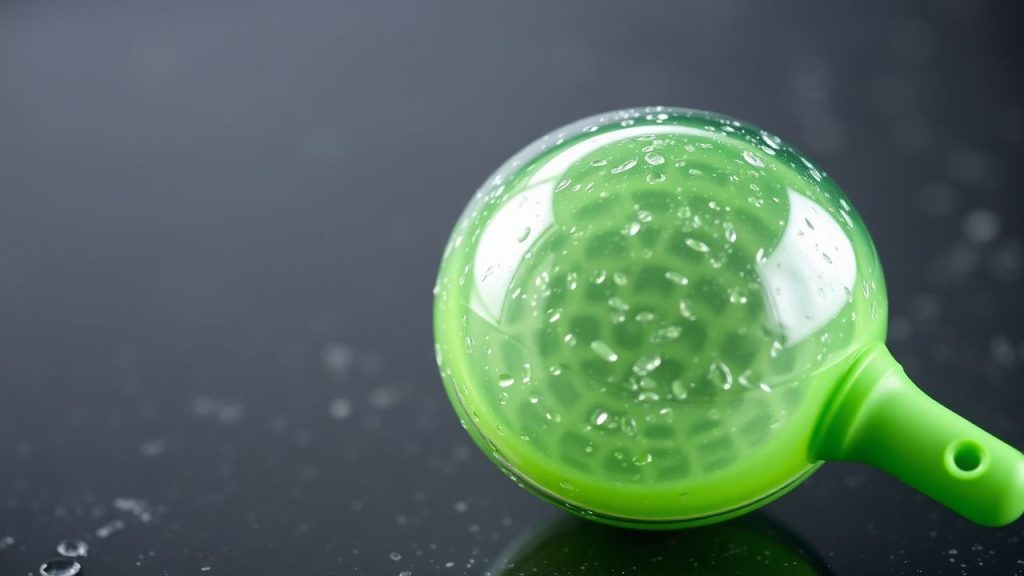
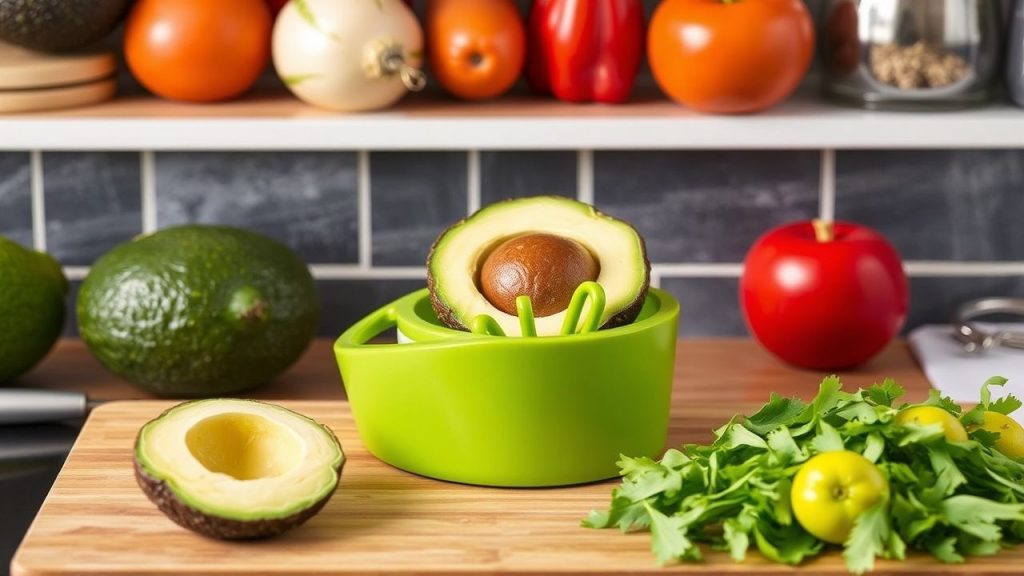
See also: Kitchen Gadgets
]]>
- Basting preserves moisture and delays surface drying for tender results.
- Warm, fat-based bastes improve browning and carry aromatic ingredients.
- Timing matters: baste after initial crust formation and at steady intervals.
- Tools and motion determine coverage and speed without losing oven heat.
The Science Behind Basting: Why Moisture is a breakthrough
Basting affects heat flow and surface chemistry. By reintroducing liquid and fat to the outer layers, you slow surface dehydration while promoting reactions that generate flavor and color.
Specifically, controlled moisture supports the Maillard reaction and limits hard surface formation that blocks even cooking. Both outcomes yield a tender interior and well-browned exterior.
Choosing the Perfect Basting Liquid
Choose a base of fat plus a flavorful carrier. Melted unsalted butter or neutral oil provides lubricity and heat transfer, while stocks or citrus add taste and acidity to balance richness.
When you add sugar or syrups, monitor color closely because sugars accelerate caramelization. Use less sweet ingredients for long profiles and add small amounts near the end for glaze-like gloss.
Tips for Flavorful and Juicy Results
Balance is the goal. Combine fat, acid, and aromatics so each baste layers flavor without overpowering the protein.
- Warm your baste: Keep it at serving temperature to avoid dropping oven heat.
- Add aromatics late: Fresh herbs and citrus zest in the final baste preserve volatile flavors.
- Control sweetness: Use honey or maple sparingly to prevent excessive browning.
Timing and Technique: How to Baste Like a Pro Without Losing Heat
Start basting after the surface has set and a light crust forms. For many roasts that takes 10–20 minutes at moderate oven temperature; for quick sears reduce frequency.
Baste at consistent intervals to maintain surface moisture but avoid continuous wetting that prevents browning. Frequent, brief basting keeps temperatures steady and encourages even color development.
Tools and Motion
Use a long-handled spoon, ladle, or bulb baster to reach into deep pans without tilting the oven or grill excessively. A steady, rhythmic pour covers the surface evenly.
Tilt the pan to gather juices and spoon over the highest points. This motion increases contact between liquid and meat, improving heat transfer and glazing the surface.
Expert Insight
Common Mistakes to Avoid When Basting for Maximum Moisture Retention
Avoid common errors that undo the benefit of basting. The most frequent mistakes are temperature shock, over-basting, and using baste mixtures that interfere with browning.
Cold liquids lower the pan temperature and stall reactions. Opening the oven repeatedly creates heat loss. Excessively watery bastes dilute surface flavors and slow Maillard chemistry.
Pro-Caution
Practical fixes for each mistake
If you see soggy surfaces, reduce basting frequency and raise pan temperature slightly to encourage drying between applications.
For flare-ups on the grill, apply baste quickly and keep a spray bottle of water nearby. Use oil-based bastes sparingly when grilling over direct flame.
Prep and Cook Time
Estimate times based on cut, size, and method. Basting adds minimal time if you plan intervals and keep liquids warm.
Typical guideline: Prep: 10–20 minutes. Cook: 30–90 minutes depending on protein and desired doneness.
- Prep time: 15 minutes
- Cook time: 45 minutes (dependent on dish and size)
Yield
Serves 4–6 as written. Adjust the basting volume proportionally for larger pieces.
For small roasts or poultry, plan 1–1.5 tablespoons of baste per baste cycle; larger cuts may need more to maintain surface coverage.
Difficulty Level
Medium. The technique requires attention to timing, temperature control, and choice of baste. Those skills are transferable to many cooking methods.
Use a probe thermometer to avoid overcooking and to decide when to rest—this preserves moisture and ensures consistent doneness.
Ingredients
The following amounts make a versatile basting liquid for a mid-sized roast or poultry. Scale as needed and keep the mix warm during cooking.
- 4 tbsp unsalted butter, melted
- 1/4 cup chicken broth
- 2 tbsp fresh lemon juice
- 2 cloves garlic, minced
- 2 tbsp fresh rosemary, chopped
- Salt and freshly ground black pepper, to taste
- Optional: 1 tbsp honey or maple syrup for sweetness
Instructions
Follow these steps for consistent results. Each step focuses on preserving moisture while building flavor through controlled heat and repeated glazing.
- Prepare the basting liquid: Gently warm butter, broth, lemon, garlic, rosemary, salt, and pepper in a small saucepan. Hold warm, do not boil.
- Preheat: Set oven or grill to 375°F (190°C) for even caramelization without too-rapid drying.
- Initiate cooking: Place protein or vegetables on a roasting pan and cook uncovered for 10–20 minutes to develop a crust.
- Baste carefully: Use a long-handled spoon or baster to apply warm liquid every 5–15 minutes depending on the item and method.
- Rotate and monitor: Turn the dish midway for even color. Limit door openings to reduce temperature fluctuations.
- Rest before serving: Let the cooked food rest 5–10 minutes to redistribute juices for maximum tenderness.
Chef’s Notes & Tips for Success
Small technique changes produce large improvements. Use these notes to refine your routine and adapt for specific proteins or vegetables.
- Swap chicken broth for a rich vegetable stock for vegetarian options.
- Infuse oil with chili or garlic for a different flavor profile on the grill.
- For delicate fish, baste once or twice near the end to avoid breaking the flesh.
- Prepare the basting liquid a day ahead and rewarm gently to save time on service day.
Serving Suggestions
Finish basted meats with a final spoonful of warm baste and a sprinkle of fresh herbs to brighten the plate. Presentation matters: glossy surfaces signal succulence.
Pair basted proteins with roasted root vegetables or a crisp salad dressed with lemon vinaigrette for contrast. For texture, add toasted nuts or fresh citrus zest as a final touch.
| Nutrient | Per Serving |
|---|---|
| Calories | 220 |
| Protein | 25g |
| Carbohydrates | 3g |
| Fat | 12g |
For additional technique practice, review our internal guides on how to master basting techniques and check the step-by-step notes in our roasting tips collection.
References and Further Reading
For foundational chemistry and cooking science, consult the following resources that explain the reactions and methods discussed above.
- Maillard reaction — the chemical pathway that creates browning and complex flavor.
- Caramelization — sugar-driven browning relevant when using honey or syrups.
- Grilling — method notes for basting over open flame and managing flare-ups.
- Roasting — high-heat, dry-heat technique where basting most often applies.
- Butter — why this fat carries flavor and browns surfaces effectively.
FAQ
How often should I baste different proteins?
Frequency depends on size and method. For large roasts, baste every 10–15 minutes after the crust forms. For quick-roasted poultry, basting every 5–10 minutes during the middle phase works well. Fish benefits from only one or two applications near the end.
Can I use pan drippings as a baste?
Yes. Pan drippings concentrate flavor and natural juices. Strain fat and adjust seasoning. Warm the collected juices before applying to avoid temperature loss.
Will basting make meats too salty?
Basting itself does not increase saltiness unless your baste contains high-sodium stock. Taste your baste and the meat, then adjust salt sparingly to maintain balance.
Is basting necessary for every roast?
No. Slow-roasted, tightly wrapped, or braised dishes retain moisture through other means and may not benefit from frequent basting. Use the technique when you want a glossy finish, layered aromas, and improved browning.
What tools work best for even coverage?
Long-handled spoons, basters, and small ladles provide speed and control. Use a baster for focused application and a spoon for broader coverage. Keep a small heatproof pot near your station to hold warm baste.
Basting is a high-return technique: a modest investment in attention yields visibly better texture and flavor. Apply warm, balanced bastes and consistent motion to preserve juices, enhance browning, and deliver more reliable results across proteins and vegetables.
See also: Basting
]]>