Food additives draw powerful emotion, and many consumers assume every unfamiliar ingredient is harmful. A measured review shows that additives include a wide range of substances, from simple salts and vitamins to complex emulsifiers, and their functions vary dramatically.
Understanding the distinction between types of additives and the regulations that govern them helps you choose safer, more nutritious foods. This article explains the science, risks, and practical decisions behind additive use.
- Key insight: Not all additives are the same; many improve safety and nutrition.
- Regulation matters: Approved additives meet safety thresholds set by agencies.
- Label literacy: Read ingredient lists and nutrition facts to decide what fits your diet.
- Balance: Combining fresh foods with properly preserved products reduces waste and enhances variety.
Prep and Cook Time
This section frames the content: quick-read format for busy consumers and professionals. It translates technical ideas into actionable steps for label reading and food selection.
Prep Time: 15 minutes to review labels and identify common additive categories. Cook Time: N/A (informational content intended for immediate use).
Yield
This guide yields practical know-how: how to spot functional additives, when to avoid specific agents, and how to prioritize products that add nutritional value. The yield is better grocery decisions and less food waste.
Apply these points to daily shopping, meal planning, and dietary management to balance safety, nutrition, and convenience.
Difficulty Level
Easy. The content suits consumers, dietitians, and food professionals who want clear, evidence-based guidance. No specialized lab knowledge required.
Readers gain immediate, practical skills for interpreting ingredient lists and assessing additive claims.
Ingredients
Think of the term food additive as a category, not an accusation. Ingredients listed as additives can be intentionally added to achieve preservation, texture, color, or nutrient fortification.
Common categories include preservatives, emulsifiers, antioxidants, stabilizers, and vitamins. Examples that appear frequently on labels include ascorbic acid and lecithin.
- Food Additives: Emulsifiers, antioxidants, preservatives, stabilizers, vitamins.
- Natural Additives: Citric acid, lecithin, ascorbic acid (Vitamin C).
- Synthetic Additives: Calcium propionate, sodium benzoate, fortified synthetic vitamins.
- Foods Enhanced: Fortified cereals, enriched bread, shelf-stable fruit products.
Instructions
Use a structured approach to evaluate additives. First, identify the functional role on the label. Second, check whether the additive addresses safety, nutrient loss, or product stability.
Next, weigh trade-offs: does the additive reduce spoilage and waste while preserving nutrition? Or does it primarily improve appearance without nutritional benefit?
Types and Roles of Additives
Preservatives delay microbial growth and prevent spoilage; antioxidants protect fats and vitamins from oxidation. Emulsifiers and stabilizers maintain texture and mouthfeel, while fortification adds essential micronutrients.
For deeper reading on preservation methods, see food preservation. Recognize that many additives overlap categories and serve multiple functions.
How to Read Labels
Scan the ingredients list top-to-bottom. Ingredients are listed by weight; the first few items make up most of the product. Look for clear labeling of allergens and sensitivity triggers.
Also consult the nutrition facts panel to compare added nutrients versus naturally occurring ones. Prioritize products that show transparent additive use and clear health claims supported by nutrient data.
Chef’s Notes: Tips for Success
Practical kitchen substitutions exist. For example, lecithin often replaces synthetic emulsifiers without compromising texture in many recipes. That offers cleaner labels for home cooks or small producers.
Trust but verify: regulatory frameworks govern which additives are allowed and at what levels. Where clarity is lacking, use products from manufacturers that disclose purpose and dosage.
 Expert Insight
Quality matters. When possible, choose brands with transparent sourcing and minimal additive load while meeting safety needs. For fortified products, verify the added nutrient type and amount against daily requirements.
 Pro-Caution
Serving Suggestions
Pair preserved or fortified ingredients with fresh produce to enhance flavor and nutrient diversity. Toss enriched bread or fortified cereal into a meal that includes fruit, vegetables, and protein.
Use fresh herbs, citrus zest, and raw textures to offset any sensory flatness from preserved items. That keeps meals appealing and nutritionally balanced.

Evidence Table: Nutrient and Functional Benefits
| Nutrient / Function | Benefit from Additives | Example Additive |
|---|---|---|
| Vitamin C | Preserves nutrient content in packaged foods and supports immune function | Ascorbic acid |
| Calcium (bread) | Supports bone health when used in fortified foods | Calcium propionate |
| Preservation | Prevents microbial spoilage and reduces household and supply-chain waste | Sodium benzoate |
| Texture | Improves mouthfeel and product consistency for consumer acceptance | Lecithin |
Regulation and testing underpin additive approval. National authorities assess toxicology, exposure levels, and cumulative intake to set safe limits. Knowing which agency oversees food safety in your country helps interpret manufacturer claims.
For context on regulatory agencies and standards, consult the authoritative overview of the Food and Drug Administration or comparable national bodies.
Q&A
Q&A: Busting Myths – Why Avoiding All Food Additives Isn’t Wise
Q1: Aren’t all food additives bad for your health?
A: No. Many additives undergo rigorous safety assessment before approval. They play roles in safety, shelf life, and nutrient delivery. For most people, approved additives pose negligible risk at normal dietary levels.
Exceptions exist for sensitive individuals; targeted avoidance works better than blanket bans.
Q2: Should I eat only “natural” foods to avoid additives?
A: “Natural” does not equal safe or superior automatically. Some natural substances cause harm, and some natural foods spoil quickly. Prioritize products that balance safety and nutrition rather than relying on the natural label alone.
Fresh whole foods remain critical, but certain preserved items reduce waste and maintain nutrient availability in regions with limited access to fresh produce.
Q3: Can additives trigger allergies or intolerances?
A: Yes. Sulfites, some artificial colors, and other agents can provoke reactions in susceptible people. Labels provide warnings for common triggers and allergens; use them to avoid specific agents.
If you suspect a sensitivity, work with a healthcare provider to test and confirm the cause before eliminating broad additive categories.
Q4: Are fortified foods with additives healthier?
A: Sometimes. Fortification can address public-health deficiencies, such as folic acid in flour or vitamin D in milk. Evaluate whether the added nutrients are bioavailable and whether they complement your overall diet.
Fortified foods are one tool in nutritional strategy, not a replacement for a varied diet rich in whole foods.
Q5: How do consumers make smart decisions about additives?
A: Educate yourself about common additive classes and their purposes. Read labels, compare nutrition facts, and choose products from transparent manufacturers. Balance convenience with fresh food intake to optimize diet quality.
When in doubt, seek guidance from registered dietitians or qualified food safety professionals for personalized recommendations.
Summary
Food additives form a diverse set of tools used to preserve safety, improve nutrition, and maintain product quality. Treat each additive as a functional choice rather than a blanket hazard.
Avoiding every additive sacrifices convenience, can increase waste, and may reduce access to fortified nutrients. Read labels, focus on additive purpose, and prioritize transparency to make informed, practical food choices.
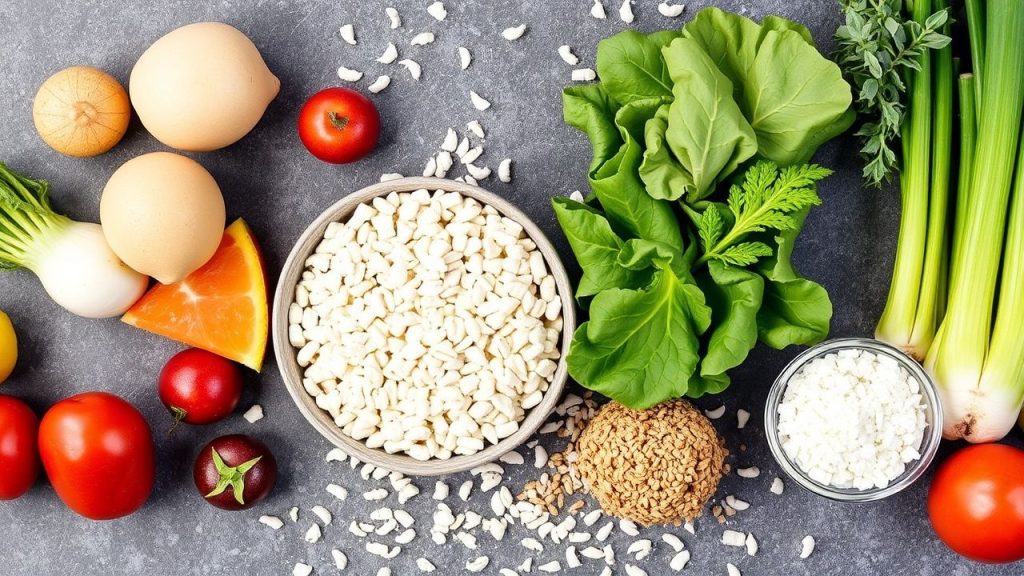
See also: Food Additives
]]>
- Choose non-hydrogenated vegetable oils to avoid industrial trans fats.
- Use butter sparingly if you monitor saturated fat intake; prefer grass-fed when possible.
- Label reading beats branding: check ingredients and fat profile, not marketing claims.
- Practical swaps — olive oil or avocado-based spreads offer healthier fatty acids for many applications.
Butter vs. Margarine: Navigating Heart-Healthy Choices with Smart Spreads
Both butter and margarine serve culinary roles: spreading, finishing, and baking. However, their chemistry and health effects differ fundamentally.
Butter is an animal fat derived from milk. Learn its basics on the butter page. Margarine originates from vegetable oils that manufacturers processed to behave like a solid spread. See the margarine article.
Overview: Why composition matters
Fat type determines metabolic and cardiovascular responses. Saturated fats and trans fats act differently on blood lipids and inflammation.
For context, review core properties on the saturated fat and trans fat pages.
Prep and Cook Time
These spreads require no cooking for typical use. They perform instantly as table spreads and finishing fats.
For culinary projects, plan mixing or mounting times rather than active cooking times. Softening butter or blending herbs takes about 5–10 minutes.
- Prep Time: 10 minutes
- Cook Time: Not applicable – ideal for immediate use or cold applications
Yield
This guide illustrates a simple mixed spread. The yield depends on portions and intended use.
Estimate about 12 one-tablespoon servings for a small batch. Store recommendations follow below.
- Approximately 12 servings (1 tablespoon each)
Difficulty Level
Simple kitchen technique suits any skill level. No heat or advanced equipment required.
Use a bowl and spatula for mixing, and a refrigerator-safe container for storage.
- Easy – no cooking required, perfect for everyday use and culinary creativity
Ingredients
Ingredients influence both taste and nutrition. Choose components with known fat profiles.
When selecting margarine, prefer non-hydrogenated options to limit industrial trans fats. Also, consider plant-based oil spreads for higher unsaturated fat content.
- 3 tablespoons unsalted butter, softened to room temperature
- 3 tablespoons natural margarine, choose a non-hydrogenated variety with no trans fats
- Fresh herbs (optional) – finely chopped parsley, chives, or dill for flavor boost
- Sea salt flakes, for a subtle crunch and seasoning
Instructions
Follow pragmatic steps to compare, test, and store spreads. Small differences in texture and melting behavior are normal.
Work quickly at room temperature. Keep hygiene and refrigeration in mind to maintain quality.
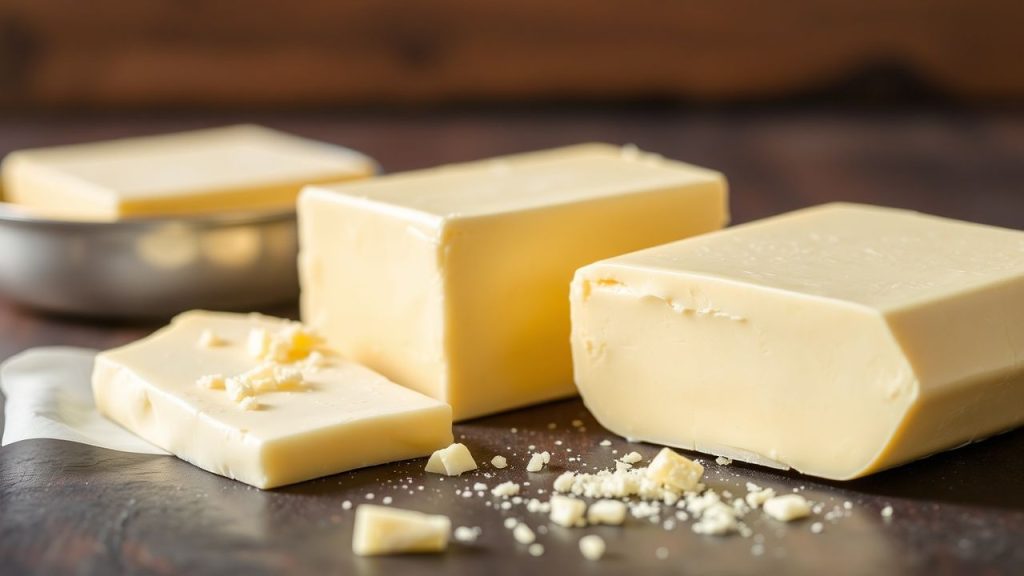
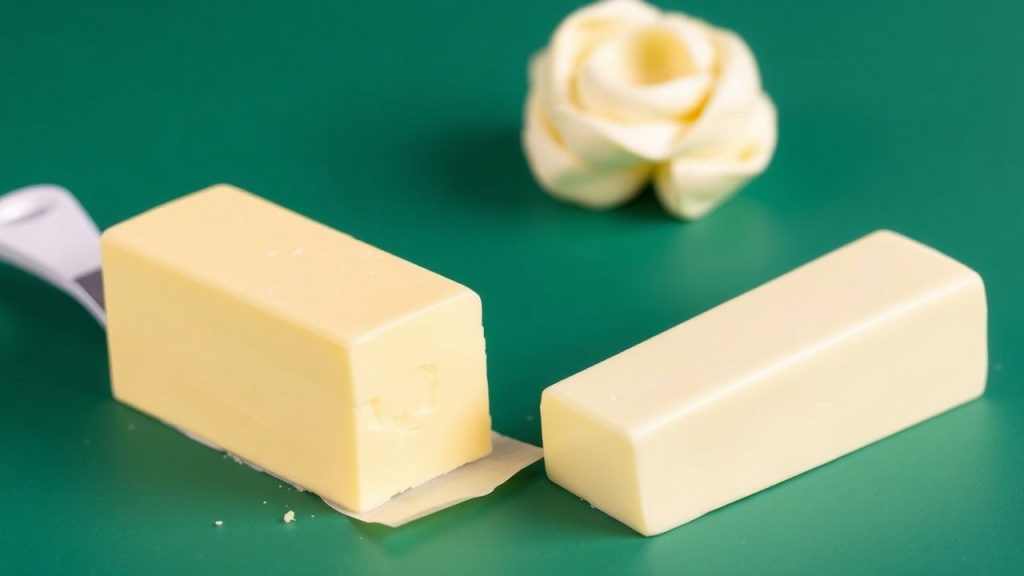
- Compare and contrast: Place softened butter and margarine side by side on a plate. Notice textures: butter is creamier and slightly yellow-tinted, while margarine often feels softer and paler.
- Label decoding: Examine the ingredient list of your margarine to ensure it’s free from partially hydrogenated oils, a common source of heart-harming trans fats.
- Mix boldly: For a versatile spread, combine equal parts butter and margarine in a small bowl. Add freshly chopped herbs to enhance flavor without adding calories.
- Serve smart: Spread a thin layer on toasted whole-grain bread or use as a finishing touch on steamed vegetables, letting natural fats enrich the dish.
- Store with care: Keep your spread refrigerated and use within 7 days for best freshness and safety.
Tips for Success
Smart label reading protects heart health and ensures you get the intended product. Focus on ingredient order and specific terms.
Look for terms like “non-hydrogenated” and explicit “0 g trans fat” in the nutrition facts. Also, verify serving size to judge fat per portion accurately.
- Choose wisely: Opt for margarine brands labeled “0 grams trans fat” and avoid those containing hydrogenated oils to protect heart health.
- Balance saturated fats: Use butter sparingly. While nutrient-rich, its saturated fat content means moderation is key.
- Try plant-based spreads: Consider avocado or olive oil-based spreads for a monounsaturated fat boost.
- Make ahead: Herb-infused spreads can be stored in airtight containers, making a quick flavor upgrade for snacks and meals.
Expert Insight
Also, substitute healthier oils in hot applications when possible. For roasting or high-heat cooking, choose spreads formulated for higher smoke points or switch to measured oil.
Nutrition Comparison
Comparing 1-tablespoon portions highlights key trade-offs. Calories, fatty-acid composition, and added ingredients differ.
Butter typically contains more saturated fat, while margarine often provides more unsaturated fats—unless it contains industrial trans fats. Always inspect labels for hidden hydrogenation.
| Nutrition | Butter (1 tbsp) | Margarine (1 tbsp) |
|---|---|---|
| Calories | 102 | 80 |
| Protein | 0.12 g | 0 g |
| Carbohydrates | 0.01 g | 0 g |
| Fat | 11.5 g (mostly saturated) | 9 g (mostly unsaturated) |
Therefore, margarine can be lower in saturated fat but may vary in quality. If manufacturers used partial hydrogenation, trans fats present a clear risk to cholesterol balance.
Serving Suggestions
Use these spreads to enhance flavor without dominating nutrition. Portion control makes an immediate difference.
Consider texture and smoke point when swapping in recipes; flavor and mouthfeel shift between fats.
- Elegant breakfast: Top a warm sourdough slice with your herb butter-margarine blend and a sprinkle of cracked black pepper for a balanced, comforting start.
- Flavor enhancer: Use your spread on grilled asparagus or roasted sweet potatoes to add luscious richness without overpowering natural flavors.
- Creative baking: Experiment by substituting margarine for butter (or vice versa) in savory pie crusts—note texture differences and adjust accordingly.
- Sandwich spotlight: Spread thinly inside whole-wheat wraps loaded with fresh veggies for a satisfying, heart-friendly meal.
For more homemade spread ideas, see our internal guide: Healthy Homemade Spreads. Also explore practical diet plans at Heart-Healthy Diet for actionable meal patterns.
Pro-Caution
Manufacturers have improved formulations over the past decades. Still, consumer vigilance is essential; product names and marketing can mislead.
Insights and Conclusions
No single spread will make or break long-term health. Instead, overall diet quality, portion sizes, and cooking patterns drive risk more than any single tablespoon.
Balance practical taste preferences with measured choices. Opt for non-hydrogenated margarines, moderate natural butter, and consider olive or avocado oil-based spreads for routine use.
FAQ
Which is healthier — butter or margarine?
The healthiest option depends on formulation and context. Margarine made from liquid vegetable oils and free of trans fats tends to have a more favorable unsaturated:saturated ratio.
However, natural butter contains fat-soluble vitamins and no industrial processing. Use either in moderation based on your lipid goals.
How do trans fats affect risk?
Industrial trans fats raise LDL cholesterol and lower HDL cholesterol. That combination increases coronary risk relative to most other fats.
Many jurisdictions restrict or ban partially hydrogenated oils. Still, verify ingredient lists to confirm elimination.
Can I use margarine in baking instead of butter?
Yes, but results vary. Butter contributes flavor and caramelization; margarine alters texture and may increase spread in cookies due to water content differences.
Test small batches and adjust moisture or chilling times to match desired outcomes.
Are grass-fed butters better?
Grass-fed butter often contains modestly higher levels of certain fat-soluble nutrients and omega-3 precursors. Yet differences are minor compared with overall fat intake.
If you prefer butter, choosing higher-quality dairy can modestly improve nutritional value while keeping portions controlled.
Where can I learn more about fats and health?
Authoritative summaries reside in peer-reviewed guidance and public health resources. For biochemical context, the cholesterol entry and nutrition science sources offer useful overviews.
Also consult registered dietitians or clinicians for personalized advice based on labs and medical history.
Butter and margarine represent choices, not moral judgments. Choose informed options, measure portions, and pair spreads with an overall diet that supports your health goals.
See also: Spreads
]]>