Crafting perfection in simple cocktails blends artistry and science to elevate every sip into a memorable experience. Understanding the interplay between fresh ingredients, precise technique, and presentation turns a basic recipe into a repeatable, high-quality drink. This piece explains the measurable variables—ratios, dilution, temperature, and aroma—that professionals use to control flavor.
- Balance is measurable: acidity, sweetness, and bitterness interact predictably.
- Dilution shapes texture: ice and time change perceived strength and aroma.
- Temperature controls volatility: cold reduces harsh alcohol notes and stabilizes flavors.
- Presentation guides perception: glass shape and garnish change aroma delivery.
Why Simple Cocktails Work
Simple cocktails succeed because each ingredient contributes a clear role: base spirit, modifier, sweetener, and a finishing accent. When you isolate those roles, you can test changes and predict results.
For practical reference, review the fundamentals of the cocktail concept. Professionals break recipes into percentages and flavor functions rather than guessing by eye.
Ingredient Science: Choosing the Right Components
Start with a high-quality base spirit. For a gin-forward recipe, use a London dry or botanical-forward gin so botanical aromatics support citrus and herbal notes. A dependable spirit reduces variability between batches.
Bitters and modifiers supply micro-level control. A single dash changes perceived sweetness and mouthfeel. Study the composition of common additives and test in one-tenth ounce increments to learn their impact.
[h3]Sugar, Syrups, and Sweetness Calibration
Sugar affects viscosity and perceived alcohol heat. Use a scale or measured syrups to keep concentration constant. A 1:1 simple syrup gives predictable sweetness; adjust to 2:1 if you want more body without raising measured sugar too much.
Make syrups consistently. Record infusion times and temperature. For herbal syrups, a five- to ten-minute steep at low heat extracts aromatics without releasing bitter tannins.
 Expert Insight
Use internal resources to refine technique, for example the detailed method guide at /cocktail-basics-techniques. Also store standard syrup recipes at /how-to-make-simple-syrup for quick reference behind the bar.
Temperature and Dilution: The Mechanics of Mouthfeel
Ice performs three roles: chilling, diluting, and adding texture. Use large, clear cubes to limit rapid dilution while still achieving target temperature. Professionals aim for specific final dilution percentages based on spirit proof and desired mouthfeel.
Understand that each action—stirring, shaking, or rolling—controls dilution differently. Shaking adds air and chills faster; stirring chills evenly with less dilution. Use a thermometer to track liquid temperature rather than guessing by feel.
Shaking vs. Stirring: When to Use Each
Shake cocktails with citrus or opaque ingredients to integrate and aerate. Stir spirit-forward drinks to maintain clarity and limit dilution. Both methods require timing and consistent technique to hit the same results multiple times.
Target temperatures matter. Aim for 0–4°C (32–39°F) for most shaken citrus drinks and 6–8°C (43–46°F) for stirred spirit-forward cocktails. Repeatable temperature control yields consistent flavor and aroma profiles.
[WARNING]Pro-Caution: Over-dilution flattens aroma and reduces perceived acidity. Track your dilution using a measured ice-to-liquid ratio and a timer. If the drink tastes weak, reduce shaking time or use larger ice.
For the physical properties of ice and chilling, consult resources on ice. Knowing how ice geometry changes surface area helps you decide which cube to use for a given drink.
Glassware, Aroma, and Presentation
Glass shape directs aroma. Coupe or martini glasses expose volatile aromatics immediately, while highball and rocks glasses trap aroma and release it slowly. Choose glassware to match how you want the drink to unfold.
Thin rims and proper volume control improve drinking comfort and sip balance. For deeper reading on spirit types and their aromatic profiles, see the gin entry for botanical references.
Garnish with Purpose
A garnish must support flavor or aroma, not just decorate. Express citrus oils over the surface to add immediate aromatics. Fresh herbs release volatile compounds when slapped or lightly warmed between your hands.
Train staff or guests to smell the garnish before sipping. That single action increases perceived freshness and raises satisfaction metrics for served drinks.
Practical Recipe: A Simple Gin-Forward Cocktail
Use precise measures: 2 oz gin, 3/4 oz lemon, 1/2 oz rosemary syrup, 1 dash bitters. Chill glassware and use large clear ice in the shaker. Shake 12–15 seconds and double strain into a chilled coupe.
Garnish with a lemon twist and a sprig of rosemary. The twist adds citrus oil; the herb supports the gin’s botanical profile. Small process controls—pre-chilled glasses and measured syrups—create a reproducible product for service.
| Nutrient | Amount per Serving |
|---|---|
| Calories | 160 kcal |
| Protein | 0 g |
| Carbohydrates | 10 g |
| Fat | 0 g |
Tips for Consistent Results
Calibrate your jiggers and scales. If your service relies on visual pours, train with measured tools until muscle memory aligns with accuracy. Small variances add up quickly across a shift.
Record and iterate. Log small changes to recipe, dilution, and temperature. Over time, you will see which variables move the flavor needle and which do not.
Practice garnishing techniques and keep simple prep stations. Pre-batched syrups and labeled containers speed service while maintaining quality. For advanced method drills, refer team members to the internal techniques guide at /cocktail-basics-techniques.
Working with bitters? Review the composition and intended use of concentrated flavor agents and test them in hundredth-ounce increments. For background on concentrated flavor extracts and tradition, review the bitters entry.
Q&A
Why focus on simple cocktails rather than complex ones?
Simple cocktails highlight ingredient quality and technique. They let you evaluate base spirit, acid, and sweetener without many competing elements. As a result, you learn which adjustments move flavor reliably.
Which scientific principles most affect flavor balance?
Acidity controls brightness, sugar controls body and perceived sweetness, and dilution moderates alcohol heat and aroma release. Temperature changes volatility and mouthfeel. Together, these principles allow predictable recipe design.
How does dilution shape the final drink?
Dilution integrates flavors and softens sharp ethanol notes. The right dilution unlocks subtler aromatics and prevents the drink from tasting harsh. Control dilution by ice type, agitation, and timing to hit target mouthfeel.
What tools should a home bartender buy first?
Start with a quality jigger, a shaker, and a scale. Add a thermometer and an ice tray that makes large cubes. These investments yield repeatable results and shorten the learning curve.
How can I train my palate to judge balance?
Taste deliberately. Prepare three small variations of the same recipe and compare sweetness, acidity, and alcohol presence. Keep notes on perceived changes and practice until you can identify the dominating axis of imbalance.
Final Note
Simple cocktails reward precision. By controlling ingredient quality, temperature, dilution, and presentation, you can design drinks that perform consistently and please guests. Apply measurement, repeat tests, and keep a short library of proven recipes to ensure fast, reliable service.
For further reading on the science of flavor and aroma, consult authoritative texts and verified references; use the linked Wikipedia entries above to expand your foundational knowledge.
See also: simple cocktails
]]>
- Bitters add depth: a few drops can increase perceived complexity.
- They adjust balance: bitters temper sweetness and lift rich dishes.
- Variety matters: citrus, aromatic, and herbal bitters each play distinct roles.
- Start small: taste incrementally to learn how they shift flavors.
What are bitters?
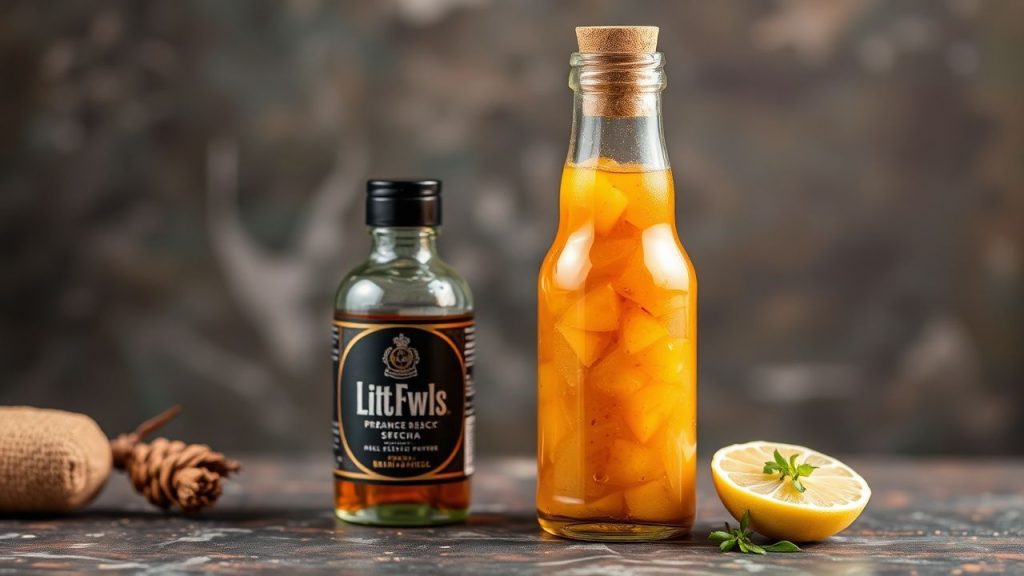
Bitters are concentrated tinctures made by macerating botanicals—roots, barks, peels, and spices—in alcohol or glycerin. Producers then reduce and bottle the extract so a dash delivers intense flavor without adding volume.
Historically, they served medicinal and digestive purposes before entering mixology. Modern craft producers treat bitters as culinary tools, and you can find examples documented on the Angostura bitters page for reference.
How bitters modify flavor
Bitterness interacts with other taste modalities to reshape perception. When you add bitters, they suppress certain sweet or fatty sensations while revealing underlying aromatics, a process connected to basic taste science described on the taste (sensation) article.
Mixologists use bitters to lengthen finish, create contrast, and glue disparate ingredients together. Chefs leverage the same principle to cut richness in creams, reduce cloying sugar in desserts, and highlight herbal notes in sauces.
Types of bitters and common botanicals
Bitters fall into categories: citrus, aromatic, herbal, spiced, and specialty (chocolate, coffee, floral). Each type brings specific volatile oils and bitter compounds that pair predictably with food and drinks.
Core botanicals include gentian root, cinchona bark, citrus peels, cardamom, and orange flower. Many of these are common herbs and spices; read more about botanical ingredients on the herb and spice reference pages.
Common varieties
Citrus bitters deliver bright, zesty oils that lift vinaigrettes and sparkling cocktails. They pair well with seafood, salads, and fruit desserts.
Aromatic bitters use warm spices and bitter barks to deepen aged spirits and heavy meats. Use them when you need a long, warm finish.
Citrus vs aromatic—quick guide
Citrus bitters focus on top-note volatility; they make flavors pop immediately. Aromatic bitters emphasize mid- and back-palate elements such as clove and cinnamon, which add body and warmth.
Choose citrus to brighten and aromatic to ground. When in doubt, taste a drop with the dish or cocktail base before committing.
Practical uses: cocktails and cooking
Mixologists add 1–3 dashes to correct imbalance, enhance aroma, or provide a counterpoint to sugar. In cocktails, bitters act like seasoning: they enable smaller adjustments with large sensory effects.
In the kitchen, chefs use bitters in vinaigrettes, pan sauces, marinades, and even desserts. A few drops of herbal bitters can cut through cream or caramel without adding liquid or sugar.
- Dressings: Add 1 drop per 1/2 cup vinaigrette to lift acids.
- Sauces: Stir into pan sauce after deglazing for complexity.
- Chocolate desserts: Pair chocolate bitters with dark bases to enhance cocoa notes.
Small table: botanicals and flavor roles
| Botanical | Flavor role | Typical use |
|---|---|---|
| Gentian root | Pure bitter backbone | Aperitifs, digestive bitters |
| Orange peel | Citrus brightness | Cocktails, dressings |
| Cinchona bark | Quinine bitterness | Classic aromatics |
| Cardamom | Warm spice, floral lift | Savory sauces, chai-style drinks |
Expert Insight
To practice, try a simple experiment: add a dash of citrus bitters to sparkling water, then a dash of aromatic bitters to the same glass. Note how each alters aroma, sweetness perception, and finish. This low-risk test highlights the targeted power of bitters.
 Pro-Caution
Making and storing bitters
At-home bitters require a neutral spirit, botanicals, and time. Macerate ingredients for one to four weeks, strain, and bottle. Small-batch recipes allow precise control over bitterness and aromatic balance.
Store bitters in a cool, dark place. Properly made bitters last years because alcohol preserves the extract, but volatile top notes decline over months, so rotate bottles you use often.
Practical pairing rules
Use these rules when pairing bitters with food: match intensity, complement dominant notes, and consider temperature. Warm dishes tolerate stronger aromatic bitters; chilled preparations favor citrus or floral options.
Also, think about role: do you want to lift, to cut, or to anchor? Lifting requires volatile oils; cutting needs bitter backbone; anchoring benefits from warm spices or bark-derived bitterness.
Resources and internal guides
For further guidance, consult our internal primers on how to taste and match bitters: the about bitters page explains production techniques and the bitters recipes section offers tested formulas and pairings.
Return to these pages while experimenting. They give step-by-step methods that reduce trial-and-error and improve results quickly.
FAQ
Are bitters alcoholic?
Most commercial bitters use a high-proof spirit as the extraction medium and therefore contain alcohol. However, you can find or make glycerin-based bitters that are alcohol-free.
How much bitters should I use in food?
Start with one drop per tablespoon for sauces and one dash per cocktail. Taste after each increment to avoid overpowering a dish.
Can bitters replace salt or acid?
Bitters do not replace salt or acid, but they help balance them. They can reduce the need for extra sugar or fat by creating contrast and heightening perceived complexity.
Do bitters expire?
Alcoholic bitters keep for years, but aromatic top notes fade. Store bottles in cool, dark conditions and label batches with the make date to track freshness.
Where can I learn more about botanical ingredients?
Start with botanical references and culinary herb guides. For quick background, check the herb and spice pages. For historical context, revisit the bitters entry.
Final note: Bitters reward curiosity and restraint. Use internal guides like About Bitters and Bitters Recipes while you build confidence. Taste deliberately, record results, and you’ll expand your flavor toolkit steadily.
See also: Bitters
]]>