- Ready in under an hour using pantry staples and simple techniques.
- Feeds a crowd — designed for six generous servings.
- Make-ahead friendly for weeknight planning or entertaining.
At a Glance
This Beef Enchilada Bake delivers big flavor with minimal fuss. It uses classic seasoning, warmed tortillas, and a tight bake to slice cleanly.
- One-pan family meal with familiar ingredients and straightforward technique.
- Flexible for substitutions and make-ahead prep.
- Freezer-safe when assembled unbaked for future meals.
Prep and Cook Time for Beef Enchilada Bake
Plan about 20 minutes of active prep and 30 minutes of baking at 375°F (190°C). Warming tortillas and letting the casserole rest improves texture and portioning.
Use a 9×13-inch casserole for six servings so heat distributes evenly and the meat-to-cheese ratio stays balanced. If you change pan size, add 5–10 minutes for larger pans to retain a bubbling, golden top.
Yield for Beef Enchilada Bake
This recipe yields six hearty portions suited for a family dinner or small gathering. Pair with rice, a crisp salad, or tortillas for a complete plate.
Cut smaller pieces for potluck service to extend the yield to eight appetizer-size servings. Store leftovers in an airtight container and reheat portions gently to keep the beef moist.
Difficulty Level for Beef Enchilada Bake
Rated medium: the steps are simple but require attention to seasoning and browning for depth of flavor. Knowledge of basic sautéing and layering ensures consistent results.
Key skills are controlling heat to avoid overcooking the beef and warming tortillas so they roll without tearing. Follow the sequence and timing for restaurant-style texture at home.
Ingredients for Beef Enchilada Bake
Gather straightforward, high-quality ingredients: lean ground beef, warmed corn or flour tortillas, a robust red enchilada sauce, and melting cheeses. Choose ingredients that match your texture goals.
Use ground chuck for balance between juiciness and flavor. For background on beef cuts and fat content, see beef.
Core Ingredients
1 lb lean ground beef (preferably chuck).
12 corn tortillas (soft, lightly warmed).
1 cup diced onion, 3 cloves garlic minced, 2 tbsp vegetable oil.
1 cup beef broth, 1 1/2 cups red enchilada sauce.
Spices and Cheese
1 tbsp chili powder, 1 tsp smoked paprika, 1 tsp ground cumin, 1/2 tsp dried oregano, 1/4 tsp cayenne (optional).
2 cups shredded sharp cheddar and 1 cup shredded Monterey Jack.
For tortilla types and history, refer to the tortilla entry. Substitute flour tortillas if you prefer a softer roll and different texture.
Instructions for Beef Enchilada Bake
Heat oil in a large skillet over medium heat. Sauté onion until translucent, about 4 minutes, then add ground beef and brown thoroughly while breaking it into small pieces.
Stir in garlic and dry spices and cook 1–2 minutes to bloom the seasonings. Pour in beef broth and simmer until the mixture reduces and thickens, roughly 8 minutes, which concentrates flavor and reduces excess liquid.
Assemble and Bake
Preheat the oven to 375°F (190°C). Lightly warm tortillas so they bend without tearing and spread a thin layer of sauce on the bottom of a 9×13-inch dish to prevent sticking.
Fill each warmed tortilla with about 3 tablespoons of the beef mixture and a sprinkle of the cheese blend. Roll tightly and arrange seam-side down in the dish, cover with remaining sauce, then top with the remaining shredded cheeses.
Baking and Resting
Bake uncovered for 20–25 minutes until the cheese bubbles and edges brown lightly. Allow the bake to rest 5 minutes to let the filling set for clean slices.
For make-ahead: assemble unbaked, cover, and refrigerate up to 24 hours; add 5–7 minutes if baking from chilled. For freezer storage, freeze assembled and unbaked in a freezer-safe dish; thaw overnight before baking.
 Pro-Caution
Tips for Success with Beef Enchilada Bake
Brown the meat well to develop Maillard flavors that increase savory depth. Drain excess fat, then simmer with broth to maintain juiciness without soggy filling.
Warm tortillas in a damp towel for 30 seconds in the microwave or briefly on a griddle. This prevents tearing and yields tight rolls that hold their filling during slicing.
 Expert Insight
Cheese and Sauce Choices
Choose melting cheeses like sharp cheddar and Monterey Jack for flavor and gooey texture. For a lighter finish, reduce cheddar and increase Monterey Jack.
If you prefer a smoky edge, add a small amount of chipotle in adobo to the sauce. For milder heat, skip the cayenne and use smoked paprika only.
Serving Suggestions to Impress with Beef Enchilada Bake
Serve with a bright, acidic side to cut richness. Try a citrus avocado salad or Mexican-style rice to balance the plate.
Garnish with chopped cilantro, sour cream, and lime wedges for freshness. Add texture with pickled jalapeños, sliced radishes, or crushed tortilla chips for contrast.
Nutrition Snapshot for Beef Enchilada Bake
This casserole is protein-forward and provides balanced carbohydrates and fats when portioned sensibly. Values vary by cheese and beef fat content, so choose leaner options to reduce calories.
Approximate per-serving values in this formulation: 480 kcal, 35 g protein, 30 g carbohydrates, and 25 g fat. Adjust ingredients to meet dietary targets and serve with lighter sides for balance.
Final Notes on Beef Enchilada Bake
Small swaps—like chipotle for cayenne or mixing cheeses—let you control heat and texture while keeping the dish approachable. Test a single roll for sauce and seasoning before assembling the whole tray.
Leftovers keep 3–4 days refrigerated in an airtight container. For longer storage, freeze the assembled unbaked dish and thaw overnight before baking to preserve structure and flavor.

Related internal resources: see our Beef Enchilada Bake recipe page for printable instructions and cheese-melting tips for best results across cheeses.
For regional context on the dish, consult the enchilada article. For cheese selection and melting behavior, review the cheese overview. For spice and botanical context, see black pepper.
FAQ
This FAQ answers common questions about timing, substitutions, and storage for the Beef Enchilada Bake. Each answer is direct and actionable to help you adapt the recipe with confidence.
If you need a quick reference, return to the assembly and baking sections above or visit our internal recipe page for a printable version.
What makes this bake different from traditional rolled enchiladas?
The bake emphasizes communal serving and simplified assembly instead of individually sauced rolls. It concentrates flavor in a single casserole for easy reheating and portioning.
Can I adjust the spice level for this beef enchilada?
Yes. Scale chili powder and cayenne to taste, or add fresh chiles for brighter heat. Swap smoked paprika for chipotle for smokiness without too much capsaicin.
How do I keep the beef juicy without excess grease?
Choose ground chuck and drain excess fat after browning. Simmer the meat with a controlled amount of broth to retain juices and reduce loose liquid that could make the bake soggy.
Can I make this ahead or freeze it?
Assemble the casserole unbaked and refrigerate up to 24 hours, adding several minutes to bake time if cold. For long-term storage, freeze before baking; thaw overnight and bake as directed for best texture.
Which cheeses produce the best texture in a beef enchilada bake?
A blend of sharp cheddar and Monterey Jack melts well and balances flavor and creaminess. For a finishing touch, sprinkle crumbled queso fresco after baking for a contrasting salty note.
See also: Beef Enchilada
]]>
- Buy for function: Keep gadgets that solve real, repeated tasks.
- Prioritize durability: Materials and construction determine lifespan.
- Measure impact: Choose tools that save time or improve consistency.
- Start basic: Invest in essentials, then add specialty gadgets intentionally.
Below I apply those rules to a practical, one-pan Mediterranean chicken bake that benefits from a few well-chosen gadgets. The recipe showcases how the right tools reduce steps and improve texture while keeping cleanup minimal.
Prep and Cook Time
Prep Time: 15 minutes. I time ingredient prep and mise en place to keep the oven workflow smooth. Use a timer and arrange ingredients within arm’s reach to avoid wasted motion.
Cook Time: 40 minutes. The recipe balances stovetop searing and oven roasting to build flavor and even texture. The total time remains under an hour for a reliable weeknight main.
Yield
Serves 4 hearty portions. The quantities suit a family dinner or a small batch meal prep for two. Scale the recipe evenly by weight to maintain roast and cooking profiles.
For larger groups, multiply ingredients and use separate skillets or a sheet pan to avoid overcrowding and loss of browning.
Difficulty Level
Medium. This dish requires basic searing technique and oven timing. It rewards attention to even slicing and correct internal temperature for the chicken.
Beginners can follow the step sequence reliably; more experienced cooks can adjust spices, herbs, or vegetables to personal taste.
Ingredients
This ingredient list focuses on flavor balance: acid, fat, aromatics, and brine. Each component contributes to a layered finish without complexity.
Substitute with local produce when in season and maintain relative weights for the protein and vegetables to ensure consistent cooking.
- 4 boneless, skinless chicken thighs
- 2 tbsp extra virgin olive oil, divided
- 1 lemon, zested and juiced
- 4 garlic cloves, minced
- 1 tsp smoked paprika
- 1 tsp dried oregano
- 1 large red onion, thinly sliced
- 1 red bell pepper, cut into strips
- 1 cup cherry tomatoes, halved
- ½ cup pitted kalamata olives
- ½ cup crumbled feta cheese
- Fresh parsley for garnish
- Salt and freshly ground black pepper, to taste
Instructions
Follow the steps precisely for the best texture. The technique combines short marination, high-heat searing, and oven roasting for even doneness and caramelization.
Read each step before starting to ensure you have the correct tools at hand—heavy skillet, tongs, reliable thermometer, and an oven-safe lid or foil.
1. Marinate the chicken
In a bowl whisk 1 tablespoon olive oil, lemon zest, lemon juice, minced garlic, smoked paprika, oregano, salt, and pepper. Toss chicken in the marinade to coat thoroughly and rest at room temperature for ten minutes or refrigerate up to two hours for deeper flavor.
Short marination changes surface chemistry and improves browning during searing. Avoid overly long acid marination for dark meat; too long can affect texture.
2. Prepare the vegetables
Slice the red onion and bell pepper uniformly for even roasting. Use a sharp chef’s knife or a precise slicing tool to keep thickness consistent and prevent some pieces from charring before others have softened.
For uniform thin slices, consider a trusted hand tool designed for consistent cutting. See notes on useful gadgets below.
3. Sear the chicken
Heat remaining 1 tablespoon of olive oil in a heavy, oven-safe skillet over medium-high heat. Place the marinated thighs in the pan and sear about five minutes per side until a deep golden crust forms.
Searing adds Maillard flavor and locks in juices. Use an instant-read thermometer to confirm an internal temperature of 165°F (75°C) after roasting.
4. Add vegetables and roast
Arrange sliced onion, pepper, tomatoes, and olives around and atop the chicken. Transfer the skillet to a preheated oven at 400°F (200°C) and roast for 25 minutes until the chicken reaches 165°F and vegetables caramelize.
Rest the chicken briefly after removal, then crumble feta and scatter chopped parsley before serving for freshness and textural contrast.
Tools That Matter
Not every kitchen gadget improves outcomes. I evaluate tools by build quality, ergonomic design, and measurable time saved during prep and cleanup. Tools that meet those criteria consistently earn a place in my tested kit.
For example, a heavy cast-iron or stainless skillet provides even heat distribution and searing performance that electric pans often cannot match. A good instant-read thermometer removes guesswork from doneness checks.
Learn more about essential utensils at kitchen utensil and why material choice affects cooking at olive oil profiles when searing.
Tips for Success
Quality matters more than gimmicks. Choose tools that perform one or two jobs exceptionally well rather than those that promise dozens but fail at the basics. Good tools lower friction and improve repeatability.
Organize your prep. A compact workstation and a designated bowl for scraps save time and reduce stress. Use a reliable mandoline alternative or sharp knife for uniform slices that roast evenly.
Expert Insight
Balance investment with frequency. If a gadget will see weekly use, choose a higher-quality model. If it’s for a seasonal task, a basic, well-reviewed option suffices.
Pro-Caution
Serving Suggestions
Serve this bake with herbed couscous or lemon quinoa to absorb the pan juices. A crisp green salad dressed simply with olive oil and vinegar complements the savory, briny notes of olives and feta.
Warm, crusty whole-grain bread or toasted pita also pairs well and helps scoop the feta-studded sauce. Adjust side portions to balance protein and starch for each diner.
Nutritional Information
The following values are estimates per serving and depend on ingredient brands and portion sizes. Track portions to fit the dish into your dietary plan accurately.
I recommend weighing protein and tracking added fats if you follow strict macronutrient goals. The table below provides a baseline for home cooks.
| Nutrient | Amount per Serving |
|---|---|
| Calories | 420 kcal |
| Protein | 35 g |
| Carbohydrates | 12 g |
| Fat | 22 g |
Practical Buying Advice
When you evaluate a gadget, test how it fits your kitchen layout, how it stores, and how it cleans. Ergonomics and ease of cleaning matter as much as performance. Choose stainless or heavy-gauge materials where heat and contact durability matter.
Read user reviews focused on longevity, not flash features. I keep a shortlist of trusted purchases and replace items that fail predictable wear tests. For deeper reading on Mediterranean flavor profiles and ingredients, review Mediterranean cuisine and the role of regional cheeses like feta.
For curated tool recommendations and comparisons, see our internal resources: Best Kitchen Gadgets of 2024 and Kitchen Tool Buying Guide. These pages list tools I regularly recommend after hands-on testing.
FAQ
How do I tell a useful gadget from a gimmick?
Ask if it solves a real, repeated problem and reduces steps or time. If it adds cleaning or storage burden without measurable benefit, it’s likely a gimmick. Real tools improve consistency and reduce friction.
Are multi-functional tools worth it?
Only if each function performs well and the tool remains simple to use and clean. When a device compromises performance to offer many features, single-purpose tools often perform better.
Which materials should I prioritize?
Choose cookware with even heat distribution—thick-gauge stainless or cast iron for searing. For cutting tools, high-carbon stainless offers edge retention and corrosion resistance.
How do I evaluate online reviews?
Focus on long-term users and reports about durability, not just initial impressions. Look for reviewers who test cleaning, storage, and performance under repeated use.
Can inexpensive gadgets ever be a good buy?
Yes, for occasional tasks where quality doesn’t affect results. For daily-use items, invest in quality to avoid replacement costs and inconsistent performance.
Insights and Conclusions
A reliable toolset limits variables and improves meal consistency. Choose gear that reduces friction in prep and cleanup while delivering predictable results.
Make purchases with intention: prioritize durability, ease of cleaning, and tangible time savings. That approach keeps counters clear and meals better executed.
For more technique and gadget guidance, explore our guide to essential kitchen tools and tested gadgets for everyday cooking. Use empirical testing and thoughtful selection to build a toolkit that serves your cooking style and schedule.
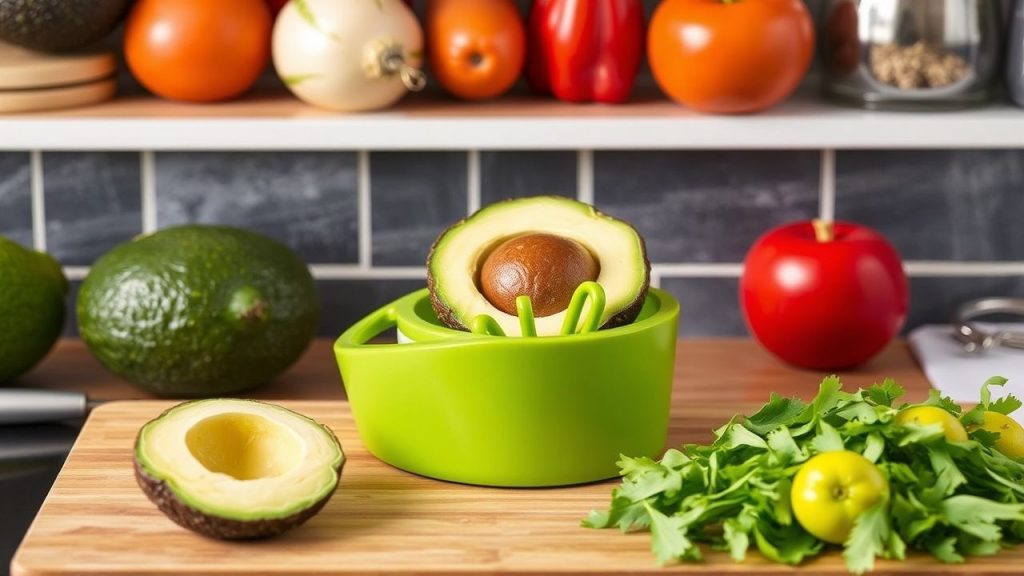
See also: Kitchen Gadgets
]]>