Roasted vegetables transform raw produce into concentrated, caramelized bites that lift any meal. Roasting boosts sugars, develops savory browning, and creates texture contrast that works across cuisines.
- High heat produces crisp edges and rich Maillard notes.
- Uniform cuts yield predictable cooking times and even browning.
- Season twice—before and after roasting for layered flavor.
- Avoid overcrowding so vegetables roast, not steam.
Why Roasted Vegetables Work
Roasting relies on dry heat to concentrate flavor and build a complex surface crust. The browning stems from the Maillard reaction, which forms savory, roasted notes when amino acids meet heat.
At the same time, sugar breakdown through caramelization deepens color and sweetness on sugar-rich vegetables. Controlling time and temperature lets you maximize both reactions without overcooking interiors.
Prep and Cook Time for Roasted Vegetables
Preparation: 15 minutes. Trim, peel when necessary, and cut items to consistent size to equalize roast times. Use a sharp knife or mandoline for reliable pieces.
Cooking: 30–40 minutes at 425°F (220°C) for most mixed medleys. Stir or turn every 10–15 minutes to promote even surface browning and prevent scorching.
Yield and Difficulty for Roasted Vegetables
Serves 4 as a side. The recipe scales, but larger volumes need batch roasting or multiple sheets for consistent results.
Difficulty: Easy. This method uses standard kitchen tools and a stable oven temperature; consult internal guides for troubleshooting when ovens run hot or cool.
Ingredients
Balance textures: include quick-roast items like zucchini and bell pepper and dense roots like sweet potato and carrots. Match cut size to density so all pieces finish together.
Sample list: 2 cups baby carrots, 1½ cups Brussels sprouts (halved), 1 large sweet potato (cubed), 1 red bell pepper (sliced), 1 medium zucchini (half-moons), 1 red onion (wedges), 4 tbsp extra-virgin olive oil, 3 cloves garlic (minced), 1 tsp smoked paprika, 1 tsp dried thyme, 1 tsp kosher salt, ½ tsp black pepper, 1 tbsp balsamic vinegar (optional), fresh parsley to garnish.
Instructions
Preheat the oven to 425°F (220°C). A thoroughly preheated oven ensures quick surface browning and reliable texture.
In a large bowl, combine cut vegetables. Toss with olive oil, garlic, smoked paprika, thyme, salt, and pepper until every piece is lightly coated.
Sheet Setup and Roasting
Spread vegetables in a single layer on a large rimmed baking sheet; avoid overcrowding. If pieces touch extensively, they steam rather than roast, preventing crisp edges.
Roast for 30–40 minutes, turning once or twice. Look for golden-brown edges and fork-tender centers; adjust time for thicker pieces or denser roots.
Finishing Touches
Five minutes before the end, optionally drizzle with a tablespoon of balsamic for brightness and a glossy finish. The acid tames the roasted sugars and adds a lively counterpoint.
Finish with fresh herbs and a bright finishing salt to lift the plate. A light squeeze of lemon or a scattering of chopped parsley adds freshness to the warm medley.
 Expert Insight
For extra texture and nutrition, add toasted seeds or roasted chickpeas once the vegetables finish. These provide crunch and a protein component when needed.
Seasoning Strategy
Season in two stages: a base seasoning before roasting and a finishing seasoning after. Base seasoning includes oil, salt, and aromatics to encourage browning and flavor penetration.
Finish with acid, fresh herbs, or crunchy toppings to reintroduce contrast and complexity. Use quality oil characteristics to match flavor; consider how different oils behave at heat and flavor points. See olive oil for tasting notes and typical varieties.
 Pro-Caution
If you must cook large quantities, roast in batches or use multiple sheets and rotate them in the oven for uniform results. Rotating sheets midway balances heat zones and keeps edges crisp.
Creative Serving Ideas
Roasted vegetables work across many formats: pile them on grains, blend into soups, or use them in tarts and sandwiches. They form a versatile base for vegetarian mains and composed bowls.
For Mediterranean notes, finish with a balsamic glaze or sprinkle toasted nuts. Learn about balsamic vinegar styles to choose the right sweetness and acidity for finishing.
Nutritional Information
A typical serving of this roasted vegetable medley provides roughly 150 kcal with modest fat and carbohydrate from starchy vegetables. Roasting preserves nutrients better than prolonged boiling, particularly water-soluble vitamins, when cooking time is controlled.
Adjust oil quantity to lower calories, or add plant proteins like roasted chickpeas for a balanced plate. Simple swaps—less oil, added legumes—shift the macronutrient profile toward protein and fiber.
| Nutrient | Per Serving |
|---|---|
| Calories | 150 kcal |
| Protein | 3 g |
| Carbohydrates | 25 g |
| Fat | 6 g |
Common Variations
Swap vegetables seasonally: butternut squash, cauliflower, and beets all roast well when cut to similar size. Denser roots need longer at temperature than tender summer squash.
Add bold spices like smoked paprika or cumin for warmth, or toss with lemon, garlic, and herbs for a brighter profile. For protein-focused plates, roast chickpeas or tempeh with the vegetables so they crisp and take on the same seasoning.
Internal Resources
For planning seasonal menus and produce selection, see our Guide to Seasonal Vegetables. That resource helps you choose peak-flavor produce and plan batch roasts efficiently.
Refer to the Roasting Techniques page for oven setups, pan types, and troubleshooting specific to different ovens. Those guides help improve consistency across kitchens and household ovens.
FAQ
What oven temperature is best for roasting vegetables?
Use 425°F (220°C) for most mixed medleys. This temperature balances surface browning with interior tenderness for roasted vegetables.
How do I get crispy edges without drying vegetables?
Cut pieces uniformly and avoid overcrowding the sheet pan. Use enough oil to promote browning but not so much that pieces swim in fat, and remove when edges are golden and centers are fork-tender.
Can I roast frozen vegetables?
Frozen vegetables often release water and steam rather than brown. If using frozen, thaw thoroughly and pat dry before roasting to improve caramelization, or roast in well-spaced single layers at higher heat.
How do I season for different cuisines?
Match spice blends to the cuisine: smoked paprika and cumin for Spanish notes, za’atar for Levantine flavor, or soy and ginger for East Asian profiles. Start with salt and oil as a base, then layer distinct spices to ensure each piece picks up the intended profile.
How long will leftovers last?
Store roasted vegetables in an airtight container in the refrigerator for up to 4 days. Reheat briefly in a hot oven or skillet to restore some crispness, and repurpose leftovers in salads, bowls, or soups.
Takeaway: Apply these techniques—consistent cuts, high initial heat, staged seasoning—to produce repeatable, flavorful roasted vegetables every time. Practice and small adjustments by vegetable type deliver reliable results.
See also: Guide to Seasonal Vegetables
See also: roasted vegetables
]]>
- Even cuts produce uniform cooking and consistent browning.
- High heat (425°F/220°C) encourages caramelization while preserving moisture.
- Single-layer roasting prevents steaming and yields crispy edges.
- Finish bright with acid or fresh herbs to lift roasted richness.
Roasted Vegetables: Fundamentals and science
Roasting concentrates vegetable flavor by driving off surface moisture and enabling browning reactions. Proper heat and surface contact encourage both sugar-driven caramelization and amino-acid reactions that change aroma and taste.
Understanding the physical chemistry helps predict outcomes. For quick reference on the cooking method, see roasting for an overview you can trust.
Key techniques that change results
Start with dry produce; excess moisture inhibits browning and encourages steaming. Pat vegetables dry after washing and use a light coating of oil so each surface reaches searing temperature rapidly.
Use a rimmed metal baking sheet for direct conduction and steam escape. Avoid covered dishes, which trap moisture and slow crust formation.
Prep and Cook Time
Preparation: 15 minutes of focused work achieves uniform sizes and balanced seasoning for consistent results. Consistent piece size equals consistent doneness for your roasted vegetables.
Cooking: 30–40 minutes at 425°F (220°C) typically works for a mixed medley. Dense roots may need a 10–15 minute head start; monitor from 25 minutes to prevent burning.
- Total: 45–55 minutes
- Serves: 4–6 as a side
- Difficulty: Easy — repeatable across skill levels
Ingredients and smart swaps
Choose firm, seasonal produce for the best texture and flavor. A typical base includes broccoli florets, rainbow carrots, bell peppers, golden beets, and red onion for variety and color.
Begin with 3 tbsp extra virgin olive oil as a baseline, then add a balanced spice mix: smoked paprika, garlic powder, cumin, sea salt, and freshly ground black pepper. Read about oil types and stability at olive oil.
- 2 cups broccoli florets
- 2 cups rainbow carrots, peeled and cut
- 1 cup red bell pepper, 1-inch chunks
- 1 cup golden beets, peeled and cubed
- 1 medium red onion, thick wedges
- 3 tbsp extra virgin olive oil
- 1 tsp smoked paprika
- 1/2 tsp garlic powder
- 1/2 tsp ground cumin
- 1 tsp sea salt, adjust to taste
- Black pepper, freshly ground
- 2 tbsp chopped fresh parsley, optional
Instructions
Follow a clear sequence: preheat, size cuts uniformly, toss with oil and seasonings, spread in a single layer, then roast until edges caramelize. This workflow minimizes guesswork and maximizes browning for roasted vegetables.
Work on a rimmed sheet pan with parchment or a light oil coating for even heat. If vegetables crowd, use a second pan or roast in batches to preserve airflow and crisping.
Preheat and oven rationale
Set the oven to 425°F (220°C) to promote surface browning while keeping interiors tender. High, steady heat accelerates crust formation without long drying times.
For faster searing, place an empty sheet pan in the oven while it heats; add the oiled vegetables to the pre-heated pan to increase conduction on contact. See more on conduction and surface heat in standard cooking references.
Cutting, sizing, and staging
Chop vegetables into uniform pieces; similar mass equals similar cook time. For dense roots, make pieces slightly smaller or give them a head start so the mix finishes at the same moment.
Group vegetables by density when tossing. If using sweet potatoes or beets, consider a 10-minute head start before adding softer items like peppers and zucchini to the pan.
Tossing, spacing, and roasting
Mix oil and dry seasonings in a large bowl, then toss vegetables so every surface receives a light coat. Too much oil inhibits browning; too little leaves pieces dry and uneven.
Spread the vegetables into a single layer with space between pieces. Roast for 30–40 minutes, stirring once halfway through to ensure even color and texture for the roasted vegetables medley.
Resting and finishing
Remove the pan when pieces show golden, crispy edges and a tender center. Let the tray rest for 3–5 minutes to let flavors settle and juices redistribute.
Finish with a bright element: a squeeze of lemon or a splash of aged balsamic lifts roasted depth. Fresh herbs added after roasting retain vibrancy and avoid wilting.
Tips for success
Choose produce that is firm, dry, and colorful; ripeness impacts sugar content and browning. Overripe vegetables release extra moisture and can steam instead of roast.
Cut pieces into consistent shapes to achieve uniform doneness. Mixing crisp and soft textures creates contrast on the plate and improves appeal for diners.
Expert Insight
Spice variations: Try a Mediterranean mix with oregano and lemon zest, or a North African profile with cumin and coriander. Small changes shift the dish profile dramatically.
Toast crushed nuts or seeds and sprinkle them just before serving for crunch. For creaminess, add a dollop of labneh, yogurt, or hummus on the side to balance textures.
Expert Insight
Make-ahead strategy: roast, cool on a rack, refrigerate, then reheat in a hot oven for 8–10 minutes to restore crisp edges. This approach saves time while preserving texture.
Pro-Caution
Pro-Caution
Serving suggestions
Serve the medley over warm grains like quinoa or farro for a complete vegetarian main. The texture of roasted vegetables pairs well with chewy grains and a bright finishing acid.
For a composed plate, add toasted almonds, pumpkin seeds, or crumbled feta. A finishing drizzle of high-quality olive oil or a light acid brightens the entire dish.
Explore internal resources for recipe variations and pairing ideas: see our Roasted Vegetables recipes collection and the roasting techniques guide for step-by-step visuals.
Nutritional snapshot
Roasted vegetables deliver fiber, vitamins, and phytonutrients while remaining moderate in calories when prepared with controlled oil. The roasting method preserves many heat-stable nutrients while increasing palatability.
Per serving values vary by mix, but a typical side provides roughly 140 kcal, 4 g protein, and beneficial micronutrients. Include diverse colors to maximize nutrient variety; see general produce information at vegetable.
| Nutritional Info (per serving) | Amount |
|---|---|
| Calories | 140 |
| Protein | 4g |
| Carbohydrates | 18g |
| Fat | 7g |
Technique focus: caramelization and flavor chemistry
Caramelization of natural sugars yields sweet, toasty notes and color development on vegetable surfaces. The rate depends on sugar concentration and surface temperature for each vegetable type.
Combine sugar-driven caramelization with the Maillard reaction to produce complex savory flavors. For mechanism specifics, consult caramelization for temperature guidance.
Finishing touches and presentation
Serve the medley on a warm platter and scatter fresh herbs to inject aromatic freshness. Contrast of color and a final acid lift make dishes look composed and balanced to the eye and palate.
Use a shallow bowl or rustic board for family-style presentation. Garnish strategically to highlight texture and avoid overloading the plate with sauce that masks crisp edges.
FAQ
How do I prevent soggy roasted vegetables?
Use a single layer on a hot sheet pan and avoid overcrowding the pan. Lightly coat pieces with oil and ensure they are dry before roasting to promote browning rather than steaming.
Which vegetables should I roast together?
Group by density: roast root vegetables together and add tender vegetables later. Alternately, cut dense items smaller or give them a 10–15 minute head start in the oven for even finishing.
Can I roast frozen vegetables?
Frozen vegetables release extra moisture when thawed; pat them dry and increase oven temperature slightly. Roast on a hot, well-oiled pan and expect a shorter final cook time and slightly different texture.
What oils and seasonings work best?
Choose oils with a smoke point above your roasting temperature for stability. Olive oil is standard; experiment with spices like smoked paprika or herbs like rosemary to match your meal profile.
Are roasted vegetables healthy?
Yes. Roasting preserves many nutrients while enhancing flavor, which can increase vegetable intake. Use moderate oil amounts and pair with whole grains or legumes for balanced macronutrients.
Final notes
Roasting is a reliable technique to transform simple vegetables into a memorable dish. Small adjustments in cut size, heat, and seasoning deliver predictable, repeatable outcomes for roasted vegetables.
Practice with seasonal produce, experiment with spice blends, and apply the timing principles above. With these fundamentals, any cook can elevate roasted vegetables from a side to the meal’s highlight.

See also: Roasted Veggies
See also: roasted vegetables
]]>
- Roast first: Caramelize to prevent a watery bake.
- Layer with intent: Alternate sauce, vegetables, and cheese for balance.
- Rest before slicing: Let the strata set to preserve clean portions.
The finished dish becomes a study in contrasts: tender pasta, crisped edges, creamy ricotta, and concentrated vegetable flavor. These techniques adapt to seasonal produce and reward precise timing and seasoning.
Prep and Cook Time
Preparation: 35 minutes. This includes washing, slicing, and seasoning vegetables and preparing the sauce and cheese mixture.
Cooking: 50 minutes active oven time plus 10–15 minutes resting. Total project time varies with roast time and cooling.
- Total Time: 1 hour 25 minutes (approx.)
Yield
This recipe yields about 6 generous servings, suitable for family dinners or for portioned leftovers. It scales well; increase vegetables and sauce proportionally for larger pans.
If you prefer smaller portions, a 9×9-inch dish will serve 4; a full 9×13-inch pan serves six comfortably.
Difficulty Level
Rated Medium. The most demanding steps are consistent roasting and layered assembly. Home cooks gain the biggest returns by mastering those two stages.
Skills practiced here include heat control, seasoning in stages, and timing for texture contrast between pasta and vegetables.
Ingredients
Gather high-quality produce and dairy; each ingredient contributes to structure and flavor. Use firm vegetables that hold shape when roasted.
Essential staples include good olive oil and freshly grated cheese to improve melt and mouthfeel. Consider the link on olive oil for background on varieties and smoke points.
- 3 cups assorted vegetables (zucchini, eggplant, bell peppers, carrots), sliced into ½-inch pieces
- 2 tbsp extra virgin olive oil
- 1 tsp sea salt
- ½ tsp freshly ground black pepper
- 1 tbsp fresh rosemary, finely chopped
- 1 tbsp fresh thyme leaves
- 2 cups ricotta cheese
- 1 cup shredded mozzarella cheese
- ½ cup grated Parmesan cheese
- 1 cup basil-infused tomato sauce
- 9 sheets no-boil lasagna noodles
- 2 cloves garlic, minced
- 1 medium onion, diced
- 1 tbsp fresh basil, minced
- 1 tbsp fresh oregano, minced
- Salt and pepper, to taste
Instructions
1. Preheat and prep: Set the oven to 425°F (220°C). Toss sliced vegetables with oil, salt, pepper, rosemary, and thyme; spread in a single layer on parchment-lined sheet pans.
2. Roast: Roast 25–30 minutes, turning once, until caramelized and tender. Aim for browned edges without burning, which concentrates sweetness and reduces moisture.
3. Make the sauce: Heat 1 tablespoon oil over medium heat, sauté onion and garlic until translucent. Add tomato sauce, basil, oregano, salt, and pepper; simmer gently 20 minutes to harmonize flavors.
4. Mix the ricotta: Combine ricotta, half the Parmesan, a pinch of salt, pepper, and fresh basil. This mixture provides a cooling, creamy counterpoint to roasted vegetables.
5. Assemble: Spread a thin layer of sauce in a 9×13-inch baking dish. Cover with three lasagna sheets, a third of the roasted vegetables, dollops of ricotta mixture, a light sprinkle of mozzarella, and more sauce. Repeat twice, finishing with mozzarella and remaining Parmesan.
6. Bake and rest: Cover loosely with foil and bake at 375°F (190°C) for 30 minutes. Remove foil for the last 10 minutes to brown the top. Let rest 10–15 minutes before cutting to allow layers to set.
Pro-Caution
7. Finish: After resting, garnish with minced basil and a light drizzle of olive oil before serving. Clean slices hold their shape when the internal steam has dissipated.
Chef’s Notes
Vegetable swaps allow seasonal flexibility and texture contrast. For sturdier layers, use root vegetables or roasted mushrooms that release less water when reheated.
Consider adding a thin layer of béchamel for silkiness; nutmeg in béchamel adds warmth and rounds the cheese flavors.
Expert Insight
Fresh herbs always perform better in the final cheese and ricotta layers; dried herbs work well in the simmering sauce. Season in stages: taste sauce, then ricotta, then vegetables before final assembly.
Serving Suggestions
Serve slices with a simple, bright salad to cut richness. A lemon-based vinaigrette highlights the sweetness from the roasted vegetables.
Offer warm crusty bread or grilled polenta for an added texture contrast. Garnish each serving with a scattering of fresh basil and a light drizzle of good-quality olive oil.
Nutritional Information
This dish strikes a balanced profile of carbohydrates, protein, and fat, with fiber from vegetables. Nutritional values vary with cheese and pasta choices.
Per serving estimates reflect typical ingredients and preparation; adjust for dietary preferences like reduced-fat cheese or gluten-free noodles.
| Nutrient | Per Serving |
|---|---|
| Calories | 380 kcal |
| Protein | 18 g |
| Carbohydrates | 35 g |
| Fat | 15 g |
Technical Notes and Food Science
Roasting is a dry-heat method that uses high temperatures to trigger Maillard reactions and sugar caramelization, both of which amplify savory and sweet notes. For an overview of the method, see roasting (cooking).
Lasagna as a format layers structural starch, sauce, and fat to produce both melt and chew. For historical context on the dish, consult the entry for lasagne.
Practical Variations
To adapt for vegan diets, substitute ricotta with firm tofu blended with nutritional yeast and lemon for tang. Use vegan mozzarella to maintain stretch and topping color.
To intensify umami, add roasted mushrooms or a light splash of balsamic reduction to the vegetable mix before layering.
FAQ
What makes roasted vegetable lasagna different from traditional lasagna?
Roasted vegetable lasagna replaces meat with vegetables that are concentrated by roasting. The process adds sweet and smoky notes absent in meat-based versions, while cheese and sauce preserve the classic lasagna mouthfeel.
Should I roast vegetables before assembling lasagna?
Yes. Roasting removes excess moisture and develops flavor through caramelization. This reduces the risk of a watery final dish and strengthens the vegetable’s texture under bake conditions.
Can I use fresh lasagna sheets instead of no-boil noodles?
Fresh sheets work well but may require less sauce to avoid sogginess. If using traditional dried noodles, ensure adequate sauce to hydrate them without creating a slurry.
Which vegetables roast best for lasagna?
Opt for vegetables that hold shape and caramelize: eggplant, zucchini, bell peppers, mushrooms, and firm root vegetables such as carrots or sweet potato. For background on plant-based produce, see vegetable.
How far ahead can I assemble this lasagna?
You can assemble the lasagna a day ahead and refrigerate it unbaked. Baking from chilled adds 10–15 minutes to the oven time; resting after bake remains essential for clean slices.
These focused techniques ensure roasted vegetable lasagna delivers on flavor, texture, and presentation. Apply precise roasting, mindful seasoning, and intentional layering to build a lasagna that slices cleanly and tastes concentrated in every forkful.
See also: Vegetable Lasagna
]]>
- Key textures: Aim for caramelized edges and tender interiors for balanced mouthfeel.
- Timing matters: Stagger root and soft vegetables to ensure even doneness.
- Seasoning baseline: Olive oil, smoked paprika, and thyme create a dependable backbone.
Prep and Cook Time
Preparation: Allow 20 minutes to wash, trim, and cut vegetables to consistent sizes. Consistent pieces equal even roasting and predictable texture.
Roasting: Roast at 425°F (220°C) for 35–40 minutes, turning once. Higher heat drives caramelization through Maillard reactions and caramelization, improving flavor concentration.
Yield
This recipe serves six as a colorful side dish and scales well for larger batches. Multiply ingredients by 2x or 3x and roast on separate sheet pans to avoid crowding and steaming.
Leftovers retain value: they work in salads, bowls, and blended preparations. Reheated vegetables regain crispness when refreshed briefly under high heat.
Difficulty Level
Easy. The technique emphasizes simple, repeatable steps that deliver consistent results for cooks at any skill level. Focus on cut uniformity and high oven temperature to get professional outcomes.
Time management and mise en place reduce errors. When you prep ingredients before heating the oven, the roast proceeds without stress.
Ingredients
Gather fresh, firm produce and pantry staples for a balanced medley. Use high-quality extra virgin olive oil to coat pieces and promote even browning; learn more about oil selection at Olive oil.
Below are the ingredients for a six-serving batch; adjust ratios to taste and seasonality. Substitute similar-textured vegetables when needed to preserve cooking times.
- 2 cups baby carrots, trimmed
- 1 large red bell pepper, cut into 1-inch pieces
- 1 medium zucchini, sliced thickly
- 1 cup Brussels sprouts, halved
- 1 medium red onion, cut into wedges
- 1 medium sweet potato, peeled and cubed
- 4 cloves garlic, minced
- 3 tbsp extra virgin olive oil
- 1 tsp smoked paprika
- 1 tsp dried thyme
- ½ tsp ground cumin
- Salt and freshly cracked black pepper to taste
- Fresh parsley for garnish
Spice blend and swaps
Use smoked paprika and thyme as a neutral, autumnal base, then test variations like rosemary or za’atar. Small swaps maintain integrity while expanding flavor range.
For sharper aromatic notes, add a pinch of red chili flakes or smoked chili powder. If you prefer herb-forward profiles, finish with lemon zest and fresh herbs just before serving.
Instructions
Preheat your oven to 425°F (220°C) and prepare a rimmed sheet pan with parchment or a silicone mat. A rimmed pan prevents juices from pooling and encourages even contact between vegetables and hot metal.
Cut vegetables into similar-sized pieces to ensure uniform cooking. Uniformity prevents a mix of undercooked interiors and burnt edges.
Step-by-step roasting
- Combine carrots, bell pepper, zucchini, Brussels sprouts, onion, sweet potato, and garlic in a large bowl.
- Coat with olive oil and toss to ensure even coverage; oil conducts heat and promotes browning.
- Season with smoked paprika, thyme, cumin, salt, and pepper; toss to distribute spices evenly.
- Spread in a single layer on the prepared baking sheet—do not crowd the pan.
- Roast for 35–40 minutes, turning once halfway. Roast until tender with deep golden edges.
- Rest for 5 minutes off the heat before plating to let flavors settle.
If you include quick-cooking vegetables, add them halfway through roasting to avoid overcooking. Adjust roasting time for different ovens; convection ovens often reduce time by 10–15%.
Pro-Caution
Tips for Success
Choose firm, blemish-free vegetables for predictable texture and flavor outcomes. Seasonal produce offers the best sugar content for caramelization and concentrated taste.
Monitor the roast during the last 10 minutes to control the level of browning. Small adjustments at the tail end make the difference between slightly caramelized and deeply charred.
- Vegetable selection: Opt for fresh, firm produce free from blemishes; seasonality improves results.
- Cut size: Keep pieces consistent—this prevents burning or uneven cooking.
- Enhance sweetness: Add a light drizzle of maple syrup or honey in the final 5 minutes for extra glaze; the sugars will brown quickly.
- Make ahead: Roast in advance and reheat briefly at high heat for revived texture.
- Seasoning variations: Swap thyme for rosemary or add za’atar for a Middle Eastern twist.
Expert Insight
Creative Serving Suggestions
Serve the medley alongside whole grains like quinoa or farro to build a complete dish; see general grain profiles at Quinoa. Grains supply chewy contrast and additional protein.
Garnish with parsley, toasted seeds, or pine nuts for texture and flavor contrast. Pair the vegetables with a creamy hummus, tahini, or a lemon-yogurt drizzle for balance.
For an elevated presentation, mound the vegetables on a wide platter and sprinkle with toasted seeds and a scattering of fresh herbs. This technique suits holiday tables and buffets where visual appeal matters.
If you want further technique notes and seasonal selection ideas, consult our Ultimate Guide to Roasted Vegetables or the seasonal produce guide for pairing suggestions and shopping tips.
Nutritional Profile
Roasted vegetables provide fiber, vitamins, and moderate calories, depending on oil and portion size. A typical six-serving recipe yields about 160 calories per serving, with modest protein and healthy fats.
Roasting can concentrate flavors without large added fats, provided you limit oil to a thin coating. To learn how heat affects nutrients, review principles in food chemistry and cooking thermodynamics at Roasting (cooking).
| Nutrient | Per Serving |
|---|---|
| Calories | 160 |
| Protein | 3g |
| Carbohydrates | 24g |
| Fat | 7g |

FAQ
What is the best oven temperature for roasting vegetables?
Use 425°F (220°C) for reliable caramelization and tender interiors. Higher temperatures accelerate Maillard reactions and reduce overall cook time, but watch closely to prevent burning.
How do I ensure even roasting when mixing root and soft vegetables?
Cut root vegetables smaller or start them 10–15 minutes before adding softer vegetables. Alternatively, remove tender items early or add them later in the roast to synchronize doneness.
Can I roast vegetables ahead of time and reheat them?
Yes. Store cooled vegetables in an airtight container for up to four days. Reheat briefly at high heat or use a hot skillet to restore caramelized edges and minimize sogginess.
Which oils and fats work best for roasting?
Use oils with moderate to high smoke points; extra virgin olive oil provides flavor and works at the temperatures recommended here. For higher heat or different flavor profiles, choose refined olive oil or avocado oil.
How do I add color and crunch after roasting?
Finish with toasted nuts, seeds, or a quick squeeze of lemon to brighten flavors. Fresh herbs like parsley or chopped chives add color and aromatic lift.
For botanical context on specific vegetables such as Brussels sprouts, consult the detailed entry at Brussels sprout. For sugar transformations during cooking, the caramelization article provides clear chemical background.
Dive into the harvest and master this medley with controlled technique, thoughtful seasoning, and smart timing. Use the internal guides above for extra recipes and seasonal tips to keep your kitchen inspired.
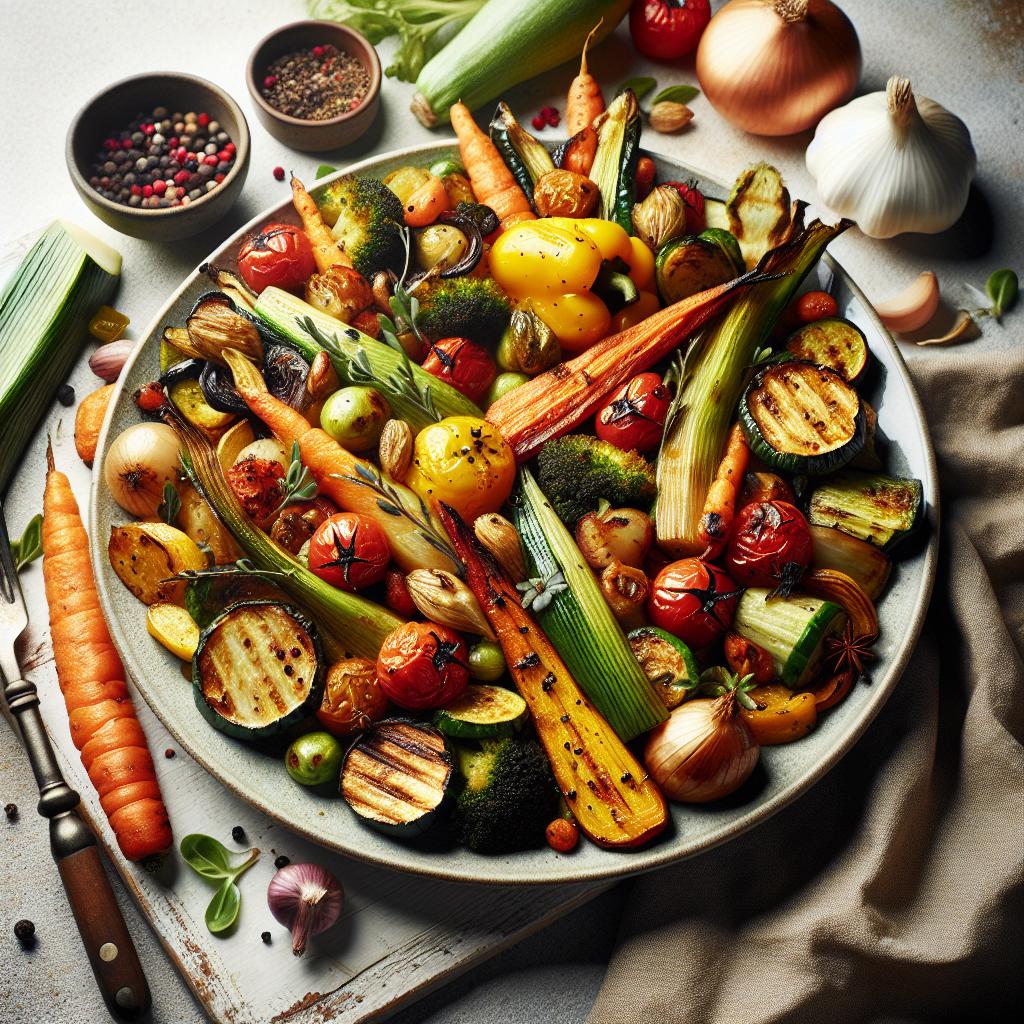
See also: Roasted Vegetables
]]>
- Cook whole: bones and skin add moisture and flavor.
- Use low heat: gentle roasting breaks down collagen for tenderness.
- Rest and reserve juices: redistribute fluids and preserve juiciness.
- Use a thermometer: accuracy prevents overcooking and food-safety risks.
Why cook a whole chicken for shredding?
Cooking an entire bird gives you access to richer flavor and more consistent moisture than isolated cuts. The bones and skin release juices and soluble collagen as they heat, which improves mouthfeel and yield when you shred the meat.
For background on how chicken behaves during cooking, see the chicken (food) entry. That context explains why whole-bird methods often outperform boneless pieces for pulled-style dishes.
Key techniques that lock in juiciness
Brining, controlled oven temperature, and proper resting form the core of reliable results. Each step manipulates moisture retention and protein structure to preserve tenderness and flavor.
Brine combines salt and water to increase the bird’s water-holding capacity; basic science on the process is summarized at Brine. When you pair brining with heat management you convert collagen into gelatin without pushing muscle proteins into a dry state.
Temperature and timing
Use lower oven temperatures for longer periods when targetting shreddable meat. Slow, steady heat encourages collagen breakdown in connective tissue while preventing the muscle fibers from tightening and expelling moisture.
Always confirm doneness with a reliable thermometer. Refer to the practical guidance on measurement tools at food thermometer, and aim for safe internal temperature while letting residual heat finish the job.
Step-by-step roast and shred
Start by seasoning or brining the bird, then roast breast-side up on a rack above a shallow pan. The rack boosts air circulation and helps the skin crisp while the pan collects juices you can later use to rehydrate shredded meat.
After roasting, tent the bird and rest it for 10–20 minutes. Resting lets muscle fibers relax and reabsorb juices; this step directly affects how moist your final shreds will be.
Equipment and small techniques
Use an instant-read thermometer, a roasting rack, and tongs. For fast shredding, a stand mixer on low with the paddle or two forks works well for consistent strand size.
Save the pan drippings and strain them. Skim excess fat and reserve the flavorful liquid; a splash over shredded meat restores juiciness and intensifies flavor without watering the dish down.
Practical recipe outline
Preheat oven to 375°F (190°C) for a balanced roast that yields crispy skin and tender meat. Rub the bird with oil and a salt-forward spice mix, then roast until a thermometer reads 165°F (74°C) in the thigh.
Let the bird rest, then remove skin and bones and shred meat into strands. Toss the shredded meat with a few tablespoons of strained pan juices or low-sodium broth to keep each bite moist and flavorful.
Expert Insight
Flavor routes and use-cases
Shredded chicken is a universal building block. Adjust spices to fit tacos, sandwiches, salads, soups, or casseroles depending on cuisine and desired profile.
For acidic brightness, add a squeeze of lemon or vinegar at the finish. For a smoky profile, add smoked paprika or finish the shredded meat briefly under a broiler to introduce char notes.
Pro-Caution
Serving, storage, and yield management
Store shredded chicken in airtight containers with a splash of reserved juices to keep it from drying. Refrigerate up to 3–4 days or freeze in portions for up to three months.
Plan for roughly 3–4 ounces of cooked shredded chicken per sandwich and 4–6 ounces per main course serving. Whole-bird cooking typically yields more usable meat and better value than buying pre-cut pieces.
Tips for success
Use a two-stage approach: initial high heat to set the skin, then lower temperatures to finish. This combination preserves crisp skin if you plan to serve it while converting connective tissue for shredding.
Rotate or baste during roasting if your oven has hot spots. Monitor internal temperature near the thickest part of the thigh rather than the breast to avoid overcooking lower-moisture areas.
| Nutrient | Per Serving (approx.) |
|---|---|
| Calories | 210 kcal |
| Protein | 28 g |
| Carbs | 0 g |
| Fat | 10 g |
For additional guidance on roasting technique, see our internal Roast Chicken Perfection Guide. To learn more about salt handling and brining options, consult our Brining Guide.
FAQ
The FAQ below answers common practical questions about whole-bird shredding and storage. Each answer focuses on actionable steps you can use in the kitchen immediately.
These questions cover cooking choices, safety, texture, and shortcuts that preserve quality without extra effort.
How long should I brine a whole chicken?
Brine times depend on bird size and salt concentration. For a 3–4 lb chicken, 3–6 hours in a basic brine delivers noticeable tenderness and even seasoning.
Longer brines intensify salt uptake; keep the bird refrigerated and avoid over-brining to prevent a mealy texture.
What internal temperature guarantees safety and juiciness?
Target 165°F (74°C) in the thickest part of the thigh for safe consumption. Use an instant-read thermometer to avoid guesswork.
Remove the bird at target temperature and rest it; carryover heat will stabilize the final internal temperature while juices redistribute.
Should I remove the skin before cooking?
Leave the skin on while roasting to shield the meat and trap moisture. Remove it after resting if you prefer skinless shredded meat or want to crisp it separately for garnish.
Keeping the skin on improves both flavor and moisture retention during the cook, especially for longer low-temperature roasts.
Can I use a slow cooker or pressure cooker?
Yes. A slow cooker on low for 6–8 hours or a pressure cooker on high for ~25–30 minutes (then natural release) yields tender meat that shreds easily.
Adjust seasonings because slow and pressure cooking concentrate or dilute flavors differently; reserve some cooking liquid to correct final moisture and taste.
How do I reheat shredded chicken without drying it?
Warm shredded chicken gently in a skillet with a splash of broth or reserved pan juices over low heat. Use short bursts in the microwave covered with a damp paper towel when time is tight.
Avoid high heat and long reheating intervals because muscle proteins tighten and eject moisture when overheated.
See also: shredded chicken
]]>
- High heat plus dry skin yields a crisp crust without frying.
- Balance acid and sugar in the marinade to tenderize and caramelize.
- Elevate on a rack to allow air circulation around each piece.
- Rest briefly to lock juices before serving.
Why this method works for baked drumsticks
Baking at high temperature speeds surface moisture loss so the skin can crisp and brown quickly. That browning comes from the Maillard reaction, which creates flavor and color when surface proteins and sugars react under heat.
Marination adds flavor and, when controlled, tenderizes via acids and enzymatic action described in the marination overview. Proper drying and elevated placement prevent the skin from steaming, which preserves the crisp exterior.
Prep and Cook Time for baked drumsticks
Prep Time: 15 minutes active; organize ingredients and tools first to streamline the process. A concise mise en place speeds finishing and reduces handling time before roasting.
Marinating Time: 2–4 hours recommended, or overnight for deeper flavor if you will dry the skin before roasting. Cook Time: 35–40 minutes at 425°F (220°C); confirm doneness with a probe thermometer to ensure food safety.
Yield and Difficulty for baked drumsticks
This recipe yields approximately four servings (two drumsticks each) and scales linearly for larger trays when you keep pieces similar in size. Adjust rack placement rather than overloading the pan to maintain crisping performance for every piece.
Skill level is easy: basic knife work, measuring, and an oven set to the right temperature are sufficient. For guidance on poultry anatomy and common cuts, refer to the chicken overview.
Ingredients for baked drumsticks
Use skin-on, bone-in drumsticks for best texture; the skin crisps and bones help concentrate flavor during roasting. Choose pieces close in size so they cook uniformly and finish together.
- 8 chicken drumsticks, skin-on and bone-in
- 1/4 cup olive oil
- 3 cloves garlic, minced
- 2 tablespoons soy sauce (or tamari)
- 1 tablespoon apple cider vinegar
- 1 tablespoon honey
- 1 teaspoon smoked paprika
- 1 teaspoon kosher salt
- 1/2 teaspoon freshly ground black pepper
- 1/2 teaspoon onion powder
- 1/4 teaspoon cayenne pepper (optional)
- Fresh thyme or rosemary for garnish (optional)
Instructions for baked drumsticks
Follow a tight sequence: prepare the marinade, marinate, pat dry, and roast on an elevated rack for even airflow. Consistency at each step produces predictable crisp skin and juicy meat.
Set timers and use a probe thermometer to avoid overcooking while ensuring safety. Apply any glazes late in the bake to avoid burning sugars and to achieve glossy caramelization.
1. Prepare the Marinade
Combine olive oil, minced garlic, soy sauce, apple cider vinegar, honey, smoked paprika, salt, pepper, onion powder, and cayenne in a bowl. Whisk until emulsified so the oil carries fat-soluble flavors and the acid disperses evenly.
Keep the balance of acid and sugar moderate to prevent excessive darkening during roasting. A well-balanced marinade boosts flavor without compromising crisping performance for baked drumsticks.
2. Marinate the Drumsticks
Place drumsticks and marinade in a resealable bag or covered container and refrigerate for 2–4 hours, or overnight if desired. Turn once mid-marination for even exposure to the seasoning.
If marinating overnight, remove excess marinade and pat skin dry before baking to preserve crispness. Drying is a critical step to allow surface moisture to evaporate rapidly in the oven.
3. Oven Prep and Baking
Preheat the oven to 425°F (220°C) and position a rack in the center for balanced heat. Use a rimmed baking sheet lined with foil and set an oven-safe wire rack on top to lift the drumsticks.
Arrange the drumsticks with space between each piece so hot air circulates freely. For faster crisping use convection mode if available, but standard baking works by extending cook time slightly.
[h2]Placement Note[/h2]
Elevating drumsticks on a rack prevents soggy undersides and encourages uniform browning along the entire skin surface. If you must crowd the pan, flip once at the halfway point to mitigate contact-related steaming.
Remove pieces that finish early to a warm resting area to avoid overcooking the remaining batch. Resting for five minutes allows juices to redistribute while the exterior stays crisp.
Expert Insight
Tips for Success with baked drumsticks
Pat drumsticks dry before roasting to remove surface moisture and prevent steaming. Use paper towels and handle gently to preserve skin integrity while removing excess liquid.
Elevate on a wire rack to permit hot air under the pieces so the underside crisps as well as the top. Space each drumstick to allow airflow; crowding is the most common reason for limp skin.
Pro-Caution
Apply sticky glazes in the final 8–10 minutes to avoid burning sugars and to achieve a glossy finish. For extra browning, use a short broil at the end but watch closely to prevent charring.
Serving Suggestions for baked drumsticks
Serve with bright sides like a lemony salad or roasted vegetables to cut through the rich, caramelized flavors. Fresh herbs such as thyme or rosemary refresh the palate and add visual contrast.
Offer a tangy chimichurri or a light yogurt-based dip for variety and to add acidity to each bite. For leftover handling, re-crisp in a hot oven or air fryer rather than using a microwave to preserve skin texture.
Equipment and Technique Notes for baked drumsticks
A reliable oven and an oven-safe wire rack provide the biggest performance improvements for crisping. Convection mode circulates air and shortens time to crispness, but increase time slightly in conventional ovens for equal results.
Use a probe thermometer for repeatable, safe results and to avoid overcooking. For general oven behavior and heat transfer background, see oven.
Nutrition for baked drumsticks
Per serving (2 drumsticks): values will vary by exact portion and ingredients, but a close estimate helps plan meals. Typical nutrition reflects a protein-forward dish with moderate fat when skin is left on.
| Nutrient | Per Serving (2 drumsticks) |
|---|---|
| Calories | 320 kcal |
| Protein | 28 g |
| Carbohydrates | 6 g |
| Fat | 18 g |
Further Reading and References for baked drumsticks
For safety guidelines on handling and cooking poultry, consult reputable food-safety resources and official guidance. Additional context on poultry cuts and handling can be found in the chicken article.
For broader technical context on browning and dry-heat cookery, review resources on the Maillard reaction and on baking (cooking). These topics explain the chemistry that creates flavor and color during roasting.
See also: Chicken drumsticks and glaze ideas for baked drumsticks.
FAQ
How do I get the crispiest skin without frying?
Pat the drumsticks dry and use a light coating of oil before roasting at high heat (425°F/220°C). Elevate them on a wire rack so air circulates under and around each piece for uniform crisping.
How long should I marinate the drumsticks?
Two to four hours gives clear flavor and some tenderizing while preserving skin texture with a short drying step. Overnight marination deepens flavor but requires careful drying before roasting to maintain crispness.
Do I need to flip the drumsticks while baking?
Flipping is optional when using a wire rack and sufficient spacing between pieces because circulation promotes even browning. If your pan is crowded, flip once halfway through to encourage balanced color and doneness.
Can I use an air fryer for this recipe?
Yes; air fryers accelerate moisture evaporation and crisp the skin efficiently for baked drumsticks. Reduce time and temperature slightly from oven settings and monitor closely to avoid over-browning.
What is the safest way to check doneness?
Use an instant-read or probe thermometer inserted into the thickest part of the meat without touching bone. The recommended safe internal temperature for poultry is 165°F (74°C), which ensures both safety and juiciness.
Applying these seven professional tips will make baked drumsticks a reliable, family-ready option from weeknights to larger gatherings. Practice the drying, rack placement, and timing to repeat crisp results.
See also: baked drumsticks
]]>Garlic begins as a sharp, sulfur-driven bulb and becomes a sweet, spreadable treasure when roasted correctly. This piece explains precise roasting steps, the chemistry behind flavor change, storage guidance, and serving ideas you can use tonight.
- Roasting softens bite and converts sulfur compounds to sweeter notes.
- Low, steady heat yields creamy, jammy cloves; higher heat adds smoky tones.
- Store safely in oil for short-term use and refrigerate to preserve texture.
- Use widely: spreads, sauces, soups, and mashed vegetables.
Prep and Cook Time
Plan for a short prep and a modest roast. Typically, you need about five minutes to trim a bulb and prep the pan.
Cooking time varies by approach. Roast a whole bulb 35–40 minutes at 400°F (200°C) for a classic result. Adjust time for halved bulbs or higher temperatures.
Yield
A single bulb yields 8–10 spreadable servings when roasted. This depends on bulb size and how you plan to portion the paste.
Remember: roasted cloves concentrate flavor, so a small amount goes a long way in sauces, spreads, and dressings.
Difficulty Level
Roasting garlic rates as easy for most home cooks. The method requires basic tools: an oven, knife, and foil or a roasting pan.
Technique matters more than skill. Controlled time and temperature make the difference between caramelized sweetness and bitter char.
Ingredients
Keep ingredients minimal to let garlic shine. You need one firm bulb, olive oil, and a light pinch of salt.
Optional aromatics like thyme or rosemary add nuance. Use fresh herbs sparingly so they complement, not mask, the garlic.
- 1 whole bulb of garlic, top trimmed to expose cloves
- 2 tablespoons extra virgin olive oil
- Salt (a pinch)
- Optional: Fresh thyme or rosemary sprigs
Instructions: Mastering Roasted Garlic
Follow these steps for consistent results. Start by preheating your oven to 400°F (200°C) and lining a small dish with foil for easy cleanup.
Trim the bulb top, drizzle oil over exposed cloves, and season lightly. Wrap loosely in foil or use a lidded dish to trap steam. Roast 35–40 minutes until cloves are soft and golden.
- Preheat oven to 400°F (200°C). Line a small baking dish with foil for easy cleanup.
- Remove loose outer layers of skin, keeping the bulb intact. Trim ~1/4 inch from the top to expose the clove tips.
- Place bulb cut-side up in the dish. Drizzle 2 tablespoons olive oil so exposed cloves are coated. Add a pinch of salt and tuck in optional herbs if desired.
- Wrap loosely with foil or cover and bake 35–40 minutes. Test by pressing a clove through the skin; it should be soft and spreadable.
- Let cool slightly, then squeeze or scoop cloves out. Use immediately or cool before storing.
Tips for Success When Roasting Garlic
Choose firm, plump bulbs without soft spots; freshness affects final flavor and texture. Use consistent bulbs for repeatable results.
Monitor the oven. For a jammy interior, roast low and slow. For more roasted, slightly smoky notes, increase temperature and reduce time carefully.
- Halve bulbs crosswise for faster roasting, but watch to avoid drying out.
- Store roasted garlic in an airtight container in the fridge for up to one week, submerged in oil to keep it soft.
- Use roasted garlic to enrich sauces, mashed potatoes, dressings, or as a spread on toasted bread.
Expert Insight
When you roast multiple bulbs, rotate the pan halfway through to ensure even heat exposure. This small step prevents edge charring and yields uniform cloves.
Serving Suggestions to Elevate Your Dishes
Roasted garlic pairs with many dishes. Spread it on warm bread with a drizzle of olive oil, mash into potatoes, or stir into soups for layered flavor.
Pair roasted garlic with roasted vegetables for balanced sweetness and depth. See our roasted vegetable recipes for ideas that build a full meal around roasted flavors.
For bright contrast, finish dishes with chopped parsley or a squeeze of lemon. The brightness lifts the lush, caramel notes of the garlic.
Looking to store uses, check our internal guide on preservation and creative uses at garlic storage and uses. These pages contain recipe pairings and quick ideas for weeknight cooking.
The Science Behind the Garlic Transformation
Two chemical processes drive garlic’s flavor shift: enzymatic formation of sulfur compounds and thermal reactions like the Maillard reaction and caramelization. The enzymatic step creates allicin when raw cells rupture.
Heat breaks down aggressive sulfur molecules and drives Maillard reactions and caramelization that yield sweet, nutty, and brown-sugar notes. Controlled heat converts texture to a soft, spreadable state.
For more on garlic’s biology and compounds, refer to the detailed overview on garlic. For the Maillard chemistry that browns and flavors roasted food, see Maillard reaction. To compare caramelization mechanisms, review caramelization.
Pro-Caution
Keep safety top of mind when preserving roasted garlic. Follow trusted storage limits to avoid spoilage and foodborne risk.
| Nutrient | Amount (per bulb) |
|---|---|
| Calories | ~150 kcal |
| Protein | ~6 g |
| Carbohydrates | ~33 g |
| Fat | ~15 g (mainly from added olive oil) |
Basic nutrient totals vary by bulb size and added oil. Use these as a guideline for recipe scaling and portion planning.
Q&A
Why does raw garlic taste so sharp and intense?
Raw garlic contains compounds that form when cells rupture. Enzymes convert alliin into allicin, which gives raw garlic its pungent bite.
That sharpness lets raw garlic shine in salsas, dressings, and other uncooked preparations where a bright, aggressive flavor fits.
How does roasting transform garlic’s flavor?
Roasting reduces volatile sulfur compounds and encourages the Maillard reaction and caramelization. The result is a sweeter, nuttier profile and a creamy texture.
Time and temperature tune the profile. Lower temperatures favor jammy sweetness; higher heat can add roasted, smoky notes if monitored closely.
Is there a difference in texture between raw and roasted garlic?
Yes. Raw garlic is firm and crunchy. Roasted garlic becomes soft, spreadable, and almost buttery, which changes how you use it in recipes.
The textural shift allows roasted garlic to act like a flavor paste that disperses evenly through sauces, dips, and mashed vegetables.
Can garlic’s flavor change depending on how it’s roasted?
Definitely. Roast low and slow for mild, jammy cloves. Increase heat or roast longer for stronger caramelization and smoky edges.
Small technique changes—foil wrap, oil amount, oven position—affect moisture retention and final flavor intensity.
Any tips for roasting garlic to perfection?
Trim and oil evenly, roast at a controlled temperature, and test for spreadability. If you want a milder result, roast at 350°F for a bit longer.
Use fresh bulbs, rotate the pan for even color, and cool slightly before squeezing to avoid scorching and to preserve texture.
Insights and Conclusions
Roasting changes garlic from pungent to sweet by altering chemistry and texture. When you control heat and moisture, you get consistent, delicious results.
Use roasted garlic as a finishing element or a base ingredient to add depth without overpowering other components. Apply the techniques here to expand how you use garlic across weeknight meals and special dishes.
See also: roasted garlic
]]>