- Rapid steam inflates pita from the inside, creating the pocket.
- Gluten elasticity lets the dough stretch without tearing.
- Very high surface temperature seals the crust before steam escapes.
- Practical technique on a hot stone or cast iron gives consistent puffs.
How High Heat Produces the Puff
When dough meets intense oven heat, the water inside vaporizes almost instantly. This rapid vapor becomes steam and forces the dough layers apart, inflating the interior like a small balloon.
The dough’s protein matrix, primarily the gluten network, must be elastic enough to stretch as it fills with steam. For a technical overview of the bread type and cultural context see pita.
Temperature also drives chemical changes. Surface temperatures above 230–260°C (450–500°F) trigger quick setting of the outer layer and accelerate browning reactions. You can read more about the browning chemistry at Maillard reaction.
Finally, yeast-fermented dough contributes trapped gas and optimal hydration. Proper fermentation balances flavor and structure; for background on yeast action see yeast.
Prep and Cook Time
Accurate timing matters because dough temperature affects how quickly steam builds in the oven. Work in predictable stages: mix, knead, rise, shape, and bake.
Plan for active hands-on time and passive proofing. A preheated baking surface and oven are essential; the heat must be ready when the dough goes in.
- Preparation: 20 minutes
- Proofing: 1 to 1.5 hours
- Baking: 4-6 minutes per batch
- Total: Approximately 1 hour 30 minutes
Yield and Difficulty
This recipe yields about eight 6–7 inch pitas when divided and rolled consistently. Expect slight variations by oven and hydration levels.
Difficulty: Medium. The method suits bakers comfortable with yeast doughs. The technical hurdle is consistent oven temperature and rolling thickness rather than complex shaping.
Ingredients
Use simple ingredients and focus on measurement and temperature control. Hydration and salt both influence gluten development and feel of the dough.
- 2 cups all-purpose flour, sifted
- 1 cup whole wheat flour (optional)
- 1 packet (2 ¼ tsp) active dry yeast
- 1 ¼ cups warm water (about 110°F/43°C)
- 1 tbsp olive oil
- 1 tsp granulated sugar
- 1 tsp salt
Instructions
Follow the sequence to create dough with the right strength and hydration. Short, purposeful steps keep fermentation predictable and the final dough elastic.
Make sure the oven and baking surface reach full temperature. The stone or heavy sheet must be scorching-hot to transfer heat quickly to the dough.
- Activate the yeast: Combine warm water, sugar, and yeast. Let sit 5–10 minutes until foamy.
- Mix the dough: Whisk flours and salt. Add the yeast mix and oil to form a shaggy dough, then bring together.
- Knead: Knead by hand or machine 8–10 minutes until smooth and slightly tacky.
- First rise: Place in a greased bowl and cover. Let rise in a warm spot until doubled, about 1–1.5 hours.
- Preheat the oven: Put a pizza stone or heavy baking sheet on the middle rack. Preheat to 500°F (260°C) for at least 30 minutes.
- Shape: Divide dough into 8 pieces. Roll balls, then flatten to roughly 1/4 inch thickness.
- Bake: Slide 2–3 rounds onto the hot surface. Bake 4–6 minutes until they puff and show golden spots.
- Finish: Quickly remove and stack under a towel to keep them soft. Repeat with remaining rounds.
Baking Technique Details
Heat transfer is the variable that most home bakers control to get reliable results. A hot stone or cast-iron surface delivers intense, even heat to the dough base and encourages full puff.
If you lack a stone, a preheated cast-iron skillet on the oven rack or stovetop produces a similar direct heat effect. Flip carefully if using direct skillet heat to avoid scorching.
Chef’s Notes and Troubleshooting
Small variations in thickness, hydration, and oven temperature change outcomes dramatically. Aim for consistent rounding and equal thickness across rounds to improve puff reliability.
When pitas fail to puff, check three things first: oven temperature, dough thickness, and fermentation timing. One wrong element will keep steam from building fast enough to inflate the pocket.
- Heat: Fully preheat and verify with an oven thermometer when possible.
- Thickness: Keep discs near 1/4 inch; too thin tears, too thick won’t heat through fast enough.
- Hydration: Slightly tacky dough holds steam and stretches rather than cracking.
- Shake method: Briefly nudging the baking surface when sliding dough on can help the steam start to expand evenly.
 Expert Insight
Store dough in the refrigerator overnight for convenience. Bring it up to room temperature before baking to restore elasticity and oven responsiveness.
 Pro-Caution
Serving Suggestions
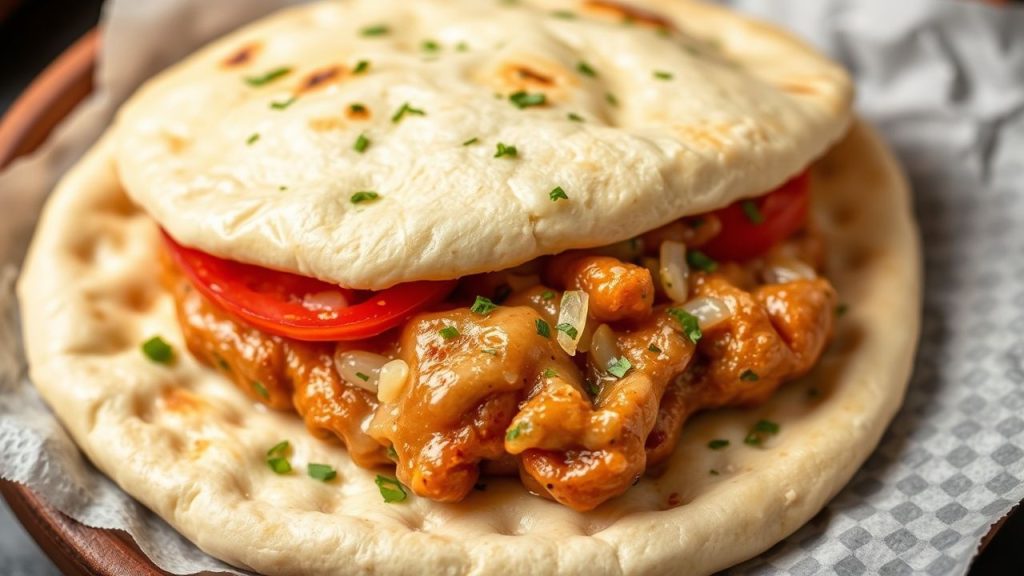
Pita is a natural, edible vessel. Fill warm pockets with grilled meats, roasted vegetables, or classic spreads to highlight texture contrast between the soft interior and blistered exterior.
For layered meal planning, warm pitas briefly and brush with olive oil and seeds. For broader bread techniques and recipes, see the internal guide on artisan bread baking and explore flatbread variations at pita variations.
Nutrition Snapshot
A typical 6-inch pita runs low on fat and moderate in carbs, making it a flexible component in meals. Nutrient content varies with flour choice and added oils.
| Nutrient | Per Serving (1 pita) |
|---|---|
| Calories | 140 kcal |
| Protein | 5 g |
| Carbohydrates | 28 g |
| Fat | 2.5 g |
Q&A
Below are focused answers to common practical questions about achieving a reliable pita puff. These address technique, equipment, and dough behavior.
Each answer emphasizes controllable variables: oven surface temperature, rolling thickness, hydration, and yeast activity. Adjusting these gives the most predictable improvements.
Q: What exactly happens inside the oven that makes pita bread puff up?
A: Moisture inside the dough vaporizes rapidly and becomes steam. The steam expands and inflates the flexible gluten and starch network while the surface sets quickly, trapping the steam as a pocket.
Q: Why does the heat need to be so high to get a perfect puff?
A: High heat produces the fast steam burst before the crust sets slowly. A slow set allows steam to escape and prevents the pocket from forming; intense heat locks the outer layer while the interior expands.
Q: Can home bakers replicate this without a professional oven?
A: Yes. A well-preheated pizza stone or cast iron works. The key is providing a very hot surface and not crowding the baking area so each round receives direct, even heat.
Q: How does dough thickness affect puffing?
A: Thickness controls heat penetration and steam pressure. Thin discs heat through quickly and develop a strong, sudden steam burst; thick discs fail to generate enough internal pressure fast enough.
Concluding Remarks
High heat does the heavy lifting in pita puff formation: it converts moisture to steam fast enough to inflate the dough and sets the crust before that steam escapes. Consistent technique and equipment let home bakers reproduce this effect reliably.
Remember: monitor oven temperature, standardize disc thickness, and relax the dough before baking. With those controls in place, the oven’s burst of heat becomes a predictable tool to create perfect pockets.
FAQ
Why does my pita sometimes burst instead of forming a pocket?
Overproofed dough or excessive gas expansion can rupture weak spots in the gluten. Under-kneading and uneven thickness also create thin points that tear rather than inflate.
Is a pizza stone absolutely necessary?
No. A preheated cast-iron skillet or heavy baking sheet will work. The critical factor is rapid heat transfer from a hot surface to the dough base.
How can I tell if the oven is hot enough?
Use an oven thermometer to validate temperature. If the baking surface cools quickly when dough is added, the oven or stone needs more preheat time.
Can I freeze pita dough or baked pitas?
Yes. Freeze dough balls for later use or freeze baked pitas in airtight bags. Thaw and bring dough to room temperature before baking for best puffing.
Does whole wheat change puffing behavior?
Whole wheat absorbs more water and weakens gluten strength slightly. Use a blend with all-purpose flour for best puff while adding the flavor and nutrition of whole wheat.
See also: pita puff
]]>