- Ready in 45 minutes—quick prep and simple steps.
- Vegan and gluten-free with high plant protein from chickpeas.
- Flexible spice level and easy meal-prep options.
- Pairs well with basmati rice or flatbreads for a balanced plate.
Prep and Cook Time
Preparation: 15 minutes. Prepare aromatics, drain chickpeas, and measure spices before you start. This mise en place speeds cooking and keeps flavors balanced.
Cooking: 30 minutes. Sauté, simmer, and finish with spinach and lemon for bright acidity. Total time: about 45 minutes from start to finish.
Yield and Difficulty
Yield: Serves 4 generous portions. Each portion suits a main course when served with rice or bread.
Difficulty: Easy. The method focuses on simple sautéing and simmering techniques that deliver consistent results for cooks of all levels.
Ingredients
Gather ingredients before you begin to maintain steady heat and avoid overcooking. Use canned chickpeas for speed or cook dry chickpeas for a denser texture.
- 2 tablespoons coconut oil or olive oil
- 1 medium onion, finely chopped
- 4 cloves garlic, minced
- 1 tablespoon freshly grated ginger
- 2 teaspoons ground cumin
- 2 teaspoons ground coriander
- 1 teaspoon turmeric powder
- 1/2 teaspoon smoked paprika
- 1/4 teaspoon cayenne pepper (adjust to taste)
- 1 (14-ounce) can diced tomatoes
- 2 (15-ounce) cans chickpeas, drained and rinsed (chickpea)
- 1 (14-ounce) can full-fat coconut milk (coconut milk)
- 5 cups fresh spinach leaves, washed and roughly chopped (spinach)
- Salt and freshly ground black pepper, to taste
- 1 tablespoon lemon juice, freshly squeezed
- Fresh cilantro leaves, for garnish
- Cooked basmati rice or warm naan, for serving (basmati rice)
Step-by-Step Guide to Crafting the Perfect Creamy Chickpea and Spinach Curry
Work in stages: sweat aromatics, bloom spices, reduce tomatoes, then finish with coconut milk and greens. Each stage develops layers of flavor and protects the texture of the chickpeas.
- Heat the oil in a large skillet over medium heat. Add the onion and sauté until soft and translucent, about 5 minutes, stirring occasionally.
- Add garlic and ginger, cooking until fragrant, about 1 minute to preserve brightness.
- Incorporate spices—cumin, coriander, turmeric, smoked paprika, and cayenne—toast gently for 30–60 seconds to release essential oils.
- Pour in diced tomatoes and simmer uncovered for 5–7 minutes to reduce and concentrate the sauce.
- Stir in chickpeas, coating them in the tomato base and cooking 2–3 minutes to heat through.
- Add coconut milk slowly, stirring to create a smooth sauce. Simmer 8–10 minutes so flavors meld and sauce thickens slightly.
- Fold in spinach in batches, stirring until wilted and bright green, about 2–3 minutes total.
- Finish with salt, pepper, and lemon juice to balance richness. Remove from heat and garnish with cilantro.
Technique Notes
Toast ground spices briefly to deepen aroma without burning them. Use a moderate heat and constant stirring during this step.
If the sauce becomes too thick, add small amounts of water to reach your preferred consistency. Adjust salt and acidity only at the end for best balance.
Tips for Customizing Spice Levels and Nutritional Add-Ins
Adjust the cayenne incrementally to control heat. Swap smoked paprika for sweet paprika to remove smokiness while keeping color.
To increase protein, stir in cooked lentils or cubed tofu. For a heartier mouthfeel, add roasted vegetables such as cauliflower or sweet potato.
[EXPERT NOTE]
 Expert Insight
Swirling in a spoonful of tahini or almond butter at the end rounds the sauce and adds a pleasant, creamy mouthfeel. These nut pastes also increase caloric density for meal-prep portions.
 Pro-Caution
When increasing heat, add spicy elements gradually and taste between additions. Spices concentrate during simmering, so err on the side of milder initial seasoning.
Serving Suggestions and Pairings
Serve this curry over steamed basmati rice or with warm flatbreads to soak up sauce. A dollop of plain coconut yogurt or cooling raita complements the spices and adds texture contrast.
Garnish with fresh cilantro and a squeeze of lemon to lift flavors. For added crunch, sprinkle toasted cashews or pumpkin seeds just before serving.
| Nutrient | Per Serving |
|---|---|
| Calories | 360 kcal |
| Protein | 14 g |
| Carbohydrates | 45 g |
| Fat | 12 g |
Recipe Variations and Meal-Prep Strategy
Prepare a double batch and refrigerate for 3–4 days; the flavor often deepens after resting. Reheat gently over low heat and add a splash of water if the sauce tightens.
Freeze single portions in airtight containers for up to 3 months. Thaw overnight in the refrigerator and reheat slowly to preserve texture and avoid splitting the coconut milk.

FAQ
What makes this chickpea and spinach curry nutritious?
Chickpeas provide plant-based protein and fiber that promote satiety and steady blood sugar. Spinach contributes vitamins, minerals, and antioxidants that support overall nutrient density.
Can I use dried chickpeas instead of canned?
Yes. Soak dried chickpeas overnight and cook until tender before adding to the curry. Cooked dried chickpeas yield firmer texture and lower sodium when compared to canned options.
How can I reduce fat content without losing creaminess?
Use light coconut milk or replace half the coconut milk with unsweetened almond milk plus a tablespoon of ground cashew. Thicken the sauce with a small amount of cornstarch slurry if needed.
Is this recipe suitable for batch freezing?
Absolutely. Freeze in single servings for easy reheating. Avoid freezing with fresh herbs or lemon; add those fresh after reheating for best flavor.
What rice or bread pairs best with this curry?
Fragrant basmati rice highlights the curry’s spices without overpowering them, while warm flatbreads like naan or roti provide a tactile way to scoop and enjoy the sauce. Both pairings create a balanced plate.
The Way Forward
This Hearty Chickpea & Spinach Curry delivers efficient cooking, bold flavor, and strong nutrient value. It adapts well to dietary preferences and scales for meal prep or family dinners.
Test small adjustments—spice level, creamy add-ins, or different greens—to make this recipe your own. With reliable technique and a few simple swaps, you can keep this curry in regular rotation for flavorful, plant-forward meals.
See also: Chickpea Curry
]]>
- Quick protein boost: adds 15–30 g protein per scoop in many recipes.
- Texture tips: blend powder with liquid first to avoid grittiness.
- Versatility: works in sweet and savory dishes across diets.
- Storage care: keep powders cool and dry to preserve quality.
Unlocking the Nutritional Power of Protein Powders
Protein is an essential macronutrient required for tissue repair, enzyme function, and satiety. For a technical overview of protein structure and roles, refer to protein on Wikipedia.
Supplementing with powdered protein lets you target daily intake precisely. Athletes, older adults, and busy professionals often use powders to meet recommendations without extra meal prep.
Types of Protein and How They Behave in Cooking
Different protein sources perform differently in recipes. For example, whey protein solubilizes well, gives a creamy mouthfeel, and browns in baking.
Plant blends, like pea or rice protein, offer allergen-friendly profiles but can add earthy notes. Read more about plant-derived options at pea protein.
Vanilla Berry Power Smoothie: Ingredients & Yield
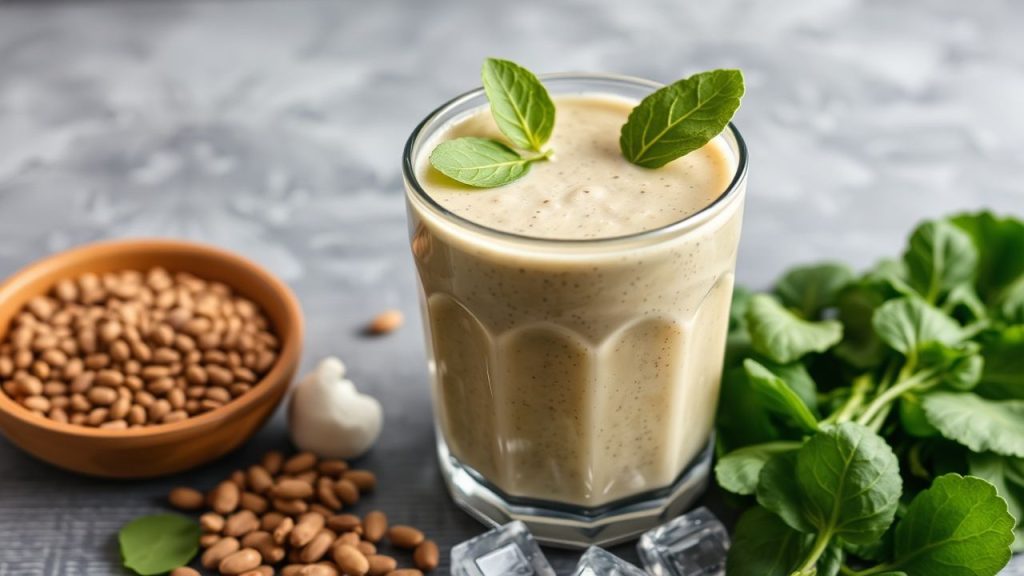
This recipe serves as a practical template for morning fuel or a post-workout snack. It yields two smoothies or four small snack portions and takes about 15 minutes total.
Ingredients: 1 scoop vanilla whey or plant protein, 1 cup unsweetened almond milk, 1 small frozen banana, 1 tbsp almond butter, 1/2 tsp ground cinnamon, 1/2 cup frozen mixed berries, 1 tsp chia seeds (optional), a handful of fresh spinach, ice cubes to adjust thickness.
Prep and Cook Time
Preparation: 10 minutes. Cooking: 5 minutes for blending. Total time: 15 minutes.
This timeline fits a busy routine and supports make-ahead options with frozen packs.
Step-by-Step Instructions
Start by mixing the protein powder and liquid to create a smooth base. This step minimizes grit and improves texture in the finished smoothie.
Add banana, almond butter, cinnamon, berries, chia seeds, and spinach. Pulse to combine, then blend on high for a silky finish. Adjust ice to reach your preferred thickness, taste, and serve chilled.
Chef’s Notes & Tips for Success
Measure ingredients consistently; a kitchen scale yields predictable results. Small changes to liquid volume and frozen fruit will alter mouthfeel and calories.
Use flavored powders judiciously to complement ingredients rather than mask them. For texture, dissolve the powder with the liquid before adding solids.
Expert Insight
For vegan swaps, select a blend formulated for baking or smoothies to avoid dry or chalky outcomes. Many plant blends include emulsifiers or natural sweeteners to improve mouthfeel.
Common Problems and Practical Fixes
Grittiness often comes from adding powder to cold solids or using high powder-to-liquid ratios. The simple fix: mix powder and liquid first, then add fruit and ice.
Bitter or metallic notes may indicate additives or lower-quality flavoring. Try a different brand or add a small pinch of salt and natural extract to balance flavor.
Serving Suggestions and Nutrient Table
Pair this smoothie with crunchy granola or a handful of nuts for texture contrast and extra calories. Top with toasted coconut or cacao nibs for an elevated finish.
The sample nutrition per serving approximates: 220 kcal, 25 g protein, 15 g carbohydrates, 8 g fat. Use these values as a baseline and adjust ingredients to meet specific macronutrient goals.
| Nutrient | Per Serving |
|---|---|
| Calories | 220 kcal |
| Protein | 25 g |
| Carbohydrates | 15 g |
| Fat | 8 g |
Storage, Handling, and Safety
Store protein powders sealed in a cool, dry place away from direct sunlight. Proper storage prevents moisture uptake and preserves flavor and functional properties.
Follow manufacturer guidance on shelf life and avoid using powders past their date. If the powder smells off or shows clumps from moisture, discard it to prevent food-safety risks.
Pro-Caution
When preparing smoothie packs, freeze fruit and spinach without liquid. Add liquid at blending to keep texture consistent and reduce bacterial growth.
Recipe Variations and Culinary Uses
Use protein powder in pancakes, muffins, and energy bites to increase per-serving protein. Adjust liquids and leavening agents to compensate for powder absorption in batters.
For savory experiments, stir unflavored collagen or neutral plant proteins into soups and sauces to raise protein without altering taste. These additions work well in pureed preparations.
Internal Resources and Further Reading
Explore more recipes on our site, such as healthy breakfast protein recipes and practical guides like protein baking tips. These pages expand on technique and menu ideas.
For clinical context on supplementation and dosing, read reputable reviews and clinical summaries. Quality sources will describe evidence for performance, recovery, and older-adult needs.
Q&A
This Q&A clarifies common reader questions and tactical decisions about using protein powder in cooking. The answers emphasize practical steps and evidence-based reasoning.
Use these concise responses to troubleshoot and adapt recipes based on texture, flavor, and dietary needs.
What makes protein powder a useful addition to recipes?
Powdered protein provides a dense nutrient boost without large food volume. It increases the protein-to-calorie ratio and supports muscle repair and satiety when used strategically.
Which protein types work best for cooking?
Whey mixes smoothly in cold drinks and performs well in baking. Pea and blended plant proteins offer vegan options but may require added fats or emulsifiers to improve mouthfeel.
How can I prevent chalky texture?
Start by dissolving powder in liquid, then add solids. Use a high-speed blender or sift powders for baking to ensure even distribution and smoother texture.
Can protein powder replace whole foods?
Powder supplements complement whole foods but do not replace them. Prioritize whole protein sources, and use powders to reach goals when food choices are limited.
FAQ
Below are focused questions readers ask most often about protein powder use in recipes. Each answer gives a clear action or guideline to try immediately.
If you need deeper guidance for medical conditions, consult a registered dietitian or clinician before changing supplementation habits.
How much protein powder is safe per day?
Typical servings provide 15–30 g protein. Total daily protein needs depend on weight, activity level, and goals. Match powder use to your overall protein target to avoid excess intake.
Will protein powder change baking outcomes?
Yes. Powder adds dry mass and often absorbs liquid, so increase liquid or fat slightly. Adjust leavening to maintain rise when replacing a portion of flour.
Which powders are best for sensitive stomachs?
Hydrolyzed whey and collagen often digest more easily. For lactose intolerance, choose whey isolate or plant blends. Trial small amounts to assess tolerance.
Can I use protein powder in salad dressings and sauces?
Yes. Use unflavored or neutral powders and whisk thoroughly to prevent clumping. Emulsify with oil and acid for stable, protein-enriched dressings.
Where can I learn more about the science of protein?
Consult comprehensive overviews such as the dietary supplement entry for context on regulation and research summaries. Academic reviews on protein dosing and outcomes also provide depth.
In Summary
Protein powder offers a flexible way to increase protein in meals without heavy prep. Apply simple texture and flavor tricks to integrate powders across breakfasts, snacks, and snacks-to-meals.
Experiment with small adjustments and monitor results to find combinations you enjoy. With controlled use and proper storage, protein powder becomes a dependable ally for daily nutrition.
See also: Protein powder
]]>
- Complete proteins contain all nine essential amino acids your body cannot make.
- Certain plant foods are naturally complete; others become complete when paired across a day.
- Practical meal combos can supply athlete-level protein with plant sources.
What are complete proteins?
Complete proteins supply all nine essential amino acids in amounts that support tissue repair, enzyme function, and neurotransmitter production. Essential amino acids include histidine, isoleucine, leucine, lysine, methionine, phenylalanine, threonine, tryptophan, and valine.
Scientists classify a food as complete when its amino acid profile meets human needs for maintenance. For an overview of amino acids and their roles, see amino acid.
Plant foods that are naturally complete
A handful of plant foods naturally contain all nine essential amino acids in useful amounts. Examples include quinoa, soy products, buckwheat, chia, and hemp seed. These options make it straightforward to meet protein targets without complex mixing rules.
Quinoa serves as a common example; it offers a balanced amino acid profile and also delivers fiber and micronutrients. Read more about quinoa at Quinoa. Soybeans similarly provide high-quality plant protein and are versatile across cuisines; see Soybean for cultivation and uses.
Complementary proteins and practical timing
Many staple plant foods lack one or two amino acids. For example, most beans are lower in methionine while many grains are lower in lysine. Pairing a grain with a legume creates a complementary meal with a full amino acid range.
You do not need to pair complementary proteins at a single meal. The body keeps an amino acid pool; consuming varied plant proteins across the day meets requirements effectively. This flexibility simplifies meal planning for busy lifestyles.
How much protein do you need?
The general adult Recommended Dietary Allowance (RDA) is 0.8 g/kg body weight per day. That level covers minimal needs for most healthy adults. Athletes and people recovering from injury often require higher intake.
Active individuals frequently aim for 1.2–2.0 g/kg depending on training load and recovery goals. Adjust targets based on body weight, training intensity, and guidance from a registered dietitian when needed.
Practical meal combos that deliver complete proteins
Use simple, repeatable combos to reach protein goals without stress. Examples include beans with rice, hummus on whole-grain pita, lentils with barley, and oatmeal with chia or hemp seeds. These pairings supply complementary amino acids and other nutrients like fiber and iron.
Keep a small set of go-to recipes to increase consistency. If you want ready examples, check internal resources like complete-protein recipes and our plant-proteins guide for meal plans and shopping lists.
Quick recipe ideas
Try a quinoa salad with black beans, roasted vegetables, and a sprinkle of hemp seeds for a balanced plate. Another quick option is tofu scramble with sautéed kale and a serving of buckwheat toast.
Snack smart with nut butter on whole-grain toast or Greek-style soy yogurt topped with chia seeds. These choices add protein, healthy fats, and micronutrients between meals.
Expert Insight
Special populations and planning cautions
Pregnant people, children, older adults, and competitive athletes have higher protein and micronutrient needs. These groups benefit from targeted planning and periodic monitoring of markers such as iron and B12.
Vitamin B12 is not reliably present in plant foods and requires fortified foods or supplements for those on strict plant-based diets. Consider blood tests and professional advice when changing dietary patterns.
Pro-Caution
How to measure and track adequacy
Track protein intake via daily logs or simple apps that list grams per portion. Calculate grams per kilogram of body weight to compare against your target range. This practice makes gaps visible and correctable quickly.
Assess progress with performance markers and recovery: sustained energy, preserved lean mass, and reduced incidence of injuries indicate adequate intake. When in doubt, request lab tests for nutrient status and follow professional guidance.
Food form, digestibility, and absorption
Protein quality depends on digestibility and amino acid composition. Processing methods such as cooking, fermentation, and sprouting can improve digestibility and reduce anti-nutrients that impede absorption.
Fermented soy (tempeh) and cooked legumes typically digest better than raw seeds and beans. For deeper reading on protein concepts, consult the protein (nutrient) overview.
Key takeaways
- Plants can deliver complete proteins either directly or through complementary combinations.
- Focus on variety across the day, practical meal combos, and protein targets by weight.
- Monitor micronutrients and consider professional testing for special groups.
FAQ
Are plant-based complete proteins as effective as animal proteins?
Yes. When total protein and key amino acids meet targets, plant proteins support muscle repair and metabolic needs similarly to animal proteins. The key is managing quantity and variety.
Do I need supplements to get complete proteins on a plant diet?
Most people do not need protein supplements if they eat a varied diet with legumes, whole grains, seeds, nuts, and soy. Supplements can help meet higher needs for athletes or during recovery when food intake alone falls short.
Which single plant foods are complete proteins?
Quinoa, soy-based products, buckwheat, chia, and hemp seed contain all nine essential amino acids in meaningful amounts. These foods make meal planning simpler when you seek a single-source complete protein.
How should athletes plan plant-based protein?
Athletes often aim for 1.2–2.0 g/kg of protein daily and space intake across meals and post-workout windows. Prioritize leucine-rich options and consider timing to optimize recovery.
Where can I learn more about amino acids and protein science?
Authoritative summaries are available on educational sites and peer-reviewed journals. For a concise primer, see essential amino acid.
See also: Complete proteins
]]>
- Complete plant protein that holds up in many dishes.
- Fermentation-driven digestion benefits and reduced anti-nutrients.
- Versatile culinary uses from grilling to crumbling.
What is tempeh?
Tempeh is a traditional Indonesian soybean cake produced by fermenting cooked soybeans into a compact, sliceable block. The fermentation binds the beans and develops a savory, nutty aroma.
Manufacturers and home fermenters rely on controlled culture and time to shape texture and flavor. For background on the ingredient and regional history, see tempeh on Wikipedia.
How tempeh is made
The core method combines soaked soybeans, partial dehulling, cooking, and inoculation with a fungal culture. Then producers press and incubate the mix until a white mycelial network binds it into a firm cake.
That controlled fungal growth changes bean chemistry, reducing compounds that hinder mineral uptake. For technical context on fermentation in food, consult food fermentation research.
Fermentation process details
Producers use Rhizopus species as the dominant culture. The mold grows through the beans, generating enzymes that partially break down proteins and carbohydrates.
This enzymatic action increases free amino acids and short-chain peptides, improving flavor and digestibility. For genus-level information, see Rhizopus.
Common starter cultures
Commercial starters typically contain Rhizopus oligosporus or related strains optimized for safety and consistency. Home fermenters choose vetted starters to ensure a predictable outcome.
Temperature and humidity matter most during the 24–48 hour incubation window. Careful control prevents undesirable microbes and preserves the clean, tangy notes characteristic of quality tempeh.
Nutrition and evidence-based benefits
Tempeh supplies a concentrated dose of plant protein and fiber, often delivering roughly 15–20 grams of protein per 100 grams, depending on production. It provides essential amino acids, so it functions as a complete protein source for many diets.
Fermentation reduces phytic acid and other anti-nutrients, which improves mineral bioavailability. The process also introduces beneficial microbes and fermentation metabolites that support digestion and metabolic health.
Micronutrients: tempeh contributes B vitamins, magnesium, and calcium. In some batches, traces of vitamin B12 may appear when specific microbes are present; however, B12 content varies and should not be assumed without testing.
For foundational context on the soybean itself and its nutrient profile, see soybean.
Practical culinary uses
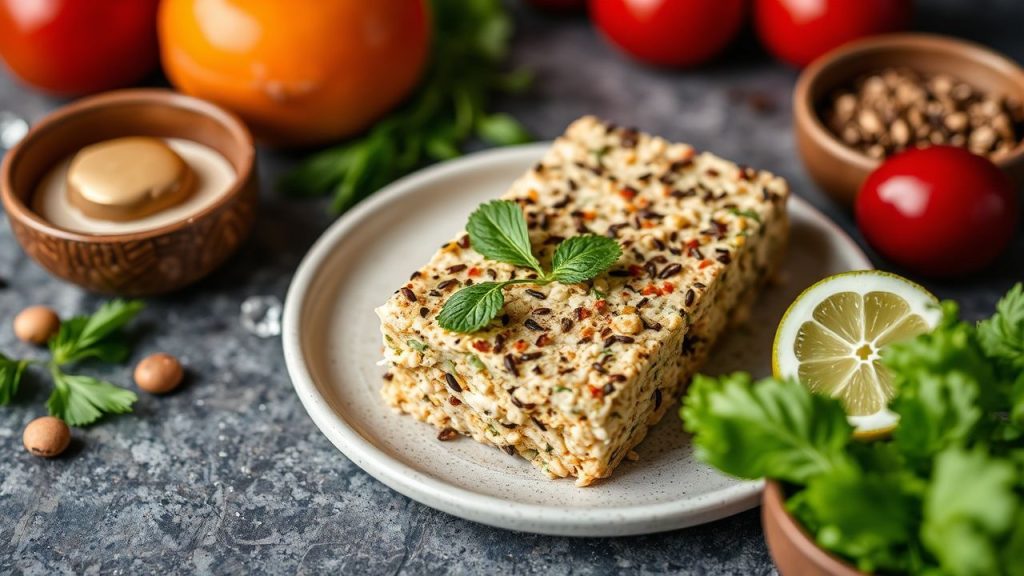
Tempeh accepts bold marinades and maintains texture under high heat. Slice it thin for sandwiches, cube it for stir-fries, or crumble it as a savory substitute in tacos and chili.
Techniques matter. Steam firmer blocks briefly to remove bitterness before sautéing. Then press or pan-sear to develop a caramelized exterior and deeper flavor.
Expert Insight
Balance textures in a plate: pair tempeh with quick-cooked greens, whole grains, and a sauce that adds acidity. That contrast highlights tempeh’s savory backbone and improves meal satisfaction.
Storage, safety, and quality signals
Store unopened tempeh in the refrigerator for up to one week and freeze for longer shelf life. Once opened, keep it wrapped and use within several days to avoid off-odors.
Quality cues: a clean, mushroom-like aroma and firm white mycelium indicate healthy fermentation. Dark or colored spots, strong ammonia smell, or sliminess suggest spoilage and warrant disposal.
Pro-Caution
When making tempeh at home, sanitize equipment and follow validated starter instructions. Monitor incubator temperature and avoid long exposure outside the recommended range.
Sustainable and dietary considerations
Tempeh offers a low-resource source of concentrated protein compared with many animal proteins. Its soybean base converts plant energy into dense nutrition efficiently.
For people reducing meat intake, tempeh supports protein goals while supplying fiber and micronutrients. However, consumers with soy allergies must avoid tempeh and select alternative legumes or mycoprotein sources.
Explore internal guides for recipe ideas and broader protein planning: tempeh recipes and plant protein guide. These internal resources provide tested techniques and meal plans to integrate tempeh into weekly cooking.
Common preparation mistakes and fixes
Many cooks under-season tempeh or skip the sear. Without proper browning, tempeh tastes flat and chewy. Always press and pan-sear after marinating for crisp edges.
Another frequent error is using very high heat too soon; that burns the exterior and leaves the center cold. Instead, moderate heat with a finishing blast produces even color and texture.
FAQ
Is tempeh suitable for non-vegetarians?
Yes. Many omnivores use tempeh as a meat alternative or complement. Its texture and umami make it adaptable in mixed-protein dishes.
Does tempeh contain probiotics?
Tempeh fermentation introduces beneficial microbes and metabolites. However, cooking will reduce live cultures, so raw or lightly cooked preparations retain more probiotic activity.
How do I substitute tempeh for meat in recipes?
Use a 1:1 volume substitution in many recipes. Crumbled tempeh works well in sauces and fillings, while sliced or cubed tempeh makes a hearty main when grilled or roasted.
Can I make tempeh at home safely?
Yes, with proper starter, clean equipment, and careful incubation you can. Follow manufacturer instructions and maintain recommended temperature ranges to prevent contamination.
Where can I buy tempeh?
Find tempeh at supermarkets, health food stores, and many Asian markets. Choose vacuum-packed or refrigerated blocks from reputable brands to ensure consistent quality.
Tempeh combines traditional technique and modern nutrition needs. When prepared and stored correctly, it delivers reliable protein, satisfying texture, and diverse culinary uses for many eating patterns.
See also: Tempeh
]]>
- Protein density matters: 10–30 g per bar changes recovery and satiety.
- Source matters: whey, plant, and collagen behave differently in texture and digestion.
- Formulation balances: protein, fiber, fats, and low sugars support steady energy.
Ingredient chemistry: what’s inside and why it works
Manufacturers select protein types to achieve functional goals: solubility, mouthfeel, and amino acid profile. Each protein source has predictable chemical behavior that informs texture and nutrition.
For example, protein quality influences muscle repair because it determines essential amino acid availability. Likewise, individual amino acids drive recovery and signaling pathways after resistance exercise.
Common protein sources and functional effects
Whey protein yields a soft, cohesive crumb and rapid plasma amino acid rise, so many post-workout bars use it for fast recovery. Manufacturers use whey protein isolates or concentrates depending on cost and desired solubility.
Plant proteins such as pea or soy provide sustainability and allergen-friendly options. They often require texturizers or enzyme treatment to match the chew and mouthfeel of animal-based proteins.
Nutritional design: balancing macros for purpose
Designing a bar starts with the target consumer: post-workout, meal replacement, or appetite control. Scientists model macronutrient ratios and caloric density to meet those goals while maintaining palatability.
Protein slows gastric emptying and supports satiety, but carbohydrates and fats alter glycemic response and endurance. The glycemic index concept helps formulators choose carbs that avoid rapid blood-sugar spikes.
Label reading: what to prioritize
Evaluate bars by checking protein grams per serving, sugar grams, and fiber content. Aim for bars with at least 10 g protein, under 5–8 g added sugar, and 3+ g fiber for appetite control.
Also check ingredient order and presence of whole-food items. Bars listing intact nuts, oats, or dairy early in the list typically rely less on isolated additives.
Texture and processing: why bars feel the way they do
Texture signals ingredient composition to consumers: chewiness, crumbliness, and melt-all communicate formulation choices. Texture also affects perceived sweetness and satiety.
Binders such as syrups, gums, and fiber create cohesion, while fat type determines snap and mouth-coating. Processing parameters like extrusion, shearing, and heat set the final structure and shelf life.
Binders, stabilizers, and shelf life
Common binders include maltitol syrups, glucose syrup, gelatin, and plant fibers. Each binder modifies water activity and texture, and formulators choose them to meet texture targets while limiting microbial risk.
To extend shelf life without refrigeration, manufacturers control water activity, use oxygen barriers in packaging, and include antioxidants when necessary. These steps preserve flavor and safety during transport and storage.
Expert InsightFormulators also balance cost and sensory appeal; therefore, some bars use polyols or high-intensity sweeteners to reduce sugar while maintaining sweetness. Those ingredients influence gut tolerance for sensitive consumers.
Health considerations and practical selection
Not every bar is appropriate for every goal. For weight management, choose lower-calorie, high-protein, high-fiber options. For muscle-building, target higher protein per serving and avoid absorbing fats that delay amino acid uptake excessively.
Also, watch for allergen declarations, presence of artificial sweeteners, and claims like “meal replacement” that require higher calories and broader micronutrient coverage. Use internal resources for deeper study, such as our protein basics and protein bar guide for practical picks.
Pro-CautionAfter the caution, consider rotating bar types based on training cycles and meal timing. For daily snacking, prioritize whole-food-based bars with recognizable ingredients and moderate calories.
Innovations shaping the next generation of bars
Emerging products use hybrid proteins, precision fermentation, and added bioactives like probiotics or adaptogens to broaden functional claims. These innovations aim to combine sustainability with clinical benefits.
Personalized nutrition platforms now recommend bar compositions based on individual protein needs, activity level, and metabolic markers. As a result, the market moves toward more tailored formulations and transparency.
The way forward for consumers and formulators
Consumers benefit when formulators publish transparent amino acid profiles, sourcing information, and processing details. Transparent labeling lets practitioners and buyers make evidence-based choices.
For formulators, the challenge is to deliver nutrient density, sensory appeal, and shelf stability without excess additives. That balance will determine which bars earn professional endorsement and long-term consumer trust.
FAQ
How much protein should a typical protein bar contain?
Most quality bars contain 10–30 g of protein per serving. Choose 10–20 g for a snack or appetite control, and 20–30 g for post-workout recovery when combined with carbs.
Are plant-based bars as effective as whey-based bars?
Plant-based bars can be effective if they combine complementary proteins to supply essential amino acids. Formulation techniques like fermentation and blending improve amino acid profiles and digestibility.
Can protein bars help with weight loss?
Yes. High-protein, high-fiber bars can reduce hunger and caloric intake when used as controlled snacks. However, total daily calories still determine weight outcomes.
What should I watch for on the ingredient list?
Prioritize clear protein sources, modest added sugars, and presence of fiber. Avoid long lists of unrecognizable additives if you prefer whole-food-based options.
How should I store protein bars for best quality?
Store unopened bars in a cool, dry place away from direct sunlight. Once opened, follow package guidance; many are shelf-stable but taste best within the recommended timeframe.
See also: protein bar
]]>