- Quick protein boost: adds 15–30 g protein per scoop in many recipes.
- Texture tips: blend powder with liquid first to avoid grittiness.
- Versatility: works in sweet and savory dishes across diets.
- Storage care: keep powders cool and dry to preserve quality.
Unlocking the Nutritional Power of Protein Powders
Protein is an essential macronutrient required for tissue repair, enzyme function, and satiety. For a technical overview of protein structure and roles, refer to protein on Wikipedia.
Supplementing with powdered protein lets you target daily intake precisely. Athletes, older adults, and busy professionals often use powders to meet recommendations without extra meal prep.
Types of Protein and How They Behave in Cooking
Different protein sources perform differently in recipes. For example, whey protein solubilizes well, gives a creamy mouthfeel, and browns in baking.
Plant blends, like pea or rice protein, offer allergen-friendly profiles but can add earthy notes. Read more about plant-derived options at pea protein.
Vanilla Berry Power Smoothie: Ingredients & Yield
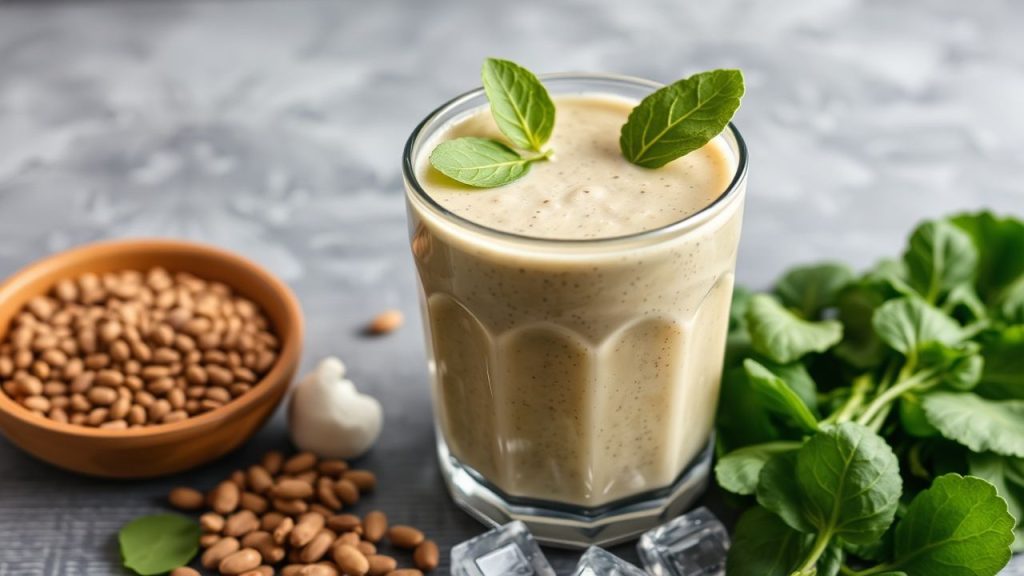
This recipe serves as a practical template for morning fuel or a post-workout snack. It yields two smoothies or four small snack portions and takes about 15 minutes total.
Ingredients: 1 scoop vanilla whey or plant protein, 1 cup unsweetened almond milk, 1 small frozen banana, 1 tbsp almond butter, 1/2 tsp ground cinnamon, 1/2 cup frozen mixed berries, 1 tsp chia seeds (optional), a handful of fresh spinach, ice cubes to adjust thickness.
Prep and Cook Time
Preparation: 10 minutes. Cooking: 5 minutes for blending. Total time: 15 minutes.
This timeline fits a busy routine and supports make-ahead options with frozen packs.
Step-by-Step Instructions
Start by mixing the protein powder and liquid to create a smooth base. This step minimizes grit and improves texture in the finished smoothie.
Add banana, almond butter, cinnamon, berries, chia seeds, and spinach. Pulse to combine, then blend on high for a silky finish. Adjust ice to reach your preferred thickness, taste, and serve chilled.
Chef’s Notes & Tips for Success
Measure ingredients consistently; a kitchen scale yields predictable results. Small changes to liquid volume and frozen fruit will alter mouthfeel and calories.
Use flavored powders judiciously to complement ingredients rather than mask them. For texture, dissolve the powder with the liquid before adding solids.
 Expert Insight
For vegan swaps, select a blend formulated for baking or smoothies to avoid dry or chalky outcomes. Many plant blends include emulsifiers or natural sweeteners to improve mouthfeel.
Common Problems and Practical Fixes
Grittiness often comes from adding powder to cold solids or using high powder-to-liquid ratios. The simple fix: mix powder and liquid first, then add fruit and ice.
Bitter or metallic notes may indicate additives or lower-quality flavoring. Try a different brand or add a small pinch of salt and natural extract to balance flavor.
Serving Suggestions and Nutrient Table
Pair this smoothie with crunchy granola or a handful of nuts for texture contrast and extra calories. Top with toasted coconut or cacao nibs for an elevated finish.
The sample nutrition per serving approximates: 220 kcal, 25 g protein, 15 g carbohydrates, 8 g fat. Use these values as a baseline and adjust ingredients to meet specific macronutrient goals.
| Nutrient | Per Serving |
|---|---|
| Calories | 220 kcal |
| Protein | 25 g |
| Carbohydrates | 15 g |
| Fat | 8 g |
Storage, Handling, and Safety
Store protein powders sealed in a cool, dry place away from direct sunlight. Proper storage prevents moisture uptake and preserves flavor and functional properties.
Follow manufacturer guidance on shelf life and avoid using powders past their date. If the powder smells off or shows clumps from moisture, discard it to prevent food-safety risks.
 Pro-Caution
When preparing smoothie packs, freeze fruit and spinach without liquid. Add liquid at blending to keep texture consistent and reduce bacterial growth.
Recipe Variations and Culinary Uses
Use protein powder in pancakes, muffins, and energy bites to increase per-serving protein. Adjust liquids and leavening agents to compensate for powder absorption in batters.
For savory experiments, stir unflavored collagen or neutral plant proteins into soups and sauces to raise protein without altering taste. These additions work well in pureed preparations.
Internal Resources and Further Reading
Explore more recipes on our site, such as healthy breakfast protein recipes and practical guides like protein baking tips. These pages expand on technique and menu ideas.
For clinical context on supplementation and dosing, read reputable reviews and clinical summaries. Quality sources will describe evidence for performance, recovery, and older-adult needs.
Q&A
This Q&A clarifies common reader questions and tactical decisions about using protein powder in cooking. The answers emphasize practical steps and evidence-based reasoning.
Use these concise responses to troubleshoot and adapt recipes based on texture, flavor, and dietary needs.
What makes protein powder a useful addition to recipes?
Powdered protein provides a dense nutrient boost without large food volume. It increases the protein-to-calorie ratio and supports muscle repair and satiety when used strategically.
Which protein types work best for cooking?
Whey mixes smoothly in cold drinks and performs well in baking. Pea and blended plant proteins offer vegan options but may require added fats or emulsifiers to improve mouthfeel.
How can I prevent chalky texture?
Start by dissolving powder in liquid, then add solids. Use a high-speed blender or sift powders for baking to ensure even distribution and smoother texture.
Can protein powder replace whole foods?
Powder supplements complement whole foods but do not replace them. Prioritize whole protein sources, and use powders to reach goals when food choices are limited.
FAQ
Below are focused questions readers ask most often about protein powder use in recipes. Each answer gives a clear action or guideline to try immediately.
If you need deeper guidance for medical conditions, consult a registered dietitian or clinician before changing supplementation habits.
How much protein powder is safe per day?
Typical servings provide 15–30 g protein. Total daily protein needs depend on weight, activity level, and goals. Match powder use to your overall protein target to avoid excess intake.
Will protein powder change baking outcomes?
Yes. Powder adds dry mass and often absorbs liquid, so increase liquid or fat slightly. Adjust leavening to maintain rise when replacing a portion of flour.
Which powders are best for sensitive stomachs?
Hydrolyzed whey and collagen often digest more easily. For lactose intolerance, choose whey isolate or plant blends. Trial small amounts to assess tolerance.
Can I use protein powder in salad dressings and sauces?
Yes. Use unflavored or neutral powders and whisk thoroughly to prevent clumping. Emulsify with oil and acid for stable, protein-enriched dressings.
Where can I learn more about the science of protein?
Consult comprehensive overviews such as the dietary supplement entry for context on regulation and research summaries. Academic reviews on protein dosing and outcomes also provide depth.
In Summary
Protein powder offers a flexible way to increase protein in meals without heavy prep. Apply simple texture and flavor tricks to integrate powders across breakfasts, snacks, and snacks-to-meals.
Experiment with small adjustments and monitor results to find combinations you enjoy. With controlled use and proper storage, protein powder becomes a dependable ally for daily nutrition.
See also: Protein powder
]]>