- Cold and timing rule: Keep butter and dough cold; rest between folds.
- Lamination matters: Proper folds create hundreds of liftable layers.
- Handle gently: Minimal handling avoids gluten overdevelopment.
- Bake hot and steady: A preheated surface improves oven spring.
Understanding the Science Behind Flakiness
Puff pastry rises because of layered dough and fat. When butter remains solid through shaping and then releases steam in the oven, it separates the sheets of dough and creates lift.
These physical changes involve water evaporation and dough elasticity. For background on laminated pastry structure, see puff pastry.
Selecting the Ideal Ingredients for Ultimate Puff Pastry
Choose an all-purpose flour with moderate protein to balance strength and tenderness. Avoid very high-protein bread flours that produce tough layers and prefer cold, sifted flour for even hydration.
Butter is the functional hero: use unsalted, high-fat butter for flavor and a clean melting profile. For details on butter composition and why it matters, consult butter.
Equipment and Workspace Essentials
Use a heavy rolling pin and a cool, flat surface to control pressure. A bench scraper and straight-edge ruler help keep rectangles even and repeatable.
Keep tools cool. Chill your mixing bowl and rolling pin if ambient kitchen heat is high. These small steps preserve firm butter layers and avoid premature melting.
Step-by-Step Techniques for Rolling and Folding
Start with a shaggy dough made from flour, salt, and ice-cold water. Mix just until the dough holds; overworking develops gluten and makes the pastry tough.
Prepare a butter block that matches the dough thickness so you encase it evenly. For fundamentals on dough behavior and structure, see dough.
Envelope Method and Letter Folds
Roll the dough into a rectangle larger than the butter block, then place the chilled butter in the center and fold dough edges to fully enclose it. Seal edges without squeezing out butter.
Perform a series of folds: roll to a long rectangle, fold in thirds like a letter, then rotate and repeat. Each fold multiplies the number of layers exponentially; aim for 4–6 turns.
Chilling Strategy
Chill the dough after each fold for at least 30 minutes. Resting relaxes gluten and firms the butter, which makes the next roll less likely to tear or leak.
If butter softens while working, return the dough to the refrigerator immediately. Cold but pliable butter produces the best steam pockets during baking.
Troubleshooting Common Puff Pastry Pitfalls
If your pastry is dense or greasy, the butter likely melted into the dough before baking. That usually signals too much warmth during laminating or insufficient chilling.
If layers do not separate, consider whether you overworked the dough or used inconsistent rolling pressure. Aim for even thickness — roughly 6 mm (1/4 inch) — at final roll-out for reliable lift.
 Expert Insight
When you see butter streaks or leaks, patch immediately: fold the dough over the leak, chill, and continue. Small repairs preserve structure without compromising the final bake.
Recipe: Basic Puff Pastry — Ingredients and Timing
This recipe yields enough dough for about twelve medium pastries or a 9-inch tart base. Keep ingredients measured and chilled for consistent results.
Ingredients: 2 1/2 cups all-purpose flour (chilled), 1 tsp fine sea salt, 1 cup (227 g) unsalted high-fat butter, 3/4 cup ice-cold water, 1 tsp lemon juice or vinegar (optional).
Prep and Folding Timeline
Mix and rest dough: 30 minutes. Shape butter block: 10–15 minutes. Four to six folds including chilling: 1–2 hours total depending on chill cycles. Bake at 400°F (200°C) for 15–20 minutes.
Expect total time around 2–3 hours with active work staggered by refrigeration. Accurate timing and pauses improve the laminated structure.
Practical Baking Tips for a Golden Finish
Bake on a preheated baking sheet or stone to give the pastry an immediate burst of bottom heat. That initial shock improves lift and crispness.
Brush with an egg wash for shine and deep color. Resist opening the oven door while baking to avoid thermal shocks that collapse layers.
 Pro-Caution
Allow the pastry to cool briefly on a rack. Cutting while too hot can cause layers to collapse, while cutting too cold reduces the crisp contrast.
Storage, Freezing and Reuse
Wrap unused dough tightly and freeze for up to one month. Thaw slowly in the refrigerator before final shaping to preserve lamination.
Stack trimmed scraps to freeze for quick turnovers later. These trimmings rework well if kept cold and handled gently.
Advanced Variations and Flavoring
Infuse butter with citrus zest, finely minced herbs, or spices before laminating to layer in aroma. Work sparingly so added moisture does not interfere with butter performance.
For sweet applications, a light sugar dusting between turns can caramelize on bake for added crunch. Test small batches to dial in flavor without compromising lift.
Links and Further Reading
For culinary context on layered pastry types and global pastry traditions, see pastry. For technical background on gluten behavior, see gluten.
Explore recipes and technique tutorials on our site: Classic French Pastries guide and a step-by-step lamination primer at Lamination Basics.
Serving Suggestions
Serve savory puffs with a crisp salad and herb vinaigrette for contrast. Sweet puffs pair well with fresh berries and a light glaze for balance.
Garnish thoughtfully: small herb sprigs accent savory pastries while edible flowers elevate dessert presentation.

At-Home Practice Plan
Allocate two weekends to practice: one batch focusing on technique; the second experimenting with flavor variations. Track variables such as fold count, chill times, and bake surface to refine outcomes.
Keep notes on room temperature and butter firmness. Consistency between attempts reveals which adjustments yield the best rise and crispness.
FAQ
How many folds are ideal for standard puff pastry?
Four to six book folds produce a good balance of layers and manageable work time. More folds increase layers but demand colder conditions and greater care.
Can I substitute margarine or shortenings for butter?
Substitutes change flavor and melting behavior. Some high-fat block margarines can work, but results often differ from butter in taste and crispness.
Why did my pastry blow out at the seams?
Blowouts indicate weak seals or trapped air pockets. Patch seams, chill fully before rolling again, and press edges carefully when enclosing the butter block.
Is there a reliable shortcut for beginners?
Use pre-rolled puff pastry for quick projects while you develop lamination skills. Then practice the envelope method on small batches to gain confidence.
How do I maintain flaky results in humid kitchens?
Work quickly, chill tools and ingredients, and reduce surface flour to avoid adding moisture. Use refrigeration between steps and consider shorter rest intervals with firmer butter.
See also: Puff Pastry
]]>
- Steam is the mechanical leavening: trapped moisture expands and separates dough layers.
- Cold, solid fat preserves layers: it must remain distinct through shaping and baking.
- Folding creates structure: lamination multiplies thin fat and dough sheets.
- Temperature control wins: chill between folds and bake hot for puff.
What steaming fat means in practical baking
Steaming fat refers to the way small, discrete pieces of fat melt and release water vapor during baking. That vapor inflates and separates adjacent dough sheets, yielding the classic flaky texture.
Professional bakers treat the technique as a controlled physical reaction. They use fats with predictable melting behavior to time the expansion and final structure.
Why steam separates layers and how to exploit it
When fat pieces remain solid until the oven’s heat, their internal water turns to steam and forces a split between dough layers. That split creates crisp outer sheets and tender inner laminations.
Manipulate three variables to maximize the effect: fat distribution, dough hydration, and oven temperature. Change any one and the final lift changes in predictable ways.
Science of steam, fat and gluten
Gluten forms a flexible matrix that can stretch as steam expands. If gluten is too tight, it resists separation and yields dense layers. If too weak, the dough breaks and collapses.
Balancing gluten strength means controlling mixing and adding acids like vinegar or lemon juice in small amounts to relax gluten release while keeping dough strong enough to trap steam.
Ingredients and equipment that matter
Choose a fat with the right melting profile. Unsalted butter gives superior flavor and a predictable water content. Lard and solid vegetable shortening melt at different temperatures and alter texture accordingly.
Use a bench scraper, rolling pin, and a chilled work surface. Maintain cold utensils and a refrigerator nearby to keep fat from softening while you fold and roll.
Expert Insight
Step-by-step technique for reliable layering
Start by mixing flour and salt, then cutting cold fat into pea-sized pieces. Those discrete particles are the loci of steam and the building blocks of layers.
Bring the dough together with ice-cold water just until it holds. Overworking will develop gluten and reduce flakiness.
Incorporating the fat
Use a pastry cutter or grater to create even pieces of butter. The goal is controlled distribution rather than fully emulsifying fat into the flour.
Work quickly and return the bowl to the fridge if the butter warms. Small, colder pieces produce more distinct steam pockets when baked.
Lamination: folding to multiply sheets
Roll into a rectangle, fold into thirds, rotate, and repeat. Each fold multiplies layers: three folds give dozens of alternating fat-and-dough planes.
Rest the dough 10–20 minutes between folds in the fridge. This keeps butter firm and prevents tearing while you roll.
Baking: convert moisture into puff
Preheat the oven to a high temperature—typically 400–425°F (200–220°C) for many pastries. The initial blast of heat converts water in the fat and dough into steam rapidly.
Place pastries on a preheated tray or baking stone to ensure an immediate transfer of heat and consistent rise from the bottom as well as the top.
Troubleshooting common faults
If pastries bake flat, the usual causes are warm fat, insufficient folds, or a slack gluten structure. Double-check chilling intervals and the size of your fat pieces.
If layers bake dense or gummy, you likely overhydrated or overworked the dough. Reduce mixing and increase rest times to let gluten relax.
Pro-Caution
Serving, storage, and make-ahead options
Serve pastries warm to highlight crisp layers and buttery aroma. A brief 3–5 minute reheat in a hot oven will refresh stored goods without sogginess.
Wrap dough tightly and freeze for up to two weeks. Thaw slowly in the refrigerator before final shaping; this preserves fat distribution and maintains layering performance.
| Nutrient | Per Serving |
|---|---|
| Calories | 220 kcal |
| Protein | 3 g |
| Carbohydrates | 15 g |
| Fat | 16 g |
Relevant references and further reading
Compare techniques across pastry styles. For classic laminated pastry background, consult resources on puff pastry and how repeated folds produce lift.
Review the composition and culinary use of common fats via the butter and shortening pages. For technique specifics, study laminated yeast doughs such as the croissant.
Want recipes and related technique articles? See our detailed guide on artisan pastry techniques and a focused primer at pie crust basics for single-crust building blocks.
FAQ
What is the ideal fat for maximum steam lift?
Unsalted butter offers the best balance of flavor and water content for steam. It performs consistently in laminated doughs and browns attractively during baking.
Lard and solid shortening also perform well for flaky texture but change flavor and mouthfeel. Test small batches when switching fats.
How cold should the fat and dough remain?
Keep fat just firm, not rock-hard. Fat too cold can fracture; too warm will smear into the flour. Aim for refrigerated temperature, around 35–45°F (2–7°C).
Chill tools and rest dough between folds. Quick work with frequent chilling yields the most reliable layers.
Can steaming fat be used in all pastries?
The principle applies broadly: any pastry that benefits from separate sheets can use the technique. Applications vary from puff pastry to biscuits and croissants.
Adjust the number of folds, fat type, and hydration to suit the target texture—more folds for dramatic lift, fewer for rustic flake.
Why do some pastries brown before they fully puff?
Fast surface browning indicates high sugar or butter on the exterior or an oven hotspot. Reduce top heat slightly or shield tops with foil after initial rise to allow internal puff to complete.
Use an oven thermometer and rotate trays to reduce uneven color and to encourage uniform steam expansion throughout the bake.
How do I store laminated dough and finished pastries?
Unbaked laminated dough freezes well for up to two weeks. Thaw in the refrigerator overnight to preserve layer integrity before rolling and baking.
Store baked pastries at room temperature in a loose tent to avoid trapping steam; crispness returns with a brief oven reheat the next day.
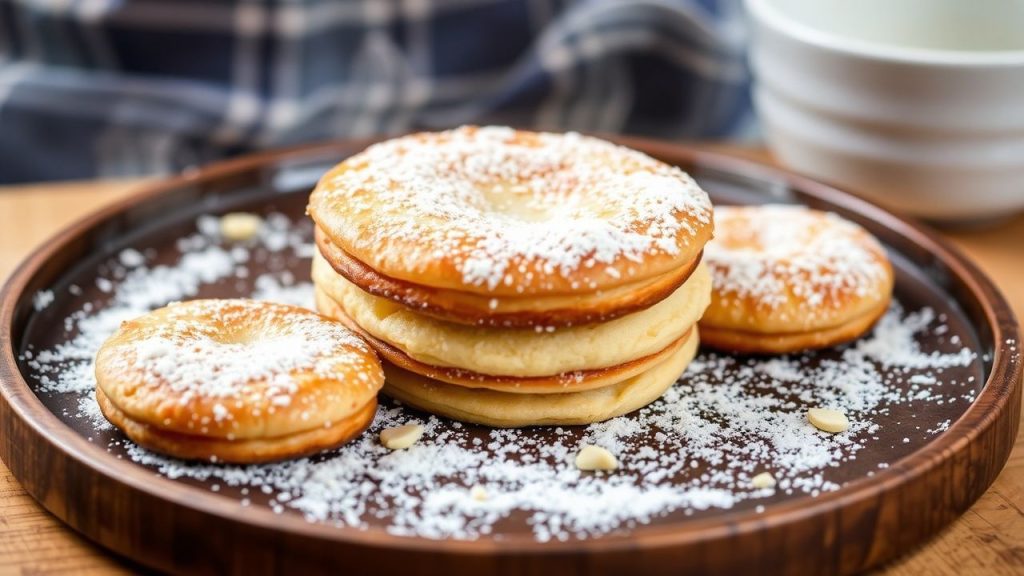
Mastering steaming fat refines your control over texture and taste. Keep experimenting with fat type, fold count, and oven heat to build repeatable, flaky results.
See also: Steaming fat
]]>
- Key control points: cold butter, measured folds, and precise resting.
- Timing matters: short active work periods with frequent chilling produce the best lift.
- Steam-driven lift: trapped moisture creates separation and puff.
Essentials of Puff Pastry Structure
Puff pastry depends on distinct sheets of dough separated by solid butter. When the butter melts and produces steam during baking, it forces the layers apart and creates volume.
For a technical overview of laminated pastries, consult the puff pastry entry on Wikipedia for puff pastry. That resource summarizes layer geometry and historical technique succinctly.
Lamination and Layer Geometry
Lamination multiplies layers by geometric folding. Each letter fold or book fold increases the number of alternating dough-and-fat layers exponentially, which directly affects flake count and rise.
Maintain clean edges and even thickness when rolling; uneven sheets produce trapped pockets of butter and irregular puff. For visual comparison, see the croissant-vs-puff guide in our internal resources: Croissant vs Puff Pastry Guide.
Ingredient Science: Flour, Fat, and Water
Choose low-to-moderate protein flour to limit gluten extensibility while retaining enough structure to hold steam pockets. Overdeveloped gluten makes the pastry tough rather than flaky.
Understand the fat: butter contains water and milk solids; those components generate steam and flavor. Read more about butter at Wikipedia for butter to appreciate its melting profile and water content.
Role of Gluten and Dough Strength
Gluten provides tensile strength so layers can separate without tearing. However, excessive mixing or hot handling increases gluten formation and reduces tenderness.
Resting the dough relaxes gluten and prevents elastic recoil during final baking. The concept of gluten structure is summarized at Wikipedia for gluten.
Temperature Control and Handling Protocols
Temperature control drives success. Cold, firm fat keeps layers distinct; warm butter disperses and ruins lamination. Work quickly and chill often to maintain contrast between dough and fat.
A chilled environment also prevents butter smearing into surrounding dough. Use short working phases, and refrigerate between folds to re-solidify the butter and relax the gluten network.
Practical Temperature Targets
Aim for work-surface temperatures below 18°C (65°F) if possible; keep butter at fridge-cold firmness. If a butter block softens, re-chill it before proceeding to the next fold.
Preheat the oven fully and consider a preheated baking steel or tray to deliver immediate heat to the pastry base. For general principles, consult the baking overview at Wikipedia for baking.
Step-by-Step Method That Produces Reliable Layers
Follow a measured sequence: mix dough gently, encase butter, perform a series of folds, and maintain consistent chilling. This creates predictable layer counts and even rise.
Work in three or four turns of folding: a classic routine uses a single turn followed by two or three letter folds, with 20–30 minute chills between each. Longer final chilling (60–90 minutes) improves lift.
- Mixing: Combine flour and salt, then add water sparingly. Keep the dough shaggy and cool; do not knead.
- Butter Enclosure: Flatten a cold butter slab to a uniform thickness and encase it in the dough rectangle.
- Turns and Chills: Roll to length, fold (letter or book fold), wrap, and chill. Repeat the sequence for the targeted number of layers.
- Final Rest: Chill at least 1 hour after the last fold before rolling for shaping and baking.
For additional technique tutorials, see our internal reference on lamination: Lamination Techniques.
Expert Insight
Troubleshooting Common Failures
When pastry collapses or lacks lift, the usual culprits are warm butter, overworking, or insufficient oven heat. Diagnose by checking butter distribution and oven temperature stability.
If butter has smeared, you will see streaks rather than laminar separation. Re-chill and rework only if the structure still holds a central fat envelope. Avoid re-rolling repeatedly; that thins and blends layers.
Pro-Caution
Advanced Adjustments and Pro Techniques
Experienced bakers manipulate hydration and fat content to tune texture. Slightly lower hydration tightens layers; slightly higher hydration can create a more open crumb if handled correctly.
Use European-style butter for higher fat content and stronger flavor. Alternatively, blending a small percentage of high-melting-point fat can stabilize laminates in warm kitchens, but expect subtle flavor changes.
Make-Ahead and Freezing
You can freeze laminated dough after the final chill. Wrap airtight and freeze flat; thaw overnight in the refrigerator before shaping to preserve layering integrity.
For commercial timelines, batch-prep dough and bake from chilled or slightly chilled state to retain consistent oven spring across shifts.
Serving, Fillings, and Applications
Puff pastry adapts to sweet and savory uses: tarts, turnovers, palmiers, and layered appetizers. Keep fillings light so steam can separate layers rather than weigh them down.
Brush finished pieces with glazes for shine, or dust with sugar after baking for contrast. For layered laminated bread like croissants see our internal comparison: Croissant vs Puff Pastry Guide.
Nutrition Snapshot
Per serving, puff pastry is energy-dense due to butter and flour. Balance portions with fresh fruit or protein-based fillings for a more nutrient-dense plate.
| Nutrient | Per Serving |
|---|---|
| Calories | ≈220 kcal |
| Protein | ≈3 g |
| Carbohydrates | ≈15 g |
| Fat | ≈16 g |
FAQ
How many folds produce optimal layers?
Two to three letter folds (creating roughly 27–81 layers depending on technique) balance work time and reliable puff. More folds increase layers but require precise chilling to avoid smearing.
Can I use margarine instead of butter?
Substitutes affect melting profiles and water content. Margarine can work but will alter flavor and steam production. For classic lift and taste, butter remains the best option.
Why does my pastry become greasy?
Greasy pastry indicates fat meltdown into the dough pre-bake. Reduce handling heat, chill frequently, and ensure the butter stays as a discrete block until oven time.
Is laminating by hand better than machine lamination?
Hand lamination gives fine control for artisanal batches; sheeting machines offer consistency at scale. Both can produce excellent results when temperature and timing are controlled.
How hot should the oven be?
Preheat to 200–220°C (400–425°F) for rapid steam generation. A hot initial environment encourages fast lift before significant fat loss.
See also: puff pastry
]]>