- Heat control determines whether you get glossy caramel or a bitter burn.
- Timing is the difference between golden-amber and charcoal.
- Ingredient temperature affects texture and integration when adding dairy.
- Technique scales from candy to caramelized vegetables and sauces.
What Is Caramelization?
Caramelization is the thermal decomposition of sugars that produces new flavor and color compounds. This chemical process starts at high heat and generates nutty, toffee-like, and complex roasted notes.
For a concise technical overview, see the caramelization entry. Unlike protein-driven browning, caramelization involves pure sugars breaking down under heat to form dozens of aroma compounds.
Prep and Cook Time
Plan for quick, attentive work. Most caramel sauces take 20–25 minutes from start to finish when you include warming the cream and finishing the sauce.
Prep tasks—measuring sugar, warming cream, having butter ready—save time at the stovetop and reduce the risk of burning. Keep a candy thermometer on hand for precise checkpoints.
- Preparation: 5 minutes
- Cooking: 15–20 minutes
- Total Time: 20–25 minutes
Yield
This recipe yields about six generous servings of caramel sauce. Volume varies with evaporation and how long you cook the syrup to reach color.
Store the sauce in an airtight jar. Properly cooled, salted caramel keeps at room temperature for up to a week or refrigerated for longer preservation.
Difficulty Level
Medium. The technique calls for close attention to temperature and timing more than advanced knife work or special equipment.
Use a heavy-bottomed pan for even heat. A candy thermometer helps but reliable visual cues—clear to amber—work with practice.
Ingredients
Each ingredient influences texture and flavor. Use high-quality components for predictable results.
Ingredients (standard salted caramel):
- 1 cup granulated sugar (sucrose is the standard; see sucrose for chemistry)
- 1/4 cup water
- 2 tbsp unsalted butter, softened and cubed
- 1/2 cup heavy cream, gently warmed
- 1/4 tsp fine sea salt
- 1 tsp pure vanilla extract
Instructions
Follow steps closely. Caramelization moves fast once the syrup begins to darken, so prepare all add-ins before you start cooking.
Always remove from heat as soon as the amber stage appears and finish off-stove to avoid bitterness.
- Combine sugar and water in a heavy-bottomed saucepan over medium heat. Stir only until sugar dissolves; then stop stirring to minimize crystallization.
- Let the syrup simmer undisturbed. Swirl the pan occasionally for even cooking. Watch for the color to shift from clear to light gold and then deep amber—this is the key visual cue.
- When the syrup reaches the desired color (around 320°F / 160°C by standard reference), remove it from heat immediately to prevent burning.
- Whisk in butter until melted. The butter adds richness and improves mouthfeel.
- Carefully add the warm cream while whisking. Expect vigorous bubbling; continue whisking until smooth.
- Stir in salt and vanilla. Taste and adjust salt to balance sweetness and highlight complexity.
- Cool slightly, then transfer to a heat-safe jar. Refrigerate for longer storage and reheat gently to serve.
Temperature checkpoints
Use a candy thermometer for consistent results: soft-ball is unnecessary here—aim for visual amber and about 320°F (160°C). A few degrees make a major difference.
If you lack a thermometer, track color and aroma. The moment the syrup emits a sweet toasted scent and deepens to amber, act immediately.
Tips for Success
Small technique choices prevent common failures like crystallization, grainy texture, or burning.
Work with warm dairy and room-temperature butter. Cold dairy can shock the hot sugar and cause seizing.
- Control heat: Moderate heat yields gradual, even caramelization. High heat often burns the exterior before the center reaches amber.
- Prevent crystallization: Stop stirring after syrup boils. Brush down sugar crystals with a wet pastry brush if needed.
- Warm cream: Heat cream first to reduce violent bubbling and promote smooth incorporation.
- Flavor variations: Steep cream with cinnamon or citrus peel, then strain before adding for subtle aromatic notes.
 Expert Insight
Practice improves judgment. Time of day, altitude, and stove type affect how quickly sugar reaches amber. Note your stove’s behavior and adjust accordingly.
 Pro-Caution
Serving Suggestions
Caramel pairs with neutral or mildly tart bases. It balances fatty and acidic elements and adds visual shine.
Drizzle over plain ice cream, fold into yogurt, spoon over poached fruit, or use as the topping for classic desserts.
The signature crack of a brûlée comes from thin molten sugar burned to glass; see crème brûlée for the classic technique and presentation.
For layered recipes, use thicker cooked caramel (longer cooking) for fillings and thinner caramel for drizzles.
Internal resources: explore our related technique guide at Molecular Cooking Techniques and dozens of recipe variations at Caramel Recipes to adapt texture and flavor for pastries and savory dishes.
Storage and Reheating
Store caramel in an airtight jar. At room temperature, use within one week; refrigerated, it will keep several weeks and thaw to a pourable consistency when gently reheated.
Rewarm in a saucepan over low heat or in short bursts in the microwave while stirring. Add a splash of cream if the sauce becomes too thick after refrigeration.
Nutrition Snapshot
Caramel is energy-dense. A small serving delivers sugar and fat concentrated into a small volume, so moderate portions are sensible.
Adjust portion size and salt level to suit dietary needs and to balance flavor intensity.
| Nutrient | Amount per Serving |
|---|---|
| Calories | 180 kcal |
| Protein | 1 g |
| Carbohydrates | 22 g |
| Fat | 9 g |
Q&A
The mechanics behind caramelization raise frequent questions. Clear answers speed learning and reduce mistakes at the stove.
Below are concise responses to common practical concerns when working with sugar and heat.
Q1: What exactly is caramelization?
A1: It’s the heat-driven breakdown of sugars into new aromatic and colored compounds. This process produces the toffee, butterscotch, and roasted notes associated with caramel.
Q2: How does it differ from the Maillard reaction?
A2: Caramelization involves sugars alone; the Maillard reaction requires amino acids reacting with reducing sugars and typically creates savory browning like roasted meat crusts.
Q3: Which sugars are easiest to caramelize?
A3: Sucrose (table sugar) is standard because it caramelizes cleanly. Fructose and glucose have different temperatures and flavor outcomes; blends balance color and taste.
Q4: Why does caramel sometimes seize or crystallize?
A4: Introducing solids or stirring too aggressively can trigger crystal formation. Brushing down side crystals with a wet brush and avoiding late additions of water prevents graininess.
FAQ
How can I tell when caramel is ready?
Watch for a change from clear to golden to deep amber. Aroma shifts from sweet to toasted. Use a candy thermometer for precision or rely on color and smell with practice.
Can I make caramel without a thermometer?
Yes. Control color and use small test drops in cold water to check set. Practice observing visual and aromatic cues to develop reliable instincts.
Is caramelization safe on different stovetops?
Electric, gas, or induction all work. The key is even heat distribution, so use a heavy-bottomed pan and moderate heat settings to avoid hot spots.
What tweaks make caramel less sweet and more savory?
Add salt to taste and use browned butter or toasted nuts for savory depth. Reducing sugar slightly and increasing butter or cream balances sweetness with richness.
Can caramel be used in savory dishes?
Absolutely. Caramelized onions, roasted root vegetables, and glazes for meats rely on natural sugar caramelization to build depth and umami-like complexity.
If you want to expand technique and recipes, consult the internal guides linked above and the authoritative sources cited. Practice controlled heat, warm dairy, and decisive timing to make consistent, glossy caramel every time.
See also: Caramelization
]]>
- At a glance: invert sugar increases sweetness and slows crystallization in confections.
- It forms when sucrose hydrolyzes into glucose and fructose.
- Professionals use it to extend shelf life and improve mouthfeel in baked goods.
- Home cooks can make it with simple tools and careful temperature control.
What is invert sugar?
Invert sugar is a syrup produced when the disaccharide sucrose is hydrolyzed into its monosaccharide components. This chemical change yields a liquid that tastes sweeter and resists crystallization relative to table sugar.
The inversion process converts sucrose into a mixture of glucose and fructose, altering optical rotation and functional properties. The result behaves differently in doughs, icings, and confections, which is why professionals rely on it.
Prep and Cook Time
Preparation time is short, but the process needs patience and attention to temperature. Total active time typically runs about 40 to 45 minutes, including cooking and cooling stages.
Plan for: 10 minutes prep, 30 minutes for syrup inversion and monitoring, and about 20 minutes of cooling before use or storage. Accurate timing helps prevent unwanted caramelization.
- Preparation: 10 minutes
- Cooking (syrup inversion): 30 minutes
- Cooling time: 20 minutes
Yield
This recipe produces roughly 2 cups of invert sugar syrup, depending on evaporation and final concentration. You can scale the ingredients linearly for larger batches, but maintain temperature control and stirring technique.
Store the finished syrup in a sealed container at room temperature to preserve its texture. For long-term storage, refrigeration will slow microbial growth but can increase viscosity.
Difficulty Level
Medium. The technique requires steady heat, a candy thermometer, and an understanding of the soft-ball stage to avoid under- or overcooking. Precision matters more than speed.
If you have basic candy-making experience, you will find the method straightforward. New bakers should practice temperature control on a small batch before scaling up.
Ingredients
Use simple, pantry-stable ingredients to make invert sugar at home. The acid catalyst can be an organic acid like lemon juice or a food-grade acid salt such as cream of tartar.
- 2 cups granulated sugar
- 1 cup water, divided
- ¼ teaspoon cream of tartar (potassium bitartrate) or ¼ teaspoon lemon juice
- ½ teaspoon baking soda, dissolved in 1 teaspoon water (added at the end to neutralize acid)
Instructions
Combine 1 cup water, granulated sugar, and the cream of tartar or lemon juice in a heavy-bottomed saucepan. Stir gently to blend without splashing; this minimizes sugar loss and ensures even heating.
Heat the mixture over medium heat, stirring until the sugar fully dissolves. Once dissolved, bring the syrup to a gentle simmer and monitor with a candy thermometer until the mixture reaches 236°F (soft-ball stage).
- Once the desired temperature is reached, remove from heat and carefully pour in the baking soda solution. The syrup will foam briefly; stir gently to neutralize the acid and halt inversion.
- Allow the syrup to cool at room temperature until it thickens to a pourable consistency. Avoid rapid cooling to prevent crystallization spots forming.
- Transfer to a sterile glass jar and seal. Label with the date and store at room temperature for up to several months, assuming good sanitation and dry storage.
[p]
Pro-Caution
[/p]
Chef’s Notes & Tips for Success
Skim any foam during cooking for a clearer final syrup. Foam removal improves appearance and reduces trapped air that can promote crystallization during storage.
Invert sugar is highly hygroscopic, so store it in a sealed container to maintain texture. When substituting into recipes, reduce other liquids slightly to account for the syrup’s dissolved water.
Expert Insight
For subtle flavor variation, swap cream of tartar for fresh lemon juice; the slight citrus note complements many fruit-based desserts. However, acids vary in strength, so maintain consistent measures.
Visit our science of sugar and baking tips pages for trial recipes and troubleshooting if you want to experiment further. Those internal guides provide batch-tested ratios and application ideas.
Serving Suggestions
Invert sugar shines in icings, glazes, caramel, and soft-centered candies where smooth mouthfeel matters. It also helps keep cookies tender and ice cream scoopable at lower temperatures.
Drizzle a small amount over fresh fruit to deepen perceived sweetness without overpowering natural flavors. You can also fold a tablespoon or two into jam to reduce crystallinity and improve spreadability.
| Nutrient | Per 1 Tbsp (20g) | Value |
|---|---|---|
| Calories | 60 | kcal |
| Carbohydrates | 16 | g |
| Protein | 0 | g |
| Fat | 0 | g |

Q&A
Below are concise answers to the most common technical and practical questions about invert sugar. These responses reflect food science principles used by professionals in pastry and ingredient formulation.
They cover the chemistry of inversion, application tips, and safety considerations for home production. Use these as a quick reference while you test your first batches.
Q1: What is invert sugar, really?
A1: Invert sugar is the syrup produced when sucrose hydrolyzes into glucose and fructose; the change alters sweetness and crystallization.
Q2: Why is it called “invert” sugar?
A2: The term describes the shift in optical rotation when sucrose splits into its component sugars; the direction of rotation in polarized light is effectively inverted.
Q3: How does invert sugar differ from regular sugar?
A3: Unlike crystalline granulated sugar, invert sugar remains liquid, tastes slightly sweeter per unit, attracts moisture, and slows crystal formation in finished goods.
In Summary
Invert sugar is a practical, science-backed ingredient that adjusts sweetness, texture, and shelf stability in many recipes. It requires simple chemistry, consistent temperature control, and correct neutralization to produce reliably at home.
Use it strategically—small substitutions can yield measurable improvements in tenderness and longevity without changing a recipe’s core structure. Keep records of ratios and outcomes so you can replicate success.
FAQ
Can I substitute invert sugar for honey or corn syrup?
Yes. Invert sugar behaves similar to light corn syrup and diluted honey in recipes because of its liquid form and composition of glucose and fructose. Adjust sweetness and liquid ratios when substituting to maintain balance.
How long does homemade invert sugar last?
Stored in a clean, sealed jar at room temperature, invert sugar usually lasts several months. Refrigeration extends shelf life further but may increase thickness.
Does invert sugar change baking times?
It can. Because invert sugar retains moisture and modifies sugar concentrations, items may brown faster and remain moister. Watch bake color and test doneness with a toothpick rather than relying on time alone.
Is invert sugar healthier than table sugar?
Nutritionally, it provides similar calories to other sugars. Its higher sweetness per gram can allow reduced usage, but caloric impact remains comparable per teaspoon.
Can I buy invert sugar instead of making it?
Yes. Commercial invert syrups and specialty confectioners’ syrups are available and formulated for consistency. Making it at home gives control over concentration and flavor but requires careful technique.
See also: Invert sugar
]]>There is an enchanting alchemy in the kitchen when sugar transforms into molten gold: a glossy, amber-hued elixir known as caramel sauce. This sauce depends on precise temperatures, clear technique, and ingredient control to reach a smooth, stable finish every time.
- Know the target temperature range for clean caramelization and to avoid bitterness.
- Warm dairy first to prevent shocking the hot sugar and seizing the sauce.
- Control crystallization by minimizing early stirring and keeping the pan sides clean.
- Store properly to preserve sheen and pourability.
Understanding why each step matters gives you repeatable results. Below you will find equipment guidance, step-by-step instructions, troubleshooting strategies, and serving ideas grounded in the chemistry of sugar and dairy.
Prep and Cook Time
Prep Time: 5 minutes. Set all ingredients within arm’s reach and warm the cream first to avoid shocking the caramel. Gather a heavy-bottomed saucepan, a heat-resistant spatula, and a reliable thermometer.
Cook Time: About 12–15 minutes active cooking. The active time varies with pan size and heat source, so monitor color and temperature rather than clock alone to prevent burning.
Yield
About 1 cup of caramel sauce. This volume pours well for drizzling and fills small jars for gifting or storing.
Adjust scaling in 25–50% increments. Because sugar behavior changes with mass and surface area, larger batches require slightly more attention to heat control and stirring technique.
Difficulty Level
Medium. The technique tests temperature control and timing more than advanced skills. Precise monitoring prevents graininess and bitterness.
With practice, you will predict color and temperature. Use a thermometer to accelerate learning; visual cues alone take many batches to master.
Ingredients
1 cup granulated sugar
6 tbsp unsalted butter, cubed and at room temperature
1/2 cup heavy cream, warmed
1/4 tsp fine sea salt (optional)
1 tsp pure vanilla extract
Each component has a functional role. Granulated sucrose is the substrate that melts and caramelizes, butter supplies fat and emulsion stability, and cream adds liquid and mouthfeel.
Choose fresh dairy and a fine-grain sugar. Using salted butter or adding fleur de sel at the end changes the final flavor profile without altering technique. For recipe variations, see our Ultimate Decadent Dessert Sauces internal guide.
Instructions
- Prepare tools: Use a heavy-bottomed saucepan for uniform heat. Position ingredients nearby and warm the cream on low so it is just off the boil.
- Melt the sugar: Place sugar in the saucepan over medium heat. Gently swirl the pan rather than stirring aggressively until the sugar melts into a clear amber liquid; minimize early stirring to prevent crystallization.
- Watch color and temperature: Move from pale straw to deep amber. Aim for approximately 320–350°F (160–177°C) depending on desired flavor depth; remove from heat before it smokes.
- Add butter carefully: Whisk in butter cubes a few pieces at a time. Expect vigorous bubbling; continue to whisk until the emulsion forms and the mixture smooths out.
- Incorporate cream: Pour warmed cream slowly while whisking continuously. This cools the caramel, dilutes viscosity, and creates the signature silkiness.
- Finish and cool: Stir in vanilla and salt if using. Transfer to a heatproof jar and let the caramel cool to room temperature; it will thicken as it cools.
When you combine hot sugar and cooler fats or liquids, do so gradually. That staged incorporation prevents separation and promotes a stable emulsion. If you own a candy thermometer, use it to confirm temperatures rather than relying only on color.
For troubleshooting clumps, gently reheat the sauce over low heat and whisk in a splash of warm cream or butter. If crystallization persists, a short straining through a fine sieve removes grainy bits for a smooth final product.
Tips for Success: The Sweet Science Behind Perfectly Smooth Caramel Sauce
Control heat precisely. Use a medium-low, steady flame and do not step away. Small burners and thick pans reduce hot spots and lower the risk of localized burning.
Warm dairy first. Adding cold cream to molten sugar can cause violent bubbling and texture problems. Warming keeps the temperature differential small and helps the mixture emulsify cleanly.
- Use quality ingredients. Fresh butter and pure vanilla contribute to a clean, balanced profile.
- Brush pan sides. Dip a pastry brush in warm water and wipe the interior to dissolve stray crystals.
- Target range. For a classic sweet caramel, aim for the lower end of caramelization; for a deeper, slightly bitter note, reach the higher end.
[COMMENT missing_br during transformation]
Expert Insight
Practice small, controlled batches to build confidence. Write down exact times and temperatures for your stovetop and pan combination; these records help you reproduce successful results.
Troubleshooting and Safety
If the caramel grainy or separates, reheat gently and whisk in warm cream or butter. Persistent graininess indicates that sugar crystals formed and multiplied; straining will improve mouthfeel but won’t fully restore flavor.
Storage: Refrigerate in an airtight jar for up to two weeks. To return to pourable consistency, warm gently in a pan over low heat or microwave in short bursts, stirring frequently.
Pro-Caution
Have a jar of cool water and a first-aid plan for accidents. For professional kitchens, implement glove and splash-guard protocols when working with hot sugar.
Serving Suggestions
Drizzle warm caramel sauce over vanilla ice cream, baked apples, or pound cake for immediate impact. A sprinkle of flaky sea salt brightens flavors and enhances perceived complexity.
Use caramel as a component: swirl into yogurt or coffee, layer in parfaits, or fold into batters for sticky buns. For recipe variations and pairing ideas, consult our dessert sauces guide and the internal storage and reheating article for best practices.
Key Takeaways
Caramel is sugar transformed by controlled heat into a complex flavor matrix; butter and cream create a stable emulsion and soften texture. Monitor both color and temperature to reproduce consistent results.
Preventing crystallization and warming dairy are the most reliable strategies for a glossy finish. Keep written notes and calibrate your tools to build reproducible technique.

FAQ
This FAQ answers the most common technical and practical questions about making caramel sauce. Each response focuses on actionable steps you can apply in your kitchen.
Refer to the links below for deeper reading on the underlying science where applicable.
What causes caramel to turn grainy, and how do I fix it?
Graininess comes from sugar crystallization during cooking or cooling. To fix it, gently reheat the sauce, whisk in warm cream or butter, and strain if necessary; prevention is the best cure.
What temperature should I aim for when making caramel?
Aim roughly for 320–350°F (160–177°C) depending on flavor intensity. Use a thermometer and watch color cues to avoid crossing into a bitter, burnt range; practice calibrates your visual sense.
Can I use different sugars for variations?
Yes. White granulated sugar yields a clean caramel; brown sugar adds molasses notes and moisture. Adjust cooking time and expect slight differences in texture and depth.
How long does homemade caramel keep, and how should I store it?
Store airtight in the refrigerator for up to two weeks. Warm slowly before use to restore pourability; freezing is possible but may alter texture slightly on thawing.
Why should I warm cream before adding it to hot sugar?
Warming cream reduces the thermal shock to the hot sugar, preventing violent bubbling and potential seizing. It supports a smooth emulsion and faster incorporation of fats.
For a deeper look at the chemical process, read about caramelization, and for the physical behavior of sugar during cooking, see the article on sugar crystallization. For ingredient specifics, consult the butter entry.
See also: caramel sauce
]]>
- Key takeaway: Caramelization begins near 160°C (320°F) and develops distinct flavor stages.
- Key takeaway: Temperature control and a heavy-bottomed pan prevent burning and graininess.
- Key takeaway: Finishing with cream, butter, or salt alters texture and balances taste.
What Is Caramelization?
Caramelization is the thermal decomposition of sugars that produces brown pigments and new flavor compounds. It differs from protein-driven browning and creates sweet, nutty, and slightly bitter notes.
Understanding the mechanism helps cooks control color and taste. See the scientific basics on caramelization for background and common thermal ranges.
Chemistry Compared: Caramelization vs Maillard
The Maillard reaction involves amino acids and reducing sugars; it generates savory, roasted aromas. Caramelization involves only sugars breaking down under heat to yield sweeter, toasty flavors.
Both processes occur in kitchens and sometimes overlap on the same ingredient. For technical context, review the Maillard reaction entry.
Essential Ingredients and Equipment
Start with reliable, simple ingredients: granulated sugar, water, cream, and butter produce classic caramel. Quality of butter and cream changes mouthfeel and aroma.
Choose equipment that promotes even heating. A medium heavy-bottomed saucepan or copper pan and a candy thermometer deliver repeatable results. The Wikipedia page on sugar explains types and properties that affect caramel behavior.
Step-by-Step: Classic Caramel Sauce
This method creates a smooth, pourable caramel suitable for desserts. Keep a calm, methodical pace; abrupt moves invite splatter and thermal shock.
Use two internal references to expand technique and recipe use: see Sugar candy basics and a practical recipe example at Caramel sauce recipe.
Ingredients
1 cup granulated sugar, 1/4 cup water, 1/2 cup warmed heavy cream, 2 tbsp unsalted butter, 1/2 tsp salt (optional), 1 tsp vanilla extract.
Warm the cream before adding to the hot sugar to reduce violent boiling and promote a stable emulsion.
Procedure
Combine sugar and water in a heavy-bottomed saucepan over medium heat. Stir only until the sugar dissolves; then stop to reduce seeding and crystallization.
Observe color changes: clear to pale gold, then deep amber. Remove from heat around deep golden stage for balanced flavor, typically near 320–350°F (160–175°C).
Off-heat, whisk in warm cream slowly. Expect vigorous bubbling as the mixture stabilizes into caramel. Add butter and salt, whisk until smooth, then finish with vanilla off heat.
Cool slightly before use. Store in an airtight container in the refrigerator up to two weeks and rewarm gently when needed.
Chef’s Notes: Temperature Control & Flavor Tuning
Precise temperature control dictates outcome. A candy thermometer prevents overshooting and the resulting bitterness. Target ranges define texture: lower for softer sauces, higher for brittle stages.
Experiment with sugar color for flavor variation. Lighter caramel yields floral notes; darker caramel offers nutty and slightly bitter complexity.
Expert Insight
When working savory dishes, caramelization can build umami and depth. Slow-cooked onions become sweeter and more complex as sugars break down over low heat.
Pro-Caution
Salt balances sweetness and highlights aromatic compounds. Add salt sparingly and taste; flaky sea salt added at the end provides texture and a clean contrast.
Troubleshooting Common Problems
Grainy caramel indicates crystallization. Prevent it by avoiding agitation once boiling begins and by using a clean pan. If crystallization occurs, start anew with a clean pot.
Burnt caramel forms when heat is too high or sugar cooks too long. Cool the pan immediately and discard the batch; burnt sugar contains bitter compounds that cannot be rescued.
Adjusting Texture
Add more cream or butter for a looser, silkier sauce. Cook longer for thicker, deeper-flavored caramel suitable for candies and brittle.
For vegan variants, substitute coconut cream and dairy-free butter. Expect a slightly different flavor profile and mouthfeel but similar functional results.
Serving and Application Ideas
Warm caramel complements baked fruit, ice cream, panna cotta, and custards. A thin brushed layer over roasted root vegetables enhances glaze and flavor contrast.
Use caramel as a cocktail syrup with whiskey or aged rum and a touch of cinnamon for warmed spice. For texture play, pour some caramel into molds and chill to create shards.
Nutritional Snapshot
Per 2 tablespoons, expect roughly 110 calories, minimal protein, and carbohydrates near 15 g. Fat content depends on butter and cream used.
Use portion control when adding caramel to desserts; a small amount delivers intense flavor and satisfies sweetness with less added sugar.
| Nutritional Information (per 2 Tbsp) | Amount |
|---|---|
| Calories | 110 |
| Protein | 0.3 g |
| Carbohydrates | 15 g |
| Fat | 5 g |
FAQ
How does sugar type affect caramel?
Sugar type changes melting point and flavor development. Fructose caramelizes at lower temperatures and can produce darker, more intense flavors than sucrose.
Mixing sugars alters texture and final color. Use blended sugars deliberately to reach a desired balance of sweetness and depth.
What temperature range should I target?
Caramelization begins near 320°F (160°C) and intensifies up to about 350°F (175°C). For sauces, stay closer to the lower end; for brittle, cook higher.
A candy thermometer or infrared thermometer provides reliable control. Rapid color changes signal when to remove heat.
Why did my caramel crystallize and how do I fix it?
Crystallization results from sugar seeding or agitation during boiling. Do not stir once the solution reaches a boil; if crystals form, discard and restart in a clean pan.
Adding a small amount of corn syrup or an acid (lemon juice) can inhibit crystallization in future batches.
Can I use caramel in savory cooking?
Yes. Controlled caramelization adds sweetness and gloss to roasted vegetables and sauces. For savory use, limit added sugar and balance with acid and salt.
Slowly caramelized onions are a classic savory application that demonstrates how sugar breakdown enhances umami and texture.
How should I store homemade caramel?
Store caramel in an airtight container in the refrigerator for up to two weeks. Reheat gently over low heat or in a warm water bath to restore pourable consistency.
Avoid microwave reheating at high power to prevent overheating and separation. Gentle warming preserves emulsion and texture.
For additional reference on culinary technique and broader context, consult the cooking overview and the candy article for related sweet preparations.
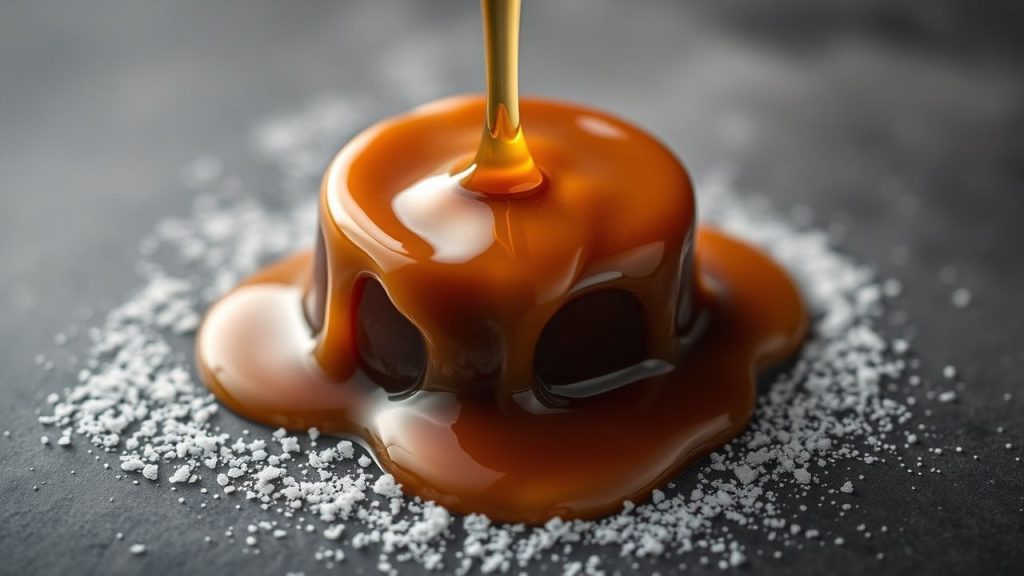
Learn more sugar candy techniques to expand your practical skills and recipe repertoire.
See also: Caramelization
]]>
- Key takeaway: Caramelization deepens sweetness while adding toasty, nutty notes.
- Technique focus: Dry heat, correct temperature, and pan spacing control outcome.
- Best fruits: High-sugar fruits such as peaches, apples, pears, and pineapple respond best.
- Storage: Caramelized fruit keeps 48 hours refrigerated and reheats gently.
Understanding the Flavor Profiles That Emerge When Fruits Caramelize
Caramelization occurs when monosaccharides and disaccharides break down under heat to form new volatile and non-volatile compounds. For a technical primer, read about caramelization, which explains the sequential reactions that create color and complex aromas.
As sugars decompose, they yield hundreds of distinct flavor molecules that taste buttery, toffee-like, and slightly bitter at higher degrees. These compounds interact with natural fruit acids and pectins to balance sweetness and texture.
The Science Behind Caramelization versus Maillard Reaction
Caramelization strictly involves sugars and heat, while the Maillard reaction requires amino acids and reducing sugars, producing different savory notes. Understanding both pathways helps you choose the right method for fruit or savory pairings.
Temperature control distinguishes outcomes: caramelization begins near 110–160°C depending on sugar type, and it accelerates above that range. Therefore, use moderate, steady heat to encourage controlled browning without burning.
Recipe: Caramelized Peaches — Practical Steps and Timing
This recipe demonstrates how controlled caramelization elevates a simple fruit. It focuses on technique, timing, and finishing to keep texture intact while maximizing flavor.
Prep and cook times below assume household stovetop equipment and ripe but firm peaches. For additional fruit-specific guidance, see our internal guide on caramelizing apples which shares related technique adjustments.
Prep and Cook Time
Preparation: 10 minutes. Slice evenly to ensure uniform heat exposure.
Cooking: 15 minutes. Work in batches if necessary to avoid overcrowding.
Yield and Difficulty
Yield: 4 servings. The recipe scales easily for larger portions.
Difficulty: Easy to medium. Key skills are temperature awareness and attentive basting.
Ingredients
4 large ripe peaches, halved and pitted; keep halves consistent in size for even browning.
2 tbsp unsalted butter, 1/4 cup light brown sugar, 1 tsp lemon juice, 1/2 tsp ground cinnamon, pinch of sea salt, optional 1 tsp vanilla extract, and fresh mint to garnish.
Instructions
1. Pat peach halves dry to reduce surface moisture; moisture prevents effective caramel crust formation. Arrange peaches cut-side down in a single layer in a heavy skillet.
2. Melt butter over medium heat until foamy, then stir in brown sugar, lemon juice, cinnamon, and salt to form a bubbling caramel. Add peaches and cook without moving them for 3–4 minutes until a golden crust forms.
3. Gently turn each half and cook an additional 3–4 minutes, basting with the pan sauce until the caramel glazes the fruit. Finish with vanilla in the last minute, if using, and remove from heat while glossy.
Tips for Success from an Experienced Pastry Chef
Choose ripe but firm fruit so pieces hold shape under heat. Fruit that is too soft will disintegrate and produce syrup rather than a caramelized surface.
Control moisture: pat dry, and avoid wet marinades prior to pan work. Steam prevents browning, therefore maintain a dry pan surface and moderate heat.
Expert Insight
Do not overcrowd the pan; leave space so each piece sees direct heat. If the pan is crowded, fruit steams and loses the Maillard-like crunch that complements caramel flavors.
Pro-Caution
Common Errors and How to Fix Them
If fruit releases too much juice and the caramel thins, increase heat briefly while stirring the sauce to reduce liquid, then return fruit to pan to glaze. This rescues texture while concentrating flavor.
If sugar crystallizes, add a small splash of citrus or water and gently warm to dissolve crystals, then proceed with controlled heat. Avoid vigorous stirring that promotes recrystallization.
Serving Suggestions and Pairings
Caramelized fruit pairs excellently with neutral dairy elements like vanilla ice cream or plain Greek yogurt, which highlight contrasting temperatures and textures. For savory balance, serve alongside roasted nuts or a sharp cheese.
Use caramelized peaches as a topping for oatmeal, pancakes, or a slice of warm galette. You can also add them to salads for a sweet-savory counterpoint with bitter greens and vinaigrette.
Nutritional Notes and Storage
Caramelization concentrates sugar but does not add substantial fat beyond the butter used in cooking. Per serving estimates will vary with portion size and added toppings.
Store cooled caramelized fruit in an airtight container in the refrigerator for up to 48 hours. Reheat gently in a skillet or microwave at low power to restore gloss without overcooking.
Practical Variations and Fruit Selection
Use high-sugar, moderate-acid fruits: peach, pear, apple, pineapple, banana, and fig respond predictably. Each fruit requires small timing adjustments due to water content and cell structure.
For pineapple, increase heat slightly and shorten contact time to avoid drying. For apples and pears, a slightly longer cook at moderate heat brings out caramel depth while preserving structure.
Related Techniques and Further Reading
Complement your caramelization skills by understanding sugar chemistry and kitchen heat management. Review basic information about common sweeteners at sugar and practical cooking principles at cooking.
For technique cross-references within our kitchen guides, see the internal recipe for caramelized peaches recipe and the method notes in fruit-cooking techniques to refine timing by fruit type.
Q&A
Q&A: Unlocking Sweet Science – How Caramelization Transforms Fruit
What exactly is caramelization, and why does it matter in cooking fruit?
Caramelization is the thermal decomposition of sugars that produces new flavor and color compounds. It matters because it enhances natural sweetness and creates aromatic complexity that raw fruit does not exhibit.
How does caramelization differ from roasting or baking?
Roasting and baking often invoke caramelization as part of a larger process. However, caramelization specifically targets sugar breakdown, while baking may combine Maillard reactions, moisture changes, and structural cooking of the whole fruit.
Which fruits caramelize best and why?
Fruits with higher sugar content and moderate acidity caramelize best because they supply substrate and pH balance for flavorful browning. Apples, pears, peaches, pineapple, figs, and bananas are reliable choices.
Can I caramelize fruit at home without special tools?
Yes. A heavy skillet, moderate stovetop heat, and attention are sufficient. Use a torch only for surface finishing; it is not required for successful caramelization.
How can I use caramelized fruit beyond desserts?
Caramelized fruit pairs well with cheeses, roasted meats, grain bowls, and salads to introduce concentrated sweetness and toasty notes that balance savory components. Use it to add depth to marinades, glazes, or composed plates.
Wrapping Up
Caramelization turns simple fruit into something richer by transforming sugars into complex flavor and color compounds. Apply temperature control, proper pan technique, and fruit selection to achieve consistent results.
Practice with small batches and observe each stage of browning; with experience, you will time caramelization to match texture and flavor goals. Enjoy experimenting and refining your approach.
See also: Caramelization
]]>Sugar transforms from a dry crystal into a hard, translucent shell by precise heat and timing. This change yields a glossy, brittle surface that amplifies texture and flavor on many desserts.
- Glassy surface forms when sugar becomes an amorphous solid rather than recrystallizing.
- Temperature control (typically 320–340°F) determines clarity and snap.
- Anti-crystallants such as corn syrup or acid keep the finish smooth.
- Thin pours cool into clear, glass-like shells ideal for decorations.
The chemistry behind the glassy crust
The glassy crust results when heated sugar loses water and polymerizes into an amorphous, non-crystalline solid. This state differs from crystalline sugar and produces a clear, brittle layer with high gloss.
Caramelization and the formation of sugar glass are distinct but related processes. See caramelization for the thermal breakdown of sugars and sugar glass for how molten sugar solidifies into a glassy structure.
Melting, dehydration, and polymerization
First, sucrose dissolves into water and then melts as the solution concentrates. As temperature rises, molecules reorganize and link; water evaporates and the matrix becomes amorphous.
Refer to fundamental sugar chemistry on sucrose to understand why breakdown products (glucose and fructose) affect viscosity and clarity.
Amorphous solids and glass behavior
An amorphous sugar film behaves like a glass: rigid, brittle, and transparent when cooled properly. The film’s microstructure controls light transmission and snap.
For technical context on glassy states, consult glass transition literature; sugar systems show related transitions that bakers exploit to form clear shells.
Ingredients and why they matter
Choice of sugar, presence of invert sugars, and minor acids change melting behavior. Each ingredient shifts boiling point, viscosity, and the risk of recrystallization.
Common practised combinations include granulated sugar, a small percentage of corn syrup, and a few drops of acid. These reduce sucrose re-crystallization and promote a clearer finish.
Sugar types and expected outcomes
Granulated sucrose melts predictably; superfine sugar dissolves faster and favors even melting. Invert sugars (from acid or glucose syrup) lower the freezing point of the solution and improve clarity.
Use the right sugar for the application: thin, clear decorations tolerate higher glucose ratios, while classic caramel toppings prefer cleaner sucrose profiles for flavor balance.
Step-by-step technique for a flawless crust
Start with measured ingredients and a heavy-bottomed pan to ensure even heat. Dissolve sugar fully in water and heat gently before increasing to a controlled boil.
A candy thermometer or an accurate infrared gun helps you hit the target range. Aim for a clear melt and then watch for color change as you approach 320–340°F (160–171°C).
Practical pouring and cooling
Remove the pan promptly as the desired temperature is reached. Pour swiftly onto a greased silicone mat, parchment, or prepared molds to form a thin, even sheet.
Allow the sugar to cool undisturbed at room temperature. Thinner pours harden faster and yield superior transparency and better snap when broken into shards.
Tips for success and common errors
Precision prevents defects. Small temperature overshoots cause ambering and bitter notes; premature stirring after boiling can seed crystals and ruin clarity.
Also, humidity degrades outcomes. Work in a low-humidity environment and finish sugar work quickly to avoid moisture uptake that produces tackiness.
Expert InsightWhen crystallization appears, stopping and restarting is often faster than attempting fixes. Small additions of corn syrup reduce recrystallization risk, while acid promotes inversion and smoothness.
Pro-CautionPreventing and correcting crystallization
Prevent crystals by avoiding sugar contact with undissolved granules or dust. Do not stir once the mixture boils; instead, swirl gently if needed to distribute heat.
If crystallization starts, discard and start again. Reheating crystallized sugar rarely restores clarity without adding significant amounts of invert sugar and straining impurities.
Serving suggestions and professional uses
Glassy sugar crust works as a structural and decorative element on desserts such as tarts, custards, and plated compositions. The contrast between a brittle shell and a soft interior creates a memorable textural interplay.
Break cooled sheets into shards for topping ice cream, mousses, or plated desserts. For showpieces, use molded sugar from controlled pours and finish edges with a flame to smooth micro-burrs.
For related techniques and extended recipes, read our internal guide on caramelization techniques or explore design-focused steps in sugar art. These internal resources expand applications from toppings to sculptural pieces.
Instructions (concise professional workflow)
1. Combine 1 cup granulated sugar, ¼ cup light corn syrup, and ½ cup water in a heavy pan and dissolve over medium heat. Use a heavy pan to reduce hot spots and uneven caramelization.
2. Attach a thermometer and stop stirring once the solution begins to simmer. Heat to the target temperature range of 320–340°F (160–171°C), then remove immediately to preserve clarity and prevent bitter notes.
3. Pour onto a greased silicone mat or into molds. Tilt the mat for a thin sheet or spoon molten sugar into molds for decorations. Cool at room temperature until fully set.
FAQ
What is the glassy crust and why does it form?
The glassy crust is a hard, transparent sugar layer formed when a concentrated sugar solution cools into an amorphous solid. It forms when sugar molecules avoid recrystallizing during cooling, producing a uniform glass-like sheet.
Which temperatures produce the clearest crust?
Clarity and snap often occur between 320–340°F (160–171°C). Lower temperatures may not fully dehydrate the film, while higher temperatures increase ambering and off-flavors.
How do I stop sugar from crystallizing?
Use invert sugars such as corn syrup or a small acid addition (e.g., lemon juice or cream of tartar) to break sucrose into glucose and fructose. Also, avoid stirring once the mixture boils and keep equipment clean.
Can I make decorative sugar pieces ahead of time?
Yes. Store fully cooled sugar pieces in an airtight container with desiccant packets in a low-humidity area. Moisture will soften and cloud the decorations, so storage conditions are critical.
Is the glassy crust only for desserts?
While most common in desserts, glassy sugar appears in candy work, showpieces, and as a coating or crisp shell on savory elements in modern cuisine. Adjust sweetness and thickness to suit the application.
In summary
Sugar creates a glassy crust when precise heat, controlled composition, and careful pouring prevent recrystallization. Mastering the variables—temperature, sugar type, and anti-crystallants—lets you produce consistent, glossy, brittle finishes for both functional and decorative uses.
Practice with small batches, record temperatures and outcomes, and consult the linked technical references to refine your technique toward professional-level results.
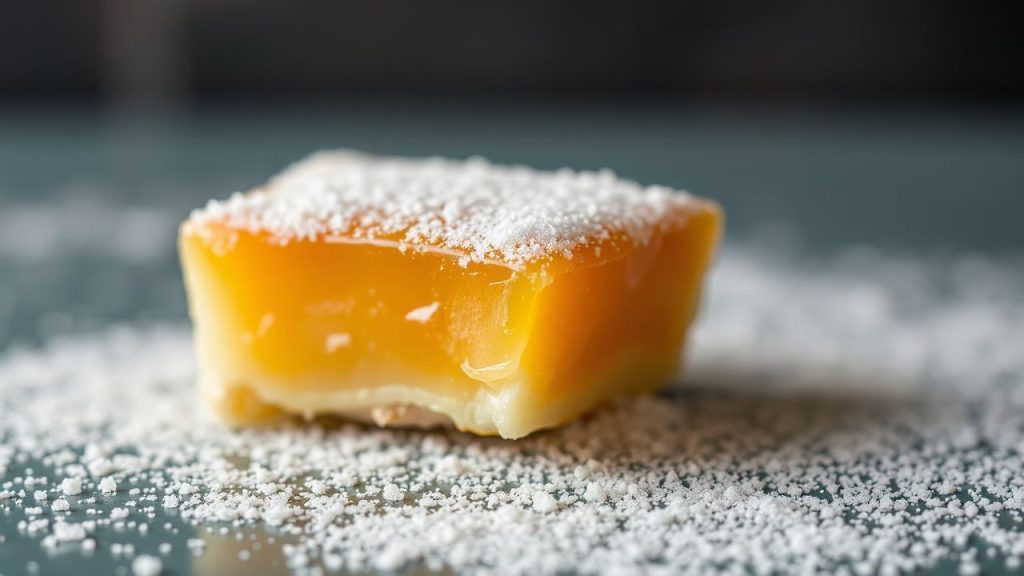
See also: glassy crust
]]>