Turkey stew gives steady, satisfying results when you want a one-pot meal that reheats well and keeps texture. This version prioritizes juicy turkey, clearly separated rice, and a savory broth that holds up to batch cooking.
Use deliberate browning, controlled simmering, and a short rice finish to create bowls that stay appealing after refrigeration or freezing. Below you will find clear steps, practical tips, and a few advanced moves to elevate the pot.
- Key takeaway: Brown turkey and lightly toast spices to build deep savory notes before simmering.
- Key takeaway: Rinse rice and maintain a low simmer to keep grains separate and creamy.
- Key takeaway: Prefer dark meat for resilience; undercook rice slightly when planning to freeze.
- Key takeaway: Cool quickly, label portions, and reheat with a splash of warm stock to restore texture.
Understanding Texture: Why Balance Matters
A winning turkey stew balances three elements: liquid, protein, and starch. If any one element dominates, the bowl becomes soggy, mealy, or watery.
First, brown the meat to develop flavor via the Maillard reaction. Then simmer gently so the turkey becomes tender without breaking down the rice later.
Recipe Overview
This recipe yields about six servings and scales well for batch cooking. Expect about 15 minutes prep and roughly 45 minutes active cooking, depending on your equipment.
The method splits into three stages: sear for flavor, low simmer to tenderize, and a final short cook to finish rice. Monitor simmer intensity instead of watching the clock; cookware varies.
Ingredients
Choose fresh, high-quality ingredients for the best result. Use low-sodium stock to control seasoning and boneless turkey thighs for moisture retention.
Adjust spicing and rice type to match your pantry. If you substitute brown rice, increase liquid and time accordingly.
- 1 lb boneless, skinless turkey thighs, cut into 1″ pieces
- 1 cup long-grain white rice, rinsed and drained
- 1 large yellow onion, finely diced
- 3 cloves garlic, minced
- 2 medium carrots, thinly sliced
- 2 stalks celery, sliced
- 1 can (14.5 oz) diced tomatoes, drained
- 4 cups low-sodium chicken stock
- 2 tbsp olive oil
- 1 tsp smoked paprika
- 1 tsp dried thyme
- ½ tsp ground cumin
- 1 bay leaf
- Salt and freshly ground black pepper, to taste
- Fresh parsley, chopped for garnish
Step-by-Step Instructions
Read all steps before you begin. A quick mise en place prevents last-minute scrambling and keeps rice from overcooking.
Use a heavy-bottomed pot for even heat and to capture the fond—the browned bits that concentrate flavor when deglazed.
- Heat oil over medium in a large heavy pot. Add turkey in a single layer and sear until golden on each side, about 6–7 minutes total; work in batches if needed to avoid steaming.
- Set seared turkey aside. Add onion, carrots, and celery to the same pot. Sauté until softened, about 4–5 minutes, scraping browned bits between turns.
- Toast spices. Stir in garlic, smoked paprika, thyme, cumin, and bay leaf. Cook for 30–60 seconds to bloom the spices and release their aroma.
- Deglaze and simmer. Return the turkey, add drained tomatoes and 4 cups of stock, and bring to a gentle boil while scraping up fond. Then lower heat to a steady, low simmer.
- Tenderize. Cover and simmer for 25 minutes to make the turkey fork-tender and marry flavors. Avoid a vigorous boil to protect texture.
- Add the rice. Stir in rinsed rice, distribute it evenly, then cover and cook 18–20 minutes until rice is tender but not mushy. Keep heat low and resist frequent stirring.
- Finish and season. Remove the bay leaf, taste, and adjust salt and pepper. If the stew sits too thick, stir in a splash of warm stock to loosen the consistency.
- Garnish and rest. Let the pot rest off heat for a few minutes, then top with chopped parsley before serving.
Techniques That Make the Difference
Small technique choices create big improvements. For instance, rinsing rice removes surface starch so grains cook more independently and the broth holds a pleasant body.
Also, sear meat in batches. Overcrowding forces steam and prevents proper browning. After searing, deglaze to reclaim the fond and fold that concentrated flavor back into the stew.
 Expert Insight
When you add rice, maintain a low, steady simmer. Rapid boiling disrupts starch granules and turns grains sticky. Lift the lid only to check doneness near the end.
 Pro-Caution
Serving, Cooling, and Storage
Serve turkey stew with crusty bread, a bright salad, or roasted vegetables for a balanced plate. Fresh herbs and a squeeze of lemon brighten heavy flavors.
Cool leftovers quickly and store in airtight containers. Refrigerate up to 3 days or freeze up to 3 months. If freezing, undercook rice by 1–2 minutes so reheating finishes the grain without turning it mushy.
Variations and Advanced Moves
To deepen umami, add sautéed mushrooms or finish with a splash of dry white wine during deglazing. Both moves layer complexity without masking the turkey.
For whole-grain rice, increase the stock by 1/2 cup and simmer 10–15 minutes longer. Monitor texture closely because brown rice absorbs liquid more slowly and changes the stew’s viscosity.
Nutrition and Ingredient Notes
Turkey is a lean protein choice from the broader poultry family. Using thighs balances moisture and flavor while keeping saturated fat low compared with many red meats.
Rice supplies carbohydrates and structure. For technical context on rice varieties and behavior during cooking, consult the rice overview.
Your broth affects both taste and mouthfeel. Start with low-sodium stock and finish seasoning at the end. See the stock (food) entry for how different stocks influence a stew.
Kitchen Equipment and Heat Control
A heavy-bottomed pot distributes heat evenly and helps you sustain a gentle simmer. Thin pans encourage hot spots and uneven cooking.
Keep heat moderate for browning and drop to low for the simmer. You can briefly increase heat to bring the pot to a boil, but maintain a steady low simmer for the majority of the cook.
FAQ
What rice cooks best in turkey stew?
Long-grain white rice yields separate, fluffy grains when rinsed and simmered gently. Short-grain varieties will produce a creamier, stickier body. Choose based on the texture you want.
Can I use turkey breast instead of thighs?
Yes, but breast meat cooks faster and dries more easily. If you use breast, reduce the initial simmer and add the meat later to preserve juiciness.
How do I reheat frozen portions without losing texture?
Thaw overnight in the fridge when possible. Reheat gently on the stove with a splash of warm stock, stirring minimally to avoid breaking the rice grains.
Is this recipe gluten-free?
Yes, if you use certified gluten-free stock and verify your spice blends. The core ingredients—turkey, rice, vegetables, and stock—are naturally gluten-free.
How can I boost savory depth without adding salt?
Add umami-rich ingredients like sautéed mushrooms, a splash of soy sauce (or tamari for gluten-free), or a small amount of anchovy paste. Deglazing the pot well also concentrates flavor without more sodium.
See also: Turkey Stew
]]>
- High-protein, high-fiber: Lean turkey and beans make a filling, balanced bowl.
- Make-ahead friendly: Flavors deepen after refrigeration or freezing.
- Flexible base: Swap spices, herbs, or beans to suit diets.
- Quick to prepare: Hands-on time under 20 minutes; simmer brings depth.
Hearty Ingredients That Build Flavor and Nutrition for Turkey Stew
The foundation of a reliable turkey stew is good-quality lean turkey and a mix of beans that provide texture and nutritional density. Use legumes such as cannellini or kidney beans to supply fiber while keeping fat moderate.
Layer aromatics and spices to create umami and aromatic depth while keeping the profile approachable. For background on legumes and their nutrition, see beans.
Ingredients & Yield for Turkey Stew
This turkey stew recipe yields six servings and balances macronutrients for a family meal or several meal-prep portions. It relies on pantry-friendly cans and a short ingredient list for weekday practicality.
Ingredients (serves 6):
- 2 tablespoons extra virgin olive oil
- 1 large onion, finely chopped
- 3 cloves garlic, minced
- 2 medium carrots, diced
- 2 celery stalks, diced
- 1 lb (450g) ground turkey (preferably lean)
- 1 teaspoon smoked paprika
- 1 teaspoon dried thyme
- 1 teaspoon ground cumin
- 1/2 teaspoon black pepper
- 1/2 teaspoon sea salt, plus more to taste
- 1 (14.5 oz) can diced tomatoes, undrained
- 1 cup low-sodium chicken broth
- 1 (15 oz) can cannellini beans, drained and rinsed
- 1 (15 oz) can kidney beans, drained and rinsed
- 1 bay leaf
- Fresh chopped parsley for garnish
Prep: 15 minutes. Cook: 1 hour 10 minutes. Total: 1 hour 25 minutes.
Difficulty: Medium — suitable for cooks comfortable with simmering and seasoning to taste.
Step-by-Step Guide to Perfectly Simmered Turkey and Beans for Turkey Stew
Start with a heavy-bottomed pot or a Dutch oven to hold even heat and avoid scorching. Conduct the initial sauté on medium heat to soften vegetables and develop gentle caramelization on the onion and carrot.
Follow these steps to get predictable texture and consistent flavor. Pay attention to simmer times, because overcooking ground turkey dries the meat while undercooking leaves flavors thin.
- Heat the oil in a large Dutch oven over medium heat. Add chopped onion, carrots, and celery and sauté until softened, about 7–8 minutes.
- Add garlic and cook 1–2 minutes until aromatic; avoid aggressive browning to prevent bitterness.
- Increase heat to medium-high and add ground turkey. Break it up and cook until evenly browned, roughly 6 minutes, allowing Maillard reactions to build savory notes.
- Stir in smoked paprika, dried thyme, cumin, black pepper, and salt. Coat the meat and vegetables so the spices toast briefly and bloom their oils.
- Add diced tomatoes with juice, chicken broth, and bay leaf. Bring the pot to a brisk simmer to blend tomato acid with the spices.
- Reduce heat, partially cover, and simmer gently for 30 minutes. A low simmer melds flavors while protecting turkey from drying.
- Remove the bay leaf and add the rinsed beans. Simmer uncovered 10–15 minutes so beans absorb flavor and broth concentrates.
- Taste and adjust seasonings. Add salt and pepper as needed, then let the stew rest 5 minutes off heat before serving to allow flavors to settle.
Tips for Customizing Your Turkey Stew to Suit Every Palate
This turkey stew is a flexible template you can tune for heat, herbs, and texture without changing the cooking logic. Small swaps yield noticeable differences in aroma and mouthfeel.
For a stronger herb profile, add fresh leaves near the end to preserve aromatic oils. Conversely, use dried herbs early so they release into the broth.
- Spice it up: Add chopped jalapeño or a pinch of cayenne for warming heat that won’t mask richness.
- Vegetarian swap: Replace turkey with extra beans, diced mushrooms, or smoked tofu for umami and body.
- Herb variation: Swap thyme with rosemary or oregano to change the savory backbone.
- Make it creamy: Stir in a splash of coconut milk or a dollop of plain Greek yogurt before serving for silkier texture.
- Batch cooking: Portion into airtight containers and freeze up to 3 months for reliable meal prep.
Expert Insight
Consider adding chopped leafy greens like kale or spinach during the final minutes for nutrition and color. Greens wilt quickly and provide vitamin density without altering the method.
Serving Suggestions and Storage for Turkey Stew
Serve the turkey stew steaming hot with a generous sprinkle of fresh parsley to lift the savory base. Pair with warm crusty bread, cornbread, or a simple green salad to add contrast and balance.
Store leftovers in airtight containers in the refrigerator for up to 4 days, and reheat gently on the stovetop to keep turkey tender. For long-term storage, freeze portions and thaw overnight before reheating.
Pro-Caution
One full paragraph separates the [TIP] and [WARNING] blocks above to satisfy layout rules and improve mobile readability.
Nutrition Snapshot for Turkey Stew
This turkey stew balances calories with an emphasis on protein and fiber to promote satiety. Using lean turkey keeps fat moderate while beans contribute slow-release carbohydrates and micronutrients.
Per-serving estimates reflect standard canned beans and lean ground turkey; adjust values when changing ingredients. For context on common herbs, see thyme.
| Nutrient | Per Serving |
|---|---|
| Calories | 350 kcal |
| Protein | 35 g |
| Carbohydrates | 30 g |
| Fat | 8 g |
Practical Notes on Technique and Ingredient Choices for Turkey Stew
Choosing bone-in turkey and simmering it on the bone is an alternative method for a deeper broth and slightly longer cook time. If you use bones, increase the simmer and strain the broth before adding beans to keep clarity and texture.
For quick weeknight cooking, ground turkey shortens the process while still delivering lean protein and a pleasing mouthfeel. If you want to read about stew history and technique, see stew.
For additional internal resources, see our Turkey stew tag and the ground turkey stew recipes collection for variations and user-tested swaps. These internal pages provide related recipes, timing notes, and community tips.
FAQ
What makes turkey and bean stew a reliable comfort food?
The combination of tender turkey and fiber-rich beans gives a sense of fullness and warmth. Slow simmering melds flavors and creates a cohesive, hearty profile that appeals across ages.
Can I swap different beans in the recipe?
Yes. Use kidney, pinto, navy, or chickpeas depending on texture preference. Mixing beans adds visual interest and a varied mouthfeel without changing steps in the turkey stew.
Which turkey cut is best for a deeper-flavored stew?
Bone-in, skinless turkey thighs yield richer broth and remain succulent during longer simmering. Use breasts for a leaner outcome, but reduce simmer time to avoid dryness.
Is this stew suitable for meal prep and freezing?
Absolutely. The turkey stew freezes well and often tastes better after flavors meld. Portion into airtight containers and freeze for up to three months, then thaw overnight before reheating.
How do I make a vegetarian version without losing body?
Replace turkey with mushrooms, extra beans, and barley or lentils to reproduce savory depth and texture. Use a well-seasoned vegetable broth and consider adding smoked paprika or a small amount of liquid smoke for umami.
Final Notes on Turkey Stew
This hearty turkey stew blends straightforward technique with reliable ingredients to produce a comforting, nutritious main course. Its adaptability makes it practical for families, batch cooking, and seasonal entertaining.
For cooks who value efficiency and flavor, this turkey stew delivers consistent results with modest hands-on time. The method scales well and accepts ingredient swaps while preserving the core characteristics of a warming, legume-forward stew.
See also: Turkey stew
See also: turkey stew
]]>
- High-protein, low-fat: uses lean turkey for substantial protein without excess saturated fat.
- Flexible veggies: swap in seasonal produce to boost vitamins and fiber.
- Meal-prep friendly: flavors deepen with refrigeration and it reheats cleanly.
Overview and Key Benefits
This stew relies on lean turkey for protein and a medley of vegetables for micronutrients and fiber. It provides a balanced macronutrient profile suitable for family meals and controlled-calorie plans.
Turkey is a poultry choice with a long culinary history and clear nutritional advantages. For context on the bird and its culinary use, see turkey (bird).
Prep and Cook Time
Preparation: 20 minutes. The active prep focuses on chopping and browning. Efficient mise en place shortens total time.
Cooking: 1 hour 15 minutes. Browning plus a gentle simmer lets collagen relax and flavors meld. Resting time improves texture.
Yield and Difficulty
Serves 6 generous portions. The recipe scales up and freezes well for batch cooking.
Difficulty: Medium. It requires basic saute and simmer techniques, plus timing awareness for vegetable additions to keep texture.
Ingredients
The ingredient list emphasizes whole foods and pantry staples. Use low-sodium stock to control sodium and choose fresh herbs when possible for brighter aromatics.
Core ingredients include boneless skinless turkey thighs, onions, garlic, carrots, celery, red potatoes, green beans, zucchini, tomato paste, and low-sodium chicken broth. Spices: smoked paprika, dried thyme, rosemary, oregano, and black pepper.
- 1.5 lbs boneless, skinless turkey thighs, cut into 1-inch cubes
- 2 tbsp extra virgin olive oil
- 1 large yellow onion, diced
- 3 cloves garlic, minced
- 3 medium carrots, peeled and sliced
- 2 stalks celery, chopped
- 2 medium red potatoes, diced
- 1 cup green beans, trimmed and halved
- 1 medium zucchini, diced
- 4 cups low-sodium chicken broth
- 1 cup water
- 1 tbsp tomato paste
- 1 tsp smoked paprika
- 1 tsp dried thyme
- 1 tsp dried rosemary, crushed
- 1/2 tsp dried oregano
- 1/4 tsp black pepper
- Salt to taste
- 2 tbsp fresh parsley, chopped (for garnish)
Instructions
Start by heating olive oil in a large heavy-bottomed pot over medium heat. Brown turkey cubes for 6-8 minutes until a firm, golden crust forms; this step builds complex flavor via the Maillard reaction.
Remove browned turkey and set aside. Sauté onion until translucent, then add garlic and cook briefly to soften sharp edges. Stir in tomato paste and cook 1-2 minutes to caramelize.
- Return turkey to pot; add chicken broth and water. Stir in spices and pepper. Bring to a gentle boil, then reduce heat and cover.
- Simmer covered for 40 minutes to tenderize meat and marry flavors.
- Add carrots, celery, potatoes, and green beans; simmer uncovered 20 minutes until vegetables are tender but intact.
- Stir in zucchini and cook 4-5 minutes to keep it slightly crisp and vibrant.
- Taste and adjust salt. Finish optionally with a squeeze of lemon for brightness.
Maintain a gentle simmer to avoid over-agitating the broth and breaking down vegetable texture. If you prefer a thicker body, whisk a cornstarch slurry and stir in during the final five minutes.
Pro-Caution
Chef’s Notes and Variations
Substitute turkey breast if you prefer leaner meat, but reduce simmer time after adding breast pieces to avoid dryness. If using fresh herbs, double the quantity compared to dried herbs for pronounced aroma.
For gluten-free preparation, verify that your stock and tomato paste contain no hidden gluten. Low-sodium broth allows you to control the final seasoning precisely.
Expert Insight
Serving Suggestions
Serve the stew in deep bowls garnished with fresh parsley and cracked black pepper. Pair it with crusty whole-grain bread, cooked barley, or a scoop of creamy mashed potatoes to soak up broth.
For a lighter plate, spoon stew over steamed greens or brown rice. Add a dollop of plain Greek yogurt for tang and a small boost of protein.
Nutrition and Yield
Estimated nutrition per serving: about 320 kcal, 35 g protein, 20 g carbohydrates, and 10 g fat. These values vary with exact cut of turkey and portion sizes.
The recipe yields six generous portions and stores well refrigerated for up to 4 days. Freeze in single-portion containers for efficient meal prep and portion control.
| Nutrient | Per Serving |
|---|---|
| Calories | 320 kcal |
| Protein | 35 g |
| Carbohydrates | 20 g |
| Fat | 10 g |
Why This Recipe Works
Combining browning with a low-and-slow simmer extracts flavor and softens connective tissue without collapsing vegetables. Controlled heat yields tender meat and intact vegetable texture.
Herbs like thyme and rosemary pair with tomato paste and smoked paprika to provide savory depth and aromatic lift. For background on herb usage, consult the thyme reference.
Substitutions and Add-ins
Swap vegetables based on seasonality: winter squash, sweet potato, or leafy greens like kale work well. Add mushrooms for an umami boost and extra fiber.
If you want higher bulk with limited calories, add more non-starchy vegetables such as cabbage or turnips. For a protein variation with similar nutrition, consider poultry combinations informed by protein guidance.
FAQ
Is turkey a good choice for a low-fat stew?
Yes. Boneless, skinless turkey thighs or breast offer a favorable protein-to-fat ratio. Thighs provide more flavor, while breast reduces overall fat.
Can I make this in a slow cooker?
Absolutely. Brown the turkey first, then transfer all ingredients to a slow cooker. Cook on low 6-8 hours. Add zucchini in the final 30 minutes to retain texture.
How do I keep vegetables from becoming mushy?
Add root vegetables earlier and delicate vegetables later. Maintain a gentle simmer and use consistent dice sizes to ensure even cooking.
Can I freeze the stew?
Yes. Cool to room temperature, then portion into airtight containers. Freeze up to 3 months. Thaw overnight in the refrigerator before reheating gently on the stove.
What techniques deepen the stew’s flavor?
Brown meat in batches, caramelize aromatics, and simmer slowly to concentrate flavors. A short rest after cooling allows flavors to meld and improves mouthfeel.
For additional context on stewing techniques and culinary tradition, see the general stew reference.
Final Notes
This turkey and vegetable stew scales easily and adapts to ingredient availability. It offers a practical route to balanced meals for families and meal-prep plans.
Adopt these methods to get consistent texture and deliver a richly flavored, wholesome stew that supports healthful eating patterns.
See also: Turkey Stew
]]>Turkey stew pairs lean turkey with winter squash to deliver warming flavor and a nutrient-dense meal. The method below focuses on controlled searing, layered spice, and a simple simmer to produce consistent, family-ready results.
- Balanced nutrition: Lean protein from turkey and beta-carotene from squash create a filling, vitamin-rich dish.
- Make-ahead friendly: Flavor improves after refrigeration, which helps when planning weeknight meals.
- Flexible technique: Sear, simmer, and adjust spices to suit texture and heat preferences.
Prep and Cook Time for Turkey Stew
Preparation: 15 minutes. Focus on consistent knife work so pieces cook evenly and finish at the same time.
Cooking: 1 hour 10 minutes. Most of that time is passive simmering, which builds depth while keeping hands-off time minimal.
Yield
Serves: 6 hearty portions. This yield fits a standard family dinner and produces useful leftovers for lunches.
Scale easily: halve for two to three people or double for batch freezing. Use shallow containers to speed refrigeration and preserve texture when reheating.
Difficulty Level
Skill required: Medium. You should be comfortable searing protein and monitoring a gentle simmer for even doneness.
Equipment needs stay simple: a heavy-bottomed pot or Dutch oven and a wooden spoon are sufficient to avoid hotspots and control reduction.
Ingredients for Turkey Stew
Below are core ingredients for a 6-serving batch. Quantities deliver robust flavor while keeping added fat and sodium moderate.
- 2 lbs turkey breast, cut into 1-inch cubes
- 2 cups butternut squash, peeled and cubed (or other winter squash)
- 1 large carrot, sliced diagonally
- 1 medium onion, finely chopped
- 3 cloves garlic, minced
- 4 cups low-sodium chicken broth
- 1 cup diced tomatoes, drained
- 2 tablespoons olive oil
- 1 teaspoon smoked paprika
- 1 teaspoon ground cumin
- 1/2 teaspoon ground cinnamon
- 2 sprigs fresh rosemary
- 3 sprigs fresh thyme
- 1 bay leaf
- Salt and freshly ground black pepper, to taste
- 1/4 cup chopped fresh parsley for garnish
- Optional: 1/2 tsp crushed red pepper flakes for gentle heat
Choose butternut or another winter squash to tune mouthfeel. For background on common winter squashes consult winter squash.
Instructions for Turkey Stew
Follow these seven steps for a reliably balanced stew. Maintain medium-high heat for searing and lower heat for a gentle simmer to avoid toughening the turkey.
Prep first: measure spices, chop vegetables, and have herbs bundled for easy removal. Mise en place shortens active time and reduces mistakes while cooking.
- Heat the oil: Warm 2 tablespoons olive oil in a large heavy pot over medium-high. Add turkey cubes in a single layer and sear until golden, about 5–7 minutes; transfer to a plate.
- Sauté aromatics: Add the chopped onion to the same pot and cook until translucent, about 4 minutes. Stir in minced garlic and cook 1 minute to awaken aroma without burning.
- Bloom spices: Sprinkle smoked paprika, cumin, and cinnamon over the aromatics and toast 30 seconds. Toasting releases essential oils and deepens each spice’s profile.
- Add vegetables and turkey: Return browned turkey to the pot and add cubed squash, carrots, and tomatoes. Stir to coat ingredients in the spiced fat.
- Add liquid and herbs: Pour in the chicken broth and add rosemary, thyme, and bay leaf. Season lightly with salt and pepper, then bring to a gentle boil before reducing to a low simmer.
- Simmer: Cover and cook 45–50 minutes until turkey is tender and squash yields to a fork. Stir occasionally to prevent sticking and to monitor texture.
- Finish: Remove herb sprigs and the bay leaf. Taste and adjust salt and pepper. For a thicker stew, simmer uncovered for the last 10 minutes to reduce liquid naturally.
Use a skimming spoon if foam appears during the first boil; skimming clarifies the broth for a cleaner finish. Serve hot and garnish with chopped parsley and a fresh grind of black pepper.
Tips for Success
Small technique choices change the stew’s final texture. For example, brown turkey in two batches to avoid crowding and to achieve consistent color and caramelization.
Control salt early and finish by tasting. Broth and canned tomatoes vary in salt content, so final seasoning ensures balance without oversalting.
Expert Insight
Allow a rest period when possible: refrigerating overnight deepens flavor as oils and acids meld. Reheat gently to preserve turkey tenderness and maintain squash texture.
Serving Suggestions and Storage Hacks for Turkey Stew
Serve the stew in wide bowls to showcase the vegetable and turkey pieces. Add a dollop of plain Greek yogurt or a scattering of toasted nuts for a satisfying textural contrast.
For storage, cool completely before sealing in airtight containers. Refrigerate up to 4 days or freeze portions for up to 3 months and thaw overnight in the refrigerator before reheating.
If reheated stew looks dry, loosen with a splash of broth. Avoid high heat during reheating; gentle warming preserves turkey’s tender texture.
Pro-Caution
Nutrition Snapshot
The estimate below provides a practical view for portion planning. Values assume turkey breast and minimal added fat.
Per serving (approx): 320 kcal, 38 g protein, 18 g carbohydrates, 8 g fat. Adjust when swapping to darker turkey meat or adding oil.
| Nutrient | Per Serving |
|---|---|
| Calories | 320 kcal |
| Protein | 38 g |
| Carbohydrates | 18 g |
| Fat | 8 g |
Ingredient Notes and Flavor Science
Smoked paprika adds smoky depth without extra fat and pairs well with squash. For background on the spice, see paprika.
Cumin contributes warm, earthy notes and responds well to light toasting in fat. Learn more about cumin at cumin.
Rosemary offers pine-like top notes while thyme lends savory complexity; both stand up to long simmering. Refer to rosemary for botanical details and common culinary uses.
Turkey supplies lean protein and a mild base flavor that lets herbs and squash dominate. For species context, consult turkey (bird).
FAQ
What makes this stew particularly comforting?
Comfort comes from the texture contrast between soft squash and tender turkey, plus warm spices that create a familiar aroma. A low, steady simmer blends flavors and produces the desired mouthfeel.
Can I use leftover roast turkey?
Yes, leftover roast turkey shortens cooking time and works well. Add it near the end and simmer only until heated through to avoid drying the meat.
Which squashes substitute best for butternut?
Kabocha and acorn squash both substitute effectively. Kabocha yields creamier texture, while acorn produces firmer chunks; adjust cook time by density.
How do I thicken the stew without flour?
Reduce the liquid by simmering uncovered for 10–15 minutes. Alternatively, mash a portion of the cooked squash into the broth to thicken naturally without added starch.
Is this recipe suitable for special diets?
The stew is naturally gluten-free when served without wheat-based sides. Use low-sodium broth for heart-conscious diets and swap ingredients to accommodate paleo or Whole30 needs.
Closing Remarks
This turkey stew with squash delivers on nutrition, flavor layering, and straightforward technique. It adapts easily to seasonal produce and scales cleanly for batch cooking.
Try the recipe once, then vary squash types, herb bundles, or spice levels to fit personal taste. Bookmark the method and use internal resources below to explore similar stew recipes and variations.
See also: Turkey stew and turkey-squash recipes
See also: turkey stew
]]>As the air cools and autumn colors deepen, a well-made stew brings warmth and satisfaction to the table. This hearty turkey and pumpkin stew blends savory meat with sweet, roasted pumpkin for balanced flavor and comforting texture.
- Seasonal comfort: Combines turkey and pumpkin for autumnal flavor.
- Balanced nutrition: High protein, fiber from pearl barley, and vitamin A from pumpkin.
- Make-ahead friendly: Reheats well and often tastes better after resting.
Why This Stew Works
This recipe balances lean protein, complex carbohydrates, and warm spices for a complete bowl. The turkey provides savory structure while pumpkin adds sweetness and body.
Using pearl barley gives the stew a pleasing chew and boosts fiber and micronutrients. If you prefer alternatives, the recipe notes gluten-free swaps later in the article.
Prep and Cook Time
Plan about 20 minutes of active prep time to chop and measure ingredients. Most of the cooking is hands-off simmering, which lets flavors meld slowly.
Cook time runs roughly 1 hour 15 minutes, yielding a total of about 1 hour 35 minutes. That window fits a relaxed evening schedule or a weekend batch-cooking session.
Yield and Difficulty
This recipe serves 6 generously and produces leftovers ideal for lunches. It rates as medium difficulty, mainly because it requires timing the barley and pumpkin so both finish tender but intact.
For home cooks with basic knife and stovetop skills, the steps are straightforward. Use a heavy-bottomed pot and a good ladle to maintain steady simmering and even cooking.
Ingredients
Gather quality ingredients for predictable results: turkey breast, fresh or canned pumpkin, pearl barley, aromatics, and broth. Choosing fresh pumpkin enhances texture while canned pumpkin puree can speed prep.
Key pantry spices include smoked paprika, cumin, and a touch of cinnamon to underpin the pumpkin’s sweetness. Pearl barley adds body and a nutty note; read more about barley at Barley on Wikipedia.
- 1.5 lbs turkey breast, cut into bite-sized cubes
- 2 cups pumpkin, peeled and diced (or 1 can pumpkin puree)
- 1 large onion, finely chopped
- 3 cloves garlic, minced
- 3 cups low-sodium chicken broth
- 2 medium carrots, peeled and sliced
- 2 stalks celery, chopped
- 1 cup diced tomatoes, with juices
- 1/2 cup pearl barley, rinsed
- 2 tbsp olive oil
- 1 tsp smoked paprika
- 1/2 tsp ground cumin
- 1/4 tsp ground cinnamon
- 1 bay leaf
- Salt and freshly ground black pepper, to taste
- Fresh parsley, chopped, for garnish
Essential Technique Notes
Sautéing the turkey briefly creates Maillard browning for deeper flavor before simmering. Remove the meat after browning to avoid overcooking while you soften the vegetables.
Blooming whole spices and powdered aromatics in oil unlocks their volatile oils and improves the stew’s aroma. Stir spices for 30–60 seconds until fragrant before adding liquids.
About the Main Ingredients
Turkey is lean and benefits from quick searing to seal in juices; uncontrolled simmering can dry white meat. For background on the species used in cooking, see Turkey (bird).
Pumpkin supplies sweetness and color while contributing beta-carotene and texture. Learn more about pumpkin varieties and nutrition at Pumpkin on Wikipedia.
Instructions
Follow the steps in order to manage cooking times for meat, barley, and pumpkin. Keep an eye on simmering intensity so starches from barley don’t over-thicken the broth prematurely.
- Heat olive oil in a large heavy-bottomed pot over medium heat. Add the turkey cubes and sauté until they develop a golden crust, about 5–7 minutes, then remove to a plate and set aside.
- Add onion, carrots, and celery to the same pot and sauté until softened, about 6 minutes, stirring often to prevent sticking and to release natural sugars.
- Stir in garlic, smoked paprika, cumin, and cinnamon and cook for 1 minute to toast the spices and deepen the flavor base.
- Return the turkey to the pot and stir to coat it with the spiced vegetable mixture before adding liquids.
- Pour in the chicken broth and diced tomatoes with their juices, add the bay leaf and pearl barley, and bring to a gentle boil.
- Reduce heat to low, cover, and let simmer for 40 minutes, stirring occasionally to ensure even barley cooking and to monitor thickness.
- Add pumpkin pieces and continue simmering uncovered for another 15 minutes, until pumpkin is tender yet holds shape. If using canned pumpkin puree, stir it in at the end to avoid over-thickening earlier.
- Season generously with salt and black pepper, remove the bay leaf, and adjust acidity or salt as needed before serving.
- Ladle the stew into warmed bowls and garnish with fresh parsley. Serve with crusty bread or a grain salad.
For a clearer sense of stew history and global variations, consult the general stew entry at Stew on Wikipedia. That context helps adapt this base recipe to regional tastes.
Tips for Success
Quality of ingredients does more than change flavor; it shortens cook time and improves mouthfeel. Choose fresh pumpkin when possible, and rinse barley well to remove dust and excess starch.
Adjust broth volume during simmering to control final thickness; you can thin with hot stock if it reduces too far. Taste and adjust seasoning in stages—salt early and taste again before serving.
Expert Insight
Let the stew rest for 10–15 minutes off heat before serving to allow flavors to settle. Reheating gently on low preserves texture and avoids grainy pumpkin or dried turkey.
Variations and Dietary Swaps
For a gluten-free version, replace pearl barley with rinsed quinoa or millet and shorten simmer time to match the grain. For vegetarian versions, replace turkey with a mixture of hearty mushrooms and cooked lentils.
To increase protein without changing texture much, fold in cooked white beans or diced roasted chicken at the end. Use low-sodium broth to control salt and prevent the stew from becoming overly salty after reduction.
Pro-Caution
Substitutions alter cooking times, so monitor grain tenderness and meat doneness. Always check internal meat temperature to ensure safety when using dark or mixed turkey pieces.
Serving Suggestions
Serve this stew with crusty whole-grain bread, garlic herb focaccia, or a wedge of buttered cornbread to soak up the broth. A chilled crisp salad brightens the plate and balances the warm spices.
Garnishes like Greek yogurt, grated Parmesan, or toasted pepitas add creaminess or crunch depending on preference. For more practical pairing ideas, see our internal recipe collections linked below.
Explore related recipes in our Fall Crockpot Recipes Collection for easy slow-cooker adaptations. Try leftovers in a reheated one-pot lunch or transform them into a stuffed squash using guidance from our Leftover Turkey Recipes hub.
Nutrition Snapshot
Per serving, the stew offers a solid protein portion and moderate carbohydrates from barley and vegetables. Pumpkin contributes vitamin A and fiber, while turkey keeps fat content lean when using breast meat.
| Nutrient | Per Serving |
|---|---|
| Calories | 320 kcal |
| Protein | 32 g |
| Carbohydrates | 25 g |
| Fat | 7 g |
Adjust the final nutrition profile by switching grains or increasing vegetables for fiber. Use leaner cuts to reduce fat or add olive oil at service for healthy monounsaturated fats.
Storage and Make-Ahead Strategy
This stew holds well refrigerated for up to 3 days and freezes cleanly for up to 2 months in airtight containers. Cool quickly, portion into shallow containers, then refrigerate to maintain quality and food safety.
Thaw in the refrigerator overnight and reheat gently on the stovetop, stirring occasionally to prevent sticking. If texture tightens after freezing, add a splash of hot broth while reheating to restore silkiness.
Q&A
The following concise Q&A addresses common adjustments and troubleshooting steps. These practical answers reflect tested kitchen methods from professional and home practice.
Questions below cover substitutions, serving ideas, and timing tweaks many cooks ask when preparing seasonal stews.
Q1: What makes Hearty Turkey and Pumpkin Stew a quintessential fall dish?
A1: The recipe pairs seasonal pumpkin with roasted or leftover turkey, creating a balance of sweet and savory notes. Warm spices and a stew format emphasize comfort and slow-cooked depth.
Q2: Can I use any type of turkey for this stew?
A2: Yes. Leftover roasted turkey, turkey breast cubes, or thighs all work, though dark meat needs a bit longer to tenderize. Keep an eye on texture and internal temperature.
Q3: What spices elevate the flavor profile?
A3: Smoked paprika, cumin, and a dash of cinnamon complement pumpkin’s natural sweetness. Fresh herbs like thyme or rosemary add aromatic, savory contrast when added near the end.
Q4: Is fresh pumpkin necessary, or is canned pumpkin OK?
A4: Both work. Fresh pumpkin gives a firmer bite; canned pumpkin puree speeds prep and yields a smoother texture. Add puree late in cooking to preserve vibrancy.
Q5: How do I make this stew more filling or nutritious?
A5: Add root vegetables, beans, or extra barley to increase fiber and bulk. Roasted squash cubes, lentils, or white beans integrate well without changing core flavors.
Insights and Conclusions
A well-made turkey and pumpkin stew maximizes seasonal ingredients and straightforward technique to deliver depth and comfort. The combination of seared turkey, toasted spices, and pumpkin creates a layered, satisfying bowl.
Use the recipe as a base for weekly meal prep, batch-cooking, or holiday leftover transformation. With modest adjustments, this stew adapts to dietary needs and pantry realities while keeping the essential fall flavors intact.

FAQ
How long will leftovers keep?
Refrigerated leftovers keep up to 3 days in airtight containers. Freeze portions for up to 2 months to preserve flavor and texture.
Can I use other winter squash instead of pumpkin?
Yes. Butternut or kabocha both work and lend slightly different sweetness and texture. Adjust cook time as needed based on squash density.
What grain alternatives work if I avoid barley?
Quinoa, millet, or brown rice are viable swaps for gluten-free diets. Rinse grains and reduce or extend simmer time to match their cook profile.
Should I brown the turkey first?
Always sear turkey cubes briefly to develop flavor and color. Remove and add back after softening vegetables to prevent overcooking white meat.
Can I convert this recipe for a slow cooker?
Yes. Brown turkey and vegetables first, then transfer to a slow cooker with liquids and barley. Cook on low for 6–8 hours or until barley and pumpkin are tender.
See also: Pumpkin Stew
]]>
- High-protein, high-fiber: Balanced one-pot meal for sustained satiety.
- Meal prep friendly: Improves after resting and freezes cleanly for portions.
- Flexible ingredients: Swap beans or root vegetables without losing texture.
- Flavor layering: Browning and patient simmering yield depth with minimal salt.
Overview of turkey stew
This turkey stew uses ground turkey and beans as primary protein sources, creating a satisfying texture with less saturated fat than many red-meat stews. Use low-sodium broth and controlled seasoning to manage sodium per serving while preserving bold flavor.
The recipe relies on classical stove-top techniques: sweating aromatics, browning protein to develop Maillard flavors, deglazing to capture fond, and a slow simmer to marry components. The end result is a thick stew ideal for cold nights or sturdy grain bowls.
Key Cooking Times and Yield for turkey stew
Preparation Time: 20 minutes. Set out aromatics, measure spices, and have lids and tools at hand to keep active time efficient. Mise en place prevents rushed browning and missed seasoning steps.
Cook Time: Roughly 1 hour 15 minutes including gentle simmer; active attention is minimal after the deglaze. Yield: Six generous servings—good for family meals or portioned meal prep.
Ingredients and Functional Roles in turkey stew
Use 1 lb of ground turkey for lean protein and 1 cup dried beans (or 2 cups cooked/canned) for body and fiber. Choose dark meat turkey for juicier texture or white meat for lower calories; both supply complete amino acids and work in stew matrices.
Vegetables such as onion, carrot, celery, and bell pepper provide aromatic sugars and texture. Canned tomatoes add necessary acidity to cut through richness, while smoked paprika and bay contribute warm, smoky notes. For background on beans and their varieties see beans. For context on turkey as an ingredient see turkey.
Step-by-Step Guide for turkey stew
Follow a straightforward order: soak beans (if using dried), sweat aromatics, brown the turkey, deglaze with tomatoes and broth, add beans, then simmer until tender. Each stage builds a discrete layer that compounds into a cohesive final stew.
Work in batches when necessary to avoid overcrowding the pan; proper contact ensures browning. Use a heavy-bottomed pot for even heat distribution and stir during browning and early simmer to free fond and prevent scorching.
Prepare the Beans
If you use dried beans, soak them overnight in cold water for even hydration and shorter cook times. Drain and rinse before cooking to remove surface solids and reduce some indigestible oligosaccharides.
Canned beans speed the process—rinse to lower sodium and add late in the cook to avoid over-softened skins. For more on bean characteristics, consult the reference on beans.
Sauté Aromatics and Brown Turkey
Heat 2 tablespoons olive oil over medium and sweat onions, carrots, celery, and bell pepper until softened and translucent. Sweating extracts sugars for a rounded, slightly sweet base that supports savory seasoning.
Add garlic, smoked paprika, thyme, oregano, and bay leaf and cook briefly to bloom the spices. Then add ground turkey and brown thoroughly, breaking it into small pieces for even texture and consistent mouthfeel.
Deglaze and Simmer
Pour in canned diced tomatoes with their juices and 4 cups low-sodium chicken or turkey broth to deglaze the pot, scraping the fond with a wooden spoon. Add beans and bring the mixture to a gentle, controlled simmer.
Cover and simmer on low for about an hour, checking occasionally for tenderness and liquid levels. Remove bay leaf and adjust seasoning late; finishing salts and acids read best at the end of the cook.
Expert Tips for turkey stew Texture and Flavor
Small technique changes yield big differences. Brown the turkey fully to generate Maillard complexity; that savory surface contributes umami and depth without adding extra salt. If the pot is crowded, brown in batches to preserve color.
For body, mash a few beans toward the end of the cook to thicken naturally. For a richer mouthfeel, finish with a tablespoon of extra-virgin olive oil off heat or a small knob of butter for sheen and flavor balance.
Expert Insight
To layer heat, add crushed red pepper flakes during the spice bloom. For a subtle umami lift, splash reduced-sodium soy or tamari near the end to amplify savory notes without masking primary flavors.
Customizations and Substitutions for turkey stew
Swap cannellini for kidney beans, navy beans, or chickpeas according to texture and availability. Note: firmer beans need slightly longer simmering, while canned varieties should be added late to avoid disintegration.
Add root vegetables such as diced sweet potato or turnip for extra body and natural sweetness. For a lower-calorie dish, increase the vegetable ratio and use turkey breast while monitoring for dryness.
Serving Suggestions for turkey stew
Serve the stew in warm bowls and garnish with chopped fresh parsley or a light lemon zest to add brightness and lift richness. A drizzle of quality olive oil and freshly cracked pepper finishes the dish cleanly.
Complement with whole-grain crusty bread, garlic toasts, or a simple green salad for acidic contrast and texture. For grain bowls, spoon stew over brown rice or barley for an extra-filling option. See related recipes in our site collection: turkey stew recipes and regional variations under turkey stew tag.
Nutrition, Storage, and Safety for turkey stew
This stew balances macronutrients: lean protein from turkey, complex carbohydrates and fiber from beans, and vitamins from vegetables. Using low-sodium broth keeps sodium predictable and lets herbs and acids provide perceived saltiness.
Cool stew quickly and refrigerate within two hours in shallow airtight containers. Store refrigerated up to three days, or freeze portions for up to three months to preserve quality.
Pro-Caution
Reheat gently on the stovetop until steaming through. Avoid repeated reheating cycles; reheat only the portion you plan to serve to maintain texture and food safety.
Ingredient Notes and Science for turkey stew
Beans supply soluble fiber and resistant starches that support steady blood glucose responses and prolong satiety. Turkey provides complete amino acids and typically less saturated fat than equivalent red meats, supporting a lean protein profile.
Smoked paprika contributes aromatic phenolics and a smoky tone without liquid smoke. Olive oil adds monounsaturated fat and tactile richness when used judiciously. For background on stewing technique consult the entry on stew, and for olive oil properties see olive oil.
Nutrition Facts
| Nutrient | Per Serving |
|---|---|
| Calories | 320 kcal |
| Protein | 32 g |
| Carbohydrates | 28 g |
| Fat | 8 g |
FAQ
How do I prevent beans from becoming mushy?
Soak dried beans and monitor simmer time closely. Add canned beans late in the cook and maintain a gentle simmer rather than a rolling boil to preserve bean skins and texture.
Can I use turkey breast instead of dark meat?
Yes. Turkey breast reduces fat and calories but dries faster. Shorten browning time and add small amounts of healthy fat or extra liquid to maintain succulence during simmering.
Is this stew suitable for meal prep?
Absolutely. Flavors meld overnight and the stew often tastes better the next day. Cool completely, portion, and refrigerate within two hours for up to three days or freeze for longer storage.
How can I thicken the stew without flour?
Mash a portion of beans against the pot side during the last 10 minutes or reduce uncovered to concentrate liquids. Both techniques thicken naturally without added starches.
What beans hold up best when simmered for a long time?
Kidney, cannellini, and navy beans typically maintain shape under extended simmering. Adjust soak time and monitor during simmer to retain desired texture.

See also: slow-simmer stews
See also: turkey stew
]]>
- Key takeaway: Browning turkey and mushrooms creates concentrated savory flavor.
- Make-ahead: Flavors improve after chilling; freeze individual portions for quick meals.
- Versatility: Serve the turkey stew over mashed potatoes, noodles, or grains for different textures.
- Umami boost: Small additions like soy sauce or tomato paste deepen savory impact.
Prep and Cook Time for Turkey Stew
Preparation: 20 minutes. Trim and cut turkey into uniform pieces to ensure even browning and consistent cooking.
Cooking: 1 hour 15 minutes. Searing, sautéing, and a gentle simmer build layers of flavor; adjust heat to maintain a low, steady bubble.
Yield and Portions for Turkey Stew
This recipe yields 6 generous portions, suitable for a family meal or batch cooking. Scale quantities for larger groups or extra meal prep containers.
Leftovers often taste better after resting overnight because gelatin and starches marry. Freeze in single-portion containers for fast weekday reheats and reliable texture.
Difficulty Level and Equipment for Turkey Stew
Difficulty: Medium. The method focuses on heat control and sequencing rather than advanced skills, so cooks with modest experience will succeed.
Use a heavy-bottomed Dutch oven or wide pot for even heat. A reliable meat thermometer helps ensure safety when using larger turkey cuts and guarantees tender results.
Ingredients for Turkey Stew
Gather quality components: boneless turkey thighs, a mixed assortment of mushrooms, aromatics, and a flavorful low-sodium broth. Choosing compatible parts speeds the cook and balances the stew.
Use small umami enhancers like a spoon of tomato paste or soy sauce to deepen the broth. For background on mushrooms and their varieties, see mushroom.
- 2 lbs turkey thighs, boneless and skinless, cut into 1½-inch pieces
- 1 lb mixed mushrooms (cremini, shiitake, oyster), cleaned and sliced
- 3 tbsp olive oil, divided
- 1 large onion, finely chopped
- 3 cloves garlic, minced
- 2 medium carrots, peeled and diced
- 2 celery stalks, diced
- 3 tbsp all-purpose flour (or cornstarch for gluten-free)
- 4 cups low-sodium chicken broth
- 1 cup butternut puree (optional, for silkiness)
- 2 sprigs fresh thyme
- 1 bay leaf
- Salt and freshly ground black pepper, to taste
- Fresh parsley, chopped for garnish
- 1 tbsp soy sauce or tamari (for umami)
Step-by-Step Instructions for Turkey Stew
Follow this sequence to protect texture: sear, sauté, thicken, then simmer. This order concentrates savory flavor while preserving turkey tenderness and mushroom integrity.
Work in batches when searing to avoid overcrowding the pan; crowded meat steams instead of browns. Maintain medium-high heat and remove pieces once they develop a golden crust.
- Prep the turkey: Pat turkey pieces dry with paper towels to ensure strong browning. Season lightly with salt and pepper before searing.
- Sear the turkey: Heat 2 tablespoons olive oil in a heavy pot over medium-high heat. Add turkey in batches and brown on all sides, about 3–4 minutes per batch; set aside.
- Sauté the aromatics: Reduce heat to medium and add remaining oil. Cook onion, carrots, and celery until softened, about 5–6 minutes; then add garlic and cook 1 minute more.
- Cook the mushrooms: Add sliced mushrooms and a pinch of salt. Cook until they release moisture and begin to brown, about 8–10 minutes, to build the stew’s signature depth.
- Thicken the base: Sprinkle flour over the vegetable mixture and stir to coat. Cook 2 minutes to remove raw flour flavor and create a roux-like base.
- Deglaze and combine: Gradually pour in the chicken broth while scraping the pot bottom to lift browned bits. Add turkey back with thyme, bay leaf, and soy sauce, then bring to a gentle boil.
- Simmer gently: Reduce heat to low, cover, and simmer for 45–60 minutes so flavors meld and turkey becomes tender. Check once midway and skim excess fat if needed.
- Finish and adjust: Stir in butternut puree for silkiness if you like. Remove thyme sprigs and bay leaf, then taste and correct seasoning with salt and pepper.
- Serve: Ladle hot turkey stew into bowls and garnish with chopped parsley. Serve over mashed potatoes, noodles, or couscous for texture contrast.
Pro-Caution
Tips for Success with Turkey Stew
Small technique choices change the final dish: dry turkey sears better, and mushrooms brown rather than steam when you avoid overcrowding. Allow each stage time to develop flavor and texture.
Use low-sodium broth and add umami deliberately with soy sauce or tomato paste. For more on the savory taste known as umami, consult umami.
Expert Insight
Serving Suggestions for Turkey Stew
Serve the turkey stew over creamy mashed potatoes for classic comfort, or choose buttered egg noodles for a homestyle presentation. Whole grains like farro or couscous give a nutty contrast and soak up the broth.
Add brightness with a crisp salad or sautéed greens to balance richness. Simple roasted root vegetables also pair well and increase meal variety.
Nutrition & Portions for Turkey Stew
The stew balances lean protein with moderate fat and controlled carbohydrates, so it fits many eating plans when portions stay sensible. Adjust oil and starchy sides to tune calorie density to your goals.
Estimated nutrition per serving depends on brands and exact portions. Use the table below as a baseline while tracking intake and making substitutions as needed.
| Nutrient | Per Serving |
|---|---|
| Calories | 350 kcal |
| Protein | 38 g |
| Carbohydrates | 14 g |
| Fat | 12 g |
Common Questions About Turkey Stew
The following Q&A clarifies common adjustments and troubleshooting tips for cooks at all levels. Each answer gives practical, testable steps to improve outcomes while cooking and reheating.
Use these points to refine technique or solve issues such as thin gravy, dry meat, or underseasoned broth.
Q1: What makes this turkey stew a perfect comfort dish?
Slow simmering and concentrated browning create layered savory notes and a velvety mouthfeel. Caramelized mushrooms and the turkey’s natural gelatin contribute to rich texture and sustained comfort.
Serving with a starchy base like mashed potatoes increases satiety and creates a classic comfort combination.
Q2: Can I use leftover turkey for this turkey stew?
Yes. Add leftover turkey near the end of cooking to warm through without drying. This approach preserves moisture and allows the meat to absorb the seasoned broth.
When using leftovers, shorten the simmer and focus on flavor integration rather than cooking the meat further.
Q3: What types of mushrooms work best in turkey stew?
A mix of cremini, shiitake, and oyster delivers complexity: cremini for earthiness, shiitake for smoky umami, and oyster for tender texture. Use fresh mushrooms and avoid washing them under running water; wipe or brush to clean.
For general reference on mushroom biology and edible varieties, see mushroom.
Q4: How do I adapt this turkey stew for gluten-free diets?
Substitute all-purpose flour with cornstarch or arrowroot mixed into a cold slurry before adding to hot broth. Verify your broth and soy sauce are certified gluten-free to avoid cross-contamination.
Cook time and technique remain the same; only the thickening agent changes to maintain texture and clarity.
Q5: Can I make turkey stew in a slow cooker?
Yes. Sear components first to build flavor, then transfer to the slow cooker and cook on low for 4–6 hours. Add delicate mushrooms later to avoid overcooking their texture.
Finish on the stovetop if you need to reduce or thicken the sauce rapidly for serving.
Technical Notes and Sources
For botanical and culinary context, turkey is a domesticated bird with distinct meat characteristics that influence cooking times. See the bird’s background at turkey (bird).
Stewing is a classic moist-heat method that extracts collagen and develops depth through long, gentle simmering. For technique context, reference stew.
Final Notes
This turkey stew rewards careful sequencing and attention to heat. Brown early, simmer gently, and adjust seasoning at the end to balance flavors.
Make extra and freeze portions for efficient future meals. Properly cooled and stored portions reheat reliably and retain a full, savory profile.
FAQ
Is leftover turkey ideal for this stew?
Yes. Add leftover turkey near the end to warm through without overcooking it. This preserves moisture and allows the meat to soak up the seasoned broth.
How should I store and reheat leftovers?
Cool completely, refrigerate in airtight containers for up to 3 days, or freeze for up to 3 months. Reheat gently on the stovetop, adding a splash of broth if the stew thickens while reheating.
What side dishes pair best with turkey stew?
Mashed potatoes, buttered egg noodles, and couscous all soak up the broth effectively. Add a crisp green salad or sautéed greens for brightness and contrast.
How can I increase umami without alcohol?
Add a teaspoon of tomato paste, a splash of soy sauce, or a few drops of balsamic vinegar during the sauté phase to boost savory notes. Small, concentrated ingredients yield large flavor gains.
Which herbs complement turkey stew?
Fresh thyme and bay leaf work well for a subtle, aromatic base. For herb background, see thyme.

See also: turkey stew tag and related ragouts for more recipes.
See also: turkey stew
]]>
- High-protein, low-fat: Lean ground turkey supplies muscle-building protein with less saturated fat than many red meats.
- Seasonal vegetables: Root vegetables and winter squash add fiber, vitamins, and natural sweetness.
- Meal-prep friendly: The stew freezes and reheats well, improving flavors over 24–48 hours.
Prep and Cook Time
Preparation: 20 minutes. The mise en place approach—chopping and seasoning before heating—speeds the cook and ensures even results. Prepare all ingredients before you heat the pot to keep the cook time predictable.
Cooking: 1 hour 15 minutes. After browning and deglazing, a long simmer lets flavors meld and root vegetables tenderize. For faster meals, use a pressure cooker to reduce simmer time safely.
- Total Time: 1 hour 35 minutes
Yield
This recipe yields 6 hearty portions. Portion size balances protein and carbohydrates for an adult main course, with about 310 kcal per serving as noted in the nutrition panel.
Scale easily by doubling ingredients for batch cooking or halving for two servings. Store leftovers in shallow, airtight containers to cool rapidly and preserve quality.
Difficulty Level
Medium: The method requires basic techniques: sautéing, browning, and simmering. These steps are accessible to an experienced home cook and teach transferable skills for other braises and stews.
If you master the sequence—sauté aromatics, brown the turkey, and simmer gently—you can vary vegetables and herbs without losing the stew’s structure. Use a heavy-bottomed pot for even heat distribution.
Ingredients
Gather quality ingredients for consistent results. Note that lean ground turkey absorbs seasonings quickly, so taste and adjust as the stew reduces.
Key ingredients include ground turkey, a variety of root vegetables, winter squash, tomatoes, and low-sodium broth. For background on turkey as a poultry source, see turkey.
- 1.5 lbs ground turkey, lean
- 2 tbsp extra virgin olive oil
- 1 large yellow onion, finely diced
- 3 cloves garlic, minced
- 3 medium carrots, peeled and chopped into 1/2-inch pieces
- 2 stalks celery, chopped
- 1 medium butternut squash, peeled and cubed (about 3 cups) — see butternut squash
- 2 cups peeled and chopped parsnips — reference: parsnip
- 1 cup green beans, trimmed and cut in half
- 1 can (14 oz) diced tomatoes, no salt added
- 6 cups low-sodium chicken broth (or stock)
- 2 tsp dried thyme
- 1 tsp smoked paprika
- 1 bay leaf
- Salt and freshly cracked black pepper to taste
- Fresh parsley, chopped for garnish
Use a quality low-sodium broth or make homemade stock for controlled sodium and deeper flavor. For fundamentals on culinary stocks and broths, consult stock (food).
Step by Step Guide to Crafting a Rich and Satisfying Turkey Stew
Follow a clear sequence: aromatic base, protein browning, vegetable incorporation, and a low simmer. This sequence creates both texture and depth without added complexity.
Maintain medium-high heat for browning and reduce to a gentle simmer for the meld phase. Stir occasionally and skim fat or foam if necessary to keep the broth clear and bright.
- Heat the olive oil in a large heavy-bottomed pot over medium heat. Add the diced onion and sauté until translucent and fragrant, about 5 minutes.
- Add the minced garlic and cook for an additional 1 minute, stirring constantly to avoid burning.
- Increase the heat to medium-high and add the ground turkey. Use a wooden spoon to break it apart, cooking until browned evenly, approximately 7–10 minutes. Season lightly with salt and pepper.
- Stir in the carrots, celery, butternut squash, and parsnips. Cook for 5 minutes, stirring occasionally to soften the vegetables just slightly.
- Add the smoked paprika, dried thyme, bay leaf, and canned diced tomatoes with their juices. Stir to combine all ingredients thoroughly.
- Pour in the chicken broth, scraping up any browned bits from the bottom of the pot for depth of flavor. Bring to a gentle boil.
- Reduce heat to low and cover. Let simmer for 45 minutes to 1 hour until vegetables are fork-tender and the flavors have melded beautifully.
- About 10 minutes before finishing, add the green beans so they stay crisp-tender and vibrant in color. This preserves texture and color.
- Remove the bay leaf, taste, and adjust seasoning with additional salt and freshly cracked pepper if needed.
- Ladle the stew into bowls, sprinkle generously with fresh parsley, and serve warm.
For texture contrast, consider adding a final acid like a splash of lemon juice or a teaspoon of red wine vinegar just before serving. Acid brightens the broth and balances sweetness from the squash.
Tips for Enhancing and Storing Your Comfort Bowl for Busy Weeknights
Small technique changes yield big flavor gains. For example, searing the turkey well and deglazing the pan with a little broth concentrates savory notes.
Also, adjust vegetable sizes for uniform cooking. Dice root vegetables into consistent cubes so they finish at the same time and create a pleasing mouthfeel.
- Boost the flavor: Stir in a teaspoon of tomato paste with the canned tomatoes for extra umami and color.
- Vegetable swaps: Swap in sweet potatoes, kale, or cauliflower depending on seasonal availability and carb goals.
- Batch cooking: Cool completely before transferring to airtight containers. Freeze in portioned containers for 2–3 months.
- Make-ahead: Prepare the stew base a day ahead and reheat, adding fresh green beans right before serving for best texture.
- Serving add-ons: Serve with crusty whole-grain bread or a dollop of Greek yogurt for extra creaminess and protein.
Expert Insight
Allow the recipe to cool slightly before refrigerating. Rapid cooling and shallow containers reduce food-safety risk and maintain texture when reheating.
Pro-Caution
Nutritional Information per Serving
The following panel provides a practical estimate per serving based on the listed ingredients and yields. Values vary by brand and specific cuts of turkey.
The stew is moderate in calories, high in lean protein, and offers fiber from vegetables. It supplies micronutrients such as vitamin A from squash and vitamin C from green beans and tomatoes.
| Calories | Protein (g) | Carbs (g) | Fat (g) |
|---|---|---|---|
| 310 | 28 | 22 | 12 |
For broader reading on dietary patterns and nutrient roles, see the general overview at nutrition.

Q&A
This short Q&A clarifies common questions cooks ask about turkey stew composition and performance. It focuses on practical, evidence-based answers you can apply immediately.
Each answer cites culinary logic and established cooking practice to guide adjustments for dietary needs, textures, and storage. Use these responses to tailor the stew to your routine.
Q1: What makes turkey a great choice for a hearty stew?
A1: Turkey offers lean protein with a mild flavor that takes on herbs and spices well. It reduces saturated fat compared with fattier meats while still providing structure in stews.
Q2: Which vegetables are ideal for enhancing both nutrition and flavor in this stew?
A2: Root vegetables like carrots, parsnips, and winter squash provide fiber and natural sweetness. Dark leafy greens can be added near the end for vitamins without overcooking.
Q3: How does slow cooking benefit this turkey and vegetable stew?
A3: Gentle simmering breaks down connective tissue and allows flavors to integrate without toughening the meat. It also promotes collagen extraction from any bone-in additions, enriching the mouthfeel.
Final Thoughts
A well-constructed turkey stew balances flavor, nutrition, and convenience. With modest prep, you can produce a bowl that supports recovery, satiety, and weeknight simplicity.
Adapt the recipe to seasonal produce or dietary needs while retaining core technique: aromatic base, proper browning, and patient simmer. The result is a reliable comfort bowl that stores and reheats well.
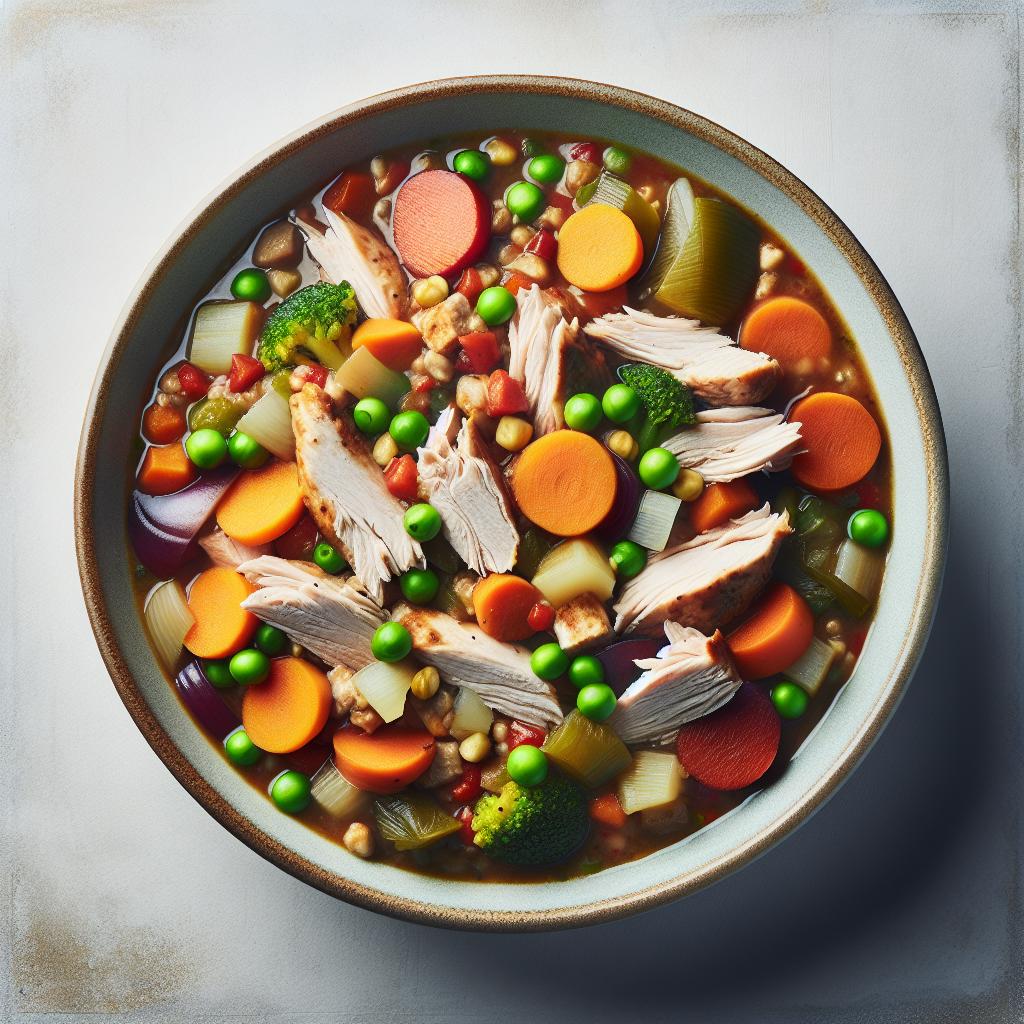
FAQ
Is ground turkey the best option for this stew?
Ground turkey is convenient and cooks quickly, making it practical for a weeknight stew. If you prefer, substitute diced dark turkey meat or shredded roasted turkey for a different texture and slightly higher fat content.
How can I thicken the stew without adding heavy cream?
Reduce the broth uncovered for several minutes, or mash a portion of the cooked root vegetables into the broth. Potato or sweet potato also add natural starch for thickening without dairy.
Can I make this in a slow cooker or pressure cooker?
Yes. For a slow cooker, brown aromatics and turkey first, then transfer and cook on low for 6–8 hours. For a pressure cooker, follow the same initial steps and reduce simmer time; check vegetables early to avoid overcooking.
What side dishes pair well with this stew?
Serve with whole-grain bread, brown rice, or a light salad to round out the plate. A spoonful of plain Greek yogurt adds creaminess and extra protein without overpowering the stew.
How long will cooked stew keep in the freezer?
Portioned and sealed, the stew maintains quality for 2–3 months. Thaw in the refrigerator overnight and reheat gently on the stove, adding a splash of broth to restore consistency.
See also: turkey stew
]]>
- Key takeaway: Use lean ground turkey for a lighter stew that still packs protein.
- Key takeaway: Toasting rice improves texture and reduces clumping.
- Key takeaway: A proper mirepoix creates a flavorful broth base.
- Key takeaway: Simmer gently so rice absorbs flavor without breaking down.
Why This Turkey and Rice Stew Works
This stew exploits simple chemistry: starch from rice thickens the broth while turkey provides savory amino acids that deepen taste. Proper searing and deglazing concentrate flavor without adding fat.
Lean turkey keeps calories down and protein high, making this stew suitable for family meals and recovery-focused menus. The dish also adapts to ingredient availability and dietary needs.
Essential Ingredients
This section lists components that deliver structure and flavor. Keep measurements consistent to ensure repeatable results.
Core items include ground turkey, long-grain white rice, aromatics, low-sodium broth, and seasoning to taste. Consider the documented roles of each ingredient when scaling the recipe.
- 1 ½ lbs ground turkey (lean)
- 1 cup long-grain white rice, rinsed
- 1 medium yellow onion, finely chopped
- 3 cloves garlic, minced
- 2 medium carrots, diced
- 2 stalks celery, chopped
- 1 can (14 oz) diced tomatoes, no salt added
- 4 cups low-sodium chicken broth
- 2 tablespoons olive oil
- 1 teaspoon smoked paprika
- 1 teaspoon dried thyme
- ½ teaspoon cayenne pepper (optional)
- Salt & freshly ground black pepper to taste
- Fresh parsley for garnish
Prep and Cook Time
Preparation: 15 minutes. Precise mise en place keeps cooking efficient and prevents overcooking the rice.
Cooking: 1 hour 20 minutes. Sear, simmer, and rest times allow flavors to develop fully.
Yield & Difficulty
Serves 6 hearty portions. The recipe suits cooks with basic skills who can manage heat and timing.
Difficulty: Medium. Key skills are proper searing, even simmering, and simple seasoning adjustments.
Step-by-Step Instructions
Follow these steps precisely for reliable results. Each action targets a technical outcome: moisture control, flavor concentration, or texture management.
Use a heavy-bottomed pot to distribute heat evenly and prevent hot spots that break down rice grains.
- Heat olive oil in a large heavy-bottomed pot over medium heat. Add the onion, carrots, and celery and sauté until softened and fragrant, about 5-7 minutes. This classic vegetable base is known as a mirepoix, and it provides aromatic depth.
- Add the garlic and cook for 1 minute so it releases its aroma without burning. Burnt garlic produces bitter compounds that spoil the broth.
- Increase heat to medium-high and add the ground turkey. Break it apart and sauté until it browns and releases juices, about 6-8 minutes. Browning creates Maillard reaction flavors that enrich the stew.
- Stir in smoked paprika, thyme, salt, and pepper. Add the diced tomatoes and let the mixture simmer for 3-5 minutes to meld acidity and aromatics.
- Stir in the rinsed rice, coating each grain. For better texture, briefly toast the rice with the pan solids for 1-2 minutes.
- Pour in chicken broth. Bring to a gentle boil, then reduce heat to low and cover. Simmer 25-30 minutes, or until rice is tender and the turkey is fully cooked. Long-grain white rice usually finishes in this window.
- Uncover and stir. Adjust consistency with extra broth if needed. Taste and correct seasoning before serving.
- Finish with chopped parsley for freshness and a squeeze of lemon if you want brightness.
Tips for Success
Small procedural changes have big culinary effects. These techniques reduce common problems like mushy rice or bland broth.
Keep a ladle of hot broth on hand when reheating so you can loosen the stew without lowering temperature.
- Enhance texture: Toast rice briefly before adding liquid to firm up grains.
- Boost umami: A teaspoon of tomato paste or a splash of low-sodium soy sauce adds depth.
- Substitutions: Swap ground turkey for ground chicken or turkey breast chunks for a different mouthfeel.
- Make-ahead: Stew often tastes better the next day as flavors meld. Reheat gently and add broth if dry.
- Gluten-free: This recipe is naturally free from gluten when using certified broth.
Expert Insight
Allow the stew to rest off heat for 5-10 minutes after cooking. This step lets starches settle and the broth firm slightly for easier serving.
Pro-Caution
After the warning, note that simmer speed matters. Aggressive boiling agitates rice and releases excess starch, which can create a gluey texture.
Serving Suggestions
Serve steaming hot in deep bowls to showcase the stew’s body. Garnish with parsley or thyme sprigs for color and aroma.
Pair with crusty whole-grain bread or a crisp green salad for contrast. A dollop of Greek yogurt offers a cooling, tangy counterpoint to spicy versions.
Explore more related recipes on our site: see Healthy Hearty Stews Collection and Turkey Recipes for additional family-friendly ideas.

Nutritional Snapshot
Per serving, this stew delivers lean protein, moderate carbohydrates, and low fat when made with lean turkey. It provides a filling balance for active adults and families.
Approximate nutrition per serving: 320 kcal, 28 g protein, 25 g carbohydrates, 9 g fat. Values vary based on exact ingredients and portion size.
| Nutritional Info (per serving) | Amount |
|---|---|
| Calories | 320 |
| Protein | 28g |
| Carbohydrates | 25g |
| Fat | 9g |
For technical background on ingredients and methods, consult sources on the primary components: turkey, rice, and the cooking category stew. These references clarify protein characteristics and starch behavior.
Q&A
What makes turkey and rice stew reliably comforting?
Turkey yields a mild savory backbone that pairs well with the soft texture of rice. The starches in rice thicken the broth, creating a cohesive mouthfeel that many people associate with comfort food.
Can I use different types of rice?
Yes. Long-grain white rice gives a lighter texture. Brown rice needs longer cooking time and more liquid. Adjust simmer time and broth volume when substituting to prevent undercooked grains.
How should I store and reheat leftovers?
Store cooled stew in airtight containers in the refrigerator for up to 3 days. Reheat gently on the stovetop, adding a splash of broth to restore texture and prevent dryness.
Is this stew suitable for meal prep or freezing?
It freezes well if you slightly undercook the rice before freezing. Finish cooking after thawing to avoid overly soft grains. Label portions for easy reheating.
What flavor tweaks work best?
Add smoked paprika for warmth or a squeeze of lemon for brightness. Small amounts of umami-rich ingredients like tomato paste or low-sodium soy sauce can deepen the profile without masking turkey’s clean flavor.
Final Notes
This turkey and rice stew blends accessible technique with dependable flavor outcomes. The recipe rewards careful heat control and measured liquid ratios.
Repeat the basic method and adjust for your palate. The stew remains a flexible, nutritious option that fits weeknight dinners and batch cooking plans.
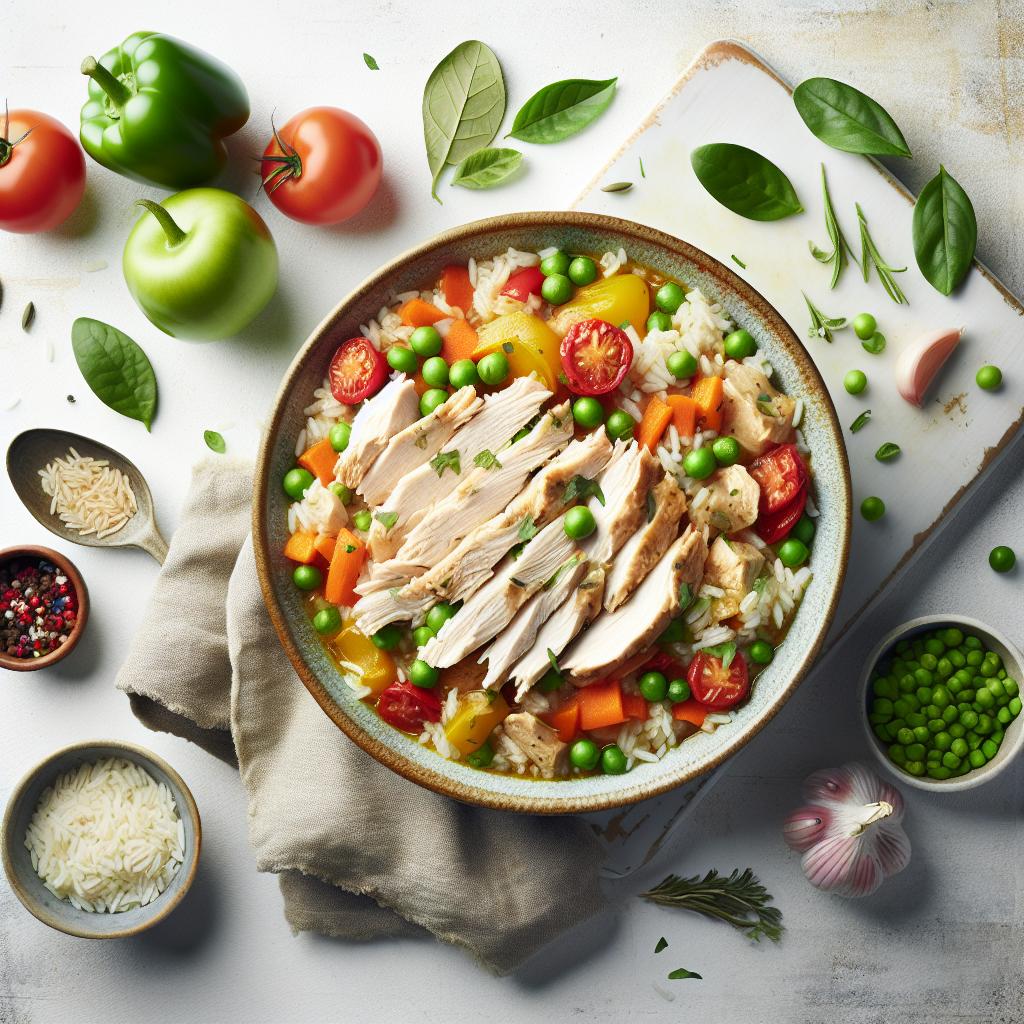
See also: turkey stew
]]>
- One-pot nutrition: Protein, fiber, and vegetables in every bowl.
- Make-ahead friendly: Flavors deepen after refrigeration or freezing.
- Simple technique: Brown, sweat, simmer for steady results.
- Batch-ready: Scales well for meal prep and portions.
Prep and Cook Time for turkey stew
Preparation: 20 minutes; Cooking: 1 hour 15 minutes. The workflow places active work at the start so the pot does the rest while you attend other tasks.
Total time is about 1 hour 35 minutes from start to finish. Maintain a gentle simmer so the barley releases starch and the turkey becomes tender without drying.
Yield and servings for turkey stew
This recipe yields about 6 generous portions, ideal for family meals or leftovers. Each serving balances protein and complex carbs when paired with whole-grain bread or a simple salad.
Scale easily: halve ingredients for 3 servings or double for batch cooking and freezing. Store in airtight containers and cool quickly to maximize shelf life.
Difficulty Level for turkey stew
Cooking level: easy to medium. The required skills are basic: searing, sautéing, and gentle simmering, all of which most home cooks can execute reliably.
Timing matters more than technique for this turkey stew; small timing adjustments do not derail the result. That forgiving nature makes the recipe dependable for weeknight or weekend cooking.
Ingredients for turkey stew
Use boneless turkey thighs and pearl barley for chew and body. Turkey is a lean meat that absorbs flavor; consult the bird details for context: turkey.
Include seasonal vegetables such as butternut squash for sweetness and green beans for color. Pearl barley supplies soluble fiber and texture; see the grain profile here: barley.
- 2 lbs boneless turkey thighs, cut into 1½-inch chunks
- 2 tbsp olive oil
- 1 large yellow onion, finely diced
- 3 medium carrots, peeled and sliced into ½-inch rounds
- 2 celery stalks, sliced
- 3 cloves garlic, minced
- 4 cups low-sodium chicken broth
- 2 cups diced butternut squash (or pumpkin)
- 2 cups chopped green beans
- 1 cup pearl barley, rinsed
- 1 tsp dried thyme
- 1 tsp smoked paprika
- 2 tbsp tomato paste
- 1 bay leaf
- Salt and freshly ground black pepper, to taste
- Fresh parsley, chopped (for garnish)
Instructions for turkey stew
Follow a clear sequence to build depth: brown the turkey, sweat the vegetables, add aromatics, then simmer with barley. This order extracts maximum flavor and prevents overcooking delicate items.
Taste and adjust seasoning at the end; barley should be tender but not mushy and vegetables should retain subtle texture. Use low heat during the long simmer for the best mouthfeel.
Step-by-step method
- Heat the oil in a large heavy-bottomed pot over medium-high. Add turkey chunks and sauté until each piece browns, about 6 minutes; transfer the turkey to a plate.
- Lower to medium and add onion, carrots, and celery. Sauté until softened and translucent, about 5–7 minutes, stirring occasionally to develop sweetness.
- Add garlic, thyme, smoked paprika, and tomato paste. Cook, stirring constantly, until fragrant and the tomato paste darkens slightly, about 2 minutes.
- Return turkey to the pot with pearl barley and bay leaf, then pour in the chicken broth and stir to combine.
- Bring to a gentle boil, reduce heat to low, cover, and simmer for 45 minutes, stirring occasionally so barley does not stick.
- Add diced squash and green beans and simmer uncovered for 20 minutes or until vegetables are tender and the stew reaches a luscious consistency.
- Finish: Remove the bay leaf, adjust salt and pepper, and garnish with parsley before serving.
Tips for Success with turkey stew
Choose dark meat like turkey thighs for moistness; lean cuts dry out faster during simmer. Well-browned meat adds Maillard complexity to the final broth.
Rinse pearl barley to remove dust and reduce foam during the first boil. If you need a gluten-free option, swap barley for quinoa or certified gluten-free oats and adjust liquid accordingly.
Expert Insight
To thicken naturally, mash a cup of cooked vegetables into the broth or reduce the pot uncovered for the final 10–15 minutes. This adds body without flour or a roux and keeps the flavor focused.
Substitutions and Variations for turkey stew
Swap turkey thighs for skinless chicken thighs, cubed firm tofu, or hearty mushrooms for plant-forward versions. Each protein changes cook time; adjust simmering accordingly.
For a vegetarian bowl, use vegetable broth and add canned white beans for protein. Retain pearl barley or choose a gluten-free grain if required for dietary needs.
Serving Suggestions for turkey stew
Serve hot bowls garnished with chopped parsley and a squeeze of lemon for brightness. Offer crusty whole-grain bread or garlic biscuits to soak up the rich broth.
Pair with a crisp salad dressed in lemon vinaigrette or simple steamed greens. Leftovers taste better after a night in the fridge because the flavors meld and settle.
Nutrition Snapshot for turkey stew
This turkey stew balances protein, complex carbohydrates, and healthy fats to support sustained energy. Pearl barley provides soluble fiber and turkey supplies lean protein for muscle maintenance.
Per serving estimates: ~320 kcal, 34 g protein, 28 g carbohydrates, 8 g fat. Adjust portions and ingredient choices to meet specific dietary targets and caloric needs.
Food Science Notes for turkey stew
Searing meat generates Maillard reaction compounds that amplify savory notes in the broth; learn more about the chemistry here: Maillard reaction. Browning tomato paste adds umami and color when cooked briefly before liquid.
Long, gentle simmering lets barley release soluble fibers that thicken the stew and deliver beta-glucans. Gentle extraction of flavor avoids breaking down delicate vegetables completely and preserves texture.
To thicken further, use an immersion blender on a portion of the pot or mash root vegetables directly into the broth. These techniques keep the ingredient list clean and the flavor focused.
Pro-Caution
Q&A for turkey stew
What makes turkey a good choice for stew?
Turkey offers lean protein with a mild flavor that absorbs herbs and spices well. Dark meat, like thighs, tolerates long simmering and remains tender in this turkey stew.
Which vegetables hold up best in this turkey stew?
Root vegetables such as carrots and butternut squash withstand simmering and add natural sweetness. Sturdier vegetables keep texture while softer greens can be added at the end to avoid overcooking.
How can I thicken the turkey stew without flour?
Mash a cup of cooked vegetables into the pot or reduce the stew uncovered for 10–15 minutes. Pearl barley also releases starches that contribute to a thicker mouthfeel.
Can I adapt the turkey stew for special diets?
Yes. Use vegetable broth and tofu or mushrooms for vegetarian versions, or swap barley for quinoa for a gluten-free option. Adjust seasoning and cook times to match the chosen protein or grain.
How should I store and reheat leftovers?
Cool stew quickly in shallow containers and refrigerate within two hours; keep up to 3 days refrigerated or freeze portions for 2–3 months. Reheat gently and bring to a rolling simmer for safety.
Insights and Conclusions for turkey stew
Hearty turkey stew rewards planning and basic technique; flavors intensify overnight and the dish scales well for batch cooking. Use the recipe as a template to test different grains, vegetables, and herb combinations.
Maintain clean technique—proper browning, patient simmering, and layer-by-layer seasoning—and you will achieve a consistent, satisfying stew. For background on stews and vegetable choices consult these references: stew, butternut squash, and barley.
FAQ
Can I use ground turkey instead of thighs?
You can, but ground turkey will change texture and requires less browning time. Expect a different mouthfeel and reduce simmer time to avoid grainy texture.
Is pearl barley interchangeable with other grains?
Pearl barley gives a chewy texture and thickening via starch. Substitute quinoa for gluten-free needs, but adjust liquid and timing because quinoa cooks faster.
How do I prevent the stew from becoming too salty?
Use low-sodium broth and add salt at the end. Taste during the final 10 minutes so you can correct seasoning without overshooting.
Can I pressure-cook this turkey stew?
You can adapt the method for a pressure cooker: brown first, then pressure-cook barley and turkey for shorter times. Release pressure carefully and add delicate vegetables afterward to preserve texture.
How do I reheat frozen portions safely?
Thaw in the refrigerator overnight, then reheat on the stove to a rolling simmer for at least 2 minutes. This ensures safe temperatures and restores consistency.

See also: turkey stew
]]>