Flavor science explains how chemistry and precise technique produce aroma, taste, and texture. When you apply flavor science to heat, time, and ingredient choices, you move from guesswork to predictable, repeatable results.
- Control browning to increase savory aroma and depth.
- Balance acid and fat for perceived brightness and richness.
- Respect time: resting and slow extraction change texture and release tastants.
- Test methodically and record outcomes to improve consistency.
Why Flavor Science matters
Applying flavor science turns culinary practice into a set of controlled experiments. You focus on variables—temperature, surface dryness, acidity—that consistently change outcomes.
That repeatability reduces waste, improves yield, and raises the quality of dishes in both home and professional kitchens. Use simple measurements and sensory checks to track improvements.
Foundational Flavor Science: key reactions and concepts
The Maillard reaction and caramelization create many volatile and nonvolatile compounds that we recognize as roasted, toasty, and sweet-browned notes. Control surface temperature and dryness to maximize positive compounds without burning.
Umami compounds concentrate through gelatin extraction and aging. Read about Umami to understand how glutamates and nucleotides layer into savory depth. Combine these concepts to design flavors rather than merely chase them.
Prep and Cook Time driven by Flavor Science
Preparation: 15 minutes | Cooking: 45 minutes | Total Time: 1 hour. These targets balance surface flavor development with internal doneness for bone-in chicken thighs.
Plan a short rest after cooking so juices redistribute and flavors equilibrate. Resting is a low-effort step with a high return in texture and perceived juiciness.
Yield and scaling with Flavor Science
Serves 4 as a main course. When scaling, maintain searing surface area and liquid ratios to preserve concentration of extracted compounds.
Measure critical ingredients by weight where precision matters. Weight-based measurement reduces variance that undermines reproducible flavor outcomes.
Difficulty Level: practical flavor science application
Medium — this recipe prioritizes heat control, browning management, and timed simmering. It rewards technique rather than specialized equipment.
Home cooks will succeed by following temperature cues and observing visual indicators such as a deep golden crust and reduced pan sauce viscosity.
Ingredients
These components combine protein, aromatics, and acid to build layered flavor. Choose bone-in cuts for gelatin, aromatics for volatile lift, and acid for brightness.
- 2 lbs bone-in chicken thighs, skin on
- 1 tbsp olive oil
- 1 tsp kosher salt
- ½ tsp freshly ground black pepper
- 1 medium yellow onion, finely chopped
- 3 cloves garlic, minced
- 1 tsp smoked paprika
- ½ tsp ground cumin
- 1 cup low-sodium chicken broth
- 1 tbsp tomato paste
- 1 tsp lemon zest
- 2 tbsp fresh parsley, chopped (for garnish)
- Juice of 1 lemon
Use fresh ingredients and measure by weight when practical. Precision supports consistent results when you apply flavor science principles.
Instructions — sequence guided by Flavor Science
Follow the sequence to maximize surface browning, bloom spices, and extract gelatin and collagen from bones and pan fond. Each step targets a defined chemical or physical change.
Work efficiently: prep mise en place, set heat levels before adding ingredients, and use visual cues like color, aroma, and pan fond to judge progress.
Searing and developing aroma
1. Prep the chicken: Pat thighs dry to remove surface moisture. Season both sides evenly with salt and pepper so the skin can reach the dryness needed for crust formation.
2. Sear: Heat oil in a heavy skillet until shimmering. Place chicken skin-side down and press to maintain contact. Sear until deep golden brown, about 6–8 minutes, then flip and sear 2–3 minutes more.
Sautéing aromatics and blooming spices
Remove chicken and set aside. Reduce heat, add onions, and cook until translucent and fragrant, about 4–6 minutes. Then stir in garlic, paprika, and cumin and cook 30–60 seconds to bloom spices and release their volatile oils.
Short, controlled cooking prevents bitter burnt notes while unlocking aroma. Blooming spices at moderate heat increases their solubility into the sauce.
Building and finishing the sauce
Stir in tomato paste and cook 1–2 minutes to deepen flavor. Add broth and scrape the pan fond; those browned bits concentrate Maillard compounds that enrich the sauce.
Return chicken skin-side up, add lemon zest, cover, and simmer gently for 30 minutes. Finish with lemon juice and a brief reduction to balance richness and concentrate savory notes.
Chef’s Notes: applied Flavor Science
Dry the skin: Surface moisture prevents reliable browning. Blot thoroughly before seasoning and searing to maximize Maillard-driven aroma.
Control heat: High heat builds aroma compounds quickly but can scorch spices. Lower heat after searing while you sauté aromatics to maintain clean flavors.
 Expert Insight
Use bones for depth: Bone-in cuts release gelatin and mineral cues under heat, which boost mouthfeel and perceived umami. That concentrated mouthfeel often reads to diners as deeper flavor.
Make ahead: This dish often improves after a few hours or overnight as flavors equilibrate. Reheat gently to preserve texture and avoid drying the meat.
Serving Suggestions guided by Flavor Science
Pair with basmati rice or creamy polenta to absorb sauce and balance textures. Both starches act as neutral carriers that highlight the chicken’s savory profile.
A crisp green salad with a citrus vinaigrette adds acidity and freshness to cut richness. Finish with chopped parsley and a lemon wedge for visual contrast and immediate brightness.
 Pro-Caution
Nutrition per serving
Approximate nutrition helps plan portions and dietary balance. Values assume typical ingredients and standard serving sizes.
Per serving: ~370 kcal, 32 g protein, 6 g carbohydrates, 24 g fat. Adjust ingredients to fit specific dietary needs.
Science links and resources for Flavor Science study
To extend technique into reliable practice, consult accessible scientific summaries. These sources provide frameworks for hypothesis-driven recipe tests and systematic adjustments.
Start with summaries in food chemistry and the mechanisms of taste perception. Use these concepts to design controlled tests at the stove.
FAQ
What is flavor science?
Flavor science studies how molecules, heat, and time interact to produce aroma, taste, and mouthfeel. It translates chemical reactions into culinary technique.
Practically, it means selecting methods that reliably produce the compounds you want—like Maillard-derived aroma—rather than hoping for them by chance.
How does the Maillard reaction improve flavor?
The Maillard reaction forms hundreds of compounds when amino acids react with reducing sugars under heat. These compounds produce roasted, savory, and toasty notes we associate with well-browned foods.
Control surface temperature and dryness to favor desirable Maillard products while avoiding bitter burnt byproducts. Visual and olfactory cues guide timing in real kitchens.
Can I use sous-vide techniques with this recipe?
Yes. Sous-vide gives precise temperature control to reach uniform doneness. Finish by searing to develop surface aroma through Maillard chemistry.
Dry the skin thoroughly before finishing with high heat to recreate the crust and volatile aroma compounds typical of pan-seared poultry.
What simple habits deliver the biggest flavor gains?
Start with three habits: salt ahead of time, control searing heat, and finish with acid. Those steps respectively improve seasoning penetration, build aroma, and balance richness.
Run small, controlled tests—change one variable at a time—and record sensory outcomes to identify the highest-impact adjustments.
How does texture influence perceived flavor?
Texture controls how flavors release and how saliva carries soluble tastants to receptors. Gelatin-rich sauces coat the palate and prolong taste, while crisp textures create contrast and perceived brightness.
Design textures deliberately by understanding starch gelatinization and protein coagulation to amplify the overall eating experience.
Key Takeaways
Flavor science gives you a toolbox: control browning, manage acidity, and respect time. These interventions target known chemical pathways that determine aroma, taste, and texture.
Apply small, testable changes and log results. This iterative, measurable approach delivers consistent, repeatable flavor improvements across recipes.

For hands-on practice, run a simple experiment: cook two thighs with different salting times or sear temperatures and note aroma, crust, and juiciness. Systematic comparison trains your senses to detect technique-driven differences quickly.
See also: Flavor Science and CookOrbit home
Recommended Reading:
]]>
- Key takeaway: Browning turkey and mushrooms develops the stew’s depth.
- Make-ahead: Flavors improve after chilling; freeze portions for later.
- Versatility: Serve over mashed potatoes, noodles, or couscous for different textures.
Prep and Cook Time
Preparation: 20 minutes. During prep, trim and cut turkey into even pieces to ensure uniform browning and cooking.
Cooking: 1 hour 15 minutes. Searing, sautéing, and a low simmer build layered flavor, so follow timing but adjust heat to maintain a gentle bubble.
- Total Time: 1 hour 35 minutes
Yield
This recipe yields 6 generous portions, suitable for a family meal or for batch cooking and freezing. Therefore, scale quantities if you need to serve more people or to create meal prep packs.
Leftovers reheat well and the texture often improves after overnight rest in the refrigerator. Additionally, freezing in single-portion containers speeds weekday reheats.
Difficulty Level
Medium: The technique focuses on heat control and sequencing rather than technical skills. Even cooks with moderate experience can follow the steps to get consistent results.
Required equipment is minimal: a heavy-bottomed Dutch oven or a wide, heavy pot suffices. Moreover, a reliable meat thermometer helps ensure safe, tender turkey pieces when you use larger cuts.
Ingredients
Gather quality ingredients: boneless turkey thighs, a mix of mushrooms, aromatics, and a flavorful broth. Choosing compatible components speeds the cook and delivers balanced results.
Use unsalted or low-sodium broth to control sodium, and add umami with a small amount of soy sauce or tomato paste. For background on the umami concept, see umami.
- 2 lbs turkey thighs, boneless and skinless, cut into 1½-inch pieces
- 1 lb mixed mushrooms (cremini, shiitake, oyster), cleaned and sliced — learn about mushrooms at Mushroom
- 3 tbsp olive oil, divided
- 1 large onion, finely chopped
- 3 cloves garlic, minced
- 2 medium carrots, peeled and diced
- 2 celery stalks, diced
- 3 tbsp all-purpose flour, sifted (or cornstarch for gluten-free)
- 4 cups low-sodium chicken broth
- 1 cup butternut squash puree (optional, for silkiness and subtle sweetness)
- 2 sprigs fresh thyme — see herb notes at Thyme
- 1 bay leaf
- Salt and freshly ground black pepper, to taste
- Fresh parsley, chopped for garnish
- 1 tbsp soy sauce or tamari (for umami)
Instructions
Follow an order that protects texture: sear, sauté, incorporate, then simmer. This sequencing concentrates flavor while preserving turkey tenderness and mushroom integrity.
Work in batches when searing to avoid overcrowding the pan; crowded meat steams instead of browns. Meanwhile, maintain medium-high heat and watch for a golden crust before transferring pieces out.
- Prep the turkey: Pat turkey pieces dry with paper towels to ensure strong browning. Season lightly with salt and pepper before searing.
- Sear the turkey: In a heavy-bottomed Dutch oven, heat 2 tablespoons olive oil over medium-high heat. Add turkey in batches to avoid overcrowding, searing until golden on all sides, about 3–4 minutes per batch; then transfer to a plate and set aside.
- Sauté the vegetables: Reduce heat to medium and add remaining oil. Toss in onion, carrots, and celery, cooking until softened and fragrant, approximately 5–6 minutes; then stir in garlic and cook 1 minute more.
- Prepare the mushrooms: Add the sliced mushrooms and a pinch of salt to the vegetables. Cook, stirring occasionally, until they release moisture and begin to brown—about 8–10 minutes—to build the stew’s signature depth.
- Thicken the base: Sprinkle flour evenly over the mushroom and vegetable mixture and stir to coat. Cook 2 minutes to remove raw flour flavor and create a roux-like base.
- Deglaze and combine: Gradually pour in the chicken broth while stirring, scraping the pot bottom to lift browned bits. Add the turkey back to the pot with thyme, bay leaf, and soy sauce, then bring to a gentle boil.
- Simmer gently: Reduce heat to low, cover, and simmer for 45–60 minutes so flavors meld and turkey becomes tender. Check once midway and skim excess fat if necessary.
- Finish and adjust: Stir in butternut puree for additional silkiness, if using. Remove thyme sprigs and bay leaf, then taste and correct seasoning with salt and pepper.
- Serve: Ladle hot stew into bowls and garnish with chopped parsley. Serve immediately over mashed potatoes, noodles, or couscous to maximize comfort and texture contrast.
Pro-Caution
Tips for Success
Small technique choices change the final dish: dry turkey sears better, and mushrooms brown rather than steam when not overcrowded. Therefore, take time for each stage for best results.
Use low-sodium broth and build umami deliberately with soy sauce, tomato paste, or a splash of Worcestershire. For more on making mushroom-forward dishes, see our internal guide at Mushroom Cooking Guide.
Expert Insight
Serving Suggestions
Serve the stew over creamy mashed potatoes for classic comfort, or over buttered egg noodles for a homestyle presentation. Additionally, couscous or farro provide a nutty contrast and soak up the broth effectively.
Add brightness with a crisp salad or quick sautéed greens on the side to balance richness. For holiday serving ideas and related poultry ragouts, explore our internal recipe Hearty Chicken and Vegetable Ragout.
Nutrition & Portions
The stew balances lean protein with moderate fat and controlled carbohydrates, making it suitable for many meal plans when portions remain reasonable. Adjust oils and starchy sides to tune calorie density per diet goals.
Estimated nutrition per serving is approximate and depends on exact ingredient brands and portion sizes. Use the table below as a baseline for meal planning and tracking.
| Nutrient | Per Serving |
|---|---|
| Calories | 350 kcal |
| Protein | 38 g |
| Carbohydrates | 14 g |
| Fat | 12 g |
Q&A
The following quick answers clarify common questions and provide straightforward guidance for cooks at all levels. Each answer focuses on practical, testable advice to improve outcomes in the kitchen.
Use these Q&A points to refine technique or troubleshoot the recipe during preparation and reheating phases.
Q&A: Savory Turkey and Mushroom Stew – A Hearty Comfort Dish
Q1: What makes Savory Turkey and Mushroom Stew a perfect comfort food?
The slow-simmered broth and tender turkey combine with browned mushrooms to create rich flavors and a velvety texture. Moreover, warm, savory notes and familiar starch pairings produce the classic comfort-food effect.
Q2: Can I use leftover turkey for this stew?
Yes. Leftover turkey works well and should be added late in the cook to avoid drying. Consequently, you preserve moisture and let the meat absorb the seasoned broth.
Q3: What types of mushrooms work best?
A mix of cremini, shiitake, and oyster delivers complexity: cremini for earthiness, shiitake for smoky umami, and oyster for tender texture. For background on mushroom varieties and nutrition, reference Mushroom.
Q4: How do I adapt this stew for gluten-free diets?
Substitute the all-purpose flour with cornstarch or arrowroot mixed into a slurry before adding to the hot broth. Also, verify your broth and soy sauce are certified gluten-free to avoid cross-contamination.
Final Thoughts
This turkey and mushroom stew rewards patience: time and heat transform simple ingredients into complex, comforting flavors. Therefore, follow sequencing and allow a gentle simmer to extract depth from each component.
Finally, make extra and freeze portions for busy nights when you want a nourishing, ready-made meal. For more on traditional stewing techniques, see the culinary overview at Stew.
FAQ
Is leftover turkey ideal for this stew?
Yes. Add leftover turkey near the end to warm through without overcooking it. This method preserves moisture and texture while infusing the meat with stew flavors.
Can I make this in a slow cooker?
You can adapt this to a slow cooker by searing components first and then transferring everything to the cooker. Cook on low for 4–6 hours, but avoid overcooking delicate mushrooms by adding them later when possible.
How should I store and reheat leftovers?
Cool completely, refrigerate in airtight containers for up to 3 days, or freeze for up to 3 months. Reheat gently on the stovetop, adding a splash of broth if the stew thickens too much.
What side dishes pair best with this stew?
Mashed potatoes, buttered egg noodles, and couscous all work well to soak up the broth. Also, add a crisp green salad or sautéed greens for brightness and contrast.
Can I increase the stew’s umami without alcohol?
Yes. Add a teaspoon of tomato paste, a splash of soy sauce, or a few drops of balsamic vinegar during the sauté phase to boost savory notes. For more on umami, consult umami.

See also: turkey stew
]]>
- Key takeaway 1: Umami anchors flavor and increases perceived satisfaction.
- Key takeaway 2: Simple techniques—caramelizing, roasting, deglazing—amplify taste rapidly.
- Key takeaway 3: Fermented and aged plant ingredients can replace animal-based savoriness.
- Key takeaway 4: Balance acidity, salt, fat, and texture to finish a dish with impact.
Understanding Umami and Savory Chemistry
Umami gives dishes a rounded, lingering savory sensation. Scientifically, umami receptors respond to free glutamate and certain nucleotides; these compounds communicate richness to the palate. See umami for background on the taste and its perception.
Vegetarian kitchens often underdeliver on umami because whole vegetables contain bound forms of flavor precursors. Techniques that concentrate or convert those precursors release more sensory impact. For a primer on the underlying molecules, consult glutamate.
Savory Mushroom & Lentil Recipe (Practical Example)
This mushroom-and-lentil mixture demonstrates how layered umami, texture, and acid deliver completeness. It works as a main, a grain topper, or a filling, and it scales easily for meal prep.
The recipe relies on rehydrated dried shiitake, fermented miso, nutritional yeast, and a low-sodium condiment to build depth without excess salt. For context on the mushroom variety, see shiitake mushroom.
Prep and Time
Preparation: 15 minutes. Keep ingredients organized to allow uninterrupted caramelization and deglazing.
Cooking: 25 minutes. Monitor heat so vegetables brown but do not burn.
Yield and Difficulty
Yield: Serves 4. The mixture stores well and improves overnight.
Difficulty: Easy to medium. Techniques are basic but require attention to timing.
Ingredients
1 cup dried shiitake mushrooms, soaked and sliced; 2 tablespoons miso paste; 1 tablespoon tamari; 1 tablespoon nutritional yeast; 1 cup cooked lentils; 1 medium onion, finely chopped; 3 cloves garlic, minced; 1 tablespoon olive oil; 1 teaspoon smoked paprika; 1/2 cup vegetable broth; salt and freshly ground black pepper; chopped parsley to garnish.
Choose low-sodium broth and tamari to control total sodium while preserving depth. For more plant-based ingredient ideas, visit Vegetarian Umami Boosters.
Instructions
1. Prepare mushrooms: Soak dried shiitake in warm water for 20 minutes. Reserve the soaking liquid; it concentrates savory solubles and can replace part of the broth.
2. Sauté aromatics: Warm olive oil in a large skillet over medium heat. Add onion and garlic; sauté until golden and fragrant, about 5 minutes. Browning these builds Maillard compounds that add complexity.
3. Add mushrooms and spices: Add sliced shiitake and smoked paprika. Cook until mushrooms soften and edges brown, 7–8 minutes. Browning intensifies savory perception.
4. Combine lentils and umami elements: Stir in cooked lentils, miso paste, nutritional yeast, and tamari. Heat gently for 2–3 minutes so the miso dissolves and flavors meld.
5. Deglaze and simmer: Pour in vegetable broth and reserved mushroom soaking liquid if desired. Scrape browned bits from the pan and simmer until slightly reduced, about 5 minutes. This concentrates flavor without added salt.
6. Final seasoning: Taste and adjust with small amounts of salt and pepper. Finish with a squeeze of acid—lemon or vinegar—to lift the palate and reveal hidden layers.
Techniques That Add ‘Completeness’
Caramelization and roasting break down sugars and form savory Maillard products. These reactions add both aroma and perceived richness. Use medium-high heat and avoid overcrowding the pan so browning occurs efficiently.
Deglazing with a flavorful liquid recovers browned fond and reincorporates it into the dish. Similarly, fermenting or aging ingredients concentrates free amino acids and nucleotides that stimulate umami receptors.
Why Texture Matters
Texture signals satisfaction as much as flavor does. Contrast creamy lentils with chewy mushrooms and crisp toasted seeds to create interest in every bite. A varied mouthfeel increases satiety and perceived value of the meal.
For meal-builders, include at least two contrasting textures per plate: soft (grains or legumes) and crisp (roasted vegetables, seeds, or toasted bread). Texture amplifies the impression that a dish is complete.
[h2]Health-Conscious Seasoning and Ingredients[/h2]
Use low-sodium condiments and homemade broth to control salt while keeping flavor. Fermented ingredients—like miso—deliver concentrated umami in small amounts, making them efficient and health-friendly.
Nutritional yeast provides savory, cheese-like notes with added B vitamins. Add it late in cooking to maintain flavor. If shiitake are unavailable, dried porcini or cremini are solid substitutes.
Expert Insight
Fat carries aroma molecules and rounds mouthfeel. A tablespoon of olive oil, a drizzle of tahini, or a sprinkle of toasted nuts can resolve any flatness. Do not remove fat entirely; instead, prefer healthy unsaturated sources for balance.
Pro-Caution
Tips for Success
Elevate umami naturally: Use fermented or aged plant ingredients—miso, tamari, sundried tomatoes, and aged soy products add depth without artificial enhancers.
Optimize texture: Caramelize mushrooms and onions to unlock savory compounds. Add toasted seeds or nuts just before serving for crunch.
Control sodium smartly: Prefer low-sodium tamari and homemade broth. Add salt at the end to avoid over-seasoning during reduction steps.
Make-ahead benefits: Many umami-rich dishes improve after a day as flavors blend. Store in airtight containers and reheat gently to preserve texture.
Serving Suggestions
Serve the mushroom-lentil mix over warm quinoa or brown rice to create a complete protein profile and a satisfying bowl. Add roasted root vegetables for seasonal depth.
Use the mixture as a filling for whole-grain tacos, stuffed peppers, or savory pies. Finish with fresh acid (lemon or vinegar) and a crunchy topping like toasted pine nuts or pumpkin seeds.
Nutrition Facts
| Nutrient | Per Serving |
|---|---|
| Calories | 280 kcal |
| Protein | 18 g |
| Carbohydrates | 32 g |
| Fat | 6 g |
Related Resources
For further reading on the science and practical techniques that enhance plant-based savoriness, see the following internal and reference pages. These links point to tested approaches and additional recipes on our site.
Vegetarian Umami Boosters and Lentil Recipes offer practical variations, meal plans, and make-ahead strategies to increase kitchen efficiency.
FAQ
Why do some vegetarian meals feel like they’re missing something?
Often they lack concentrated savory compounds and contrasting textures. Without umami and textural interest, dishes can taste one-dimensional and unsatisfying.
To fix this, layer flavors: caramelize aromatics, add fermented elements, and finish with acid or fat to balance the profile.
What exactly is umami, and why does it matter in vegetarian cooking?
Umami is a basic taste that signals protein-rich or aged foods. It makes dishes feel richer and more sustaining by activating specific taste receptors.
Plant-based kitchens can use glutamate-rich vegetables and fermented ingredients to mimic that savory depth without animal products. Learn more at umami.
How can I make my vegetarian meals more satisfying right now?
Add a small amount of a fermented or aged ingredient (miso, tamari, nutritional yeast), balance with acid, and include at least one crunchy element. These moves transform a flat plate into a layered one.
Also, cook components separately to allow proper browning, then combine at the end for maximum contrast.
Are there simple ingredient swaps that boost flavor quickly?
Yes. Swap regular soy sauce for low-sodium tamari, use miso in place of plain salt in many sauces, and substitute dried mushrooms for fresh to intensify aroma. Toast seeds or nuts before use to add warm, toasty notes.
For seasoning theory and taste receptor basics, consult taste.
Can plant-based proteins make a meal feel complete?
Absolutely. Tempeh, seitan, tofu, and legumes provide texture and substance. Marinate, season, and apply high-heat techniques to maximize their flavor-carrying potential.
Combine these proteins with grains and seeds to build balanced meals that satisfy both hunger and palate.
Final Notes
Completeness in vegetarian cooking is intentional. Focus on concentrated savory ingredients, purposeful heat application, and textural contrasts to convert wholesome components into crave-worthy dishes.
Practice these methods regularly; the more you apply them, the quicker you will recognize and fix flatness in any plant-based meal.
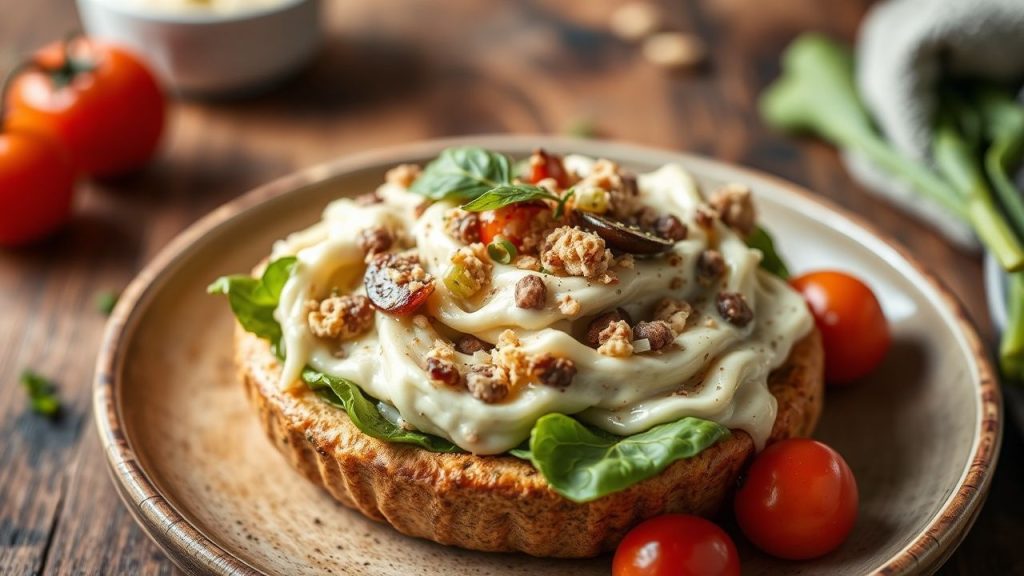
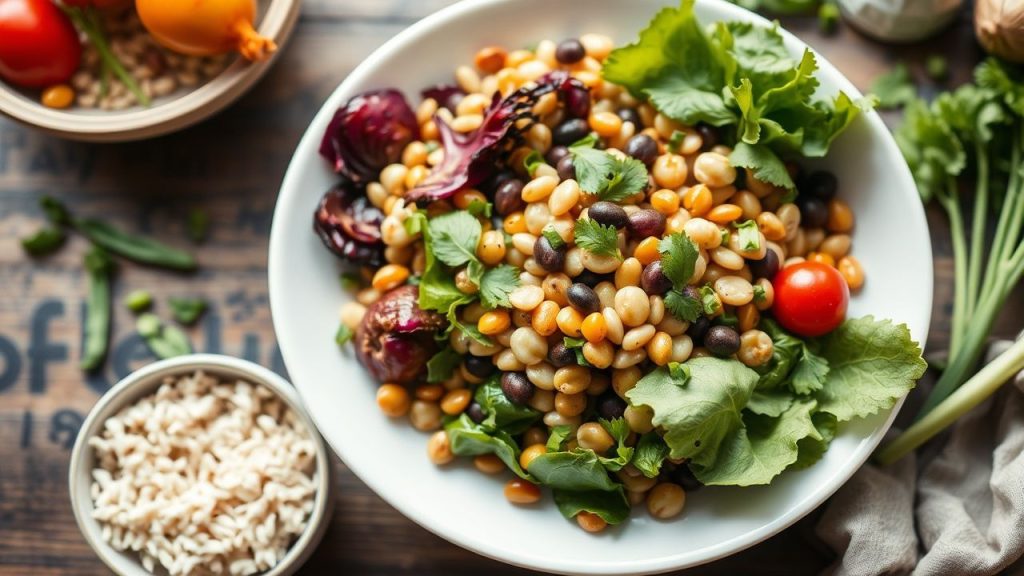
See also: umami
]]>
- Glutamate underpins umami and increases as tomatoes ripen and cheese ages.
- Cooking technique—gentle simmering and proper grating—releases more free glutamate into sauces.
- Smart pairing (acid balance, aged cheese, optional anchovy) amplifies savory perception without extra salt.
- Make-ahead resting deepens flavor through molecular interactions; reheat gently for best results.
Prep and Cook Time
Prep: 15 minutes | Cook: 25 minutes | Total: 40 minutes. These timings assume peeled, chopped tomatoes and standard stovetop equipment.
Allow extra time if you choose to refrigerate the sauce overnight; resting concentrates flavor and eases seasoning adjustments. Plan a short cool-down before storing to preserve texture and aroma.
Yield
Serves 4 hearty portions. The recipe produces enough sauce for pasta or as a topping for vegetables and proteins.
Scale quantities linearly: double tomatoes and oil for 8 portions, or halve for two. Keep seasoning proportional to taste and ingredient maturity.
Difficulty Level
Medium. This recipe suits home cooks who want to apply basic technique to extract maximal umami.
It requires attention to heat control and timing rather than advanced skills. Follow the steps and taste as you go.
Ingredients
Use high-quality components to leverage natural glutamate: ripe tomatoes and an aged hard cheese deliver the biggest impact. I list optional ingredients to boost savoriness without overwhelming the sauce.
Substitutes matter: avoid mild cheeses or underripe tomatoes if your goal is concentrated umami. See the list and notes below for specifics.
- 5 lbs ripe plum tomatoes, peeled and chopped
- 3 tbsp extra-virgin olive oil
- 1 small onion, finely diced
- 3 cloves garlic, minced
- 1 tsp sea salt
- 1/2 tsp freshly cracked black pepper
- 1 tsp dried oregano
- 1/4 cup aged Parmesan cheese, grated (Parmigiano-Reggiano preferred)
- 1 tbsp anchovy paste (optional; adds free glutamates)
- Fresh basil leaves for garnish
- 1 tsp balsamic vinegar (to enhance umami depth)
Instructions
Follow these steps for a tomato-Parmesan sauce that showcases glutamate. Read all steps before starting so you manage timing and heat correctly.
Adjust anchovy paste quantity to taste; it dissolves into the sauce and amplifies savory notes without a fishy character when cooked briefly.
- Prepare the tomatoes: Score an X on each tomato base and blanch briefly in boiling water, then plunge into ice water. Peel, core, and chop finely; set aside.
- Sauté aromatics: Heat oil in a medium saucepan over medium heat. Add diced onion and cook until translucent, about 5 minutes, stirring frequently to avoid browning.
- Add garlic and anchovy paste: Stir in minced garlic and anchovy paste. Sauté 1–2 minutes until fragrant but not browned to avoid bitter notes.
- Simmer tomatoes and seasonings: Add chopped tomatoes, sea salt, black pepper, and oregano. Reduce heat to low and simmer gently for about 20 minutes, stirring occasionally.
- Enhance umami: Stir in balsamic vinegar and half the grated Parmesan so it melts into the sauce for balanced depth. Taste and adjust salt and acidity.
- Finish and serve: Spoon sauce over freshly cooked pasta, roasted vegetables, or grilled protein. Sprinkle remaining Parmesan and garnish with basil and a lemon zest twist if desired.
Instruction Notes
Use a gentle simmer to encourage cell breakdown in tomatoes; this releases free glutamate without reducing volatile aromatics excessively. Rapid boiling drives off moisture and can flatten flavor.
Grate Parmesan finely; smaller particles disperse and deliver immediate flavor to each bite. If you plan to reheat, stir in extra cheese at the end of reheating to refresh the umami intensity.
Tips for Success
Technique and ingredient choice influence perceived umami as much as the ingredients themselves. Apply these practical tips to get consistent results.
Taste at key points: after simmering, after adding Parmesan, and before serving. Small adjustments to acid or salt dramatically change savory balance.
- Use ripe tomatoes: Fully ripened tomatoes contain higher levels of free glutamate. Choose in-season or vine-ripe fruit for best results.
- Choose aged cheese: Parmigiano-Reggiano releases free glutamate during aging; use aged, hard cheese rather than young, mild varieties.
- Try anchovy paste judiciously: It melds into sauces to provide umami depth without overt fishiness when cooked briefly.
- Slow simmer: Gentle heat helps break down tomato structure and concentrate savory compounds while preserving freshness.
Expert Insight
A little patience improves flavor. Refrigerate the sauce and taste it cold the next day; you will notice deeper, more integrated savory notes after resting.
Pro-Caution
Serving Suggestions
This sauce performs well with long pasta shapes that catch sauce or as a topping for roasted vegetables and grilled chicken. Finish with fresh basil and a light drizzle of olive oil to lift flavors.
For a simple composed plate, toss al dente spaghetti with sauce, reserve a bowl for extra sauce, and dust with additional grated Parmesan. Pair with a crisp white wine if desired.
Science of Glutamate and Umami
Umami results from specific receptor activation on the tongue by free glutamate and certain nucleotides. That molecular interaction produces the characteristic savory, mouth-filling sensation.
Glutamate appears in higher concentrations in ripened tomatoes and aged cheeses because of enzymatic protein breakdown. This process frees amino acids that directly stimulate taste receptors.
Key Concepts and Evidence
Glutamic acid chemistry explains why certain foods taste especially savory. For background on the taste category, see umami on Wikipedia.
For the molecule itself and its biochemical role, consult glutamic acid on Wikipedia. Both pages summarize peer-reviewed findings and receptor biology clearly.
To understand ingredient-specific contexts, read about tomato ripening on Wikipedia and Parmigiano-Reggiano on Wikipedia for aging processes that concentrate free amino acids.
Nutrition Snapshot
The sauce provides moderate calories with a mix of carbohydrates, protein, and fat. Protein derives partially from the cheese; glutamate itself serves taste rather than nutrition at culinary levels.
Per serving estimates: ~210 kcal, 8 g protein, 12 g carbohydrates, 14 g fat. Adjust based on portion size and added ingredients like pasta or oil.
Internal Resources
For related techniques and deeper guides, consult our internal pages on sauce-building and ingredient science. These links lead to additional recipes and technical notes housed on this site.
Explore these two resources for more context: The Magic of Umami-Enhancing Sauces and How Aging Cheese Concentrates Flavor. Both pages expand on practical steps and kitchen science.
FAQ
What is umami and how does it differ from other tastes?
Umami is the savory taste linked to amino acids such as glutamate and nucleotides. It differs from sweet, salty, sour, and bitter by creating a long-lasting, mouth-filling impression rather than a single, sharp sensation.
For a technical overview of taste classification, refer to the Wikipedia article on umami.
How does cooking change glutamate levels in tomatoes?
Cooking concentrates free glutamate by breaking cell walls and reducing water content, which increases perceived umami. Gentle simmering releases glutamates while preserving volatile aromas that contribute to overall flavor.
Excessive heat and long high-temperature cooking can degrade volatile compounds, so balance time and temperature to maximize savory complexity.
Is Parmesan the best cheese for umami?
Aged, hard cheeses like Parmigiano-Reggiano rank high in free glutamate because proteolysis during aging liberates amino acids. These cheeses deliver potent umami without adding excessive moisture.
Use authentic aged cheeses when you want a concentrated savory boost; younger cheeses supply texture and creaminess but fewer free glutamates.
Are there health concerns with dietary glutamate?
Naturally occurring glutamate in foods differs from isolated additives in perception but not chemistry. In typical culinary amounts, dietary glutamate poses no special health risk for the general population.
For context on public discussions around additives, read the Wikipedia page on monosodium glutamate to understand differences between MSG and food-borne glutamate.
How can I maximize umami in my home cooking?
Combine high-glutamate ingredients (ripe tomatoes, aged cheese), use gentle heat to release free amino acids, and balance with acid or sweetness. Small amounts of anchovy or mushroom can boost savoriness without overpowering the dish.
Reserve finishing touches—freshly grated aged cheese and bright herbs—until the end to preserve aromatics while delivering umami to the palate.
Final Thoughts
Understanding glutamate gives you practical leverage: ingredient choice and technique determine how savory a dish will taste. Ripe tomatoes and aged Parmesan provide a reliable foundation for umami-rich sauces.
Apply these methods and internal references to refine your approach. Taste intentionally, adjust with acid or aged cheese, and allow brief resting time for flavors to marry before serving.
See also: umami
]]>
- Key takeaway: Natural glutamate sources—fermented, aged, dried—deliver the richest umami punch.
- Technique matters: Browning, slow-simmering, and fermentation unlock additional savory compounds.
- Practical payoff: Small additions (miso, parmesan, kombu) transform simple dishes without extra fat.
Crafting Umami-Infused Dishes for Contemporary Kitchens
Adapting traditional umami elements for home cooking requires technique and restraint. Use concentrated ingredients sparingly to build layers rather than overwhelm a dish.
Focus on complementary textures and acidity to keep richness lively. Acidic notes, like lemon or rice vinegar, lift glutamate-driven savoriness and prevent a flat finish.
Recipe: Umami-rich mushroom and miso glaze salmon
This recipe combines rehydrated dried shiitake and aged miso to produce concentrated savory aromas. It balances sweet and salty elements so the fish keeps a clean, bright finish.
The method emphasizes a quick sear followed by a short roast to preserve moisture while caramelizing the glaze. These steps concentrate umami without overcooking the salmon.
Prep and Cook Time
Prep: 15 minutes | Cook: 20 minutes | Total: 35 minutes
Yield & Difficulty
Serves 4. Difficulty: Medium.
Ingredients
- 4 skin-on salmon fillets (6 oz each)
- 1 cup dried shiitake mushrooms, rehydrated and finely chopped
- 3 tbsp white miso paste
- 2 tbsp low-sodium soy sauce or tamari for gluten-free
- 2 tbsp mirin
- 1 tbsp toasted sesame oil
- 1 tbsp freshly grated ginger
- 2 cloves garlic, minced
- 1 tbsp honey or maple syrup
- 1 tsp freshly ground black pepper
- 2 scallions, thinly sliced
- Sesame seeds and cilantro for garnish (optional)
Instructions
- Prepare mushroom glaze: In a small saucepan over medium heat, combine rehydrated shiitake, miso, soy/tamari, mirin, sesame oil, ginger, garlic, and honey. Stir until miso dissolves and the mixture thickens slightly, about 7-8 minutes. Remove from heat and set aside.
- Preheat oven: Set to 400°F (200°C) and prepare a baking sheet or an oven-safe skillet.
- Sear the salmon: Heat a skillet over medium-high heat. Place fillets skin-side down and sear 3-4 minutes until the skin crisps. Flip and sear 1-2 minutes.
- Apply glaze and roast: Spoon glaze over each fillet, then transfer to oven and roast 8-10 minutes until just cooked through and flaky.
- Garnish and serve: Sprinkle scallions and sesame seeds. Serve with lemon wedges to brighten the plate.
Tips for success
Prefer dried shiitake over fresh to intensify glutamate concentration after rehydration. Drying breaks down cell structures and frees bound amino acids, which enhances savory impact.
Make the glaze a day ahead to allow flavors to meld; stored refrigerated, it develops greater complexity. For gluten-free diets, substitute tamari for soy sauce.
Expert Insight
Science of Glutamate and Umami
Umami perception arises when free glutamate and certain nucleotides activate taste receptors on the tongue. Scientists classify umami alongside basic tastes because it triggers specific receptors linked to savory detection.
Cooking and preservation techniques alter the proportion of free amino acids. Long simmering, enzymatic breakdown during fermentation, and intentional drying increase detectable glutamates in foods.
For a reliable technical reference, see the main overview on umami. For biochemical detail on the molecule itself, review glutamic acid.
Fermentation and enzymatic release
Fermentation enzymes cleave proteins into free amino acids, enriching flavor. Traditional fermentations like miso and soy sauce create that dense, savory character chefs prize.
When you use fermented bases, you gain both glutamate and fermentation-derived aromatics. These compounds work together to create a rounded, lingering savoriness.
Umami Across Cultures
Every major culinary tradition uses concentrated glutamate sources to define its savory profile. Japan uses kombu and bonito to build dashi; Italy relies on aged cheeses and tomato reduction for a similar effect.
Examples include miso in Japan, sun-dried tomatoes in the Mediterranean, and fermented soybean pastes across East Asia. These ingredients produce cultural signatures built on the same biochemical principles.
Learn more about classic ingredients via these references: miso, shiitake mushroom, and kombu.
Pairing umami sources across cultures—such as combining parmesan rind with mushroom broth—creates synergy. The combined presence of glutamate and inosinate or guanylate amplifies perceived savoriness more than single ingredients alone.
Serving Suggestions & Nutrition
Pair the miso-shiitake glazed salmon with jasmine rice, soba salad, or quick sautéed greens to balance richness. A squeeze of citrus brightens the plate and counters heavy umami tones.
Per serving nutrition (approximate): 370 kcal, 33 g protein, 8 g carbohydrates, 20 g fat. Use low-sodium soy or tamari to reduce salt while preserving umami.
Pro-Caution
Use high-quality fish and control cooking time to maximize protein retention and texture. Small technique adjustments have outsized effects on perceived quality and satiety.
Explore more practical resources on fermentation and flavor development at our internal guides: Fermented Foods and Umami Guide and Mushroom Miso Salmon recipe.
The Conclusion
Understanding umami provides a toolkit for making food more nourishing and satisfying without excess fat. Use concentrated glutamate sources judiciously to amplify flavors and reduce the need for added salt.
Applying these principles helps home cooks and professionals craft dishes that resonate across cultural boundaries. The shared chemistry of umami ties diverse traditions together through a common sensory experience.
FAQ
What exactly is umami?
Umami is a savory taste caused primarily by free glutamate and certain nucleotides. It creates a rounded, mouthwatering sensation often described as brothy or meaty.
How can I add umami without extra sodium?
Choose fermented products labeled low-sodium or use concentrated ingredients in small quantities. Roasting, reducing, and fermenting at home also intensify umami with minimal added salt.
Are dried mushrooms really better for umami?
Yes. Drying concentrates free amino acids; rehydrated dried shiitake releases more glutamate than the fresh mushroom. Save soaking liquid to boost soups and sauces.
Is MSG the same as natural glutamate?
Monosodium glutamate is the sodium salt of glutamic acid and functions as a concentrated flavor enhancer. Natural glutamate from foods comes in complex matrices that also deliver aroma and texture.
Can umami help make healthier meals?
Strategic use of umami can reduce the need for fat and excess salt by increasing satisfaction per bite. Focus on whole-food umami sources—fermented beans, dried seaweeds, aged cheese—to keep meals balanced.
See also: Umami
]]>Umami is the savory taste that gives foods a rich, lingering depth. Chefs and serious home cooks use umami-rich ingredients and targeted techniques to create dishes that feel complete and satisfying.
- Key idea: Umami intensifies savory perception without overt saltiness.
- Practical move: Layer small amounts of umami sources rather than one large addition.
- Technique focus: Use dry-heat and slow extraction to unlock glutamates.
- Pantry tip: Keep aged cheese, miso, dried mushrooms, and kombu on hand.
Why umami matters
Umami describes a savory taste governed largely by free glutamate and certain nucleotides. Scientific work on umami receptors explains why low levels of glutamate can change a dish’s perceived fullness and mouthfeel (umami).
Using umami intentionally increases satisfaction and reduces the need for excessive salt or fat. Understanding this helps you craft dishes that feel balanced and complete.
Key umami ingredients and how they work
Some ingredients carry concentrated free glutamate or complementary nucleotides that amplify savoriness. Examples include aged cheeses, concentrated tomato products, fermented soy, and certain seaweeds; each contributes different flavor notes and textures (glutamic acid).
Stock a handful of these pantry items to layer flavor: dried shiitakes, miso paste, aged Parmesan, sun-dried tomatoes, and kombu. For a complete list and shopping guidance, see our internal resource on best umami ingredients.
Cooking techniques to unlock umami
Technique matters as much as ingredient choice. Dry-heat methods like roasting, searing, and toasting concentrate sugars and amino acids, creating Maillard reaction products that taste intensely savory.
Liquid extraction techniques—simmering bones, kombu, or mushroom stems—pull soluble glutamates into broths. Use a gentle simmer to extract without clouding clarity or over-extracting bitter compounds.
Dry-heat and Maillard strategies
Dry-heat transforms surface proteins and sugars into flavorful compounds quickly. Roast mushrooms, caramelize onions, and sear meat to build a savory backbone you can deglaze into sauces.
After searing, deglaze with a small splash of wine, vinegar, or soy to lift browned bits. Those fond residues concentrate umami and distribute it through the sauce or stock.
Fermentation, aging, and enzymatic concentration
Fermented foods such as miso, soy sauce, and aged cheeses contain concentrated amino acids. Use them sparingly as finishing agents or dissolved off-heat to add depth without over-salting (miso).
Dry-aging, curing, and long braises also concentrate savory compounds. Small additions of aged elements often deliver more impact than large fresh-volume changes.
Recipe: Umami Mushroom Medley
This simple dish demonstrates practical ways to layer umami using accessible ingredients. It works as a main over grains, a topping, or a filling.
Follow the timing and technique notes below to maximize savory extraction while keeping texture vibrant.
Prep and Cook Time
Prep: 15 minutes | Cook: 40 minutes | Total: 55 minutes. These times assume standard home-kitchen equipment and medium heat control.
Adjust cook time slightly if using very dry or very moist mushrooms. Longer dry-heat steps increase browning and deepen umami.
Yield
4 servings. Serve as a main with grains or as a rich side; it pairs well with simple salads and roasted vegetables.
If you need higher protein, add cooked legumes or a soft-cooked egg to turn each serving into a more substantial plate.
Difficulty Level
Medium. The dish requires attention to heat control and timing for sautéing and simmering, but it uses basic techniques.
Focus on even slicing and steady stir intervals; that control prevents steaming and encourages browning for better flavor.
Ingredients
These ingredients supply layered umami through glutamate and fermentation products. Use low-sodium broth and low-salt soy to control final seasoning.
Substitutions: tamari for soy, aged Pecorino for Parmesan, or farro for brown rice will maintain the dish’s savory profile.
- 1 tablespoon extra-virgin olive oil
- 1 medium yellow onion, finely diced
- 3 cloves garlic, minced
- 200 grams shiitake mushrooms, sliced (shiitake)
- 1/2 cup sun-dried tomatoes, chopped
- 1/4 cup aged Parmesan cheese, grated
- 2 tablespoons soy sauce or tamari (low sodium)
- 1 cup homemade or low-sodium vegetable broth
- 1 teaspoon dried kombu powder or a small piece of kombu seaweed
- 1 teaspoon miso paste
- Freshly ground black pepper, to taste
- 2 cups cooked brown rice or farro, for serving
- Fresh parsley or chives, finely chopped, for garnish
Instructions
Maintain steady medium heat and allow each ingredient to color properly before moving on. Browning builds concentrated umami compounds that dissolve into the sauce.
Work in this sequence to layer flavors: sweat onions, brown mushrooms, add concentrated umami elements, then finish with dissolved miso off-heat.
- Heat oil in a large skillet over medium. Add diced onion and sauté until translucent, about 5 minutes.
- Add garlic and sliced shiitake. Sauté 6–8 minutes until the mushrooms release moisture and develop color.
- Stir in chopped sun-dried tomatoes and cook for 2 minutes to marry sweetness with savory notes.
- Deglaze with soy sauce, scraping browned bits from the pan to distribute flavor.
- Add broth and kombu. Simmer gently for 10 minutes to extract savory compounds.
- Turn off heat and whisk in miso until dissolved, preserving its fermented complexity and avoiding bitterness.
- Remove kombu if used whole, season with black pepper, and stir in grated Parmesan.
- Serve hot over cooked brown rice or farro and garnish with parsley or chives.
Tips for Success
Use quality ingredients: Fresh mushrooms and authentic fermented products deliver more layered umami than processed alternatives.
Control salt: Rely on miso and soy for depth; taste as you go to avoid over-salting the final dish.
Roast or dry-heat mushrooms: This enhances natural glutamates and produces a stronger savory impact. Dry them on high heat in a single layer.
Miso handling: Always add miso off-heat to preserve flavor and beneficial compounds. Dissolve it in a small amount of warm broth first for even distribution.
[TIP]Expert Insight: Layer umami in thirds—one concentrated element (e.g., miso), one roast or sear step, and one finishing cheese or oil. This avoids flatness and keeps balance.
Let the dish rest refrigerated overnight; flavors meld and often taste more integrated the next day.
[WARNING]Pro-Caution: If you have sodium-sensitive diners, choose low-sodium soy and reduce added cheese. Fermented ingredients can still contribute notable salt.
Serving Suggestions
Serve the mushroom medley over grains with a bright, acidic salad to contrast the savory richness. Acidity brightens perception of umami and keeps the bite lively.
Try stuffing roasted bell peppers with the mixture, or use it as a topping for grilled polenta. A small drizzle of toasted sesame oil or a sprinkle of toasted seeds adds aroma without masking umami.
For more recipe variations and plating ideas, visit our internal recipe hub at Umami Mushroom Recipes.
Nutritional Information
Per serving estimates help with menu planning. Values vary by exact ingredients and portion sizes.
| Nutrient | Per Serving |
|---|---|
| Calories | 280 kcal |
| Protein | 12 g |
| Carbohydrates | 30 g |
| Fat | 9 g |
Research and sources
For scientific background on taste receptors and umami perception, consult primary summaries and reviews that describe the role of glutamate and nucleotides in taste signaling (umami overview, glutamic acid).
To learn how specific ingredients contribute at a biochemical level, review entries on fermented condiments and seaweeds (miso, kombu).
FAQ
What exactly is umami and how does it work?
Umami is the savory taste associated with free glutamate and certain nucleotides. Taste receptors on the tongue detect these compounds and send signals that enhance perceived savory fullness.
Which ingredients are the most effective umami boosters?
Aged cheeses, dried mushrooms, fermented soy (miso, soy sauce), tomatoes, and seaweed concentrate umami. Use them in small amounts and combine sources for synergy.
Can I build umami in vegetarian dishes?
Yes. Mushrooms, miso, tomato paste, nutritional yeast, and kombu provide strong vegetarian umami. Layering these with roasted vegetables creates deep savory profiles without animal products.
How do I avoid over-salting when using umami-rich ingredients?
Taste as you go and prefer low-sodium versions of soy or broth. Add concentrated umami agents in measured amounts and finish with acid or herbs to balance perceived saltiness.
When should I add miso to a dish?
Add miso off heat and dissolve it into warm liquid at the end of cooking to preserve its flavor complexity and beneficial properties. Avoid boiling miso, which can blunt aroma and add bitterness.
Final notes
Umami is a practical tool you can use to create balanced, memorable food. Focus on layering small amounts of concentrated flavors, controlling heat for browning, and finishing carefully to preserve delicate fermented notes.
Experiment with the ingredients listed here and consult the linked resources for deeper reading. Use restraint and taste often—small adjustments yield the best results.
See also: umami
]]>
- At a glance: Short, focused practice builds lasting palate memory.
- Key method: Use tasting flights that isolate one variable.
- Daily habit: Log sensory notes and small corrections each time.
Why Chefs Taste Differently: Pro tasting techniques
Professional cooks treat tasting as a diagnostic process. They use precise tasting techniques to find imbalance and plan targeted fixes.
First, chefs take small, controlled bites and compare versions. Then, they repeat and document results so adjustments become predictable.
Taste Components and Aroma (core tasting techniques)
Flavor arises from the five basic tastes plus aroma and mouthfeel. For technical context, see taste perception which explains sweet, salty, sour, bitter and umami.
Aroma drives most perceived flavor because smell links to memory and emotion. Read about olfaction to understand retronasal effects that change with temperature.
Umami and savory depth
Umami adds richness and persistence without simply increasing salt. Ingredients high in glutamates—aged cheese, ripe tomato, fermented soy—raise savory depth; consult umami for examples and physiology.
When applying tasting techniques to umami, use incremental additions and retaste. A small lift often produces balance without masking other notes.
Temperature and texture
Temperature changes perceived sweetness and aroma release. Warmth increases volatile release and perceived sweetness, while cold tightens fat and mutes aromatics.
Texture controls flavor release through coating and dissolution. Compare a soft emulsion to a crisp roast to observe how the rate of release alters seasoning perception.
Palate Training Exercises for consistent tasting techniques
Train the palate with short, repeatable drills rather than long sessions. Ten to fifteen minutes of focused work beats sporadic, unfocused tasting.
Start with single-ingredient flights, then progress to composed plates. Use blind tasting and controlled carriers to isolate variables like salt, acid or fat.
Expert Insight
Keep a concise taste journal. Record principal tastes, aroma words, texture and one specific correction you would apply next time.
Tasting Workflow for Home Cooks using chef tasting techniques
Adopt a clear, step-by-step workflow so tasting becomes repeatable. Visual cues, focused smelling and small-portions tasting work together to inform exact fixes.
Step 1: Look for browning, gloss and separation. Step 2: Smell the dish and name dominant volatile notes. Step 3: Taste in small portions and assess balance across taste categories.
Practical sequencing
Taste from mild to intense to preserve sensitivity through a session. Use neutral carriers—plain rice, bread or crackers—to keep texture consistent while the variable shifts.
Reset between samples with room-temperature water or a neutral cracker. Then compare a modified spoonful to the original to quantify change.
Seasoning Troubleshooting with tasting techniques
If a dish tastes flat, introduce a small acid increment to brighten top notes. Citrus, vinegar or a restrained acidic reduction can clarify muddled components quickly.
If the flavor feels harsh, soften with a touch of fat or a hint of sweetness. Make only one small change at a time and retaste to measure effect.
Pro-Caution
Keep a troubleshooting log of what you add and why. Over weeks, those notes form a compact library you can consult during busy service or home cooking sessions.
Designing Effective Tasting Flights
Flights let you compare variables in parallel, which makes impact obvious. Design each flight so only one element—salt, acid or fat—changes across samples.
Limit flights to four to six samples to avoid sensory overload. Arrange samples from mild to strong and use neutral carriers for consistency.
Structured comparison
Label samples and record immediate impressions for each one. Then score intensity and balance; over time, these scores reveal sensitivity trends and learning plateaus.
For formal methods and scoring systems, consult structured sensory practice in food science such as sensory evaluation. It supplies protocols you can adapt for home practice.
Practical Tools and Habits to support tasting techniques
Gather tasting spoons, sample bowls, a notebook and neutral palate cleansers. These small investments make daily practice low friction and highly repeatable.
Schedule micro-practices: five minutes of spice flights before dinner or a brief aroma drill while prepping. Habitual, short drills compound into clear improvement.
Peer feedback and calibration
Work with a partner or small group to exchange blind feedback. A second pair of trained senses exposes blind spots and accelerates calibration.
Combine practice with reference listening and targeted reading to broaden context. Use anchored examples—standardized samples you can recreate—rather than random tasting.
Final Thoughts on adopting tasting techniques
Tasting like a chef is a learnable skill when you apply structured methods and repeatable workflows. Focus, short sessions and clear notes produce steady, measurable progress.
Use the workflows here to make objective adjustments and to train reliable memory for flavors. Over weeks and months, your tasting decisions will become faster and more accurate.
FAQ
How long does palate training take?
Most learners see sensitivity gains in weeks with consistent micro-sessions. Typically, four to eight weeks of regular practice yields noticeable calibration.
Keep sessions short and focused, and track progress in a simple scorecard to confirm gains objectively.
Can anyone develop chef-level tasting?
Genetics set baseline sensitivity, but technique and training determine practical ability. Many cooks achieve professional-grade accuracy with disciplined practice.
Use structured tasting techniques and repeatable flights to overcome individual differences and build usable skill.
What are quick tests for over-salted food?
Add small, measured amounts of acid, fat or sweetness and retaste after each change. Alternatively, dilute with neutral starch to lower perceived salt without losing flavor context.
Always compare the corrected spoonful to the original to confirm the scale of change.
How do I avoid palate fatigue during long sessions?
Limit sessions to under an hour and include neutral breaks. Rest, hydration and bland palate cleansers maintain sensitivity longer.
Rotate sensory tasks—smelling, then tasting, then scoring—to rest receptor pathways and keep judgments reliable.
Where can I practice structured tasting?
Practice at home with simple flights or join local workshops and tasting groups. Use a notebook to replicate exercises and track improvement.
For reference materials that explain sensory terms and testing protocols, consult general resources such as taste perception and sensory evaluation.
See also: tasting techniques
]]>
- Umami increases perceived richness and rounds flavors without adding fat.
- Simple techniques—roasting, fermentation, reduction—concentrate natural glutamates.
- Small additions like aged cheese or miso layer complexity without overpowering a dish.
- Balance with acid, bitter, and sweet notes to avoid monotony.
What is Umami?
Umami describes a savory taste that complements sweet, salty, sour, and bitter. It arises from amino acids and nucleotides, most notably glutamate and inosinate, which stimulate specific taste receptors.
Researchers first named umami in the early 20th century. For a concise scientific overview, consult the umami entry. For the chemistry behind the taste, see glutamic acid.
Key Umami Ingredients
Culinary professionals use a short list of ingredients to supply and amplify umami. These ingredients deliver glutamates, nucleotides, or Maillard-derived compounds.
Common pantry umami sources include aged cheeses, fermented pastes, cured meats, dried mushrooms, tomatoes, and concentrated stocks. Many of these rely on controlled microbial or enzymatic processes such as fermentation to increase free glutamate.
- Parmesan rind – melts into stocks for immediate savory depth.
- Miso/soy sauce – fermented umami boosters with salty complexity.
- Dried shiitake – powdered or rehydrated adds intense mushroom umami.
- Anchovies/bonito – small amounts add great synergy with vegetables and sauces.
Try layering a small spoon of miso into a vegetable stew and finish with a handful of grated aged cheese. Those tiny additions multiply perceived savoriness without masking the main ingredients.
Techniques to Unlock Umami
Technique matters more than mystery ingredients. The right method concentrates or liberates savory compounds so they register clearly on the palate.
Roasting & the Maillard Reaction
Roasting vegetables, meats, or bones produces Maillard reaction products that enhance savory aroma and taste. The browned surface contains complex molecules that taste richer than the raw starting points.
Deliberately dry-roast tomatoes or mushrooms to develop caramelized sugars and savory notes. For technical background, review the Maillard reaction.
Fermentation & Aged Ingredients
Fermentation breaks proteins into free amino acids and increases nucleotides that amplify umami. Fermented condiments pack intense, layered flavor in small quantities.
Use aged miso, fish sauce, or cured cheese sparingly, and add them stepwise while tasting. For technique guidance, explore a dedicated fermentation guide on the site: fermentation techniques.
Expert Insight
Reductions, Stocks, and Concentration
Simmering extracts soluble glutamates from bones, vegetables, and proteins into a concentrated stock. Reduced sauces deliver a potent savory backbone with a complex mouthfeel.
Make a concentrated umami stock by roasting bones and vegetables first, then simmering gently for several hours. If you prefer quick wins, keep a jar of reduced stock or demi-glace in the fridge for finishing a plate.
Practical Recipes and Measurements
Precise guidelines help you add umami without guessing. Below is a compact reference to common boosters and starter quantities for a 4-serving dish.
| Ingredient | Use | Starter Amount |
|---|---|---|
| Parmesan rind | Simmer in stock | 1 rind per 2 L simmer |
| Miso (red or brown) | Finish sauces | 1–2 tsp, taste and adjust |
| Dried shiitake powder | Season rubs or broths | 1 tsp per serving |
| Soy sauce | Season and deglaze | 1 tbsp per 4 servings |
These amounts act as starting points. Tasting and incremental adjustments remain critical because salt and acid interact with umami intensity.
Pro-Caution
Balancing Umami with Other Tastes
Umami intensifies other flavors, so balance becomes a simple arithmetic problem: add acid or bright herb to lift richness and prevent flatness. A touch of citrus or vinegar can sharpen a savory sauce.
Use bitter elements and texture contrast to keep the palate engaged—think charred broccoli, toasted seeds, or quick-pickled slivers. If you use commercial enhancers, understand their profile: for example, monosodium glutamate supplies glutamate nearly pure and mixes cleanly with acid and fat.
For practical technique walkthroughs and recipes, consult the internal recipe hub: umami stock recipe and the quick finishers page for plating tips.
Why Understanding Umami Improves Cooking
Professional cooks treat umami as a tool for economy: small quantities achieve large perceptual gains. That efficiency helps when scaling menus or optimizing nutrition without fat overload.
Knowing which ingredients provide glutamate or synergistic nucleotides lets you design dishes that taste fuller with fewer calories. Also, this knowledge reduces reliance on heavy seasoning and produces cleaner, more balanced plates.
FAQ
What foods naturally contain the most umami?
Aged cheeses, fermented condiments, cured fish, dried mushrooms, ripe tomatoes, and concentrated stocks top the list. These foods either contain free glutamate or produce it through aging and heat.
Can I get umami on a vegan diet?
Yes. Nutritional yeast, miso, soy sauce, dried mushrooms, and tomato paste provide robust vegan umami. Layer them to emulate the depth you get from animal-based stocks.
Is using MSG necessary to boost umami?
No. MSG is one efficient tool among many. Many cooks prefer natural sources like aged cheese or fermented pastes for flavor complexity, though MSG remains a valid, low-cost enhancer when used judiciously.
How do I avoid overdoing umami?
Add umami components incrementally and taste between additions. Balance with acid, salt reduction, or a bitter or crunchy element to preserve clarity in the dish.
Can umami reduce the need for added fat?
Yes. Proper umami concentration often gives the sensation of richness that mimics fat. Use concentrated stocks, roasted aromatics, and fermented boosters to lower fat while maintaining mouthfeel.
Put these techniques into practice: roast, reduce, ferment, and then balance. Over time, you will build an intuitive sense for how small additions change the whole dish.
See also: Umami
]]>