- Balance acidity and salt to activate flavors.
- Use technique (browning, toasting) to build depth.
- Add umami or bitterness to round a single-note profile.
- Finish with fresh elements for lift and clarity.
Prep and Cook Time
Prep Time: 15 minutes. I recommend mise en place: measure and ready everything before heat goes on. Prepared timing avoids under-seasoning or rushed technique that flattens flavor.
Cook Time: 30 minutes. Use controlled heat and staging to develop aromatics and brownings; fast, uneven cooking often yields a single muted note.
Yield
Serves 4. This estimate assumes standard portions and moderate seasoning levels to preserve balance across servings. When scaling, taste at each step because salt and acid do not scale linearly.
For larger batches, reduce initial salt and acid by 10-15% and season incrementally. Reheat gently; resting can harmonize components and deepen integration.
Difficulty Level
Medium. The techniques here demand attention to timing and seasoning rather than specialized equipment. You need to practice tasting and adjusting through the process.
Focus on heat control, proper browning, and finishing touches like acid and fresh herbs. Those small moves separate flat dishes from layered ones.
Ingredients
Use quality basic ingredients and treat them intentionally. Small upgrades—fresh citrus, ripe tomatoes, correctly toasted spices—amplify each layer of taste.
- 2 tbsp olive oil, extra virgin for finishing and gentle flavor depth
- 1 medium onion, finely chopped
- 3 cloves garlic, minced
- 1 tsp smoked paprika, adds warmth and aroma
- 1 tsp ground cumin, for earthy undertones
- 1/2 tsp sea salt, balances and amplifies
- 1/4 tsp freshly ground black pepper, for mild heat
- 1 cup crushed tomatoes, ripe acidity to cut richness
- 1 cup vegetable broth, low sodium gives control
- 1 tbsp fresh lemon juice, brightens and lifts
- 1 tbsp fresh chopped parsley, fresh herbaceous finish
If you want more body, add a splash of soy or miso for umami; add sparingly and taste. Fresh herbs belong at the finish to preserve vibrancy.
Instructions
Good technique converts simple components into layered flavor. Move deliberately: heat, aromatics, seasoning, liquid, simmer, finish.
- Heat the olive oil in a heavy skillet over medium until shimmering but not smoking.
- Add the finely chopped onion and sauté until translucent and slightly golden, about 7 minutes. Proper caramelization releases sugars and builds savory backbone.
- Incorporate the minced garlic and cook 1 minute until fragrant; avoid burning to prevent bitterness.
- Sprinkle smoked paprika, cumin, salt, and black pepper and toast 30 seconds to bloom the spices and increase aroma.
- Pour in crushed tomatoes and vegetable broth and stir. Simmer uncovered on low for 15 minutes until the sauce reduces and flavors concentrate.
- Stir in fresh lemon juice at the end to brighten and balance richness just before serving.
- Taste and adjust with salt, acid, or a pinch of sugar. Small, deliberate tweaks correct flatness faster than large, late additions.
- Remove from heat and garnish with fresh parsley and a light drizzle of olive oil for aroma and color.
Always sample at stages: after browning, after spices, mid-simmer, and before plating. That habit trains your palate and prevents a flat final result.
Why Dishes Taste Flat
A flat dish lacks contrast and layered stimuli. When a recipe presents only one dominant note—salty, sweet, or spicy—the brain perceives monotony rather than complexity.
Flavor depends on a combination of taste, aroma, and texture. If an element like acid, salt, or umami is missing, the ensemble feels incomplete.
Core Taste Elements
Balance involves the five basic tastes: sweet, sour, salty, bitter, and umami. A missing pole makes the dish swing toward one-dimensionality.
Study the five and practice adding small doses of the absent taste. Use taste perception concepts when you assess a dish.
Building Aroma and Texture
Aroma drives much of flavor. Toasting spices, browning aromatics, and using fresh herbs create multi-layered smells that the brain interprets as complexity.
Textural contrast—crisp elements against creamy bases—keeps the palate engaged. Add toasted seeds, quick-pickled vegetables, or fresh crunch at the finish.
Chef-Proven Fixes to Rescue Flat Dishes
When a plate reads flat, use targeted interventions rather than more of the same. A single corrective move often restores balance without overpowering the dish.
Here are seven practical fixes you can apply quickly during cooking or at the last minute to revive lackluster flavor.
1. Add Controlled Acid
A burst of acid brightens flavors and separates muddled notes. Use lemon, vinegar, or a citrus-based finishing element to lift the overall profile.
Add acid gradually and taste. A final touch of acid can transform a heavy sauce into a lively one without altering its body.
2. Layer Salt Strategically
Salt does more than make food salty; it enhances perception of other tastes and binds flavors. Salt early and in stages to help ingredients develop fully.
Prefer finishing salt for contrast and texture. If the dish tastes flat, add a very small pinch, stir, and taste again.
3. Unlock Umami
Umami adds savory roundness and depth. Ingredients like aged cheeses, mushrooms, soy, or a spoonful of miso provide concentrated umami when used sparingly.
Use umami to fill gaps where a dish lacks body. Read about the specific concept of umami to understand its role in savory balance.
4. Use Browning and Maillard Reaction
Proper browning yields complex, roasted notes that lift flatness. Sear proteins and caramelize vegetables to create new aromatic compounds through the Maillard reaction.
Control heat to avoid burning; char tastes bitter and can counter the desired depth. Toast spices briefly to renew their aromatic oils.
5. Introduce Bitterness and Herbaceous Notes
Bitterness and green notes add tension and intrigue. Charred greens, radicchio, or a scattering of fresh herbs give contrast to fatty or sweet elements.
Use sparingly. A measured bitterness or herbaceous burst makes other flavors pop instead of dominating them.
[having-space-for-tip]
Apply the next fix only after tasting; random additions can create imbalance instead of rescue.
 Expert Insight
6. Adjust Texture and Temperature
Temperature and mouthfeel shape flavor perception. A colder element or a hot sauce can shift how tastes register on the tongue.
Add textural contrast—crunchy garnishes, creamy swirls, or acidic slaws—to refresh the palate and prevent monotony.
 Pro-Caution
7. Finish with Freshness
Fresh herbs, citrus zest, or a finishing oil restore brightness and aromatic lift. Add them at the end to preserve volatile flavors and scents.
A final herbaceous or acidic note tells the palate that the dish is intentional and complete. That perception alone raises the eating experience.
Tips for Success
Layer your seasoning: Apply salt and spices at different stages to let flavors develop fully. Immediate seasoning and a final taste-and-fix create depth.
Heat control matters: Use medium heat for caramelization and high heat for quick sears. Wrong heat often yields bitterness or underdeveloped sugars.
- Use fresh herbs and acids at the finish: Bright notes fade with long cooking.
- Avoid over-salting early: Salt can mask subtle layers if added too soon.
- Add crunch: Toasted nuts, seeds, or fried shallots create exciting textural contrast.
- Make-ahead benefit: Many sauces taste better after a day; resting harmonizes flavors.
Serving Suggestions
This versatile sauce pairs with grains, roasted vegetables, or grilled proteins. Presentation matters: contrast a rich base with a bright, fresh garnish.
Consider toasted seeds for crunch, a citrus wedge for on-plate finishing, and a simple green salad to cleanse the palate between bites.
Nutritional Snapshot
Per serving values vary with exact ingredients and portion size. The table below provides a rough caloric and macronutrient guide.
| Nutrient | Per Serving |
|---|---|
| Calories | 180 kcal |
| Protein | 3 g |
| Carbohydrates | 15 g |
| Fat | 12 g |
FAQ
Why does my dish taste flat even if I followed the recipe?
Followed recipes assume ingredient quality and technique. If you skip stages like browning or under-season early, the dish can lack layered development and thus taste flat.
Taste at key points and correct with small amounts of acid, salt, or umami. That practice fixes most shortcomings.
What does one-dimensional mean in cooking terms?
One-dimensional cooking highlights a single dominant taste while lacking counterpoints. Without contrast—sweet vs. sour, soft vs. crunchy—the overall impression becomes monotonous.
Introduce at least two contrasting elements; even a small acidic note or crunchy garnish adds perceived complexity.
Can technique really change flavor that much?
Yes. Techniques like searing, roasting, and toasting create new aromatic compounds through chemical processes such as the Maillard reaction. Those compounds deliver roasted, savory, and caramelized notes that raw ingredients lack.
Apply heat intentionally to transform base ingredients into richer flavor carriers.
How do I train my palate to detect missing elements?
Taste components individually: plain cooked salt, acid, and a pure umami ingredient like soy. Compare them to a mixed dish and learn which quality it lacks.
Practice with small, controlled adjustments to build sensitivity and confidence in quick fixes.
What’s the fastest last-minute fix for a flat dish?
A splash of acid—lemon juice or a mild vinegar—usually revives a flat plate instantly. Add in increments and re-taste to avoid over-brightening the dish.
Finish with a small amount of fresh herb or a crunchy element to restore aromatic lift and textural interest.
Final note: Flavor is a system. Apply technique, balance tastes, and finish smartly to move a dish from flat to memorable.
See also: Flavor
]]>
- MSG sharpens umami: it makes caramelized onions taste richer and more savory.
- Small amounts work best: a measured pinch boosts flavor without altering texture.
- Technique matters: slow caramelization plus resting time lets MSG harmonize the dip.
Why MSG Works in French Onion Dip Mix
MSG supplies free glutamate, which the human tongue recognizes as umami. That recognition intensifies perceived savory notes and improves flavor balance.
When combined with caramelized onions and a dairy base, MSG elevates subtle sweetness and savory depth. This reaction depends on concentration and the surrounding ingredients.
Scientific Basis and Practical Effects
Glutamate occurs naturally in many foods, including ripe tomatoes and aged cheeses. Monosodium glutamate isolates this molecule and delivers it in a predictable, food-grade form; see Monosodium glutamate for background.
In practice, MSG does not add its own flavor. Instead, it increases the intensity of existing savory compounds. That makes dips taste fuller without adding more salt or fat.
Prep and Recipe Overview
Prep Time: 15 minutes. Cook Time: 25 minutes for onion caramelization. Resting time improves flavor meld.
Yield: Serves 8–10. Difficulty: Easy to moderate; patience while caramelizing matters most.
Ingredients
Gather typical pantry staples and one deliberate seasoning: MSG (1 tsp). Use food-grade MSG and measure precisely for balance.
If you prefer to avoid added MSG, substitute concentrated umami sources like dried mushroom powder, but expect a different flavor profile.
- 4 large yellow onions, thinly sliced
- 3 tbsp unsalted butter
- 1 tsp sugar (helps caramelization)
- 1 tsp sea salt, divided
- 1/2 tsp freshly ground black pepper
- 1 tsp MSG (monosodium glutamate)
- 1 cup sour cream (full-fat for best creaminess)
- 1/2 cup mayonnaise
- 1 tbsp Worcestershire sauce
- 1 tsp garlic powder
- 1 tsp onion powder
- Fresh chives or parsley, chopped (for garnish)
Instructions
Follow a two-stage approach: first build deep onion flavor, then balance the creamy base. Proper cooling and resting make the final dip cohesive.
Keep steps tidy and brief. Each action focuses on preserving texture and distributing umami evenly.
- Caramelize the onions: Melt butter in a large skillet over medium-low heat. Add sliced onions, sugar, and half the salt.
- Cook slowly for 20–25 minutes, stirring often, until deep golden brown. Low heat encourages the chemical changes of caramelization.
- Cool the onions: Transfer onions to a bowl and let them cool completely. Cooling prevents the dairy from separating.
- Mix the base: Combine sour cream, mayonnaise, Worcestershire, garlic powder, onion powder, pepper, and MSG. Stir until uniform.
- Fold in cooled onions gently so the mixture stays soft and well distributed. Taste and adjust salt if needed.
- Chill: Refrigerate at least 1 hour, preferably overnight. Resting allows flavors and MSG to harmonize.
- Serve: Garnish with fresh chives. Serve with chips, vegetable sticks, or warm bread.
Tips for Success
Use yellow onions for their natural sweetness and high sugar content. They caramelize predictably and provide a stable base for MSG to enhance.
Measure MSG like a spice: a small, even amount is enough. Excess can make the profile taste one-note, so balance carefully.
- Slow heat: Avoid high heat; it scorches and produces bitter notes.
- Resting time: Refrigerate the dip for several hours to let the flavor settle.
- Fat content: Full-fat sour cream yields a silkier mouthfeel than low-fat options.
Expert Insight
Apply that tip when you want to tailor the dip for people who prefer no isolated additives. Natural glutamate sources alter texture and density differently than powdered MSG.
Pro-Caution
Serving Suggestions
Present the dip at room temperature for maximum aroma. Cold dairy suppresses smell and mutes flavor perception.
Pair the dip with sturdy dippers: kettle chips, toasted baguette slices, or crisp vegetable sticks. Offer small tasting samples for guests to compare versions.
For party prep, provide a labeled alternative without added MSG. That way, you accommodate preferences while showcasing the enhanced version.
Nutrition and Portioning
Estimate about 110 kcal per serving on average, depending on portion size and specific ingredients. Fat content will vary with mayonnaise and sour cream choices.
Adjust serving size for the event. For heavy dippers, plan smaller portions per guest and a larger overall batch.
| Nutrient | Per Serving |
|---|---|
| Calories | 110 kcal |
| Protein | 1.2 g |
| Carbohydrates | 6 g |
| Fat | 9 g |
Further Reading and Practical Resources
To broaden your technique library, consult our internal guide on umami and related recipes. See the Guide to Umami Flavors for technique notes and pairing ideas.
For additional recipe variations and serving boards, check our internal recipe collection at French Onion Dip recipes. These pages highlight substitutions and party-ready presentations.
FAQ
What is MSG and why does it work here?
MSG is the sodium salt of glutamic acid and supplies free glutamate to the dish. That molecule directly activates umami receptors and amplifies savory perception.
Because it enhances existing flavors without adding a distinct taste of its own, MSG suits blends like French onion dip where onion sweetness and dairy fat need rounding.
Is MSG safe to consume?
Regulatory bodies have reviewed MSG and generally classify it as safe when used at culinary levels. Peer-reviewed assessments support its safety for most people.
If you want the primary source summary, consult the regulatory and scientific references summarized on the MSG Wikipedia page.
Can I omit MSG and still get a good dip?
Yes. You can build umami with natural ingredients like dried mushrooms, aged cheese, or reduced soy-based products. Expect a shift in character, not necessarily a loss of quality.
For a close match, layer flavors: concentrate onions, add a touch of aged cheese, and use a savory sauce reduction if you avoid pure MSG.
Does MSG affect texture or aroma?
MSG is a crystalline powder that dissolves in the dip; it does not alter texture. It also lacks aroma, but by intensifying savory notes it increases perceived aroma and satisfaction.
Thus, it changes how the dip reads on the palate, making each bite seem fuller and more aromatic without changing mouthfeel.
How should I store this dip?
Store refrigerated in an airtight container for up to 4 days. Flavors continue to meld while chilled, improving balance overnight.
Before serving, let the dip rest at room temperature for 20–30 minutes to release aroma and soften the chilled texture.
The Way Forward
MSG functions as a targeted tool: it strengthens savory impressions and helps the full recipe read as balanced and complete. Used sparingly, it adds depth without dominating other elements.
Experiment with small batches and tasting rounds. Track salt and acid adjustments after MSG so you preserve harmony across sweetness, creaminess, and umami.
Related topics: onion chemistry, umami science, and caramelization technique.
See also: MSG
]]>
- Slow, controlled heat amplifies natural sugars and umami for depth.
- Surface browning (Maillard) delivers savory, nutty notes.
- Moisture management concentrates flavor without collapsing texture.
- Simple seasonings tune acidity and aroma for balance.
The Science of Sweetness and Acidity in Roasting Tomatoes
Roasting changes tomato chemistry at the molecular level. Water evaporates, concentrating sugars and organic acids such as citric and malic acid, which reduces perceived sharpness and increases sweetness.
As temperature rises, reducing sugars react with free amino acids in a sequence known as the Maillard reaction, producing brown pigments and savory aroma compounds. Additionally, caramelization of sugars generates sweet, toasty flavors that complement Maillard-derived notes.
How Texture and Water Activity Change
Roasting reduces water activity by evaporating moisture, which concentrates soluble solids and thickens the flesh. This change improves mouthfeel and allows volatile aroma compounds to dominate the eating experience.
Cell wall breakdown releases pectins and soluble sugars, softening the fruit while the exterior develops a more structured, slightly chewy edge. For explanation of water movement and solute effects, consider basic osmotic principles that guide moisture migration during heating.
Prep & Timing
Preparation: 10 minutes. Roasting: 45–60 minutes at 300°F (150°C) for slow concentration, or 20–40 minutes at 375–425°F (190–220°C) for faster caramelization.
Choose the time/temperature trade-off that matches your goal: lower temp preserves acidity and gently concentrates sugars; higher temp accelerates Maillard reactions and surface browning. Adjust based on tomato size and water content.
Yield
Serves 4 as a side or component for other dishes. Yield varies with tomato type and degree of shrinkage after roasting.
Difficulty Level
Easy to medium: the technique relies on time and observation rather than advanced skills. With practice, results become highly consistent.
Ingredients
Use ripe, meaty varieties such as Roma or plum for predictable texture and fewer seeds. Ripe fruit provides a favorable sugar-to-acid ratio that responds best to heat-driven flavor development.
- 2 pounds ripe Roma tomatoes, halved lengthwise
- 3 tablespoons extra virgin olive oil
- 1 teaspoon kosher salt
- ½ teaspoon freshly ground black pepper
- 3 cloves garlic, peeled and left whole
- 1 tablespoon fresh thyme leaves or 1 teaspoon dried thyme
- 1 teaspoon balsamic vinegar (optional, to finish)
Instructions
Preheat the oven to your chosen temperature. Arrange halved tomatoes cut side up on a parchment-lined baking sheet to encourage evaporation and browning of the exposed surface.
Drizzle with olive oil, then season with salt, pepper, and thyme; nestle whole garlic cloves among the halves. Roast until the flesh becomes tender and edges show golden-brown caramelization; timing depends on temperature and tomato size.
- 300°F / 150°C: Roast slowly for 45–60 minutes for balanced concentration and gentle browning.
- 375–425°F / 190–220°C: Roast 20–40 minutes for faster surface browning and more pronounced Maillard notes.
- Finish: Remove when edges brown and flesh is tender; cool slightly and, if desired, finish with a splash of vinegar to brighten flavor.
Tips for Success
Selecting tomatoes: Firm, ripe fruit yields the best concentration. Large beefsteaks can work, but they require longer roasting and may produce more liquid.
Surface preparation: Halve lengthwise to expose more flesh and maximize caramelized surface area. Light oiling promotes even heat conduction and better browning.
Expert Insight
Moreover, taste at the 30–45 minute mark when using moderate heat to decide whether to extend roasting. For underripe tomatoes, a pinch of sugar or a drizzle of honey before roasting compensates for low reducing sugar content and improves caramelization.
Pro-Caution
How Seasonings Influence Chemistry
Salt draws moisture out through osmotic action, concentrating sugars and amplifying perceived sweetness. Oils distribute heat and help extract fat-soluble aroma compounds, improving aroma delivery on the palate.
Herbs contribute volatile terpenes and phenolics that meld with Maillard and caramel notes. Acidic finishes such as a light vinegar splash restore balance by lifting the flavors and rounding the profile.
Serving Suggestions
Use roasted tomatoes as a component to elevate many dishes. They pair with creamy cheeses, rustic breads, pastas, and vinaigrette-driven salads to add concentrated sweetness and savory depth.
For a simple application, mound roasted halves on fresh mozzarella or burrata with basil leaves and a pinch of flaky salt. Alternatively, pulse many roasted tomatoes with a drizzle of olive oil for a quick, intensely flavored sauce.
Nutrition & Storage
Roasting concentrates calories and sugars per serving due to moisture loss, though per-tomato nutrient density remains high for vitamins and antioxidants. Fat content increases slightly when oil is added.
Store leftovers refrigerated in an airtight container for up to 3 days. Reheat gently or use them cold to add contrast to salads and composed plates.
| Nutritional Info (per serving) | Calories | Protein | Carbs | Fat |
|---|---|---|---|---|
| Roasted Tomatoes | 90 | 2g | 8g | 6g |
FAQ
Why do roasted tomatoes taste sweeter than raw ones?
Heat reduces water content and concentrates natural sugars, which elevates perceived sweetness. Furthermore, thermal reactions create new flavor compounds that complement and enhance fruit sugars.
Which chemical reactions produce savory notes during roasting?
The Maillard reaction between reducing sugars and amino acids forms complex, savory and nutty compounds. Caramelization of sugars also contributes sweet and toasty flavors that work with Maillard products.
How should I adjust roasting for juicier vs. meatier varieties?
For juicier tomatoes, use higher heat with shorter time to encourage surface browning while limiting collapse. For meatier varieties, slower roasting at moderate temperature concentrates flavor uniformly without drying the interior.
Can I add sugar or honey to improve caramelization?
Yes. A light sprinkle of sugar or a small drizzle of honey helps under-ripe tomatoes reach desirable caramelization. However, use sparingly to avoid cloying sweetness and to preserve acidity balance.
How do I preserve roasted tomatoes for longer storage?
Refrigerate in airtight containers for short-term use (up to 3 days) or freeze portions for longer storage. Alternatively, preserve in a sterilized jar covered with oil and refrigerate, which extends usable life while adding flavor.
Final note: Controlled heat, attention to moisture, and minimal seasonings let the tomato’s natural chemistry deliver refined, layered flavors. Apply these principles consistently to produce reliable, restaurant-quality roasted tomatoes at home.
See also: Roasted Tomatoes
]]>
- Practice isolation: learn to recognize a single taste without aroma or texture confounds.
- Train a reliable log: record three descriptive words and intensity to track progress.
- Balance with tools: acid, salt, sugar, and glutamate adjust perception in predictable ways.
Understanding the Five Tastes
The human gustatory system classifies chemical sensations into five core categories: sweet, sour, salty, bitter, and umami. Each category corresponds to receptor interactions at the tongue and oral cavity that generate distinct perceptual signatures.
For concise reference, review the physiology behind taste and oral receptors as summarized on Taste and the cellular sensing units described in Taste bud. These pages clarify why isolated sampling produces reproducible sensations.
Why these experiments matter for cooks
Training to identify the five tastes improves seasoning decisions and reduces guesswork at the stove. When you can reliably spot a dominant deficit—acid, salt, sweetness, or savory—you respond with a targeted correction instead of trial and error.
Chefs layer tastes to create depth and memory. Practicing controlled trials helps you choose finishing actions: a squeeze of citrus, a pinch of salt, a touch of sugar, or an umami boost. For applied seasoning strategies, see the internal note on seasoning basics.
Setting Up Your At-Home Taste Lab
Use small, neutral tasting spoons or cups, a glass of still water, plain crackers, and tightly measured samples of representative ingredients. Use teaspoons or droppers to control dose and prevent cross-contamination.
Standardize conditions: sit upright, avoid strong fragrances, and test with a clean palate at least two hours after eating. For technical context on sensory pathways consult the Gustatory system overview.
Step-by-Step Experiments
Run each test singly and cleanse between samples using water and a plain cracker. Record immediate impressions and aftertaste duration on paper to build a consistent log.
Keep sample sizes small. Use roughly 1/4 teaspoon or a single drop for concentrated items like vinegar or soy to avoid temporary sensory fatigue and to ensure safety.
Sweet: Simple sugar vs natural sweeteners
Place a pea-sized amount of granulated sugar on your tongue and note onset speed and mouthfeel. Compare that to a small taste of honey to detect aromatic and textural differences.
Test how a tiny pinch of salt changes perceived sweetness. That contrast demonstrates how salt elevates sweet notes in sauces and baked goods and trains you to use finishing salt deliberately.
Sour: Citrus and acid balance
Taste a single drop of lemon juice and then a diluted vinegar sample. Focus on sharpness, where the sensation appears on the tongue, and the length of the puckering effect.
Next, add a trace of sugar or a small amount of oil to see how sourness moderates. Acid is a primary brightener; learning dose control prevents an overly aggressive finish.
Salty: Salt types and intensity
Compare a tiny pinch of table salt with the same mass of flaky sea salt. Notice perceived intensity and how crystal shape affects dissolution and immediate delivery of flavor.
Place salt on a plain cracker to feel how texture alters perception. These trials teach when to season in stages and when to apply finishing salt for maximum effect.
Bitter: Controlled tasting of bitter notes
Taste a small piece of dark chocolate or a leaf of kale to sample bitter character. Observe how quickly bitterness appears and how long the bitter finish persists.
Add a drop of acid or a pinch of salt to the bitter sample to note reduction in harshness. Bitterness provides complexity when balanced; training helps you use bitterness intentionally.
Umami: Recognizing savory depth
Try a tiny flake of aged Parmesan or a diluted splash of low-sodium soy sauce to sense umami’s round, mouth-coating quality. Umami often feels persistent and broad rather than sharp.
Compare umami from aged cheese with a light mushroom broth to detect glutamate-driven depth. For a scientific overview of this taste category consult Umami.
Expert Insight
After single-taste trials, combine two tastes to observe interaction effects. For example, taste sweet then sour and notice how one alters the perception of the other.
Also evaluate aroma by sniffing before you taste; much of what we call flavor derives from retronasal olfaction. For more on smell and taste interaction, see Flavor.
Interpreting Results and Applying Findings
Translate sensory notes into targeted adjustments: add acid to brighten, salt to enhance, sweetness to round edges, or umami to deepen the impression. Match corrections to specific descriptors in your log.
Apply small, incremental changes in recipes. If tomato sauce tastes flat, a squeeze of lemon or a splash of low-sodium soy can lift it without masking other ingredients. Use your recorded patterns to shortcut decision-making.
Safety, Hygiene, and Troubleshooting
Sanitize tasting implements and use small sample sizes. Rinse with water and a plain cracker between tests to preserve accuracy across trials.
A sudden shift in taste perception can result from medications, smoking, or illness. If you notice persistent loss or distortion of taste or smell, seek clinical evaluation for anosmia or dysgeusia.
Pro-Caution
Practical Tips for Ongoing Palate Training
Practice weekly with different sources for the same taste—another cheese for umami or a different citrus for sour. Variation builds pattern recognition and transferable skills for recipe work.
Work with a partner to compare notes; labeling sensations aloud improves accuracy and memory. Over time you will calibrate seasoning decisions faster and with more confidence.
FAQ
How long does it take to notice improvement?
Most people detect measurable progress within two to four weeks of weekly practice. Sensory memory strengthens quickly when you record and review observations.
Can children participate in these experiments?
Yes, with supervision. Use mild samples and avoid excessive salt or concentrated acid. Keep sessions brief, controlled, and enjoyable.
Are these tests reliable if I have a cold?
No. Nasal congestion reduces retronasal smell and will blunt perceived flavor. Reschedule testing for when congestion clears for accurate results.
How do I use umami without adding sodium?
Choose natural glutamate sources such as tomatoes, dried mushrooms, and aged cheeses used sparingly. Use low-sodium miso or soy in small quantities to add depth with minimal additional salt.
What if I can’t taste bitterness at all?
Genetic variation affects sensitivity to some bitter compounds. Track patterns in your log and rely on acid and salt to add perceived balance when bitterness seems weak.
With consistent practice you will convert these experiments into a reliable seasoning strategy. The more you test and record, the faster you will identify and correct flavor imbalances in cooking.
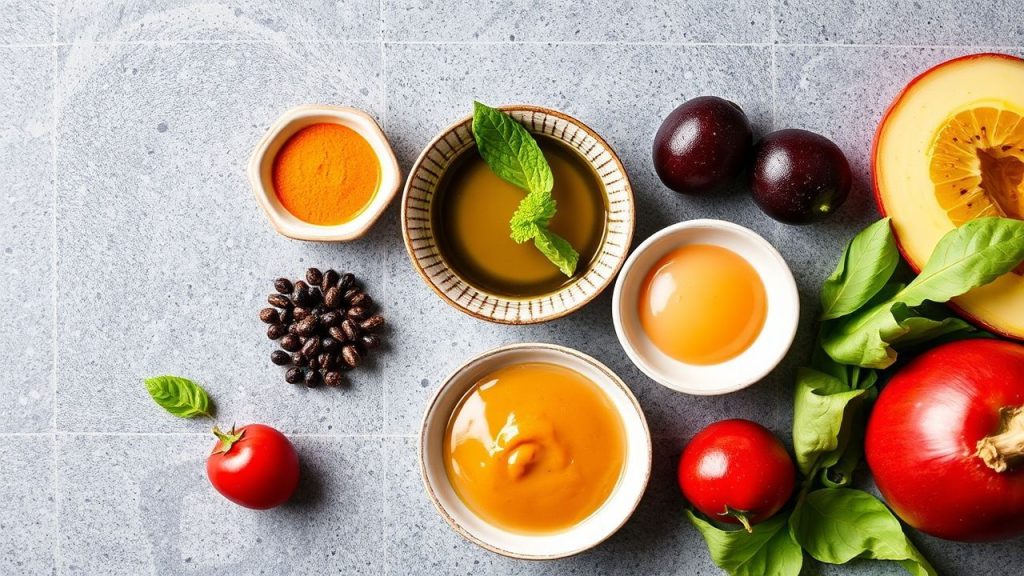
See also: Five Tastes | Seasoning Basics
Recommended Reading:
]]>
- Dehydration concentrates solutes, boosting perceived sweetness and saltiness.
- Reduced saliva changes how taste molecules reach receptors.
- Ingredient drying concentrates sugars and amino acids, intensifying aroma and taste.
How dehydration alters mouth chemistry
Mild dehydration reduces saliva volume and raises ionic concentration. That change shifts the chemical environment on the tongue and alters receptor activation.
Saliva both dissolves compounds and buffers ions that interact with taste receptors. See the role of saliva for background on composition and function.
Saliva volume and ionic concentration
When saliva volume drops, solutes from food become more concentrated at the receptor surface. Higher ionic strength amplifies salty and umami signals, because ion channels and receptors respond to steeper gradients.
Concentration also affects bitterness and sourness, which can become sharper. The balance shifts quickly; small changes in mouth hydration produce noticeable sensory effects.
Taste receptors and sensory response
Taste perception combines receptor activation with retronasal aroma to form flavor. The sensory system integrates signals from taste buds, smell, and trigeminal nerves to produce the final perception.
For a technical overview of the sensory organs involved, consult the overview on taste buds and how they transduce chemical signals.
Which tastes change most?
Salty and umami notes increase more predictably because they rely on ionic and amino-acid detection. Sweet and sour can also sharpen, but bitterness risks becoming unpleasant at low hydration.
Practical point: mild saliva reduction often enhances desirable notes; more severe dehydration reduces appetite and dulls smell, reducing overall enjoyment.
Ingredient dehydration: concentrating flavor compounds
Removing water from ingredients concentrates sugars, acids and amino acids. That concentration magnifies aroma release and intensifies perceived sweetness and savory depth.
Drying also alters chemistry: reactions such as the Maillard reaction or caramelization proceed differently with less water, creating new aroma compounds that boost complexity.
Examples from fruit and meat
Sun-dried tomatoes taste richer because their sugars and glutamates concentrate, enhancing both sweetness and umami. Dried mango or apricot taste sweeter for the same reason: water loss raises sugar density per bite.
In cured meats, controlled drying and salt concentrate flavor while enzymatic and Maillard pathways produce savory and roasted notes. Chefs use these methods deliberately to intensify profile without adding new ingredients.
Internal resources: See our recipes on dried-fruit techniques and the science explainer on saliva and taste for hands-on guidance.
Practical culinary applications
Chefs leverage dehydration to boost flavor without extra salt or sugar. Techniques include partial drying, dehydration at low temperature, or concentrating reductions to amplify aroma per bite.
Use modest drying for fruits and tomatoes to add intensity; use curing and controlled drying for savory items to deepen umami. Always combine with acidity or fat to balance intensified flavors.
Expert Insight
Apply concentrated ingredients sparingly—small amounts deliver dramatic impact. Plate tasting and incremental adjustments keep balance intact.
Safety and sensory limits
Intentional ingredient dehydration differs from bodily dehydration; the latter harms function and can reduce olfactory sensitivity if severe. Maintain hydration for health and optimal sensory acuity.
Pro-Caution
When drying ingredients, control temperature and humidity to prevent spoilage. Proper food-safety steps—clean surfaces, correct storage, and safe drying protocols—preserve flavor and reduce risk.
How chefs and food scientists apply the effect
Professionals use both ingredient drying and sensory design to shape memorable plates. They consider moisture, salt, fat and aroma delivery to tune intensity without overloading a single sense.
Simple practices include finishing with a concentrated reduction, toasting for Maillard notes, or serving a slightly drier garnish to contrast a moist main. These choices adjust perceived strength through texture and release rate.
At-table tactics to use dehydration safely
Pair concentrated elements with hydrating components: a moist puree, a squeeze of citrus, or a cooling yogurt calms intense notes. This keeps mouthfeel pleasant while preserving the amplified flavor.
Offer water between bites to reset saliva levels and avoid cumulative bitterness. Restaurants may design tasting portions to control hydration impact during a service.
FAQ
Does mild dehydration always make food taste stronger?
Mild dehydration commonly increases perceived intensity for salty and umami notes. However, severe dehydration reduces olfactory sensitivity and overall gustatory pleasure, so the relationship is not linear.
Can I intentionally dry food at home to intensify flavor?
Yes. Low-temperature dehydration or oven-drying concentrates sugars and amino acids. Follow safe drying times and storage guidelines to prevent microbial growth and preserve quality.
How do I balance intensified flavors on a plate?
Balance with acid, fat, or moisture. A small amount of concentrated ingredient can deliver a bold note; counterbalance with saline, sour, or fatty elements to maintain harmony.
Are some flavors more affected than others?
Salty and umami generally intensify most because of ionic and amino-acid concentration effects. Sweet and sour also sharpen, while bitterness can become unpleasant when over-concentrated.
When is dehydration harmful for tasting?
Relying on bodily dehydration to enhance taste is unsafe. Dehydration beyond mild thirst impairs senses and health. Use ingredient drying or controlled culinary methods instead of altering your hydration state.
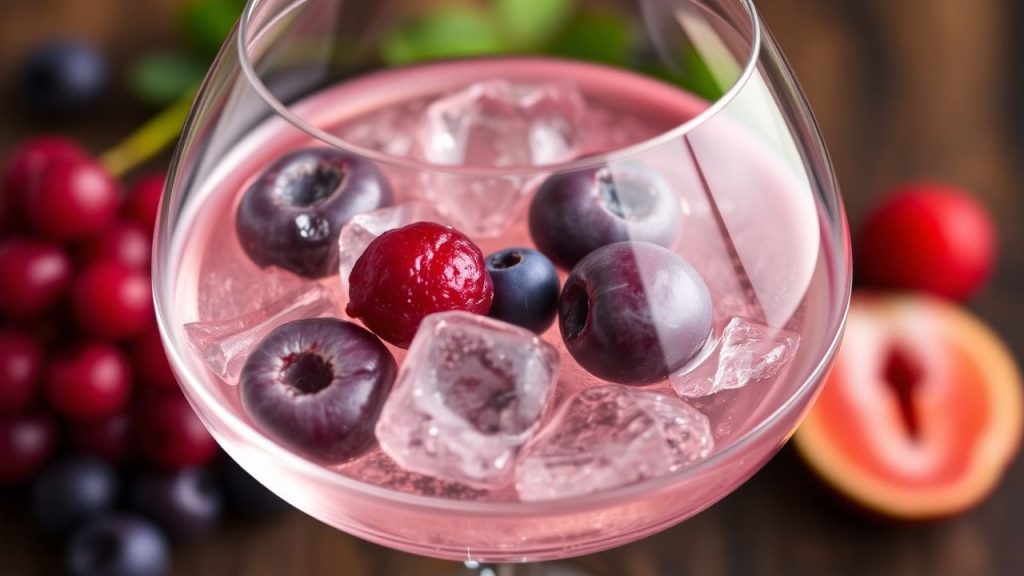
See also: Dehydration
]]>