- Complete proteins contain all nine essential amino acids your body cannot make.
- Certain plant foods are naturally complete; others become complete when paired across a day.
- Practical meal combos can supply athlete-level protein with plant sources.
What are complete proteins?
Complete proteins supply all nine essential amino acids in amounts that support tissue repair, enzyme function, and neurotransmitter production. Essential amino acids include histidine, isoleucine, leucine, lysine, methionine, phenylalanine, threonine, tryptophan, and valine.
Scientists classify a food as complete when its amino acid profile meets human needs for maintenance. For an overview of amino acids and their roles, see amino acid.
Plant foods that are naturally complete
A handful of plant foods naturally contain all nine essential amino acids in useful amounts. Examples include quinoa, soy products, buckwheat, chia, and hemp seed. These options make it straightforward to meet protein targets without complex mixing rules.
Quinoa serves as a common example; it offers a balanced amino acid profile and also delivers fiber and micronutrients. Read more about quinoa at Quinoa. Soybeans similarly provide high-quality plant protein and are versatile across cuisines; see Soybean for cultivation and uses.
Complementary proteins and practical timing
Many staple plant foods lack one or two amino acids. For example, most beans are lower in methionine while many grains are lower in lysine. Pairing a grain with a legume creates a complementary meal with a full amino acid range.
You do not need to pair complementary proteins at a single meal. The body keeps an amino acid pool; consuming varied plant proteins across the day meets requirements effectively. This flexibility simplifies meal planning for busy lifestyles.
How much protein do you need?
The general adult Recommended Dietary Allowance (RDA) is 0.8 g/kg body weight per day. That level covers minimal needs for most healthy adults. Athletes and people recovering from injury often require higher intake.
Active individuals frequently aim for 1.2–2.0 g/kg depending on training load and recovery goals. Adjust targets based on body weight, training intensity, and guidance from a registered dietitian when needed.
Practical meal combos that deliver complete proteins
Use simple, repeatable combos to reach protein goals without stress. Examples include beans with rice, hummus on whole-grain pita, lentils with barley, and oatmeal with chia or hemp seeds. These pairings supply complementary amino acids and other nutrients like fiber and iron.
Keep a small set of go-to recipes to increase consistency. If you want ready examples, check internal resources like complete-protein recipes and our plant-proteins guide for meal plans and shopping lists.
Quick recipe ideas
Try a quinoa salad with black beans, roasted vegetables, and a sprinkle of hemp seeds for a balanced plate. Another quick option is tofu scramble with sautéed kale and a serving of buckwheat toast.
Snack smart with nut butter on whole-grain toast or Greek-style soy yogurt topped with chia seeds. These choices add protein, healthy fats, and micronutrients between meals.
 Expert Insight
Special populations and planning cautions
Pregnant people, children, older adults, and competitive athletes have higher protein and micronutrient needs. These groups benefit from targeted planning and periodic monitoring of markers such as iron and B12.
Vitamin B12 is not reliably present in plant foods and requires fortified foods or supplements for those on strict plant-based diets. Consider blood tests and professional advice when changing dietary patterns.
 Pro-Caution
How to measure and track adequacy
Track protein intake via daily logs or simple apps that list grams per portion. Calculate grams per kilogram of body weight to compare against your target range. This practice makes gaps visible and correctable quickly.
Assess progress with performance markers and recovery: sustained energy, preserved lean mass, and reduced incidence of injuries indicate adequate intake. When in doubt, request lab tests for nutrient status and follow professional guidance.
Food form, digestibility, and absorption
Protein quality depends on digestibility and amino acid composition. Processing methods such as cooking, fermentation, and sprouting can improve digestibility and reduce anti-nutrients that impede absorption.
Fermented soy (tempeh) and cooked legumes typically digest better than raw seeds and beans. For deeper reading on protein concepts, consult the protein (nutrient) overview.
Key takeaways
- Plants can deliver complete proteins either directly or through complementary combinations.
- Focus on variety across the day, practical meal combos, and protein targets by weight.
- Monitor micronutrients and consider professional testing for special groups.
FAQ
Are plant-based complete proteins as effective as animal proteins?
Yes. When total protein and key amino acids meet targets, plant proteins support muscle repair and metabolic needs similarly to animal proteins. The key is managing quantity and variety.
Do I need supplements to get complete proteins on a plant diet?
Most people do not need protein supplements if they eat a varied diet with legumes, whole grains, seeds, nuts, and soy. Supplements can help meet higher needs for athletes or during recovery when food intake alone falls short.
Which single plant foods are complete proteins?
Quinoa, soy-based products, buckwheat, chia, and hemp seed contain all nine essential amino acids in meaningful amounts. These foods make meal planning simpler when you seek a single-source complete protein.
How should athletes plan plant-based protein?
Athletes often aim for 1.2–2.0 g/kg of protein daily and space intake across meals and post-workout windows. Prioritize leucine-rich options and consider timing to optimize recovery.
Where can I learn more about amino acids and protein science?
Authoritative summaries are available on educational sites and peer-reviewed journals. For a concise primer, see essential amino acid.
See also: Complete proteins
]]>
- Complete plant protein that holds up in many dishes.
- Fermentation-driven digestion benefits and reduced anti-nutrients.
- Versatile culinary uses from grilling to crumbling.
What is tempeh?
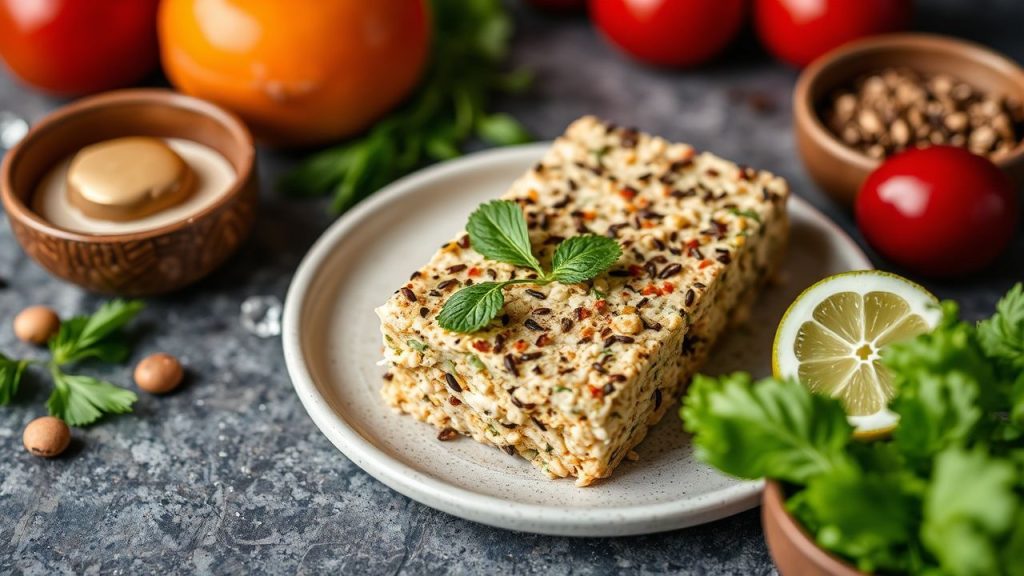
Tempeh is a traditional Indonesian soybean cake produced by fermenting cooked soybeans into a compact, sliceable block. The fermentation binds the beans and develops a savory, nutty aroma.
Manufacturers and home fermenters rely on controlled culture and time to shape texture and flavor. For background on the ingredient and regional history, see tempeh on Wikipedia.
How tempeh is made
The core method combines soaked soybeans, partial dehulling, cooking, and inoculation with a fungal culture. Then producers press and incubate the mix until a white mycelial network binds it into a firm cake.
That controlled fungal growth changes bean chemistry, reducing compounds that hinder mineral uptake. For technical context on fermentation in food, consult food fermentation research.
Fermentation process details
Producers use Rhizopus species as the dominant culture. The mold grows through the beans, generating enzymes that partially break down proteins and carbohydrates.
This enzymatic action increases free amino acids and short-chain peptides, improving flavor and digestibility. For genus-level information, see Rhizopus.
Common starter cultures
Commercial starters typically contain Rhizopus oligosporus or related strains optimized for safety and consistency. Home fermenters choose vetted starters to ensure a predictable outcome.
Temperature and humidity matter most during the 24–48 hour incubation window. Careful control prevents undesirable microbes and preserves the clean, tangy notes characteristic of quality tempeh.
Nutrition and evidence-based benefits
Tempeh supplies a concentrated dose of plant protein and fiber, often delivering roughly 15–20 grams of protein per 100 grams, depending on production. It provides essential amino acids, so it functions as a complete protein source for many diets.
Fermentation reduces phytic acid and other anti-nutrients, which improves mineral bioavailability. The process also introduces beneficial microbes and fermentation metabolites that support digestion and metabolic health.
Micronutrients: tempeh contributes B vitamins, magnesium, and calcium. In some batches, traces of vitamin B12 may appear when specific microbes are present; however, B12 content varies and should not be assumed without testing.
For foundational context on the soybean itself and its nutrient profile, see soybean.
Practical culinary uses
Tempeh accepts bold marinades and maintains texture under high heat. Slice it thin for sandwiches, cube it for stir-fries, or crumble it as a savory substitute in tacos and chili.
Techniques matter. Steam firmer blocks briefly to remove bitterness before sautéing. Then press or pan-sear to develop a caramelized exterior and deeper flavor.
Expert Insight
Balance textures in a plate: pair tempeh with quick-cooked greens, whole grains, and a sauce that adds acidity. That contrast highlights tempeh’s savory backbone and improves meal satisfaction.
Storage, safety, and quality signals
Store unopened tempeh in the refrigerator for up to one week and freeze for longer shelf life. Once opened, keep it wrapped and use within several days to avoid off-odors.
Quality cues: a clean, mushroom-like aroma and firm white mycelium indicate healthy fermentation. Dark or colored spots, strong ammonia smell, or sliminess suggest spoilage and warrant disposal.
Pro-Caution
When making tempeh at home, sanitize equipment and follow validated starter instructions. Monitor incubator temperature and avoid long exposure outside the recommended range.
Sustainable and dietary considerations
Tempeh offers a low-resource source of concentrated protein compared with many animal proteins. Its soybean base converts plant energy into dense nutrition efficiently.
For people reducing meat intake, tempeh supports protein goals while supplying fiber and micronutrients. However, consumers with soy allergies must avoid tempeh and select alternative legumes or mycoprotein sources.
Explore internal guides for recipe ideas and broader protein planning: tempeh recipes and plant protein guide. These internal resources provide tested techniques and meal plans to integrate tempeh into weekly cooking.
Common preparation mistakes and fixes
Many cooks under-season tempeh or skip the sear. Without proper browning, tempeh tastes flat and chewy. Always press and pan-sear after marinating for crisp edges.
Another frequent error is using very high heat too soon; that burns the exterior and leaves the center cold. Instead, moderate heat with a finishing blast produces even color and texture.
FAQ
Is tempeh suitable for non-vegetarians?
Yes. Many omnivores use tempeh as a meat alternative or complement. Its texture and umami make it adaptable in mixed-protein dishes.
Does tempeh contain probiotics?
Tempeh fermentation introduces beneficial microbes and metabolites. However, cooking will reduce live cultures, so raw or lightly cooked preparations retain more probiotic activity.
How do I substitute tempeh for meat in recipes?
Use a 1:1 volume substitution in many recipes. Crumbled tempeh works well in sauces and fillings, while sliced or cubed tempeh makes a hearty main when grilled or roasted.
Can I make tempeh at home safely?
Yes, with proper starter, clean equipment, and careful incubation you can. Follow manufacturer instructions and maintain recommended temperature ranges to prevent contamination.
Where can I buy tempeh?
Find tempeh at supermarkets, health food stores, and many Asian markets. Choose vacuum-packed or refrigerated blocks from reputable brands to ensure consistent quality.
Tempeh combines traditional technique and modern nutrition needs. When prepared and stored correctly, it delivers reliable protein, satisfying texture, and diverse culinary uses for many eating patterns.
See also: Tempeh
]]>