- Plant-forward protein: Lentils provide texture, protein, and cost-effective nutrition.
- Make-ahead friendly: Prepare the filling in advance to cut evening cook time and simplify plating.
- Versatile topping: Use mashed potatoes, sweet potatoes, or cauliflower mash for varied macros and flavor.
- Freezes well: Under-bake slightly if you plan to freeze the assembled lentil pie to retain moisture on reheat.
Overview and Culinary Context — Lentil Pie
This vegetarian lentil shepherd’s pie reinterprets a classic meat pie by swapping the ground meat for pulses and mushrooms while preserving structure and oven-baked appeal.
The recipe leans on principles of texture and seasoning. Swap ingredients thoughtfully and you retain the savory profile that defines a true lentil pie.
Prep and Cook Time — Lentil Pie
Preparation: 20 minutes. Good mise en place reduces oven time and keeps assembly efficient.
Cooking: 40 minutes. Simmer lentils until tender, then bake until the potato topping crisps. Total time is roughly one hour depending on equipment.
- Preparation: 20 minutes
- Cooking: 40 minutes
- Total Time: 1 hour
Yield
This recipe yields about six hearty portions—ideal for family dinners or meal prep containers.
Pair a moderate slice of lentil pie with a green salad to stretch servings and add micronutrients.
Difficulty Level
Medium. Techniques include simmering, sautéing, mashing, and baking; none require advanced skills, just timing and tasting.
Read through steps before you begin to coordinate the lentil filling and potato topping so both finish hot and textured.
Ingredients for Lentil Pie
Use quality staples: brown lentils keep their shape and starchy potatoes yield a fluffy topping. Adjust substitutions for dietary needs.
Measure liquids and season in stages so the filling finishes glossy and well seasoned before you assemble the lentil pie.
- 2 cups brown lentils, rinsed and drained
- 4 cups vegetable broth
- 3 tablespoons olive oil, divided
- 1 large onion, finely chopped
- 3 garlic cloves, minced
- 2 medium carrots, diced
- 1 cup celery, diced
- 1 cup mushrooms, finely chopped
- 1 cup frozen peas, thawed
- 2 tablespoons tomato paste
- 1 tablespoon soy sauce or tamari
- 1 teaspoon smoked paprika
- 1 teaspoon dried thyme
- 1 bay leaf
- Salt and freshly ground black pepper, to taste
- 5 large potatoes, peeled and cubed (for topping)
- 1/4 cup unsweetened plant-based milk
- 2 tablespoons vegan butter or margarine
- 1/3 cup nutritional yeast (optional)
- Fresh parsley, finely chopped, for garnish
Instructions for Lentil Pie
Follow the steps in order so the filling and topping finish at the same time. Small timing adjustments preserve texture and prevent a soggy surface.
Preheat the oven when you start step 5 so the dish can go straight in and the potatoes form a light crust.
- Cook the lentils: Combine lentils, vegetable broth, and bay leaf in a pot. Simmer 25–30 minutes until tender but not mushy; drain and discard bay leaf.
- Prepare the mashed potato topping: Boil potatoes until fork-tender, drain, then mash with plant milk, vegan butter, and nutritional yeast. Season with salt and pepper; set aside.
- Sauté aromatics and vegetables: Heat 2 tablespoons olive oil, cook onion and garlic until translucent. Add carrots, celery, and mushrooms; sauté until softened and lightly browned, about 7–8 minutes.
- Combine filling base: Stir in tomato paste, soy sauce, smoked paprika, and thyme. Add cooked lentils and peas; adjust seasoning. Add a splash of broth if the filling looks dry.
- Assemble the pie: Preheat oven to 400°F (200°C). Grease a 9×13-inch baking dish with remaining oil. Spread the lentil mixture evenly, top with mashed potatoes, and fork-texture the surface for crisp edges.
- Bake: Bake 20–25 minutes until the potato surface turns golden and edges bubble. For extra browning, broil 1–2 minutes while watching closely.
- Rest and serve: Rest 5 minutes before slicing. Garnish with parsley and serve warm.
Timing notes
If you make the filling ahead, cool it completely before refrigerating to preserve texture and prevent water separation.
Reheat the filling briefly before topping with potatoes and baking so the oven time stays consistent and the lentil pie heats through evenly.
Chef’s Notes and Tips for Lentil Pie
Lentil choice: Brown or green lentils keep shape under heat. Red lentils break down faster and yield a stew-like filling when used.
Texture control: Monitor moisture; balance tomato paste and broth to avoid a watery filling that can make the topping soggy.
 Expert Insight
Use the suggested seasoning progression—salt early on onions, then taste and adjust at the end—to lock in flavor without over-salting the lentil pie.
 Pro-Caution
Allow a buffer when reheating frozen portions: cover with foil and add 10–15 minutes if still cold in the center. Check temperature before serving.
Serving Suggestions
Serve the lentil pie with a crisp, acidic salad to balance richness. A simple lemon vinaigrette cuts through the mouthfeel and refreshes the palate.
Offer pickled red onions or a tangy slaw for contrast. Bread on the side helps soak up juices and extends portions economically.
Nutrition Snapshot
This lentil pie emphasizes plant protein, fiber, and complex carbohydrates. Lentils supply protein and iron while potatoes add potassium and vitamin C when eaten soon after cooking.
To reduce saturated fat, choose light oils and plant milk. For precise macros, weigh ingredients and consult a nutrition database for exact values.
| Nutrient | Per Serving |
|---|---|
| Calories | 350 kcal |
| Protein | 18 g |
| Carbohydrates | 45 g |
| Fat | 8 g |
FAQ
What makes this dish a satisfying vegetarian substitute for traditional shepherd’s pie?
The combination of lentils and mushrooms creates a dense, umami-rich texture that mimics ground meat. Proper seasoning lets the lentil pie deliver heft and flavor without animal protein.
Can I use other pulses instead of lentils?
Yes. Cooked chickpeas or black beans work but change texture. If you use chickpeas, mash some to help bind the filling and prevent a loose layer in the lentil pie.
How do I get the mashed potatoes extra creamy?
Use starchy potatoes like Russets or Yukon Golds. Warm plant milk and melted vegan butter fold in more smoothly, yielding a silkier mash for the lentil pie topping.
Is this recipe freezer-friendly?
Yes. Freeze the cooled filling separately or assemble the full pie and freeze before baking. Thaw overnight in the fridge, then bake until heated through, adding extra minutes if still partially frozen.
What spices or sauces enhance the filling’s depth?
Umami boosters like soy sauce, miso, or vegan Worcestershire sauce lift savory notes. Smoked paprika and thyme add warmth; use them sparingly and taste as you go to refine the lentil pie seasoning.
Sources and Further Reading
To understand ingredient behavior and traditional context, consult primary references on legumes and classic pies:
- Lentil — legumes used for texture and protein.
- Shepherd’s pie — historic context for this style of baked pie.
- Potato — starch choices and cooking properties for mashed toppings.
- Vegetarianism — dietary framework and common substitutions referenced in recipe planning.
Use these references to refine technique, pacing, and ingredient swaps while you master the lentil pie.

See also: Lentil pie variations and batch-cook strategies above for flexible weeknight cooking.
See also: lentil pie
]]>
- Key takeaway 1: Umami anchors flavor and increases perceived satisfaction.
- Key takeaway 2: Simple techniques—caramelizing, roasting, deglazing—amplify taste rapidly.
- Key takeaway 3: Fermented and aged plant ingredients can replace animal-based savoriness.
- Key takeaway 4: Balance acidity, salt, fat, and texture to finish a dish with impact.
Understanding Umami and Savory Chemistry
Umami gives dishes a rounded, lingering savory sensation. Scientifically, umami receptors respond to free glutamate and certain nucleotides; these compounds communicate richness to the palate. See umami for background on the taste and its perception.
Vegetarian kitchens often underdeliver on umami because whole vegetables contain bound forms of flavor precursors. Techniques that concentrate or convert those precursors release more sensory impact. For a primer on the underlying molecules, consult glutamate.
Savory Mushroom & Lentil Recipe (Practical Example)
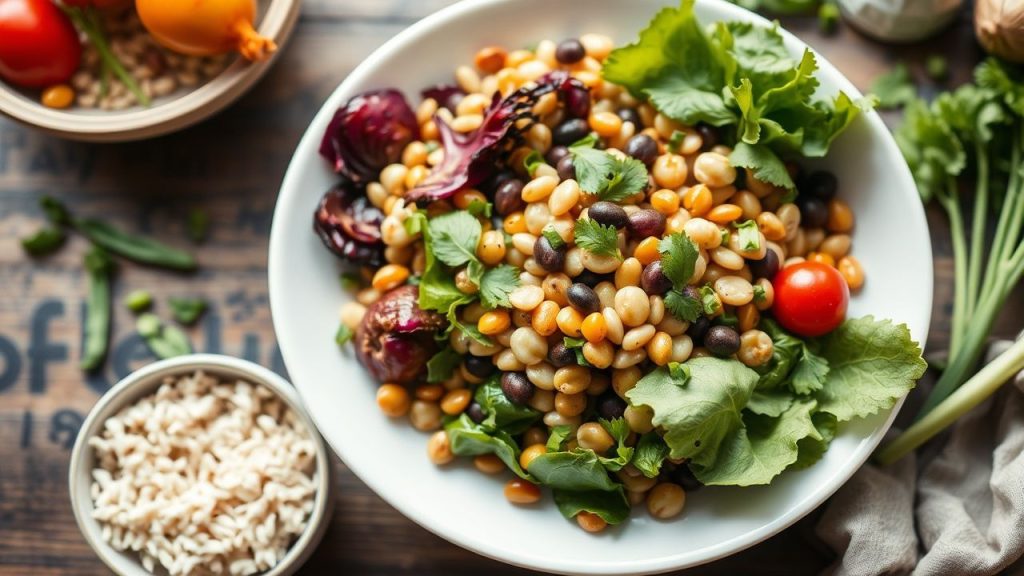
This mushroom-and-lentil mixture demonstrates how layered umami, texture, and acid deliver completeness. It works as a main, a grain topper, or a filling, and it scales easily for meal prep.
The recipe relies on rehydrated dried shiitake, fermented miso, nutritional yeast, and a low-sodium condiment to build depth without excess salt. For context on the mushroom variety, see shiitake mushroom.
Prep and Time
Preparation: 15 minutes. Keep ingredients organized to allow uninterrupted caramelization and deglazing.
Cooking: 25 minutes. Monitor heat so vegetables brown but do not burn.
Yield and Difficulty
Yield: Serves 4. The mixture stores well and improves overnight.
Difficulty: Easy to medium. Techniques are basic but require attention to timing.
Ingredients
1 cup dried shiitake mushrooms, soaked and sliced; 2 tablespoons miso paste; 1 tablespoon tamari; 1 tablespoon nutritional yeast; 1 cup cooked lentils; 1 medium onion, finely chopped; 3 cloves garlic, minced; 1 tablespoon olive oil; 1 teaspoon smoked paprika; 1/2 cup vegetable broth; salt and freshly ground black pepper; chopped parsley to garnish.
Choose low-sodium broth and tamari to control total sodium while preserving depth. For more plant-based ingredient ideas, visit Vegetarian Umami Boosters.
Instructions
1. Prepare mushrooms: Soak dried shiitake in warm water for 20 minutes. Reserve the soaking liquid; it concentrates savory solubles and can replace part of the broth.
2. Sauté aromatics: Warm olive oil in a large skillet over medium heat. Add onion and garlic; sauté until golden and fragrant, about 5 minutes. Browning these builds Maillard compounds that add complexity.
3. Add mushrooms and spices: Add sliced shiitake and smoked paprika. Cook until mushrooms soften and edges brown, 7–8 minutes. Browning intensifies savory perception.
4. Combine lentils and umami elements: Stir in cooked lentils, miso paste, nutritional yeast, and tamari. Heat gently for 2–3 minutes so the miso dissolves and flavors meld.
5. Deglaze and simmer: Pour in vegetable broth and reserved mushroom soaking liquid if desired. Scrape browned bits from the pan and simmer until slightly reduced, about 5 minutes. This concentrates flavor without added salt.
6. Final seasoning: Taste and adjust with small amounts of salt and pepper. Finish with a squeeze of acid—lemon or vinegar—to lift the palate and reveal hidden layers.
Techniques That Add ‘Completeness’
Caramelization and roasting break down sugars and form savory Maillard products. These reactions add both aroma and perceived richness. Use medium-high heat and avoid overcrowding the pan so browning occurs efficiently.
Deglazing with a flavorful liquid recovers browned fond and reincorporates it into the dish. Similarly, fermenting or aging ingredients concentrates free amino acids and nucleotides that stimulate umami receptors.
Why Texture Matters
Texture signals satisfaction as much as flavor does. Contrast creamy lentils with chewy mushrooms and crisp toasted seeds to create interest in every bite. A varied mouthfeel increases satiety and perceived value of the meal.
For meal-builders, include at least two contrasting textures per plate: soft (grains or legumes) and crisp (roasted vegetables, seeds, or toasted bread). Texture amplifies the impression that a dish is complete.
[h2]Health-Conscious Seasoning and Ingredients[/h2]
Use low-sodium condiments and homemade broth to control salt while keeping flavor. Fermented ingredients—like miso—deliver concentrated umami in small amounts, making them efficient and health-friendly.
Nutritional yeast provides savory, cheese-like notes with added B vitamins. Add it late in cooking to maintain flavor. If shiitake are unavailable, dried porcini or cremini are solid substitutes.
Expert Insight
Fat carries aroma molecules and rounds mouthfeel. A tablespoon of olive oil, a drizzle of tahini, or a sprinkle of toasted nuts can resolve any flatness. Do not remove fat entirely; instead, prefer healthy unsaturated sources for balance.
Pro-Caution
Tips for Success
Elevate umami naturally: Use fermented or aged plant ingredients—miso, tamari, sundried tomatoes, and aged soy products add depth without artificial enhancers.
Optimize texture: Caramelize mushrooms and onions to unlock savory compounds. Add toasted seeds or nuts just before serving for crunch.
Control sodium smartly: Prefer low-sodium tamari and homemade broth. Add salt at the end to avoid over-seasoning during reduction steps.
Make-ahead benefits: Many umami-rich dishes improve after a day as flavors blend. Store in airtight containers and reheat gently to preserve texture.
Serving Suggestions
Serve the mushroom-lentil mix over warm quinoa or brown rice to create a complete protein profile and a satisfying bowl. Add roasted root vegetables for seasonal depth.
Use the mixture as a filling for whole-grain tacos, stuffed peppers, or savory pies. Finish with fresh acid (lemon or vinegar) and a crunchy topping like toasted pine nuts or pumpkin seeds.
Nutrition Facts
| Nutrient | Per Serving |
|---|---|
| Calories | 280 kcal |
| Protein | 18 g |
| Carbohydrates | 32 g |
| Fat | 6 g |
Related Resources
For further reading on the science and practical techniques that enhance plant-based savoriness, see the following internal and reference pages. These links point to tested approaches and additional recipes on our site.
Vegetarian Umami Boosters and Lentil Recipes offer practical variations, meal plans, and make-ahead strategies to increase kitchen efficiency.
FAQ
Why do some vegetarian meals feel like they’re missing something?
Often they lack concentrated savory compounds and contrasting textures. Without umami and textural interest, dishes can taste one-dimensional and unsatisfying.
To fix this, layer flavors: caramelize aromatics, add fermented elements, and finish with acid or fat to balance the profile.
What exactly is umami, and why does it matter in vegetarian cooking?
Umami is a basic taste that signals protein-rich or aged foods. It makes dishes feel richer and more sustaining by activating specific taste receptors.
Plant-based kitchens can use glutamate-rich vegetables and fermented ingredients to mimic that savory depth without animal products. Learn more at umami.
How can I make my vegetarian meals more satisfying right now?
Add a small amount of a fermented or aged ingredient (miso, tamari, nutritional yeast), balance with acid, and include at least one crunchy element. These moves transform a flat plate into a layered one.
Also, cook components separately to allow proper browning, then combine at the end for maximum contrast.
Are there simple ingredient swaps that boost flavor quickly?
Yes. Swap regular soy sauce for low-sodium tamari, use miso in place of plain salt in many sauces, and substitute dried mushrooms for fresh to intensify aroma. Toast seeds or nuts before use to add warm, toasty notes.
For seasoning theory and taste receptor basics, consult taste.
Can plant-based proteins make a meal feel complete?
Absolutely. Tempeh, seitan, tofu, and legumes provide texture and substance. Marinate, season, and apply high-heat techniques to maximize their flavor-carrying potential.
Combine these proteins with grains and seeds to build balanced meals that satisfy both hunger and palate.
Final Notes
Completeness in vegetarian cooking is intentional. Focus on concentrated savory ingredients, purposeful heat application, and textural contrasts to convert wholesome components into crave-worthy dishes.
Practice these methods regularly; the more you apply them, the quicker you will recognize and fix flatness in any plant-based meal.
See also: umami
]]>