Cake vs. Yeast Donuts have long stirred debates among pastry lovers, each boasting unique textures and flavors that captivate our senses. The dense crumb of cake donuts contrasts delightfully with the airy, pillow-like softness of yeast donuts, making them equally tempting yet distinctly different. Rooted in tradition yet every bit modern, understanding these differences enhances not only your baking skills but also your enjoyment of pairing each donut with complementary beverages and occasions.
Prep and Cook Time
Preparation Time: 20 minutes
Cooking Time: 15 minutes
Total Time: 35 minutes
Yield
Makes 12 delectable donuts (6 cake donuts and 6 yeast donuts)
Difficulty Level
Medium – Perfect for bakers ready to explore both quick-mix and yeast fermentation techniques
Ingredients
- For Cake Donuts:
- 1 cup all-purpose flour, sifted
- ¼ cup granulated sugar
- 1 tsp baking powder
- ¼ tsp baking soda
- ¼ tsp salt
- ½ tsp ground nutmeg
- ⅓ cup buttermilk, at room temperature
- 1 large egg
- 2 tbsp unsalted butter, melted and cooled
- 1 tsp vanilla extract
- Vegetable oil, for frying
- For Yeast Donuts:
- 2¼ tsp active dry yeast (1 packet)
- ⅓ cup warm whole milk (110°F/43°C)
- 3 tbsp granulated sugar
- 2 large eggs
- ½ cup unsalted butter, softened
- 4 cups all-purpose flour, plus extra for dusting
- 1 tsp salt
- Vegetable oil, for frying
- 1 tsp vanilla extract
- Glaze (optional for both):
- 2 cups powdered sugar
- ¼ cup whole milk
- 1 tsp vanilla extract
Instructions
- Prepare Yeast Donut Dough: In a small bowl, dissolve yeast in warm milk with 1 teaspoon sugar. Let stand 5-10 minutes until frothy. In a large bowl, whisk together 3 cups flour, remaining sugar, and salt.
- Add the eggs, softened butter, vanilla, and yeast mixture to the flour mixture. Beat on medium speed until combined, then switch to low and add remaining flour, ½ cup at a time, until a soft dough forms.
- Turn dough onto a floured surface and knead gently for 5 minutes until smooth and elastic. Place in greased bowl, cover, and let rise 1 to 1.5 hours until doubled.
- Make Cake Donut Batter: In a medium bowl, sift flour, baking powder, baking soda, salt, and nutmeg together. In another bowl, whisk egg, sugar, buttermilk, melted butter, and vanilla until smooth.
- Combine wet and dry ingredients until just blended. Avoid overmixing; the batter should be thick but scoopable.
- Shape Yeast Donuts: Punch down risen dough and roll out on floured surface to ½-inch thickness. Cut out donuts using a floured 3-inch round cutter for the outside and a 1-inch cutter for the hole.
- Let the cut yeast donuts rest on parchment for 20-30 minutes until puffy and slightly risen.
- Fry Donuts: Heat vegetable oil in a deep fryer or large heavy pot to 350°F (175°C). Fry yeast donuts gently for 1-2 minutes per side until golden. Drain on paper towels.
- For cake donuts, carefully drop spoonfuls or use a donut mold into hot oil, frying 1-2 minutes per side until golden brown. Drain on paper towels.
- Glaze (optional): Whisk powdered sugar, milk, and vanilla until smooth. Dip warm donuts halfway into glaze and place on wire rack until set.
Tips for Success
- Temperature Check: Ensure oil is stabilized at 350°F for perfectly crispy, non-greasy donuts.
- Gentle Kneading: Over-kneading yeast dough can lead to tough donuts; aim for a smooth, elastic texture.
- Mixing Batter: Cake donut batter benefits from minimal mixing to maintain tender crumb – lumps are okay!
- Make-Ahead: Yeast donut dough can be refrigerated overnight for slow fermentation, enhancing flavor complexity before shaping.
Serving Suggestions
Present cake donuts dusted with powdered sugar or cinnamon sugar for a rustic charm. Yeast donuts glazed with vanilla or chocolate complement morning coffees beautifully. For an elevated experience, pair cake donuts with a rich hot chocolate and yeast donuts with a freshly brewed robust espresso or fruity tea to play on texture and flavor contrasts.
| Donut Type | Calories | Protein | Carbs | Fat |
|---|---|---|---|---|
| Cake Donut | 210 kcal | 3 g | 28 g | 10 g |
| Yeast Donut | 250 kcal | 4 g | 30 g | 12 g |
Explore more delicious baking insights in our comprehensive dough and leavening guide, or deepen your scientific understanding through the latest food science research.

Q&A
Q&A: Cake vs. Yeast Donuts – Unraveling the Sweet Differences
Q1: What’s the main difference between cake and yeast donuts?
A1: The magic lies in the batter and the rise. Cake donuts are made from a thick, cake-like batter that rises with baking powder or baking soda, resulting in a dense, tender texture. Yeast donuts, on the other hand, use yeast to ferment and rise, giving them a light, airy, and fluffy quality-almost like a sweet, pillowy cloud.
Q2: How does the flavor differ between the two?
A2: Cake donuts tend to have a rich, buttery flavor with a hint of sweetness, often heavier and more indulgent. Yeast donuts offer a milder sweetness with subtle yeast notes, making them perfect for glazing or fillings that shine through their airy base.
Q3: What about the texture? How do they compare when you bite in?
A3: Bite into a cake donut, and you’ll experience a slightly crumbly, dense texture that’s satisfyingly cakey. Yeast donuts give way to a soft, stretchy crumb that gently bounces back, providing a chewy contrast that melts on your tongue.
Q4: Which takes longer to make?
A4: Cake donuts win the race for speed-they’re mixed and fried almost immediately. Yeast donuts play the long game: they require time to proof and rise, sometimes doubling in size before frying or baking, making them a bit more patient to create.
Q5: Can you tell them apart just by looking?
A5: Sometimes! Yeast donuts usually have a smooth, puffy appearance with a shiny glaze or sugar coating. Cake donuts often look slightly rougher on the surface, a bit more textured due to the batter’s consistency. But don’t be fooled-both can sport all sorts of colorful toppings and shapes.
Q6: Which is healthier?
A6: Both are indulgences, but cake donuts tend to be denser and may have more sugar or fat. Yeast donuts are lighter but still fried, so health-wise, enjoy either in moderation and savor the sweet joy!
Q7: Any tips for homemade perfection?
A7: For cake donuts, mix just until combined to avoid toughness. For yeast donuts, give that dough enough time to rise fully-it’s the secret to softness. And no matter the type, frying at the right temperature (around 350°F/175°C) ensures a golden, crisp exterior without greasiness.
Q8: Can cake and yeast donut recipes be swapped?
A8: They’re fundamentally different both in ingredients and technique, so swapping usually won’t work well. Cake donuts rely on chemical leaveners and a thick batter, while yeast donuts need time and warm fermentation. Each has its own sweet science!
Q9: What’s your favorite way to enjoy each type?
A9: Cake donuts shine with a dusting of powdered sugar or a chocolate glaze-simple and classic. Yeast donuts love to be filled with jam, custard, or dipped in a shiny glaze, highlighting their fluffy texture beautifully.
Q10: Why do people love both so much?
A10: Ultimately, cake and yeast donuts offer two distinct sweet pleasures: one hearty and comforting, the other light and ethereal. Whether you crave a dense bite or a fluffy cloud of sugar, donuts capture the essence of joy in every bite. It’s a delicious duality that keeps us coming back for more!
Insights and Conclusions
In the end, whether you lean toward the dense, tender crumb of a cake donut or the light, airy bounce of its yeast-raised cousin, each brings its own delightful story to the palate. Cake donuts offer a comforting richness, often bursting with flavors that cling like a warm hug, while yeast donuts enchant with their pillowy texture and subtle sweetness, a testament to the magic of fermentation. Understanding these sweet differences not only sharpens your taste buds but also deepens your appreciation for the art and science behind every bite. So next time you reach for a donut, you’ll know exactly which kind of bliss you’re savoring-because in the world of donuts, every crumb has its tale.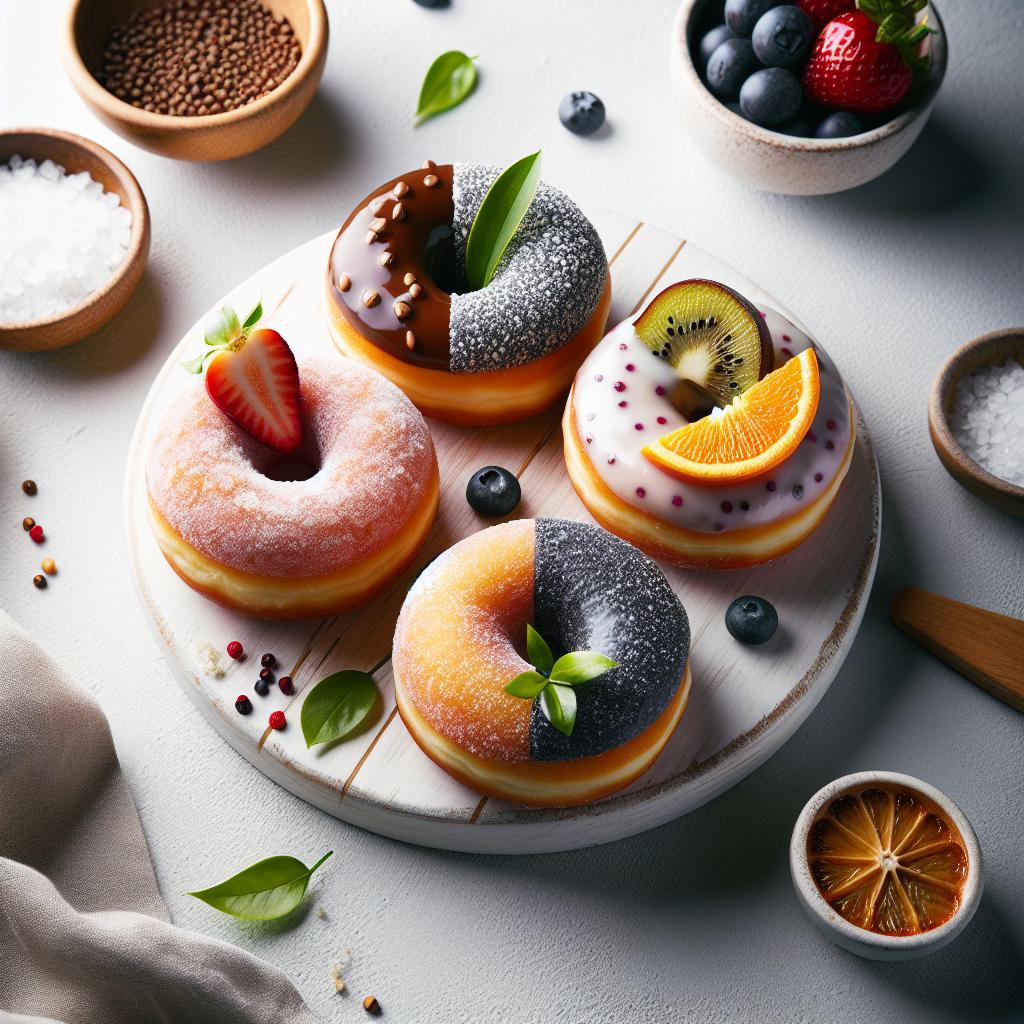
Yeast uncovered reveals the fascinating biochemical artistry that turns humble dough into an aromatic, airy delight. This microscopic powerhouse is the unsung hero behind that magnificent rise and irresistible flavor in baked goods, transforming simple ingredients into culinary magic through the age-old science of fermentation.
Prep and Cook Time
- Preparation: 20 minutes
- Proofing and Rising: 1 to 2 hours (depending on yeast strain and ambient temperature)
- Baking: 25 to 35 minutes
Yield
Makes 1 large loaf or 12 rolls
Difficulty Level
Medium – perfect for bakers ready to deepen their understanding of yeast behavior and dough fermentation.
Ingredients
- 3 ½ cups all-purpose flour, sifted
- 2 ¼ tsp active dry yeast (approximately one packet)
- 1 ¼ cups warm water (105°F to 110°F)
- 2 tbsp granulated sugar
- 2 tbsp unsalted butter, softened
- 1 ½ tsp fine sea salt
- Additional flour for dusting
Instructions
- Activate the yeast: In a small bowl, combine warm water and sugar, stirring gently until dissolved. Sprinkle the yeast over the surface and allow to sit undisturbed for 5-10 minutes until foamy and frothy, signaling the yeast is alive and kicking.
- Mix the dough: In a large bowl, whisk together the flour and salt. Create a well in the center and pour in the yeast mixture and softened butter. Stir with a wooden spoon until the dough begins to pull together.
- Knead to develop gluten: Transfer the dough onto a lightly floured surface. Knead vigorously for about 10 minutes until the surface is smooth, elastic, and springy to the touch-signifying proper gluten formation.
- First rise: Shape the dough into a ball and place it in a light-oiled bowl, turning once to coat. Cover with a damp cloth or plastic wrap. Let it ferment at room temperature for 1 to 1.5 hours, until it doubles in size, influenced heavily by yeast strain and room warmth.
- Shape and rest: Punch down the dough gently to release excess gas. Shape into your desired form-loaf or rolls-and place onto a parchment-lined baking tray or into a loaf pan. Cover again and let it rise a second time until puffy, about 30-45 minutes.
- Bake to golden perfection: Preheat oven to 375°F (190°C). Bake the bread until crusty and golden brown, about 25-35 minutes. The loaf should sound hollow when tapped on the bottom, a sign of thorough baking.
- Cool before slicing: Remove from oven and cool completely on a wire rack to allow residual steam to finish the crumb structure.
Chef’s Notes: Tips for Success
- Yeast strains matter: For a more complex flavor, try substituting active dry yeast with instant yeast for a quicker rise, or experiment with sourdough starters for tangy depth. Each strain expresses unique aromatic esters and organic acids enhancing your final product.
- Yeast activation temperature: Ensure water is warm, never hot – above 120°F kills yeast cells, below 90°F can slow fermentation drastically.
- Humidity & proofing: A slightly humid environment accelerates yeast fermentation. Use a proofing box or a sunny spot to encourage perfect rise.
- Common issues: Dough that fails to rise? Check yeast freshness, water temperature, or increase proofing time. A dense crumb often results from under-kneading or insufficient rising time.
- Make ahead: Prepare the dough the night before, refrigerate after the first rise, then shape and bake fresh the next day for enhanced flavor complexity.
Serving Suggestions
Enjoy this freshly baked bread warm with a pat of rich butter and a sprinkle of flaky sea salt. For a savory twist, serve alongside homemade herb-infused olive oil or a garlic cream cheese spread. Garnish with freshly chopped rosemary or thyme for an earthy aroma that complements the nuanced flavors born from fermentation.
This bread also pairs beautifully with hearty soups and stews, or as the base for gourmet sandwiches featuring roasted vegetables, smoked meats, or sharp cheeses.

Nutritional Information per Serving
| Calories | Protein | Carbs | Fat |
|---|---|---|---|
| 180 kcal | 5 g | 35 g | 3 g |
For exploring more about yeast fermentation and dough science, check our Baking Science Guide. For a deep dive into yeast and baking from a trusted source, visit Encyclopaedia Britannica’s article on yeast.
Q&A
Q&A: Yeast Uncovered: The Tiny Powerhouse Behind Baking Magic
Q1: What exactly is yeast?
A1: Yeast is a single-celled living fungus, tiny but mighty. It’s nature’s little magician that transforms simple dough into airy, fluffy bread through the power of fermentation.
Q2: How does yeast make bread rise?
A2: Yeast gobbles up sugars in the dough and releases carbon dioxide gas as a byproduct. These invisible bubbles get trapped in the dough’s gluten web, causing it to expand and rise like a fluffy pillow of deliciousness.
Q3: Are all types of yeast the same?
A3: Not quite! There are many strains of yeast, but in baking, you mostly encounter active dry yeast, instant yeast, and fresh yeast. Each behaves slightly differently, but all share the same superpower of fermentation.
Q4: Can I see yeast at work?
A4: While yeast themselves are too tiny to see without a microscope, you can witness their handiwork when your dough starts to bubble, swell, and fill your kitchen with that lovely, yeasty aroma.
Q5: Does yeast have a secret recipe for success?
A5: Its secret is simple: warmth, moisture, and food (sugars). Give yeast a cozy environment around 75-85°F (24-29°C), some water, and a pinch of sugar, and it’ll happily work its magic.
Q6: What happens if I skip the yeast in bread recipes?
A6: Without yeast, your bread won’t rise or develop those delightful air pockets. Instead, you’ll get a dense, flat loaf-delicious in its own right, but missing that classic fluffy texture.
Q7: Is yeast only useful for baking?
A7: Far from it! Yeast is also a key player in brewing beer, fermenting wine, and even producing biofuels. Its tiny cells pack a punch well beyond the bakery.
Q8: How can I keep my yeast happy and healthy?
A8: Store dry yeast in a cool, dry place or refrigerate fresh yeast to keep it alive. Too much heat or moisture can weaken or kill it, leaving your dough deflated and sad.
Q9: Can I use wild yeast instead of store-bought yeast?
A9: Absolutely! Wild yeast, naturally found in the air and on flour, can be harnessed in sourdough starters. This ancient baking method creates bread with complex flavors and a hearty crumb.
Q10: Why do bakers call yeast a “tiny powerhouse”?
A10: Because in its microscopic size lies immense transformative power. Yeast breathes life into dough, turning humble ingredients into warm, aromatic loaves that comfort and delight-a true baking superhero in a tiny package!
In Summary
As we close this chapter on yeast-the microscopic marvel that transforms simple dough into golden loaves-we come to appreciate that baking is more than just mixing ingredients. It is a delicate dance of biology and chemistry, where yeast takes center stage as the tiny powerhouse igniting the magic of rising bubbles and airy textures. So next time you savor that fresh slice of bread or inhale the aroma of a warm pastry, remember the unsung hero quietly working its alchemical wonders beneath the surface. Yeast isn’t just an ingredient; it’s the living spark that breathes life into the art of baking.
Kahm Yeast Uncovered: Harmless Film or Hidden Threat?
Kahm yeast is a delicate, powdery film that often appears during fermentation, silently forming atop your jars filled with pickles, sauerkraut, and other preserved delights. As any avid fermenter quickly learns, kahm yeast can both puzzle and concern, but understanding its true nature is key to mastering safe and successful fermentation.
Prep and Cook Time
- Preparation: 10 minutes (plus fermentation time)
- Fermentation duration: 1 to 4 weeks, depending on the recipe and ambient temperature
Yield
- Approximately 4 to 5 cups of fermented vegetables or other fermented goods
Difficulty Level
- Easy to Medium – perfect for both beginners and seasoned fermenters aiming to refine their craft
Ingredients
- 1 medium head of green cabbage, shredded
- 1 tablespoon sea salt (non-iodized, finely ground)
- Filtered water, enough to submerge the cabbage
- Optional: 2 teaspoons caraway seeds or other herbs for flavor
Instructions
- Prepare your ingredients: Remove outer leaves of cabbage, set one whole leaf aside for later use. Shred the remaining cabbage finely.
- Salt and massage: In a large bowl, toss shredded cabbage with 1 tablespoon of sea salt. Massage vigorously for 5-7 minutes until the cabbage softens and liquid begins to release, creating a brine.
- Pack the jar: Transfer the cabbage and brine into a clean fermentation jar. Use the reserved cabbage leaf to press down as a natural weight, ensuring the cabbage remains submerged under liquid.
- Seal and store: Cover the jar with a cloth secured by a rubber band or use a fermentation lid to allow gases to escape. Store in a cool, dark place, ideally around 65-72°F (18-22°C).
- Monitor for kahm yeast: Within a few days, watch for the appearance of a thin, white film on the surface – this is kahm yeast. It is harmless but can alter flavor if left unchecked.
- Remove kahm yeast: Carefully skim the kahm yeast off the surface daily using a clean spoon. If the brine becomes cloudy or develops off-odors, discard the batch.
- Ferment to taste: Depending on your preference, allow fermentation for 1 to 4 weeks before refrigerating and enjoying.
Chef’s Notes: Tips for Success with Kahm Yeast Awareness
- Understanding formation: Kahm yeast forms when wild yeasts come into contact with oxygen during fermentation-it thrives on sugars but is non-toxic and part of many natural ferments.
- Don’t panic: Unlike mold, kahm yeast appears as a thin, white to off-white film-not fuzzy or greenish. It doesn’t penetrate food and can be carefully removed.
- Preventing kahm yeast: Ensure vegetables are fully submerged in brine to block oxygen; use a fermentation weight or reserved cabbage leaf to keep contents below the surface.
- Clean environment: Sanitize jars and utensils before use to reduce unwanted contaminants.
- Flavor impact: While benign, kahm yeast can impart a slightly off-flavor, so regular removal is recommended for optimal taste.
- Substitutions: Experiment with different salt concentrations or add aromatic herbs-just maintain the protective brine barrier to limit kahm growth.
Serving Suggestions
Once your fermentation is complete and kahm yeast properly managed, enjoy your preserved cabbage as a crunchy, tangy side or ingredient. Serve chilled atop sandwiches, crisp salads, or alongside rich dishes to balance flavors.
Garnish fermented vegetables with fresh dill, a sprinkle of toasted caraway, or a drizzle of quality olive oil to elevate your plate visually and flavorfully.
| Nutrient | Per 100g |
|---|---|
| Calories | 19 kcal |
| Protein | 1 g |
| Carbohydrates | 4 g |
| Fat | 0 g |

Further Reading and Resources
For a deeper dive into fermentation science and safety tips, visit the CDC’s Food Safety Guidelines. Explore our comprehensive Fermentation Basics Guide for hands-on techniques to enhance your kitchen adventures.
Q&A
Q&A: Kahm Yeast Uncovered: Harmless Film or Hidden Threat?
Q1: What exactly is kahm yeast?
A1: Kahm yeast is a thin, whitish, often powdery film that appears on the surface of fermented foods and liquids, such as sauerkraut, pickles, or kombucha. It’s a naturally occurring wild yeast that thrives in acidic, low-oxygen environments, often forming as a sign of fermentation in progress.
Q2: Should I be worried if I see kahm yeast on my ferment?
A2: Generally, kahm yeast is harmless and not toxic. While its presence might look alarming, it doesn’t indicate dangerous mold or spoilage. However, it can impart off-flavors or an undesirable smell, so many fermenters choose to remove it to maintain the best taste.
Q3: How can I tell kahm yeast apart from harmful mold?
A3: Kahm yeast usually presents as a smooth, white or cream-colored film that floats on the surface. Harmful molds often have fuzzy, green, black, or blue patches with a more three-dimensional texture. If you detect any mold, it’s safer to discard the batch altogether.
Q4: What causes kahm yeast to grow?
A4: Kahm yeast flourishes when there’s exposure to oxygen, lack of sufficient salt, or temperature swings during fermentation. It’s more common in brines that aren’t fully covered or sealed, allowing wild yeasts from the environment to settle on the surface.
Q5: Can kahm yeast spoil my homemade ferment?
A5: While kahm yeast itself doesn’t make the ferment unsafe, it can alter the flavor profile-sometimes giving a slightly cheesy or yeasty taste. If removed promptly and the ferment is properly sealed afterward, the batch is usually just fine to eat.
Q6: How do I prevent kahm yeast from forming?
A6: Prevention revolves around limiting oxygen exposure: keep your ferment submerged under brine, use fermentation weights, ensure proper salt concentration, and ferment at consistent, appropriate temperatures. Using airtight lids or fermentation airlocks can also help create an ideal environment.
Q7: Is kahm yeast beneficial at all?
A7: While kahm yeast isn’t typically sought after, it’s part of the wild ferment ecosystem. It can assist in breaking down ingredients during early fermentation stages. However, its presence is more of a byproduct than a beneficial agent compared to lactic acid bacteria that drive the fermentation.
Q8: What should I do if kahm yeast forms on my ferment?
A8: Simply skim off the kahm yeast layer with a clean spoon. Ensure the food underneath is submerged and the environment stays anaerobic. If the ferment smells off or shows signs of mold, it’s better to err on the side of caution and discard it.
Q9: Can animals or pets be affected by kahm yeast on human ferments?
A9: Kahm yeast isn’t known to be harmful, but fermented foods may not always be suitable for pets’ diets. Always consult a vet before sharing homemade ferments with animals, but the yeast itself isn’t considered toxic.
Q10: Where can I learn more about safe fermentation practices?
A10: For anyone diving into home fermentation, resources like the National Center for Home Food Preservation, books by fermentation experts, or local workshops are invaluable. Understanding the science behind fermentation will help you embrace wild yeasts like kahm with confidence-or know when to take action.
In Retrospect
As we peel back the layers of kahm yeast, it becomes clear that this slippery film is more friend than foe-a natural passenger in the fermentation journey rather than a sinister saboteur. While its presence may raise eyebrows and prompt a quick wipe, kahm yeast primarily serves as a harmless byproduct of nature’s microbial dance. Yet, understanding its traits and when to intervene helps home fermenters nurture the delicate balance between flavor development and spoilage. In the end, kahm yeast reminds us that in the world of fermentation, not all unwelcome guests threaten the party; some simply join in uninvited, quietly adding their subtle signature to the ever-evolving canvas of taste.