
By using this site, you agree to the Privacy Policy and Terms of Use.
Accept
CookOrBitCookOrBitCookOrBit
  • Home
  • About Us
  • Ingredient Science
    • Flavor & Aroma
    • Protein Chemistry
    • Sugar & Starch
    • Fats & Emulsions
  • Cooking Techniques
    • Searing & Grilling
    • Baking & Roasting
    • Boiling & Steaming
    • Low & Slow
  • Kitchen Experiments
    • DIY Ferments
    • Flavor Tests
    • Gadget Testing
    • Molecular Gastronomy
  • Food Myths
    • Searing Myth
    • 5-Second Rule
    • MSG Myths
    • Microwave Myths
  • Tools
  • More
    • Extra Picks
    • Quick & Easy
      • Breakfast Ideas
      • Desserts
      • Snacks
      • Soups
    • Global Flavors
      • Asian Street Eats
      • Latin Comforts
      • Mexican Flavors
      • Modern Mediterranean
CookOrBitCookOrBit
  • Home
  • About Us
  • Ingredient Science
  • Cooking Techniques
  • Kitchen Experiments
  • Food Myths
  • Tools
  • More
Search
  • Home
  • About Us
  • Ingredient Science
    • Flavor & Aroma
    • Protein Chemistry
    • Sugar & Starch
    • Fats & Emulsions
  • Cooking Techniques
    • Searing & Grilling
    • Baking & Roasting
    • Boiling & Steaming
    • Low & Slow
  • Kitchen Experiments
    • DIY Ferments
    • Flavor Tests
    • Gadget Testing
    • Molecular Gastronomy
  • Food Myths
    • Searing Myth
    • 5-Second Rule
    • MSG Myths
    • Microwave Myths
  • Tools
  • More
    • Extra Picks
    • Quick & Easy
    • Global Flavors
Follow US
  • Advertising Policy
  • Contact Us
  • Cookie Policy
  • Copyright Notice
  • Disclaimer
  • Privacy Policy
  • Terms of Service
By Fimaw.com
Searing Scallops: The Science Behind the Perfect Crust
CookOrBit > Blog > Ingredient Science > Protein Chemistry > Searing Scallops: The Science Behind the Perfect Crust
Protein Chemistry

Searing Scallops: The Science Behind the Perfect Crust

William J. Kroll
By William J. Kroll
Published: February 14, 2026
Share
SHARE

There’s a magical moment in cooking when a handful of humble scallops transform into golden treasures-each one boasting a crust so perfectly crisp it crackles beneath the knife, revealing buttery, tender flesh inside. But behind this culinary alchemy lies more than just skill and intuition; it’s science at work. From the Maillard reaction that paints that caramelized crust to the precise heat that seals in moisture, searing scallops is a dance of temperature, timing, and texture. In this article, we’ll dive deep into the fascinating chemistry and techniques that turn these delicate sea jewels into a masterpiece of flavor and crunch, helping you master the art (and science) of the perfect sear.

Contents
  • Prep and Cook Time
  • Yield
  • Difficulty Level
  • Ingredients
  • Instructions
  • Chef’s Notes
  • Serving Suggestions
  • Q&A
  • To Conclude

Searing scallops is a captivating dance of science and art, where surface heat transforms tender seafood into a delicate masterpiece. Central to this transformation is the Maillard reaction, a chemical process that creates the rich, golden crust we crave. Understanding it unlocks the secret to achieving that perfect caramelized exterior, highlighting the sweet, briny flavor of scallops while preserving their buttery interior.

Prep and Cook Time

Total Time: 20 minutes (Prep: 5 minutes | Cook: 15 minutes)

- Advertisement -

Yield

Serves 4

Difficulty Level

Medium – Ideal for home cooks aiming to elevate their seafood game

Ingredients

  • 16 large sea scallops, patted dry
  • 2 tablespoons neutral high smoke point oil (such as grapeseed or avocado oil)
  • 1 tablespoon unsalted butter
  • Salt and freshly ground black pepper, to taste
  • Fresh thyme sprigs (optional, for aromatics)
  • 1 clove garlic, lightly crushed (optional)

Instructions

  1. Prepare scallops: Using a paper towel, thoroughly pat dry each scallop to remove any excess moisture. This is crucial for a flawless sear that showcases the Maillard reaction.
  2. Season: Lightly sprinkle both sides with salt and freshly ground black pepper, allowing the seasoning to amplify the natural flavors.
  3. Choose your cookware: Preheat a heavy-based stainless steel or cast iron skillet over medium-high heat. These pans provide even heat distribution essential for that golden crust.
  4. Add oil: Pour in the neutral oil and swirl to coat the pan evenly. Wait until the oil shimmers but doesn’t smoke-this indicates optimal heat.
  5. Sear scallops: Gently place scallops in the skillet, spaced at least an inch apart to avoid steaming. Leave them undisturbed for 2-3 minutes until the bottoms develop a deep golden-brown crust. Resist the urge to move them!
  6. Flip and finish: Flip scallops carefully using tongs. Add butter, garlic, and thyme to the pan. Tilt the pan and spoon the melted butter and aromatics over the scallops, enhancing flavor while sealing the crust. Cook for an additional 1-2 minutes-scallops should feel firm yet springy.
  7. Rest and serve: Transfer scallops to a warm plate, allowing residual heat to finish the cooking. This brief rest ensures juices stay locked inside.

Chef’s Notes

  • Moisture control: The most common pitfall is wet scallops. Eliminating moisture ensures a crisp crust rather than steam-softened edges.
  • Pan choice: Avoid nonstick pans for searing scallops, as they don’t retain heat well. The best crust comes from pans that retain and distribute heat evenly.
  • Oil selection: Use oils with a high smoke point to maintain stable heat. Olive oil, while flavorful, has a lower smoke point and can burn quickly.
  • Rest time: Allow 1-2 minutes resting before serving; it’s the secret to tender, juicy scallops.
  • Variations: Finish with a squeeze of fresh lemon or a dusting of smoked paprika for added dimension.

Serving Suggestions

Present your seared scallops atop a smooth cauliflower purée or crisp microgreens. Garnish with a drizzle of browned butter sauce and a sprinkle of fresh herbs like chives or parsley to add vibrant color and contrast. Pair with a chilled glass of dry white wine or sparkling rosé for a harmonious dining experience.

- Advertisement -
Nutrient Per Serving (4 scallops)
Calories 180
Protein 24g
Carbohydrates 2g
Fat 7g

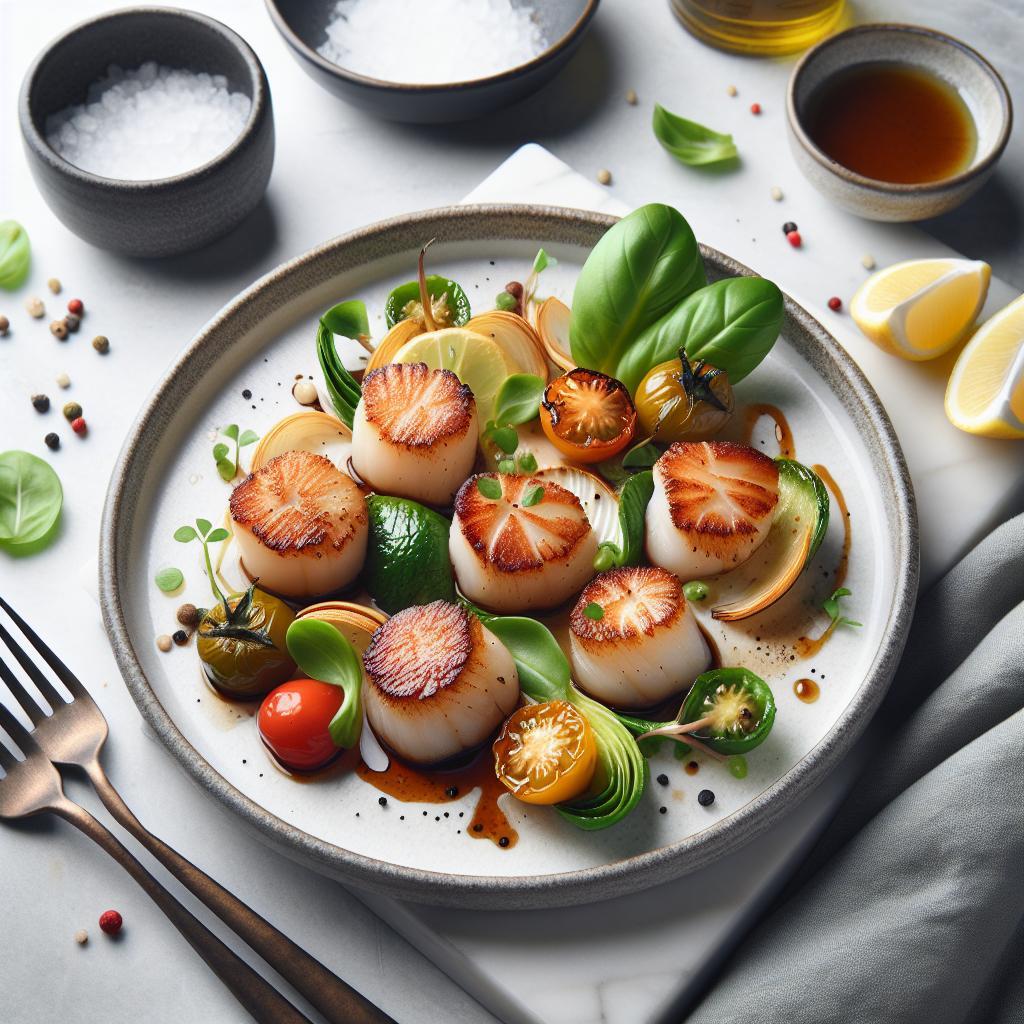
Searing scallops with golden brown crust showing the Maillard reaction

For a deeper dive into the science behind searing techniques, visit Serious Eats on the Maillard Reaction. Explore other expert tips and recipes in our Seafood Cooking Techniques collection for a full spectrum of culinary inspiration.

Q&A

Q&A: Searing Scallops – The Science Behind the Perfect Crust

- Advertisement -

Q1: Why is searing scallops considered an art rather than just cooking?
A1: Searing scallops is where science meets culinary artistry. It’s not just about throwing them in a hot pan-it’s a delicate dance of heat, timing, and moisture control. The perfect crust forms through the Maillard reaction, where proteins and sugars caramelize, creating that golden-brown, flavor-packed exterior. Mastering this process turns a simple scallop into a sensational experience.

Q2: What exactly happens during the Maillard reaction when searing scallops?
A2: The Maillard reaction is a complex chemical process that occurs between amino acids (from scallop proteins) and reducing sugars when exposed to high heat. This reaction produces hundreds of aromatic compounds, giving the scallops their irresistible, nutty, and savory crust. It’s what transforms bland seafood into a gourmet delight.

Q3: Why is it important to dry scallops before searing?
A3: Moisture is the enemy of a perfect crust. When scallops are wet, the water creates steam as they hit the hot pan, preventing the surface from browning properly. Patting scallops dry ensures they contact the pan directly, allowing that all-important Maillard reaction to kick off and form a crisp, caramelized shell.

Q4: How hot should the pan be when searing scallops?
A4: Your pan needs to be screaming hot-think medium-high to high heat. This intense heat rapidly sears the scallop’s surface, locking in moisture while igniting the Maillard reaction. Too cool, and you’ll get a pale, soggy scallop; too hot, and you risk burning before the interior cooks through.

Q5: How long should scallops sear on each side?
A5: Timing is everything. Typically, scallops need about 1.5 to 2 minutes per side. This short but intense sear browns the surface beautifully while preserving the tender, almost creamy interior. Overcooking turns them rubbery, so keep a close watch!

Q6: Does the type of fat used influence the sear?
A6: Absolutely! Oils with high smoke points, like grapeseed, canola, or clarified butter (ghee), are best. They withstand the necessary high heat without burning. Butter alone can brown too quickly and impart a bitter taste if overheated, but it’s delicious when added near the end for flavor.

Q7: Can freezing scallops affect the searing outcome?
A7: Yes, freezing scallops can introduce extra moisture from ice crystals that form during thawing, making drying and proper searing trickier. Fresh scallops generally sear more predictably, but if working with frozen, make sure to thaw thoroughly and dry well to still get that coveted crust.

Q8: What’s the biggest rookie mistake in searing scallops?
A8: Crowd the pan! Throwing too many scallops in at once cools down the surface, causing steaming rather than searing. Give each scallop enough elbow room to sizzle beautifully and develop that caramelized crust. Patience and space are key.

Q9: Besides taste, why is the crust important?
A9: The crust adds texture contrast-a crunchy exterior against a tender interior-that elevates the eating experience. It also visually signals a perfectly cooked scallop, golden and appetizing. The crust is where flavor intensity concentrates through caramelization, making every bite exciting.

Q10: How can home cooks practice and perfect their searing technique?
A10: Start with day-old scallops or affordable fresh ones and experiment with heat levels, timing, and drying methods. Use an infrared thermometer if possible to nail the pan temperature. Take notes on what works and what doesn’t. Over time, searing scallops will become second nature, and that flawless crust will be your signature move!

To Conclude

As the final sizzle fades and the scallops reveal their golden crust, we see that perfect sear is no mere culinary accident-it’s a delicate dance of heat, moisture, and chemistry. Understanding the science behind that irresistible crust transforms cooking from guesswork into mastery. So next time you stand over a hot pan, remember: it’s not just about cooking scallops-it’s about unlocking a symphony of flavors through precise science and technique. Embrace the heat, respect the process, and let every scallop you sear tell the story of perfection in every bite.
Searing Scallops: The Science Behind the Perfect Crust

7 Secrets for Perfectly Seared Scallops
Savor the Flavor: Creamy Garlic Shrimp Recipe Unveiled
9 Cozy Secrets to Mastering Turkey Soup and Squash
Unlocking Taste: 7 Expert Secrets Behind Flavor Extracts
Energize Your Day: 7 Power-Packed Keto Peanut Butter Fat Bombs
TAGGED:andscallopssciencesearingthe
Share This Article
Facebook Pinterest Whatsapp Whatsapp LinkedIn Telegram Threads
What do you think?
Love0
Sad0
Happy0
Sleepy0
Angry0
Dead0
Wink0
Previous Article Unlocking Flavor: How Aging Beef Intensifies Taste Richness Unlocking Flavor: How Aging Beef Intensifies Taste Richness
Next Article Why Is My Risotto a Sticky Mess? Tips for Perfect Texture Why Is My Risotto a Sticky Mess? Tips for Perfect Texture
Hearty Beef and Broccoli Stew: A Flavorful Comfort Classic
Beef Stew: Hearty Beef & Broccoli Stew
Extra Picks
Hearty Chicken and Rice Soup: Comfort in Every Bowl
7 Pro Tips for Hearty Chicken Soup
Extra Picks
Sizzling Beef and Broccoli Skillet: Quick, Flavorful Feast
10-Min Beef Broccoli Skillet — Fast, Flavorful
Extra Picks
Savory Secrets to Perfectly Creamy Garlic Chicken Delight
7 Savory Secrets for Perfectly Creamy Garlic Chicken Delight
Extra Picks

Tags

and art baked baking science baking techniques Baking tips batch cooking beef behind butternut squash caramelization cast iron skillet chemistry chicken comfort food Cooking science cooking technique Cooking techniques Cooking tips crafting creamy crispy culinary science fish flavor flavor chemistry food food preservation food safety Food science for garlic golden healthy dinner hearty heat high-heat cooking high protein meals how instant read thermometer Lean protein magic Maillard reaction make ahead meals mastering meal prep Meal prep recipes meat thermometer microwave microwave cooking moisture control Molecular gastronomy one pot meals Oven roasting Pan searing perfect perfectly Plant based protein Probe thermometer protein denaturation roasted roasted squash Roasted vegetables Roasting techniques Roux technique savor savory science Searing technique Searing techniques secrets slow cooking squash starch gelatinization steak steak cooking sweet temperature control the top turkey turkey soup turkey stew ultimate umami cooking umami flavor unlock unlocking unveiling vegetable velvety weeknight dinner Weeknight dinners weeknight meals what when why with your zesty
March 2026
M T W T F S S
 1
2345678
9101112131415
16171819202122
23242526272829
3031  
« Feb    

You Might Also Like

- Secure & Savor: Top Tips to Weigh Down Your Ferments Right
DIY Ferments

Ferment Weights: 10 Proven Tips to Secure & Savor Your Ferments

William J. Kroll
William J. Kroll
October 5, 2025
Massaman Curry: Exploring Thai Flavors and Traditions
Extra Picks

Massaman Curry: 7 Authentic Thai Flavors and Traditions

William J. Kroll
William J. Kroll
December 24, 2025
Master the Classic Affogato: Simple, Rich & Delicious!
Extra Picks

Affogato Mastery: 7 Pro Tips to Perfect the Classic Italian Dessert

William J. Kroll
William J. Kroll
December 20, 2025
Savor the Flavor: A Guide to Perfect Roasted Vegetable Pasta
Extra Picks

Savor the Flavor: 7 Pro Steps to Perfect Roasted Vegetable Pasta

William J. Kroll
William J. Kroll
January 24, 2026
Hearty Turkey and Bean Soup: A Cozy, Nutritious Classic
Extra Picks

7-Step Hearty Turkey Soup — Ultimate Cozy Classic

William J. Kroll
William J. Kroll
February 16, 2026
Savor the Perfect Beef and Broccoli Skillet: Quick & Tasty
Extra Picks

25-Min Beef Broccoli Skillet: Fast, Flavorful Weeknight Recipe

William J. Kroll
William J. Kroll
December 31, 2025
Follow US
By Fimaw.com © All Rights Reserved.
  • Advertising Policy
  • Contact Us
  • Cookie Policy
  • Copyright Notice
  • Disclaimer
  • Privacy Policy
  • Terms of Service
Welcome Back!

Sign in to your account

Username or Email Address
Password

Lost your password?