
By using this site, you agree to the Privacy Policy and Terms of Use.
Accept
CookOrBitCookOrBitCookOrBit
  • Home
  • About Us
  • Ingredient Science
    • Flavor & Aroma
    • Protein Chemistry
    • Sugar & Starch
    • Fats & Emulsions
  • Cooking Techniques
    • Searing & Grilling
    • Baking & Roasting
    • Boiling & Steaming
    • Low & Slow
  • Kitchen Experiments
    • DIY Ferments
    • Flavor Tests
    • Gadget Testing
    • Molecular Gastronomy
  • Food Myths
    • Searing Myth
    • 5-Second Rule
    • MSG Myths
    • Microwave Myths
  • Tools
  • More
    • Extra Picks
    • Quick & Easy
      • Breakfast Ideas
      • Desserts
      • Snacks
      • Soups
    • Global Flavors
      • Asian Street Eats
      • Latin Comforts
      • Mexican Flavors
      • Modern Mediterranean
CookOrBitCookOrBit
  • Home
  • About Us
  • Ingredient Science
  • Cooking Techniques
  • Kitchen Experiments
  • Food Myths
  • Tools
  • More
Search
  • Home
  • About Us
  • Ingredient Science
    • Flavor & Aroma
    • Protein Chemistry
    • Sugar & Starch
    • Fats & Emulsions
  • Cooking Techniques
    • Searing & Grilling
    • Baking & Roasting
    • Boiling & Steaming
    • Low & Slow
  • Kitchen Experiments
    • DIY Ferments
    • Flavor Tests
    • Gadget Testing
    • Molecular Gastronomy
  • Food Myths
    • Searing Myth
    • 5-Second Rule
    • MSG Myths
    • Microwave Myths
  • Tools
  • More
    • Extra Picks
    • Quick & Easy
    • Global Flavors
Follow US
  • Advertising Policy: 10 Practical Rules for Safe, Compliant Ads
  • Contact Us
  • Cookie Policy: Clear Guide for Site Owners
  • Copyright Notice Guide: 7 Essential Rules for Website Owners
  • Disclaimer
  • Privacy Policy
  • Terms of Service
By Fimaw.com
The Science Behind Smash Burgers: Flavor in Every Sizzle
CookOrBit > Blog > Food Myths > Searing Myth > Smash Burger Science: 7 Proven Steps for Maximum Flavor
Searing Myth

Smash Burger Science: 7 Proven Steps for Maximum Flavor

William J. Kroll
By William J. Kroll
Published: February 12, 2026
Share
SHARE

The instant a loosely packed beef ball hits a screaming-hot griddle and yields to a firm press, the smash burger comes alive. That forceful contact produces a thin patty with an intense sear that delivers crisp edges and concentrated beef flavor.

Contents
  • Prep and Cook Time
  • Yield
  • Difficulty Level
  • Ingredients
  • Instructions
  • Tips for Success
  • Serving Suggestions
  • Science of the Smash
    • Maillard Reaction and Crust
    • Heat Management and Texture
  • Nutrition
  • Additional Resources
  • FAQ
    • What makes a smash burger different from a regular burger?
    • Why is the timing of the flip so important?
    • How does fat ratio affect the result?
    • Can I make smash burgers on an outdoor grill?
    • What pan is best for consistent searing?
  • Fast searing maximizes flavor by expanding surface contact and driving the Maillard reaction.
  • 80/20 ground beef balances crust formation and juiciness for consistent results.
  • Timing and pressure determine texture—smash firmly, flip at the right moment.

As a professional chef and food scientist, I write from direct kitchen testing and documented culinary chemistry. I describe measurable technique, heat management, and ingredient choices that consistently produce premium smash burgers.

Prep and Cook Time

Prep Time: 10 minutes. Preparation focuses on portioning and chill time for predictable handling.

- Advertisement -

Cook Time: 8 minutes. Each patty sears quickly on very high heat and finishes in under three minutes per side.

Yield

Makes 4 smash burgers when using 1 lb of ground beef and portioning into four equal balls. Portion size affects thickness and cooking dynamics.

Scale the recipe up by multiples of 1 lb and stagger cooking to avoid crowding the pan, which harms crust development.

- Advertisement -

Difficulty Level

Medium. The technique demands timing and confident, quick motions more than advanced knife work.

With practice, home cooks quickly master consistent thickness, flip timing, and cheese melt control.

Ingredients

Use freshly ground ground beef at an 80/20 lean-to-fat ratio for optimal juiciness and crust formation. Fat renders during searing and bastes the patty.

- Advertisement -

Other essentials: brioche buns, a neutral oil with a high smoke point, coarse salt, and freshly ground black pepper. Keep toppings simple to highlight the meat’s flavor.

  • 1 lb ground beef (80/20 blend)
  • 4 brioche buns, toasted with butter
  • 4 slices cheddar cheese (optional)
  • Salt and freshly ground black pepper, to taste
  • 1 tbsp vegetable oil or other high-smoke-point oil
  • Leafy lettuce, sliced tomato, pickles, and onions for topping

Instructions

Divide the meat into four equal, loosely packed balls without overworking. Gentle handling preserves tenderness and prevents a dense patty.

Heat a heavy pan until very hot. Use a cast-iron pan or steel griddle for best heat retention and consistent sear across the surface.

  1. Place a meat ball on the hot surface. Use a sturdy, flat spatula or a specialized burger press and press down quickly to about 1/4 inch thickness.
  2. Season immediately with salt and pepper. Allow the patty to cook undisturbed for 2-3 minutes to develop a dark brown crust.
  3. Flip once the edges brown and juices appear on top. Add cheese after the flip for a perfect melt, and cook another 1-2 minutes.
  4. Toast buns in butter until golden, then assemble with toppings and condiments.

Tips for Success

Maintain very high surface temperature for quick searing; this maximizes browning without overcooking the interior. A hot pan creates a fast, flavorful crust.

Do not overcrowd the pan. Overcrowding drops surface temperature and creates steam instead of a dry, caramelized crust.

💡 Expert Insight
Expert Insight: Use a metal spatula with a straight edge and press firmly for the first two seconds, then relax pressure. This gives a defined crust without tearing the patty.

Allow patties to rest briefly on a cooling rack after cooking if assembling many burgers. Brief rest evens internal temperature and retains juices during service.

For consistent shape and height, chill meat balls for 15–30 minutes before smashing. Chilled meat releases less fat immediately and shapes reliably under pressure.

Serving Suggestions

Serve smash burgers on toasted brioche with minimal toppings to emphasize the seared beef flavor. Classic pairings include sliced dill pickles and thin-sliced onions.

Offer fries, coleslaw, or a light green salad alongside to balance richness. Pair with an effervescent beverage to cut through fat and refresh the palate.

Science of the Smash

The smash technique deliberately increases surface area contact between meat and hot metal to accelerate chemical reactions that create flavor. Greater contact equals more browning per unit mass.

That browning is the Maillard reaction, where amino acids and reducing sugars reorganize under heat to form hundreds of flavor compounds. These compounds produce the savory, roasted notes we associate with great burgers.

Maillard Reaction and Crust

The Maillard reaction begins above roughly 285°F (140°C) and intensifies with higher temperatures and drier surfaces. Thin patties reach these conditions rapidly, creating a deeply flavored crust before the interior overcooks.

Chemical complexity rises as more surface area browns; that is why thin, smashed patties taste disproportionately beefier than thicker ones cooked the same time.

Heat Management and Texture

Use a heavy pan for even heat. Cast iron stores thermal energy and releases it steadily, helping each patty experience the same searing conditions.

Applying firm pressure spreads the meat thin and flattens fat pockets, promoting uniform rendering. Quick searing locks flavors and keeps the interior tender when using the right fat ratio.

⚠️ Pro-Caution
Pro-Caution: Avoid cooking at temperatures that cause heavy smoke for long periods; this degrades flavor and can create harmful compounds. Ventilate when working at searing heat.

Nutrition

Typical nutrition for an 80/20 smash burger with bun and cheese runs around 550 kcal per serving. Fat content is significant due to the high-fat blend that makes smash burgers juicy.

Adjust portions or topping choices to meet dietary goals. Using leaner blends will reduce calories but can compromise the characteristic crust and juiciness.

Nutrition Per Serving
Calories 550 kcal
Protein 35 g
Carbohydrates 35 g
Fat 32 g

Additional Resources

For technique drills and step-by-step visuals, review our internal guide on perfect burger techniques. Practicing controlled pressure will improve consistency quickly.

If you focus on griddle setup and maintenance, see our internal page on griddle techniques for heat distribution and pan care tips that preserve searing performance.

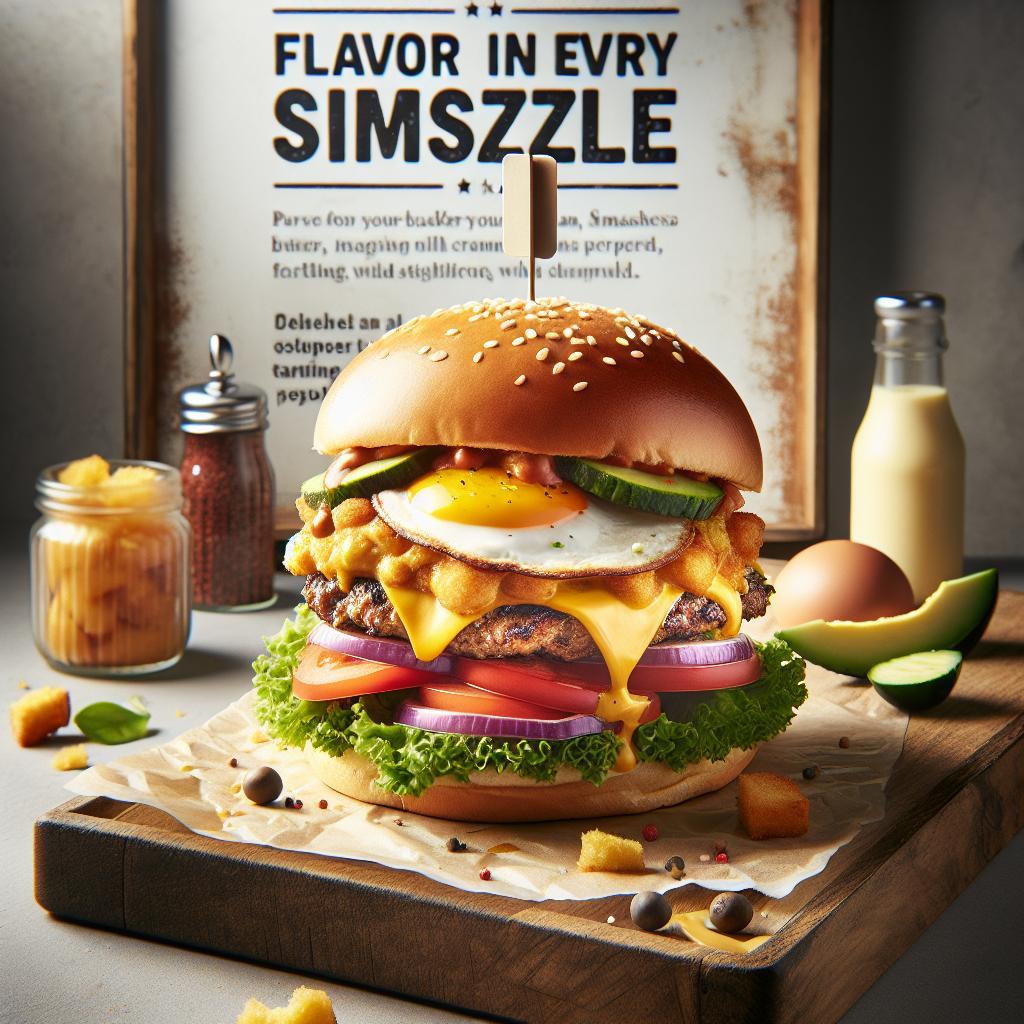
Smash burgers showcasing the Maillard reaction with a golden crust and juicy interior

FAQ

What makes a smash burger different from a regular burger?

The smash method uses an initial forceful press to create a thin patty with a large surface area. That thin profile produces an intense sear and a distinctive crisp edge compared with thicker, formed patties.

Why is the timing of the flip so important?

Flip timing controls crust depth and internal doneness. Flip too early and the crust remains pale; flip too late and you risk overcooking the interior or breaking the patty when lifting.

How does fat ratio affect the result?

An 80/20 lean-to-fat mix is a reliable balance for flavor and moisture. Higher fat improves juiciness and basting action, while leaner blends can produce dry, less flavorful patties.

Can I make smash burgers on an outdoor grill?

You can if you have a solid, flat cooking surface like a griddle plate on the grill. Direct grate cooking reduces surface contact and limits the consistent crust that defines a smash burger.

What pan is best for consistent searing?

A heavy cast-iron pan or a steel griddle works best because they retain and distribute heat evenly. Even thermal mass ensures each patty sees consistent searing conditions every time.

Final note: Mastery comes from repetition. Practice consistent portioning, maintain high surface heat, and apply a confident, quick press. These three variables reproducibly create smash burgers with maximum flavor and ideal texture.

See also: Smash Burger
7 Essential Tips to Savor Chicken Satay: Spicy Peanut Sauce Guide
Unveiling Wild Yeasts: 7 Expert Steps to Natural Craft Brewing
Bubbling Bliss: 7 Expert Steps to Craft a Ginger Bug
Searing Science: 7 Chemistry Secrets Behind Stainless Steel Pans
Harvest Glow: 7 Expert Tips for the Ultimate Roasted Sweet Potato Salad
TAGGED:andbehindburger recipecast iron cookingground beefMaillard reactionscienceSearing techniquesmashsmash burgerthe
Share This Article
Facebook Pinterest Whatsapp Whatsapp LinkedIn Telegram Threads
What do you think?
Love0
Sad0
Happy0
Sleepy0
Angry0
Dead0
Wink0
Previous Article Listeria Uncovered: The Silent Threat in Your Food Chain Listeria Uncovered: 7 Essential Food Safety Steps
Next Article The Alchemy Behind the Perfect Savory Galette Crust 11 Expert Secrets Behind the Perfect Savory Galette Crust
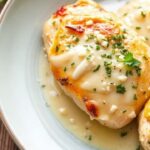
Creamy Garlic Chicken with melted Parmesan and fresh herbs on a rustic white plate
Garlic Chicken: 7 Ultimate Brilliant Recipes to Make the Best-Ever Creamy Garlic Chicken with Parmesan & Fresh Herbs
Extra Picks
Colorful bowls of Leftover Couscous transformed into salads, fritters, and stuffed peppers.
12 Amazing Practical Leftover Couscous Ideas: Brilliant Ways to Reuse and Remix
Uncategorized
Colorful jars of spice blends beside steaming couscous with herbs and lemon
7 Ultimate spice blends That Transform Your Couscous — Amazing Best Flavor Boosts
Uncategorized
Bowls of gluten-free couscous alternatives: quinoa, millet, cauliflower, and rice
10 Amazing couscous alternatives: Best Gluten-Free Swaps for Incredible Flavor
Uncategorized

Tags

and art baked baking science baking techniques Baking tips batch cooking beef behind browning techniques butternut squash caramelization cast iron skillet chemistry chicken comfort food Cooking science cooking technique Cooking techniques Cooking tips crafting creamy creamy soup crispy culinary science fish flavor flavor chemistry food food safety Food science for garlic golden Ground turkey hearty heat high-heat cooking high protein meals how instant read thermometer Lean protein magic Maillard reaction make ahead meals make ahead soup mastering meal prep Meal prep recipes meat thermometer microwave microwave cooking moisture control one pot meals Pan searing perfect perfectly Plant based protein Probe thermometer protein denaturation Quick dinners roasted roasted squash roasted tomato soup Roasted vegetables Roasting techniques savor savory science Searing technique Searing techniques secrets slow cooking squash steak steak cooking sweet temperature control the top turkey turkey soup turkey stew ultimate umami cooking umami flavor unlock unlocking unveiling vegetable velvety weeknight dinner Weeknight dinners weeknight meals what when why with your zesty
April 2026
M T W T F S S
 12345
6789101112
13141516171819
20212223242526
27282930  
« Mar    

You Might Also Like

- Mastering the Art: How to Make the Perfect Espuma Every Time
Molecular Gastronomy

Mastering Espuma: 7 Pro Steps to Perfect Culinary Foam

William J. Kroll
William J. Kroll
November 10, 2025
Perfectly Baked Cod Fillets: A Healthy, Flavorful Delight
Extra Picks

7 Pro Tips for Perfect Baked Cod Fillets

William J. Kroll
William J. Kroll
February 3, 2026
Unlocking Flavor: The Science Behind a Tender Steak
Protein Chemistry

Unlocking Flavor: 7 Science-Proven Steps to a Tender Steak

William J. Kroll
William J. Kroll
January 17, 2026
Savor the Flavor: Roasted Butternut Squash Pasta Delight
Extra Picks

7 Steps: Roasted Butternut Pasta Mastery

William J. Kroll
William J. Kroll
January 20, 2026
- Unlocking Starch: The Science Behind Perfect Cooking Results
Sugar & Starch

7 Proven Ways to Master Starch for Perfect Cooking Results

William J. Kroll
William J. Kroll
September 29, 2025
- Mastering Airlocks: Top Tips for Perfect Fermentation
DIY Ferments

Mastering Airlocks: 12 Expert Tips for Perfect Fermentation

William J. Kroll
William J. Kroll
October 29, 2025
Follow US
By Fimaw.com © All Rights Reserved.
  • Advertising Policy: 10 Practical Rules for Safe, Compliant Ads
  • Contact Us
  • Cookie Policy: Clear Guide for Site Owners
  • Copyright Notice Guide: 7 Essential Rules for Website Owners
  • Disclaimer
  • Privacy Policy
  • Terms of Service
Welcome Back!

Sign in to your account

Username or Email Address
Password

Lost your password?