

Mastering Steak Flipping: How Many Times to Flip a Steak?
Steak flipping is a deliberate technique that controls crust development, heat transfer, and final juiciness. Use measured turns to shape the Maillard crust while moving the internal temperature toward your target doneness.
- Why steak flipping frequency matters
- Prep and cook time for steak flipping
- Yield, difficulty, and expected results with steak flipping
- Ingredients and equipment for effective steak flipping
- Instructions: Practical steak flipping patterns
- Chef’s notes: technique details for steak flipping
- Choosing the right cut for steak flipping
- Mastering temperature control when steak flipping
- Tools and technique for clean steak flipping
- Serving suggestions after steak flipping
- Practical context: grill vs. pan vs. oven for steak flipping
- Further reading and reference links
- FAQ
- How many times should I flip a steak for best results?
- Does flipping more often make the steak juicier?
- Will flipping stop the Maillard crust from forming?
- What internal temperature should I aim for?
- Can I use this flip method on a grill?
- Final takeaway
- Controlled flips promote even cooking and reduce carryover surprises.
- Initial sear secures the Maillard layer; subsequent flips build thin crusts.
- Tools and timing determine how many flips a steak tolerates without losing moisture.
- Resting finalizes texture and redistributes juices for clean slices.
Why steak flipping frequency matters
Flip frequency changes how heat moves through the meat and how the surface browns. Each flip equalizes surface temperature and limits prolonged exposure on one side.
When you plan flips, you influence the Maillard reaction and the temperature gradient from crust to center. For further reading on browning chemistry, see Maillard reaction.
Prep and cook time for steak flipping
Bring steaks to room temperature and pat dry; that reduces thermal lag and yields more predictable carry to doneness. A 30-minute rest on the counter works for most cuts up to 2 inches thick.
Typical pan times vary by thickness and heat. For a 1½-inch ribeye expect 8–12 minutes total on the stove, plus a 5-minute rest to hit medium-rare reliably.
Yield, difficulty, and expected results with steak flipping
This method yields two hearty portions from two 1½-inch steaks and suits cooks who want repeatable results. It requires attention and a thermometer rather than specialized gear.
Difficulty sits at intermediate: you must read sear color and monitor internal temp. Aim for about 125–128°F before resting to carry to 130°F for medium-rare.
Ingredients and equipment for effective steak flipping
Use quality cuts and minimal seasoning: salt, black pepper, high-smoke oil, and finishing butter with aromatics work best. Fat content affects tolerance for frequent turns.
Choose a heavy skillet or a hot grill for rapid crust formation. For guidance on cookware choices, reference cast-iron skillets and how they retain heat.
Instructions: Practical steak flipping patterns
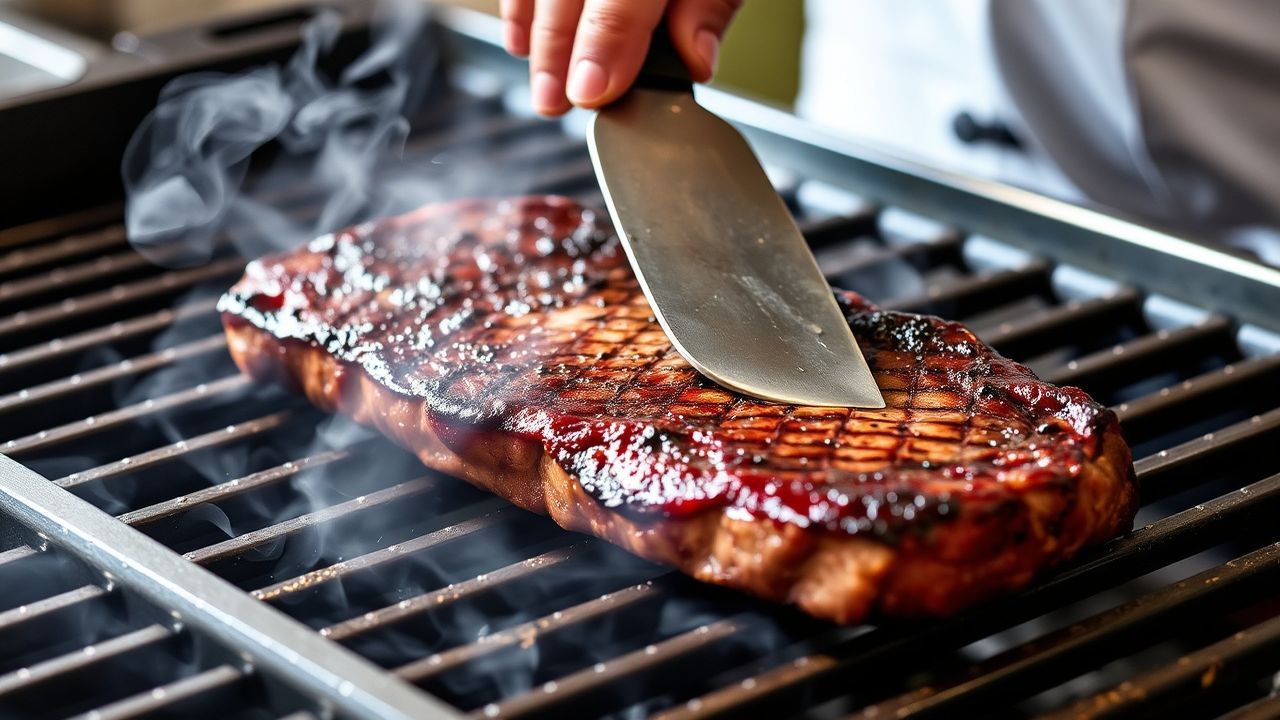
Start with a high-heat sear to establish an initial crust, then switch to brief, timed flips to even out cooking. Sear for 90–120 seconds without disturbance, then begin controlled turns.
After the final turn, remove the steak, tent it loosely with foil, and rest five minutes. Resting lets internal juices redistribute and stabilizes the final temperature.
- Bring steaks to room temperature for 30 minutes; pat dry and season immediately before cooking.
- Heat pan or grill to medium-high until shimmering; add oil to coat the surface and prevent sticking.
- Sear first side undisturbed for 90–120 seconds to lock a Maillard crust in place.
- Begin controlled flips every 20–45 seconds after the initial sear to equalize surface temperature and speed up interior cooking. Use tongs; avoid piercing the meat.
- Add butter and aromatics after the second side sears; baste while flipping to layer flavor without overcooking.
- Target internal temp: remove at 125–128°F if you want medium-rare after resting. Use a calibrated thermometer for accuracy; read more about food thermometers at food thermometers.
Chef’s notes: technique details for steak flipping
Flip with intent: lift, rotate, and set. Avoid frantic agitation that cools the surface and prolongs cook time.
Adjust frequency by thickness and heat. Thicker cuts benefit from more frequent turns to avoid overcooked edges and underdone centers.
Choosing the right cut for steak flipping
Marbled cuts such as ribeye and strip tolerate repeated turns because intramuscular fat keeps the meat moist. The fat also supports crust development under frequent flips.
Lean, thin cuts cook quickly and usually require fewer flips. Match your flip pattern to the cut for the best texture and doneness.
Mastering temperature control when steak flipping
Keep heat steady. Too hot and butter will brown too fast; too cool and you won’t build a reliable crust. Medium-high often balances searing with internal warming.
Consider finishing in a moderate oven if the crust forms faster than the interior cooks. The oven changes how flips affect final doneness.
Tools and technique for clean steak flipping
Use sturdy tongs and a thin spatula to flip without piercing. A fork will drain juices and reduce final succulence.
Read edge color and bead juices as cues. When the edge shows consistent golden color, flip confidently for the next interval.
Practice builds visual and tactile memory. Use a thermometer alongside sight and touch until timing becomes reliable.
Serving suggestions after steak flipping
Rested steaks slice cleanly and present glossy, not wet. Finish with flaky sea salt and a turn of cracked pepper for texture and lift.
Pair with roasted vegetables, mashed potatoes, or a bright chimichurri. For classic service, use warm plates to keep temperature stable while plating.
Practical context: grill vs. pan vs. oven for steak flipping
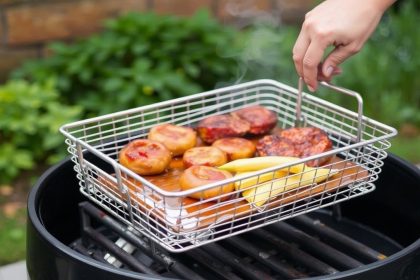
Different environments change flip strategy. Open-flame grilling often needs fewer turns because of radiant heat, while pan-searing allows finer control and more frequent flipping.
For more on outdoor methods, consult material about grilling and how it alters surface and interior heat transfer.
Further reading and reference links
For authoritative background on steak as a culinary item, see the general entry on steak. These resources clarify terms and underpin technique choices.
Use these references to deepen your technical approach and adapt flips by cut, thickness, and heat source. The linked pages explain the science and cookware considerations that inform best practices.
FAQ
How many times should I flip a steak for best results?
There is no fixed number; count flips by window rather than a set total. After a solid initial sear, flip every 20–60 seconds depending on thickness and heat until you reach your target internal temperature.
Does flipping more often make the steak juicier?
Moderate frequent flipping helps even heat penetration and can reduce overcooked edges by avoiding long exposure on a single surface. Excessive flips cool the pan and can extend cook time, so balance frequency with pan temperature.
Will flipping stop the Maillard crust from forming?
No, provided you allow an initial uninterrupted sear. The first 90–120 seconds create a Maillard layer; controlled subsequent flips build additional thin crust layers rather than removing them.
What internal temperature should I aim for?
Pull steaks around 125–128°F if you want medium-rare after resting; they will rise to about 130°F during carryover. Always use an instant-read or probe thermometer for repeatable results.
Can I use this flip method on a grill?
Yes. High-heat grills often require fewer flips, but the same principles apply: an initial sear followed by controlled turns based on color and temperature. Adapt the interval to grill intensity and flare-up behavior.
Final takeaway
Steak flipping is a practical technique that balances crust formation with interior evenness. Use a clear sear, timed flips, and a thermometer to get consistent, restaurant-quality results.
Practice with different cuts and heat sources, apply expert flip windows, and you will improve consistency, texture, and juiciness every time.
See also: steak flipping