
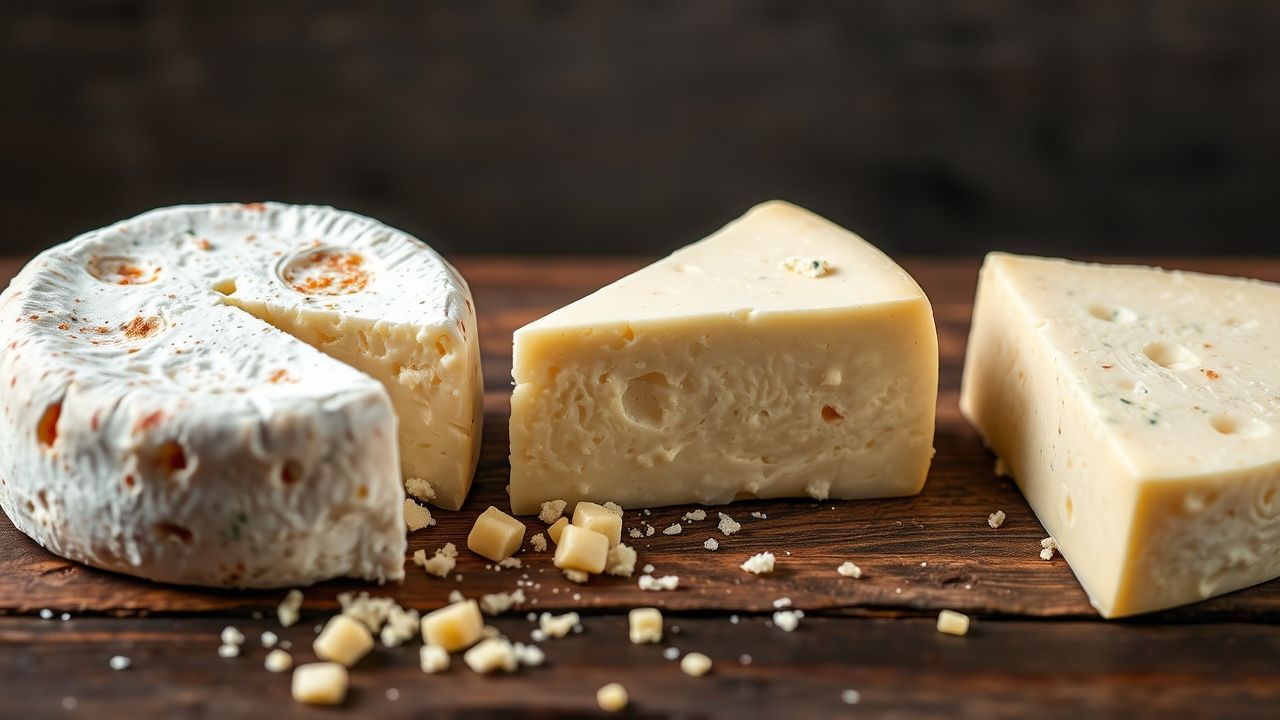

Cheese Profiles: make the most of flavor focuses on how aging, milk origin, and handling shape taste and texture. This practical guide uses tasting sequence, selection, and pairing tactics to deepen your understanding of cheese profiles at home.
- Prep and Cook Time for Cheese Profiles
- Yield and Portions for Cheese Profiles
- Difficulty Level: Reading Cheese Profiles
- Ingredients to Illustrate Cheese Profiles
- Instructions: Build a Flight to Reveal Cheese Profiles
- Tips for Success with Cheese Profiles
- Serving Suggestions for Cheese Profiles
- Common Flavor Profiles & Aging Table
- Technical Notes: How Flavor Develops in Cheese Profiles
- Q&A: Common Questions About Cheese Profiles
- What inspired this focus on cheese profiles?
- How do cheesemakers create diverse cheese profiles from similar milk?
- Can beginners enjoy and learn complex cheese profiles?
- How does terroir influence cheese profiles?
- FAQ
- Aging sharpens character: Older cheeses concentrate savory, nutty, and crystalline notes.
- Milk and terroir leave signatures: Animal diet and region influence aroma and mouthfeel.
- Serve at the right temperature: Room temperature reveals volatile aromatics for accurate tasting.
- Pair for contrast and balance: Texture and sweetness create lively matches and clearer comparisons.
Prep and Cook Time for Cheese Profiles
Preparation: Allow 15 minutes to unwrap and temper cheeses and set accompaniments. Proper prep protects aroma and texture and prepares samples for consistent tasting.
Aging Insight Session: Expect variable aging windows, typically 1 month to 24 months depending on the style. Tracking age helps predict intensity and textural changes in cheese profiles.
Yield and Portions for Cheese Profiles
This tasting board serves 6–8 people for a guided flight with modest portions. Small wedge sizes let tasters sample multiple cheese profiles without palate fatigue.
For larger groups, add 50–100 g per two additional guests and label wedges with age and origin. Clear labeling helps tasters connect the sensory cues to production decisions.
Difficulty Level: Reading Cheese Profiles
Difficulty: Medium. Hosts need basic knowledge of cheese families and a few pairing instincts. With a short checklist, novices reliably present focused cheese profiles to guests.
The emphasis sits on selection, tempering, and presentation rather than on cheesemaking techniques. If you want deeper technical context, consult the cheesemaking reference: cheesemaking.
Ingredients to Illustrate Cheese Profiles
Choose a mix of aged and fresh cheeses to show contrast across texture and taste axes. A balanced selection highlights how aging develops umami, crystals, and firmness while fresh cheeses retain milky creaminess.
Complement cheeses with neutral carriers and palate cleansers: nuts, mild fruit, and plain crackers. These items reset the mouth and expose nuanced differences among cheese profiles.
- Assorted aged cheeses: 150g Manchego (6 months), 150g Gouda (12 months), 100g Parmigiano-Reggiano (24 months)
- Fresh cheeses: 100g burrata or fresh mozzarella
- Accents: ½ cup toasted walnuts, fresh figs or dried apricots, 1 tbsp honey, small bunch grapes
- Carriers: Rustic sourdough slices and plain water crackers
- Garnish: Fresh rosemary sprigs and optional edible flowers
- Finish: A small pour of quality balsamic or sherry vinegar for drizzling
Instructions: Build a Flight to Reveal Cheese Profiles
Temper, slice, arrange, and finish. Each step isolates a different sensory axis so tasters can focus on aroma, texture, and taste without distraction.
Sequence samples from mild to bold to protect the palate. This order helps tasters detect subtle notes before stronger types dominate perception of the cheese profiles.
Board assembly for cheese profiles
Choose a wooden board or natural stone for presentation. A dry, neutral surface prevents moisture transfer and supports clear spacing between cheese samples.
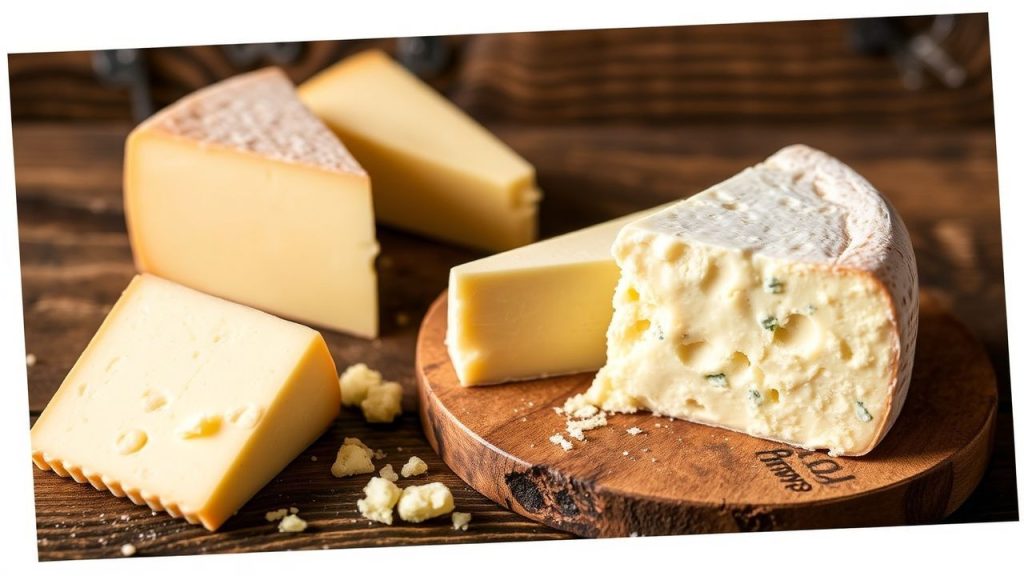
Place cheeses apart and add small labels that state age and origin. Labels guide tasters to compare tasting observations with production facts and strengthen retention of specific cheese profiles.
Cheese handling to optimize profiles
Unwrap cheeses and rest them at room temperature for 30–60 minutes. Warming frees volatile compounds and softens texture so tasters sense the cheese profiles accurately.
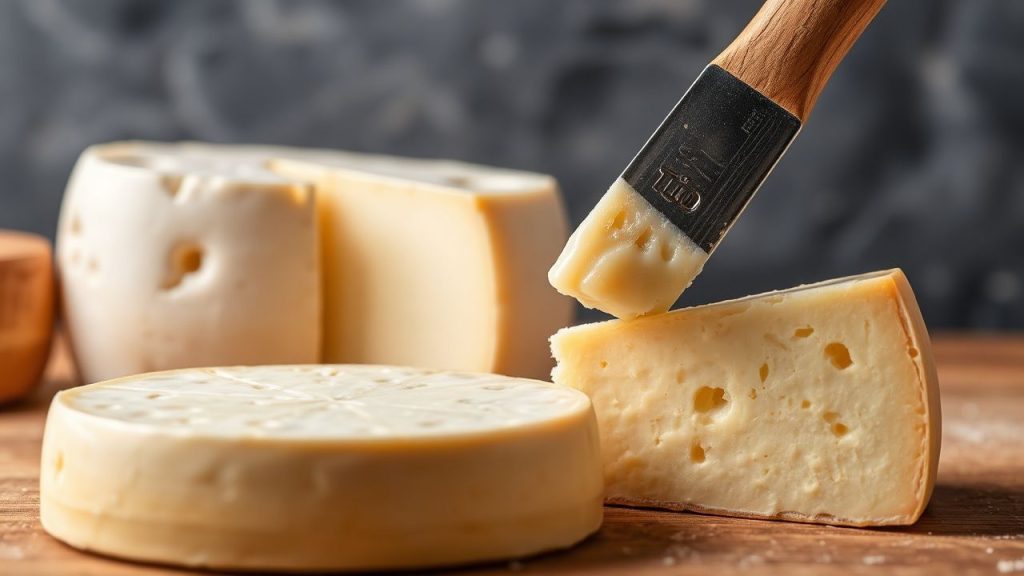
Slice semi-firm wheels on the bias and break hard cheeses into shards. For fresh cheeses, use halves or spoons to preserve interior creaminess and the delicate profile they display.
Tips for Success with Cheese Profiles
Choose cheeses across an aging spectrum to create immediate learning contrasts. Comparing butteriness to crystalline crunch accelerates recognition of recurring descriptors in cheese profiles.
Encourage tasters to smell, observe texture, and then taste. This three-step routine reduces confusion and builds reliable palate memory for distinct cheese profiles.
Use contrasting textures—crisp breads, crunchy nuts—between samples to reset the mouth. Such contrasts uncover hidden layers and help tasters map specific contributions to each cheese profile.
Serving Suggestions for Cheese Profiles
Pair boards with versatile wines or neutral beverages that do not mask a wide range of profiles. If you need a technical reference on fermentation and flavor, consult fermentation.
Offer preserves or mustards sparingly so condiments do not overpower aged cheese notes. Keep stronger condiments staged so hosts add them only when they want to demonstrate pairing effects on cheese profiles.
Common Flavor Profiles & Aging Table
Aging shifts flavor concentration and texture along predictable lines. As moisture drops and enzymes act, savory and crystalline elements often intensify; tracking age clarifies expected changes in cheese profiles.
Use the table below as a shorthand when building flights and selecting companions that either balance or echo the dominant notes in those cheese profiles.
| Cheese Type | Aging Duration | Flavor Notes | Best Pairing |
|---|---|---|---|
| Manchego | 6 months | Nutty, buttery, slightly tangy | Fig preserves, walnuts |
| Gouda | 12 months | Caramel, toasted, crunchy crystals | Apple slices, honey drizzle |
| Parmigiano-Reggiano | 24 months | Sharp, umami-rich, granular | Red wine, balsamic vinegar |
| Burrata | Fresh | Milk-sweet, creamy, delicate | Crackers, light herbs |
Technical Notes: How Flavor Develops in Cheese Profiles
Flavor in cheese emerges from milk composition, starter cultures, and enzymatic activity during ripening. Proteolysis and lipolysis free amino and fatty acids that drive savory, nutty, and buttery characteristics across cheese profiles.
Production choices—raw versus pasteurized milk, rind treatment, and humidity control—steer the rate and direction of flavor development. For geographic influences, see terroir.
Terroir and animal diet imprint aromatic cues on milk that appear as floral, herbaceous, or mineral notes in finished cheeses. Recognizing these signals helps hosts tell the story behind each cheese profile.
To expand cheese selection and classification, consult the overview: list of cheeses. Use that resource to increase regional representation on your boards.
Q&A: Common Questions About Cheese Profiles
Q&A: Cheese Profiles – make the most of flavor profiles
What inspired this focus on cheese profiles?
Cheese reflects regional practice, microbial ecology, and producer choices. Studying cheese profiles reveals how small production decisions yield large sensory differences.
Mapping profiles helps hosts and retailers select cheeses that suit context and pairing goals. That precision improves guest experience and supports clearer merchandising decisions.
How do cheesemakers create diverse cheese profiles from similar milk?
Variables such as milk species, starter cultures, temperature, and aging conditions form distinct enzymatic pathways. Each variable nudges fermentation toward particular aroma compounds in the resulting cheese profiles.
Microbial communities contribute enzymes that release volatiles responsible for fruity, earthy, or pungent notes. Producers design these variables to achieve targeted profiles over time.
Can beginners enjoy and learn complex cheese profiles?
Yes. Start with familiar mild cheeses and add one aged sample per flight. That controlled variance lets beginners detect repeating descriptors across cheese profiles.
Guided tasting notes and a simple sequence—smell, feel, taste—speed learning. Regular, short practice sessions build reliable recognition of key profile markers.
[h3]What role does aging play in cheese profiles?[/h3]
Aging concentrates flavors and often increases umami and crystalline textures in hard cheeses. Moisture loss and biochemical reactions explain why flavors intensify over months and years.
Different microbes act at distinct ripening stages, shaping rind aromatics and interior complexity. Aging acts as a timeline of those transformations and a predictable force on cheese profiles.
How does terroir influence cheese profiles?
Local vegetation, climate, and soil shape animal diets and milk composition. Those differences show up as floral, herbaceous, or mineral cues that help identify provenance in cheese profiles.
Terroir provides a sense of place that makes regional cheeses both identifiable and valuable for culinary storytelling and menu differentiation.
Each wheel and wedge records production choices and environmental inputs. Reading those signals turns eating into active appreciation and supports deliberate pairing decisions across cheese profiles.
Practice focused tastings with clear goals: identify aroma, texture, and dominant taste axes. Over time, you will recognize patterns and predict companions for specific cheese profiles.
FAQ
How long should cheese rest before serving?
Allow 30–60 minutes at room temperature for most cheeses. This window maximizes aroma release and softens texture for accurate tasting of cheese profiles.
Which cheeses pair best with sweet accompaniments?
Aged goudas and Manchego balance well with honey or fruit preserves. The sugar contrasts crunchy salt and crystalline textures to highlight depth in those cheese profiles.
Can I assemble a tasting board ahead of time?
Yes, but delay delicate garnishes and drizzles until serving. Keep cheeses refrigerated until about 60 minutes before service to protect freshness and profile integrity.
How do I train my palate to identify nutty or umami notes?
Practice focused tastings and keep short tasting notes. Compare similar cheeses with different ages to isolate descriptors and reinforce recognition of specific cheese profiles.
Where can I learn about making cheese professionally?
Start with technical programs and established guides in dairy science and artisanal production. The cheesemaking link above points to foundational techniques and industry terminology to study.
See also: Cheese profiles
See also: cheese profiles