
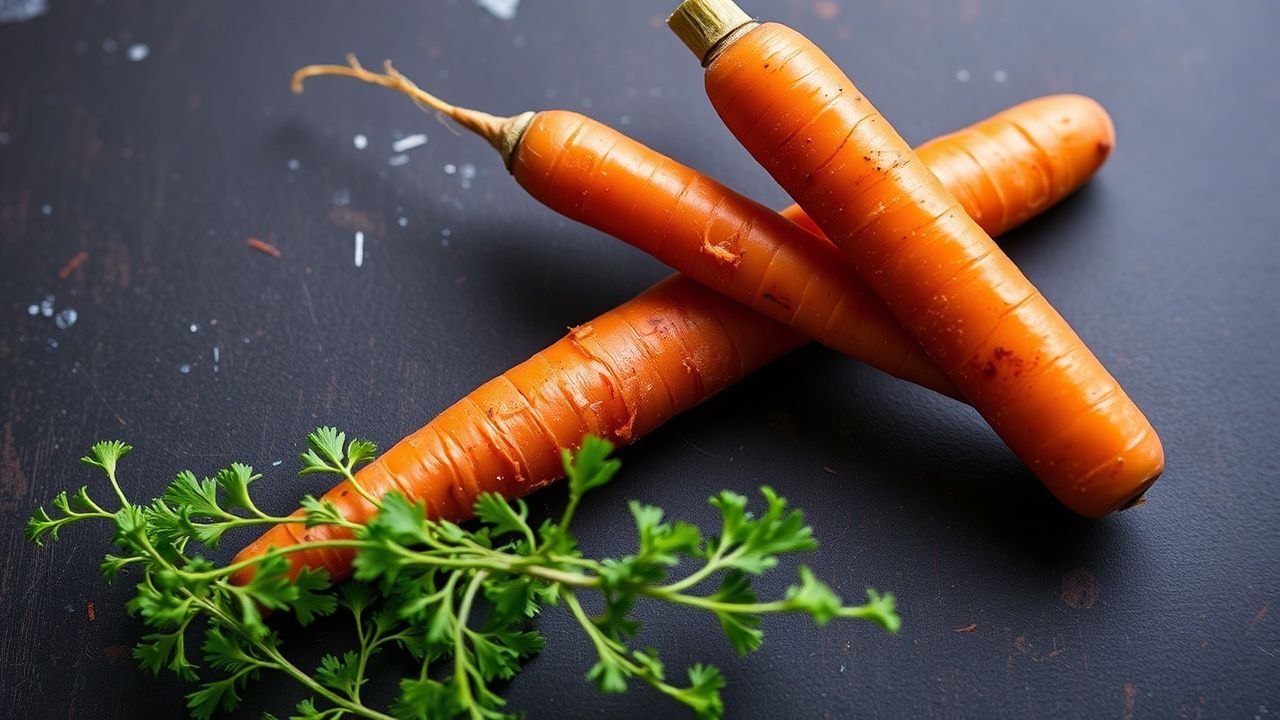

Under the crisp exterior of a fresh carrot sits a range of flavors that cooking reliably unlocks. Heat, time and technique convert texture and chemistry, giving carrots a richer, sweeter character than when raw.
- Heat breaks cell walls, releasing sugars and flavor precursors.
- Maillard and caramelization create nutty, caramel notes.
- Cooking method matters—roasting, steaming or sautéing yield different profiles.
- Simple seasonings can amplify or balance natural sweetness.
How cooking changes carrot taste
Cooking physically alters carrot tissue: cell walls composed of cellulose and pectin soften, so juices escape and volatile compounds become perceptible. These structural changes let taste receptors access sugars, acids and aromatic molecules more readily.
Chemically, heat initiates sugar breakdown and complex reactions. The Maillard reaction yields browned, savory aromas while caramelization delivers sweet, toffee-like compounds; together they shift carrot notes from grassy and crisp to deep and rounded.
Prep and Cook Time
Preparing carrots correctly sets the stage for consistent flavor development. Uniform cuts provide even heat exposure so sugars concentrate predictably across pieces.
Follow these standard times as a baseline; adjust by carrot size and method to hit your preferred tenderness and glaze.
- Preparation: 10 minutes
- Cooking: 30 minutes (average)
- Total Time: 40 minutes
Yield and Difficulty
This recipe yields a reliable side for four people and rates Easy to Medium in technique. Most steps require basic pan control and attention to timing rather than advanced skill.
Use a sharp knife, even slices and a medium-sized skillet to optimize heat distribution and surface browning. These simple controls deliver maximum flavor yield from ordinary carrots.
Ingredients
Choose fresh, firm carrots with bright color for the best conversion of sugars and aroma. Older, woody carrots will cook unevenly and yield less sweetness.
Basic fats and an acid balance the finished dish. Fat carries aromatic compounds and helps surface browning; acid brightens and prevents cloying sweetness.
- 1 lb (450g) fresh carrots, peeled and sliced diagonally into 1/4-inch pieces
- 2 tbsp unsalted butter
- 1 tbsp olive oil
- 1 tbsp brown sugar
- 1/2 tsp ground cinnamon
- 1/4 tsp freshly ground black pepper
- 1/2 tsp sea salt, or to taste
- 2 tbsp fresh orange juice
- 1 tsp finely grated orange zest
- 2 tbsp chopped fresh parsley, for garnish
Instructions
Step-by-step technique
Prepare the carrots by rinsing, peeling and cutting into uniform pieces to ensure even cooking. Consistency in size directly affects how sugars caramelize across the pan surface.
- Heat the fats: Warm 2 tbsp unsalted butter with 1 tbsp olive oil over medium heat until the butter foams but does not brown.
- Sear the carrots: Add carrots and stir to coat. Let them sit undisturbed for 3 minutes to form a light sear that starts caramelization.
- Sweeten and season: Sprinkle 1 tbsp brown sugar and 1/2 tsp salt, then toss. The sugar helps build a glaze while the salt balances sweetness.
- Add aromatics: Stir in 1/2 tsp cinnamon and 1/4 tsp black pepper to layer warm notes that complement the carrot’s earthiness.
- Introduce citrus: Add 2 tbsp orange juice and 1 tsp zest to brighten flavors; the acid sharpens perception of sweetness.
- Simmer low and slow: Cover and cook on low for 15–20 minutes, stirring occasionally. Gentle steam softens fibers and lets sugars concentrate without burning.
- Finish uncovered: Remove the lid, raise heat slightly and cook 3–5 minutes to reduce excess liquid and develop a glossy glaze.
- Garnish and serve: Transfer to a platter and scatter chopped parsley before serving to add contrast and freshness.
Adjust timing for chunkier pieces or baby carrots; thicker cuts need more time to reach the same internal tenderness and sugar conversion. Always taste before plating and correct salt or acid as needed.
Why each step matters
Searing increases surface temperature and creates Maillard and caramelization zones that produce desirable aroma compounds. Without that initial browning, cooked carrots will taste flatter.
Low covered cooking allows internal starch-to-sugar conversion while preventing surface burning. The final uncovered step concentrates flavors and achieves the glossy finish diners expect.
Tips for Success
Slice for surface contact: diagonal cuts increase exposed surface area and deliver more caramelized edges than straight rounds. That matters for flavor intensity.
Use the fat-plus-acid model to balance taste: butter or oil carries flavor compounds while a touch of citrus brightens. Both contribute to perceived sweetness and mouthfeel.
[BEGIN_TIP]
[END_TIP]
For texture contrast, add toasted nuts right before serving to introduce crunch that plays off tender carrots. That contrast improves overall satisfaction and increases perceived complexity.
When reheating, add a small splash of orange juice or a pat of butter to revive gloss and aroma. This refreshes sugars and reactivates volatile aromas without overcooking.
Serving Suggestions
Caramelized carrots pair with roasted proteins or creamy sides. Their sweetness complements savory mains and provides a pleasing counterpoint to roasted herbs and grains.
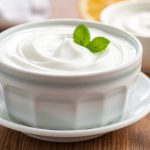
Consider plating carrots with a dollop of yogurt or whipped browned butter for richness, or scatter microgreens and citrus segments for brightness. Small tweaks change the meal context from rustic to refined.
Nutrition and chemistry notes
Cooking increases the bioavailability of fat-soluble nutrients like beta-carotene, making vitamin A precursors easier to absorb. Heat breaks cell walls and releases these compounds into the fat present in the dish.
At the same time, water-based methods can leach water-soluble vitamins. Choosing steaming or pan methods minimizes nutrient loss compared with long boiling. For deeper reading on the pigment, see beta-carotene.
| Nutrition (per serving) | Amount |
|---|---|
| Calories | 120 kcal |
| Protein | 1.5 g |
| Carbohydrates | 15 g |
| Fat | 7 g |
Further reading and internal resources
For technique-driven guidance, read our detailed page on roasting vegetables to understand heat dynamics and surface chemistry. This internal guide shows how oven temperature and rack placement change caramelization outcomes.
We also recommend our practical piece on caramelizing vegetables for tips on sugar control and timing. Together with the sections above, these resources provide a concise roadmap to consistent results.
For scientific context about the carrot itself, see the comprehensive plant profile at Carrot. To review roasting principles, consult the roasting (cooking) entry.
FAQ
Why do carrots taste sweeter after cooking?
Heat breaks down complex carbohydrates and softens cell walls, releasing simple sugars and aromatic aldehydes. These changes increase sweetness perception and allow browning reactions to add new flavor layers.
Which cooking method yields the sweetest carrots?
Roasting generally produces the most concentrated sweetness because dry heat encourages surface caramelization. Pan-sautéing with a finish of low covered cooking also concentrates sugars while retaining texture.
Can I preserve nutrients while maximizing flavor?
Yes. Use minimal water methods like steaming or sautéing, and include a small amount of fat to increase absorption of fat-soluble nutrients such as beta-carotene. Quick finishing preserves brightness and vitamins.
Do spices change the chemical transformation?
Spices do not alter the basic sugar chemistry, but they interact with released aromatics to modify perception. Warm spices like cinnamon or cumin amplify perceived sweetness; acids like citrus balance and brighten the profile.
How do I avoid burning sugar when caramelizing?
Control heat carefully and add liquid early if browning accelerates. Use a combination of fat and controlled sugar, and finish on lower heat to sustain glaze formation without bitterness.
See also: carrot taste